
What to Do With Loose Batteries Found During a Clear-Out
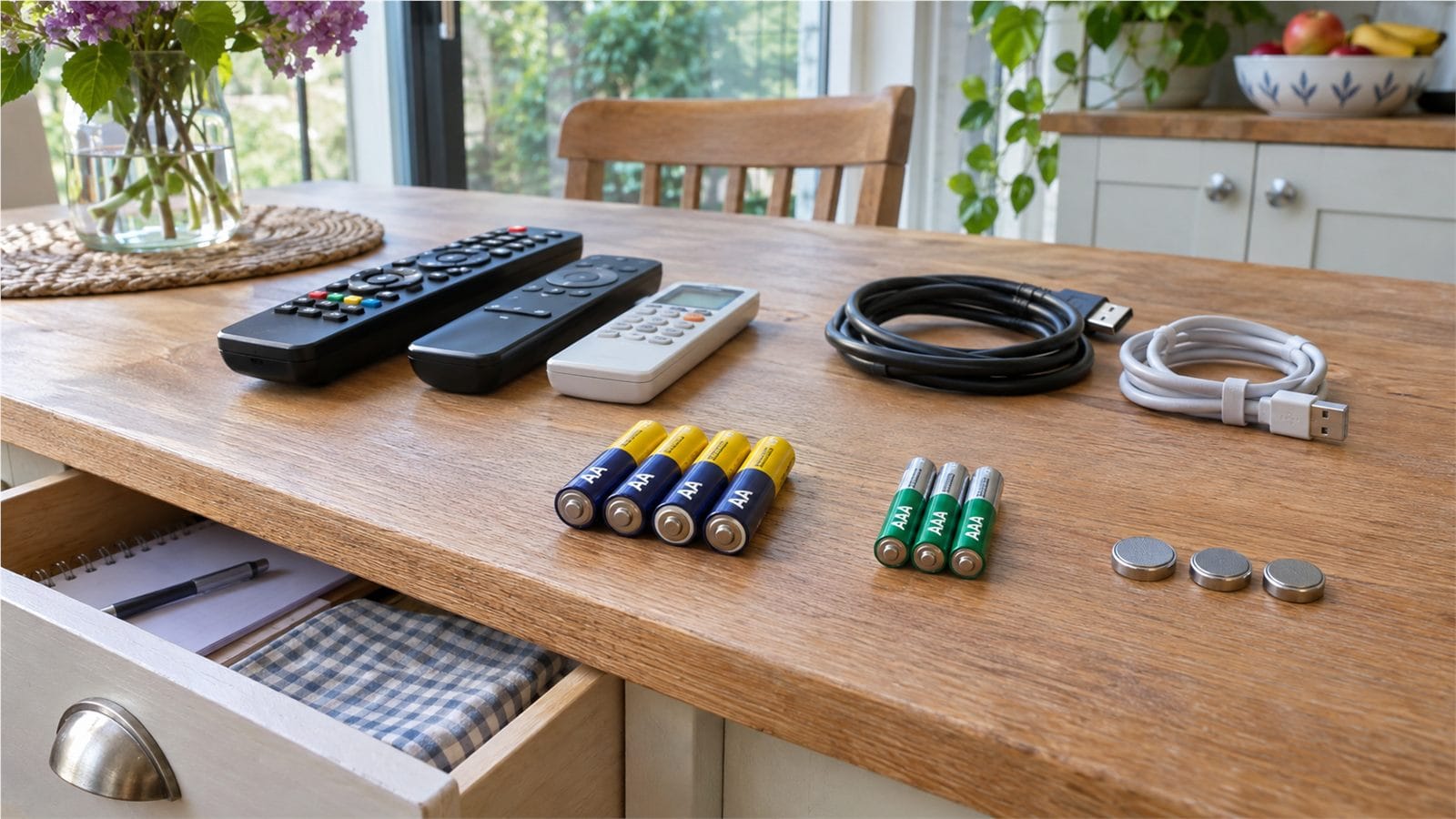
Loose batteries tend to collect in the least obvious places: a kitchen drawer, a box of old toys, a bedside table or the bottom of a bag of cables. When you clear a home, they can end up mixed with paper, small electricals and general rubbish unless someone deliberately looks for them. Setting them aside takes little effort and makes the rest of the sort more accurate.
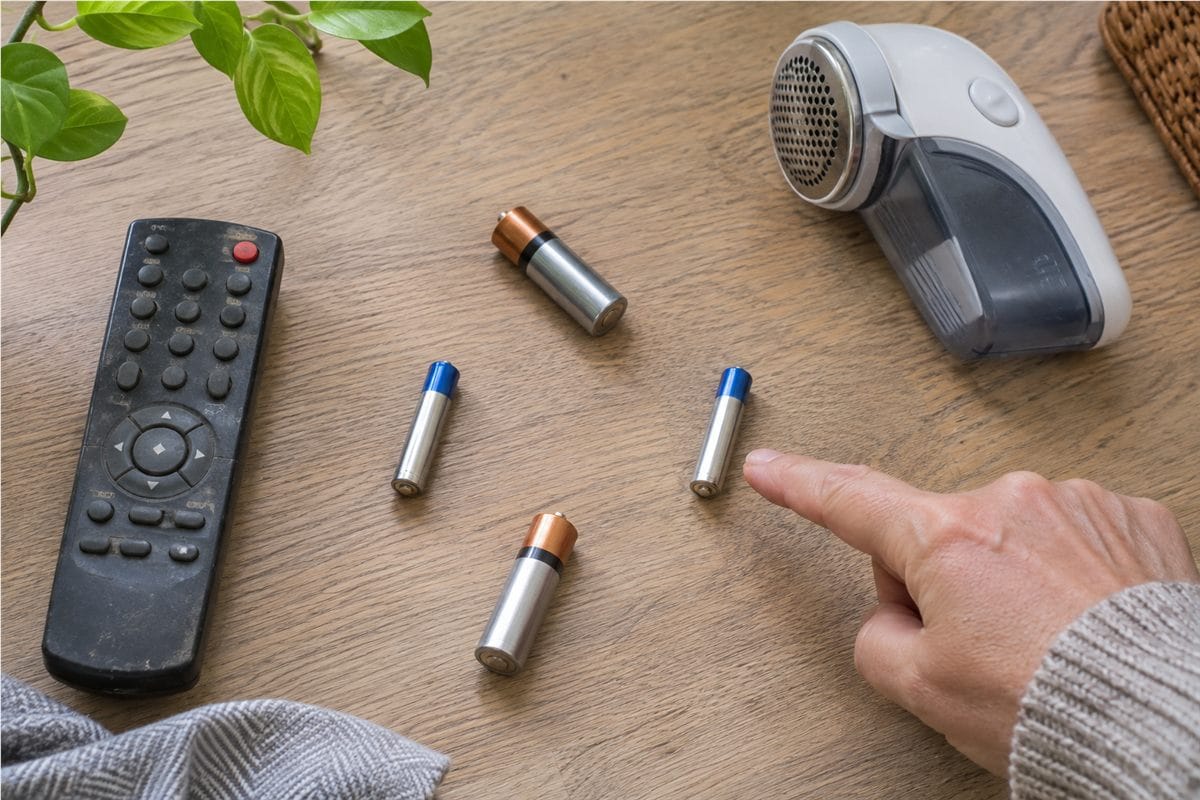
The main distinction is between loose portable batteries, batteries built into devices and larger specialist batteries. These do not always share the same drop-off point. A calm, item-by-item check is more reliable than sweeping every battery-shaped object into a single unlabelled bag.
Find batteries before closing the rubbish bags
Start with the places where devices are stored: remote controls, torches, toys, wireless computer accessories, cameras, cordless tools and old phones. Open a removable battery compartment only if it is designed to be opened normally. A device with a sealed battery is not a prompt to force the casing apart. Put it in a separate electrical-items group and check the receiving site’s guidance.
Look for loose cells in drawers and cupboards too. An empty packet may contain used batteries placed back in it for safekeeping. A tin labelled “spares” may mix fresh and spent cells. Do not test an unknown battery by putting it in an appliance you care about; first separate obviously used, damaged and unopened items.
Keep the batteries away from coins, keys and other loose metal objects while sorting. Check the ends of each cell for damage or leakage. If a battery is hot, swollen or visibly damaged, stop treating it as an ordinary portable battery and ask an appropriate recycling facility or specialist for instructions. The UK government’s consumer guidance highlights the fire risk from some damaged or wet lithium-ion batteries in rubbish.
Recognise the everyday portable types
AA and AAA cells are familiar, but household battery collections can also include button cells, 9V blocks, rechargeable packs and batteries from small gadgets. Recycle Now’s battery guide lists these common household types and notes that car batteries require designated collection points. If you are unsure whether an item belongs in a shop’s portable-battery box, check the sign at the point or ask staff.
Do not assume the size of a cell tells you everything about it. A rechargeable lithium pack, a standard alkaline cell and a button battery may all fit in a drawer but have different markings and handling needs. Keep the original label visible where possible. Do not pull a battery pack apart to make it fit into another category.
Car, e-bike and industrial batteries are outside an ordinary handful of household portable cells. A shop box intended for AA batteries is not a destination for a vehicle battery. Find a designated route and describe the exact battery type before taking it anywhere.
What if a battery is still inside a device?
If it slides out through a normal compartment, you can ask the receiving facility whether to separate it. If it is built in or cannot be removed without tools or force, the government’s guidance says to treat the whole item as an electrical product. That applies to many small gadgets. The device and its battery still need an appropriate collection route; they should not disappear into mixed household waste.
Keep a separate list of battery-containing devices during a larger clear-out. A few electronic toys and a cordless drill can be easy to forget when the bags are described simply as “old belongings”. A clear inventory lets the collector or recycling point tell you which items it accepts.
Use a real collection point, not the mixed bin
The crossed-out wheelie-bin symbol on batteries tells you they should not be put in ordinary household rubbish. The government’s guidance says most waste portable batteries can be taken to supermarkets or other large shops that sell enough batteries to provide a collection point. Check for the box in store and read its instructions. If the box is full or absent, do not leave cells beside it.
Some councils offer a household battery collection with special presentation rules. Recycle Now advises checking with the local authority first; where a service exists, it may require a separate small bag or a specific position beside the usual bin. Never assume that batteries can simply be mixed into a dry-recycling container. The rule for your property depends on the borough and collection scheme.
Household waste recycling centres may also have battery areas. Check the site listing before travelling, particularly if you have a larger pack or something unusual. A facility that accepts portable batteries may have a different bay for car batteries and another process for damaged items. The safest practical approach is to tell staff what you have rather than conceal it in a mixed box.
Treat lithium batteries with extra care
Many rechargeable devices use lithium batteries. The government says their terminals should ideally be taped before recycling to reduce fire risk. This is a specific suggestion for loose lithium batteries, not a reason to wrap an entire damaged device in layers of tape and put it into any collection box. If a battery is damaged, wet, leaking, swollen or unusually warm, seek direct instructions before moving it through an ordinary route.
Keep loose batteries dry and protected from crushing while you arrange disposal. Do not leave a bag of them in rain, beside a heat source or under heavy rubbish. A small amount of care during storage prevents the exact risk that separate collection is intended to address.
If you cannot identify a large or damaged pack, take a clear photograph of its label without touching exposed terminals and ask the intended facility whether it can accept it. Avoid guessing from the colour or shape. The staff need to know what they are being asked to handle.
Do not let the battery pile become a permanent project
Once you have collected the ordinary portable cells, choose the route and set a date to use it. A yoghurt tub of batteries left indefinitely in a cupboard becomes another item for the next clear-out. If you pass a suitable shop regularly, take them on the next visit after checking the collection point is available. Keep the container out of reach of children while it is waiting, particularly if it holds small button batteries.
For a whole-property sort, make one person responsible for the battery group. They can check each room, label the container and make sure it is not loaded with general rubbish. This avoids several people creating separate piles that later get mixed together. Record any unusual battery or damaged item that still needs advice.
Describe the rest of the household load accurately
After removing loose batteries and obvious electricals, you can describe the remaining bags and bulky items for a household waste removal enquiry. The site does not present hazardous material as part of its ordinary household collection, so ask explicitly about uncertain items rather than hiding them in a bag. The collector needs a truthful account of what is leaving.
If several battery-powered objects are mixed with children’s toys or desk supplies, make a second pass through that group before closing the boxes. A musical toy, a light-up key ring and a wireless mouse may each contain a cell, while the adjacent plain plastic objects do not. Put a note on any device whose battery compartment cannot be opened normally, so the receiving point knows that the battery remains inside. This is more useful than dismantling it by force. Count the devices separately from the loose cells; a collector or recycling centre can then assess the two groups without opening an anonymous bag at the point of handover.
The method is straightforward: identify loose batteries, separate devices with built-in batteries, check for damage, and take each group to a route that names it as accepted. Local rules still matter, but you do not need to memorise every regulation to prevent batteries being lost in mixed waste. You need a deliberate pause before closing the last bag.