
LONDON CLEARANCE SERVICES
Commercial Waste Collection in London
We collect agreed commercial waste from London businesses. One-off clearance and regular collection can be discussed, with the waste streams, premises access and visit arrangements defined around your operation.
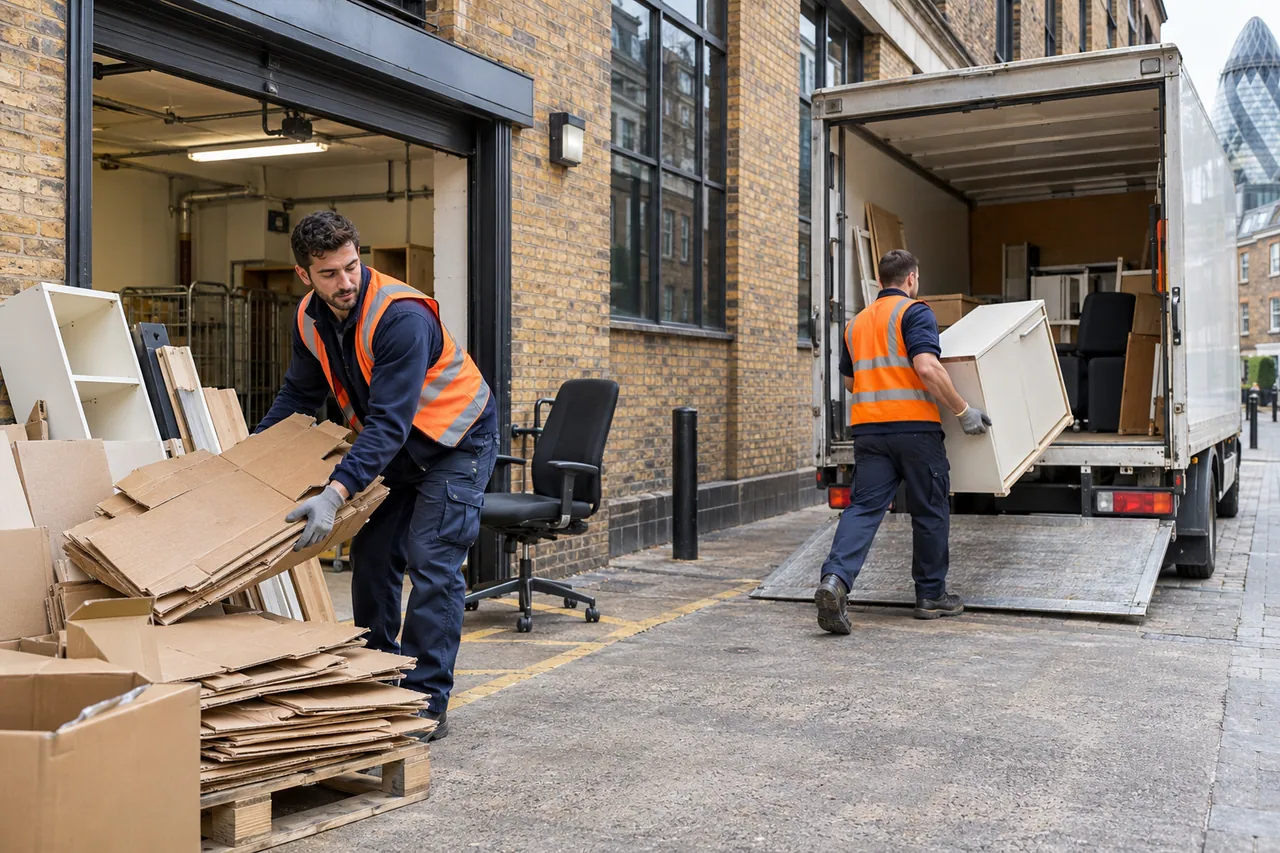
Regular collections discussed around your waste
We offer the option to discuss regular commercial waste collection. The arrangement needs to establish the stream, anticipated amount, premises access and required frequency. A request for weekly collection is a starting point for that conversation, not an automatic contract or promise of a particular bin service. The presentation requirements and frequency are discussed for the waste streams your business produces.

Describe the business waste
Identify each stream, approximate quantities and the areas where waste is stored at the premises.

Choose the collection scope
We discuss a one-off load or a regular arrangement, including what is accepted and how access works.

Agree the visit arrangements
The quote, timing and site contact are established with the team rather than assumed from an enquiry.

Collect and remove
We carry and load the agreed materials and arrange onward waste handling appropriate to the collection.
Waste removal for your business premises
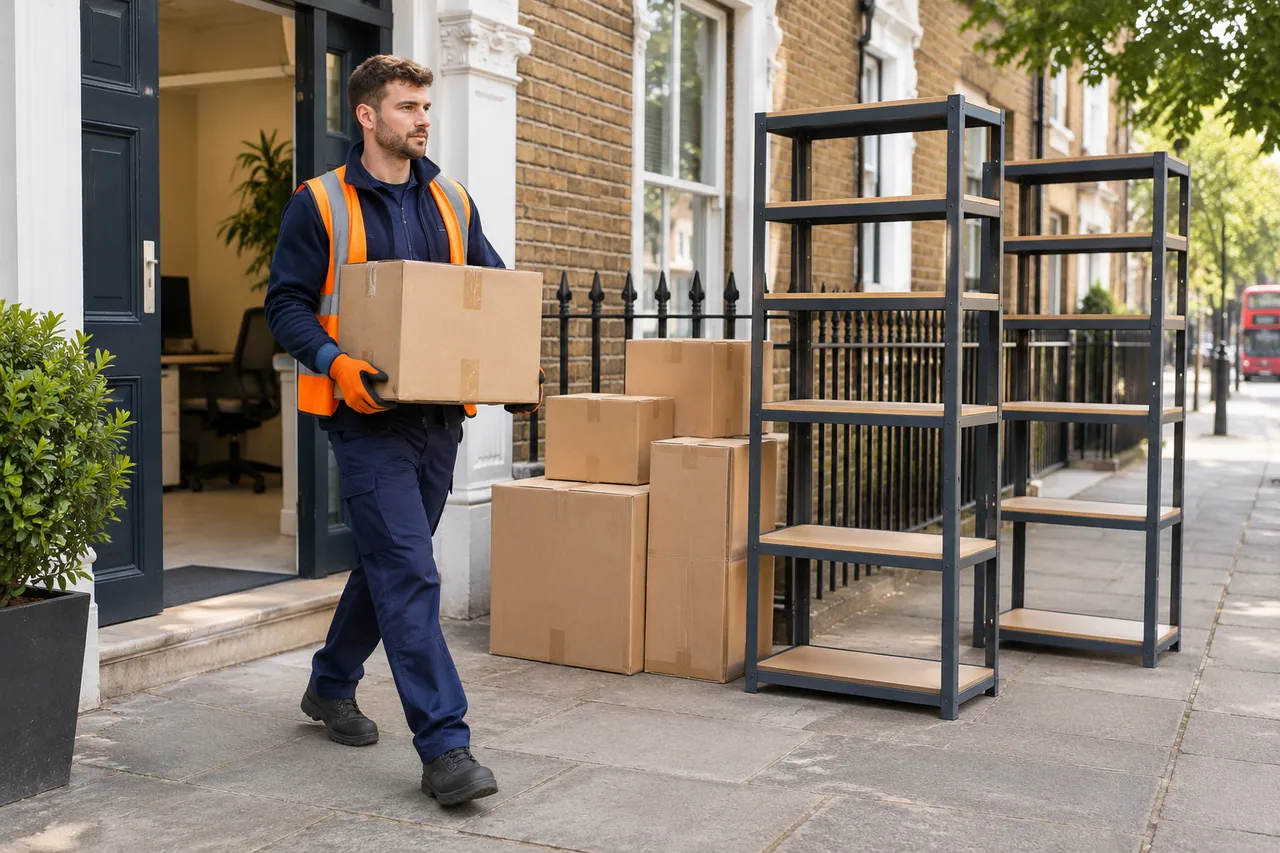
Rubbish Begone provides commercial waste collection for businesses that need unwanted materials removed without arranging their own transport. Our service covers both a one-off rubbish clearance and a regular service discussed with the team. We establish the type of business waste, the amount and where it is stored before agreeing the removal. A business address alone does not describe the material or collection requirements.
The scope may involve packaging, furniture, office contents or other accepted commercial rubbish. Different streams need identifying rather than being grouped under a single description of business waste. A stockroom full of cardboard and a load of heavy removed fixtures are different jobs. We use the enquiry to distinguish them and discuss which service and collection arrangement matches the actual contents.
What we identify in a commercial load
The first discussion separates routine accumulated waste from bulky items and electrical equipment. That makes clear what is leaving the premises and prevents an ordinary collection being mistaken for acceptance of every substance produced by the business. Specialist, hazardous or unidentified material needs separate clarification. The team clarifies the suitability of the particular waste before including it in the commercial collection.
| Waste group | Examples to describe | Collection information |
|---|---|---|
| Packaging | Cardboard, wrapping and empty packaging | Approximate quantity, presentation and whether mixed with other waste. |
| Furniture | Desks, chairs and freestanding storage | Item counts, dimensions and their location. |
| Workplace contents | Accepted office or stockroom rubbish | Main materials and anything unusual within the load. |
| Electrical items | Computers, printers and other equipment | Listed separately with any specialist handling requirement. |
| Project waste | Materials from a business refit | Description of dense, bulky or construction-related components. |
| Specialist waste | Hazardous, clinical or unidentified materials | Acceptance requires a specific discussion before collection. |
One-off commercial clearance
A one-off visit can address accumulated waste, a change in premises or unwanted contents following an operational change. We define the items or pile included in that collection. If the premises remain open, the discussion identifies the waste areas and the route available to the team. Goods still in use or held for sale remain outside the removal scope unless explicitly included.
Photographs are particularly useful where a stockroom contains a mixture of rubbish and retained assets. We need to understand the collection boundary, not just see that the space is full. A clear item description allows the quote to relate to what will actually be carried and loaded. It also avoids treating unopened stock or equipment awaiting repair as waste by default.
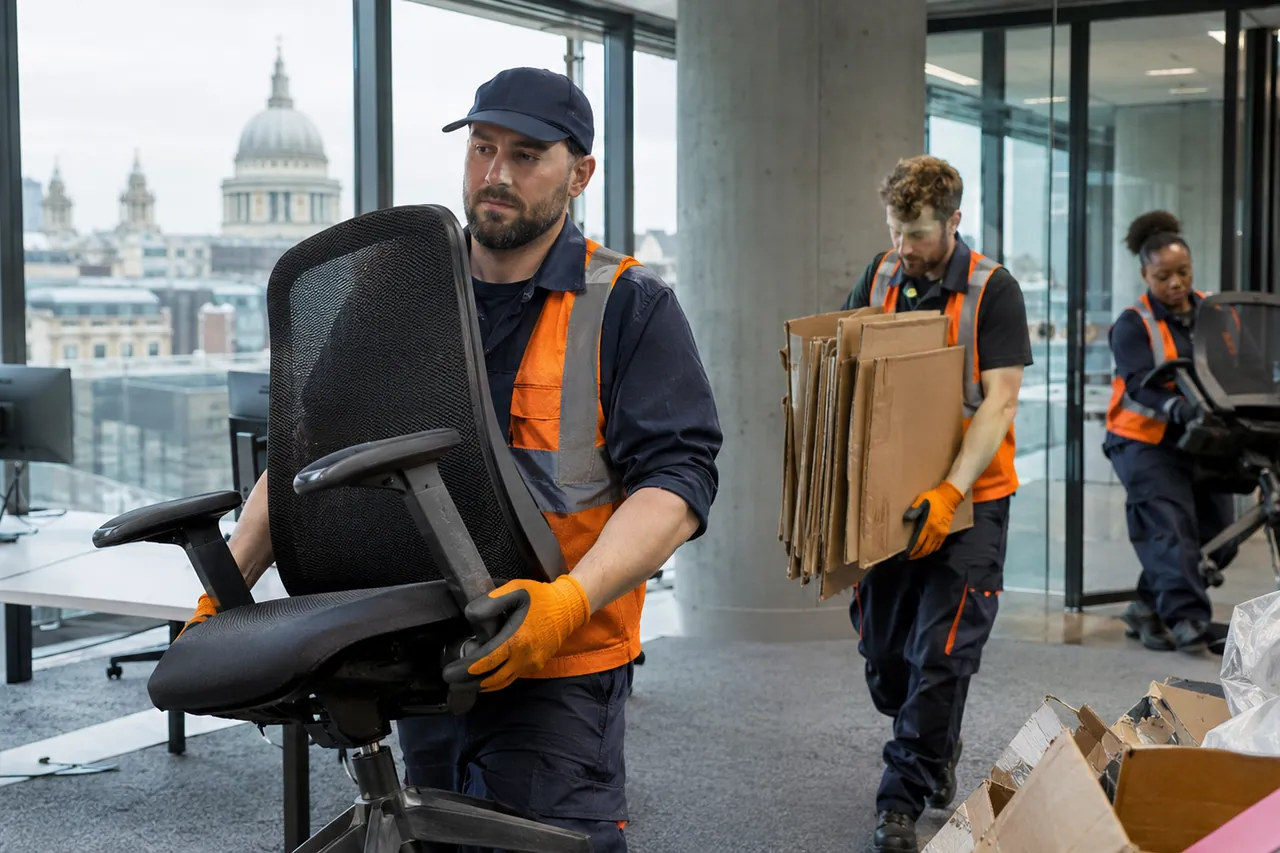
Entry, storage and loading at the premises
Commercial buildings can have goods entrances, service yards, shared corridors or controlled loading bays. We discuss the entrance to use, the person authorising access and any restrictions on the time available for loading. Where waste is stored upstairs or in a basement, those details are part of the collection description. The route is not assumed to be direct vehicle access.
| Premises detail | What is discussed | How it informs the work |
|---|---|---|
| Waste storage | Internal room, yard or another defined area | Establishes where carrying starts. |
| Site contact | Person who can identify waste and allow entry | Connects the collection with the operating premises. |
| Loading restrictions | Bay access, permitted hours and distance | Helps establish realistic vehicle loading arrangements. |
| Shared areas | Routes used by other occupants or customers | Defines access considerations for the agreed visit. |
Distinguishing separate service requirements
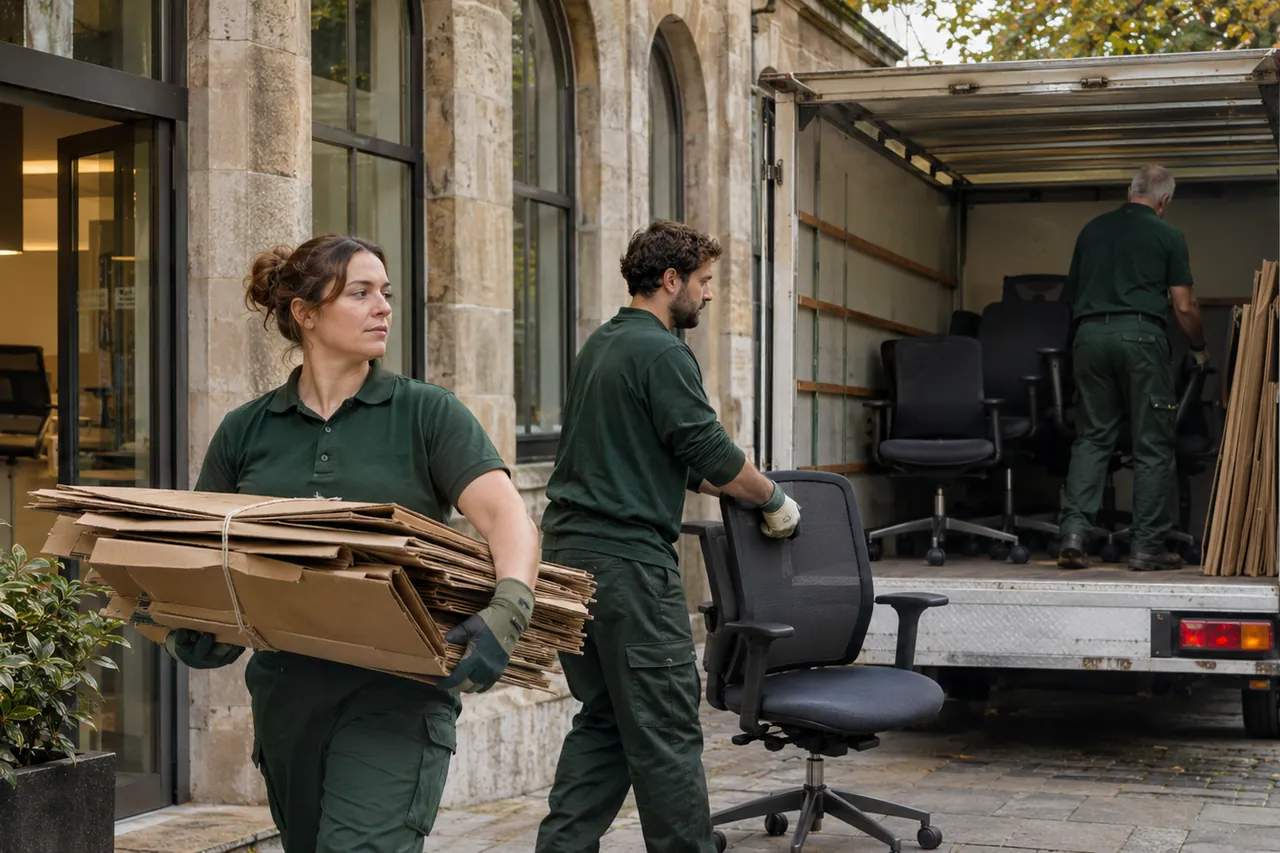
A commercial collection can include more than one material, but that does not make all requirements identical. Data-bearing devices, confidential documents and installed equipment need explicit discussion. A furniture load is not automatically a secure destruction service or an equipment decommissioning contract. Explain those requirements before the quote so the scope does not depend on assumptions at the loading point.
For waste produced by construction or refurbishment, describe the materials rather than calling them general commercial rubbish. Rubble, plasterboard and removed units have different characteristics from packaging. We can discuss the relevant builders or refurbishment collection alongside other business items. Keeping those descriptions clear supports a useful quotation and a more accurate account of the onward handling involved.
Handling the collected business waste
We organise removal and onward disposal for the accepted load and pursue recycling where appropriate. The service does not rely on one assumed treatment outcome for every material. Materials and condition influence the route available. The enquiry therefore identifies the waste streams that make up your collection rather than presenting a single environmental outcome for all business waste.
| Material stream | Detail needed | What must be clarified |
|---|---|---|
| Cardboard and packaging | Clean packaging or mixed accumulated rubbish | Actual material mix and amount. |
| Bulky business items | Furniture, shelving and removable contents | Handling requirements and access for large pieces. |
| Electrical equipment | Equipment types and data requirements | Acceptance and any treatment beyond physical collection. |
| Unusual materials | Unknown substances or specialist waste | Suitability before inclusion in the agreed removal. |
Agreeing a commercial collection quote
Our price discussion reflects the waste type and amount together with the labour involved in reaching and loading it. The quote relates to your waste streams and premises rather than a standard assumed business load. Photographs, quantities and premises details give the team a useful description. The quote is then discussed against the collection you need rather than the size of your organisation.
Where a regular arrangement is requested, changes in waste quantity or composition need discussing. A new refit load is not necessarily covered by a routine collection agreement. Similarly, a one-off quote does not establish ongoing visits. We keep those scopes distinct so the business can understand what has actually been arranged and which additions require a further discussion.
| Quote factor | Information provided | Collection relevance |
|---|---|---|
| Waste type | Main streams and unusual items | Establishes handling and disposal requirements. |
| Quantity | Counts, photographs or approximate pile dimensions | Describes the material to remove. |
| Access | Floors, carrying distance and loading restrictions | Defines the collection work at the premises. |
| Arrangement | One-off visit or proposed regular service | Distinguishes a single load from an ongoing requirement. |
What is included in the agreed removal
The collection removes the waste identified for the visit. It does not automatically include cleaning the premises, sorting business records, dismantling fixed systems or providing unlimited waste capacity. Any requirement beyond carrying, loading and removal needs confirming with the team. That keeps the service description specific enough for a small business collection or a larger workplace job with the accepted contents and access clearly defined.

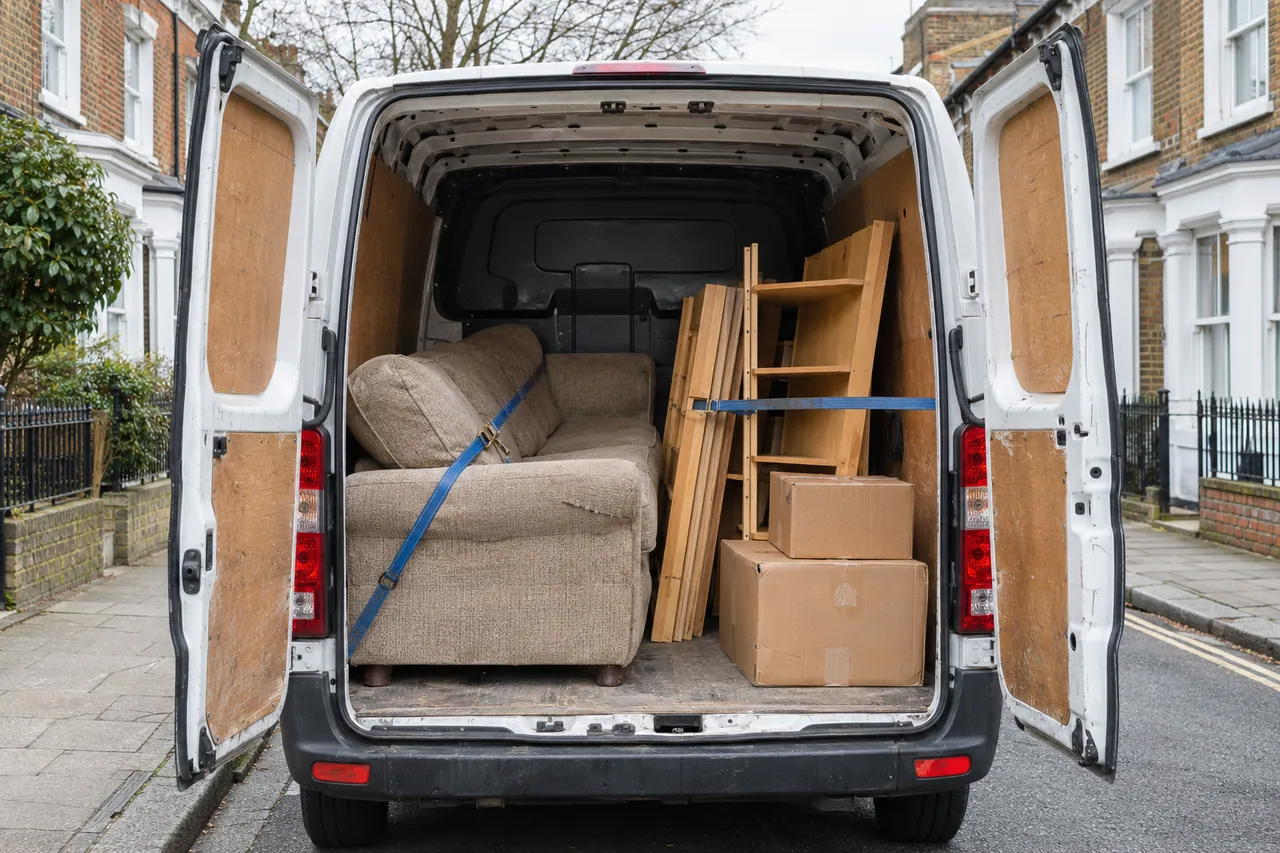
Commercial Waste Collection: collection and loading
Commercial waste questions
Can I arrange a one-off business collection?
Yes. Our commercial service includes one-off rubbish clearance. Describe the waste, its quantity and the premises access so the team can discuss a quote and available visit. The scope is the agreed load rather than every item at the address.
Do you offer regular waste collection?
Regular collection can be discussed with the team. The waste stream, expected amount, frequency and access need agreeing for your premises. This page does not establish a standard bin contract or guarantee an unconfirmed collection schedule.
Can packaging and old furniture be collected together?
Identify both categories in the enquiry. We can discuss the combined load, including the size of the furniture and amount of packaging. They remain different materials, so a photograph of cardboard alone does not describe the whole collection.
What if our loading bay requires advance booking?
Tell us about the booking requirements and permitted access period before arranging the visit. The site contact and loading position form part of the collection discussion. An address does not by itself confirm that a bay is available.
Are all hazardous business materials included?
No blanket acceptance should be assumed. Describe any hazardous, clinical or unidentified material separately and ask the team to clarify suitability. A general commercial collection is not a universal specialist waste service for every business process.
Will a routine collection cover our shop refit waste?
A refit can introduce bulky fixtures or building materials outside an ordinary collection. Describe the additional waste so the scope and quote can be reviewed. It should not be treated as automatically included in a regular arrangement.
What details help you quote for a business premises?
Provide the postcode, main waste streams, approximate quantities, photographs, storage location and loading restrictions. State whether the need is one-off or regular and identify a site contact who can explain access and the items to remove.
Arrange your collection
Tell us about your commercial waste collection
Open our booking form to arrange your collection.
Continue to our booking form to confirm your items and contact details.