
LONDON CLEARANCE SERVICES
Small Household Appliance Removal in London
We collect unwanted small household appliances from London homes. The devices are identified separately from general rubbish, with the quantity, access and collection arrangements discussed before carrying and removal.
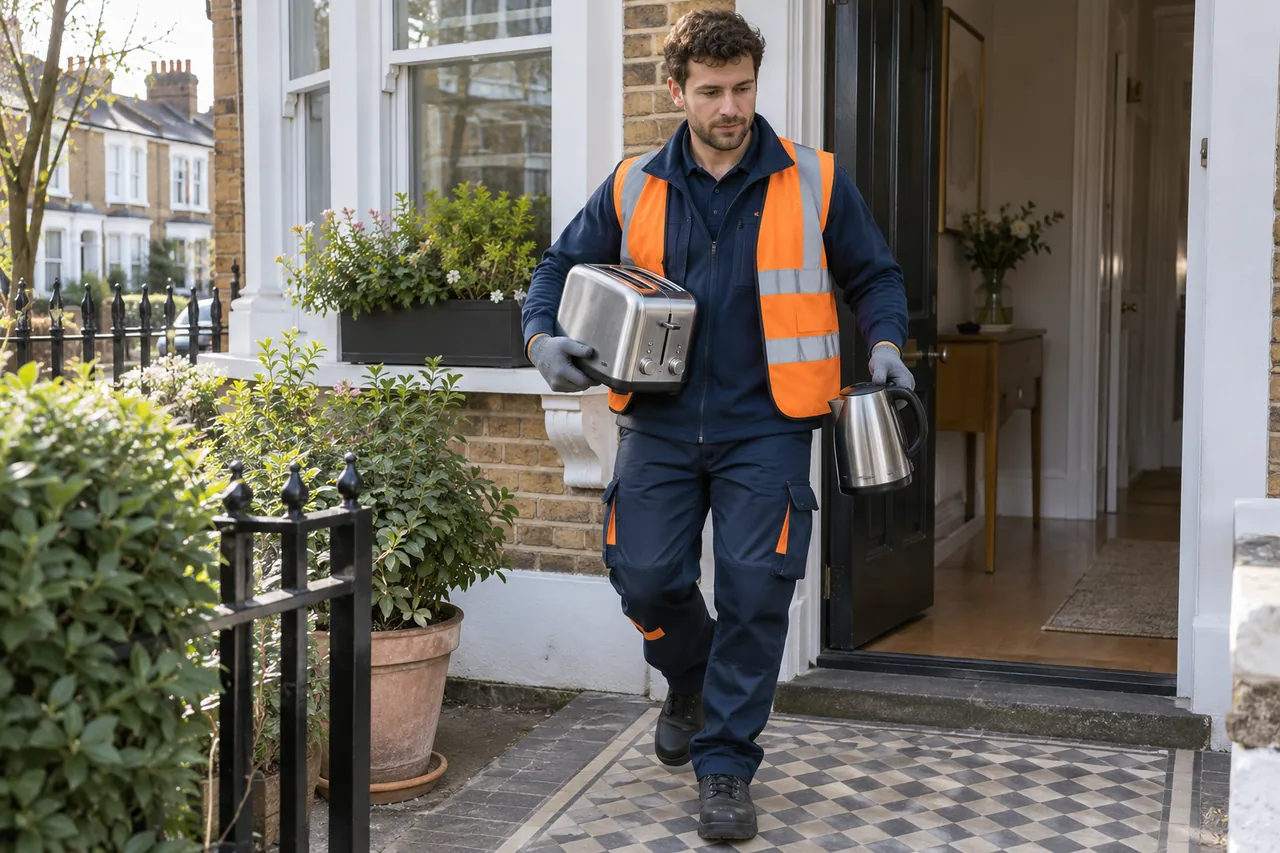
Appliances and components in the load
We discuss the devices in their current state. An intact toaster, a coffee machine with separate parts and a box of mixed electrical components need different descriptions. Photographs of the whole group help show scale, while the item list explains what is present. Any separate accessories, chargers or unusual parts should be included in that description so the collection scope remains accurate.
| Appliance category | Examples for discussion | Information needed |
|---|---|---|
| Kitchen devices | Toasters, kettles and coffee machines | Types, quantities and any separate parts. |
| Food preparation | Mixers and other small countertop equipment | Approximate size and current condition. |
| Domestic cleaning | Small cleaning appliances such as a vacuum | Device type and whether components are separate. |
| Portable household devices | Fans and other agreed small electrical items | Identification and acceptance before the visit. |
| Accessories | Cables, chargers or related appliance parts | Describe them alongside the main equipment. |
| Unusual or damaged items | Devices with unknown components or visible damage | Specific clarification of suitability and handling. |
Collection of unwanted domestic electrical devices
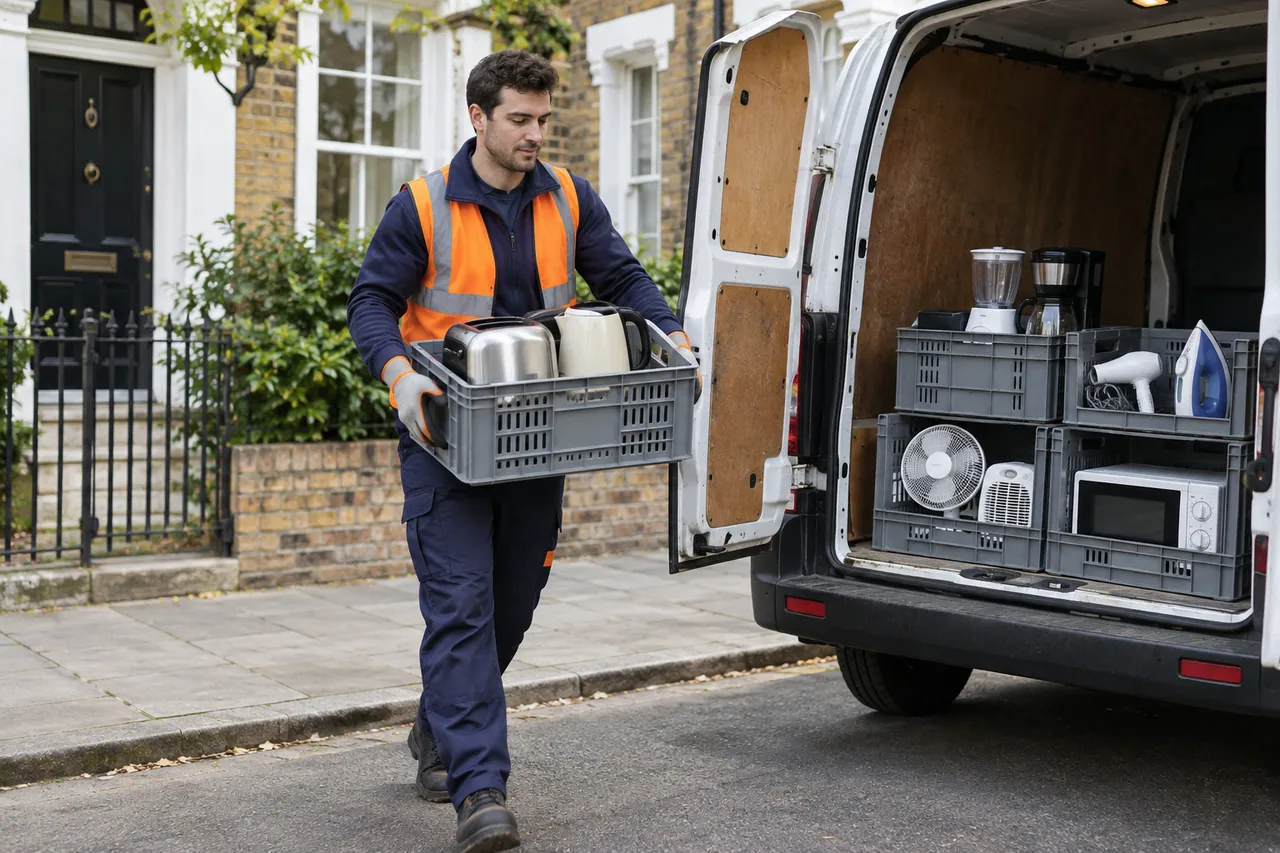
Rubbish Begone provides removal of small household appliances that are broken, outdated or no longer wanted. Our service specifically includes coffee machines and toasters, alongside discussion of other small domestic electrical items. We arrange the collection so you do not need to transport the accepted devices yourself. One item or several can be discussed with the team, depending on the equipment and location.
The enquiry identifies each type of appliance and the approximate quantity. A group of compact kitchen devices is different from a bulky household machine, even if both are electrical. We establish what is actually leaving before agreeing the collection. Larger appliances, installed equipment and unusual devices need describing specifically rather than being assumed to fall within a general small-appliance label.
A single device or a grouped collection
The service can be discussed for one unwanted appliance without requiring a whole-house clearance. If several devices have accumulated, list the types and quantities together. We can then discuss the combined load. A box count is useful, but it should be supported by the contents: one box of cables is not the same collection description as one box containing several appliances.
Where other household rubbish is also leaving, describe it separately. Furniture, bagged domestic contents and electrical equipment can be discussed in one enquiry, but they remain distinct waste categories. The collection quote needs the full picture rather than assume that a small-appliance request includes every unwanted object nearby. Retained devices and spare parts that are staying should remain outside the agreed load.
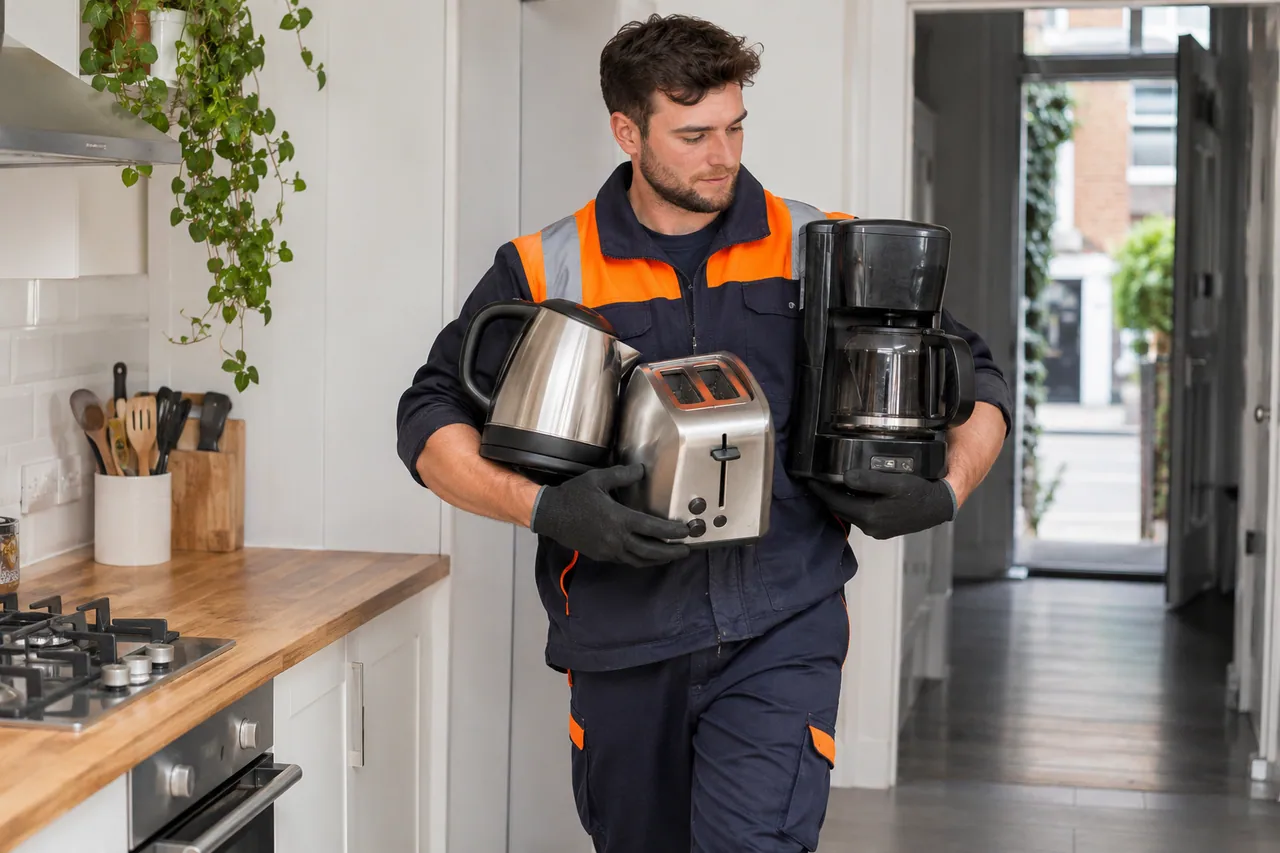
How we organise appliance removal
We begin with the postcode and appliance list, then discuss the location, access and proposed collection date. The team establishes the accepted devices and quote before agreeing a visit. Same-day requests can be considered subject to availability. Submitting the local form records an enquiry for review; it does not confirm a booking or send a collection team automatically.

Identify the devices
List appliance types, quantities and separate components, with photographs showing the actual equipment to remove.

Discuss condition and access
We clarify unusual parts, device state and the route from the property to the loading point.

Agree the collection
The team discusses acceptance, price and an available visit for the specified appliance load.

Carry and remove
We load the agreed equipment and transport it for suitable onward handling of electrical waste.
From the kitchen or storage area to the vehicle
Small devices can be stored across several rooms or collected together in one area. We discuss where the load is situated and the route out of the property. Upper floors, shared doors and loading distance still matter, even where individual appliances are portable. The enquiry should describe the whole carrying task rather than assume that small items always mean direct vehicle access.
| Access detail | Information discussed | Collection purpose |
|---|---|---|
| Device location | Kitchen, storage room or several areas | Establishes the items and areas included. |
| Floor and route | Stairs, lift and doors | Describes the carrying needed within the property. |
| External access | Steps, shared entrances and distance | Connects the internal collection with loading. |
| Vehicle position | Practical stopping point and restrictions | Allows the visit arrangements to reflect the address. |
Connected equipment and special components
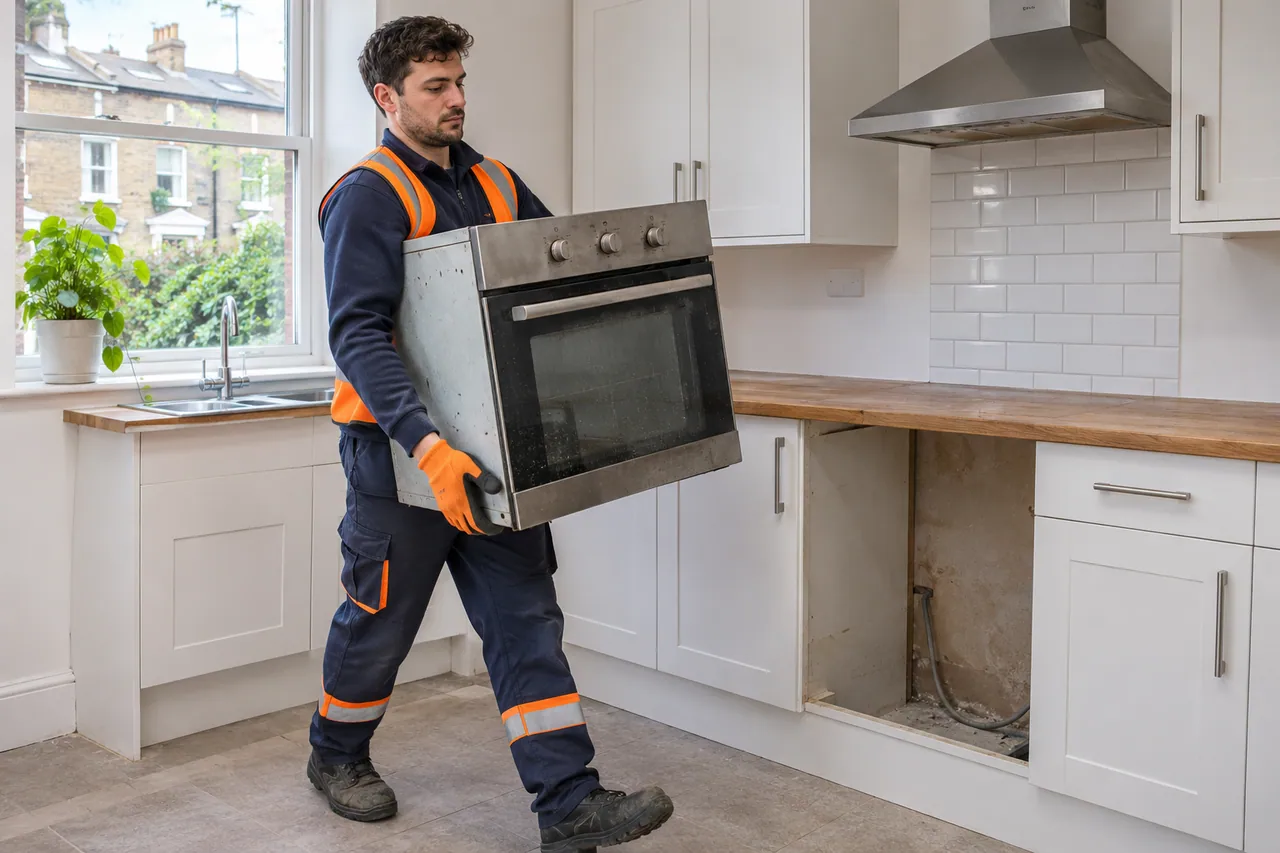
Tell us whether a device is ready to be collected or remains connected as part of an installation. Technical disconnection is not automatically included in an ordinary carrying and removal service. A portable countertop device and a fitted appliance can involve different work. We clarify those questions before the collection is agreed rather than imply that all electrical jobs are the same.
Battery-powered equipment and visibly damaged devices need a specific description. The team should know about unusual components before accepting the load. The purpose is to establish the actual collection, not to ask you to dismantle or alter electrical equipment yourself. We discuss suitability and any further information needed for items that cannot be clearly identified from the initial enquiry.
Electrical items are not ordinary mixed rubbish
Our appliance service concerns the collection and onward disposal of accepted electrical goods. We identify them separately from ordinary household waste so the equipment can be considered through an appropriate handling route. We seek recycling where suitable, but do not claim that every part of every device will be recovered or publish a single assumed recovery outcome for the collection.
| Electrical stream | What we identify | Handling consideration |
|---|---|---|
| Intact appliances | Device type and approximate quantity | Accepted electrical collection rather than general bagged rubbish. |
| Mixed components | Separate cables, parts and accessories | Contents need describing rather than remaining an unknown box. |
| Battery devices | Presence and condition of relevant components | Acceptance and handling discussed before inclusion. |
| Other household waste | Furniture, packaging or ordinary contents | Listed as a separate part of the collection scope. |
Pricing the small-appliance collection
The quote reflects the equipment, amount and carrying involved. The team explains the price against the items and access described for your collection. Several small kitchen items near a ground-floor entrance differ from a mixed load spread across upper rooms. The item list and access details let the team discuss a collection that matches the actual job.
If more equipment is added after the quotation, or the collection includes a larger appliance not previously listed, update the team. The accepted load and price may need reviewing. The same applies to unexpected device damage or a different access route. A clear scope helps define what will be removed without treating a request for one coffee machine as unlimited electrical disposal.
| Quote factor | Detail provided | Why it matters |
|---|---|---|
| Appliance inventory | Types, counts and photographs | Defines the actual collection load. |
| Components and condition | Separate parts, battery devices or damage | Identifies questions about acceptance and handling. |
| Carrying | Floors, collection areas and loading distance | Describes the work at the property. |
| Additional items | Other rubbish or larger equipment | Allows a combined scope to be discussed accurately. |
What you receive from the collection
The agreed unwanted appliances are carried, loaded and removed from the property for onward handling. Our service does not imply repair, replacement, installation of new equipment or technical work on existing household systems. If your requirement goes beyond disposal, explain it before agreement. The collection remains focused on removing the accepted devices and their identified components.
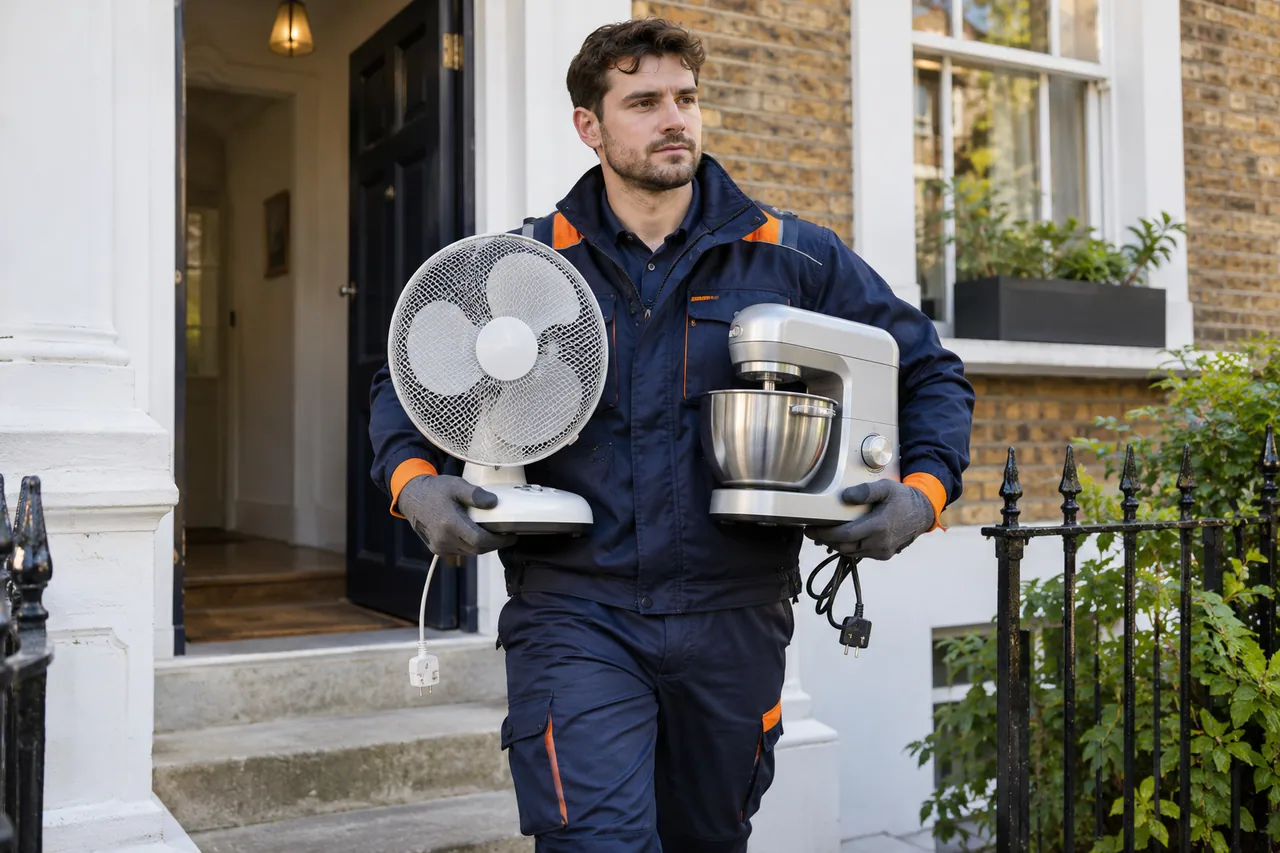
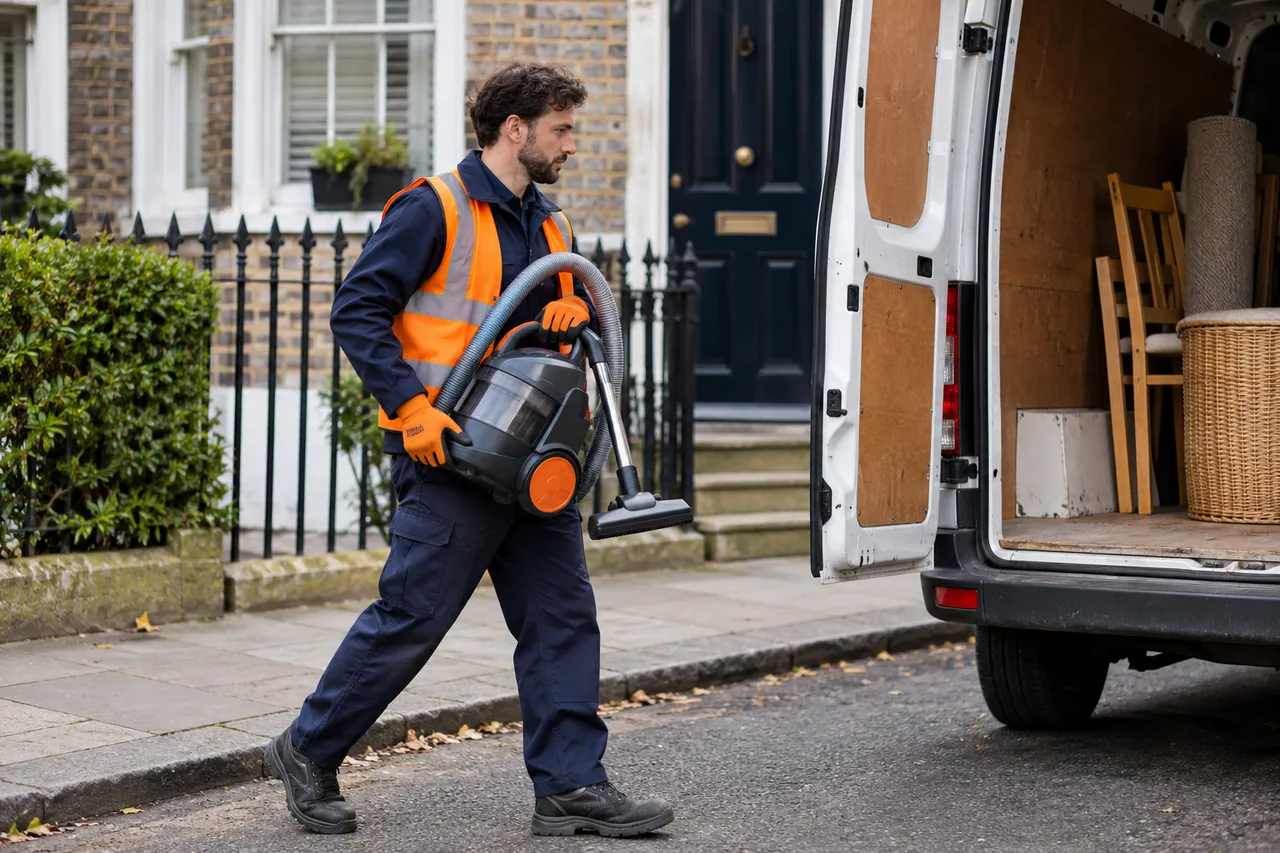
Small Household Appliance Removal: collection and loading
Small appliance questions
Can you collect an old coffee machine?
Yes, coffee machines are specifically described in our small-appliance service. Tell us the type, approximate size and location. List any separate components so the team can discuss the whole item and the collection arrangements.
Is one broken toaster enough for an enquiry?
A single appliance can be discussed. Provide the postcode, device details and access so the team can explain the available collection and quote. The service does not require you to describe a complete house clearance.
Can several different appliances be collected together?
List each type and approximate quantity. A combined collection can be discussed, with the devices identified separately from any ordinary household rubbish. Photographs of the whole group help explain the actual load.
Do you disconnect fitted appliances?
Technical disconnection is not automatically included in small-appliance removal. Explain whether an item is portable and ready to collect or remains fitted or connected. Any additional work needs clarification before the collection is agreed.
What if an appliance has a damaged battery?
Describe the device and damage before the visit. Suitability and handling need a specific discussion rather than automatic inclusion with intact appliances. Do not assume that an unidentified or damaged component is covered by a general device count.
Can furniture be included in the same request?
Yes, describe the furniture separately alongside the appliances. The team can discuss the combined removal, including item dimensions and access. A small-appliance list alone does not establish the scope of a larger furniture collection.
What happens to the collected electrical goods?
We arrange appropriate onward handling for the accepted devices and seek recycling where suitable. The equipment type and material influence the route. We do not promise that every component is reused or provide a single assumed recovery outcome.
Arrange your collection
Tell us about your small household appliance removal
Open our booking form to arrange your collection.
Continue to our booking form to confirm your items and contact details.