
What Are Your Options for an Old Mattress in London?
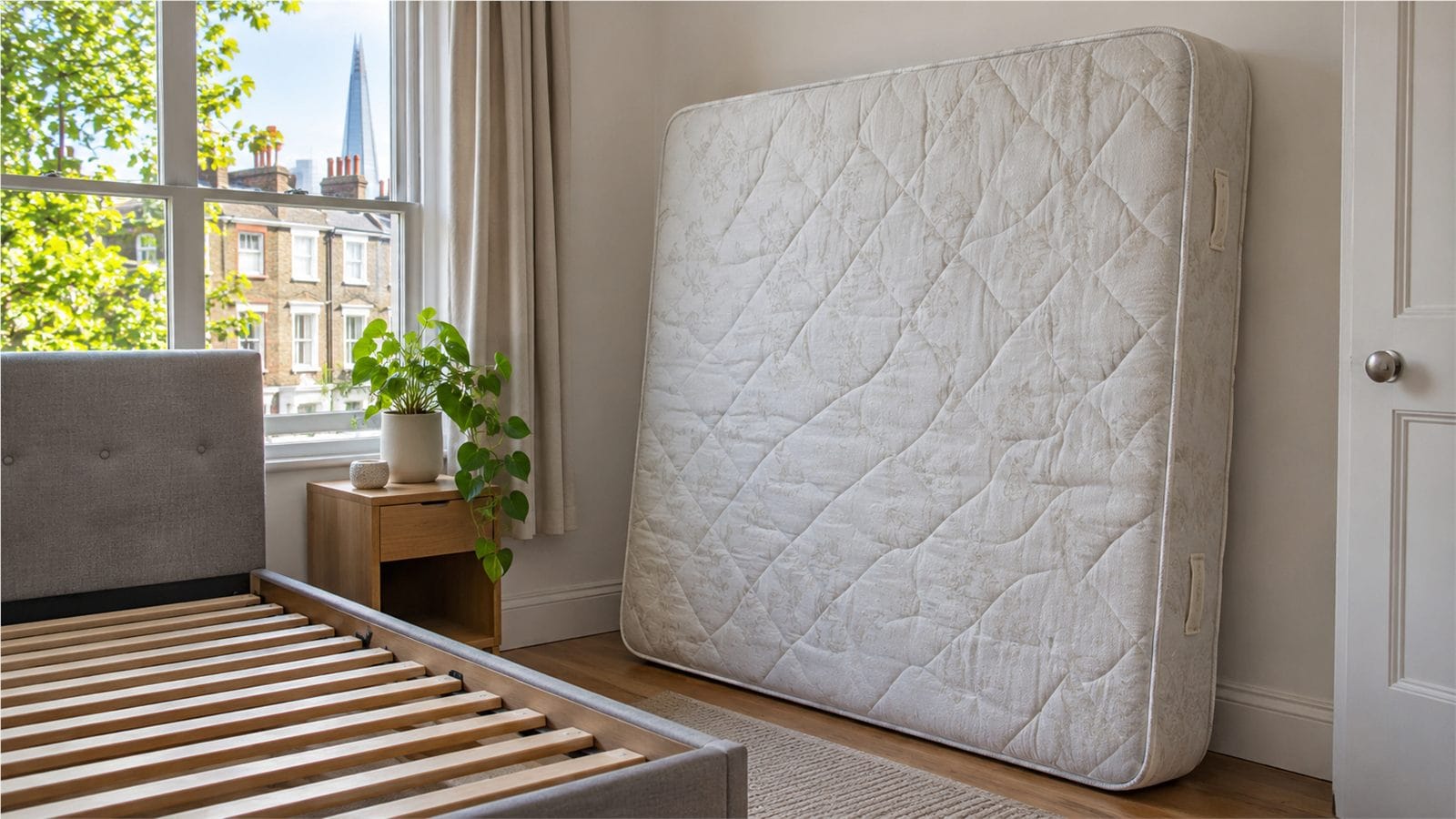
An old mattress is awkward to store and even more awkward to move. It may be too large for a car, too heavy to carry alone and unsuitable for the normal household bin. The right route depends on its condition, the borough where you live and whether you are buying a replacement. Start with those facts before choosing between reuse, a retailer’s take-back offer, a council service, a recycling centre or a private collection.
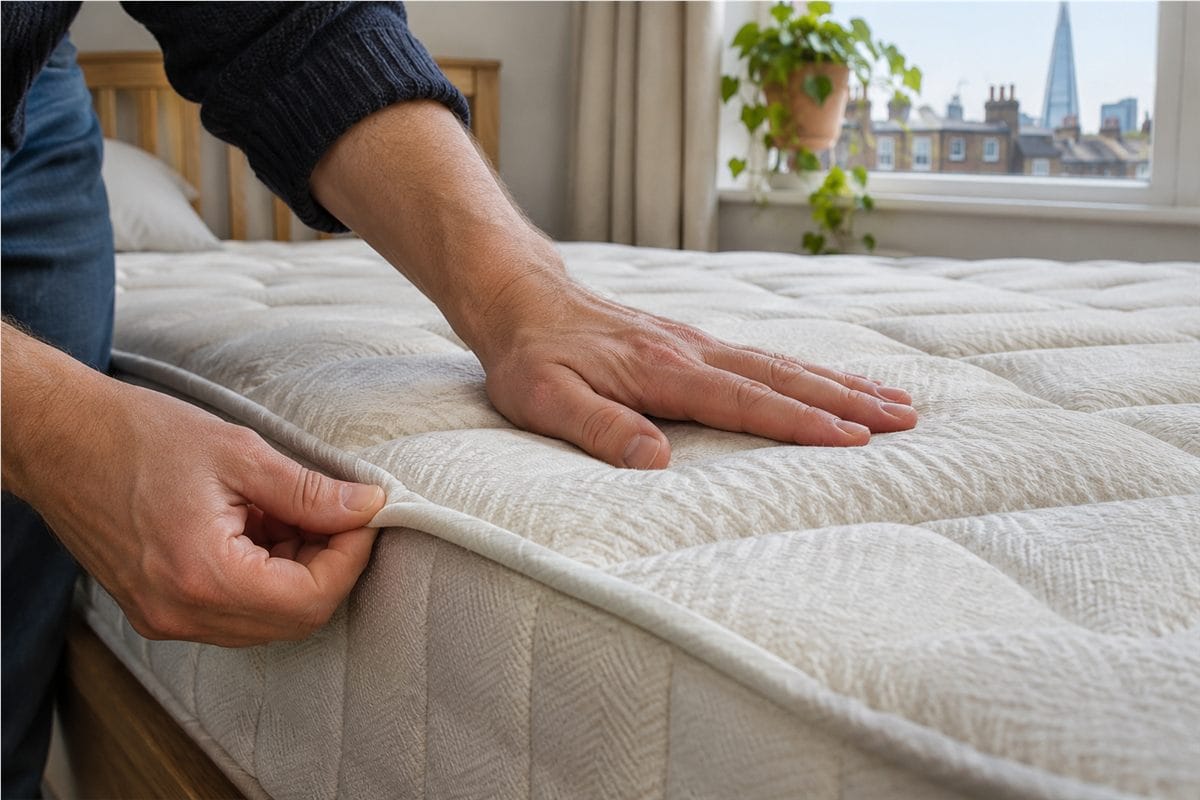
There is no single London-wide booking rule. A north London recycling centre and a council bulky collection in another borough can have different eligibility, fees and pickup arrangements. This guide provides a decision process and examples from authoritative local sources. Check the live instructions for your own postcode before making a journey or putting the mattress outside.
Decide whether the mattress is genuinely reusable
Assess the mattress as a recipient would. Is it clean, dry and free from significant stains, rips, smells or sagging? Does it still provide proper support? A mattress that was comfortable several years ago may have deteriorated in storage. Do not offer it as “excellent condition” based only on a photograph of its top surface. Check both sides, the edges and the cover.
If the mattress is sound, ask a named charity or reuse organisation whether it accepts that exact type and size. Some have fire-label requirements or other condition rules. North London Waste Authority’s mattress guidance lists selling, giving away and charity donation as potential routes for good-condition mattresses, but it also notes labelling considerations for upholstered items. Acceptance is a decision for the actual recipient, not a guarantee based on the fact that the mattress looks clean.
Give accurate dimensions and the floor level. A double mattress that cannot fold has a different transport problem from a small cot mattress. If someone has agreed to collect it, confirm who will carry it down stairs and whether there is a suitable vehicle. Keep it protected from rain until handover. A reusable mattress left outside overnight can quickly become unsuitable for its intended new user.
Ask about take-back when replacing it
If you are buying a new mattress, check whether the retailer offers to remove the old one at delivery. The service may have an extra charge or a condition about where the old mattress must be placed. Ask whether the delivery team collects from the bedroom or only from a specified point, and whether bed frames or bases are excluded. Read the terms before the replacement arrives.
Take-back can be convenient because the two movements happen on one day. It is not automatically the cheapest or most suitable option. If the old mattress must be moved to the kerb in advance and you cannot do that, the offer may not solve your practical problem. Likewise, if you are not replacing the mattress, a retailer’s service may not be available. Compare the actual scope, not just the headline price.
Keep the old mattress available until the retailer confirms its collection. Do not assume that a delivery booking includes removal unless it appears in the order or confirmation. If you are clearing a property and cannot be there on delivery day, check access and handover details in advance.
Look at the local council’s bulky collection
Many boroughs offer a bulky waste service, but conditions vary. Check the council page for the property’s postcode: whether mattresses are accepted, the price, the next available date, the permitted number of items and where the mattress must be placed. Some collections are from the kerbside; others have different arrangements. Do not use a rule from another borough because both addresses are in London.
North London Waste Authority points residents to their local council’s bulky collection as one mattress route. That is useful as a regional signpost, not a substitute for the borough’s booking page. Confirm the collection before moving the mattress out of the home. A bulky item left outside without a booking is not the same as a scheduled pickup.
If the property has a shared entrance or managed building, check where large items may wait and whether the building has its own rules. A mattress blocking a corridor can be a problem even if a collection is planned for the next day. Arrange the timing so it stays in an appropriate place until the authorised pickup window.
Consider a reuse and recycling centre
Taking a mattress to a centre can work if you have a suitable vehicle and help to load it. The receiving site must accept mattresses from your address, and it may require a booking or proof of residency. Check its current list of materials, opening times and vehicle restrictions before travelling. A roof rack or improvised tie-down is not a reason to make an unsafe journey; choose a different collection route if the mattress cannot be transported properly.
In north London, NLWA says mattresses can be taken to its reuse and recycling centres. It describes a scheme in which collected mattresses are broken down into material types such as steel and textiles. This is a statement about that authority’s route, not a claim that every London centre processes mattresses identically. The receiving site will tell you where to place the item on arrival.
Check whether the mattress must be kept dry or separated from other materials for the chosen facility. If you bring a bed base too, list it separately. A base may have a different material and acceptance route from the mattress even though the two are used together.
Compare private collection on the work actually included
A private collection may be useful when you cannot transport the mattress or when it is part of a larger household load. Tell the provider the size, condition and exact location. Mention stairs, a lift, a narrow corridor and the distance to the vehicle. Ask whether the quote includes carrying the mattress from the room and whether any other items are included.
The site’s furniture disposal service is the appropriate place to discuss a mattress alongside other unwanted furniture. Do not assume the collector will take additional bags, dismantle a bed or choose a donation route without agreeing that scope. If the mattress is damaged or unusually heavy, describe it rather than relying on a standard photograph.
Compare a private quote with the council or retailer option using the full job: date, carrying, access, number of items and where you must place the mattress. A lower price is less useful if it requires a move you cannot make. An apparently convenient service is less useful if it will not accept the mattress’s condition or size.
Keep the mattress separate from the other clear-out decisions
It is common to find a mattress during a wider room clearance. Do not let it vanish into “one bedroom of furniture” in the inventory. Record its size, whether it is on a bed or already standing, and whether a base or frame is also leaving. If it is still being considered for donation, label it as pending so it is not accidentally included in a waste collection.
If you plan to dismantle a bed frame, keep its pieces together and identify them separately. A mattress is a single bulky object; a frame may be wood, metal or upholstered material. The two may end up with different recipients. Make each decision explicitly before booking transport.
A quick example
Suppose a family is clearing an upstairs London flat. The mattress is clean but no longer wanted. They first ask a local reuse group whether it can take the size and condition. If it declines, they check the borough bulky collection page and its requirement for presenting the item. If the family cannot carry it to the specified point, they request a private quote that includes the floor level and stairs. The best route follows from the actual access and recipient, not a general claim that every mattress can be recycled or donated.
Make the final choice with five facts
Know the condition, size, postcode, carrying route and timing. Those facts allow you to test each option efficiently. Good condition may open a reuse route; a new purchase may open retailer take-back; suitable transport may make a recycling centre practical; a council or private collection may suit a household without a vehicle.
Whichever route you choose, confirm that it accepts the mattress before moving it outside. Keep it dry and accessible until the agreed handover. This avoids turning one bulky item into an obstruction and gives it the best realistic chance of reaching an appropriate destination.