
What to Do With Old Bedding and Textiles You No Longer Need
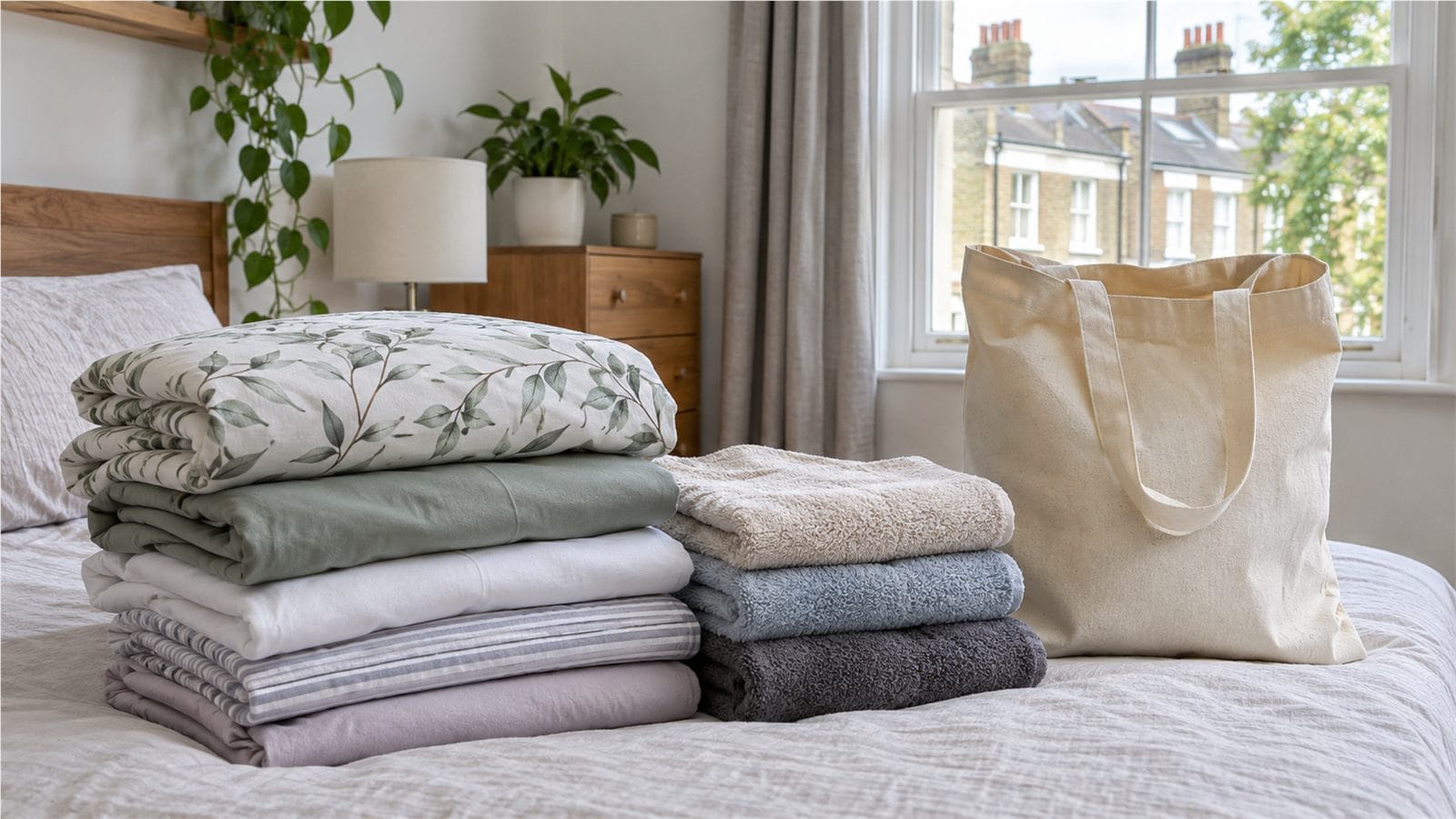
An airing cupboard can hold years of spare sheets, towels and blankets. When you finally empty it, the pile often looks like one kind of waste. In practice, it contains several different decisions. A clean duvet cover that no longer fits the bed could be useful to someone else. A worn towel might have a second life as a cleaning cloth. A damp pillow that has been stored badly needs a different route. Sorting by condition before choosing a destination is more useful than putting every fabric item into one bag.
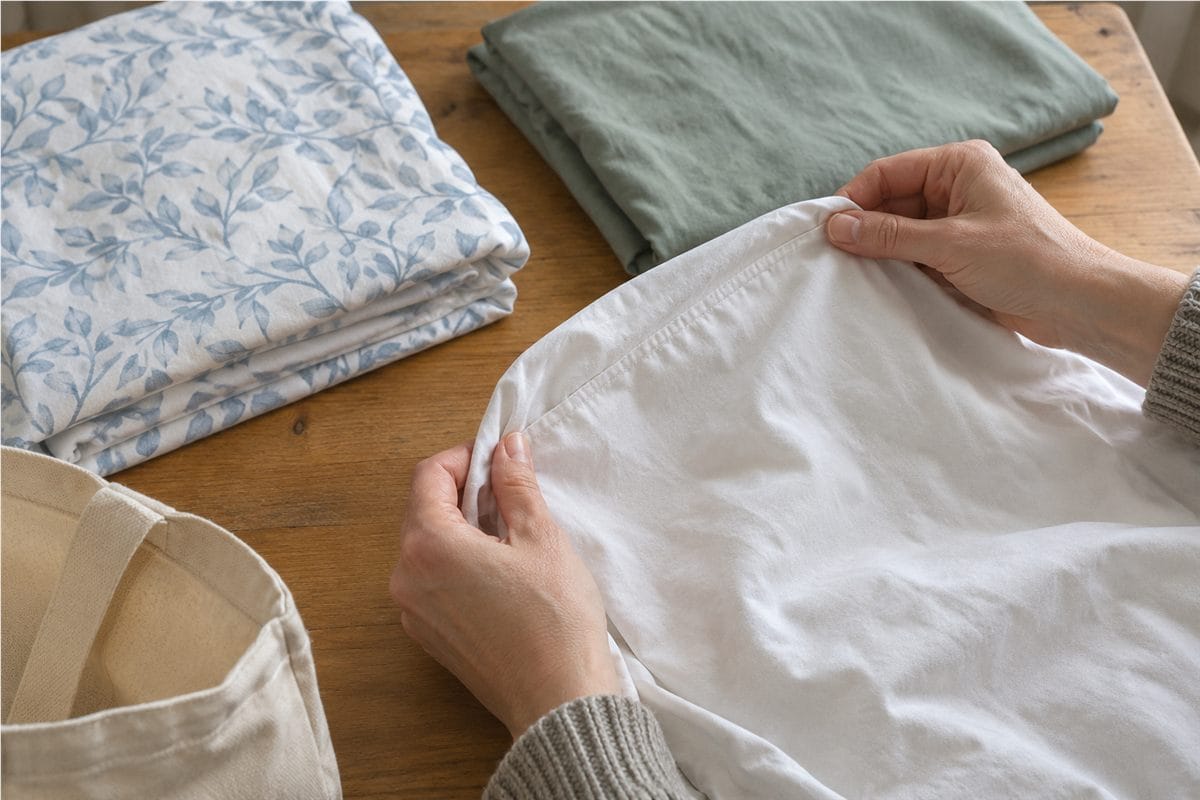
The available collection and donation routes vary across London. A shop, textile bank or council service may accept one group of items and refuse another. Check the current instructions for the place you intend to use. The guidance below helps you prepare a sensible shortlist and avoid passing an unsuitable load to a charity or recycling point.
Separate bedding by type and condition
Lay everything out where you can see it. Keep sheet sets and duvet covers together, and check whether matching pillowcases are present. Put blankets, towels, curtains, pillows and duvets in separate groups. This first division matters because a recipient may accept clean bed linen while having different rules for stuffed bedding. It also reveals how many usable items you actually have.
Next, inspect each piece in decent light. Look for stains, tears, weakened seams, missing fasteners, persistent odours and signs of damp storage. A small loose thread is different from fabric that has worn thin over a broad area. Ask whether you would be comfortable handing the item directly to another person to use. If not, do not label it as a donation simply to make the pile disappear.
Wash and dry reusable fabric according to its care label before offering it. Store it in a clean, dry bag or box so it remains in the condition you assessed. You do not need to iron every sheet, but a tidy bundle with clear labels helps a charity or neighbour understand what is there. Avoid sealing fabric while it is still damp; a bag can trap moisture even if the material felt almost dry when packed.
Find a genuine reuse route for good items
You can start with people you know, a local sharing group or a charity shop. Offer a clear description: item type, approximate size, condition and whether it is a complete set. A photograph saves time when giving away curtains or a patterned duvet cover. Check with the recipient before travelling or leaving anything at a collection point.
Oxfam’s current donation guidance says its shops can accept clean soft furnishings, knitted items, blankets and bedding in good condition. That is an example of a recipient’s policy, not a promise that every individual shop has storage space today. Ask the local shop whether it can take the specific quantity and type you have. A small bag of clean linen is easier for a shop to manage than several unannounced sacks.
If a shelter, community group or animal rescue asks for textiles, follow its own published wish list. Needs change, and an organisation may not have room to store items it cannot use. Do not assume a stained duvet is useful to an animal charity just because it is not suitable for a household. A donation is only helpful when it matches a real request.
Reuse at home is still a valid choice
Some fabrics remain useful without being suitable for another person’s bed. A worn cotton sheet can protect furniture during decorating or serve as a temporary dust cover. A soft towel can become a cleaning cloth for jobs that would ruin a better one. Keep only a realistic number for these purposes. If the “rag bag” is already overflowing, cutting up every unwanted sheet simply moves the clutter to a different cupboard.
Before repurposing fabric, consider its material and intended use. A delicate synthetic curtain may not be a practical cleaning cloth. A heavily stained or mouldy piece should not be stored for a vague future project. The point is to extend the life of genuinely useful material, not to create a permanent holding area for items you have decided to part with.
Check textile recycling instructions carefully
Recycle Now’s clothing and textiles guide recommends checking whether your local authority collects textiles and looking for designated banks or recycling points. It also distinguishes reusable items from materials that may be recycled into other products. It does not mean every textile bank accepts every bedding item. Read the label on the bank or the operator’s website, especially for pillows, duvets and heavily worn fabric.
Do not put textiles into a mixed household recycling bin merely because they are made of fibres. The City of London’s A–Z guidance, for example, directs clothes and textiles away from its clear recycling bags and towards textile banks or reuse options. Another borough may offer a different collection method. Use the postcode-based service or council page for the property where the textiles are coming from.
Keep fabric dry on the way to a textile bank. Use bags that are easy to carry and close them so loose items do not spill. If the bank is full, take your bags home and find another authorised point. Leaving sacks on the pavement exposes them to weather and gives the operator an unmanaged pile, which can spoil otherwise reusable material.
Treat pillows and duvets as separate questions
People often use “bedding” to mean every item on the bed, but a fitted sheet and a stuffed pillow are different materials. A local charity might accept the sheet and decline the pillow. A textile bank might accept clothing and household linen but exclude duvets. Check the actual item list before making the journey. If the instructions are vague, contact the operator rather than guessing from the name “textiles”.
Look at the condition of the filling as well as the outer cover. A pillow can appear clean outside while the filling is damaged or lumpy. A duvet that has been wet in storage may not be suitable for reuse. It is reasonable to remove a removable cover and assess it separately. Do not donate a full item that you know is unusable merely because a portion of it remains sound.
If no suitable reuse or recycling route exists locally for a particular piece, check your council’s residual waste guidance or ask a waste collector about the item. Do not invent a recycling route to avoid using the residual stream. The soundest decision is the one supported by a real local service and an accurate description of the item.
Plan the clear-out before ordering a collection
If textiles are only a small part of a bigger household clear-out, make three labelled groups: items someone has agreed to take, items for a verified textile route, and items still needing disposal. Keep these apart from furniture and electrical goods. This prevents a bag intended for donation being loaded with the rubbish and stops an uncertain bag being left behind because nobody knows what it contains.
For the remaining mixed load, describe the textiles by type and approximate bag count when contacting a household waste removal service. Say if the load also includes a mattress, furniture or electrical items so the whole collection can be discussed. The service page excludes hazardous, medical and food waste; ordinary bedding should still be described accurately rather than assumed accepted in every condition and quantity.
Take a photograph of each group before it leaves the property, particularly if several people are helping clear a room. It provides a quick check that the donation pile has not been confused with the disposal pile. If a recipient changes its acceptance policy or the bank is full, update the plan rather than quietly shifting every bag into another stream.
A practical decision for every item
Ask four questions in order. Is it clean and usable? Does someone actually want it? If not, does a named local collection point accept this exact type of textile? If that route is unavailable, what does the local council say about disposal? This sequence can handle a linen sheet, a set of curtains, a tired blanket and a damaged duvet without pretending they are identical.
The most important step is to separate what still has a useful life from what does not. A careful sort takes a little time, but it prevents avoidable waste and makes the final collection easier to describe. Keep the labels and recipient checks specific, and the cupboard clear-out becomes a series of manageable decisions rather than one mysterious bag of fabric.