
BRIXTON COLLECTIONS
Rubbish Removal in Brixton
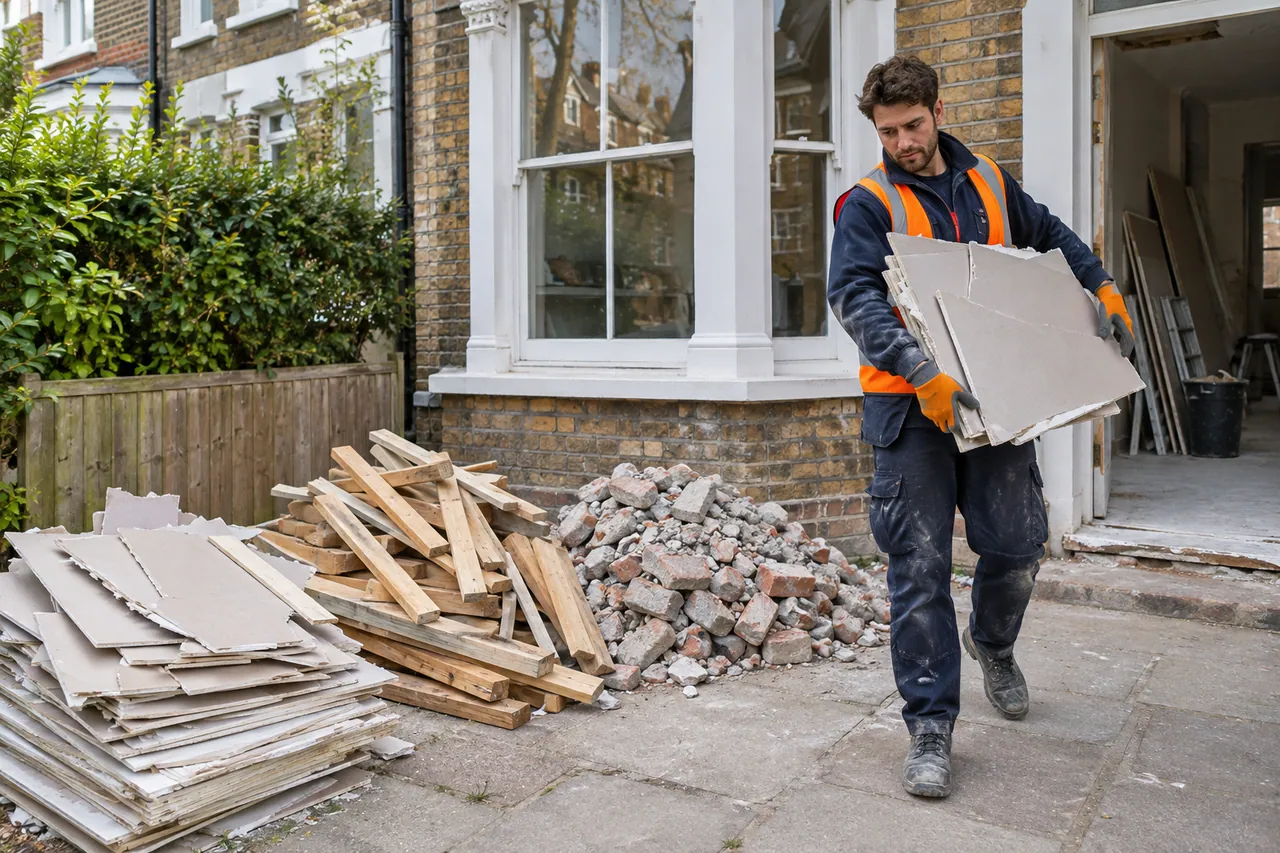
We arrange rubbish collections from Brixton properties around the contents you need taken away. This guide covers a garden-timber request: panels, loose boards and other components already removed from their former position, with standing structures, retained materials and plant waste distinguished before the collection is arranged.
Brixton collections, explained.
Can you discuss collection of fence panels already taken down?
Yes. Explain the number of panels, approximate dimensions and their current location, together with any loose boards or other parts included. We discuss the material as it will be presented for carrying and loading. Any requirement to dismantle a standing fence or detach components from the premises is raised separately before agreement.
Are timber and plant cuttings treated as the same collection material?
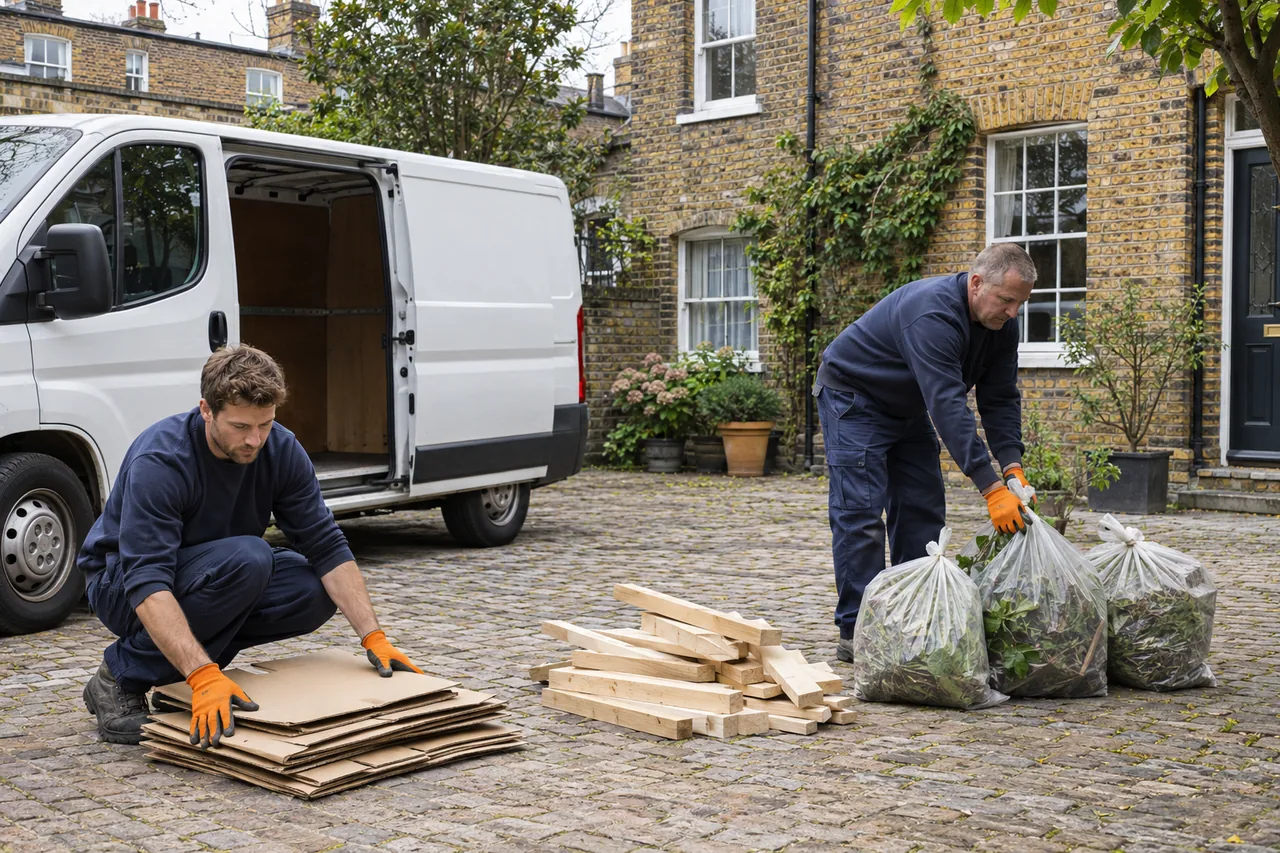
They need separate descriptions. Tell us which panels or boards are unwanted and what green material, if any, is also requested for removal. We establish the amount and location of each part of the load, so the quote reflects the contents and carrying work rather than an unspecified pile described only as garden waste.
The contents included in your Brixton enquiry.
| Timber-related selection | What the organiser describes | What the collection list represents |
|---|---|---|
| Detached panels | Number, approximate width and height, and their current position. | Complete loose panels selected to leave, rather than a standing fence to dismantle. |
| Individual boards | Approximate quantity, lengths where relevant and the extent of the pile. | The boards in the described selection, separate from timber retained for another use. |
| Posts or rigid sections | Construction, dimensions and whether the components are already loose. | The present objects to be carried, with attachment or additional work clarified expressly. |
| Other parts accompanying timber | Loose fixings, mixed pieces or different material included with the selection. | The complete proposed load rather than timber assumed to be the only content. |
Loose garden components that are ready to leave

A panel no longer attached to a fence is a different collection request from a standing structure. We discuss what has already been removed, its current form and where it is held. That allows the proposed carrying and loading to be described without assuming further work to the boundary, building or garden installation. The organiser identifies which materials are unwanted and which components remain in use or storage.
Our garden clearance service provides the relevant enquiry context. The removal can include different outdoor contents when described and accepted, but timber, plant material and dense debris are not interchangeable. We keep those parts identifiable, including loose fixings or other materials accompanying the boards, before discussing the complete collection.
From the timber description to collection
We discuss acceptance, the quote and an available visit against the complete request. A preferred day is an availability enquiry rather than a booking in itself. The agreed removal concerns the stated contents and carrying work, with additions or any requirement for extra work reviewed before being considered included.

Describe the loose components
We establish panels, boards, rigid sections and other contents already selected to leave, distinguishing standing structures and retained material.

Identify other waste streams
Plant matter, furniture, dense material and any household contents are explained separately so their acceptance and quantity can be discussed.

Connect the pieces to loading
Dimensions and the actual property route are considered with the scope and quote, then the team confirms an available collection with the access organiser.

Carry and remove the listed material
The described load is carried to the vehicle and taken away for appropriate onward handling according to its material streams.
The contents and carrying behind your Brixton enquiry.

Panels, boards and accompanying components

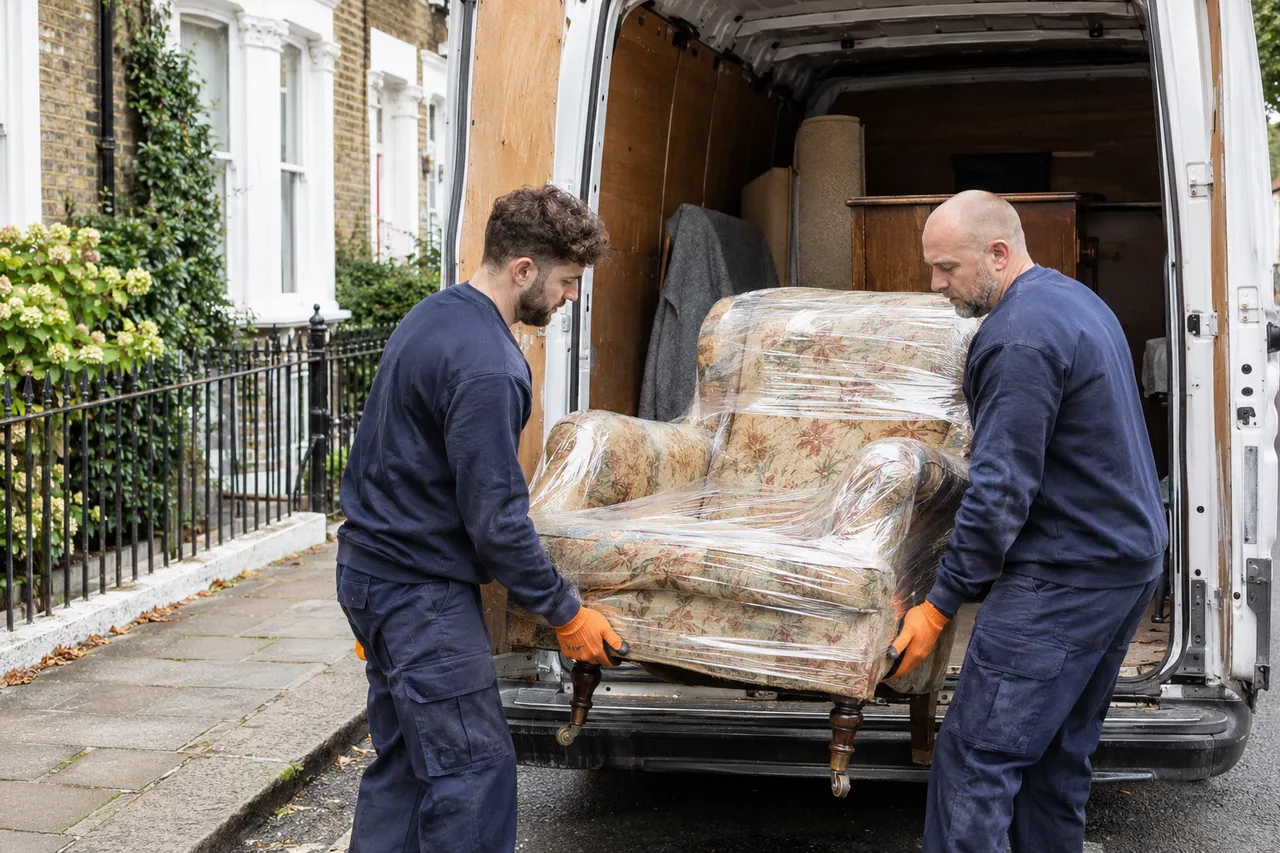
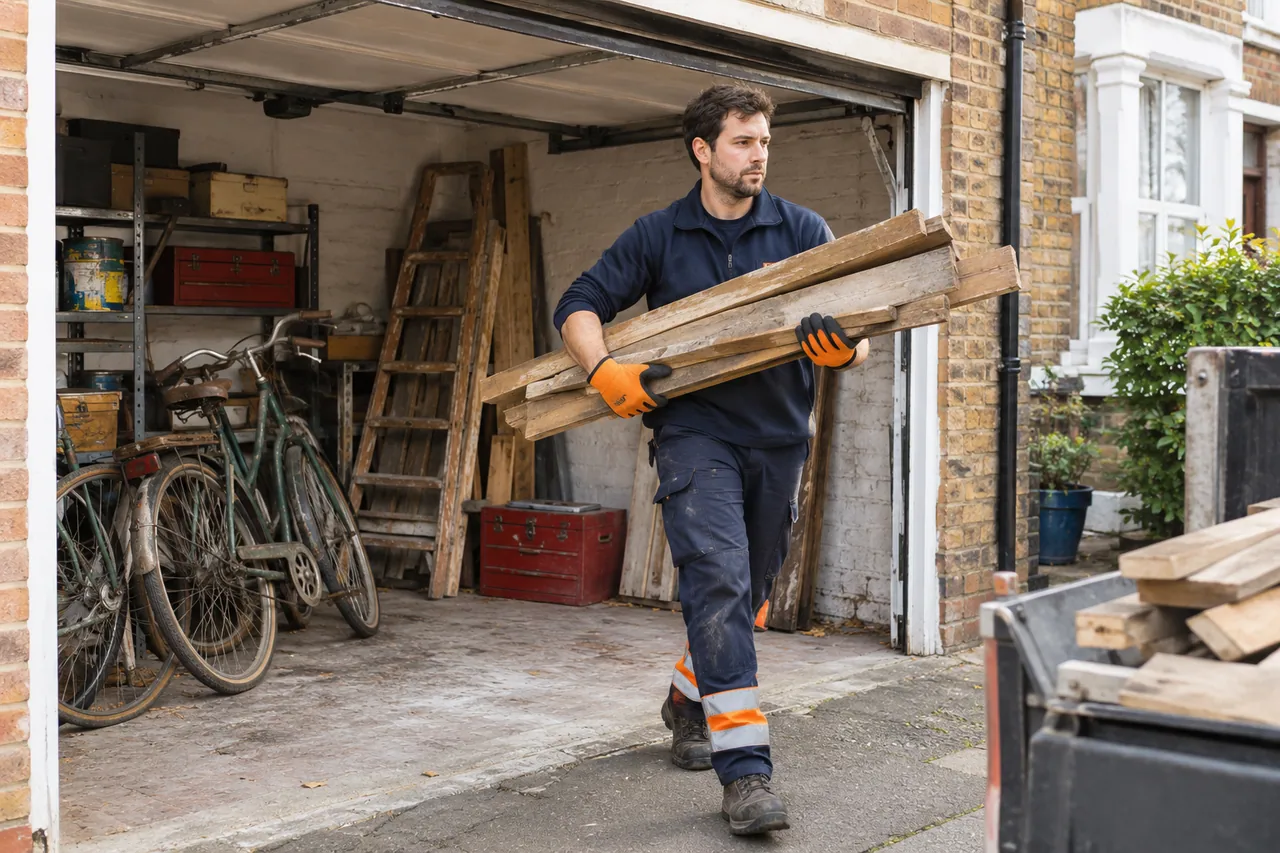
We establish the dimensions and form of the timber because several short pieces and a few intact panels present different loads. Photographs show the extent of the selection, while the description explains what each group contains. Long pieces, rigid frames and protruding fixings are mentioned where present so the physical contents can be understood before movement through the property is discussed.
The distinction between removing waste and dismantling a structure
The collection description explains which objects are already available to carry and which require a different task before they can leave. A request naming garden clearance should make that boundary clear. Detaching a panel, removing an installed post or taking down a shed is work beyond a description of loose waste transport and needs its own discussion before agreement.
Where a load combines detached components and a further requirement involving the premises, the organiser raises both. We can then clarify the scope being requested instead of the customer and team relying on different meanings of remove the fence. The agreed collection should describe the actual contents and work, with the entry contact able to identify the components selected rather than decide which standing elements should also go.

Combining timber with another outdoor waste stream
An outdoor collection may also include bags of cuttings, furniture or heavy material. Each is identified separately. A plant-filled bag is different from a bag containing loose boards or dense fragments, and the same container appearance does not establish identical handling. The organiser gives the main contents and approximate amount rather than relying only on the word garden.
| Other contents in the enquiry | Information discussed alongside the timber | Distinction maintained in the quote |
|---|---|---|
| Plant cuttings | The type and extent of the green material and where it is held. | Green waste remains a separate part of the load from manufactured panels or boards. |
| Garden furniture | The pieces selected, their construction and current assembly. | Furniture is described as furniture rather than included as another piece of loose timber by assumption. |
| Soil or dense fragments | Principal materials, approximate amount and any mixing through the pile. | Dense contents are considered by their material rather than the space they occupy beside boards. |
| Household bags | Main contents and the group authorised to leave. | Domestic material is identified even when temporarily stored outside with the garden load. |
For rubble or another project-waste portion, our builders clearance information provides the appropriate service description. Anything unfamiliar or requiring separate acceptance is raised before it is included in a mixed outdoor removal.
The route for long and rigid pieces
We discuss how the panels and boards reach the loading point from their present location. A route may involve doors, turns, a side passage or other features of the particular premises. The enquiry describes those features directly rather than assume that all Brixton gardens have the same access. Dimensions matter alongside quantity because the physical route must be discussed for the actual pieces.
An expectation that material will be cut, dismantled or altered to suit the route needs clarification before agreement. We describe carrying and loading around the items as they will be presented. If the location changes before collection, the updated starting point is discussed too. Moving the pile elsewhere may change the route even when the same boards and panels remain selected.
Making the load understandable before a visit
The team connects the material descriptions with the property route and removal scope. For a pile photographed from one side, explain whether more components are stacked behind or whether another separate group also needs collection. Where the organiser is not providing entry, the access contact needs to recognise the selection. Retained boards and objects awaiting another use remain outside the load unless included expressly.
| Detail that clarifies a timber load | Information supplied | Practical question resolved |
|---|---|---|
| Current form | Intact panels, loose boards, posts and any separate components. | What objects are available to carry rather than what the original structure looked like. |
| Overall quantity | The extent of each stack or pile, supported by photographs. | Whether the description covers the complete proposed collection rather than one visible section. |
| Movement route | Dimensions, relevant doors and turns, and the loading connection. | How the physical pieces relate to the premises route being discussed. |
| Entry and selection | Who provides access and which nearby material is being retained. | The team can identify the removal without making fresh disposal decisions at the property. |
The Brixton address, quote and any later additions
The map centres on Brixton in Lambeth, with SW9 an indicative nearby postcode district. Provide the full address and postcode, with the location of the timber at the premises. The team uses those details to discuss availability and the carrying route from that collection point towards the loading position.
| Change to the request | What we review with the organiser | How the scope stays current |
|---|---|---|
| Further panels added | Number, dimensions and whether they are already detached. | The revised load reflects all components proposed for removal. |
| More mixed material included | Main contents and quantity of the additional waste stream. | Acceptance is considered for the new contents as well as the original timber. |
| A different pile location | The current route and any additional carrying involved. | The premises description matches where the material will be presented. |
| Additional work requested | Any detachment, dismantling or other work beyond carrying and loading. | The team clarifies the service instead of inferring that work from the original collection name. |
Recycling or reuse is pursued where appropriate to the materials and available route. If bulky furniture is also being discarded, our furniture disposal page explains that service while the separate item sizes and collection locations remain part of the enquiry.
Brixton: collection location and area map.
Map of Brixton
Load the interactive area map from OpenStreetMap. This connects your browser to the map provider.
Open map in a new tab ↗ © OpenStreetMap contributors
Area orientation only. This map does not mark a company office or a confirmed loading point.
Brixton collection questions
Is taking away detached panels the same request as taking down a fence?
They describe different work. State what is already loose and what remains attached before the quote is discussed. Carrying panels available for collection does not by itself establish that dismantling a standing structure, detaching posts or doing other work to the premises has been agreed.
Can retained boards stand near the unwanted timber?
Make the selection clear and identify which boards remain. The organiser chooses what is waste; the team does not infer that all similar timber in the collection area is unwanted. The access contact should be able to explain the described selection without deciding the future use of retained material.
What if some panels are intact and the rest are loose boards?
Describe those groups separately, including their approximate dimensions and quantity. The collection concerns the physical objects currently present rather than the original fence or structure. Complete panels and individual boards can be discussed together, while the carrying and loading description reflects their different forms.
Are bags of soil counted as more timber waste?
No. Explain the dense material and its approximate quantity separately, including any other contents mixed through it. Its location beside the panels does not give it the same material description. The team discusses acceptance and the collection arrangement for the combined load with each stream identified.
Does the team cut long pieces to fit through the property?
Any cutting, alteration or work beyond carrying and loading needs express clarification before agreement. Give the piece dimensions and route details when requesting collection. The scope should describe what has been agreed rather than rely on an expectation that the material will be changed to suit an unspecified route.
Can a second stack be included after the first quote?
Tell the team what the additional stack contains, its size and location. More timber or another material can change the load and carrying work. We review the update against the original request before it becomes part of the collection rather than assume one quoted pile means unlimited further material.
Arrange your Brixton collection.
Discuss the unwanted items, full postcode and route to the vehicle with the collection team.
Discuss your Brixton collection
Open our booking form to arrange your collection.
Continue to our booking form to confirm your items and contact details.