
BURNT OAK COLLECTIONS
Rubbish Removal in Burnt Oak
We collect agreed unwanted household contents from Burnt Oak addresses, including identified clothing, bedding and linen loads. The enquiry distinguishes the material leaving from retained possessions, furniture and other waste. We describe the amount and current presentation, discuss acceptance and the route to transport, and explain the quote before confirming an available visit with the property contact.
Discuss your Burnt Oak collection
Open our booking form to arrange your collection.
Continue to our booking form to confirm your items and contact details.
Burnt Oak collections, explained.
Can clothing and household linen form a selected collection?
We can discuss the identified bags, boxes and loose items as a household load, recording their principal contents and approximate quantity. The customer distinguishes clothing, bedding and linen being discarded from belongings staying at the property. The scope then connects that selection with its location and route to loading rather than an instruction to empty every wardrobe or room.
Are mattresses and furniture included with bedding bags?
Describe any mattress, bed component or furniture separately if it is also being proposed for removal. A bagged-bedding load does not automatically include the bed or storage furniture holding it. The team discusses those bulky pieces and their acceptance and access requirements as distinct parts of the enquiry before confirming the collection and price.
The contents included in your Burnt Oak enquiry.
| Soft-contents group | Description provided | What the collection needs to establish |
|---|---|---|
| Clothing selection | The bags, cartons or loose garments being discarded and their approximate amount. | The unwanted contents are distinguished from retained clothing in similar containers or storage nearby. |
| Household linen | The main types of linen and approximate quantity proposed for removal. | The contents load is recorded rather than inferred from the number of cupboards formerly holding it. |
| Loose bedding | The specific bedding and its current presentation, including separate container groups. | Bedding remains distinct from a mattress, bed frame or other bulky furniture not yet included in the enquiry. |
| Mixed household containers | The principal materials in addition to soft contents. | Other objects are identified before acceptance instead of concealed within a general clothing-bag description. |
A soft-contents collection without clearing the furniture
Our Burnt Oak service can remove selected clothing and household linen while wardrobes, drawers and other furnishings remain. The customer identifies the unwanted contents and any similar containers that are staying. The removal follows that selection rather than a judgment about whether clothes or stored possessions appear useful. This allows a defined contents collection without making every cupboard or bedroom part of the job.
The household waste service explains a broader domestic enquiry. For a clothing or linen load, we keep the principal contents visible in the description. The containers are how the waste is presented; they do not by themselves establish the amount or material inside. Any separate household objects or unusual contents need identifying before acceptance rather than hidden within a general bag count.
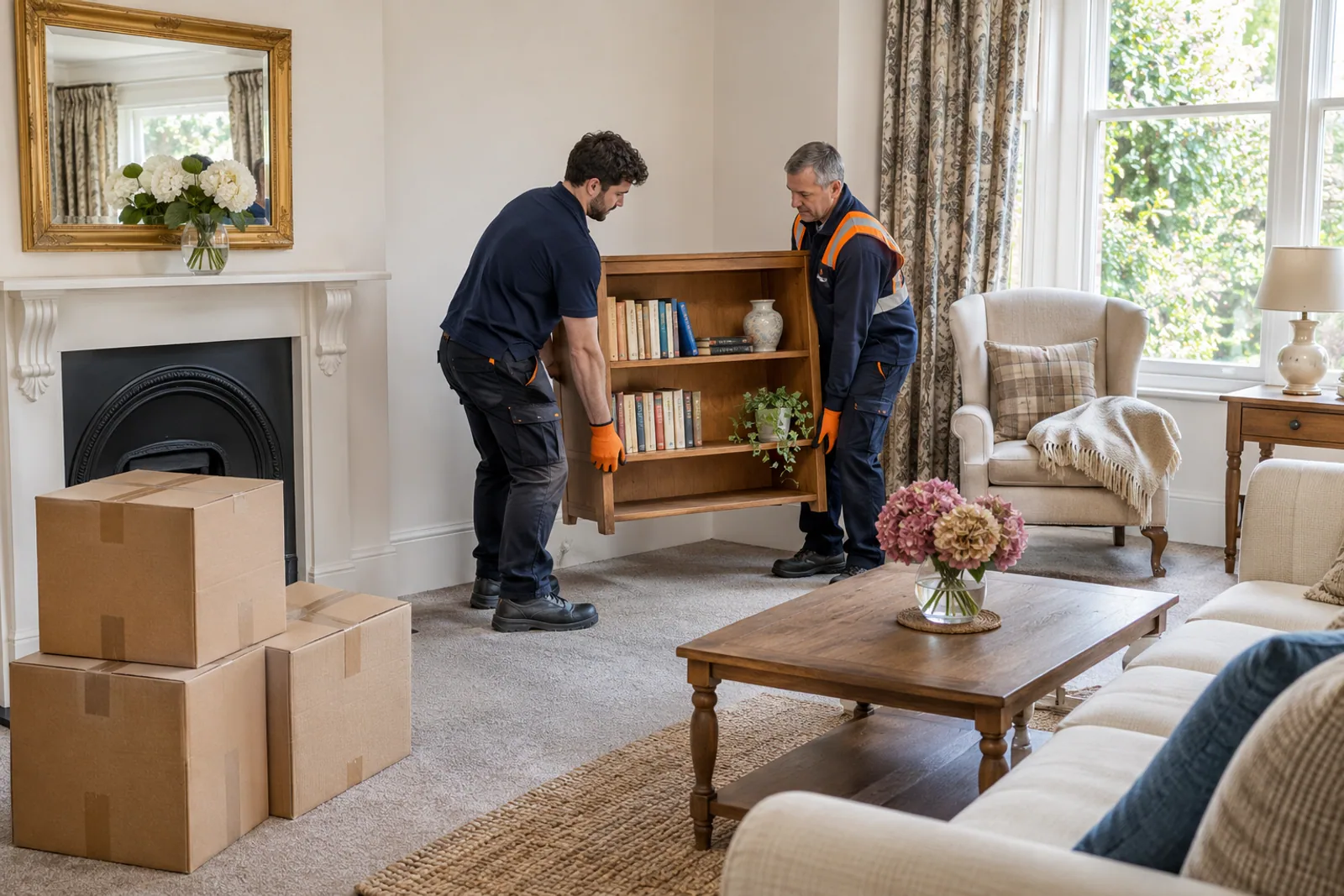
What the bags and containers hold
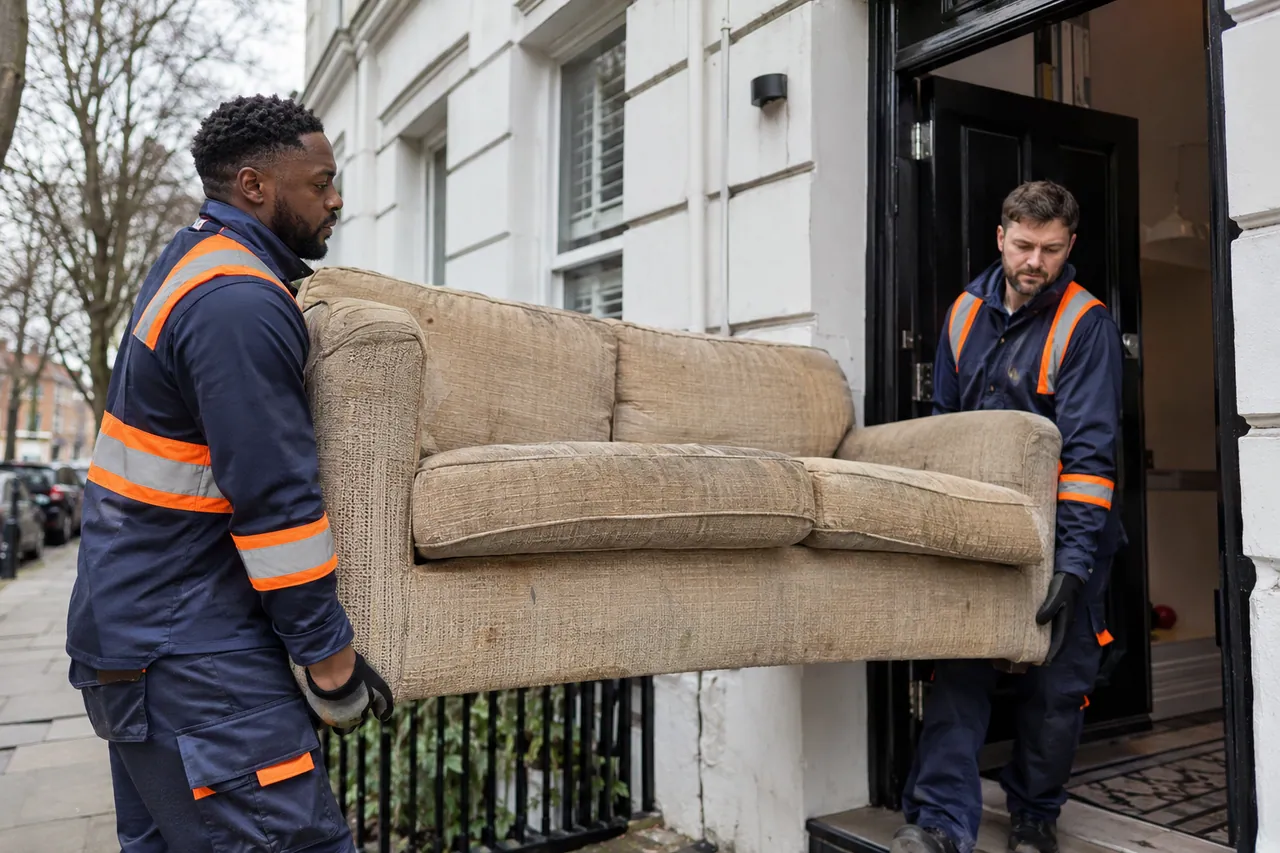
We ask about the main contents and approximate quantity of each group. Clothing, sheets, loose bedding and containers holding other objects are different descriptions even where their packaging looks alike. Photographs help show the extent and location of the proposed load, while the material description explains what will actually be taken away. Relevant condition or unusual features should also be brought into the enquiry for discussion.
The customer identifies what leaves and what stays
The selection can concern only part of a household’s stored contents. One group of clothing bags may leave while another stays, or linen may be removed while the wardrobe holding it remains. We record those boundaries before attendance. Similar packaging does not determine the disposal instruction, and the team should not have to decide which possessions are no longer wanted when reaching the collection area.
If the selection changes before the visit, explain the current contents and quantities to the team. Further bags may add different materials as well as a larger amount. We review the description so the quote concerns the load as presented for collection rather than an earlier view of storage. This keeps the removal tied to a clear household selection instead of an unlimited instruction to take all soft contents at the address.

| Selection at the property | What is confirmed | How the scope remains clear |
|---|---|---|
| Some bags leave | The unwanted containers and how they differ from retained similar bags. | The team follows the stated selection rather than infer waste status from packaging alone. |
| Contents leave, furniture stays | The clothing or linen selected and the cupboards or drawers being retained. | A contents-only collection does not automatically include bulky storage furniture. |
| A mattress is separately proposed | The item, approximate dimensions and its collection position. | Acceptance and carrying are discussed as an additional bulky group rather than an assumed part of bedding bags. |
| New material is added | Principal contents, quantity and current location of the additions. | The team can review the load before an earlier quotation is treated as covering the larger selection. |
Furniture and other household material
Where a cabinet, bed component or another piece also needs removing, list it independently. The physical item and the contents previously stored within it may create different carrying requirements. Our furniture disposal service explains that separate enquiry. We connect the furniture with its current assembly and route rather than infer it from the name of the room holding the soft contents.
The same separation applies to electrical devices or unexplained objects within mixed containers. The team needs their types and any additional requirements clarified before acceptance. A load described as clothing should not conceal another waste category merely because the items share a bag. The collection description remains about the actual materials and the work of moving them towards transport.
How the contents collection progresses
The customer identifies the unwanted groups and the retained exclusions. We discuss the materials, amount and current presentation and connect the collection locations with access and loading. The team explains the quote and confirms an available visit with the entry contact. The collection then concerns that described load, with changes reviewed before the instruction expands.

Identify the soft contents
Clothing, bedding and linen groups are described separately from retained possessions, furniture and any other material inside containers.

Clarify amount and presentation
Approximate quantities, principal contents and relevant condition are discussed before the proposed load is accepted.

Connect locations with loading
The team reviews collection rooms, floors and the practical route towards transport and confirms the available visit and price.

Remove the listed belongings
The agreed contents are carried and loaded for appropriate onward handling rather than an assumed clearance of every stored possession at the property.
The contents and carrying behind your Burnt Oak enquiry.
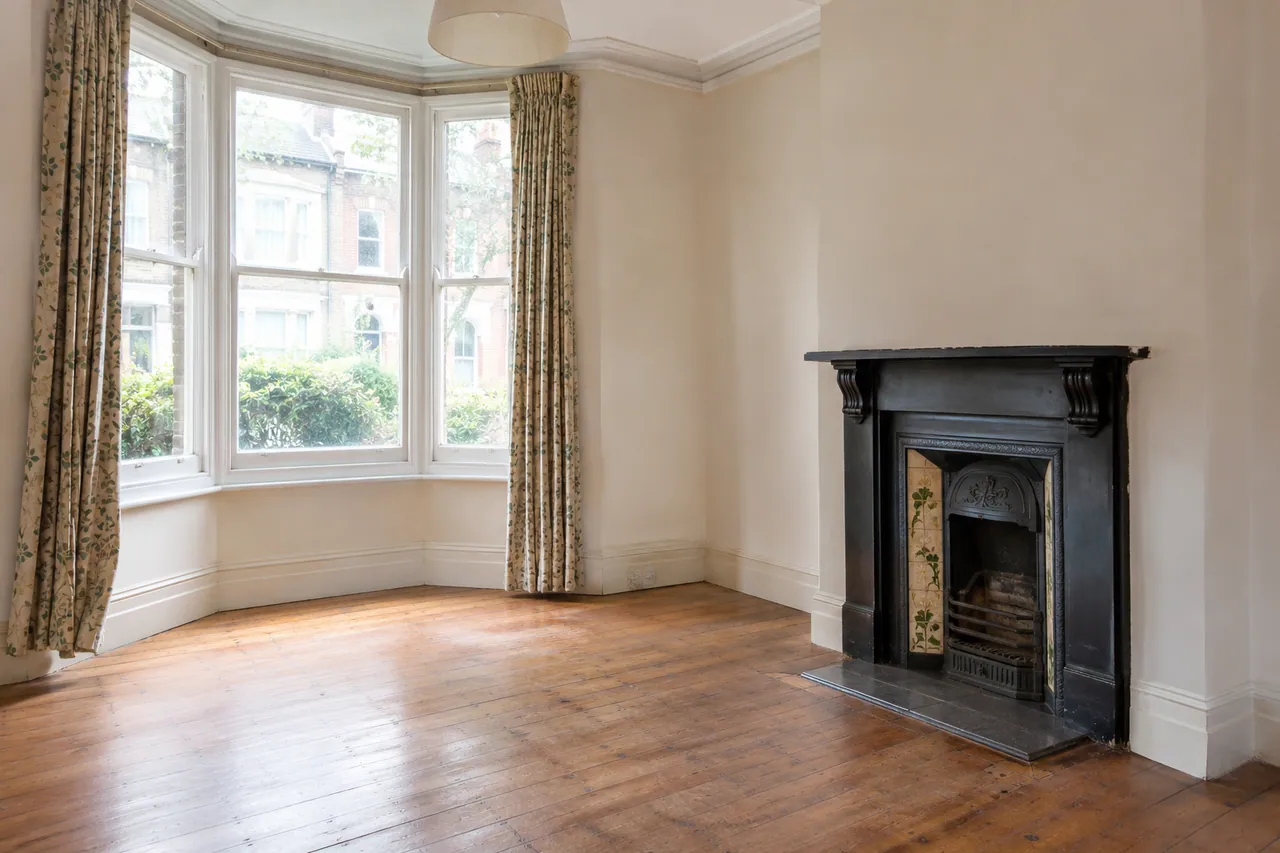

Carrying from the contents’ actual location
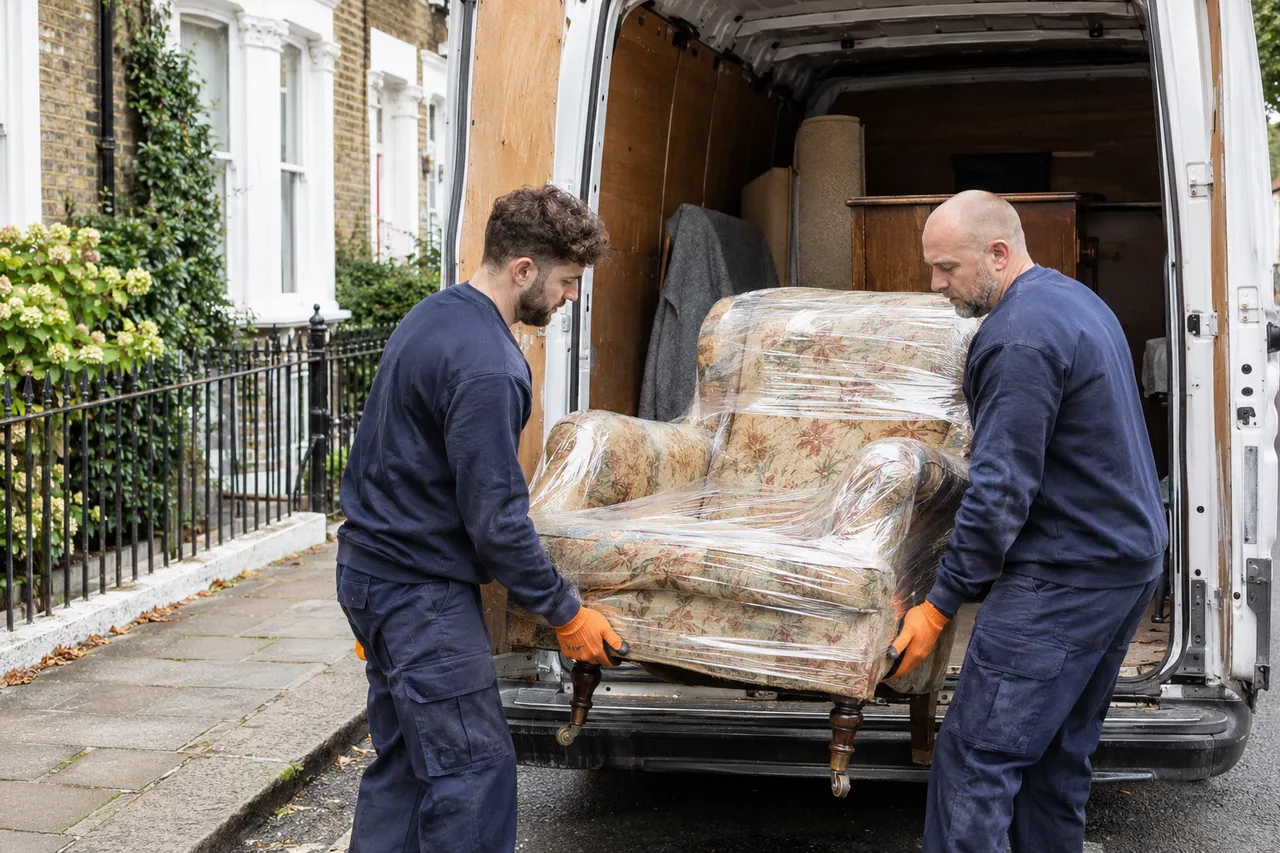
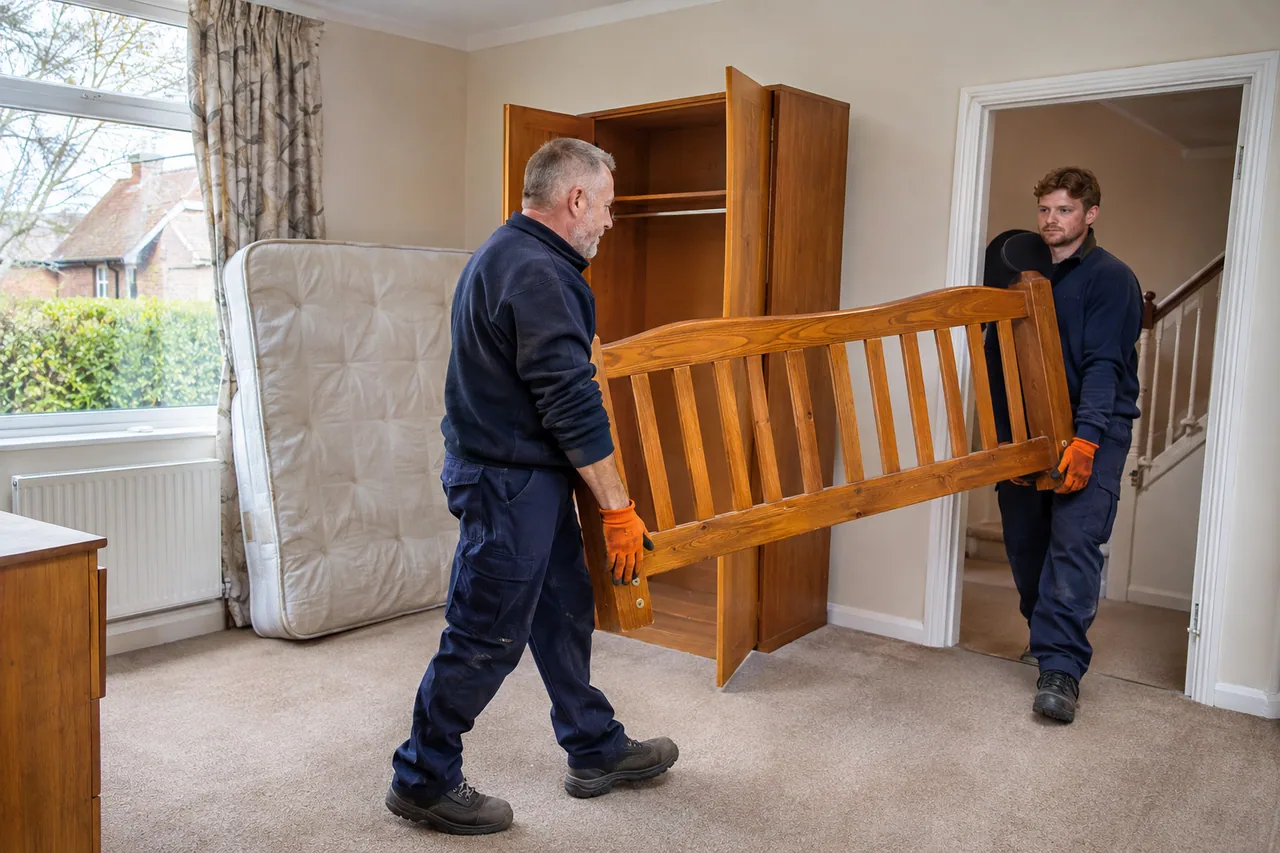
We establish where the containers and loose belongings will stand for collection. A load already brought together by an exit differs from contents spread across several rooms or floors. The enquiry connects those locations with the route out, including relevant doors, stairs or a usable lift. We describe that work for the actual property rather than assume a standard arrangement for Burnt Oak addresses.
| Carrying detail | Information supplied for the enquiry | What it contributes to the work description |
|---|---|---|
| Collection groups | The containers or loose contents in each named room or storage area. | The complete selected load is identified rather than only the most accessible group shown in one photograph. |
| Floor levels | Where the contents stand and the available connection to the exit. | Carrying reflects the current location rather than an assumed ground-floor presentation. |
| Separate bulky pieces | Dimensions, assembly and position of any furniture also accepted. | Additional handling remains visible instead of hidden within the soft-contents description. |
| Loading position | The practical vehicle location and distance from the premises exit. | The quoted work connects the contents with transport at the particular address. |
Burnt Oak location and the collection quote
This guide uses the GLA reference for Burnt Oak, with HA8 as an indicative postcode district around the mapped centre. We use the full postcode and property address to locate the actual collection and discuss availability. The map provides geographical orientation; the rooms, entry arrangements and route to loading are established directly with the person arranging removal.
The price relates to the identified contents and the carrying and loading involved. Container counts help describe the presentation but need the principal materials and approximate quantities behind them. The scope also distinguishes any furniture or other separate waste. Additional bags, changed contents or a different collection location need reviewing before an earlier quotation is relied on for a changed load.
| Quotation consideration | What is described | When it needs updating |
|---|---|---|
| Contents and quantities | Clothing, linen, bedding and the approximate amount selected. | More or different material changes the collection rather than an unlimited allowance based on the original bag count. |
| Current presentation | The container groups, loose items and any condition needing clarification. | Changed contents or presentation should be discussed so acceptance and handling remain accurate. |
| Additional items | Furniture, devices or other separately identified material. | New categories need acceptance and a clear description before joining the soft-contents load. |
| Access and attendance | Collection positions, route to transport and an available visit with the entry contact. | Relocation or changed access can alter the work behind the quoted removal. |
Burnt Oak: collection location and area map.
Map of Burnt Oak
Load the interactive area map from OpenStreetMap. This connects your browser to the map provider.
Open map in a new tab ↗ © OpenStreetMap contributors
Area orientation only. This map does not mark a company office or a confirmed loading point.
Burnt Oak collection questions
Can bags of linen leave while clothing is retained?
Yes. Identify the unwanted group and distinguish retained similar containers. The team follows that selection rather than decide which household contents appear surplus. Describe the principal material and approximate amount so the collection concerns the linen being discarded rather than every bag stored in the same area.
Does bedding removal automatically include the mattress?
No. Identify the mattress separately if it is also being proposed for collection, including its size and location. Bedding bags and a bulky mattress are different physical loads. The team discusses acceptance and the carrying arrangement for the actual items rather than infer a complete bed collection from soft contents.
Can the wardrobe remain after selected clothes are collected?
Yes. The furniture and its contents are independent selections. Identify the bags or loose belongings leaving while keeping the wardrobe outside the removal. If furniture is proposed later, its current assembly, dimensions and route need bringing into the scope as a separate bulky group.
Are all bags treated as equivalent quantities?
Explain their principal contents and approximate amount rather than rely only on a bag number. Similar packaging can hold different materials or volumes. We discuss the actual contents and their presentation so the quote describes the load being removed rather than assumes every container represents the same collection.
Can ordinary removal guarantee a donation destination for the textiles?
The service arranges removal and appropriate onward handling of the accepted waste. Recycling or reuse is pursued where appropriate to the actual material and available route. A household collection should not be treated as a guaranteed charity or donation arrangement unless a separate requirement has been expressly discussed and confirmed.
What if more clothing is added from another floor?
Tell the team about the extra amount, its principal contents and the new collection location before the visit. It can change both the load and carrying work. The quotation describes the stated selection rather than an automatic clearance of every wardrobe or storage area subsequently added at the address.
Arrange your Burnt Oak collection.
Discuss the unwanted items, full postcode and route to the vehicle with the collection team.