
CROUCH END COLLECTIONS
Rubbish Removal in Crouch End
Our London rubbish removal service covers enquiries from homes and businesses in Crouch End. We carry unwanted contents from the collection points, load them and arrange transport for onward waste handling. A sofa with several bags or boxes is one kind of enquiry to describe: the furniture and the smaller contents both contribute to the job, so we discuss the complete load before confirming the price and visit.
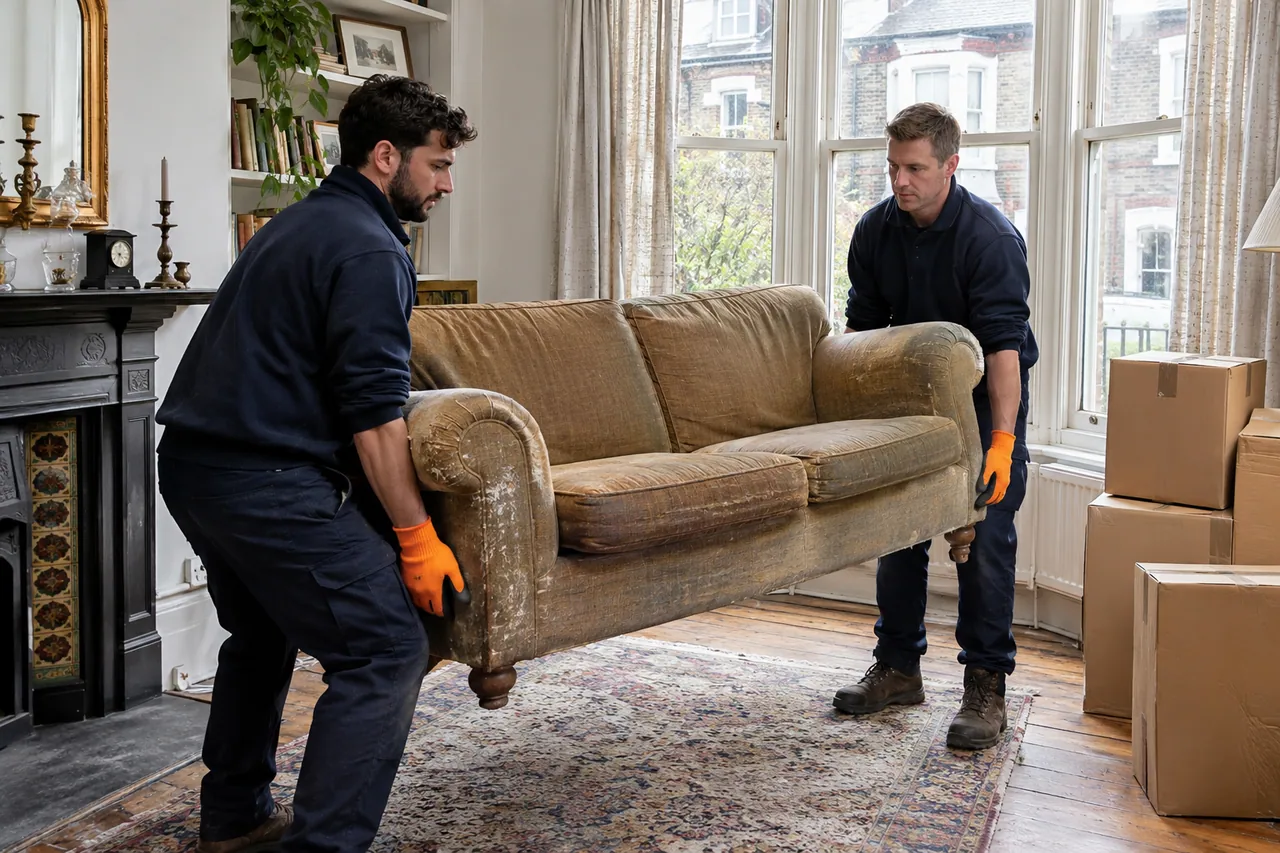
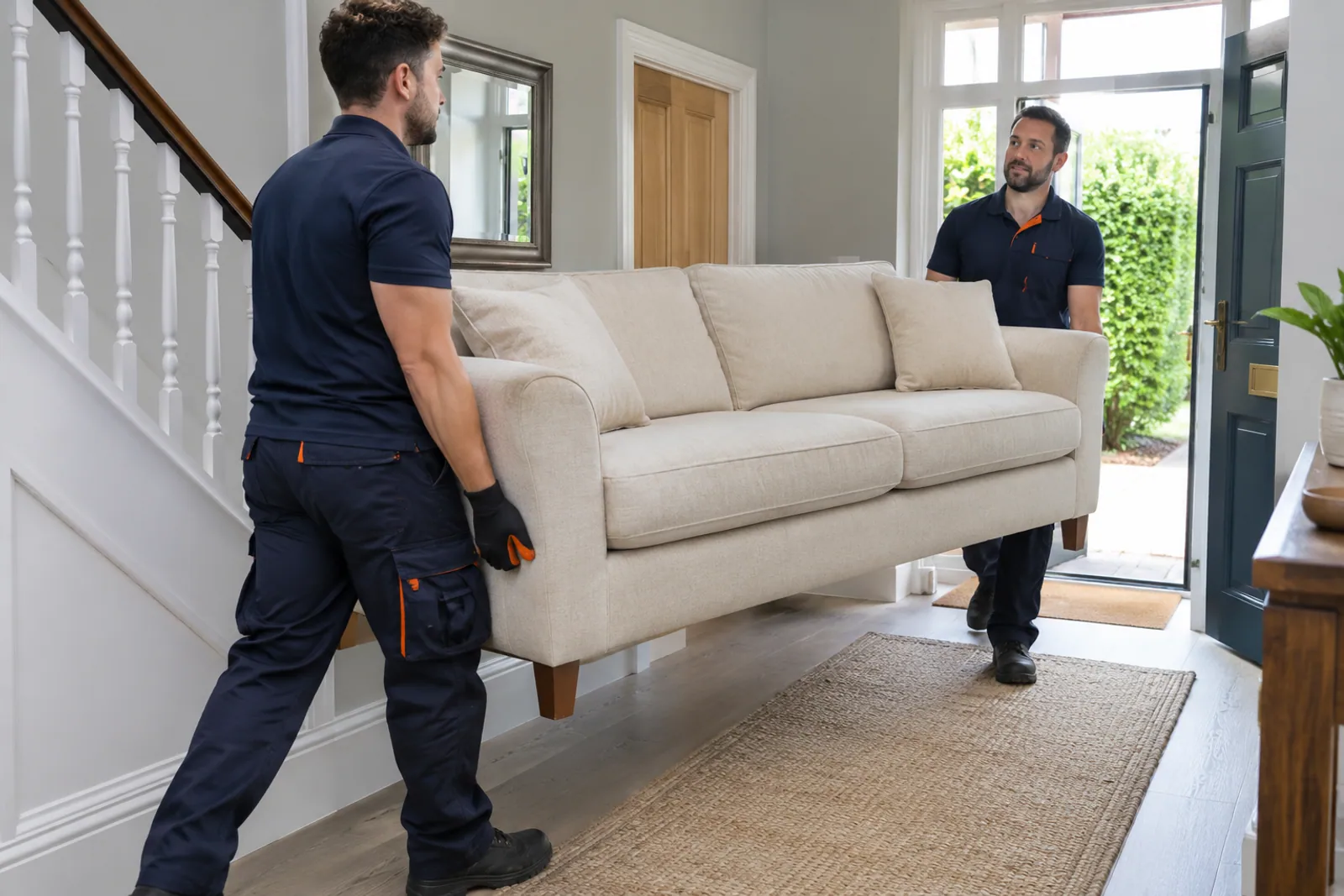
Crouch End collections, explained.
Can you take a sofa and a smaller household load on the same visit?
We can discuss them as one removal with two clearly described parts. Tell us about the sofa, its size and any sections or loose pieces, then describe the main contents and approximate amount of the bags or boxes. We also establish where each group is held and how it reaches the vehicle before confirming the collection.
What happens to the furniture we want to keep in the room?
The removal list identifies the sofa and other contents leaving, while retained chairs, tables and belongings stay outside the job. The person giving access needs to recognise that list. We use the household’s instructions rather than the matching appearance of a furniture set to decide which pieces are to be carried away.
The contents included in your Crouch End enquiry.
| Part of this proposed load | Details we use | Question resolved before the visit |
|---|---|---|
| Sofa body | Approximate dimensions, present form and collection floor. | Is the furniture one large piece or several sections to carry? |
| Sofa components | The cushions, detached parts or other pieces leaving with it. | Does the photograph show the complete furniture group? |
| Household containers | Approximate amount and main materials inside bags or boxes. | What additional waste accompanies the seating? |
| Separate collection points | Other rooms or storage places holding included contents. | Does carrying begin in more than one part of the premises? |
Two parts of the load, one description of the work
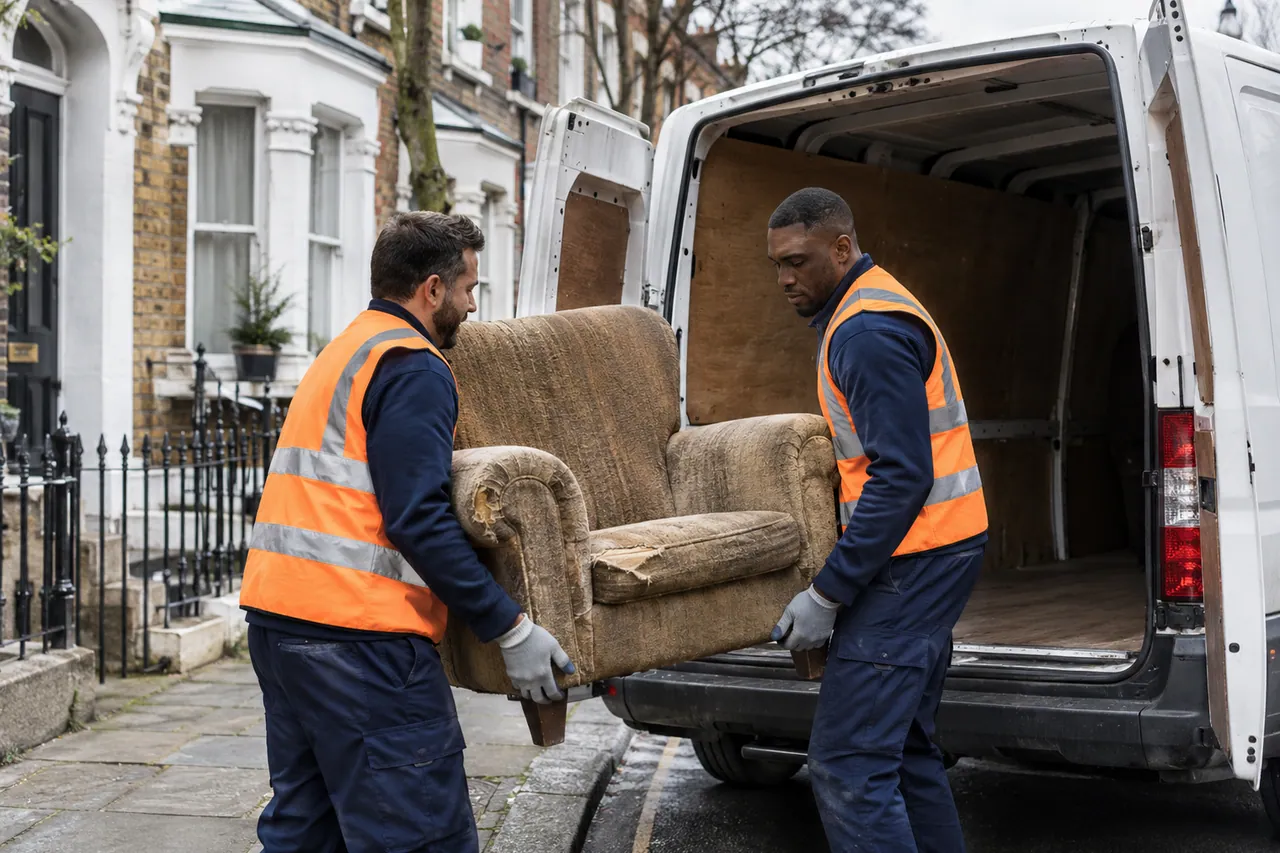
A sofa is immediately visible in an enquiry photograph. Smaller contents can be less obvious: bags behind the seating, boxes in another room or a few electrical items amongst ordinary belongings. We bring those into the conversation before quoting. The result is a description of the whole removal rather than a sofa price with an unexplained allowance for anything else found nearby.
The furniture disposal service covers a furniture-only request as well. Where a household also wants loose material taken away, we include its quantity, contents and starting points in the job discussion. We can then explain the carrying and loading for both groups together. Nothing about a combined enquiry requires the rest of the room or property to become part of the clearance.
What the collection team does
We confirm the load and collection arrangements with the customer or responsible contact. The team carries the contents covered by that arrangement, loads them and takes them away. The scope identifies any additional requirement raised in the enquiry, so the visit has a clear purpose without becoming an unrestricted instruction to clear surrounding possessions.

Describe both load groups
The sofa’s size and pieces are recorded alongside the smaller household materials and amounts, with the collection points identified.

Resolve the carrying details
The furniture route, container locations and practical vehicle loading are discussed, including any extra task requiring agreement.

Confirm price and collection
The team explains the scope and quote and confirms an available visit with the person arranging access to the premises.

Carry, load and take away
The furniture and other contents in the arrangement are removed from their described positions and transported for appropriate onward handling.
The contents and carrying behind your Crouch End enquiry.
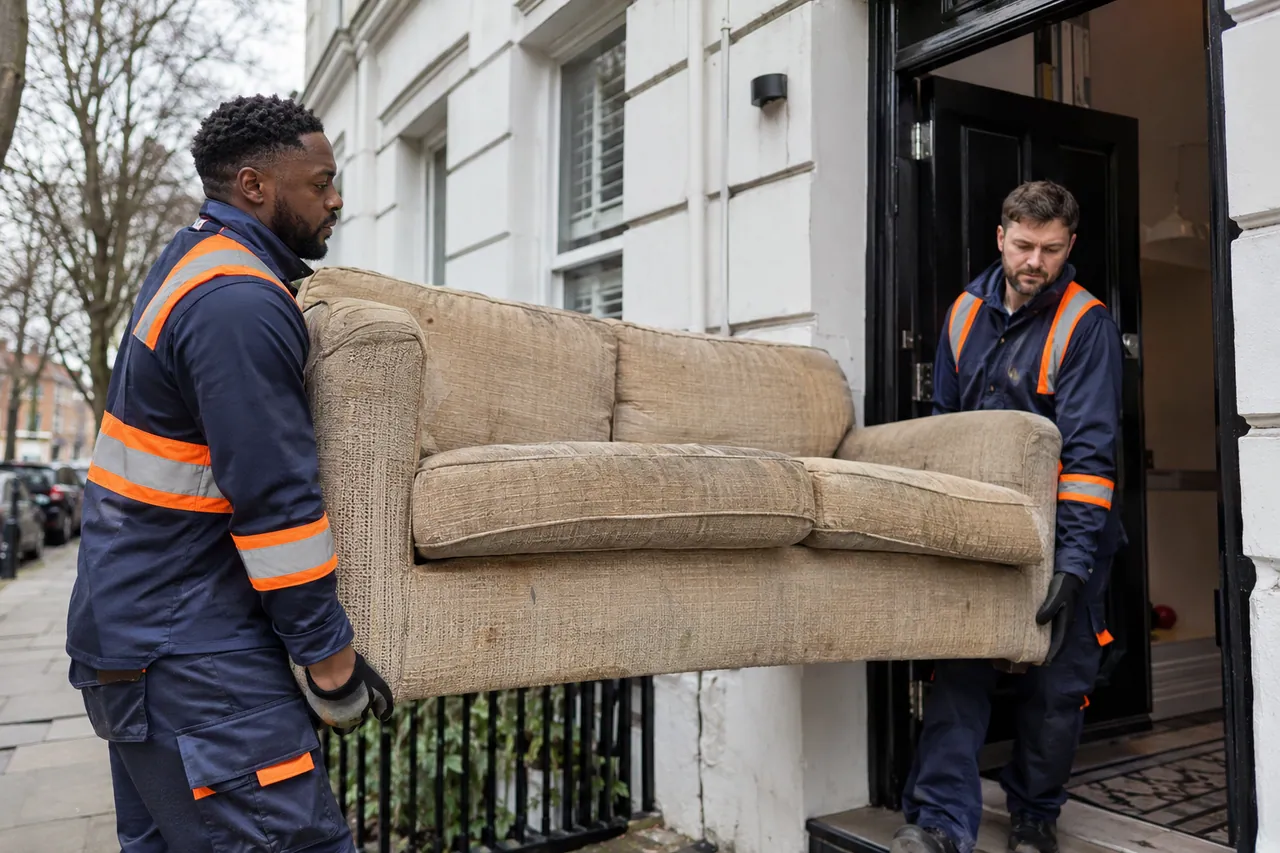
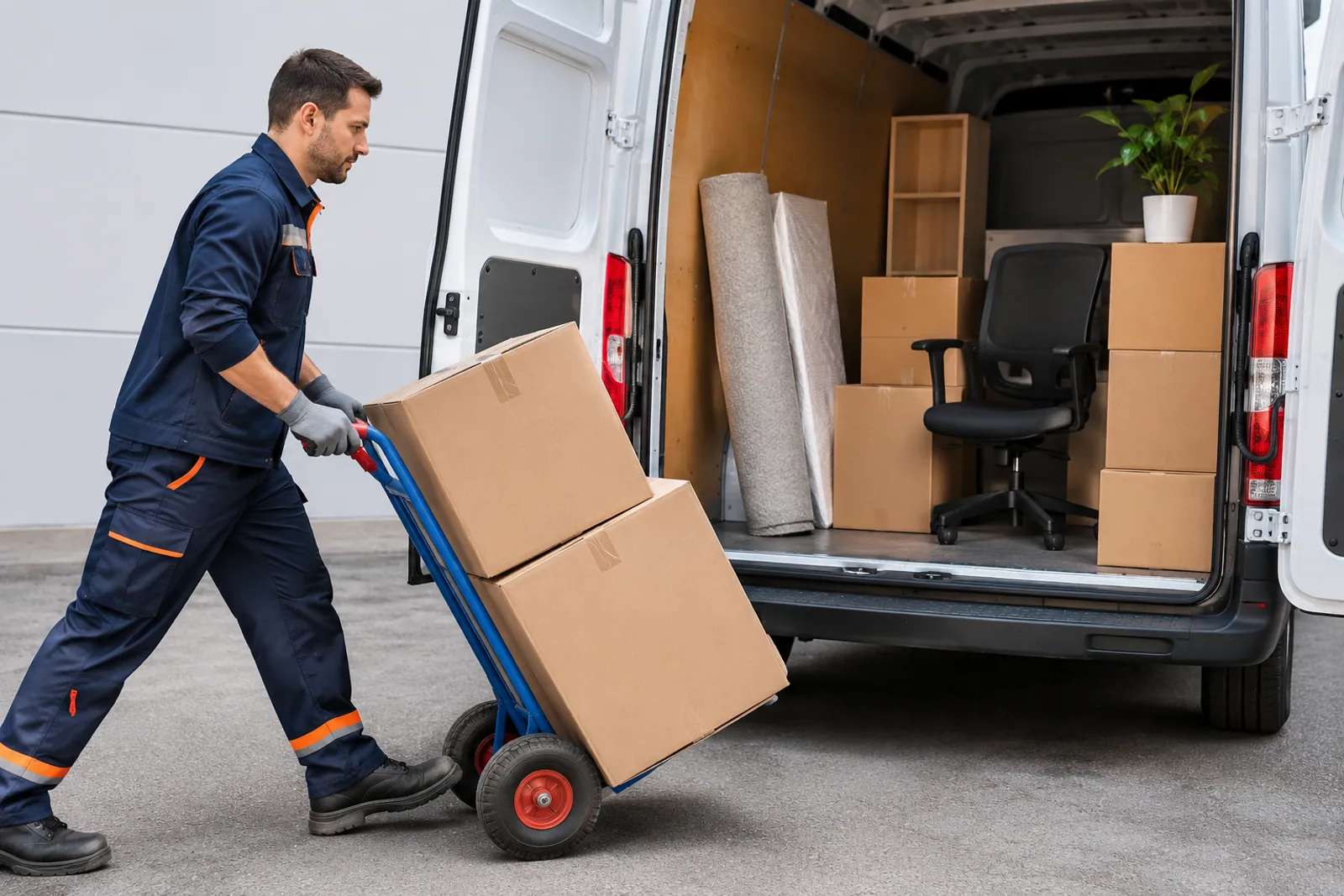
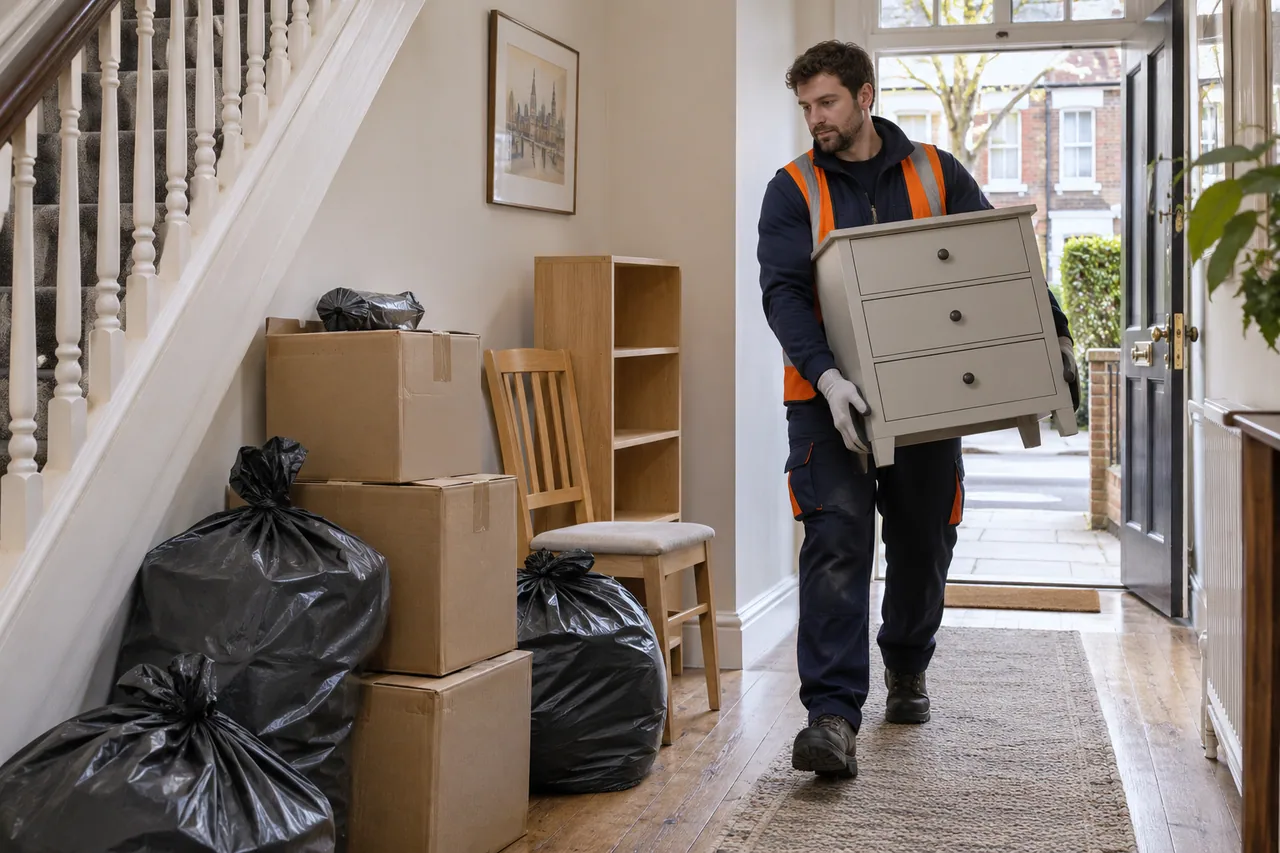
What is going in the vehicle?
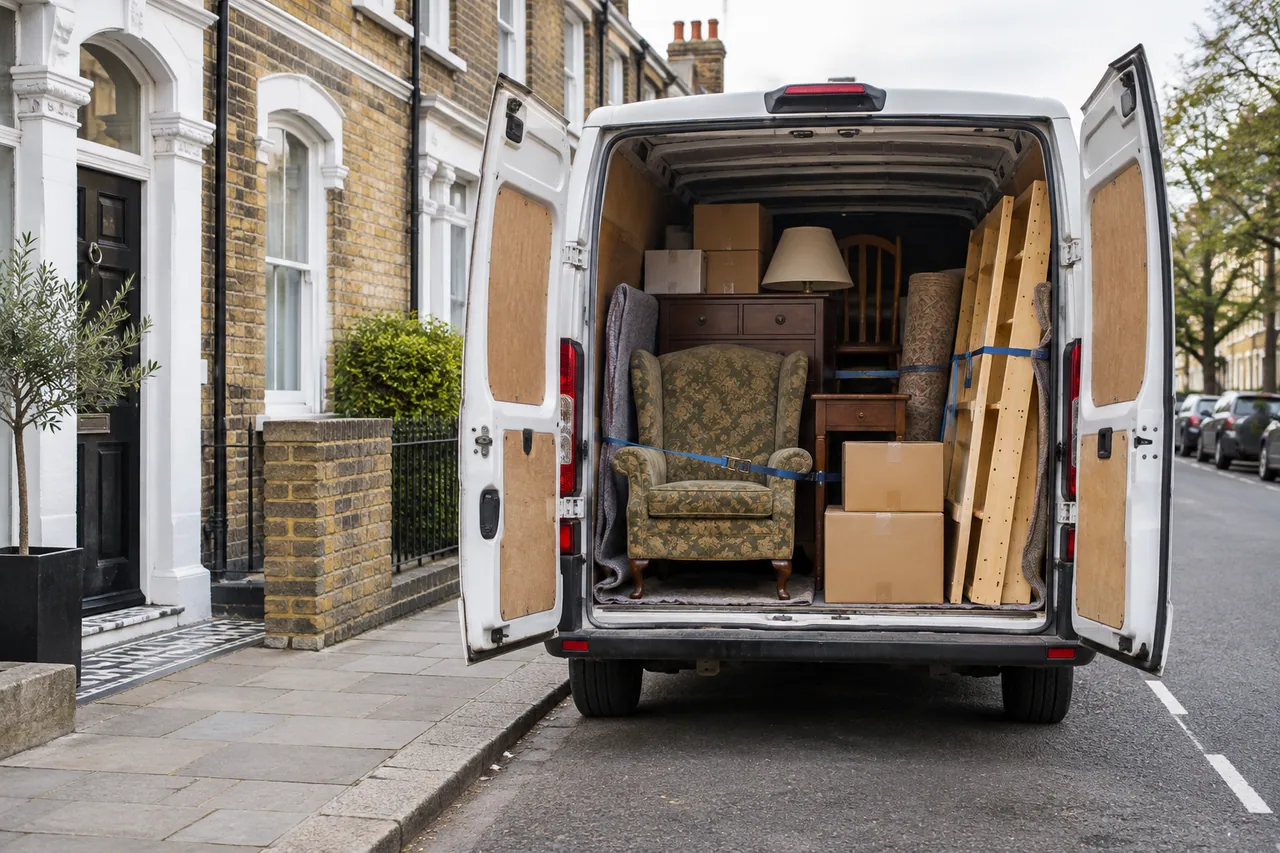
We establish the list in terms the customer and collection contact can both recognise. Furniture needs dimensions and piece counts; contained belongings need a contents description. Photographs support both, but a view of the room does not reveal everything inside closed containers.
The smaller contents are more than a bag count
Two similar containers may hold clothing, books, packing material or a mixture. That changes the description of the load without changing the number of bags. Our household waste collection discussion identifies those materials and their approximate amount. We ask about equipment, project debris or anything unfamiliar before including it with ordinary domestic belongings.
The customer chooses which possessions are unwanted. We do not need to decide that from a room’s appearance. An entry contact can show the described containers and distinguish similar ones being retained, keeping the work straightforward when several people have helped organise the household selection.
| Smaller contents in the enquiry | What we establish | Effect on the removal description |
|---|---|---|
| Books or paper | Approximate amount and whether it fills the containers shown. | The carrying load is explained by contents as well as packaging. |
| Clothing or soft belongings | Quantity and how the material is currently held. | This remains a separate group from the sofa itself. |
| Electrical items | Device types and any extra service being requested. | Equipment acceptance is clarified before it joins the collection. |
| Mixed or uncertain material | The known contents and anything needing clarification. | A general household label is replaced by a usable material description. |
Carrying a sofa through the premises
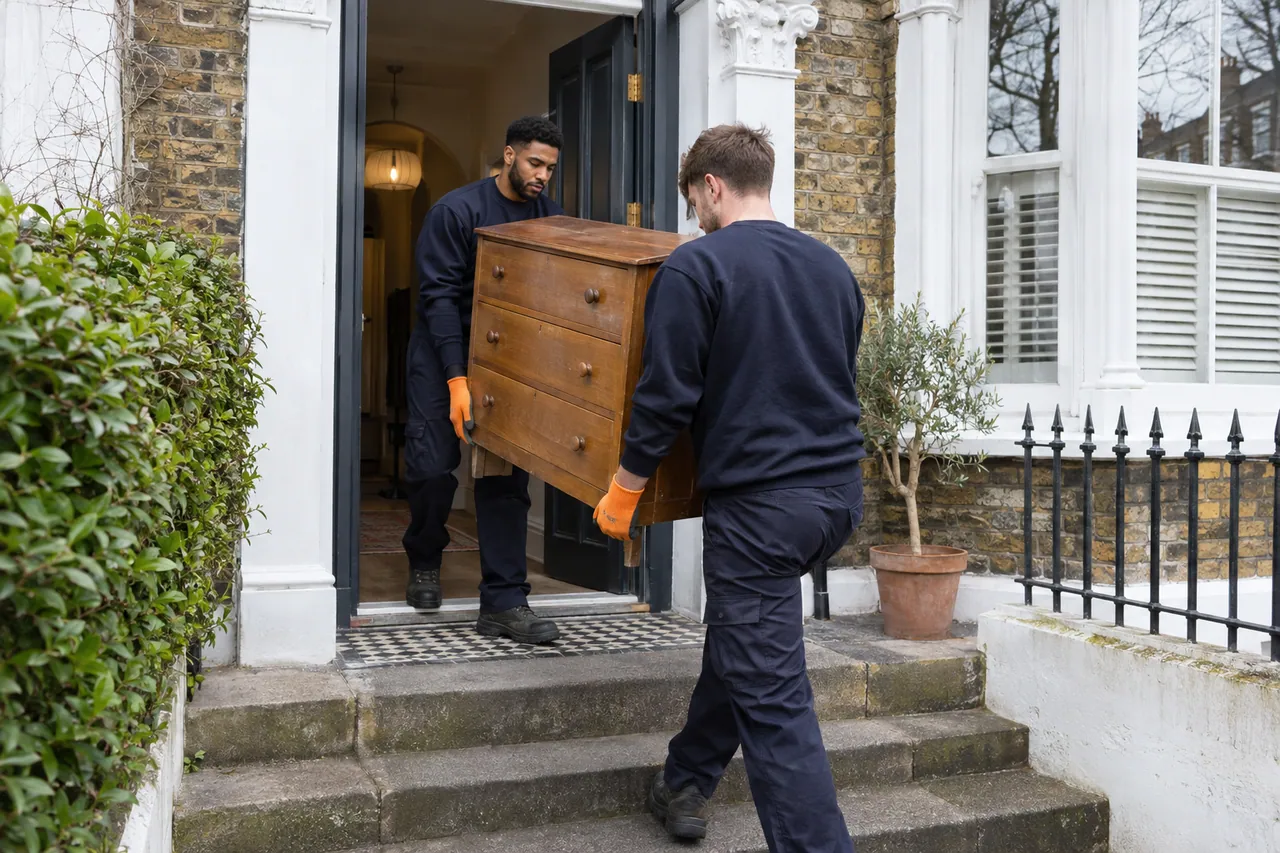
We discuss the route for the sofa and then the locations of the smaller load. Doors, turns, stairs or a usable lift can matter to a large seating piece. Its position in a ground-floor room is a different starting point from a room on another level. The collection description records what applies at the property instead of assigning a layout to a Crouch End address.
If work is needed before the sofa can be moved, explain it during the enquiry. We clarify that requirement along with the furniture’s present form. The collection should not depend on an unspoken expectation that furniture or the building will be altered during a carrying visit. Equally, furniture already separated should be described by the components now leaving.
| Route information | Connected with | Work explained |
|---|---|---|
| Sofa location and dimensions | The largest pieces in their current form. | Carrying from the room rather than only collection beside an entrance. |
| Other contents’ locations | Boxes, bags or separate furniture components. | Movement from each included starting point. |
| Relevant internal access | Doors, turns, floors and available stairs or lift. | The route between the load and the exit. |
| Practical loading point | Distance from the exit and person providing entry. | The final carrying connection to the vehicle. |
What a clear quote gives you
The quote connects the amount and types of waste with carrying and loading. It describes what the company will remove rather than a theoretical room capacity. This is useful when the most visible object is the sofa but a substantial smaller load is also leaving.
| Confirmation point | What it tells the customer | When to contact the team again |
|---|---|---|
| Furniture covered | The sofa and accompanying pieces included. | Another seating item or different presentation is proposed. |
| Loose load covered | Material groups and approximate amounts discussed. | More containers or different contents are added. |
| Carrying covered | The rooms, floors and route described. | A collection point or access arrangement changes. |
| Visit arrangement | The available attendance confirmed for the premises. | Entry, contact details or requested timing need updating. |
The Crouch End address and the end of the collection
Crouch End is the mapped centre reference in Haringey, with N8 an indicative nearby postal district. We use the full postcode and address for the removal. Those details locate the property; the contact explains the contents, entrance and loading arrangements for the particular job.
Once loaded, the waste is transported for appropriate onward handling. Recycling or reuse is pursued where suitable to the materials and available route. Furniture and smaller contents can follow different handling routes after collection; the company does not need to assign one claimed recycling percentage to this mixed load. Any particular record or further service required by the customer is raised before the arrangements are confirmed.
Crouch End: collection location and area map.
Map of Crouch End
Load the interactive area map from OpenStreetMap. This connects your browser to the map provider.
Open map in a new tab ↗ © OpenStreetMap contributors
Area orientation only. This map does not mark a company office or a confirmed loading point.
Crouch End collection questions
Is the loose rubbish part of a sofa quote if it appears in the picture?
Point it out and describe its main contents and approximate amount. We use the photograph with that explanation to establish the complete load. Some objects in a picture may be retained, and closed containers may not show their materials. The quote should make the smaller collection clear rather than leave its inclusion to a guess.
What if I am keeping all the matching armchairs?
Tell us that the sofa leaves and the chairs stay, including any loose pieces belonging to each. Matching upholstery does not make the whole suite part of the job. The contact meeting the team can identify that distinction, with the furniture list kept consistent between the enquiry and collection.
Can a cushion stored upstairs leave with a sofa downstairs?
Include its quantity and location in the enquiry. It forms part of the furniture group, but its association with the sofa does not show where carrying starts. We connect it with the rest of the collection so the visit description covers the physical pieces and their locations, not only the main item shown.
What should I mention about an unusually heavy box?
Explain its main contents and approximate amount, together with where it is held. The team can discuss the load from that information rather than infer it from the outside of the box. Dense project material, equipment or anything uncertain is identified separately before acceptance alongside ordinary household belongings.
Will the company take the sofa apart as part of this arrangement?
Raise any such requirement before the price and scope are agreed. We need the furniture’s present form, approximate dimensions and route to understand the request. Carrying and loading alone should not depend on extra work which has never been discussed. Tell the team if its form changes before the visit.
How do I update the collection after removing some boxes myself?
Explain what remains to leave and whether its location or material mix has changed. The team reviews the current requirement rather than rely on an earlier picture of a different load. The contact giving access should have the same updated list, including any retained furniture and possessions around the collection area.
Arrange your Crouch End collection.
Discuss the unwanted items, full postcode and route to the vehicle with the collection team.
Discuss your Crouch End collection
Open our booking form to arrange your collection.
Continue to our booking form to confirm your items and contact details.