
EDMONTON GREEN COLLECTIONS
Rubbish Removal in Edmonton Green
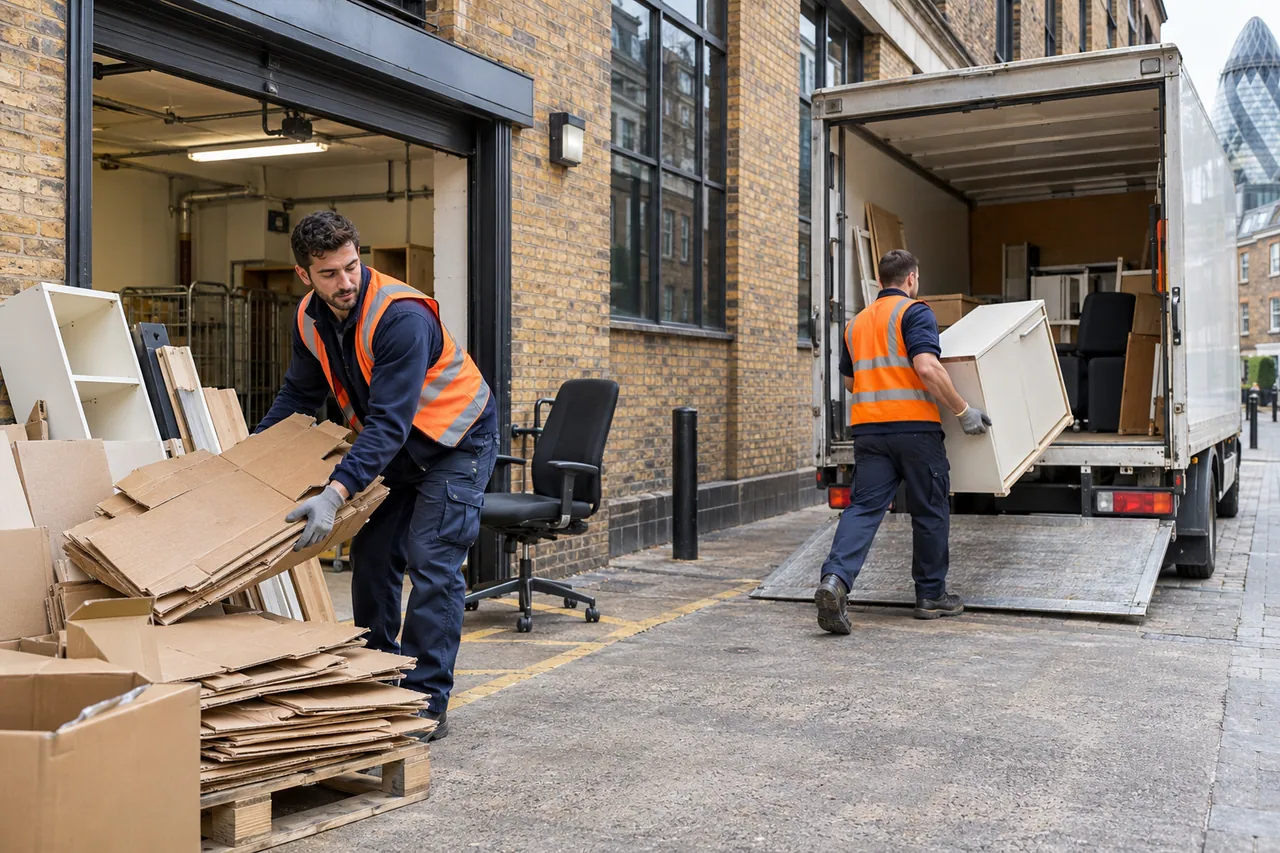
We collect unwanted contents from London properties, including Edmonton Green premises. For a business backroom request, the work is defined by the goods or furniture leaving and the path they must follow to loading. The team discusses that removal without treating the working areas passed along the route as part of the waste inventory.
Edmonton Green collections, explained.
Is a route through the business the same as a request to clear those areas?
No. We identify the backroom load and separately discuss how it reaches the vehicle. Passing through another room or working area does not add its contents to the collection. The organiser explains the furniture, materials and locations included so the team can carry the stated load while retained stock and business assets remain outside the request.
How does the team distinguish waste cartons from stock?
The business describes the main contents and decides which goods or packaging are unwanted. Empty packaging, a carton holding retained products and a carton of material proposed for disposal are different selections. We discuss those distinctions before quoting, with an entry contact able to identify the removal group rather than the team deciding from box shape or position.
A backroom job is defined at its starting point
We establish the particular contents the business wants taken away. That may be furniture no longer needed, discarded packaging or other described material. The enquiry identifies where the group stands within the backroom and what remains around it. Stock, usable supplies and working equipment are kept distinct, even when they occupy the same shelves or floor area.
Our commercial waste collection service provides the wider enquiry context. The team discusses the amount, main materials and physical work needed for this load. A business can request a one-off removal without treating the visit as an instruction to empty all storage or as an ongoing schedule for future waste.
The path out can include places that are staying in use
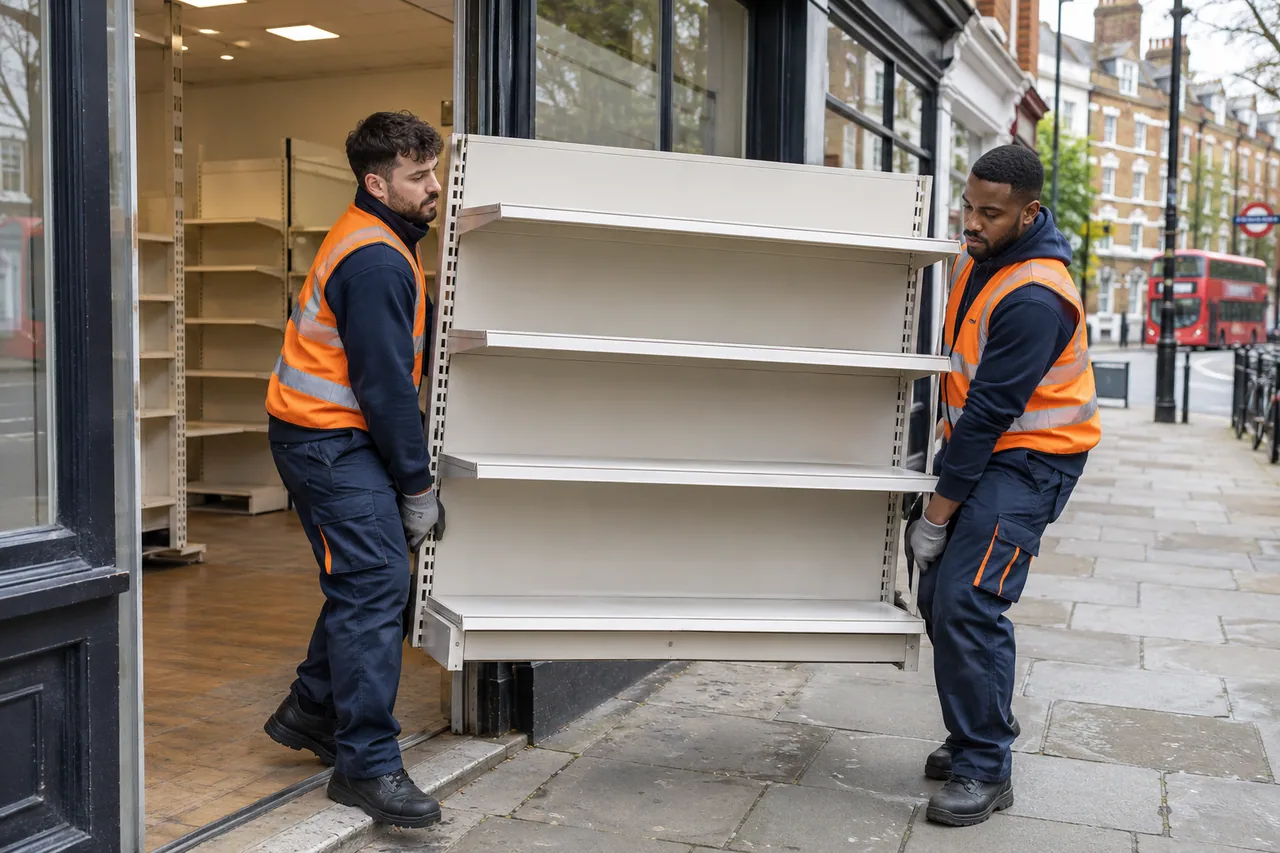
The route is discussed as movement, not as a list of everything to remove. We connect the actual collection position with doors, turns, floor changes, entry arrangements and a practical loading point. If access needs coordinating with the business, explain the available entry window and relevant premises arrangements while requesting the visit. The team confirms what can be arranged rather than assumes attendance at any time will suit the workplace.
If the business moves stock or regroups the waste after the first enquiry, tell the team how the route now works. The load may be unchanged while the carrying differs. We discuss the current arrangement rather than rely on an old photograph of one doorway or assume every Edmonton Green business has the same layout.
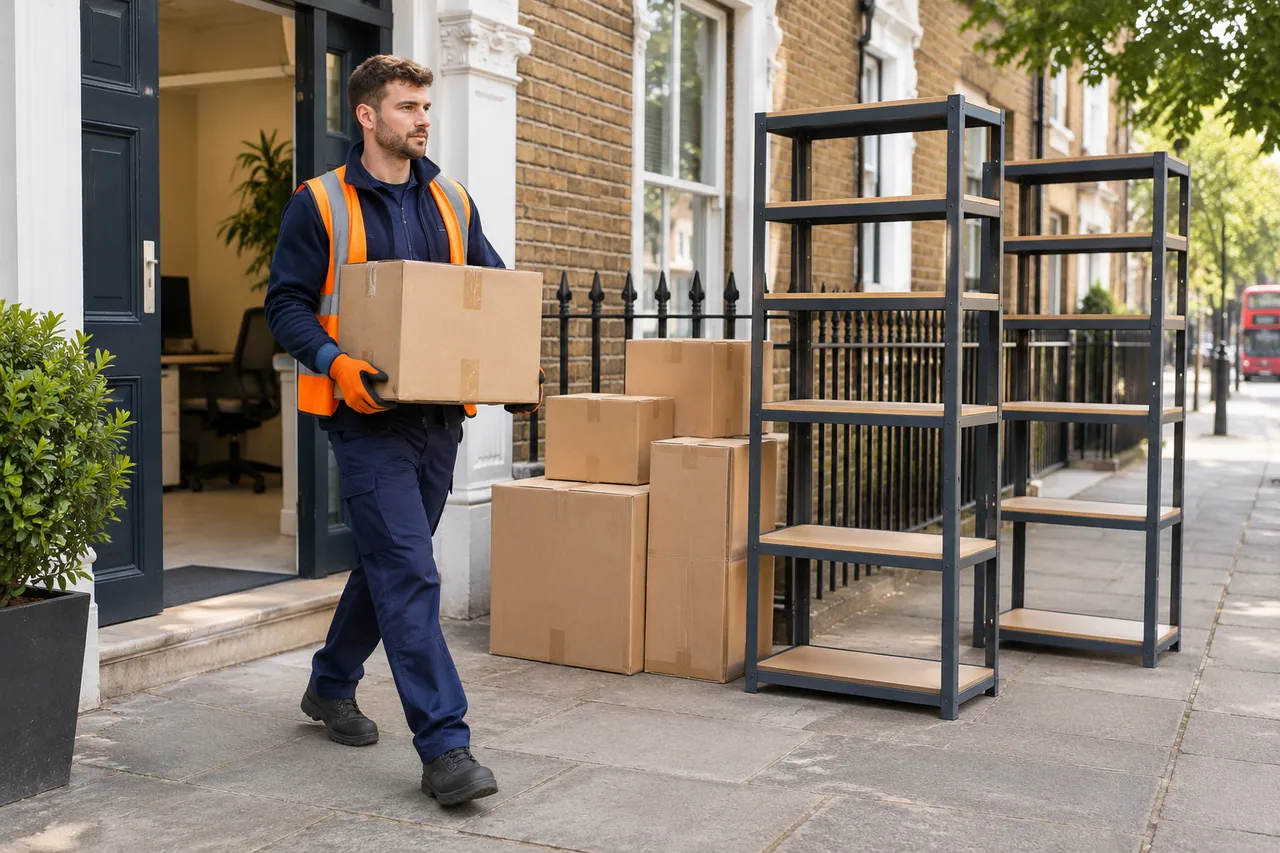
Similar cartons can represent three different instructions
A cardboard exterior does not establish that its contents are waste packaging. The organiser identifies empty cartons, retained goods and products expressly selected for disposal. We ask for the principal material and approximate amount, with unfamiliar or unusual contents raised before acceptance. The business’s selection is the basis of the collection, not the team’s judgement of whether goods seem old or saleable.
| Carton or material group | What the business confirms | What the removal description represents |
|---|---|---|
| Empty cartons and wrapping | Main materials, approximate extent and the group being discarded. | The packaging load requested, not unopened or filled stock boxes by association. |
| Retained goods in similar cartons | Which products and containers stay. | Stock outside the removal, regardless of matching appearance or nearby waste. |
| Goods proposed for disposal | Actual contents, materials and quantities. | A separate acceptance discussion for the products rather than a packaging-only assumption. |
| Mixed containers | Main contents and any point needing clarification. | The full material selection instead of an unexplained count of boxes in the backroom. |
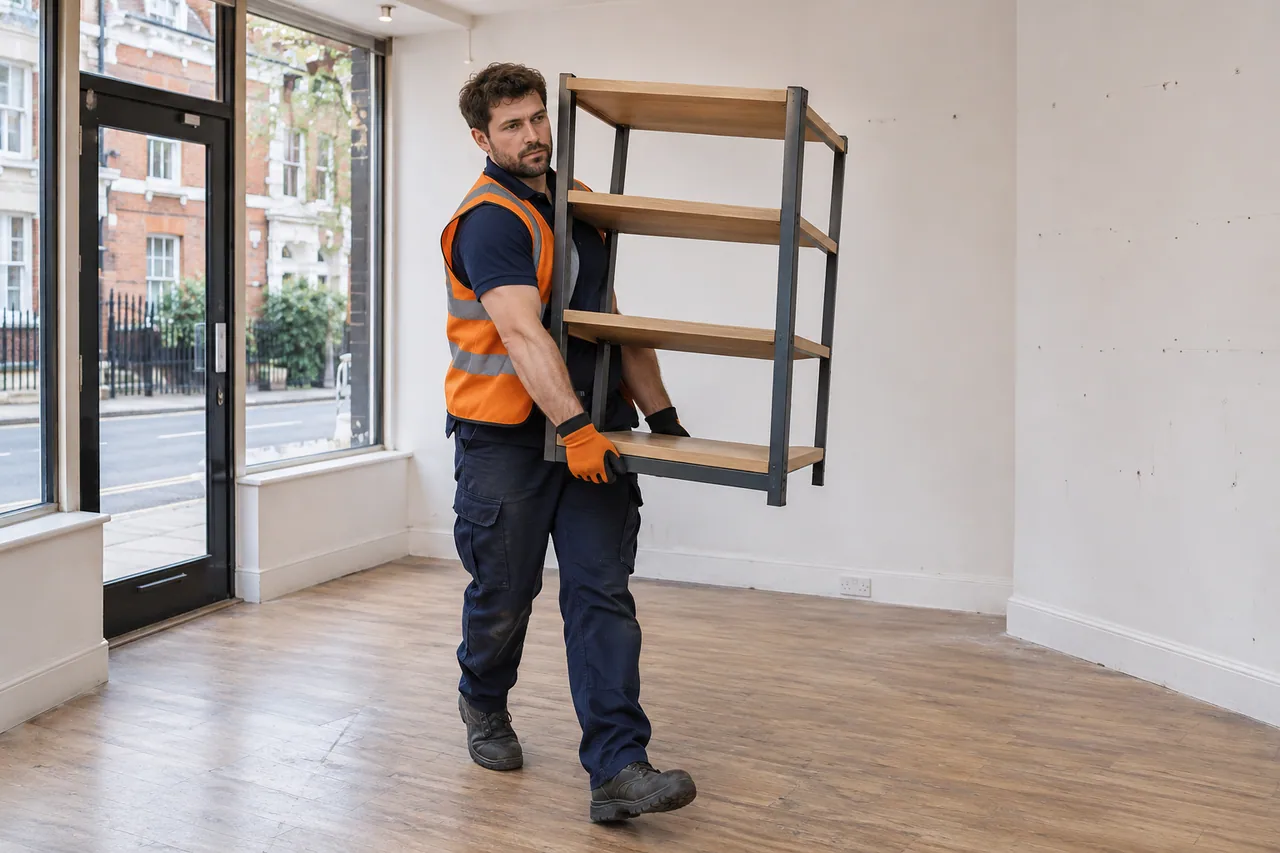
Furniture and equipment are described separately where present. A shelving unit can stay while unwanted packaging is removed from beside it; conversely a unit can leave while stock it once held is retained. Those independent choices are made clear before the visit, so the access contact can present a recognisable load.
What the team’s collection involves
The physical service takes the stated contents from the included locations, carries them along the discussed route and loads them for transport. The quote connects those tasks with the material and quantity. Any dismantling, detachment, disconnection or other additional work expected before movement needs clarification; it is not hidden within the word backroom.
A preferred date or access window starts the availability discussion rather than guarantees a booking. The arrangement should be practical for the described premises, but the service description is not a promise that every business can continue all activities unchanged while any load is moved. Relevant arrangements are discussed directly with the organiser before confirmation.

Define the backroom group
The organiser identifies furniture, packaging or other material leaving and distinguishes retained goods and working assets.

Connect it with the route
The enquiry follows the load through the premises to loading, making clear which areas are movement routes and which are further collection points.

Confirm acceptance and attendance
Materials, quantity, additional work and access arrangements are discussed with the quote, then an available visit is confirmed.

Carry and take away the stated contents
The team loads the agreed material for transport and appropriate onward handling, without extending the selection to stock elsewhere.
The contents and carrying behind your Edmonton Green enquiry.
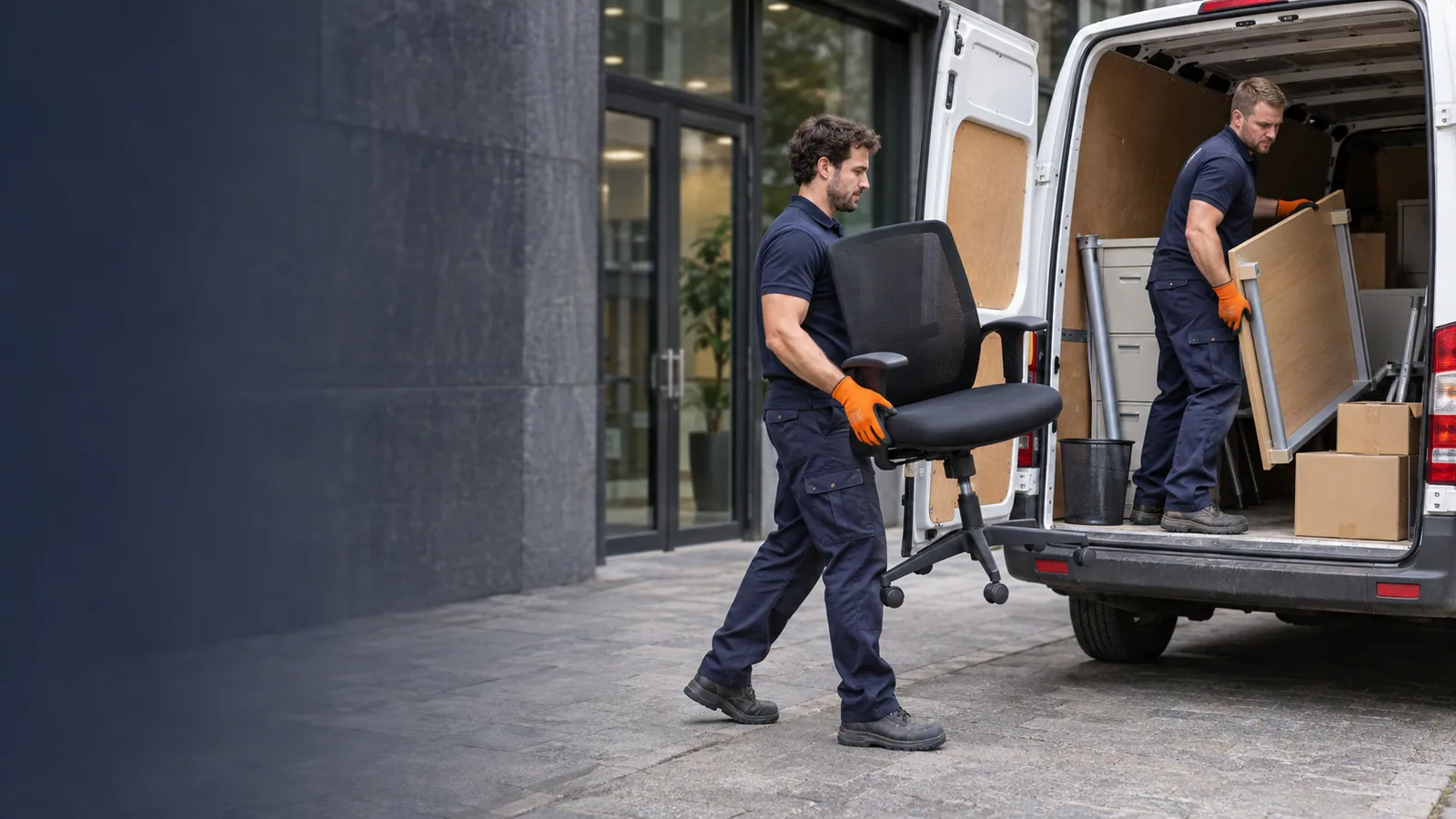
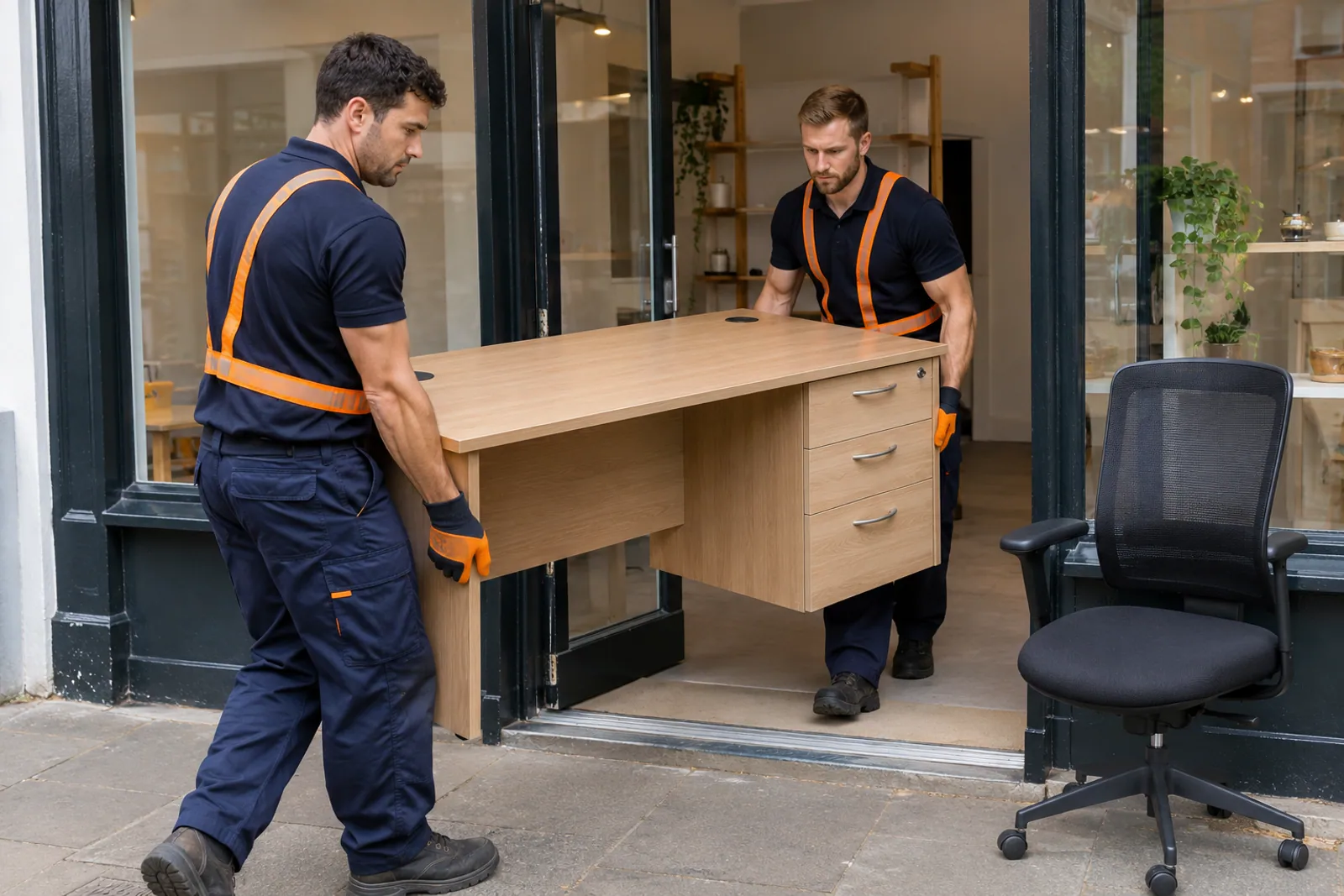


The material groups within the removal.
| Place described during the enquiry | Its role in this request | What the team needs to know |
|---|---|---|
| The backroom collection point | Holds the material being removed. | The particular contents and amount, with retained nearby goods distinguished. |
| Another room on the route | May be part of the movement towards the exit. | Relevant doors, space and premises arrangements, not an assumed additional waste selection. |
| The business entrance | Connects the internal route with loading. | Which entry is being discussed and who provides access. |
| A second area also being cleared | Adds another collection starting point if included. | Its own furniture or material description before it joins the scope. |
The business decision and the person holding the keys
We need a removal list the entry contact can understand. That person may know how to open the premises without having made the decision about the stock or furniture. The organiser identifies the current selection and who can clarify uncertainty. This avoids asking the team to make disposal decisions during the visit.
| Responsibility in the enquiry | Information supplied | What is settled before collection |
|---|---|---|
| Choosing the contents | The items and materials authorised to leave. | The team has a stated load rather than a general instruction to clear visible clutter. |
| Identifying retained stock | The nearby goods and supplies staying. | Similar cartons and products remain distinguishable from the waste. |
| Providing entry | The contact and relevant route arrangements. | The team can reach the described load at the correct premises. |
| Proposing later additions | The extra material, quantity and location. | The scope and quote are reviewed before another group is included. |
For retail furniture also requested, our shop clearance page explains that service. A display or counter elsewhere is an additional physical item to describe, not an implied part of the backroom job because the route passes beside it.
Bulky pieces and devices within the load
A compact pile of packaging can have a different collection description from a freestanding cabinet or device. We discuss construction, dimensions and current form where relevant, together with any contents hidden inside furniture or equipment containers. Photographs support the inventory; they do not replace the main material description.
| Object proposed alongside the loose material | Details used to discuss removal | Additional question to resolve |
|---|---|---|
| Freestanding storage furniture | Pieces, dimensions and whether contents also leave. | What stays in use or remains as retained stock. |
| Furniture already separated | Tops, panels or other parts and their current positions. | Whether all components are present and any further work is requested. |
| Electrical equipment | Device types, quantities and current presentation. | Any technical or other service requirement raised specifically. |
| A unit still attached | What is fixed and the task the organiser expects. | Scope clarification before work beyond carrying and loading is included. |
Our office clearance information gives the related workplace-furniture context. The team discusses the requested work rather than assume a technical service or strip-out from the object’s business use. The load’s actual form and collection position connect the quote with carrying and loading.
Edmonton Green location and the final arrangement
The map centres on Edmonton Green in Enfield, with N9 an indicative nearby postcode district. Give the full address, postcode and useful business or building details, with the entry contact. The team uses the actual collection premises and load to discuss an available visit.
The quote covers the material, quantity and work described. If more stock is selected for disposal, a backroom is reorganised or another collection area is added, explain the update before treating it as part of the original removal. The team reviews acceptance and carrying against the current request.
After removal, appropriate onward handling is arranged for the accepted material, with recycling or reuse pursued where suitable to the contents and available route. A continuing business-waste requirement is discussed separately rather than inferred from this collection of existing backroom contents.
Edmonton Green: collection location and area map.
Map of Edmonton Green
Load the interactive area map from OpenStreetMap. This connects your browser to the map provider.
Open map in a new tab ↗ © OpenStreetMap contributors
Area orientation only. This map does not mark a company office or a confirmed loading point.
Edmonton Green collection questions
Can the route cross a working area without removing its stock?
Yes. The enquiry distinguishes the material leaving from the path used to reach loading. Identify retained goods along that route and the actual collection points. The team discusses movement through the premises, rather than treat every area entered as another disposal instruction.
Does a filled cardboard carton count as packaging waste?
Describe what it holds. A carton may contain stock, supplies or products proposed for disposal rather than empty packaging. The team needs the principal contents and quantity to discuss acceptance and the quote. Similar container shape does not establish identical material or the business’s decision about what should leave.
Can someone open the premises without choosing extra waste?
Yes. The keyholder can provide entry and identify the stated load while the organiser’s selection remains the basis of the removal. Make clear who can resolve an uncertain item. The visit should not depend on the entry contact making fresh decisions about stock, usefulness or ownership.
Is a counter passed on the way out also included?
Only if it is described and agreed as part of the request. Give its construction, dimensions, contents and current attachment or assembly. It may create a different furniture task from the backroom packaging, so the team reviews it rather than assume the movement route expands the inventory.
What if the business changes the backroom arrangement before collection?
Update the contents location and route, including any extra starting point or changed entry requirements. The material quantity may remain similar while carrying changes. The team confirms the current work rather than rely on a previous photograph or a route no longer available at the premises.
Does the one-off collection establish regular future pickups?
No continuing schedule is inferred from removal of the existing load. Explain any ongoing requirement separately so the team can discuss its waste and arrangements. This quote concerns the contents and work described for the visit, with new material or later collections requiring their own confirmation.
Arrange your Edmonton Green collection.
Discuss the unwanted items, full postcode and route to the vehicle with the collection team.
Discuss your Edmonton Green collection
Open our booking form to arrange your collection.
Continue to our booking form to confirm your items and contact details.