
FINCHLEY CHURCH END COLLECTIONS
Rubbish Removal in Finchley Church End
We arrange collection of agreed unwanted sports and leisure contents from Finchley Church End properties. The enquiry identifies the particular equipment, its current form and any separate accessories, rather than treating everything in a store as one load. We discuss acceptance, access and loading before explaining the price and confirming an available visit for the address.
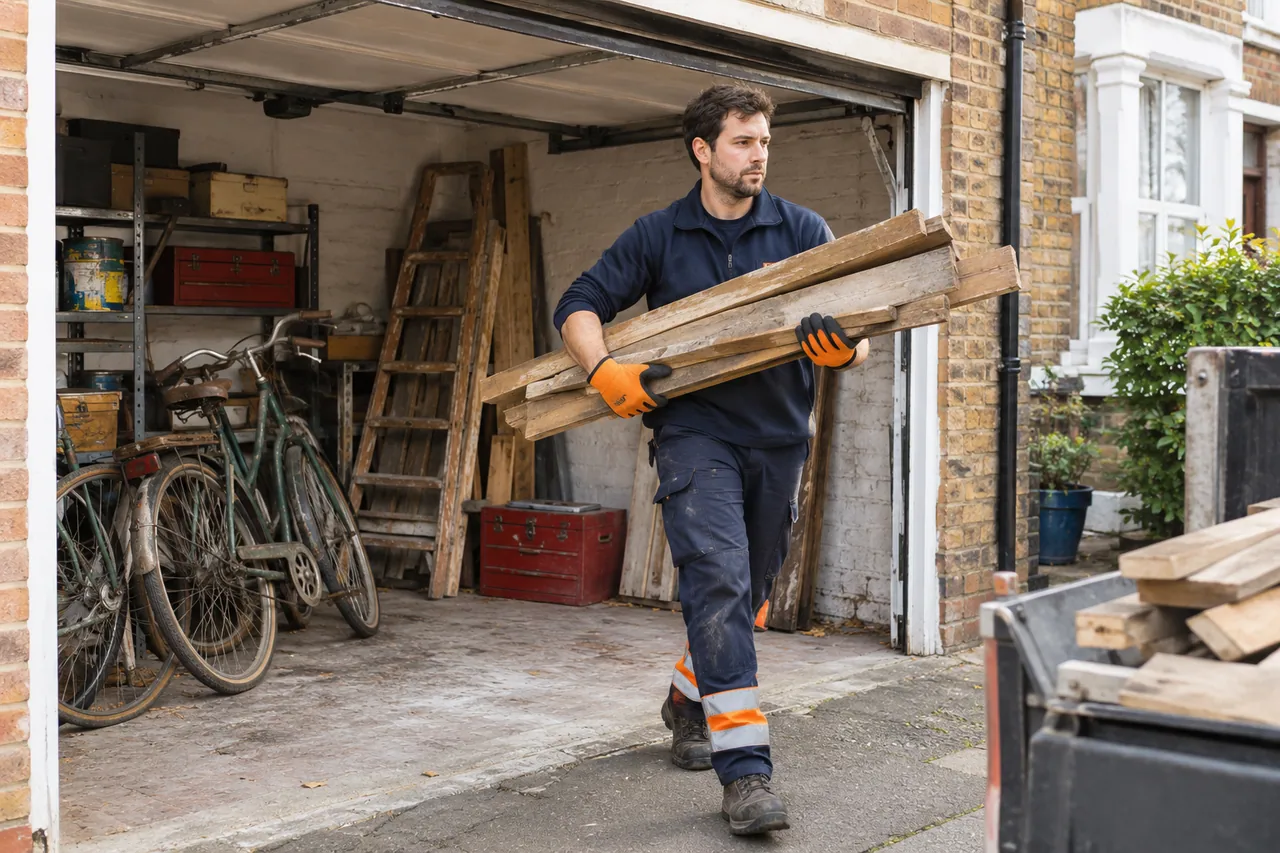
Finchley Church End collections, explained.
Can unwanted bicycles or similar leisure equipment be proposed for removal?
Describe the specific items, current condition and assembly so the team can discuss acceptance. Identify separate wheels, frames or other components as well as any powered features needing clarification. The scope then records the physical load presented for carrying and loading rather than assume every item described as leisure equipment has the same requirements.
Can retained sports equipment stay beside the unwanted selection?
Yes. The customer identifies which equipment and accessories leave and which remain, including matching or similar items. We connect the selected load with its location and route to transport. The team follows that instruction rather than decide that all objects stored in the same garage, cupboard or room are unwanted or suitable for collection.
The contents included in your Finchley Church End enquiry.
| Proposed leisure contents | Description provided | What is established before collection |
|---|---|---|
| Complete bicycle or similar item | The specific type, approximate dimensions and present condition. | Acceptance and carrying are discussed for the actual item rather than an unexplained general equipment label. |
| Separate frames or wheels | The loose parts, quantities and collection position. | The physical components are included explicitly instead of assumed within a complete-item count. |
| Sports accessories | The particular discarded items and principal materials in any bags or boxes. | The accepted smaller load is distinguished from retained accessories and unexplained container contents. |
| Powered or unusual equipment | The relevant features and additional requirements needing clarification. | Suitability and handling are discussed separately before the item joins ordinary household contents. |
A selected leisure load rather than a storage-room clearance
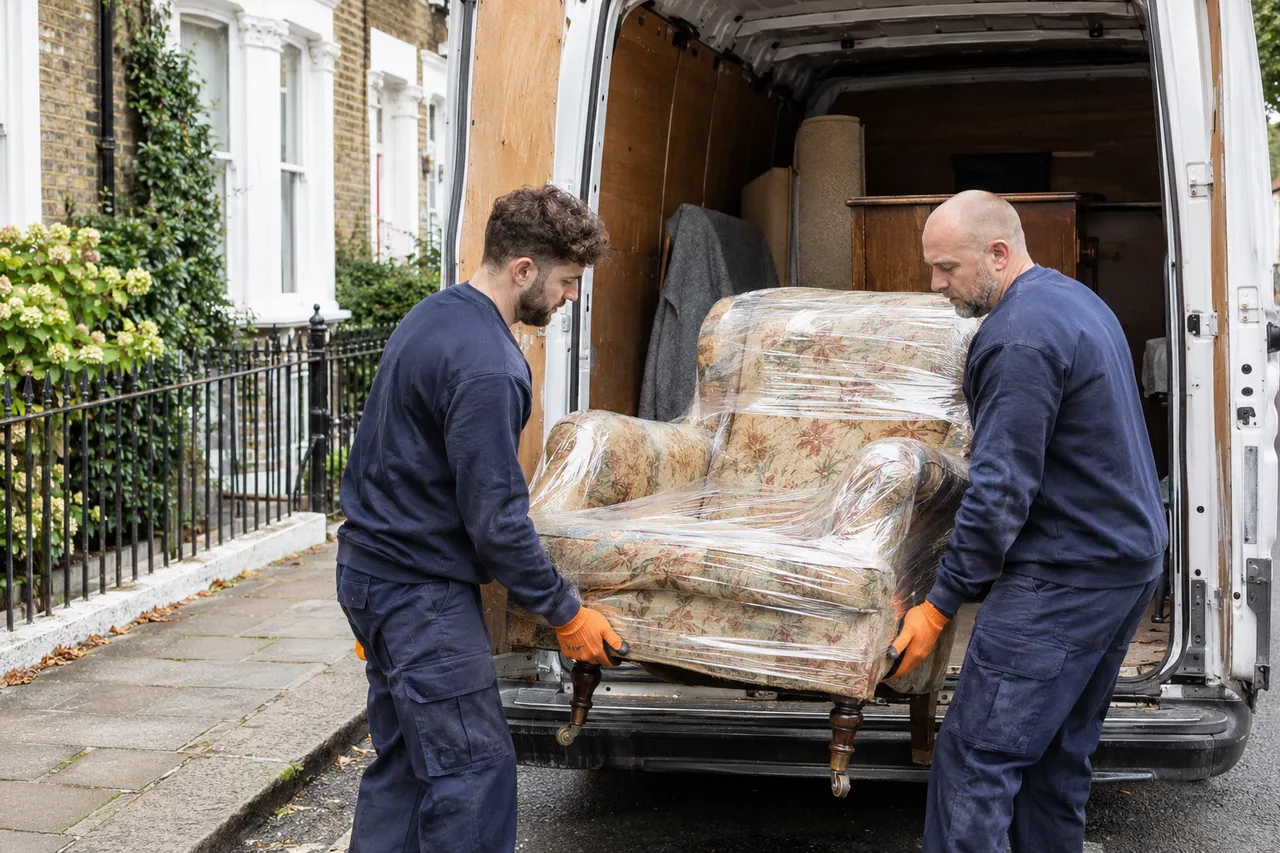
Our Finchley Church End service can remove a defined group of contents from a store while other possessions remain. The customer identifies the unwanted equipment and accompanying pieces. Bicycles, separate frames and boxed accessories are different physical descriptions, even where they were used together. The inventory should show those differences instead of rely only on the name of the activity or the space holding the load.
The garage clearance service explains a wider stored-contents enquiry. A sports or leisure selection can remain smaller, with retained tools, working equipment and other belongings outside the instruction. We clarify acceptance for the actual items and describe their removal in the condition presented. The collection does not require the team to judge sporting usefulness, decide ownership or select which similar objects should be discarded.
Complete items and loose components
We ask whether equipment is complete, already separated or held as loose parts. A frame and separate wheels need a different description from one assembled item. The same applies to accessories stored away from the most visible equipment. Tell us what accompanies the load so the item count and quotation do not depend on discovering associated pieces elsewhere during attendance.

Distinguishing accessories from the equipment staying

The customer’s selection identifies whether associated parts leave together or separately. A spare wheel might be retained while an old frame leaves, or accessories might be discarded while a usable item remains. These are different instructions, and matching appearance does not resolve them. We describe the selected parts without assuming every object associated with the equipment belongs in the removal.
Closed bags and containers also need their principal contents explaining. A photograph can show the amount of storage without revealing the materials inside. We identify those contents so acceptance and quantities refer to the load itself. Other household belongings, electrical devices or unusual material held among sports accessories remain separate groups within the enquiry rather than an invisible addition to an equipment count.
| Customer selection | What the enquiry distinguishes | Boundary of the removal |
|---|---|---|
| Equipment leaves, accessories stay | The unwanted item and the associated pieces retained. | The team collects the listed selection rather than automatically taking every matching component nearby. |
| Accessories leave, main item stays | The specific loose belongings and their material groups. | A contents-only load is described without treating the larger retained equipment as waste. |
| Several similar items are present | Which pieces are discarded and how they differ from those remaining. | The disposal decision remains with the customer rather than the collection team’s assessment of usefulness. |
| Containers accompany equipment | Principal contents, approximate quantities and collection locations. | Acceptance concerns identified material rather than an unlimited allowance for additional bags in storage. |
The route from storage to loading
We establish where the selected equipment and accessories are held and how they can reach the vehicle. The route may involve an internal room, a store or another collection area, with relevant doors and floor changes. These details come from the actual property. We do not assume every Finchley Church End address has the same storage arrangement or loading access.
Planning the Finchley Church End visit

Identify the selected equipment
The customer distinguishes discarded complete items, loose parts and accessories from similar retained equipment and possessions.

Clarify materials and presentation
We discuss current assembly, condition, container contents and any powered or unusual features before accepting the proposed load.
At the agreed collection premises

Review carrying and attendance
Collection locations, doors, floor changes and the practical loading point form the work described by the quotation and available visit.

Carry and remove the listed contents
The confirmed load is loaded for transport and appropriate onward handling, with further items discussed before the instruction expands.
The contents and carrying behind your Finchley Church End enquiry.
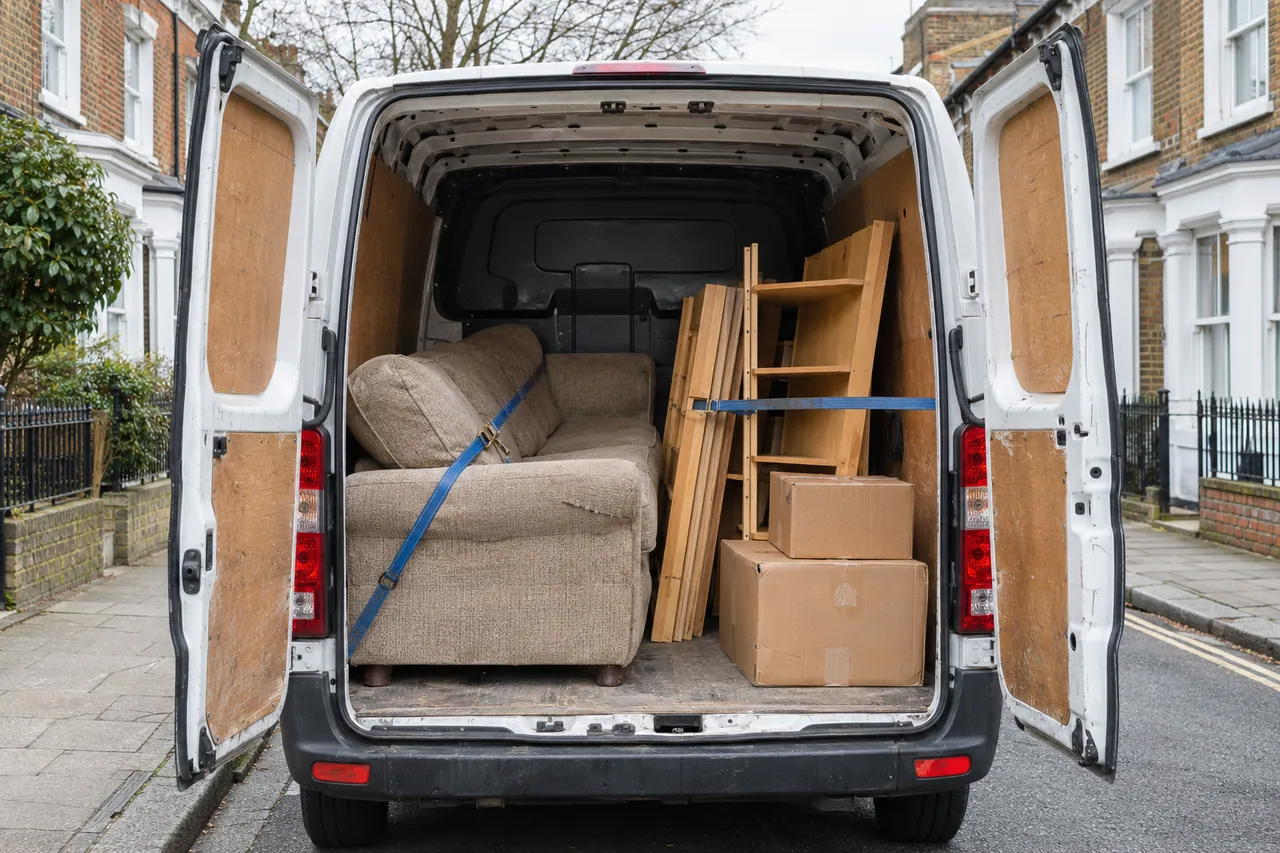

Describing the equipment in its present condition
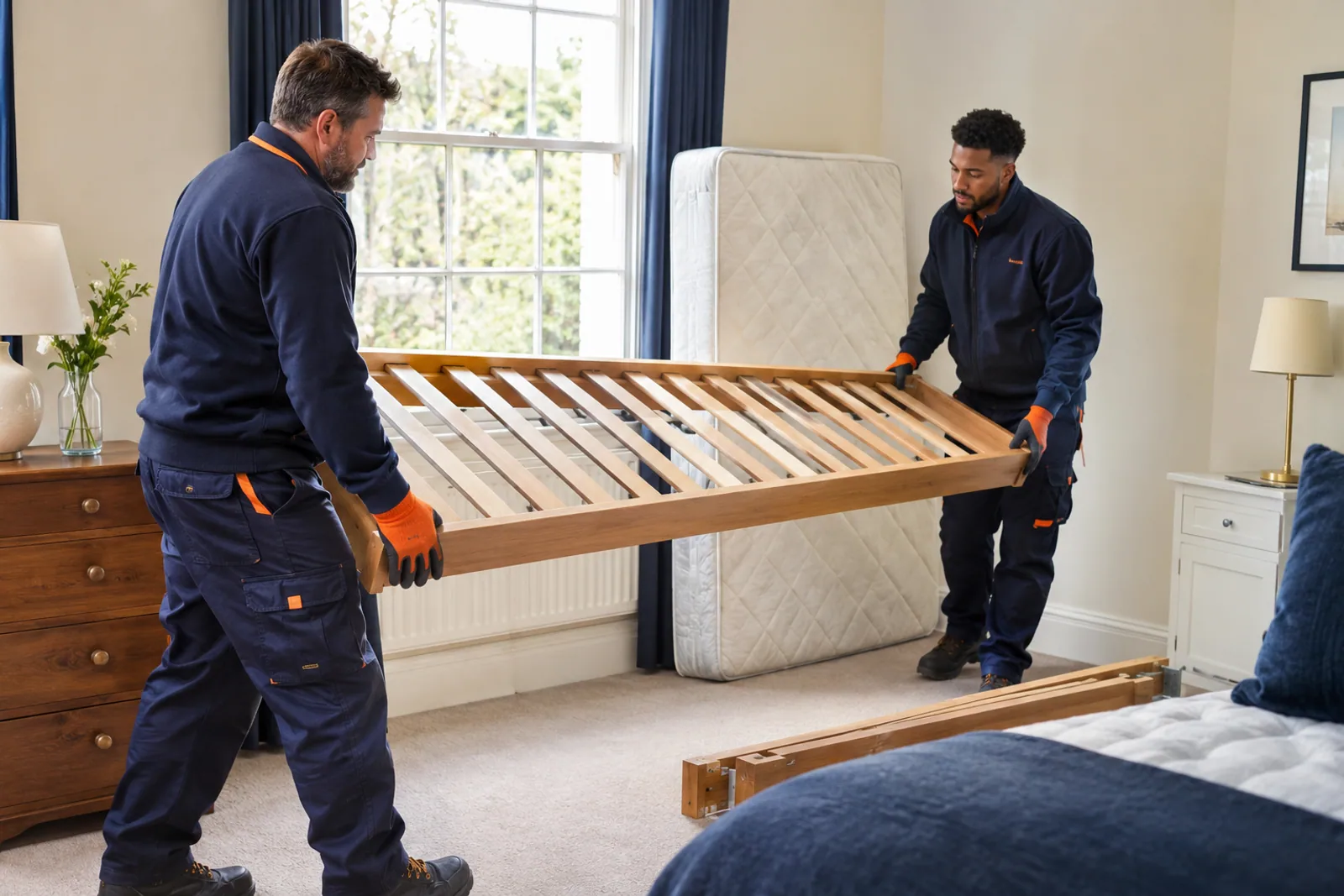
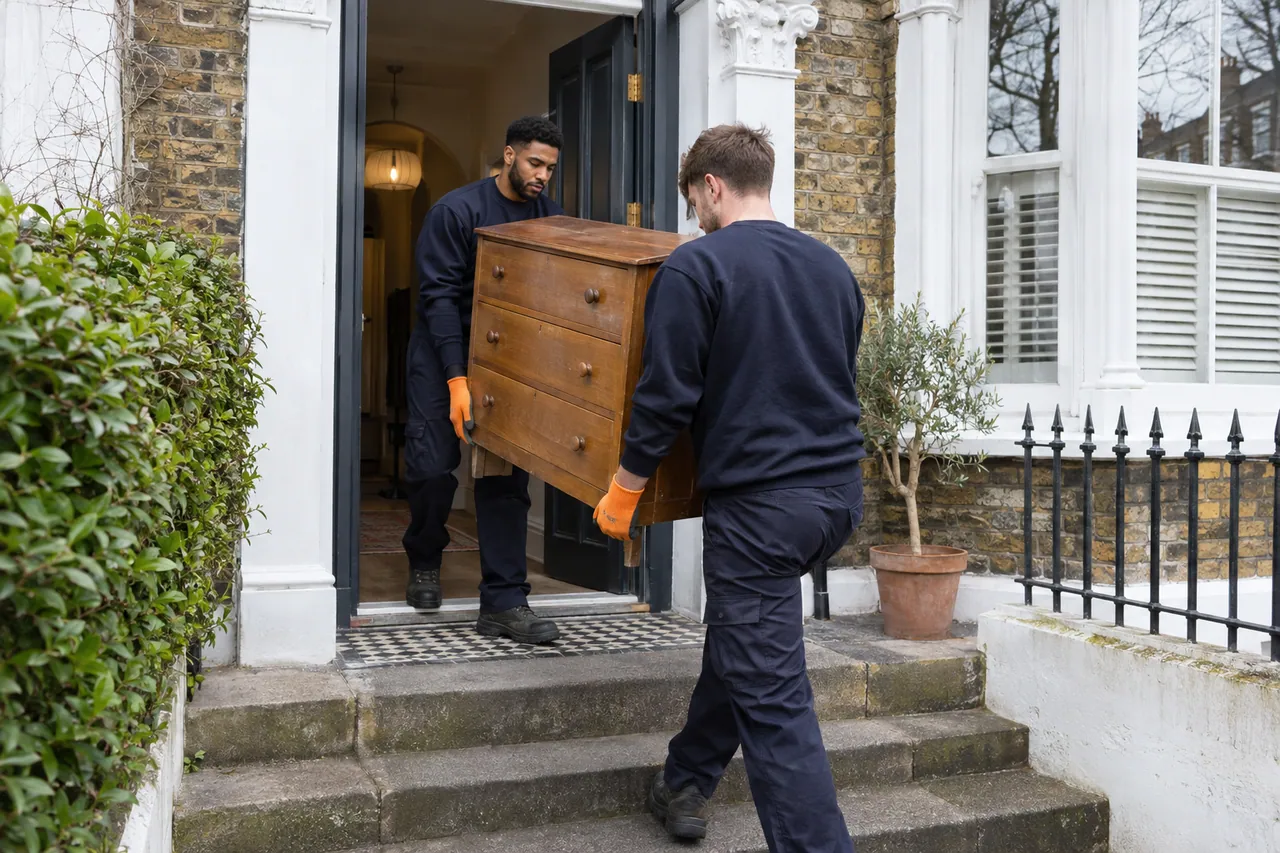
We discuss the form in which the load will be collected. Already separated parts differ from an assembled item, and a powered feature or unusual condition can require additional clarification. Explain these details before attendance so the scope does not depend on an unspoken alteration, technical or dismantling service. The work described by the quotation concerns the accepted carrying and loading arrangement.
If equipment or components are moved before the visit, tell the team where they will stand and whether their presentation changes. A collection may keep the same general item name while involving a different set of physical pieces. We review the current selection so the contact and team share one clear instruction rather than rely on an earlier view of the stored contents.
Material categories within a leisure collection
We identify the main materials rather than assume every sports-related object belongs to one waste stream. Frames, textiles, plastics, electrical contents and ordinary boxed belongings can need separate descriptions. The household waste service explains the wider domestic enquiry where leisure equipment is one group among other selected possessions. Any additional requirements are clarified for the actual contents proposed.
| Material description | Information included in the enquiry | What the scope records |
|---|---|---|
| Frames and metal components | Item types, approximate quantities and current form. | The accepted physical load rather than the former activity or purpose of the equipment. |
| Textile or soft accessories | Principal contents and the bags or containers being discarded. | The smaller load is identified separately from complete equipment and retained belongings. |
| Mixed loose parts | Main materials and the approximate amount held together. | Unexplained objects are clarified before acceptance rather than hidden within a general accessories label. |
| Electrical or unusual features | The particular item and requirement needing discussion. | Suitability and handling are established before it joins the agreed removal. |
Finchley Church End location and the quote
The geographic reference used here is the GLA centre named Church End, Finchley in Barnet. N3 is an indicative postcode district around that point. We use the full address to locate the actual collection and discuss availability. The map provides area orientation; the equipment location, entry and route to transport are established directly with the person arranging removal.
The price reflects the accepted selection and the work of carrying and loading it. Complete equipment, loose frames and containers of small accessories are not measured only by the space they occupy in storage. We describe quantities, material and current presentation alongside access. Added components or a different collection area need reviewing before an earlier quotation is treated as covering a changed load.
| Quotation consideration | What is described | What calls for an update |
|---|---|---|
| Equipment and parts | The complete items, separate components and retained exclusions. | Extra frames, wheels or associated pieces change the physical collection rather than form an unlimited accessory allowance. |
| Materials and condition | Principal contents, assembly and any feature needing clarification. | Different or newly identified material can require a further acceptance discussion. |
| Collection positions | The locations holding the equipment and any separately stored accessories. | Added stores or relocated parts may alter the carrying arrangement. |
| Access and loading | The property route, practical transport position and available visit. | Changes to entry or loading need discussing so the quotation remains a description of the current work. |
Finchley Church End: collection location and area map.
Map of Finchley Church End
Load the interactive area map from OpenStreetMap. This connects your browser to the map provider.
Open map in a new tab ↗ © OpenStreetMap contributors
Area orientation only. This map does not mark a company office or a confirmed loading point.
Finchley Church End collection questions
Can a frame leave while its spare wheels are retained?
Yes. Identify the discarded frame and distinguish the wheels or other parts which stay. The collection follows the customer’s selection rather than infer that every associated component is unwanted. Describe the frame in its current condition and location so acceptance and carrying can be discussed accurately.
Does a bicycle count include loose parts held in another store?
List those parts if they are also being proposed for removal. Their association with the bicycle does not show their quantity or collection location. The team needs the physical contents and carrying areas described rather than rely on one general complete-item label for a larger component load.
Can a bag of accessories be accepted without listing every small piece?
Explain the principal contents, material groups and approximate amount so acceptance can be discussed. A bag count alone may conceal different materials or unusual items. The collection should identify the proposed smaller load rather than depend on an assumption that every object in a sports bag is ordinary household waste.
What if similar equipment belongs to another person?
Make clear which contents the customer is instructing the team to remove and which remain. The selection should be confirmed before collection rather than left to an assessment of appearance or usefulness on arrival. Access to the storage area does not make every item there part of the disposal instruction.
Does removal include taking the equipment apart?
Additional dismantling or technical work needs clarification before the visit. Describe current assembly and the route available so the team can discuss the proposed scope. Carrying and loading accepted contents should not rely on an unspoken assumption that alteration work will be carried out during collection.
Can powered equipment be added beside the other items?
Identify it separately, including the particular feature and any additional requirement. The team clarifies acceptance and handling before it joins the collection. A quotation for non-powered equipment and accessories does not automatically establish suitability for every device subsequently placed at the same loading position.
Arrange your Finchley Church End collection.
Discuss the unwanted items, full postcode and route to the vehicle with the collection team.
Discuss your Finchley Church End collection
Open our booking form to arrange your collection.
Continue to our booking form to confirm your items and contact details.