
HAMMERSMITH COLLECTIONS
Rubbish Removal in Hammersmith
We arrange business and household rubbish collections in Hammersmith. This guide explains a paper-led workplace request: ordinary unwanted printed material, stationery and related loose office contents, with containers, retained records and other waste streams clearly distinguished before carrying, loading and removal are arranged.

Discuss your Hammersmith collection
Open our booking form to arrange your collection.
Continue to our booking form to confirm your items and contact details.
Hammersmith collections, explained.
Can ordinary office paper be discussed as a one-off business collection?
Yes. Describe the printed material, approximate quantity and the boxes or other containers holding it, together with any stationery or different material mixed through the load. We discuss the physical collection and transport of suitable contents. A separate requirement for confidential destruction, certification or another information-related service must be raised specifically before agreement.
Are filing cabinets included when the paper inside is being removed?
Only if the furniture is also part of the request and accepted separately. A paper collection can concern selected loose contents while the cabinet remains in use. We identify the material leaving, the furniture staying and the locations involved, so the collection does not depend on treating every object holding unwanted paper as waste.
The contents included in your Hammersmith enquiry.
| Contents proposed for collection | What the business describes | What the removal scope identifies |
|---|---|---|
| Ordinary printed material | The main types and approximate quantity held in each selected group. | A defined paper load rather than every record stored throughout the business. |
| Unwanted stationery | The particular objects and amount, including packaging or mixed materials. | Stationery is included as described contents rather than assumed to be paper alone. |
| Folders and binders | Their presence, quantity and whether contents are also being removed. | The physical materials in the boxes can be understood before acceptance. |
| Other items among the paper | Devices, accessories or unrelated objects placed in the same storage area. | Separate waste streams are identified instead of concealed by an office-paper label. |
The difference between ordinary paper removal and a specialist requirement
An enquiry about waste paper needs to explain the material and the service being requested. Ordinary leaflets, printed drafts, unused stationery or other non-confidential office contents can be discussed as a physical waste collection. Where records need a particular security process, destruction method or certification, that is an additional requirement to clarify expressly. Carrying boxes away is not itself a description of how information held within them must be treated.
Our commercial waste collection service provides the context for a one-off business load. We establish the contents, quantity and carrying arrangements before discussing the quote. A business wanting an ongoing waste service raises that separately, so a single removal of accumulated paper does not become an assumed schedule for future collections.
Describing printed material and stationery as a physical load

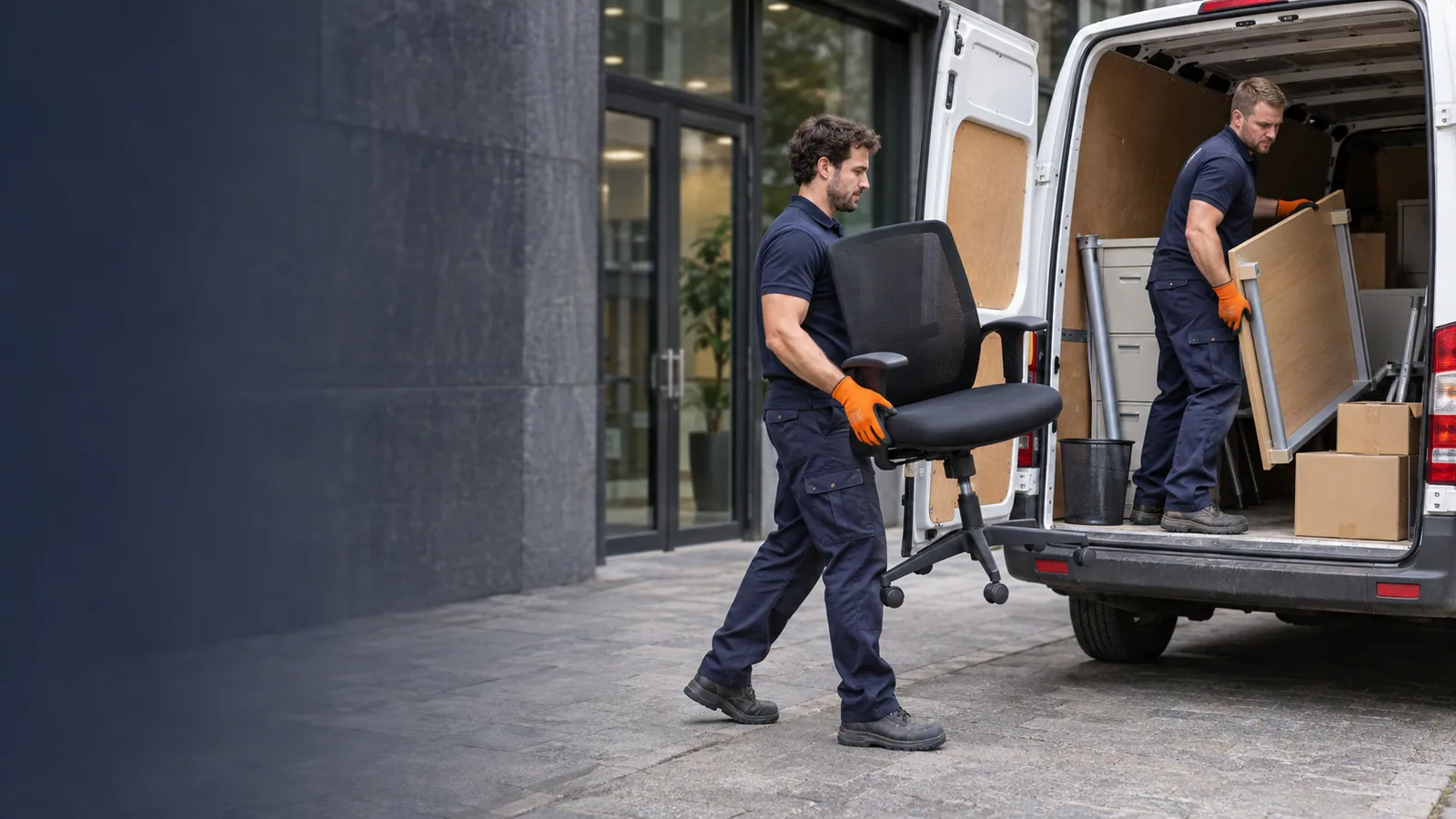
The count of boxes helps locate the selection, but it does not fully explain its material or amount. We discuss what each group mainly contains and whether other objects have been placed among the paper. Loose stationery, plastic folders, binders and electrical accessories are different descriptions from a collection consisting entirely of printed sheets. The team needs those distinctions to discuss acceptance and loading accurately.
Selecting contents while records and furniture stay
A business may keep its cabinets, shelves and most records while disposing of particular paper or stationery. The organiser identifies that selection. The collection list distinguishes the boxes or loose contents leaving from retained records, active documents and useful supplies. We do not make business retention decisions on the basis of a material’s age or the space it occupies.
Where an entry contact is different from the person selecting the material, the removal description should be understandable at the premises. A whole storage room should not become the scope merely because the contact can open it. We discuss the identified groups and any uncertainty with the organiser so the visit can proceed against clear instructions about what is to be taken away.
Containers, furniture and additional material
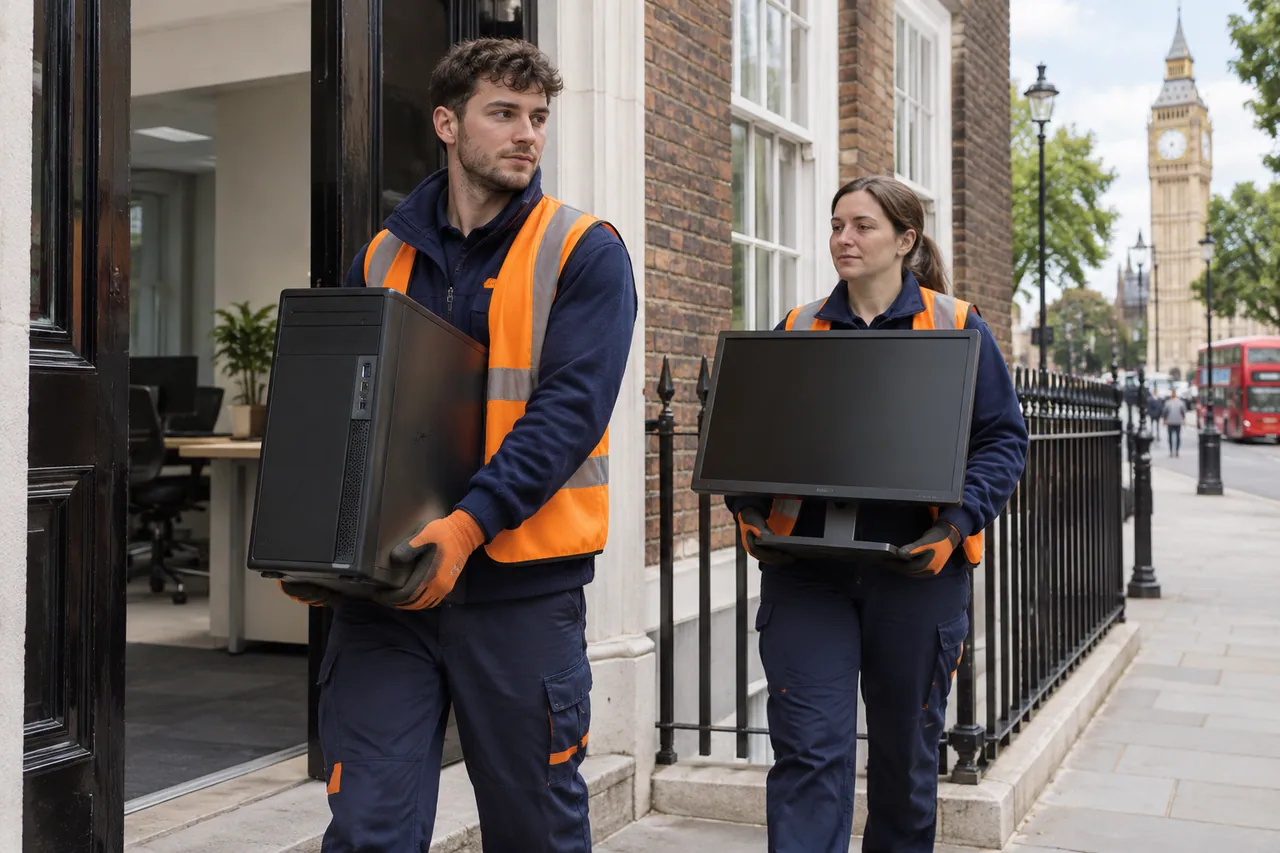
The request should explain what happens to the containers as well as their contents. Some boxes may be part of the waste; another storage unit may remain in use. A filing drawer, freestanding cupboard or shelf is not automatically included because it currently holds unwanted paper. If furniture is also requested for removal, its construction, size and assembly become a separate part of the description.
| Relationship between contents and storage | Selection made by the organiser | What the collection concerns |
|---|---|---|
| Paper inside a retained cabinet | Which contents leave and which records stay. | The named loose material while the cabinet remains outside the removal. |
| Paper within unwanted boxes | The boxes included and their principal contents. | The described contents and containers as part of the proposed load. |
| Loose contents on retained shelving | The particular groups selected rather than everything on every shelf. | The authorised selection without inferring a wider office clearance. |
| Furniture also being discarded | The furniture pieces and any contents separately included. | An additional furniture request with its own carrying and loading description. |
Our office clearance information explains that broader furniture service. The paper-led collection can remain limited, or the organiser can discuss several different workplace contents together while retaining a clear description of each stream.
Carrying a concentrated office load through the premises
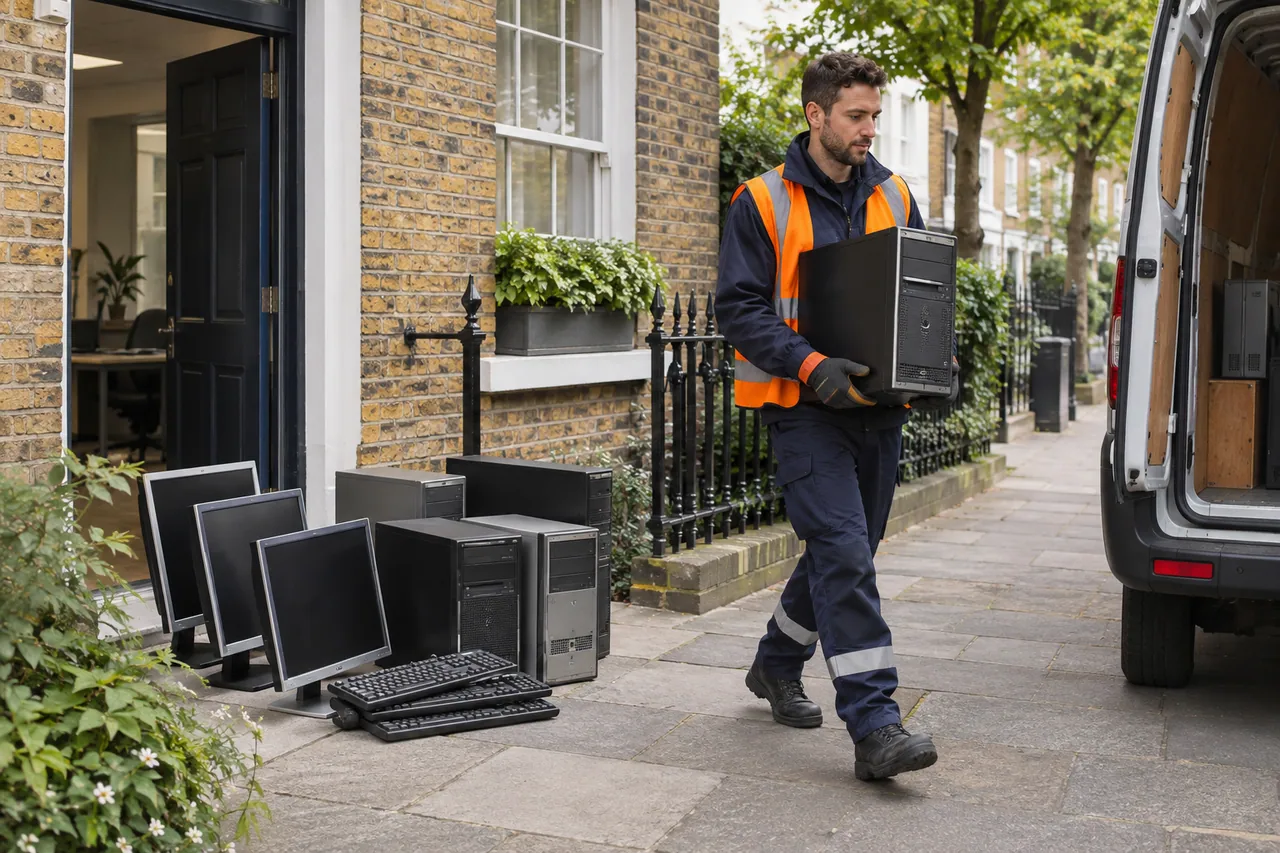
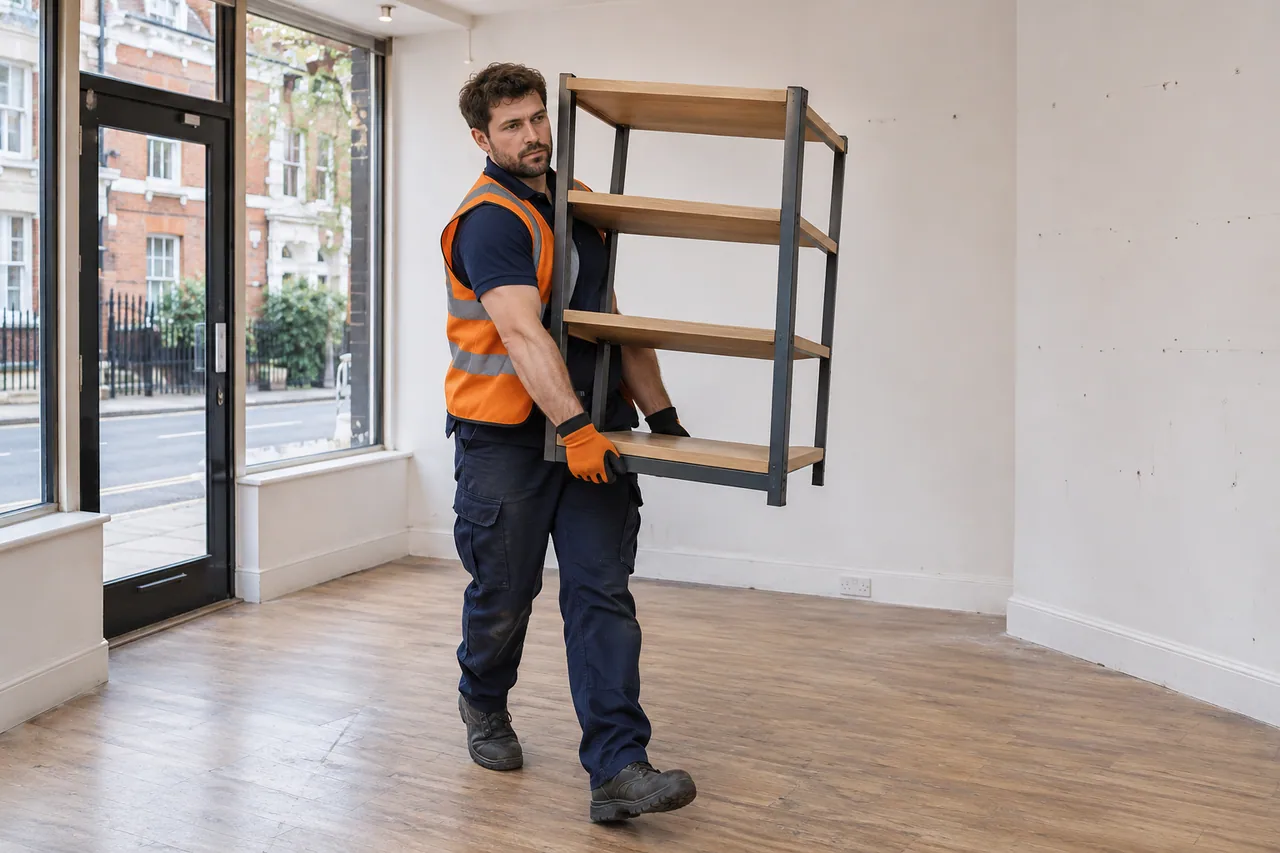
We discuss where the material is held, how it is presented and the route towards the vehicle. A group of filled boxes can create a concentrated load even if it occupies little floor area. The principal contents and approximate quantity therefore matter alongside box counts. We consider those details with the floor, stairs or usable lift, relevant doorways and loading connection.
The enquiry also identifies separate storage locations. If some paper is held in an office and another group in a store, both starting points belong in the carrying description. We use the information for the actual premises rather than attach one access arrangement to Hammersmith businesses. Additional work, such as detaching storage furniture or handling connected equipment, is clarified separately from carrying the paper and other loose contents.
Material questions resolved before the visit
A paper collection can include material that needs a more specific acceptance discussion. The organiser explains anything unfamiliar, unusual or mixed into the containers. Electrical equipment is identified by device type and quantity rather than regarded as stationery because it was used on the same desk. Any request relating to information held on a device or within records is also raised explicitly.
| Material question | Information established | How it shapes the service discussion |
|---|---|---|
| Is the load mainly paper? | Main contents of each container or group of loose material. | The description reflects the physical waste being removed rather than the outer box alone. |
| Are stationery materials mixed through it? | Binders, folders and other objects included with the sheets. | Acceptance and quantity are discussed for the complete described selection. |
| Are electrical items included? | Device types, counts and any additional service requirement. | Equipment remains a separately identified part of the request. |
| Is a particular security process required? | The precise additional requirement is raised with the team. | The customer can clarify that service rather than infer it from ordinary physical collection. |
From the paper inventory to removal
The collection is organised around the described material, its locations and the work of taking it to loading. We discuss the quote and an available visit directly with the person arranging the premises access. The result is a defined one-off removal, with retained records and any additional requirement kept clear in the agreement.

Identify the ordinary contents leaving
The business describes the paper, stationery and containers selected, distinguishing retained records and useful office supplies from the removal.

Explain mixed material and service needs
Folders, equipment or other contents are listed separately, and any specialist information-related requirement is raised before acceptance is agreed.

Connect the load with premises access
We discuss quantity, collection locations and the carrying route, then explain the quote and confirm an available visit with the access organiser.

Carry and remove the described material
The listed contents are loaded for transport and appropriate onward handling according to the material streams included in the request.
The contents and carrying behind your Hammersmith enquiry.


Collection details and changes to the request
The map centres on Hammersmith in Hammersmith and Fulham, with W6 an indicative nearby postcode district. Provide the full collection address, business or building details and entry contact. That information connects the load with the premises where it is held, including any separately accessible storage area described in the enquiry.
| Detail affecting the collection quote | What is discussed | When the description needs updating |
|---|---|---|
| Quantity and contents | Approximate amount, box groups and the main materials inside. | More paper or different objects are added after the initial enquiry. |
| Presentation and location | Loose material, containers and the rooms holding the selection. | Material is consolidated, moved or joined by contents from another store. |
| Carrying and loading | Floors, route and practical connection with the vehicle. | The agreed premises route changes before collection. |
| Additional services | Any specialist process or work beyond ordinary carrying and removal. | A new requirement is introduced that was not part of the original request. |
The team reviews these changes against the scope rather than assuming one quote covers unlimited contents. Our IT disposal information is relevant when electrical devices are also involved. Paper, stationery and equipment are identified for appropriate onward handling, with recycling pursued where suitable to the material and available route.
Hammersmith: collection location and area map.
Map of Hammersmith
Load the interactive area map from OpenStreetMap. This connects your browser to the map provider.
Open map in a new tab ↗ © OpenStreetMap contributors
Area orientation only. This map does not mark a company office or a confirmed loading point.
Hammersmith collection questions
Does collecting office paper mean it will be confidentially shredded?
That should not be inferred from physical collection. Describe any requirement for confidential destruction, certification or a particular process explicitly before agreement. We discuss the scope being requested so that carrying boxes away is not mistaken for an additional specialist information-related service that has not been clarified.
Can the paper leave while the filing cabinet stays?
Yes, the loose contents and their storage furniture are separate selections. Identify the paper or boxes being removed and the cabinet being retained. If the furniture is also unwanted, describe that as an additional request with its dimensions, assembly and any other contents included.
Are folders and stationery treated as the same material as printed sheets?
Describe them as part of the proposed load, including the approximate amount and what else is inside the containers. The team discusses the complete material selection. An outer label saying office paper should not conceal binders, equipment or other objects that need their own description.
Can you decide which old business records are no longer needed?
The business makes that selection. We collect the contents authorised for removal rather than decide which records should be retained. Make the selected groups and any specialist requirement clear before collection is arranged, particularly where the person opening the premises did not make the original disposal decision.
What if the boxes are moved into a separate store before collection?
Tell the team their current location and access route. A changed starting point can alter carrying even if the material quantity stays the same. We update the premises description so the quote and visit are discussed against where the contents will actually be presented.
Does this one-off collection include the paper generated next month?
No continuing schedule is established by the one-off request. Explain any recurring requirement separately so the team can discuss its arrangements. The current removal concerns the described contents and quantity, with additions reviewed before they are considered part of the agreed load.
Arrange your Hammersmith collection.
Discuss the unwanted items, full postcode and route to the vehicle with the collection team.