
HAYES COLLECTIONS
Rubbish Removal in Hayes
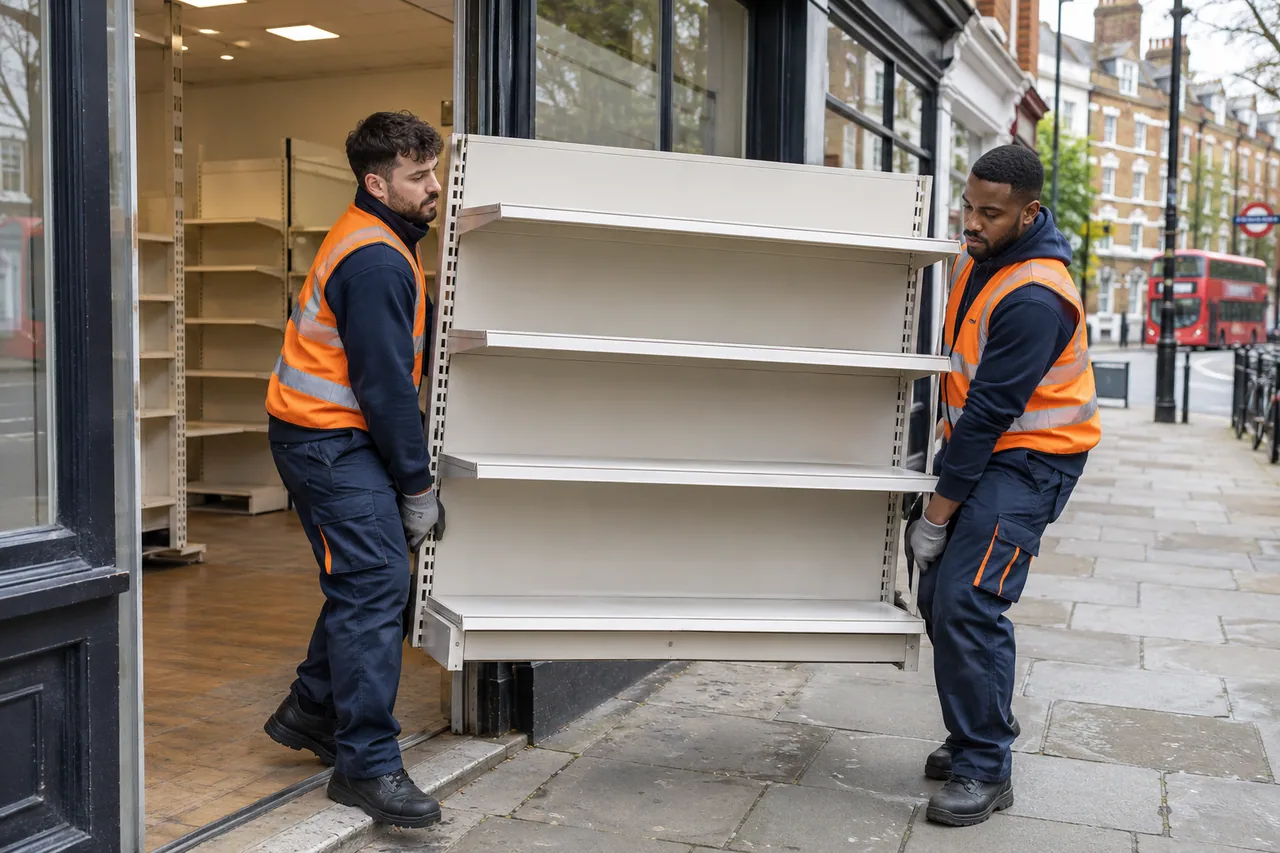
We arrange Hayes rubbish collections for business and household contents discussed with the team. A shop request can include unwanted loose furniture, packaging and storage contents while stock and working fittings remain. We establish the material selection and current form, connect it with carrying and practical loading, and explain the quote before confirming an available visit for the premises.
Hayes collections, explained.
Can a Hayes shop collection cover only selected contents?
The enquiry can identify particular furniture, packaging and other accepted material without clearing the whole shop. We distinguish retained stock, working equipment and contents staying at the premises. The team then discusses quantities, current assembly and the route to loading before agreeing the scope and quote rather than assume every display or storage area is included in removal.
What is needed to describe removable shop furniture?
List the pieces and approximate dimensions, explaining whether they are freestanding, in components or still attached. Identify any contents leaving with them and any work requested before carrying. We use that description with the collection floor, premises route and authorised contact so the quote and available arrangements relate to the actual furniture selection presented for removal.
The contents included in your Hayes enquiry.
| Contents proposed for removal | Information established with the enquiry | What remains outside the implied selection |
|---|---|---|
| Freestanding shop furniture | Named pieces, approximate dimensions and current assembly. | Stock, working furniture and attached fittings not expressly included. |
| Loose display components | The parts leaving, their size and collection locations. | Other display units or goods sharing the same area. |
| Packaging | Material types, quantity and any contents within cartons or wrapping. | Retained goods rather than an assumption that every box is empty waste. |
| Selected storage contents | Main materials, approximate amount and the actual group leaving. | A whole store-room clearance inferred from a particular pile or container group. |
Shop contents are selected independently of the premises
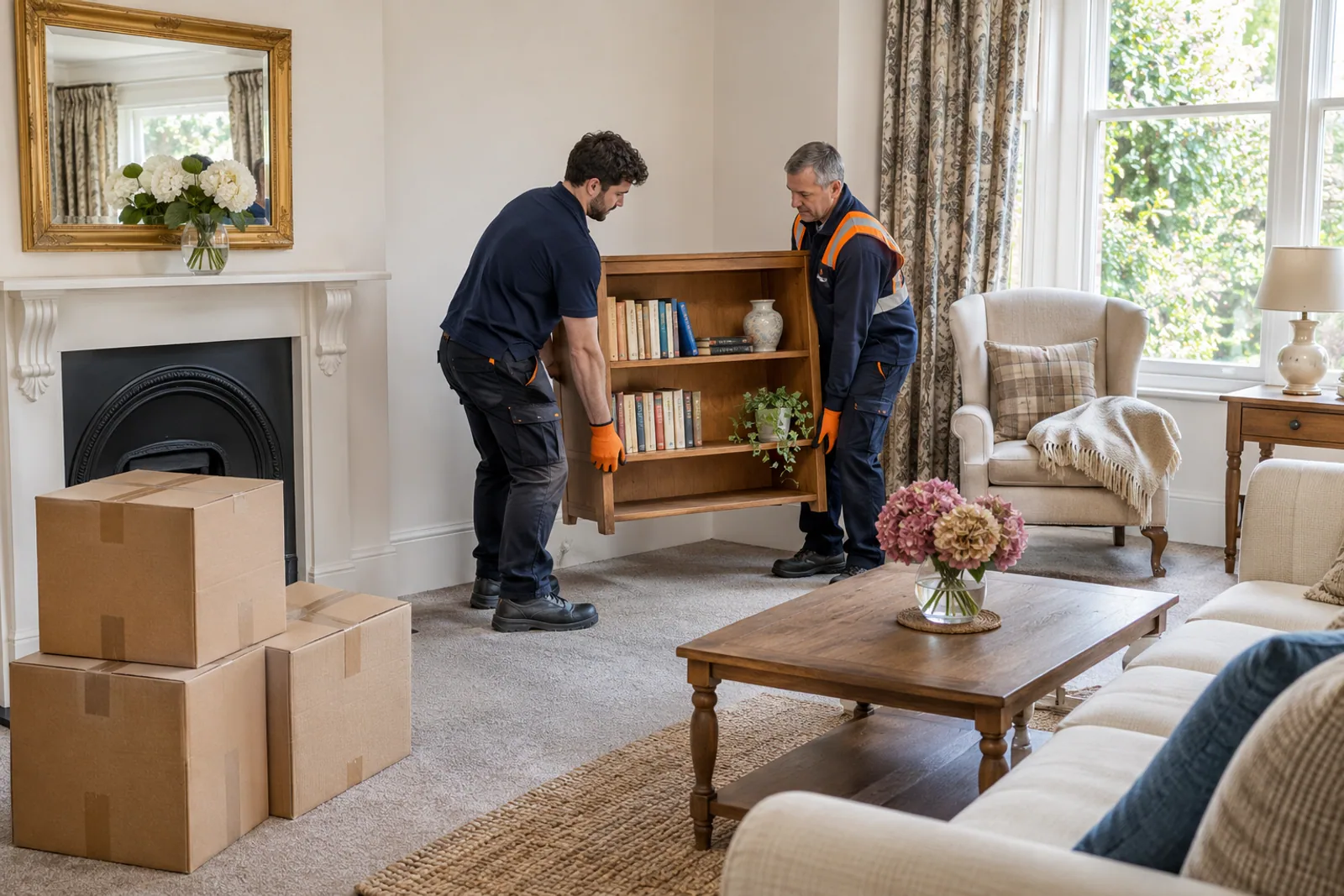
A business may want unwanted tables, loose displays or storage furniture removed while its stock and other assets stay. We identify those decisions directly. The role of an item in the shop does not establish its waste status, and its presence beside an unwanted piece does not make it part of the same collection automatically.
Our shop clearance service discusses the removable contents and work requested. A selection can concern part of the premises rather than a complete clearance. The person organising the enquiry identifies the departing furniture and material groups, while the access contact should recognise the same list. Any additional requirement, including work before carrying, is clarified before the team agrees the scope and quote.
The business inventory explains materials and form
We describe furniture individually and packaging or smaller contents by their main materials and approximate amount. The list also distinguishes goods and working assets being retained. Photographs support the selection but may not explain closed containers or attachments behind a furniture unit.
Carrying is distinguished from altering the shop

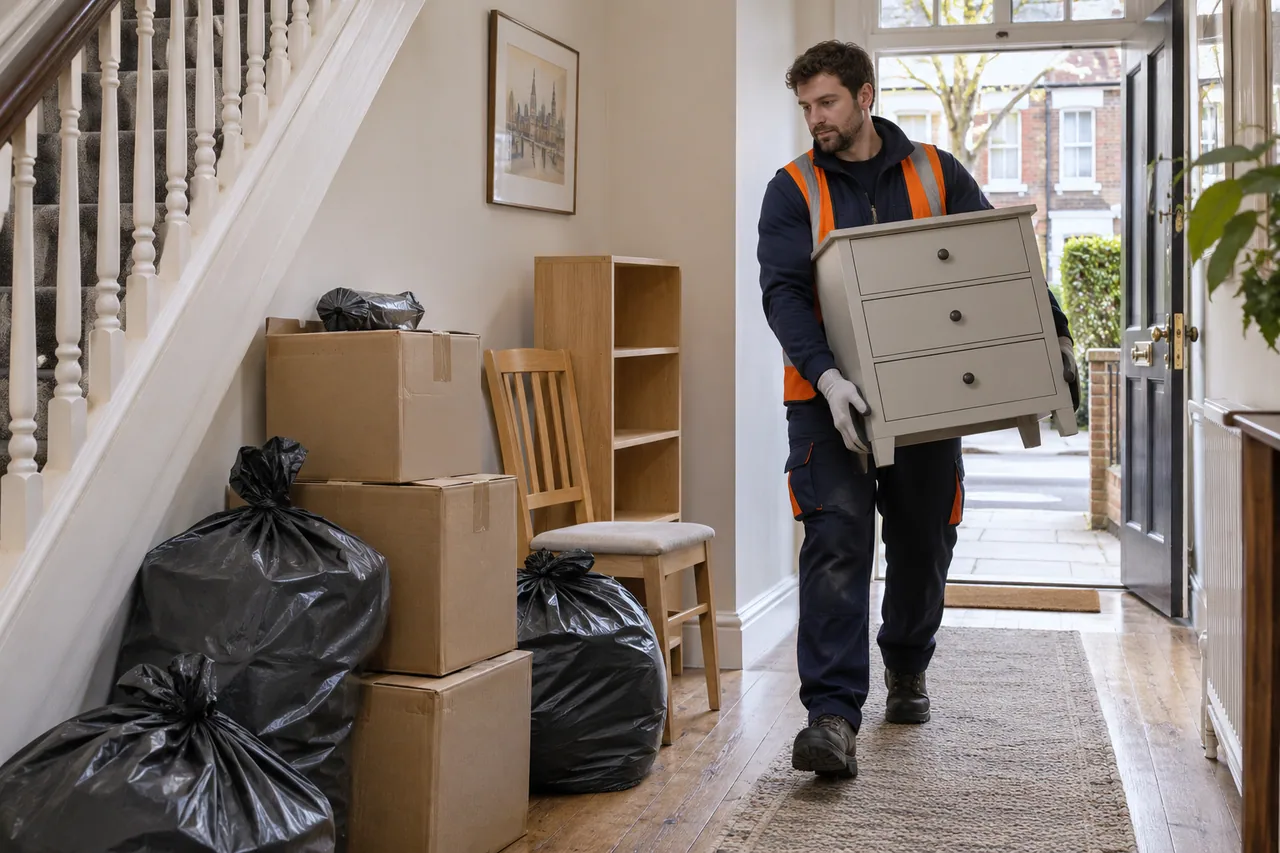
The team discusses the items as they stand. A loose table and furniture fixed to the building involve different descriptions, and an assembled unit differs from components already separated. Explain any connections and work needed before movement rather than assume the collection includes detachment or other property tasks.
Our furniture disposal information provides the relevant bulky-item discussion. The selection should include every component leaving and distinguish retained contents inside units. A request for furniture removal is not automatically an instruction to alter a fitted arrangement or discard goods held within it. The customer and access contact identify that boundary so carrying and loading follow one understandable removal list.
Arranging the shop contents collection
We connect the selection with material acceptance and the practical route. The team discusses the quote and available visit with the responsible contact before collection takes place. Changes to the contents, presentation or access are reviewed rather than treated as an unlimited extension to the first request.
Planning the Hayes visit

Identify departing shop contents
Furniture, packaging and other proposed material are listed, with stock and working assets distinguished.

Clarify assembly and acceptance
Dimensions, components, container contents and any extra task explain the physical load and scope requested.
At the agreed collection premises

Review premises access and quote
The collection areas, route to loading and authorised contact connect the contents with carrying and available arrangements.

Carry and remove the selection
The agreed load is taken from its described positions, loaded and transported for appropriate onward handling.
The contents and carrying behind your Hayes enquiry.
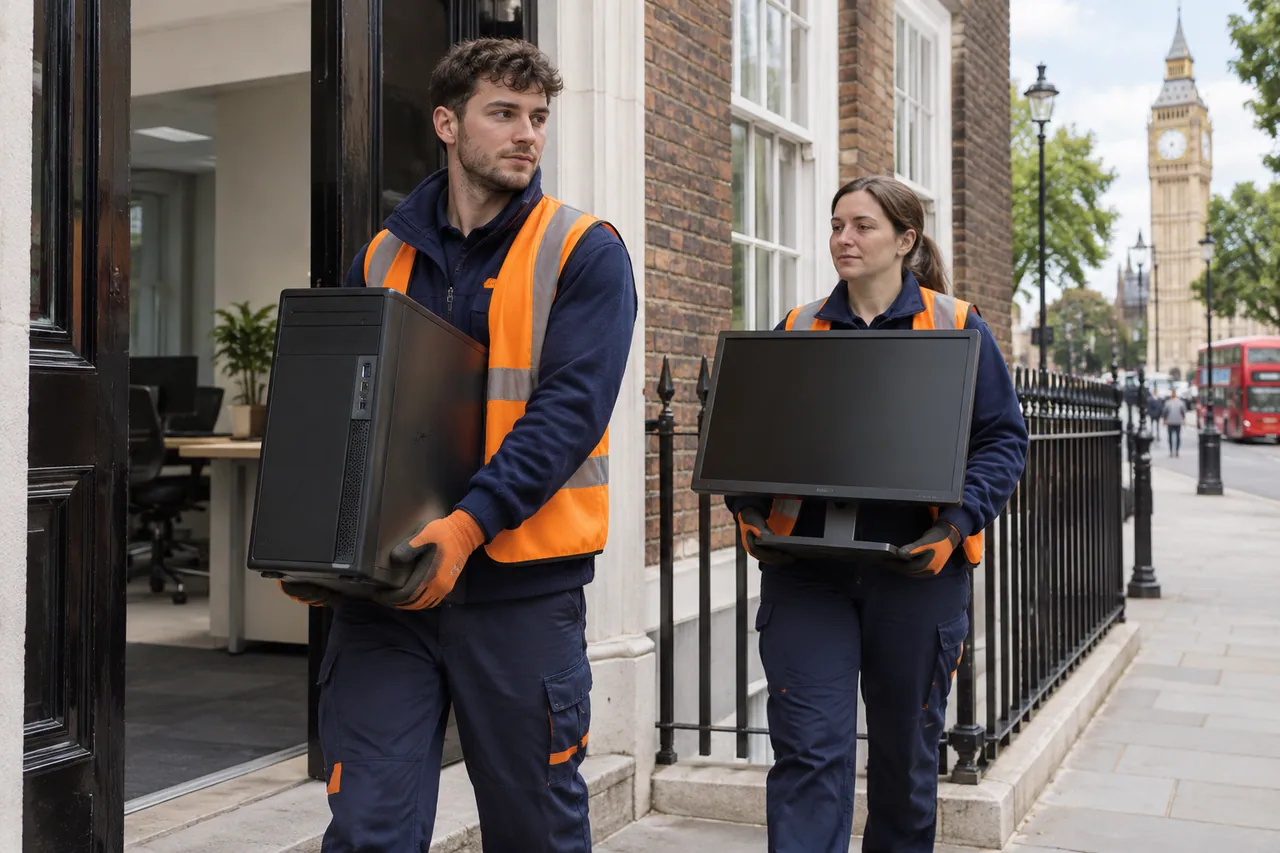
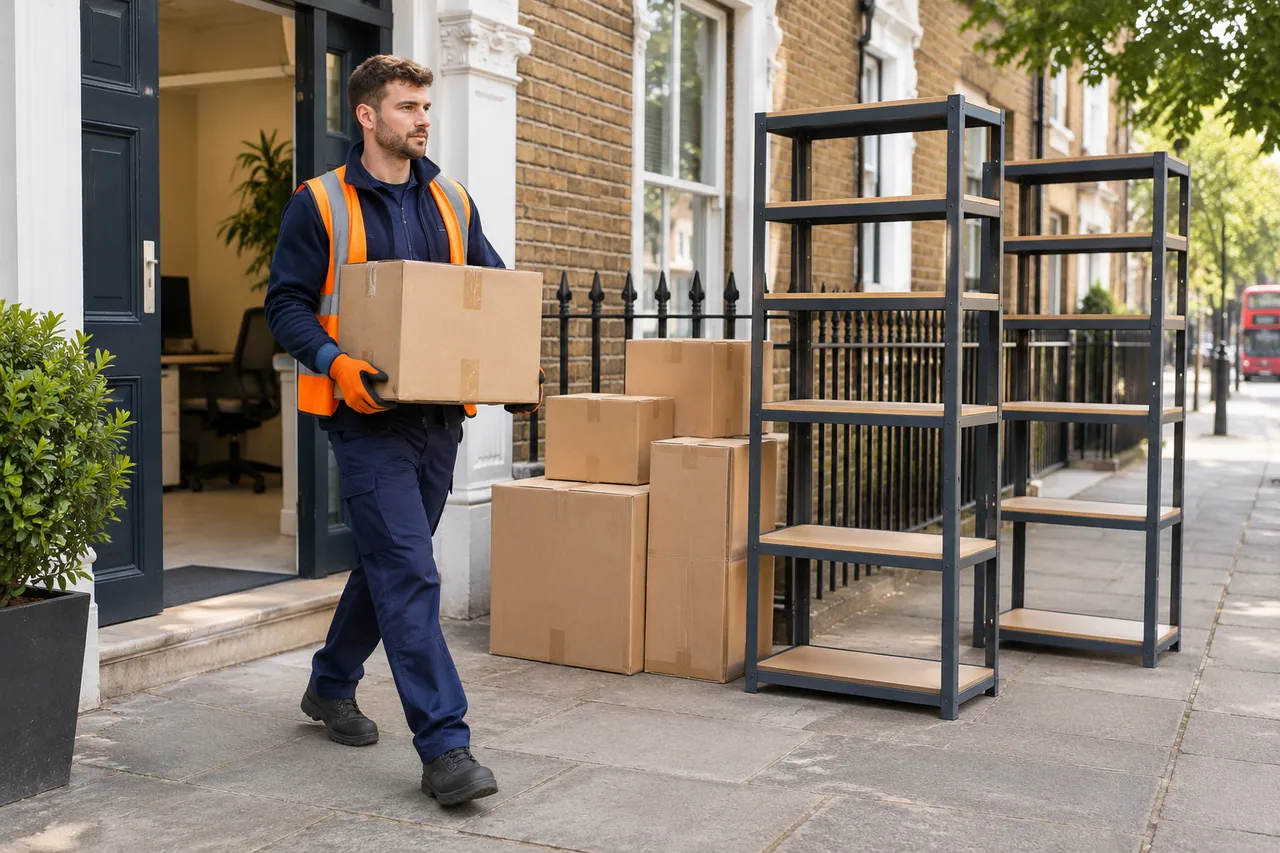

Access is planned for the contents being moved
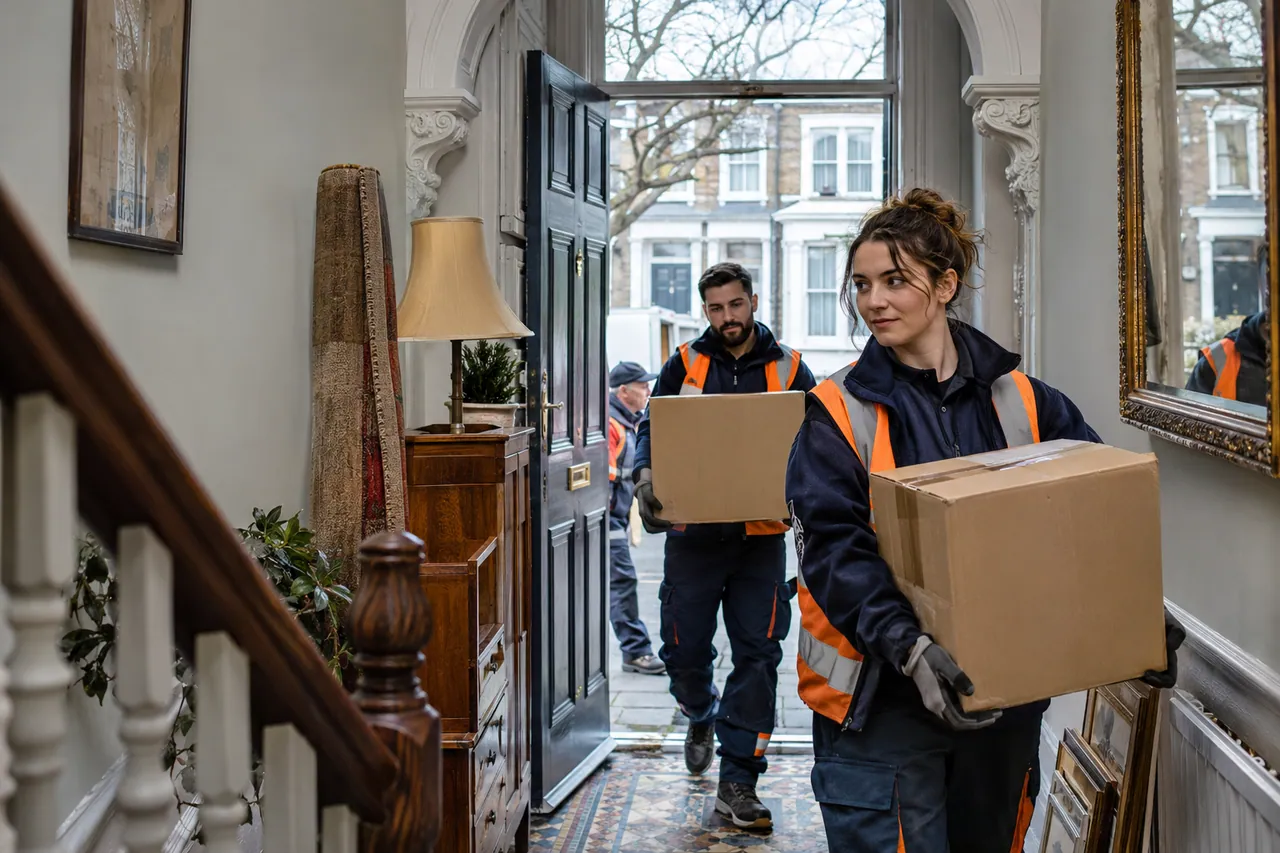
We discuss the collection floor, relevant doors, turns, stairs or a usable lift. The dimensions of the largest furniture piece are connected with that route, not only the number of items. Packaging or furniture held elsewhere at the premises also needs its collection point identified.
| Access information | Detail connected with the load | What it explains about the work |
|---|---|---|
| Collection areas | Rooms, floors and stores holding each accepted group. | The load is not assumed to be gathered at one exit already. |
| Largest pieces | Approximate dimensions and current form of bulky furniture. | Carrying is discussed for the physical objects presented. |
| Internal route | Relevant doors, stairs or lift and changes in level. | The route through the premises is connected with furniture and contained material. |
| Loading arrangement | Practical vehicle position, carrying distance and authorised entry contact. | Collection arrangements are established for the actual property. |
Other business waste is clarified separately
The commercial waste collection service provides the route for wider business material requirements. Explain whether the request concerns one contents load or a continuing need. Each material category is described before acceptance rather than treated as interchangeable because it came from a shop.
| Other material raised | Information needed before agreement | Collection boundary |
|---|---|---|
| Electrical equipment | Device types, quantities and any request beyond physical removal. | Technical or data services are not confirmed merely by taking equipment away. |
| Ordinary paper or contained contents | Main materials, approximate amount and any additional requirement. | Physical collection is distinct from an unconfirmed destruction service. |
| Renovation leftovers | Actual timber, debris, packaging or uncertain material. | Acceptance is assessed separately from the movable furniture selection. |
| Other furniture elsewhere | Named pieces, assembly and collection locations. | An additional area is reviewed before being treated as part of the original scope. |
Hayes orientation and residential requests
The mapped Hayes centre is in Hillingdon, with UB3 as an indicative nearby postal district. Give the full postcode and premises address to identify the collection location. The team discusses the actual entrance and loading arrangement rather than infer access from the locality name.
A household can also describe its furniture and other rubbish to the team, with the actual material selection distinguished from the business examples on this page. Following carrying and loading, the accepted contents are transported for appropriate onward handling, with recycling or reuse pursued where suitable to the materials and available route. Any particular record or additional service requirement should be raised before agreement alongside the selection and physical work requested at the property.
What the removal quote describes
We discuss the accepted material, quantity, carrying and loading together. A shop size or furniture label alone does not explain the whole job. Further contents, a changed presentation or another route need review before the first quote is treated as covering them.
| Information connected to pricing | What it explains about removal | Change to clarify before the visit |
|---|---|---|
| Contents selected | Furniture, packaging and other material expressly leaving. | More stock-room contents or another material group added later. |
| Physical form and amount | Dimensions, component counts, assembly and views of the complete load. | Larger furniture, more containers or another presentation. |
| Additional requirements | Attachments, uncertain contents or tasks beyond carrying and loading. | A new work or service request not previously discussed. |
| Access coordination | Starting points, practical route, loading and responsible contact. | Revised entry, timing or collection location requiring confirmation. |
Hayes: collection location and area map.
Map of Hayes
Load the interactive area map from OpenStreetMap. This connects your browser to the map provider.
Open map in a new tab ↗ © OpenStreetMap contributors
Area orientation only. This map does not mark a company office or a confirmed loading point.
Hayes collection questions
Can stock remain on other displays while old furniture leaves?
Yes, identify the furniture selected for removal and distinguish goods and working displays being retained. Similar appearance or proximity does not decide the selection. The access contact should recognise the same list discussed in the enquiry. Any stock or other contents also leaving need their own material and quantity description before being treated as part of the accepted load.
Does shop clearance automatically include removing fitted units?
Explain attachments and any work needed before carrying. Detachment or alterations are additional requirements to clarify before agreement, not assumptions within a contents collection. A freestanding item and a fitted arrangement describe different work. The team discusses the current form and requested task so the scope and quote remain connected with what the business actually wants removed.
Can packaging contain other discarded material?
Describe the mixture and approximate amount before acceptance. The outside of a carton or bag does not establish what it holds. Equipment, dense debris or uncertain contents need separate identification rather than being hidden within an empty-packaging request. The team uses that material description with photographs and access to discuss the actual load and carrying required.
Who identifies the business contents being retained?
The business or authorised contact makes the selection. We discuss the waste and physical work requested rather than decide which assets should stay by appearance. Where the organiser and access contact are different people, the inventory should remain consistent between them so collection follows one clear boundary instead of conflicting instructions at the visit.
Does one shop collection establish future waste visits?
A one-off contents removal concerns the accepted load and available visit discussed with the team. A further or recurring requirement should be raised separately. The original scope and quote do not create an unlimited allowance for material generated later. Explain additions and their collection locations before assuming they are included in the arranged removal.
Can the shop furniture move to another store before collection?
Update the team with its current position and any change in form. The same pieces can involve a different carrying route from another starting point. We review the practical access and arrangements so the visit relates to the load as it will be presented rather than an earlier description of the shop floor that no longer explains the work.
Arrange your Hayes collection.
Discuss the unwanted items, full postcode and route to the vehicle with the collection team.
Discuss your Hayes collection
Open our booking form to arrange your collection.
Continue to our booking form to confirm your items and contact details.