
HOUNSLOW COLLECTIONS
Rubbish Removal in Hounslow
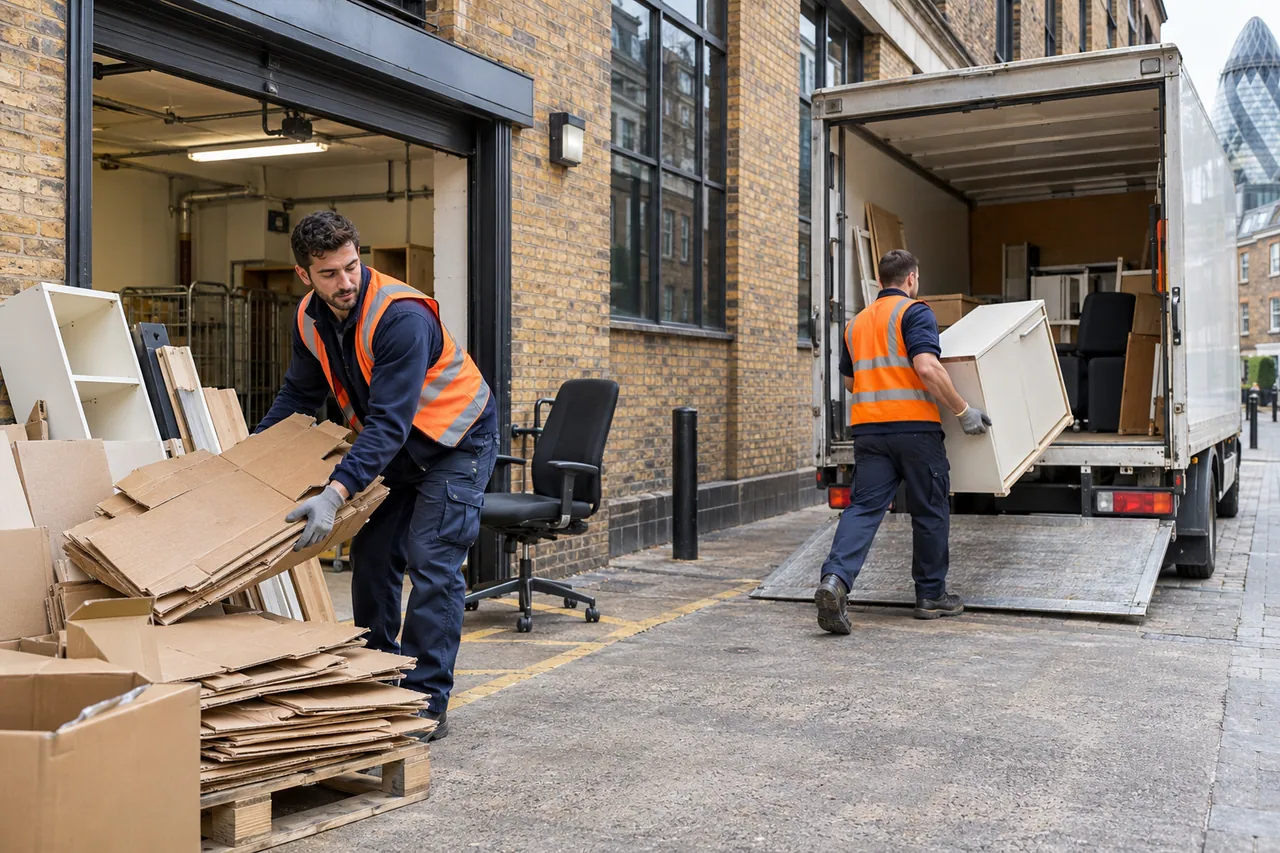
We discuss Hounslow rubbish collections around the waste a customer actually wants removed. For a business, that may be a single group of unwanted contents rather than a continuing collection requirement. We establish the materials, quantity, premises contact and carrying work before agreeing a scope, quote and available visit. Domestic customers can also arrange removal of accepted household items.
Hounslow collections, explained.
Can a Hounslow business request a one-off load collection?
A business can describe an identified load of unwanted furniture, packaging or other accepted contents for a particular removal. We distinguish that selection from stock and equipment staying at the premises. The team discusses materials, amount and access before confirming the scope; arranging one visit does not automatically create an ongoing business waste collection service.
How do we discuss a recurring waste requirement?
Explain that the enquiry concerns continuing waste removal rather than a single contents clearance. The team needs the material types, how the waste arises and the practical collection arrangements to discuss the appropriate service. A regular requirement is clarified separately from taking away a desk, an old display or a particular pile of packaging on one occasion.
Making the business load understandable
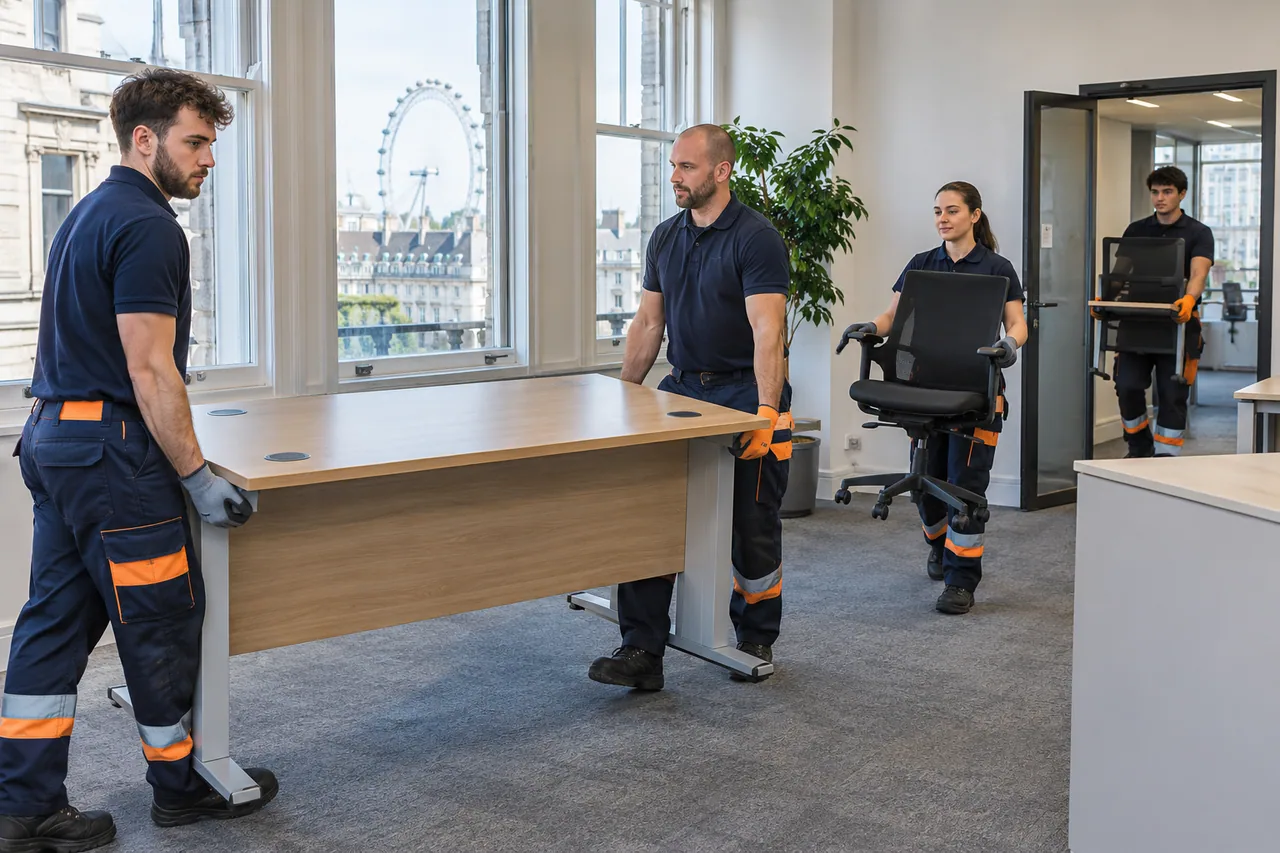
We record the actual contents, their material and current form. A photograph supports the discussion but does not identify everything hidden in packaging or storage. The inventory should also distinguish the accepted waste from stock, customer goods and other property being retained by the business.
| Business load described | What the collection enquiry establishes | What is not inferred from that description |
|---|---|---|
| A packaging accumulation | Cardboard, wrapping and other packing materials, their approximate amount and whether they contain goods. | That every box in the storage area is empty or that its contents are unwanted. |
| Surplus workplace furniture | The desks, seating or freestanding storage selected, including quantities and assembly. | That active workstations or other furniture sharing the room are included. |
| Removable display items | The display components leaving, their size and whether they are ready to be carried. | That detachment from the building or removal of merchandise is automatically part of the job. |
| Contained business rubbish | Main contents, material categories and any electrical, dense or unusual items. | That an anonymous bag or container is sufficient to establish acceptance. |
A one-off removal has a beginning and an agreed boundary
Our collection discussion establishes what will leave on the proposed visit. A business might have a defined quantity of packaging after unpacking goods, several furniture pieces no longer required or a selected store-room load. We describe those contents specifically, rather than treat the request as authority to collect every item that becomes unwanted before the vehicle arrives.
The commercial waste collection service is the relevant route for discussing both the business materials and whether a recurring requirement is involved. A one-off enquiry and a continuing arrangement need different explanations. The person requesting removal should identify which is intended, together with the contents and property location. We do not turn a request for a single pile into an assumed collection schedule, nor describe a recurring need as though one visit resolves all future waste.

Identifying the person who can authorise the selection
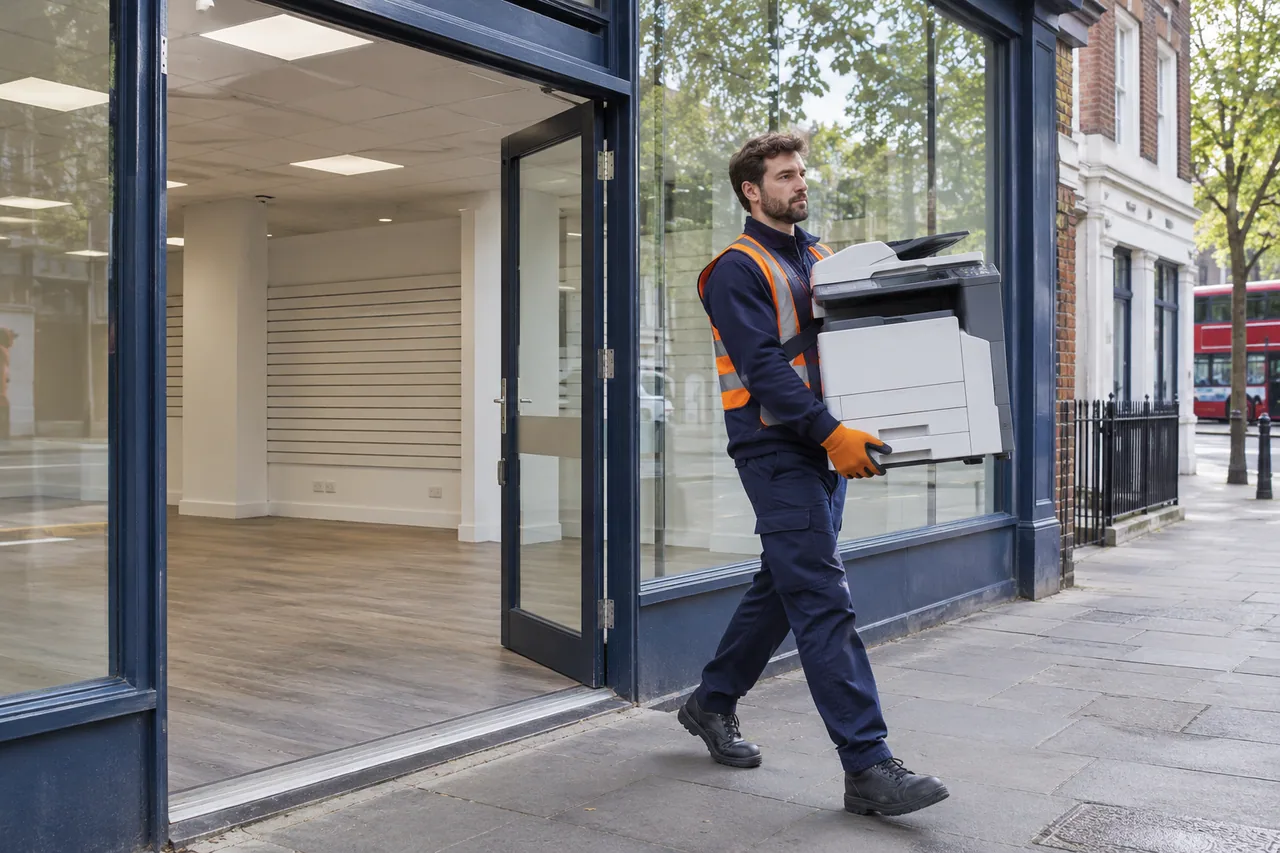
We establish who can give access and identify the agreed waste. A person placing the enquiry may be different from the premises contact present for collection, so that relationship needs explaining. The selection should remain understandable to both: furniture marked for removal should not be confused with a similar unit being retained elsewhere in the room.
The same principle applies to a shop clearance. Removable displays, stored packaging and unwanted furniture are distinct from merchandise or fittings still serving the business. We discuss the contents leaving, their location and any work needed beyond carrying and loading. No assumption is made that every employee, visitor or person opening the door has authority to add more business assets to the removal.
How a defined business load moves through the process
The team uses the inventory and premises information together. This gives the collection a scope that can be explained before the visit and recognised at the property. If the waste or access changes, the description is updated rather than replaced by an open-ended instruction.

Identify this collection’s waste
The responsible contact describes the unwanted furniture, packaging or other materials and separates retained business property.

Clarify one-off or continuing need
We distinguish the particular load requested for removal from any recurring waste service being discussed.

Review acceptance and premises access
Material types, amount, collection locations and the carrying route are connected with the quote and available arrangements.

Remove the agreed contents
The team carries and loads the accepted waste for transport and appropriate onward handling within the confirmed scope.
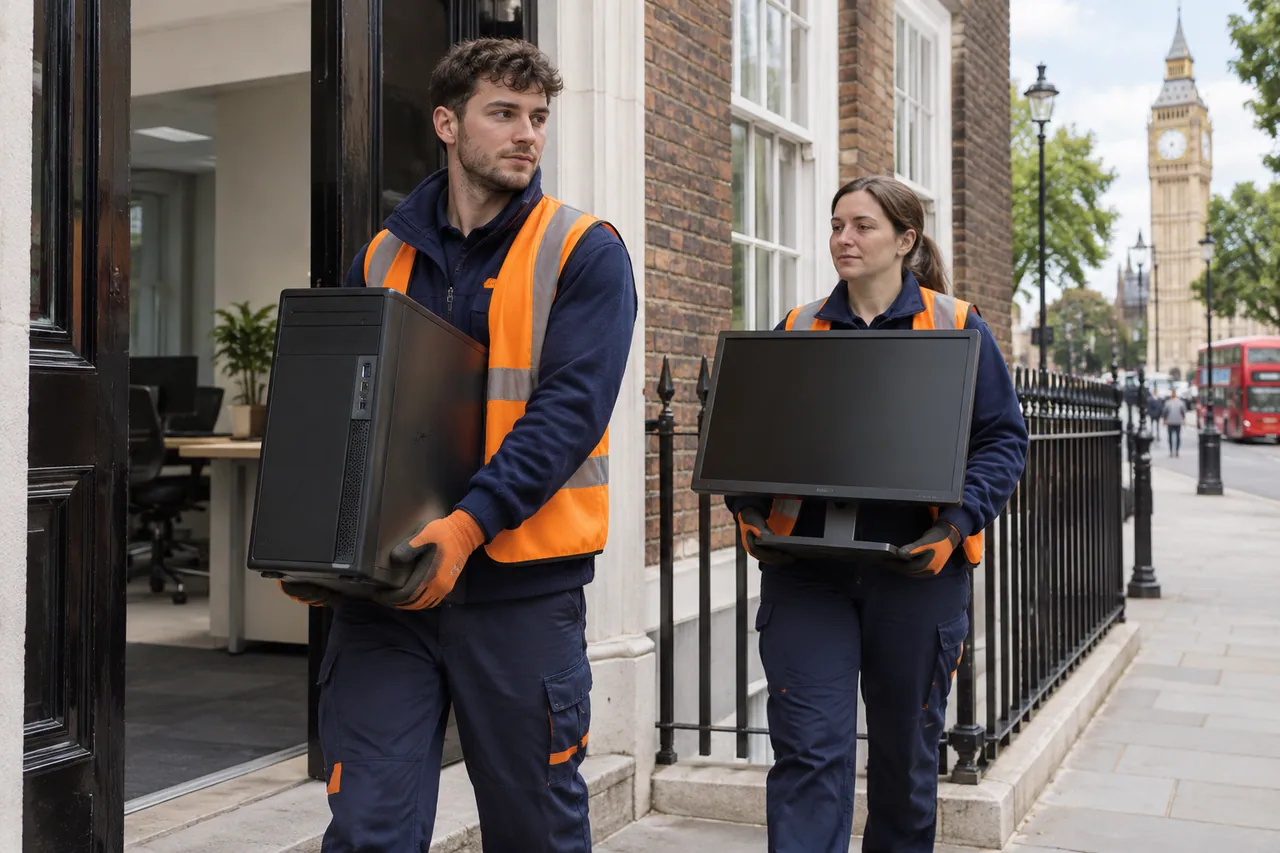
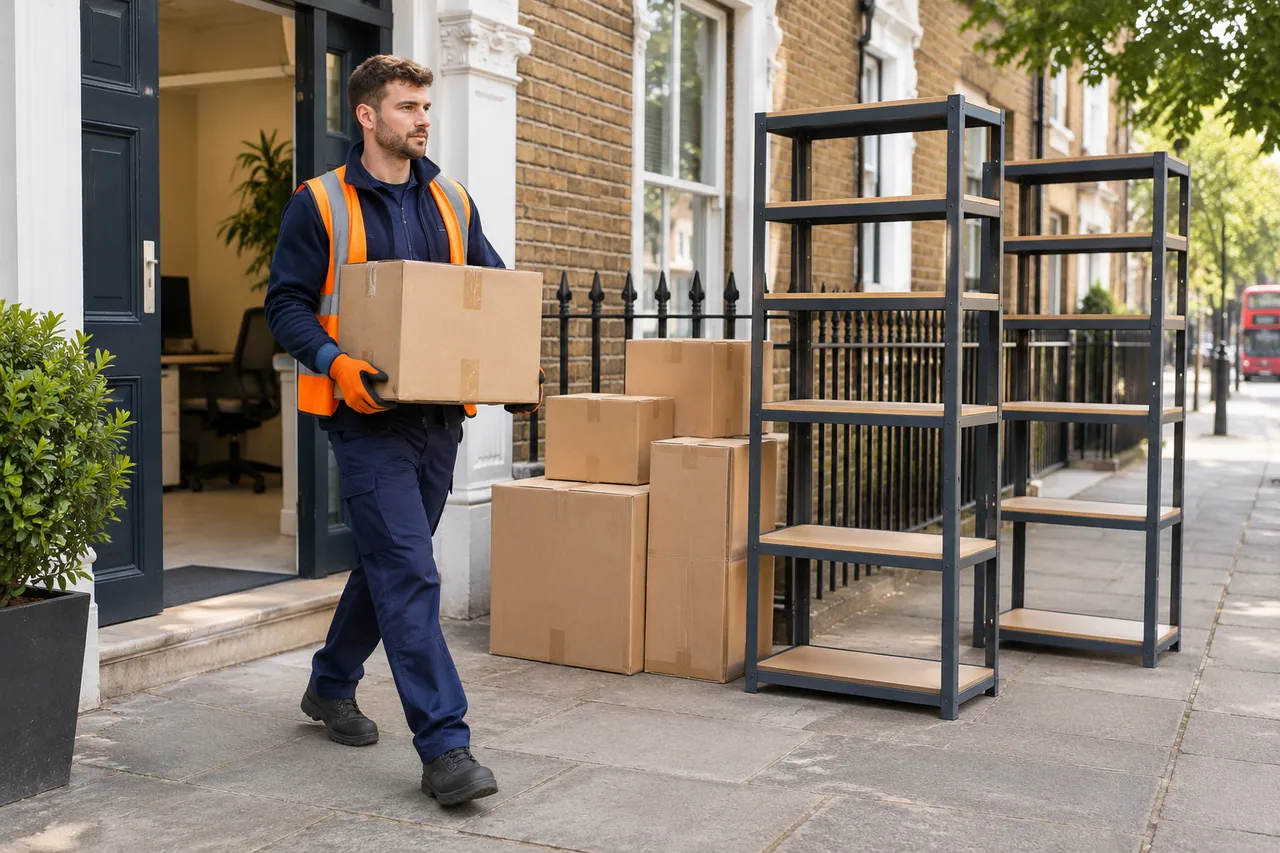
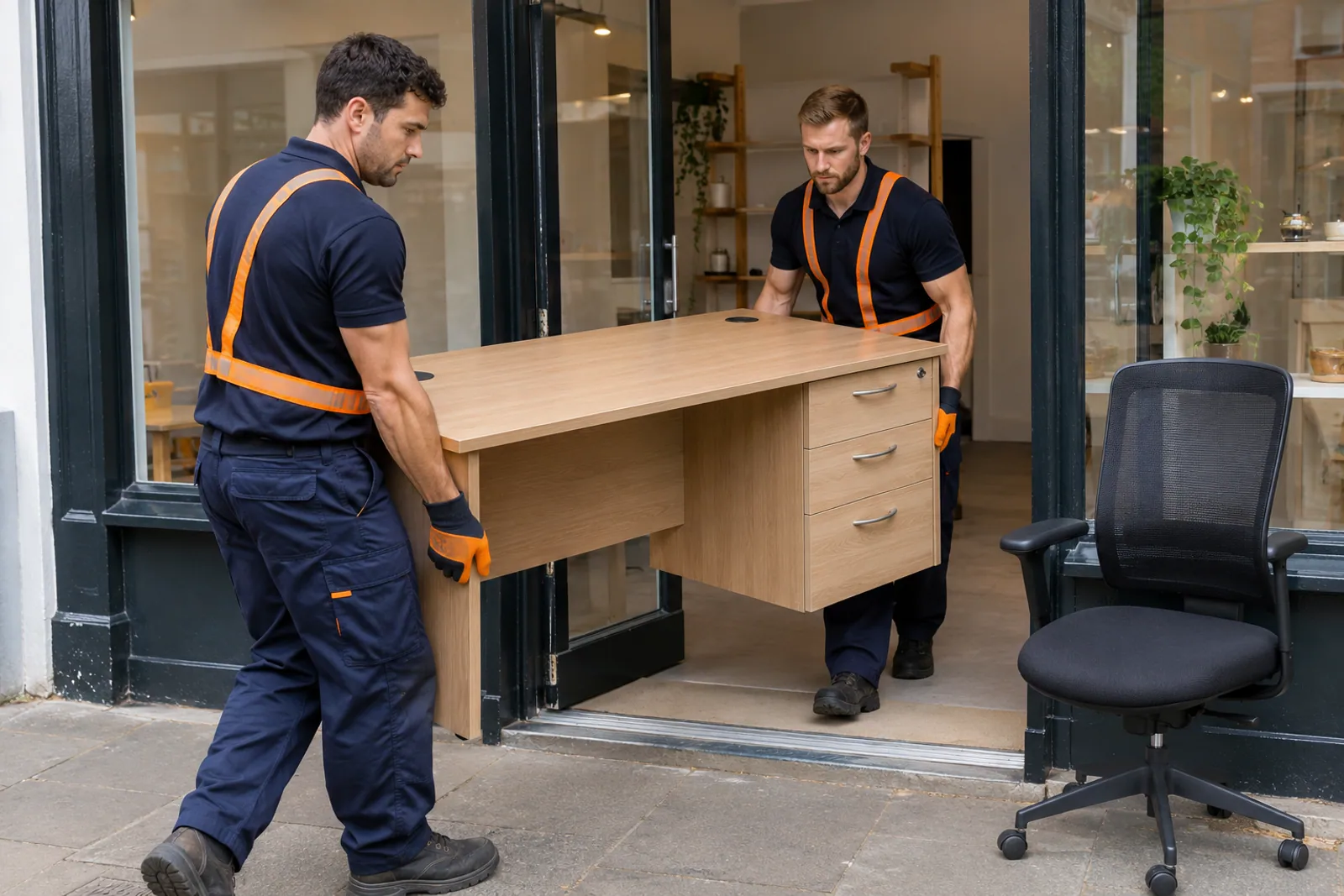
The contents and carrying behind your Hounslow enquiry.
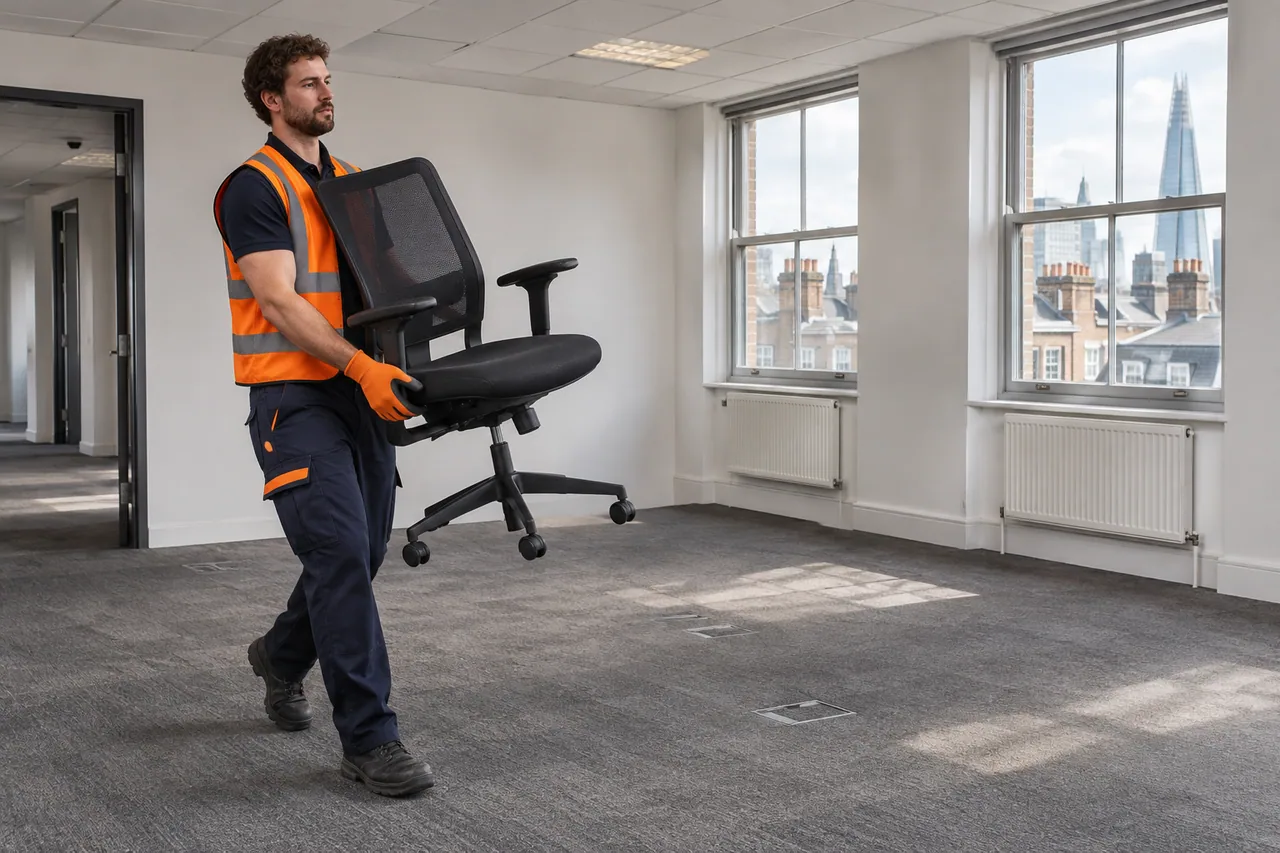
One-off contents and continuing waste are separate descriptions
A business may need both a furniture removal and a recurring waste discussion. We keep those requirements distinct so the person arranging them understands what is being requested. A one-off quote refers to its accepted load; continuing collection arrangements need their own clarification with the team.
| Requirement raised | Information needed for the discussion | How it differs from another request |
|---|---|---|
| One collection of packaging | The material types, approximate amount and where the current load is held. | It describes the waste presented for this removal, not an unlimited future quantity. |
| Removal of furniture | Named pieces, dimensions, assembly and the collection route from their locations. | It concerns bulky contents rather than a regular stream of everyday business waste. |
| A recurring business need | The waste categories and practical requirements the business wants to discuss over time. | It requires clarification beyond confirming one specific visit for an existing pile. |
| Several separate premises | The full address, selection and access contact for each location. | One responsible customer does not make the contents or carrying routes identical at every address. |
Separating the materials after collection
Accepted waste is transported for appropriate onward handling. The team identifies furniture, electrical devices and packaging as different groups rather than give one assumed treatment to everything from a business address. Recycling or reuse is pursued where suitable to the materials and available route.
| Material group identified | Information raised before acceptance | Boundary of the collection service |
|---|---|---|
| Cardboard or plastic wrapping | The main material, amount and any goods or mixed contents still within it. | Collection concerns the agreed packaging, with hidden contents clarified first. |
| Furniture and shelving | Dimensions, construction and any attachment or additional work still required. | Carrying and loading are distinguished from detachment or alterations at the premises. |
| Electrical equipment | Device types, quantities and any requirement beyond physical removal. | Data-related or specialist services are not implied simply because equipment leaves. |
| Mixed project waste | Timber, debris, packaging and uncertain substances individually described. | Acceptance is discussed by material rather than assumed from its business origin. |
Connecting the selection to the premises route
The inventory identifies what leaves; the access discussion identifies the work needed to reach the vehicle. We establish the collection areas, floor, doorways and any stairs or lift involved. A packaging pile in one store room may require a different route from furniture elsewhere at the premises, even where the business requests one visit for both.
The mapped locality for this page is Hounslow centre in the borough of Hounslow, with TW3 as an indicative nearby postal district. The full address remains necessary. We discuss the practical loading position and authorised access for that property rather than infer street or building rules from the area name. A domestic customer uses the same address-based discussion for an agreed household load; the type of premises is identified rather than assumed from this page’s business examples.
Defining the price against the requested work
For workplace furniture, our office clearance information provides further detail about accepted contents. The quote connects the actual material and quantity with carrying and loading. A change in any of those elements needs discussing before the original arrangement is treated as covering it.
| Description informing the quote | What the team connects with the work | Change requiring clarification |
|---|---|---|
| Material and item selection | Accepted packaging, furniture, equipment or other waste expressly described. | More contents, another material stream or a change from empty packaging to contained goods. |
| Amount and physical size | Counts, bulky dimensions and photographs covering the complete proposed load. | A larger accumulation, extra furniture or another storage area added later. |
| Premises access | Collection floor, internal route and distance from the waste to practical loading. | A different route or starting location affecting the carrying required. |
| Collection coordination | Authorised premises contact, requested date and whether the enquiry is one-off or continuing. | Revised access, timing or service requirements not part of the initial discussion. |
Hounslow: collection location and area map.
Map of Hounslow
Load the interactive area map from OpenStreetMap. This connects your browser to the map provider.
Open map in a new tab ↗ © OpenStreetMap contributors
Area orientation only. This map does not mark a company office or a confirmed loading point.
Hounslow collection questions
Does one packaging collection establish a regular service?
No. A particular visit concerns the accepted load described for that removal. If the business also needs recurring waste collection, explain that separately so the team can discuss the requirement. The quantity already waiting, its materials and the premises access remain relevant to the one-off job; future waste is not automatically included in that scope.
Can empty cartons and unopened goods be stored together?
They can be in the same area, but the removal selection must distinguish them. We discuss the packaging leaving and keep retained goods outside the agreed load. A photograph of a storeroom does not authorise removal of every carton. Identify any contents that are themselves unwanted rather than allowing the collection description to assume all boxes are empty.
How is old shop furniture distinguished from stock?
The business contact identifies the unwanted furniture and display components and explains what remains. We record the selected pieces, their current form and collection location. Merchandise or stored goods are not automatically included because they sit on an unwanted unit. Any additional contents need express discussion so the scope is clear to the person providing access.
Can someone else meet the collection team at the premises?
Explain that arrangement when organising the visit. The access contact needs to provide authorised entry and identify the accepted contents, with the removal selection understood rather than guessed at the door. If that person or the entry arrangements change, update the team. We do not assume every person at a business address can authorise removal of additional assets.
Does the enquiry need to include each collection area?
Yes, describe the rooms or storage points holding the agreed load. Packaging in one area and furniture on another floor can involve different carrying routes. That information helps connect the waste quantity with the actual work. A single photograph should not stand in for items elsewhere that were not visible or described in the original enquiry.
What if the business adds electrical items to a packaging load?
The equipment needs separate identification before acceptance. Tell the team the device types, quantity and any additional service request, rather than treating it as ordinary packaging. We review the revised material mix and scope, including any effect on the quote or arrangements. Physical equipment removal does not by itself confirm data destruction or another specialist service.
Arrange your Hounslow collection.
Discuss the unwanted items, full postcode and route to the vehicle with the collection team.
Discuss your Hounslow collection
Open our booking form to arrange your collection.
Continue to our booking form to confirm your items and contact details.