
KENSINGTON COLLECTIONS
Rubbish Removal in Kensington
We arrange removal of unwanted furniture and household contents from Kensington addresses. A domestic study collection can concern a desk, chair or storage unit while the computer, books and personal belongings stay. We identify the furniture and other waste leaving, discuss their current form and carrying route, then explain the quote and available collection arrangements for the premises.
Kensington collections, explained.
Can study furniture be removed while the equipment stays?
The enquiry can identify unwanted desks, chairs and freestanding storage without including computers, records or other possessions. We distinguish those selections and discuss the furniture’s size, assembly and collection location. The team then connects the pieces with carrying and loading, clarifying any additional requirement before agreeing the quote rather than treating the room as a complete office clearance.
What does the Kensington collection address need to explain?
Give the full postcode and premises address, together with the room and floor holding the contents. W8 is an indicative postal district near the Kensington High Street reference in Kensington and Chelsea. The actual entry route and practical loading arrangements are discussed with the person providing access, rather than assumed from that neighbourhood reference alone.
A home workspace can keep its working contents
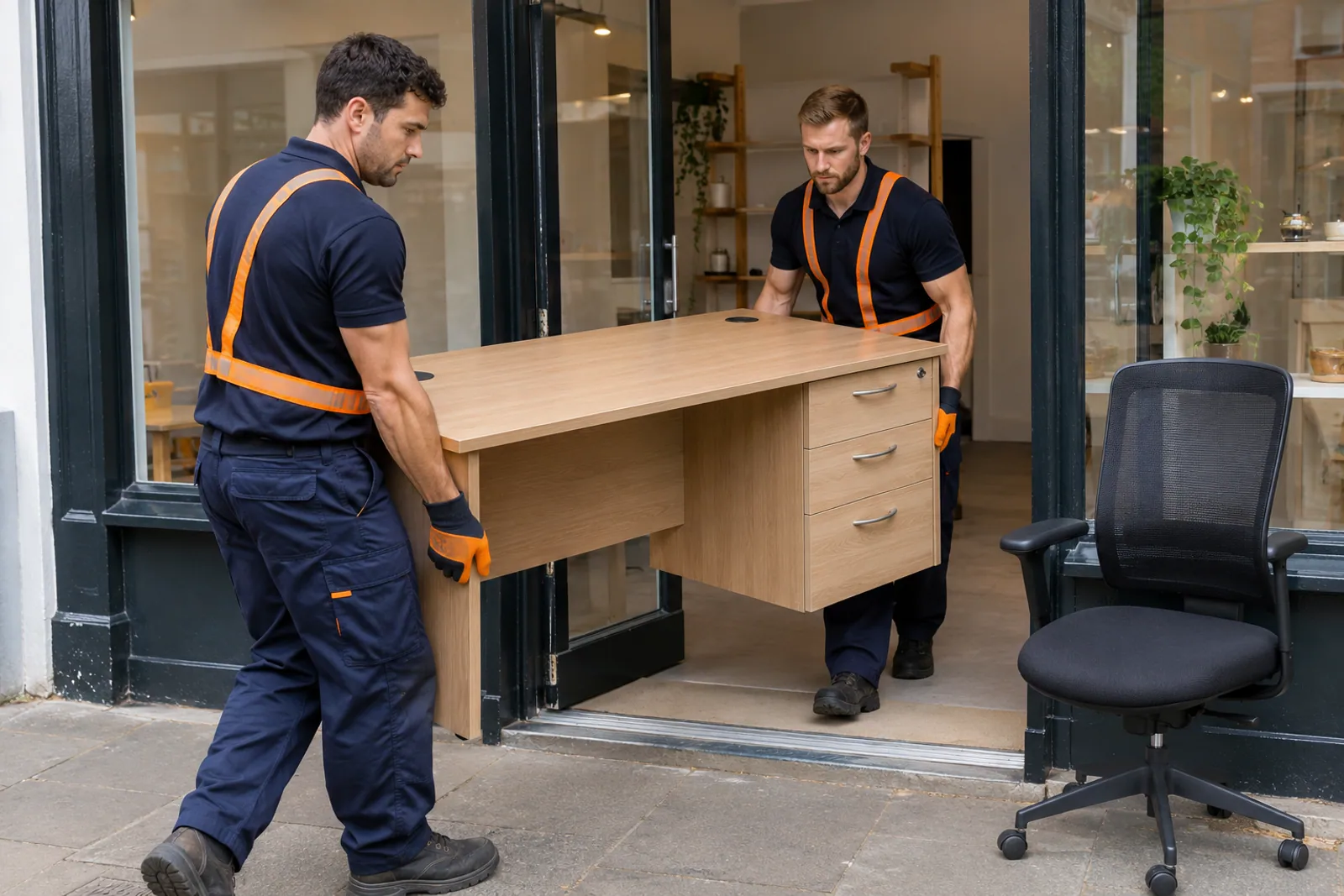
A study desk may be replaced while the equipment and possessions used on it remain with the customer. We discuss that furniture selection explicitly. The desk body, drawers, chair and nearby storage are individual items, not a package automatically included because the enquiry concerns a study. A clear list allows the room to remain partly in use without confusing retained possessions with rubbish.
Our furniture disposal service covers the furniture and work agreed with the team. Tell us whether the desk is freestanding, already in parts or linked to another unit. Any task needed before it can be carried should be clarified. Removal of the furniture does not itself authorise handling working equipment, disconnecting devices or discarding personal papers that have not been selected for collection.
Furniture and contents are identified separately
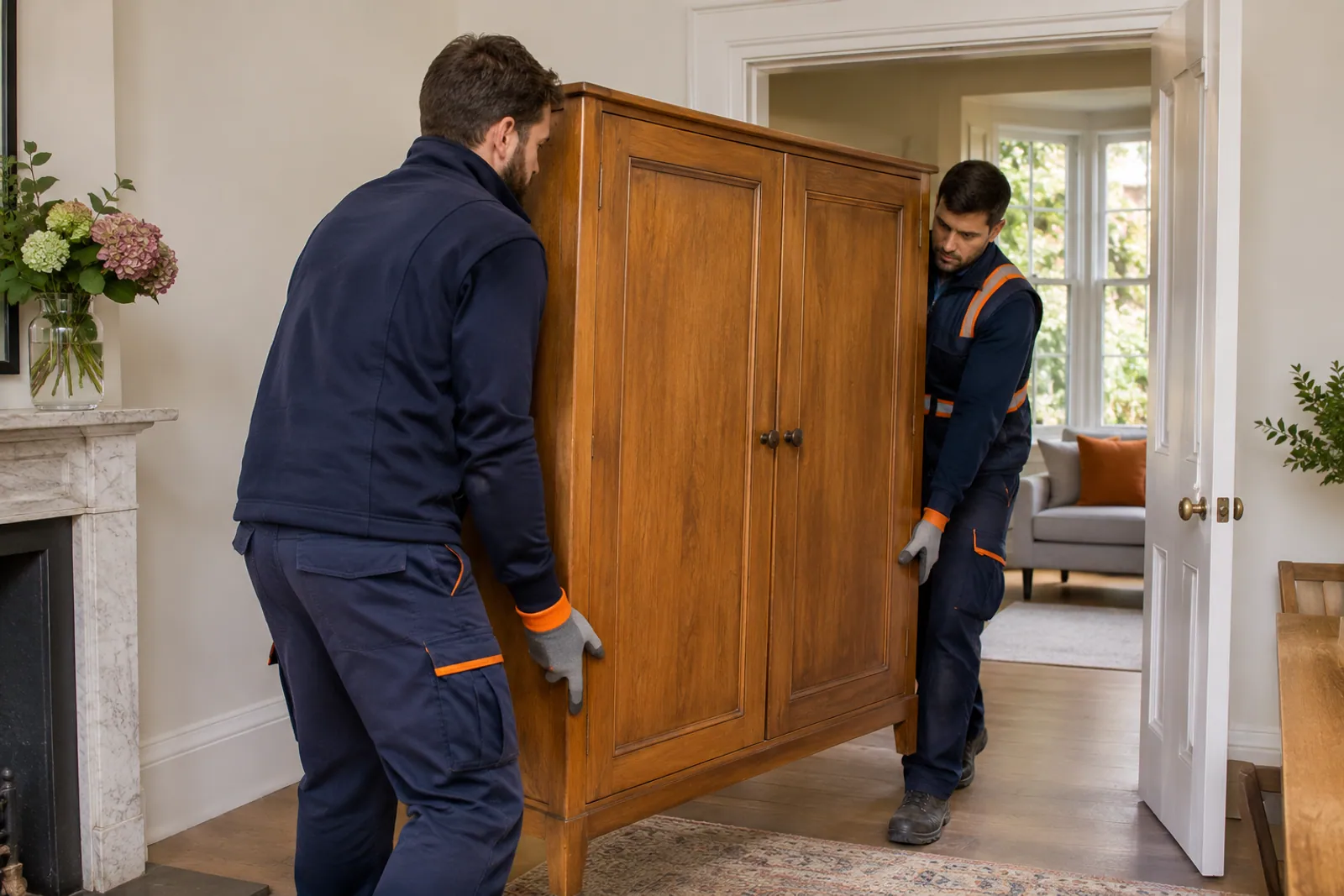
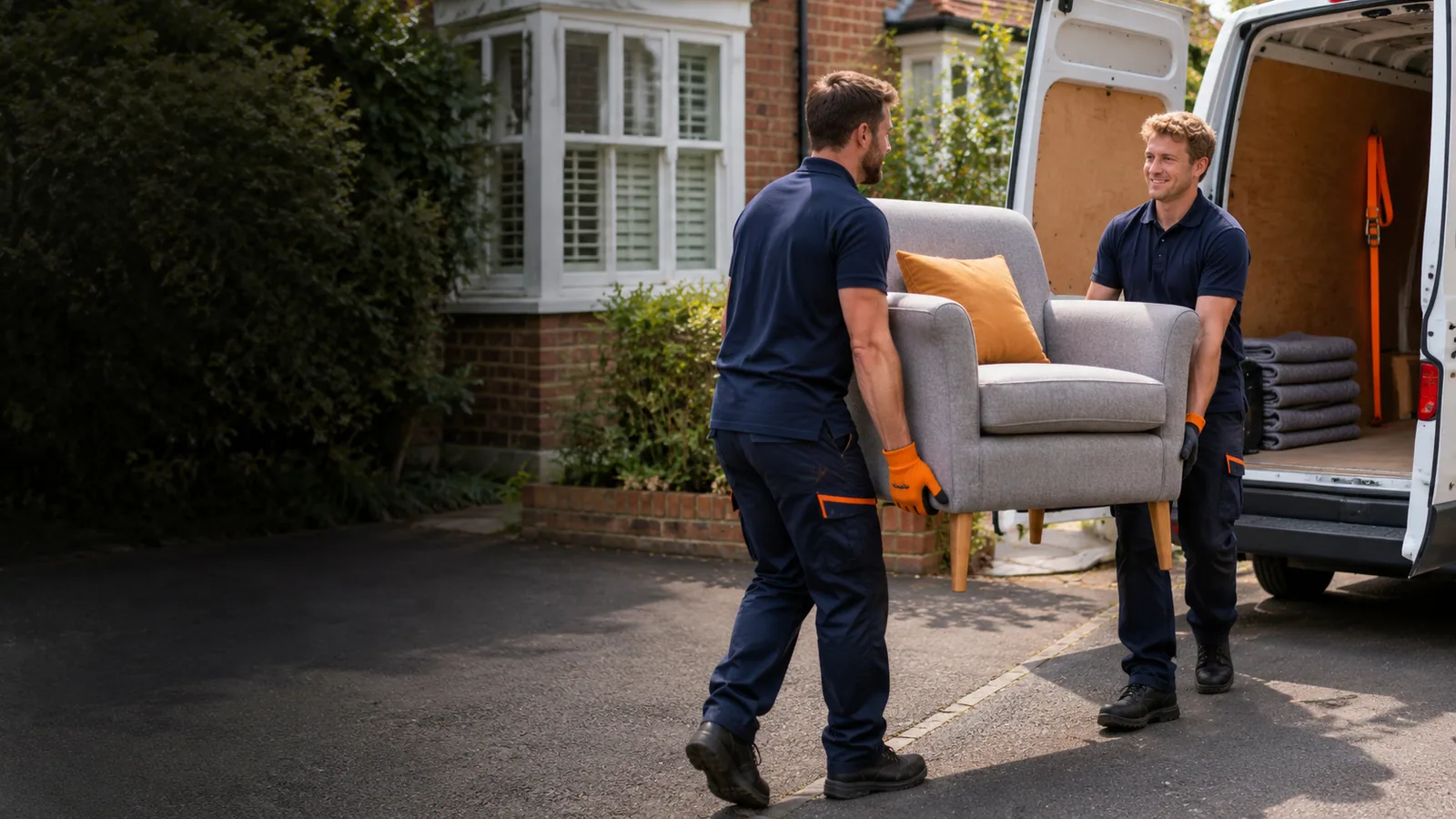
We use approximate dimensions and piece counts for bulky furniture, with a material and quantity description for any smaller belongings also leaving. A photograph supports that inventory but may not reveal what remains inside a drawer or which similar chair stays in use elsewhere.
The desk as it will be presented
The team discusses the desk’s current physical form. An assembled worktable and a top with separate legs create different component lists. Where a desk is connected to retained storage or furniture, explain that relationship so the scope does not depend on an assumption about detachment or dismantling.
The same applies to drawers and loose shelves. They may be part of the furniture leaving, selected components only, or retained pieces that will be used elsewhere. The customer identifies that selection before the work is agreed. A request for furniture collection should make any extra task clear, rather than leave the team to decide what alterations are needed to the remaining study arrangement.
How the study selection reaches removal
We connect the furniture inventory with its location and route out. The customer or authorised contact identifies the contents leaving and explains entry to the property. The collection is confirmed against that description rather than a broad instruction to empty the room.


Identify the departing furniture
Desks, chairs and storage pieces are recorded separately from equipment, papers and other possessions staying in use.

Explain components and assembly
Dimensions, linked parts and any additional work requested are discussed before treating items as ready to carry.

Review the room route
The floor, stairs or lift, doors and practical loading position connect the physical pieces with carrying and the quote.

Carry and remove the selection
The agreed furniture and other accepted contents are loaded and transported for appropriate onward handling.
The contents and carrying behind your Kensington enquiry.
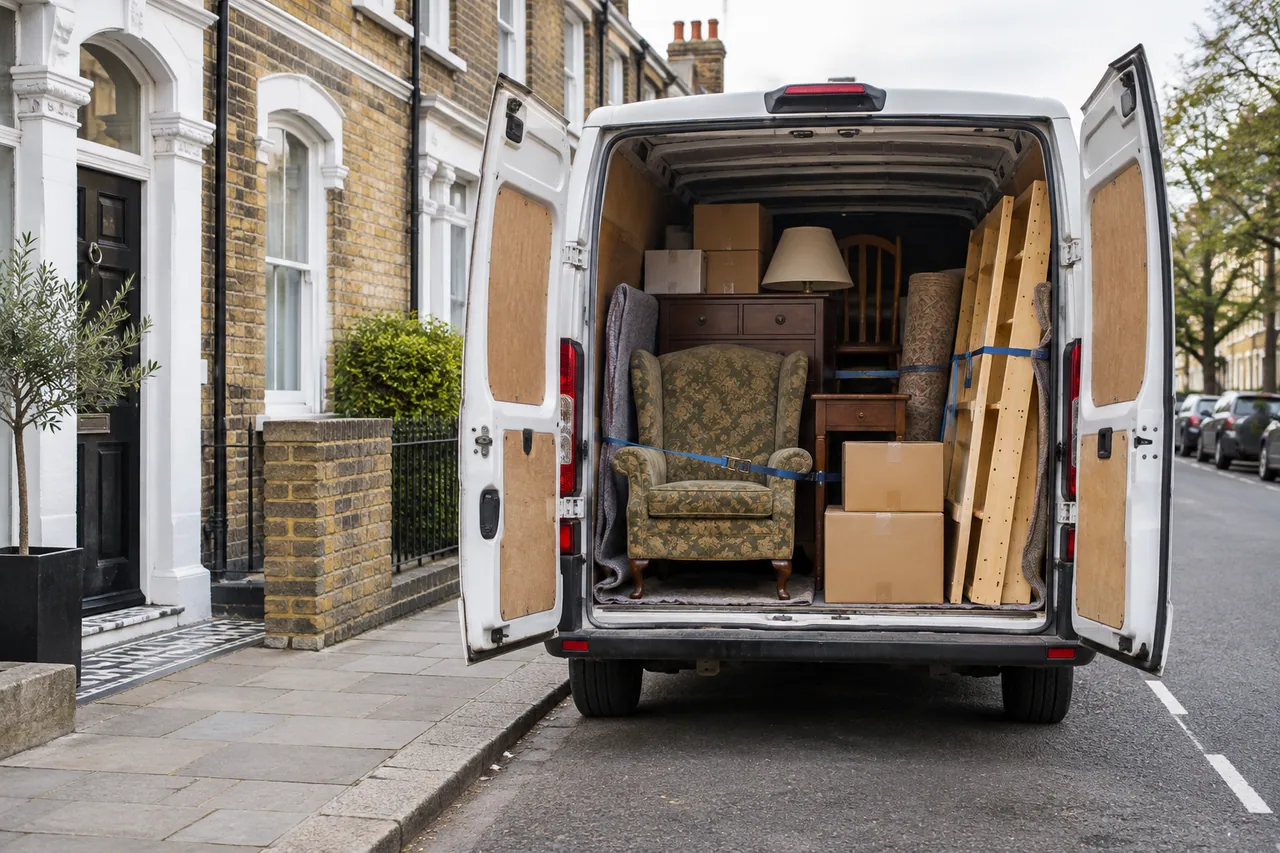
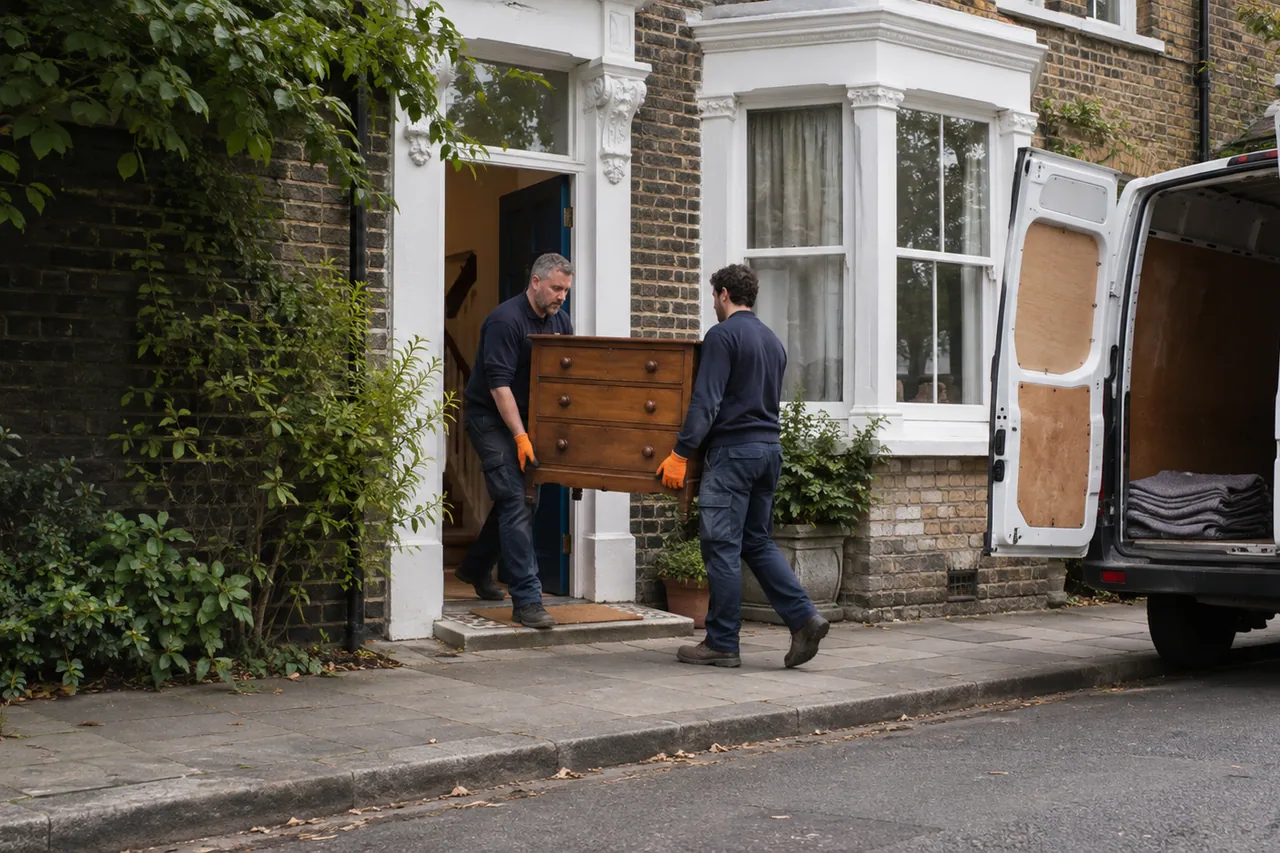
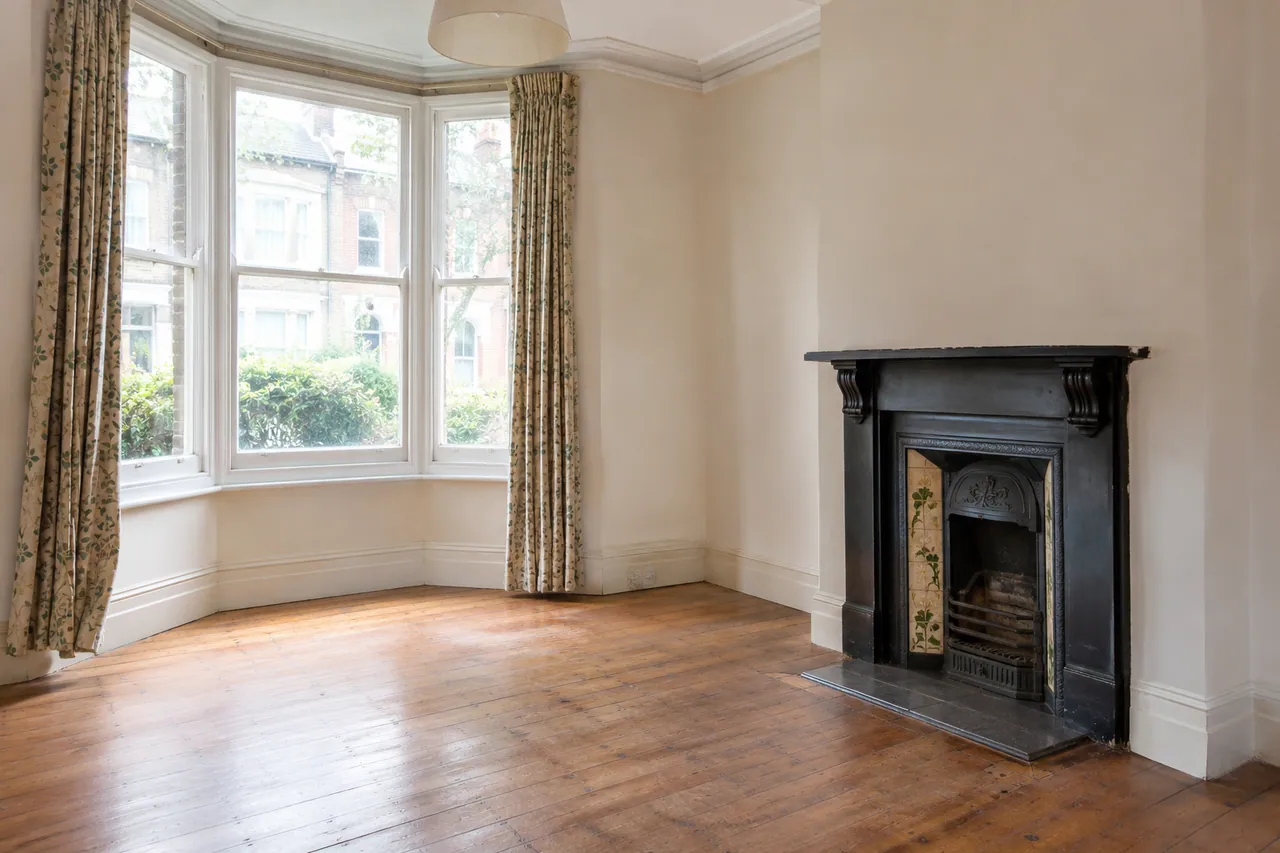
The material groups within the removal.
| Study-related selection | Description used before collection | What is distinguished from it |
|---|---|---|
| Desk or worktable | Approximate size, current assembly and the pieces or sections leaving. | A computer or other possessions on the surface are not automatically part of the furniture selection. |
| Office-style chair | Chair count, location and any additional seating being removed. | Other chairs in the home remain outside the request unless expressly included. |
| Freestanding storage | Unit dimensions, assembly and which internal contents also leave. | Books, paperwork and equipment are separately retained or selected rather than inferred from the unit. |
| Small domestic contents | Main materials, containers and approximate amount of the belongings leaving. | A desk replacement does not become a general instruction to discard everything in the study. |
Carrying bulky work furniture through the home
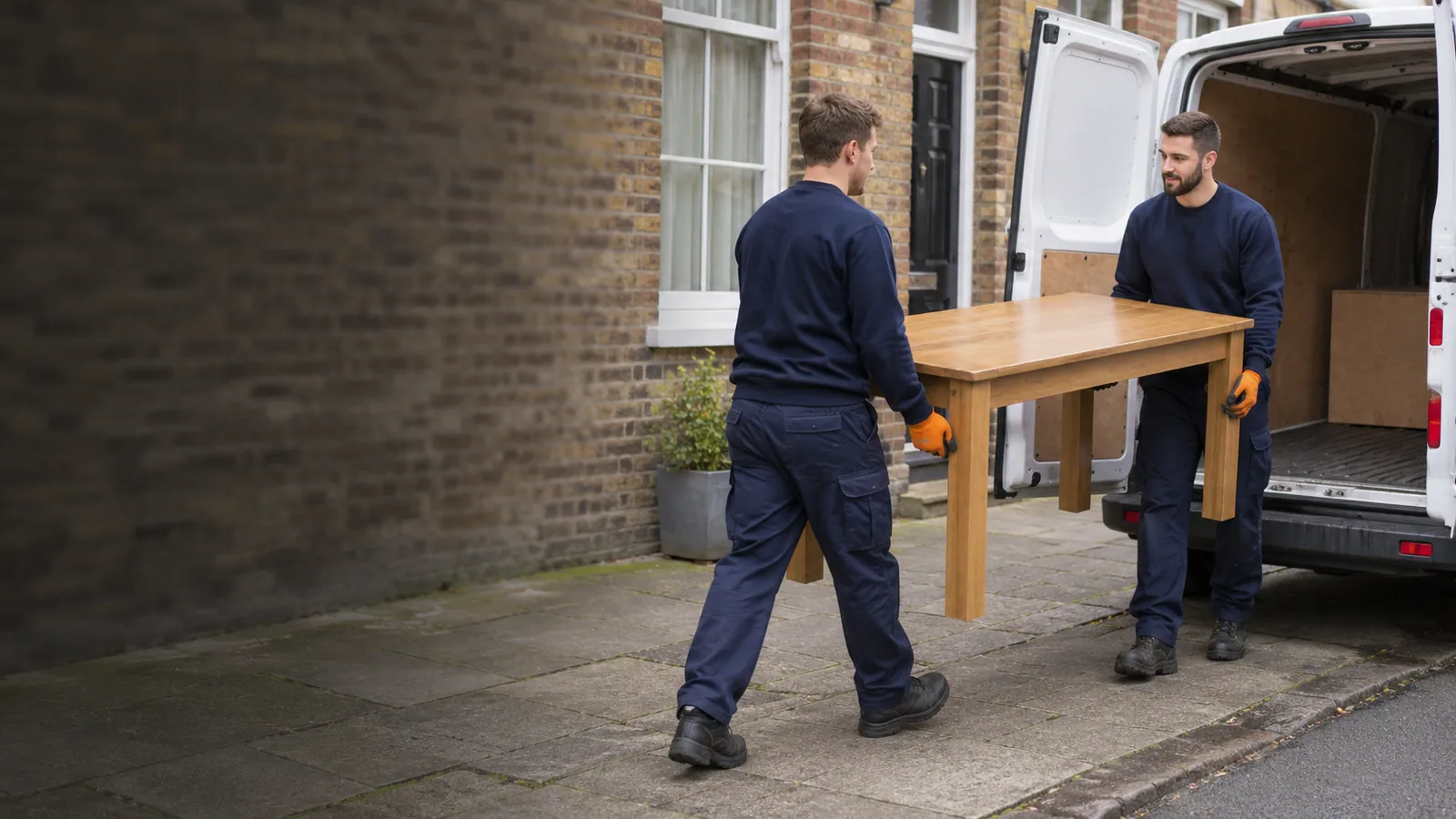
A desk’s dimensions need to be considered with the route from its room. We discuss the collection floor and relevant doors, turns, stairs or usable lift rather than assume a piece can leave by the same route as a small chair. Separate furniture in another room should also be identified.
| Access detail for the furniture | Information established with the enquiry | What it explains about the collection |
|---|---|---|
| Largest desk component | Approximate dimensions and whether it remains attached to other parts. | The route can be discussed around the actual bulky piece rather than only the desk’s name. |
| Collection room and floor | The starting location for each item and any separate storage points. | Carrying is connected with where the furniture actually stands. |
| Route through the property | Relevant doors, stairs or lift and changes in level. | The physical work is considered alongside item size and current form. |
| Route to loading | Practical vehicle position, carrying distance and authorised access contact. | Loading arrangements are established for the premises rather than inferred from the postcode. |
Equipment and paperwork are not hidden additions
If electrical devices or ordinary household papers also leave, they need their own description. Our IT disposal information is the relevant discussion for accepted computer equipment. Physical furniture removal is not in itself an agreement for equipment handling, data erasure or document destruction.
| Contents near the furniture | What the collection discussion records | Boundary of the requested work |
|---|---|---|
| Working computer equipment | Whether any devices are expressly selected for removal and their types. | Devices being retained remain separate from the unwanted desk or storage body. |
| Personal papers or books | The material and approximate amount leaving, if any. | The team does not decide which information or possessions the customer wishes to retain. |
| Belongings inside drawers | Which contents leave and which are removed from the furniture for keeping. | A drawer unit is not authority to discard everything held within it. |
| Associated packaging | Main materials, quantity and any goods still inside. | Empty packaging is distinguished from containers holding retained possessions. |
Kensington orientation and the wider household load
The geographical reference is Kensington High Street in Kensington and Chelsea, with W8 as an indicative nearby district. The full address locates the premises for the enquiry. It also distinguishes a home study collection from a business address that happens to use similar furniture.
Where more domestic contents are leaving, our house clearance service explains the broader collection. Additional rooms, furniture and contained belongings should be described rather than assumed within a study furniture request. Following carrying and loading, the accepted contents are taken away for appropriate onward handling, with recycling or reuse pursued where suitable to the materials and available route. The person arranging access can raise any additional requirement before the collection is agreed.
The quote follows the furniture and work described
We discuss the accepted selection, amount, carrying and loading together. A room label or a photograph of a desk does not explain every part of the job. Additional pieces, a new collection area or a changed route need reviewing with the team.
| Quote detail | Information connected to the removal | Change to clarify before the visit |
|---|---|---|
| Furniture selection | Desk components, chair count, storage units and other contents expressly leaving. | Another furniture item or previously retained contents added to the job. |
| Physical form | Dimensions, assembly and any extra work requested. | A different presentation or a dismantling requirement not previously discussed. |
| Collection areas | Rooms, floors and storage locations holding the accepted load. | More study furniture elsewhere or another household area included later. |
| Access arrangements | Carrying route, loading position and person able to provide authorised entry. | Revised access, timing or contact details needing confirmation. |
Kensington: collection location and area map.
Map of Kensington
Load the interactive area map from OpenStreetMap. This connects your browser to the map provider.
Open map in a new tab ↗ © OpenStreetMap contributors
Area orientation only. This map does not mark a company office or a confirmed loading point.
Kensington collection questions
Can a computer stay while the desk is removed?
Yes, distinguish the retained equipment from the furniture leaving. We discuss the desk’s size, assembly and route, while the working devices remain outside the selection. Any requested action involving equipment needs clarification before agreement. A furniture collection does not automatically authorise disconnection, device removal or an additional technical service merely because the computer was used on that desk.
Are loose drawers counted as separate components?
Explain whether the drawers leave with the furniture, form a separate selected group or are being retained. Their contents also need a separate decision. The inventory should describe the physical pieces presented for removal rather than assume that mentioning a desk explains every drawer, panel and possession around it. Photos can support that description but do not replace the selection.
Can only the chair leave from a furnished study?
The collection can concern a chair alone if that is the request discussed with the team. Identify the chair, its location and any other pieces expressly included. The desk, storage and working contents remain outside the removal list. We connect the selected item with access and loading rather than treat the room name as a complete clearance instruction.
What if a desk is connected to a storage unit staying in place?
Describe the connection and the pieces leaving before the collection is agreed. We need to distinguish carrying from any dismantling or detachment requested. A partial furniture removal should not rely on an assumption that the team will alter retained units without clarification. The current form and approximate dimensions help define the physical work and quote.
Does collecting ordinary papers include a document service?
The material and amount of paper selected can be discussed, but any confidential or destruction requirement must be raised separately. Taking furniture or paper away does not itself confirm document destruction. The customer decides which records are retained, and the collection scope clarifies any additional service rather than leaving that requirement to an assumption at the visit.
Can another room be added after the study quote?
Explain the additional furniture, materials and access to the team before treating it as included. Another room may add bulky dimensions, a different floor or more smaller contents. We review acceptance and any change to the work or quote so the collection is based on the updated selection rather than an earlier description of the study alone.
Arrange your Kensington collection.
Discuss the unwanted items, full postcode and route to the vehicle with the collection team.
Discuss your Kensington collection
Open our booking form to arrange your collection.
Continue to our booking form to confirm your items and contact details.