
KENTON COLLECTIONS
Rubbish Removal in Kenton
We arrange rubbish collections from Kenton homes and business premises around a clearly described load. The service connects unwanted furniture and loose contents with their materials, current locations and route to the vehicle, so carrying, loading and removal can be discussed against the whole request rather than one visible item.

Kenton collections, explained.
Can several waste categories be discussed in one Kenton enquiry?
Yes. Describe the furniture, household belongings, business contents or project material as separate parts, including their quantities and collection locations. The team discusses acceptance for the proposed selection and connects it with carrying and loading. A combined enquiry does not mean every material receives identical handling or that unidentified contents are automatically part of the collection.
Why does the full Kenton address matter when a postcode district is known?
Kenton relates to Harrow and Brent, with HA3 an indicative district near the mapped centre. Give the complete postcode and premises address, together with the entry contact and contents location. Those details identify the actual property for availability and route discussions rather than rely on a neighbourhood or borough label as an access instruction.
The contents included in your Kenton enquiry.
| Part of the proposed load | Information discussed | What the collection scope identifies |
|---|---|---|
| Large furniture | Specific pieces, approximate dimensions and current assembly. | The objects to be carried rather than every furnishing in the same room. |
| Separate components | Panels, frames, supports or other parts present and included. | The current physical contents rather than an assumed complete original product. |
| Bags or boxes | Main contents and approximate amount selected. | Material and quantity beyond the appearance or count of containers alone. |
| Other loose objects | Item types, principal materials and current locations. | An identifiable selection rather than a general instruction to remove miscellaneous possessions. |
The complete request starts with its contents
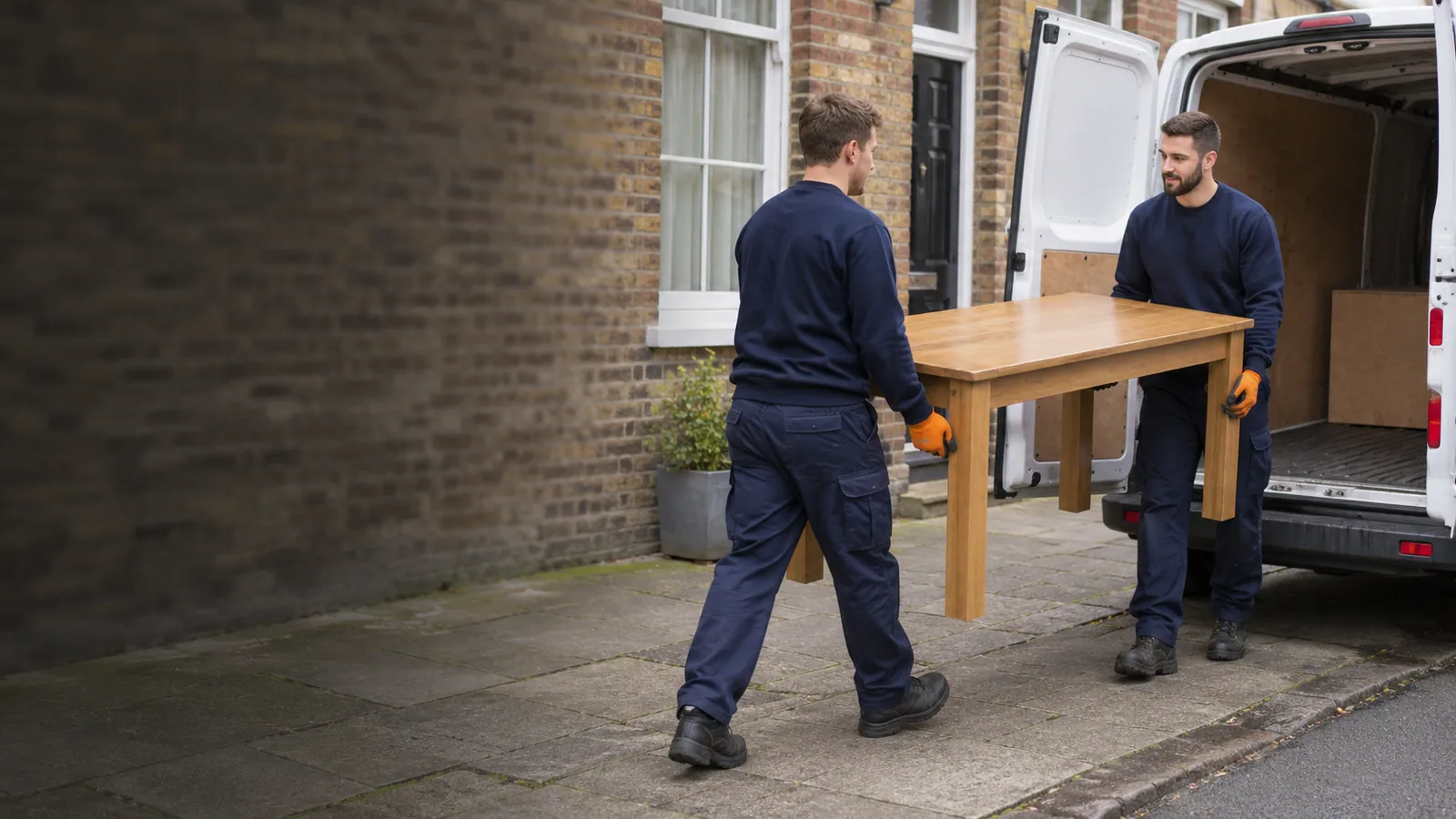
We identify what needs to leave before discussing the collection. The load may be a few bulky objects, several groups of loose belongings or a combination from more than one collection area. The organiser distinguishes retained furniture, working assets and useful materials from the waste selection. That makes the service a defined removal rather than an instruction to empty whatever happens to be visible at the address.
Our household waste removal information provides the domestic context for accepted belongings. A business or project portion is also explained by item and material. The nature of the address alone does not describe the load: household premises can hold dense debris or electrical equipment, while business premises can contain retained assets beside unwanted furniture.
Bulky pieces and loose contents described together
We discuss the current physical form of the inventory. Piece counts, approximate dimensions and assembly help explain large furniture. The main contents and amount of bags or boxes explain the loose portion. Photographs show the overall selection, while the organiser clarifies concealed material and any group not visible in the first image.
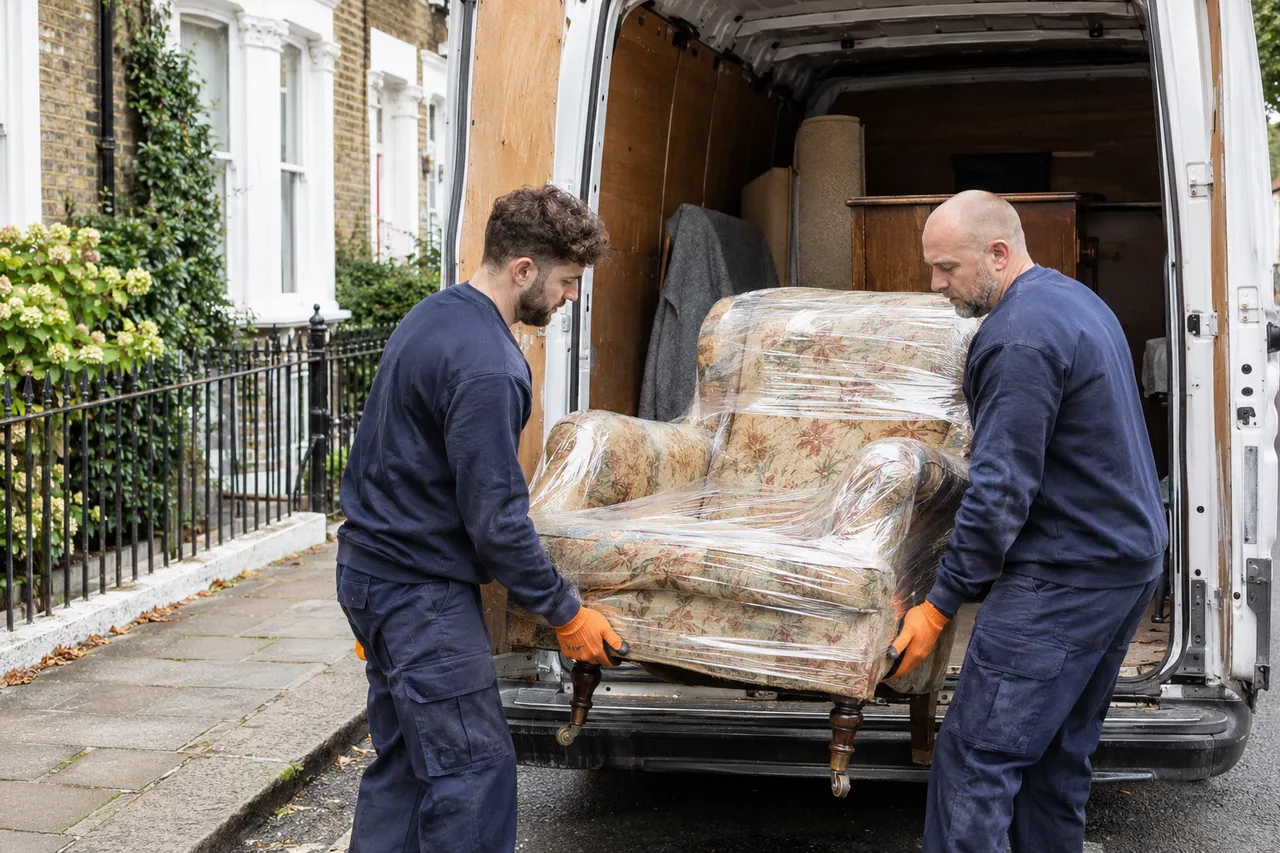
Different material descriptions within a mixed load

An item count and a container count cannot explain every part of a collection in the same way. A rigid cabinet, a compact dense pile and several light packaging boxes present different loads. We discuss the principal material and amount of each part, with unfamiliar or unusual contents raised before acceptance is agreed.
This keeps the quote connected with the actual removal. If the organiser wants furniture and renovation material taken together, describe both fully rather than allow the furniture photograph to stand for the whole request. Electrical equipment also remains separately identified, with any additional technical requirement discussed explicitly instead of inferred from carrying it away.
For a project-waste portion, our builders clearance page provides the relevant service context. A waste collection concerns the accepted material and carrying work; detachment, demolition or another task at the premises is raised separately before agreement.
| Material or form described | Detail clarified before agreement | Difference relevant to the removal |
|---|---|---|
| Bulky rigid objects | Dimensions, construction and the route from their location. | The physical shape matters as well as the number of pieces. |
| Dense debris | Principal materials and approximate amount in each pile or container. | A compact group is not treated as equivalent to lightweight waste occupying similar space. |
| Packaging | Main materials, overall quantity and anything held inside cartons. | Containers concealing different contents are not assumed to be empty packing material. |
| Electrical or unfamiliar objects | Item types, quantity and any separate requirement. | Acceptance and scope are discussed for the actual contents rather than a broad mixed-rubbish label. |
The collection arranged in connected stages
The team combines the inventory and premises arrangements before discussing acceptance, the quote and an available visit. The organiser identifies retained contents and the entry contact. A preferred date begins the availability conversation; the appointment is confirmed directly against the current request.
Planning the Kenton visit

Identify the whole load
The organiser lists bulky pieces, loose contents and separate waste streams selected, keeping retained possessions and working assets outside the removal.

Explain materials and current form
Quantities, dimensions, assembly and main container contents are described, with unusual items or additional work raised before scope is agreed.
At the agreed collection premises

Connect contents with access
Each collection area and the route towards loading are considered with the quote, then an available visit is confirmed with the premises contact.

Carry and take away the stated contents
The accepted load is carried, loaded and removed for appropriate onward handling according to its identified material streams.
The contents and carrying behind your Kenton enquiry.

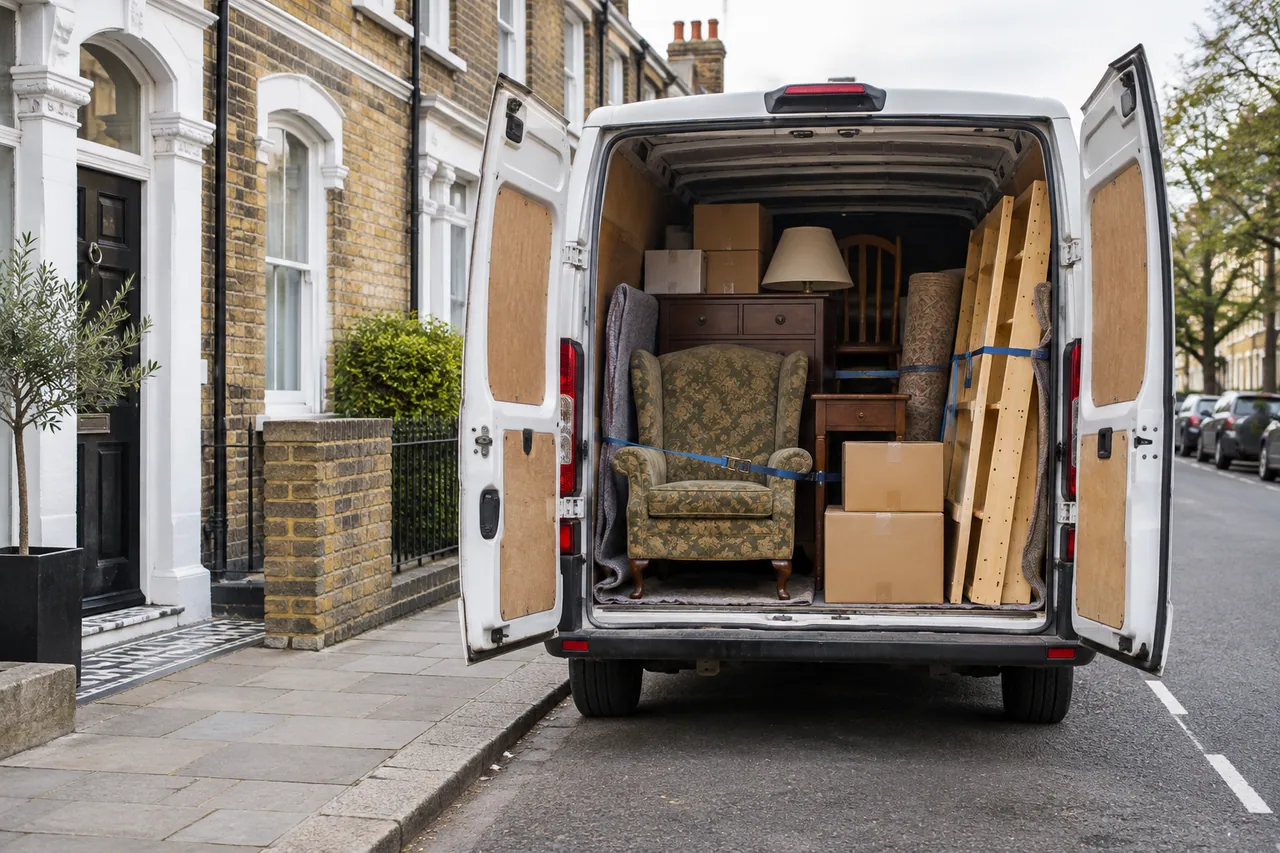


The areas included in the carrying description
We establish where every part of the agreed load is currently held. A furniture group in a room and a separate pile in storage create more than one carrying starting point. The enquiry includes each area expressly requested rather than assume access to the property makes all contents available for removal.
Relevant floors, doors, turns, stairs or a usable lift and the entrance connect those areas with loading. The team uses the actual Kenton premises details supplied. If an oversized item or restricted route needs explaining, the organiser raises that information before the quote is agreed, together with any expectation of work beyond carrying and loading.
| Collection starting point | Premises detail discussed | What the scope includes when agreed |
|---|---|---|
| Furniture within a room | Floor, current assembly and the route through the property. | Carrying the listed pieces from their described position. |
| Loose contents in storage | Main materials, quantity and the actual location. | The selected group rather than all possessions sharing the store. |
| A separate outdoor pile | Principal material and the route towards the vehicle. | The additional area and waste stream expressly included in the request. |
| Contents at another premises | Full address, separate inventory and access contact. | A further collection request to discuss rather than automatic inclusion in the first quote. |
Retained possessions and the person providing entry
The organiser chooses what is unwanted. The entry contact should be able to identify that selection, especially where similar furniture, stored boxes or project supplies remain nearby. The team does not decide usefulness or ownership from appearance, and a keyholder’s ability to open a room does not itself describe which possessions leave.
If the load changes before collection, explain the updated contents and locations to the team. The same applies when furniture is dismantled elsewhere or boxes are regrouped after the first enquiry. A current description lets the customer compare the agreed scope with the material prepared, rather than rely on an earlier photograph or list that no longer represents the request.
What informs the collection quote
The quote considers amount, material and carrying work together. We discuss the full load rather than assign a fixed price to a neighbourhood or room count. Large dimensions, dense contents, separate areas and the route to loading are connected with the inventory so the service description remains useful for organising the actual visit.
Our furniture disposal information explains the relevant service when bulky pieces form the main request. Additional loose contents are described separately. Any expectation of dismantling, cutting, detachment or technical work is clarified before agreement rather than assumed to be included within the name of the collection.
Updating the request before the visit
Provide the full collection address, postcode and entry details, including useful building or occupier identification. The area map provides orientation, while those premises details establish where the waste is held and the carrying work needed. The team reviews additions and changed access before treating them as part of an earlier quote.
| Update to the request | Information discussed for review | What stays current in the agreement |
|---|---|---|
| More loose waste added | Main contents, approximate amount and present location. | Acceptance and quantity beyond the initial selection. |
| Extra furniture included | Piece counts, dimensions, assembly and accompanying parts. | The revised physical load rather than the first photographed items alone. |
| Material moved or regrouped | Current presentation and remaining route to loading. | The carrying work actually involved when the team attends. |
| Another task requested | Specific work beyond the stated carrying and loading. | Scope clarification before additional work is treated as included. |
Appropriate onward handling is arranged for the contents collected, with recycling or reuse pursued where suitable to the materials and available route. The agreement remains a defined collection rather than unlimited removal of further waste from the property or another address.
Kenton: collection location and area map.
Map of Kenton
Load the interactive area map from OpenStreetMap. This connects your browser to the map provider.
Open map in a new tab ↗ © OpenStreetMap contributors
Area orientation only. This map does not mark a company office or a confirmed loading point.
Kenton collection questions
Can a cabinet and a separate debris pile be discussed together?
Yes, identify both by their contents, amount and collection location. The furniture and dense material remain different parts of the proposed load. The team discusses acceptance and carrying for the complete selection rather than assume a photograph or item count for the cabinet represents all waste requested.
Does a shared postcode district describe the entrance to my premises?
We need the complete postcode, address and relevant entry arrangements for the actual property. A wider district or borough label does not establish which building holds the contents or how they reach loading. Those details are discussed directly with the organiser before an available collection is confirmed.
What if I cannot identify something inside a waste container?
Raise that uncertainty during the enquiry and explain what is known. The outer container does not establish material suitability or inclusion in an ordinary mixed load. The team clarifies acceptance for the actual proposed contents rather than leave an unidentified object hidden within a broad rubbish description.
Can furniture stay while selected belongings are removed from its cupboards?
Yes, describe the loose contents leaving and the furniture retained. A storage unit and its possessions are independent selections. The collection should identify the accepted material and quantity rather than assume the furniture must also leave or that every object within it is part of the same removal.
Does the quote include changing an item to fit through a route?
Any cutting, dismantling, detachment or other alteration needs specific clarification before agreement. Explain the item’s dimensions, current form and the premises route, together with the additional task requested. Carrying and loading should not depend on an unspoken expectation that the object or property will be changed.
Can contents at another address be added without a separate description?
Describe the second property, its load and access arrangements independently. Another location can change availability, carrying and collection work. The team discusses any combined proposal directly rather than treat a quote for the first premises as covering unspecified furniture, bags or debris held elsewhere.
Arrange your Kenton collection.
Discuss the unwanted items, full postcode and route to the vehicle with the collection team.
Discuss your Kenton collection
Open our booking form to arrange your collection.
Continue to our booking form to confirm your items and contact details.