
NEW BARNET COLLECTIONS
Rubbish Removal in New Barnet
We arrange rubbish collections from New Barnet properties around the contents you need taken away. This guide explains a household-lighting request: freestanding lamps, separate shades and loose parts, distinguished from installed fittings and retained belongings before the team discusses acceptance, carrying, loading and an available collection.

New Barnet collections, explained.
Can freestanding lamps be discussed without removing installed lighting?
Yes. Identify the lamps and loose components selected for removal, their quantity and present location. We discuss those objects as a physical household load. Anything fixed or connected to the premises, or any expectation of electrical work, is raised separately before agreement rather than inferred from a request to collect unwanted freestanding lighting.
Are the shade and base automatically one removal item?
Explain the parts leaving and the parts staying, particularly where shades or bases are stored separately. The household may retain one component while discarding another. We identify the current physical selection before quoting, so the collection concerns the described objects rather than every part originally associated with a lamp or every nearby accessory.
The contents included in your New Barnet enquiry.
| Lighting-related selection | Information discussed before acceptance | What the collection inventory identifies |
|---|---|---|
| Complete freestanding lamps | Type, number, approximate size and current location. | The whole objects selected, separate from working or retained lamps nearby. |
| Separate shades | Quantity, material description where known and the group requested. | Loose shades expressly included rather than inferred from an original complete lamp set. |
| Bases or supports | Current form, approximate size and whether other parts accompany them. | The components actually presented rather than missing parts the original object once contained. |
| Other loose accessories | The particular contents, amount and anything requiring separate acceptance discussion. | The full proposed selection without treating every household accessory as part of the same removal. |
The freestanding objects selected by the household
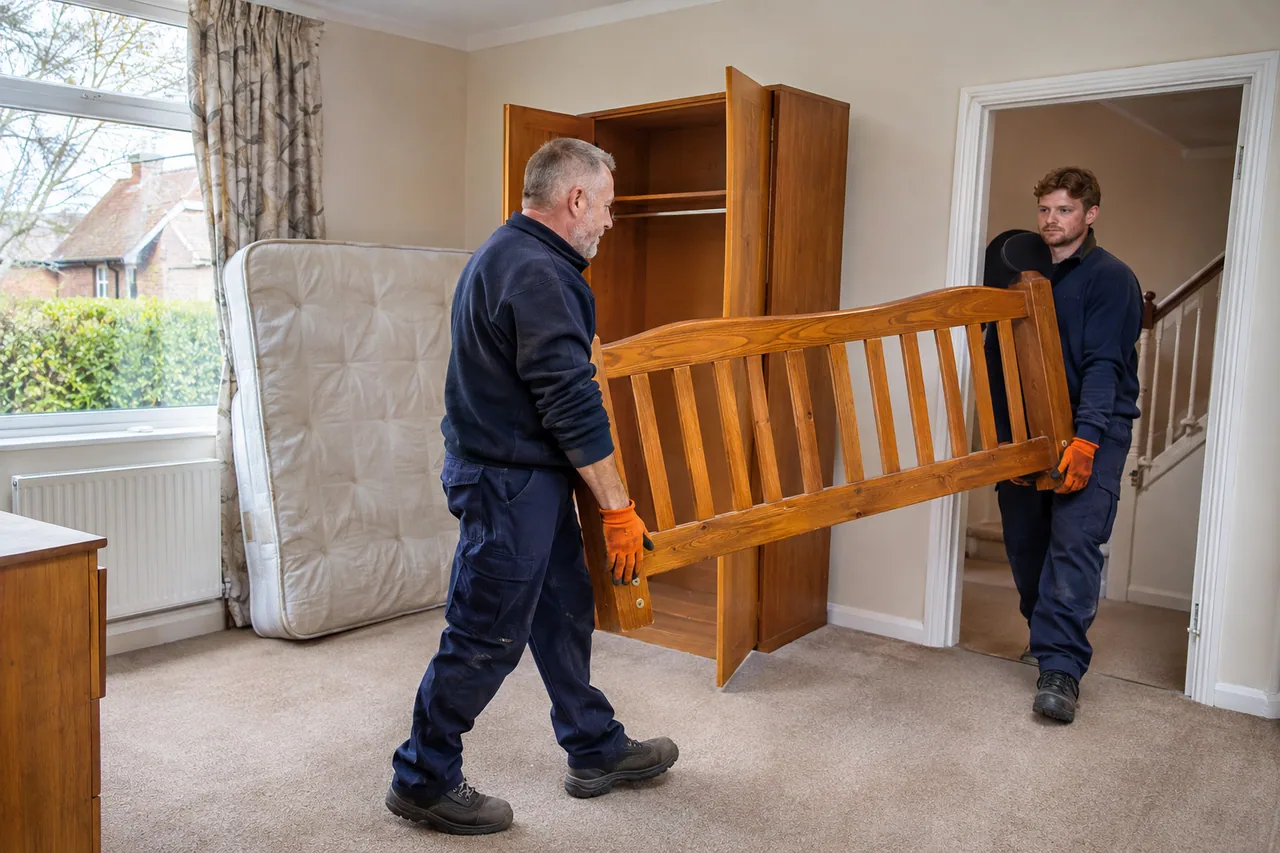
A request may concern a complete floor lamp, several table lamps or a group of shades and bases no longer assembled together. We establish what is present and what the organiser wants removed. Working lights, useful spare shades and other household possessions remain outside the inventory unless they have also been selected and accepted.
Our household waste removal service provides the wider domestic context. A limited lighting collection can leave the rest of a room in use. The furniture holding a lamp, the books beside it and installed lighting elsewhere are separate matters. The enquiry describes the physical contents rather than ask the team to decide which nearby objects the household should keep.
Complete lamps and separate components in the inventory
We discuss the main types, approximate dimensions and overall quantity. Tall freestanding objects and loose shades present different shapes for carrying and loading. Photographs showing the complete group support that description, while the organiser identifies any separate parts kept in cupboards or another room. A picture of one assembled lamp does not establish every component held elsewhere.

Furniture and installed fittings remain separate selections

The organiser makes the boundary clear between freestanding objects, furniture supporting them and lighting installed in the premises. A lamp standing on a retained side table is not an instruction to remove the table. An unused fitting attached to a wall or ceiling introduces an additional requirement rather than become ordinary loose contents because it is described as lighting.
Where furniture is also unwanted, our furniture disposal information gives that service context. Describe the individual pieces, dimensions and current assembly alongside the lamp selection. The team can discuss several categories together while keeping each physical object and its carrying requirement identifiable in the collection agreement.
| Relationship at the property | Selection or scope detail clarified | What remains distinct |
|---|---|---|
| Lamp on retained furniture | Which lamp leaves and which table or cabinet stays. | The supporting furniture is not included merely because it holds an unwanted object. |
| Shade retained, base unwanted | The particular component selected and where it is held. | The household’s choice does not require disposal of a complete original set. |
| Several similar lamps | Which units leave and which continue in use or storage. | Matching appearance does not identify every unit as waste. |
| Lighting fixed to the premises | What is attached and the additional task being requested. | Detachment and electrical work are clarified separately from collection of loose household objects. |
Agreeing the lighting-related household removal
The team uses the inventory, materials and premises arrangements together to discuss the quote and an available visit. The organiser identifies retained objects and somebody able to explain the selection at the property. A completed enquiry supplies that information for discussion; the appointment is confirmed directly rather than inferred from a preferred date alone.
Planning the New Barnet visit

Identify lamps and loose parts
The organiser lists complete freestanding units, shades, bases and accessories selected to leave, distinguishing working or retained household objects.

Clarify scope and materials
Current form, condition and any uncertainty are explained, with technical work or installed fittings raised as separate requirements before agreement.
At the agreed collection premises

Connect objects with access
Collection locations, dimensions and the route to loading are discussed with the quote, then the team confirms an available visit with the property contact.

Carry and remove the described load
The listed accepted contents are taken to the vehicle and removed for appropriate onward handling according to their identified material streams.
The contents and carrying behind your New Barnet enquiry.
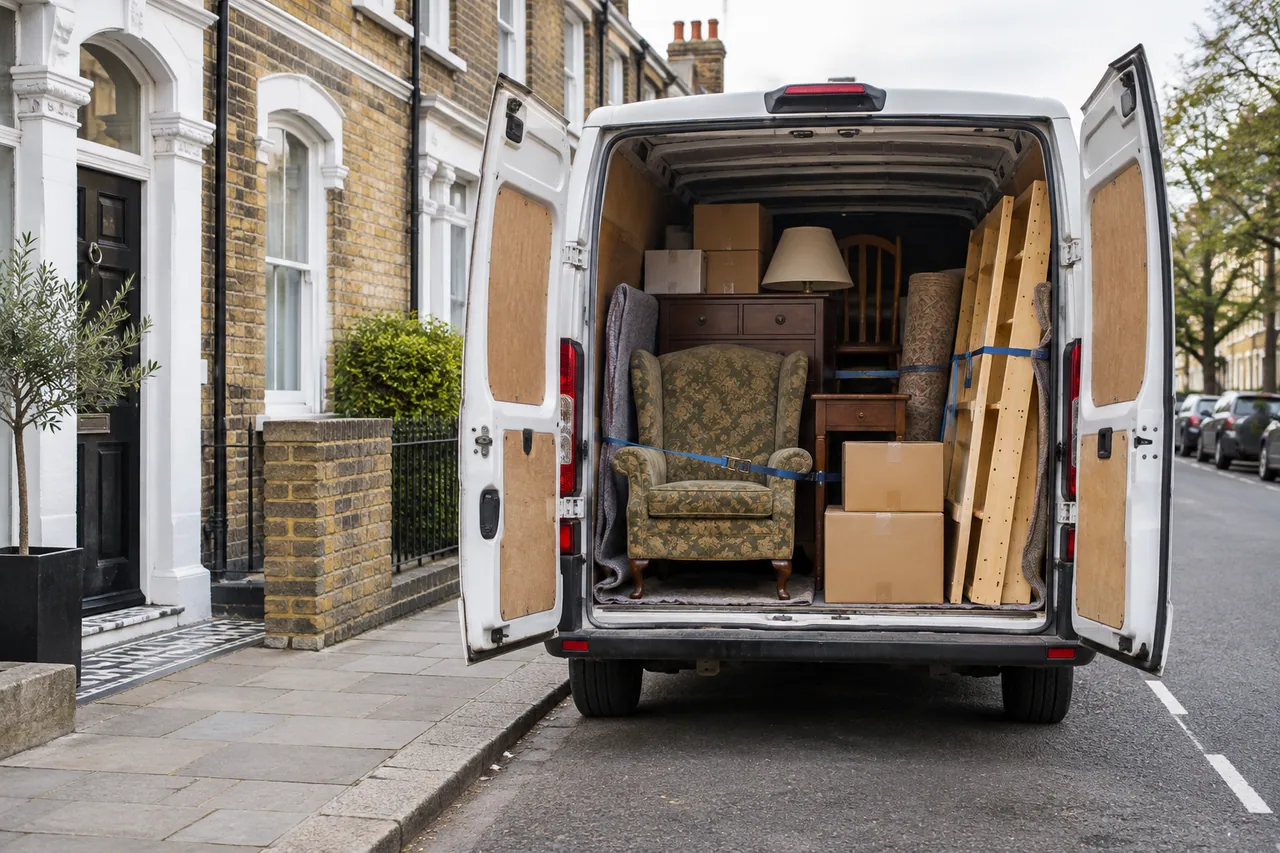
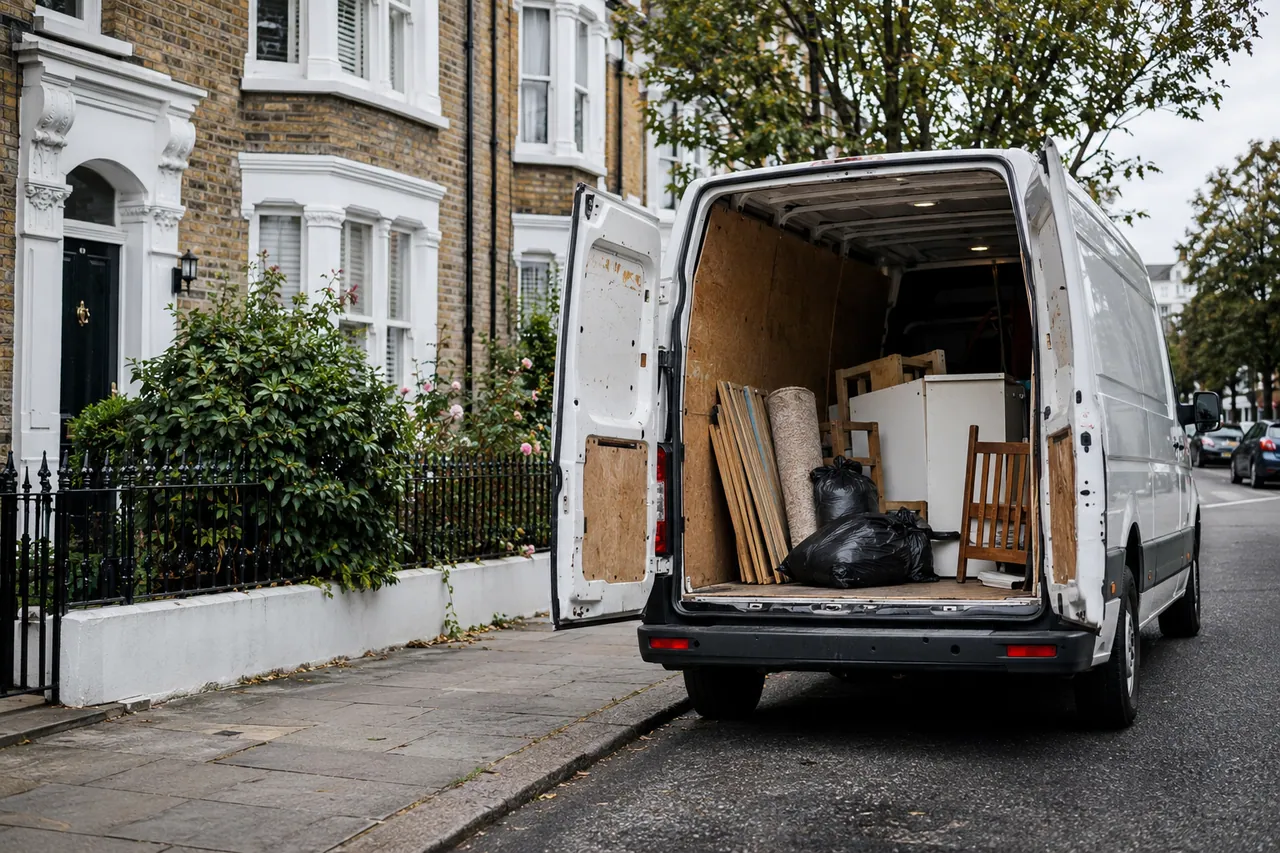

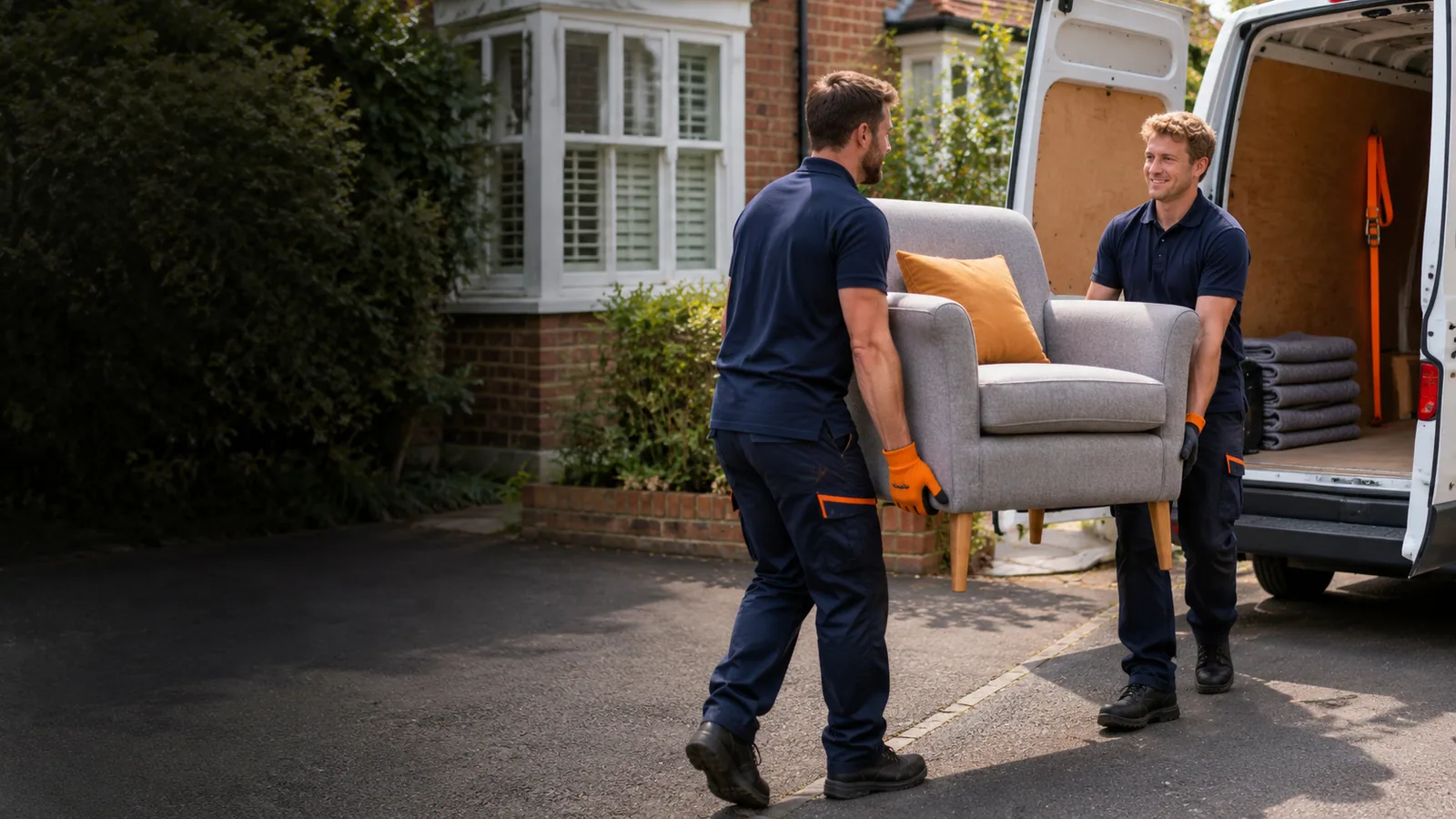
Electrical work is not hidden inside physical collection
We discuss the lamps as they will be presented for carrying and loading. Disconnection, repair, dismantling or any other technical requirement is raised expressly before the scope is agreed. The fact that a household object is unused or described as broken does not itself define an additional service. The customer should know which physical items and work have been accepted before the visit is confirmed.
This also applies when the organiser is unsure about a component or its contents. Identify that uncertainty in the enquiry rather than leave the collection description dependent on a guess. The team clarifies acceptance for the actual object and any separate requirement, while the organiser retains responsibility for selecting what should leave the property.
Materials and condition within the lighting selection
The enquiry describes the principal construction where known and any loose or damaged components. A shade, rigid base and complete electrical unit are different physical objects even when they were once used together. We discuss them in their current form rather than promise that the collection will rebuild, repair or separate each product into material fractions at the premises.
| Description of the proposed object | Information used in discussion | Collection question addressed |
|---|---|---|
| A tall intact lamp | Approximate height, width and current assembly. | The object’s shape can be considered against the premises route and vehicle loading. |
| Loose shades or covers | Quantity, main material where known and any damaged parts mentioned. | The team can understand the physical selection instead of relying on one product name. |
| A separate heavy base | Material description, approximate size and whether other components also leave. | Its handling is considered as an identified object rather than assumed from a light shade nearby. |
| Mixed accessory containers | Main contents and the group selected for disposal. | Acceptance is discussed for the contents rather than the appearance of the outer box. |
If the broader request contains computer equipment or other devices, our IT disposal page provides the relevant additional context. Those devices are identified separately, with any technical or information-related requirement raised directly. A lamp selection does not automatically extend to unrelated equipment stored in the same room.
Carrying the current objects through the premises
We identify each collection location and the route towards loading. Relevant floors, doors, internal turns, stairs or a usable lift and the entrance form part of that discussion. If some lamps are in a room and other shades or bases are in storage, both starting points need describing. The quote can then reflect the whole carrying requirement rather than only the first photographed group.
The present assembly and dimensions are considered alongside the route. Any expectation that an object will be altered or dismantled to fit is clarified before agreement. If items have moved or been separated after the original enquiry, tell the team their current form and locations. The collection should correspond to what will actually be presented when the visit takes place.
The New Barnet address and updates to the request
The map centres on New Barnet in Barnet, with EN4 and EN5 among the indicative nearby postcode districts. Give the full collection address, postcode and entry contact, together with the rooms or stores holding the contents. These details connect availability with the premises where the carrying and loading are needed.
| Update before collection | Information discussed with the team | What the removal agreement reflects |
|---|---|---|
| Further lamps included | Type, number, approximate dimensions and their locations. | The revised physical inventory rather than a quote for the original group alone. |
| Components separated or retained | Current shade, base and accessory selection. | The objects actually authorised to leave, not an assumed complete product. |
| Furniture or other equipment added | Separate descriptions, quantities and any additional requirement. | Acceptance and handling beyond the original lighting selection. |
| Items moved elsewhere | Current starting points and the route towards the vehicle. | The premises work remaining when the collection takes place. |
New Barnet: collection location and area map.
Map of New Barnet
Load the interactive area map from OpenStreetMap. This connects your browser to the map provider.
Open map in a new tab ↗ © OpenStreetMap contributors
Area orientation only. This map does not mark a company office or a confirmed loading point.
New Barnet collection questions
Can a lamp base leave while its shade stays?
Yes, identify that component selection and where the base is held. The collection is discussed around the physical object leaving rather than a requirement to discard a complete original lamp. Retained shades and other useful parts remain outside the load, even when they are stored beside the unwanted base.
Does a freestanding lamp collection include taking down ceiling lights?
That is a different requirement to clarify before agreement. Describe what is installed or connected and the work you are requesting. Carrying loose household objects does not itself establish detachment, disconnection or other electrical work at the premises, and the collection scope should distinguish those tasks clearly.
Can matching working lamps remain in the room?
Yes. Make the removal selection identifiable and distinguish the units staying. The organiser decides which possessions are unwanted; matching appearance does not authorise removal of every similar object. The entry contact should be able to explain the accepted group without making new disposal decisions during the visit.
Should loose damaged shades be mentioned in the enquiry?
Describe their present condition, main material where known and the quantity selected. The team needs to understand the physical contents proposed for collection rather than rely on a product name or an older photograph. Acceptance and any additional requirement are clarified before the collection scope and quote are agreed.
What if the lamps are separated into parts after the quote?
Update the team on the current bases, shades and other components included, with their locations. The original objects may be the same, but the physical selection and presentation have changed. We discuss what will actually be carried and loaded rather than rely on an earlier assembled description.
Can other household devices be included with the lamps?
They can be raised separately by device type, quantity and collection location. Explain any additional requirement before acceptance is agreed. A lighting-led quote should not be treated as automatically covering all electrical objects at the property; the team reviews the full proposed load and the carrying work involved.
Arrange your New Barnet collection.
Discuss the unwanted items, full postcode and route to the vehicle with the collection team.
Discuss your New Barnet collection
Open our booking form to arrange your collection.
Continue to our booking form to confirm your items and contact details.