
RAYNERS LANE COLLECTIONS
Rubbish Removal in Rayners Lane
We arrange rubbish collections from Rayners Lane addresses, including enquiries for individual bulky pieces and wider groups of household contents. The team establishes what the item description includes, whether associated components also leave and how the load reaches the vehicle. We discuss material acceptance, carrying and loading before explaining the quote and confirming an available visit for the premises.
Rayners Lane collections, explained.
Can an enquiry concern one furniture item rather than a room clearance?
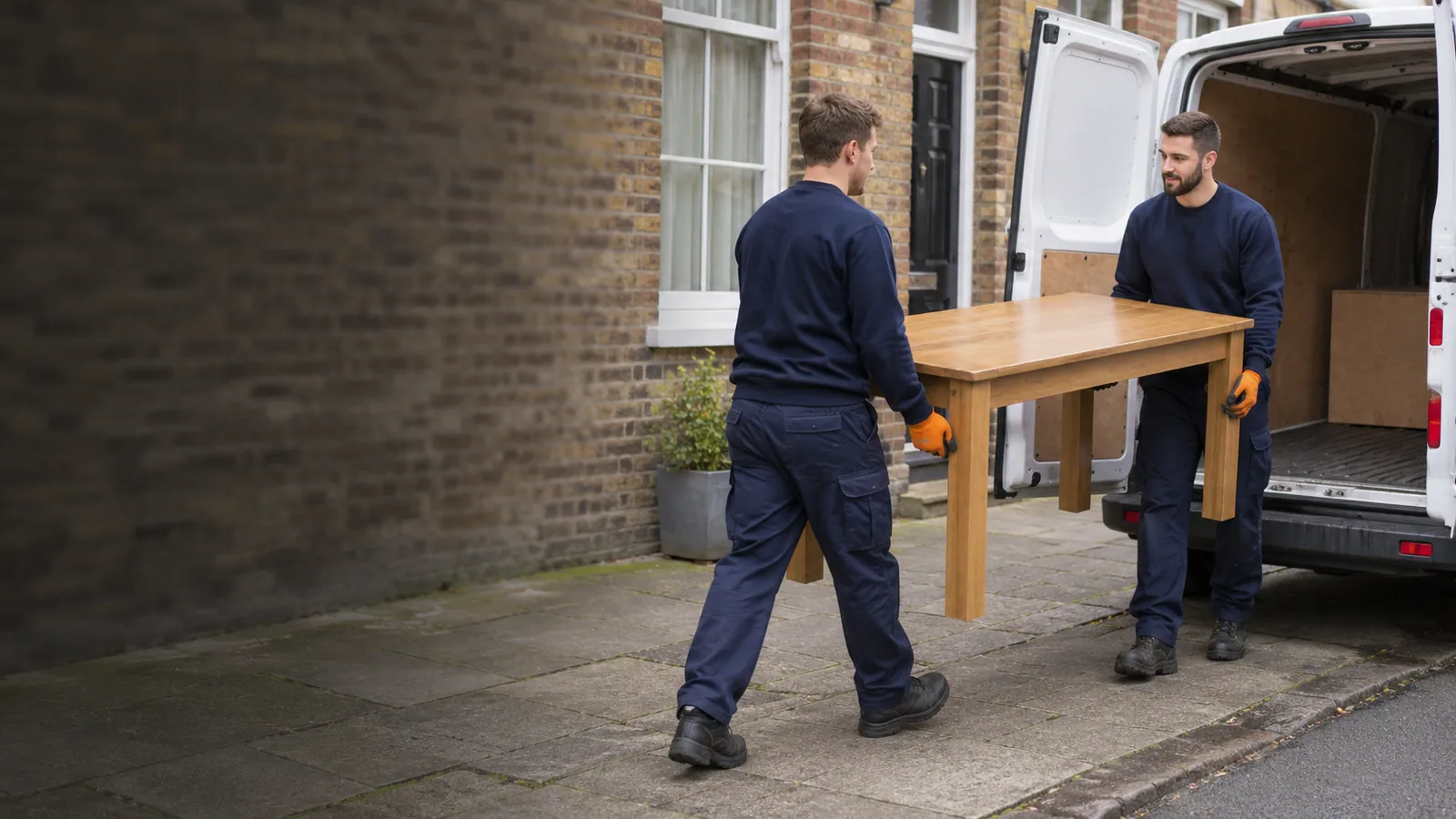
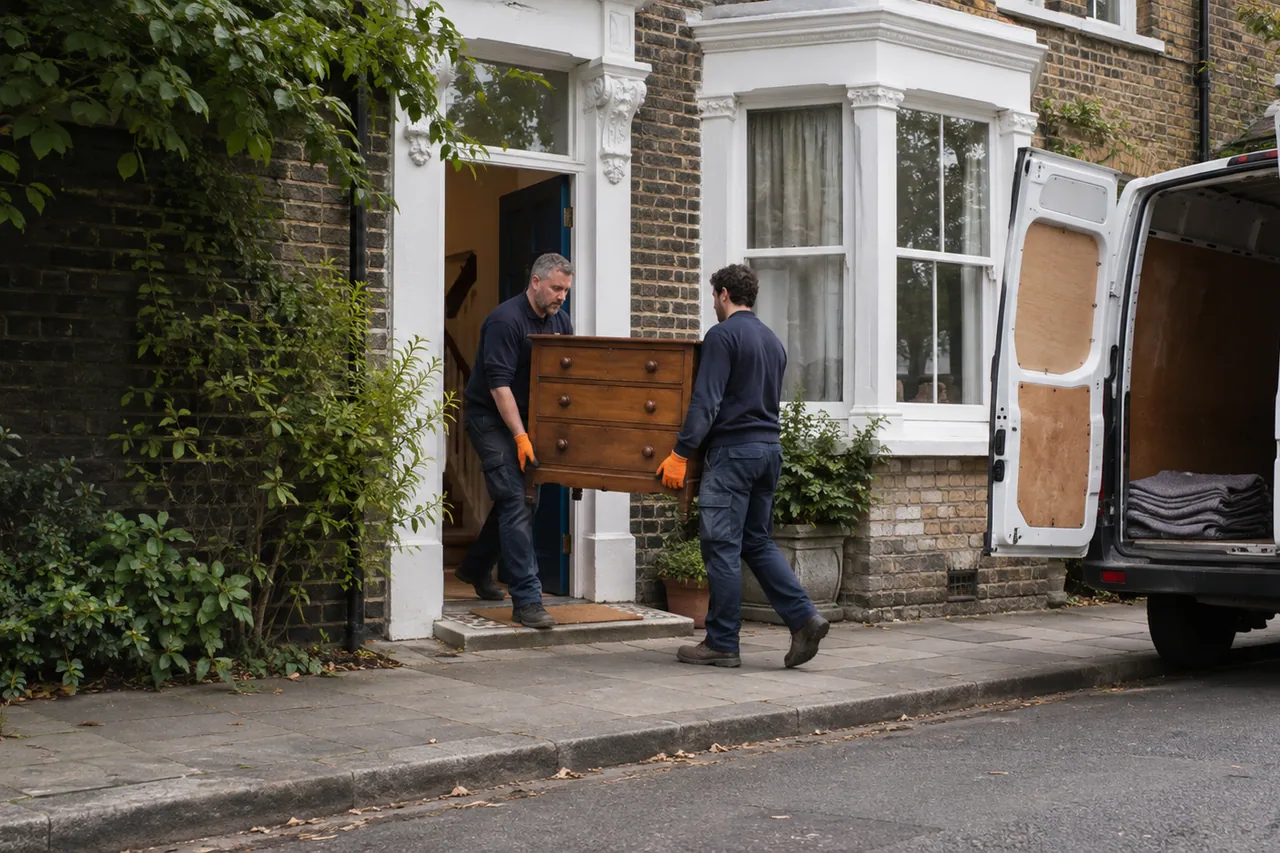
The request can identify a particular piece while the rest of the room remains in use. Describe its dimensions, current assembly and components leaving, with retained furniture distinguished. The team connects that selection with the collection floor and route to loading before discussing acceptance, the quote and available arrangements rather than assume a whole-room load is required.
When does a single-item description need more detail?
A furniture name may cover separate bases, panels or other components, or possessions stored within it. Explain the actual pieces leaving and any additional work requested before carrying. We discuss the complete physical selection rather than assume that the word table, bed or cupboard establishes every part of the load and every task involved in its removal.
A limited collection still has a defined scope
A household may want one table removed while keeping the chairs, or a cupboard taken away while retaining its contents. We establish that boundary rather than infer a complete matching set from the presence of similar furniture. The customer or authorised contact identifies the selected piece and the team discusses the work connected with it.
Our furniture disposal service considers the item in its current form. An assembled unit and several separate parts create different descriptions for carrying and loading. The enquiry also makes any additional task clear before agreement. A limited request is not automatically a room clearance, and a larger load should be described explicitly rather than treated as an unstated extension of the first item.

What the item name includes
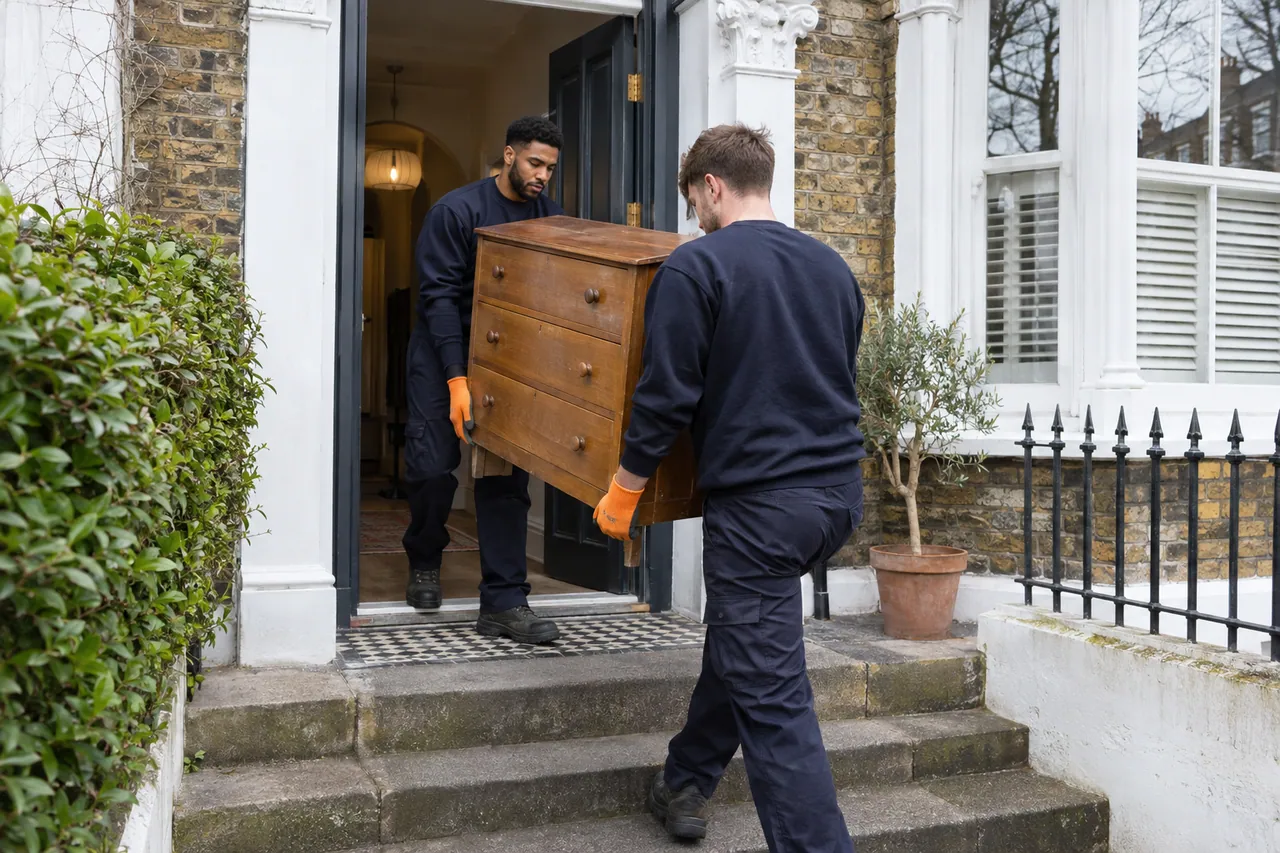
We identify the main furniture body, any accompanying parts and other contents expressly leaving. Approximate dimensions and photos help describe the physical selection. Similar retained pieces or new replacement furniture remain outside that load unless the customer includes them and the team agrees acceptance.
The route belongs alongside the furniture description
We discuss the room and floor holding the item, together with relevant stairs or a usable lift, doorways and turns. A large rigid piece can require a different route description from small containers or a compact chair. The team uses the furniture dimensions and access information together rather than treat either as a complete account on its own.
The practical loading position and distance from the contents are also discussed for the address. Explain the contact able to provide authorised entry and identify the selection. If the item moves or its form changes after the enquiry, update those details so the quote and arrangements remain connected with the work actually requested rather than an earlier position or presentation.
Planning an individual-piece collection
The process identifies the furniture and its full component selection, connects it with access and confirms the work with the team. The visit concerns that agreed scope rather than every item found nearby. Additional furniture or material is reviewed before being treated as included.


Identify the item and its parts
The main piece and accompanying components are listed, with retained furniture and possessions distinguished.

Explain current form and extra requests
Dimensions, assembly and any work before carrying establish the physical task being discussed.

Review the route and quote
The collection location, practical loading and access contact connect the item with carrying and available arrangements.

Carry and take away the selection
The agreed piece and other accepted contents are loaded and transported for appropriate onward handling.
The contents and carrying behind your Rayners Lane enquiry.

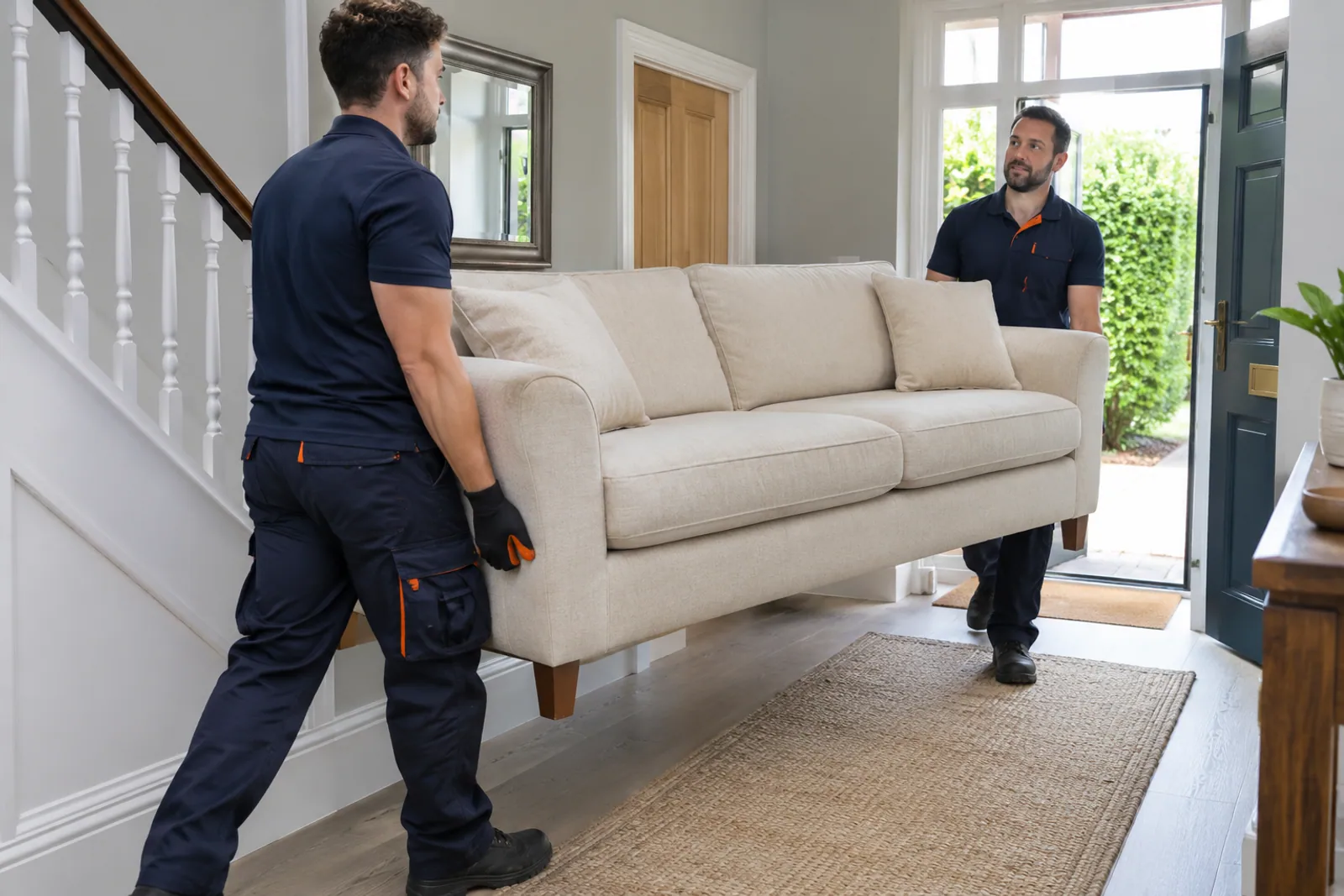
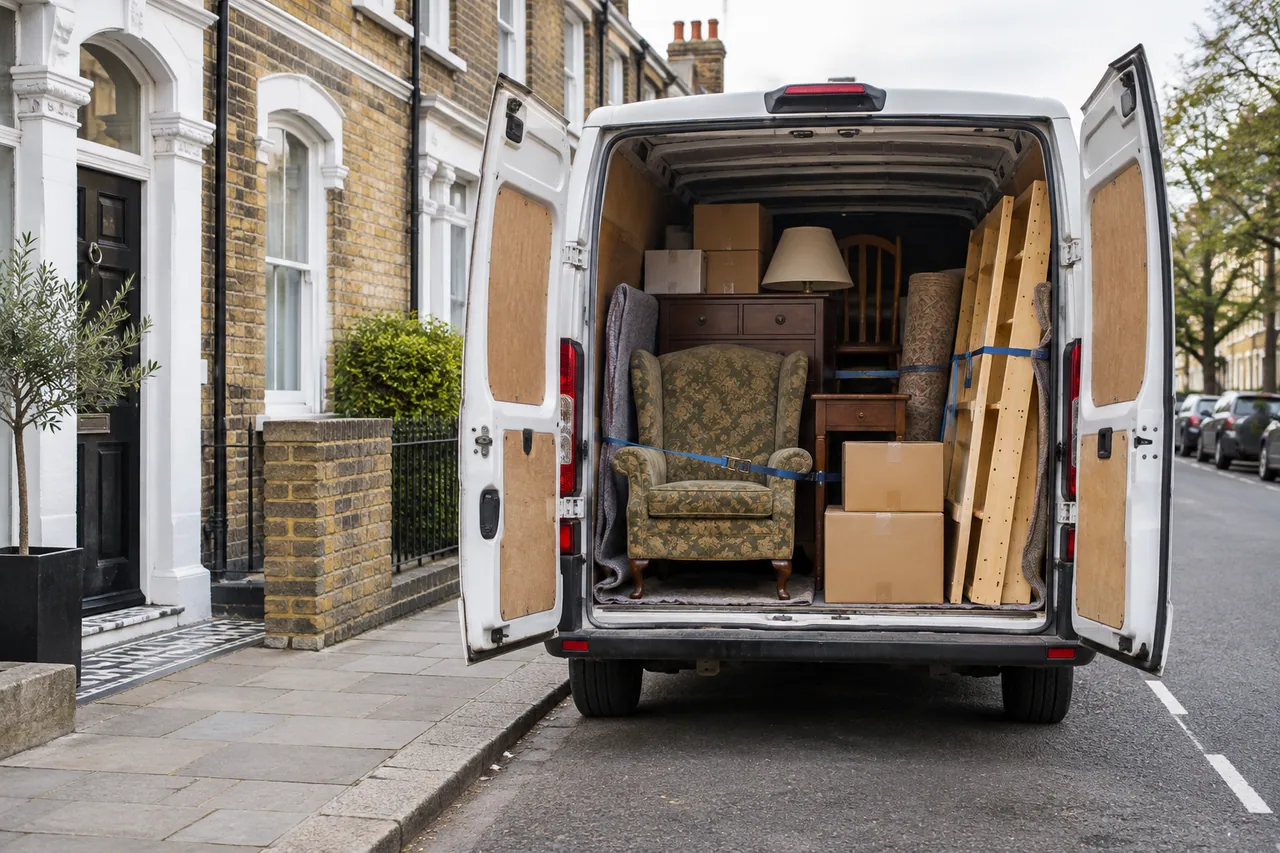
The material groups within the removal.
| Part of the single-item request | Information discussed before collection | What remains a separate choice |
|---|---|---|
| Main furniture body | Type, approximate dimensions, current assembly and location. | Other pieces from a matching set or neighbouring furniture. |
| Accompanying components | Bases, tops, panels or other parts actually leaving. | Components retained by the customer rather than assumed to accompany every item. |
| Possessions held within it | The material and amount of any contents also selected. | Belongings staying when the furniture body itself is unwanted. |
| Other items later proposed | Their material, quantity and collection locations. | An expanded load requiring review rather than automatic inclusion in the initial request. |
Additional work is clarified before agreement
A furniture collection discusses carrying and loading of the described object, but the item may still have connections or require another task before movement. Explain the current condition rather than assume that any preparation is automatically included. The scope should make the request understandable to the customer and access contact before the visit.
| Current furniture condition | Detail established with the team | Boundary of the collection discussion |
|---|---|---|
| Assembled and freestanding | Approximate overall dimensions and route from its location. | The physical piece is described as presented rather than assumed already in parts. |
| Already separated | Component counts, approximate sizes and any parts held elsewhere. | The item name does not conceal an additional unmentioned group. |
| Connected or attached | The connection and work requested before carrying. | Detachment or alterations require clarification rather than silent inclusion. |
| Containing possessions | Which belongings leave and which are retained. | The team does not decide waste status from contents being stored inside unwanted furniture. |
A larger household load can be discussed separately
If more belongings are leaving, the household waste removal information provides the relevant discussion. Additional material needs describing before acceptance, even when it occupies the same room as the first furniture item. Closed containers should explain their main contents and approximate amount.
| Additional contents | Information needed before acceptance | Relationship to the first item |
|---|---|---|
| Other furniture | Piece counts, dimensions, assembly and collection locations. | A matching or nearby unit becomes an addition to review, not an implied part of one item. |
| Domestic bags or boxes | Main contents, quantity and anything hidden from photographs. | Containers are understood by their materials rather than outside appearance alone. |
| Electrical devices | Types and any requirement beyond physical removal. | Equipment handling and technical or data services are clarified separately. |
| Project or outdoor material | Actual waste groups and approximate amount. | Acceptance is discussed rather than assumed within ordinary furniture removal. |
Rayners Lane orientation and the wider property service
The mapped Rayners Lane centre is in Harrow, with HA2 and HA5 as indicative nearby postal districts. Give the complete postcode and premises address to identify the collection location. Those references do not establish the internal route or practical loading position of an individual property.
Our house clearance service explains the wider domestic scope where more rooms and contents are involved. The additions should be listed rather than assumed within the original single-piece enquiry. Following carrying and loading, the accepted waste is transported for appropriate onward handling, with recycling or reuse pursued where suitable to the materials and available route. Any particular record or additional requirement should be raised before agreement with the team.
What the quote describes
We discuss the accepted selection, physical amount and work of carrying and loading. An item label is a starting point, not a complete description of components or access. Changes are reviewed before the first quote is treated as covering a different presentation or larger load.
| Information connected to the quote | What it explains about removal | Update to clarify before collection |
|---|---|---|
| Item and components | The main furniture and every accompanying part expressly leaving. | Further parts, another piece or retained possessions newly included. |
| Size and present form | Approximate dimensions, assembly and any extra task requested. | A changed presentation or additional preparation requirement. |
| Other accepted material | The contents and amount of additions to the first item. | Another material category or unmentioned containers added later. |
| Access arrangements | Starting point, route, loading and authorised contact. | Furniture moved elsewhere or entry and timing revised. |
Rayners Lane: collection location and area map.
Map of Rayners Lane
Load the interactive area map from OpenStreetMap. This connects your browser to the map provider.
Open map in a new tab ↗ © OpenStreetMap contributors
Area orientation only. This map does not mark a company office or a confirmed loading point.
Rayners Lane collection questions
Can the table leave while its matching chairs stay?
Yes, identify the table as the selection leaving and distinguish the retained chairs. Explain the table’s current form, dimensions and any components included. The team discusses carrying and loading for that piece rather than assume the whole dining set is unwanted. Further furniture should be described before being treated as part of the accepted scope.
Does one furniture item always mean one physical piece?
Not necessarily. A label can describe several bases, panels or other components, particularly when furniture has been separated. List the parts actually leaving and their approximate sizes, including anything stored elsewhere. We discuss the physical load rather than rely only on the original item’s name, with additional work clarified before agreement.
Can belongings inside the unit be retained?
Yes, distinguish the furniture body from its contents. Tell the team which possessions stay and describe any material also leaving. A furniture collection does not automatically authorise disposal of everything held inside. The access contact should understand the same selection so the team carries and loads according to the customer’s request rather than assumptions about stored belongings.
Does the item quote include taking attached parts off?
Explain any connection and work needed before carrying. Additional dismantling, detachment or alterations are clarified before agreement rather than assumed within a furniture label. The team discusses the current form, dimensions and requested task so the scope and quote relate to how the item will actually be presented for the visit.
Can more household rubbish join the same visit?
Describe the additions, materials, amount and locations to the team before treating them as included. More contents can change the accepted load and carrying even where they stand beside the first item. We review any effect on the scope or quote so the collection reflects the updated request rather than an earlier single-piece description.
Do HA2 and HA5 define the exact collection address?
They provide broad orientation around the mapped Rayners Lane reference. Give the full postcode and premises address, including entry and collection-location details. The team discusses access, practical loading and available arrangements for the actual property. A postcode district or area map does not reserve a slot or explain the route from the furniture to the vehicle.
Arrange your Rayners Lane collection.
Discuss the unwanted items, full postcode and route to the vehicle with the collection team.
Discuss your Rayners Lane collection
Open our booking form to arrange your collection.
Continue to our booking form to confirm your items and contact details.