
SOUTHGATE COLLECTIONS
Rubbish Removal in Southgate
We arrange rubbish collections from Southgate properties for the contents described in your enquiry. This guide explains an outdoor-equipment request: unwanted hand tools, portable devices and loose accessories, with useful equipment and plant material distinguished before the team discusses acceptance, carrying, loading and an available removal visit.
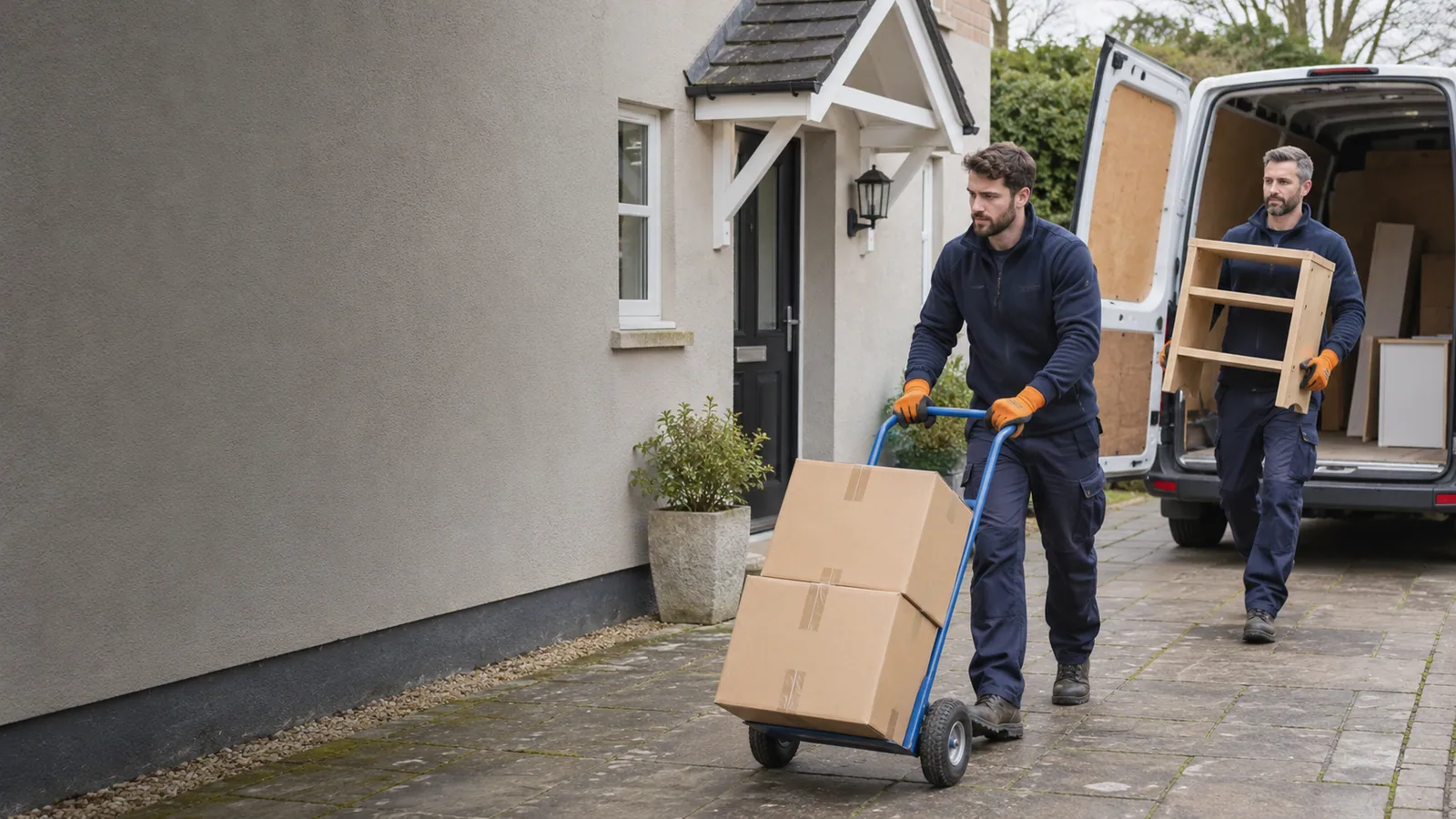
Southgate collections, explained.
Are unwanted garden tools described as green waste?
They need their own item and material description. Tools, portable equipment, plant cuttings and soil are different parts of a proposed load even when stored together outside. Explain the objects and quantities selected, with any electrical, liquid-containing or unfamiliar equipment raised specifically so the team can clarify acceptance and the collection arrangement before agreement.
Can working tools remain while selected equipment leaves?
Yes. The organiser identifies which objects are unwanted and which stay, including separate accessories or parts. We discuss a limited removal around that selection rather than decide equipment’s usefulness from its age or appearance. The person providing entry should be able to identify the described group without treating the whole garden store as waste.
Identifying tools, equipment and loose accessories
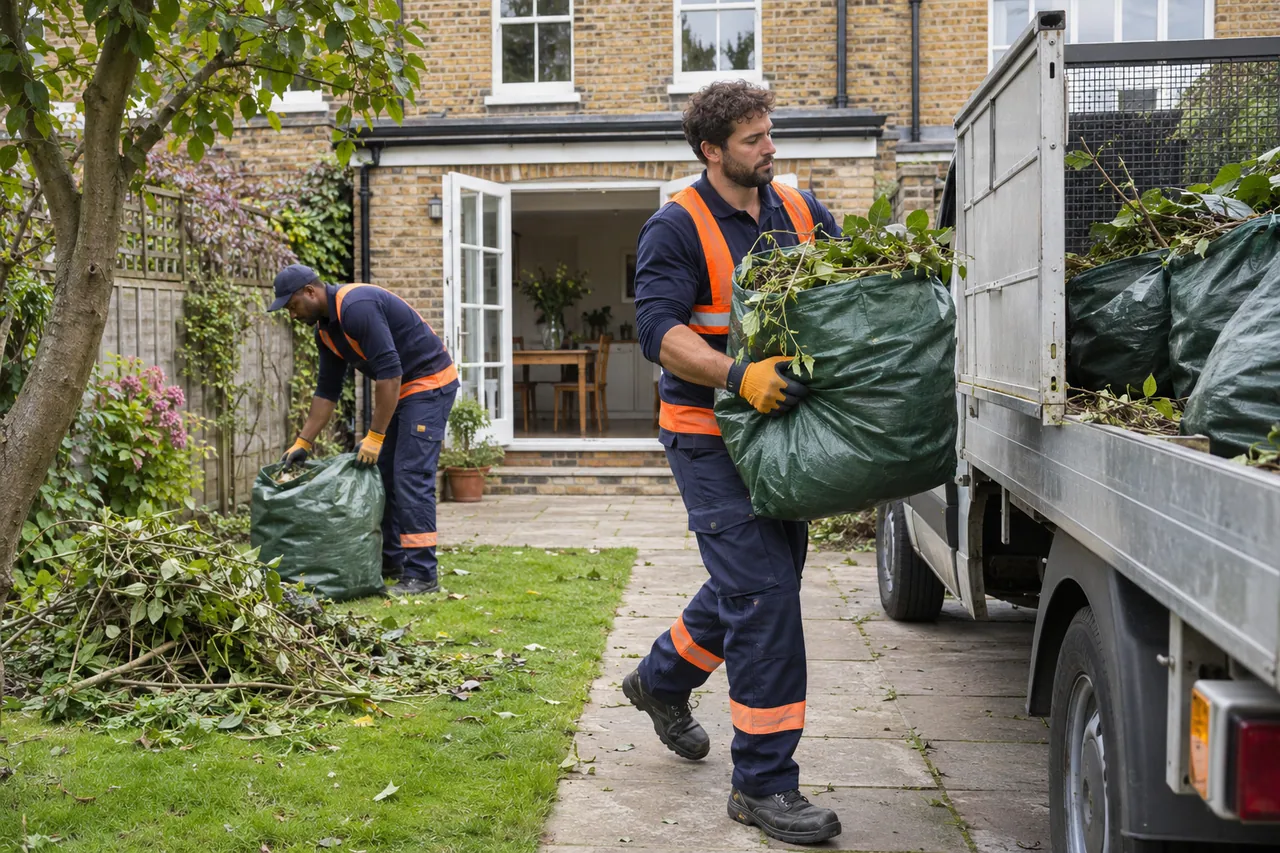
The enquiry explains item types, approximate quantities and the form in which they will be presented. A complete piece of equipment and detached parts are not the same physical inventory. Photographs help show the whole selection, while the organiser describes accessories stored in a different container and any unfamiliar material that needs a specific acceptance discussion.
| Proposed equipment group | Information discussed | What the removal description identifies |
|---|---|---|
| Hand tools | Object types, approximate amount and the particular group selected. | An identifiable load rather than every tool in the garden or storage area. |
| Portable electrical equipment | Device types, quantity and any additional requirement. | Electrical objects described separately from green material or ordinary loose household items. |
| Equipment with separate parts | Current assembly, loose components and what accompanies the main unit. | The physical contents actually presented rather than an assumed complete original set. |
| Accessories in containers | Main contents and which boxes or groups also leave. | The selected loose load rather than retained supplies or unknown material nearby. |
An equipment selection within an outdoor clear-out
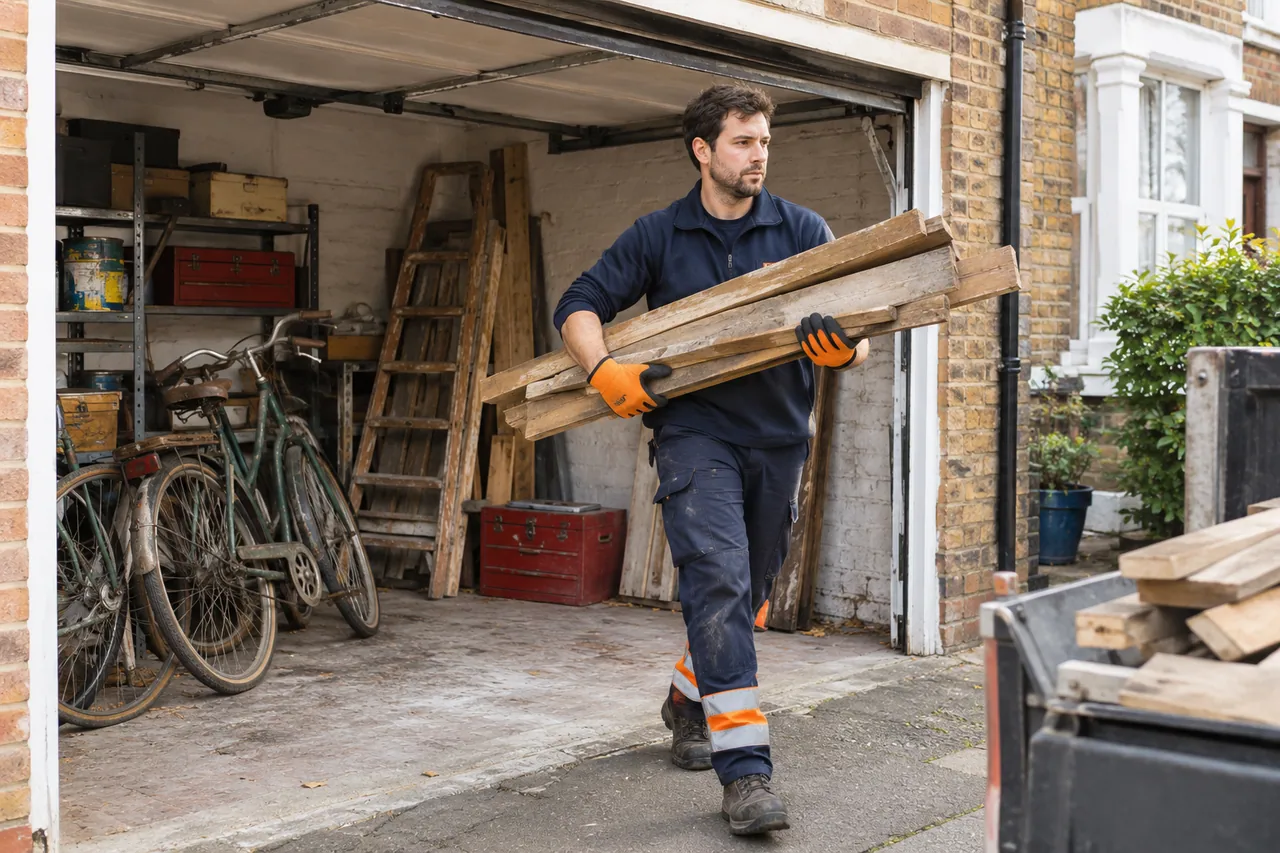
The removal starts with the actual objects proposed, not a general assumption that everything in a garden or store is the same material. A few tools, a portable electrical unit and loose parts create different descriptions from bags of cuttings. We discuss each group and its current location so the quote can reflect the contents and carrying work requested.
Our garden clearance service provides the broader outdoor context. The organiser distinguishes the contents leaving from working equipment, useful supplies and possessions awaiting another use. Any requirement involving the store or garden structure itself is raised separately rather than inferred from collection of the objects kept inside it.
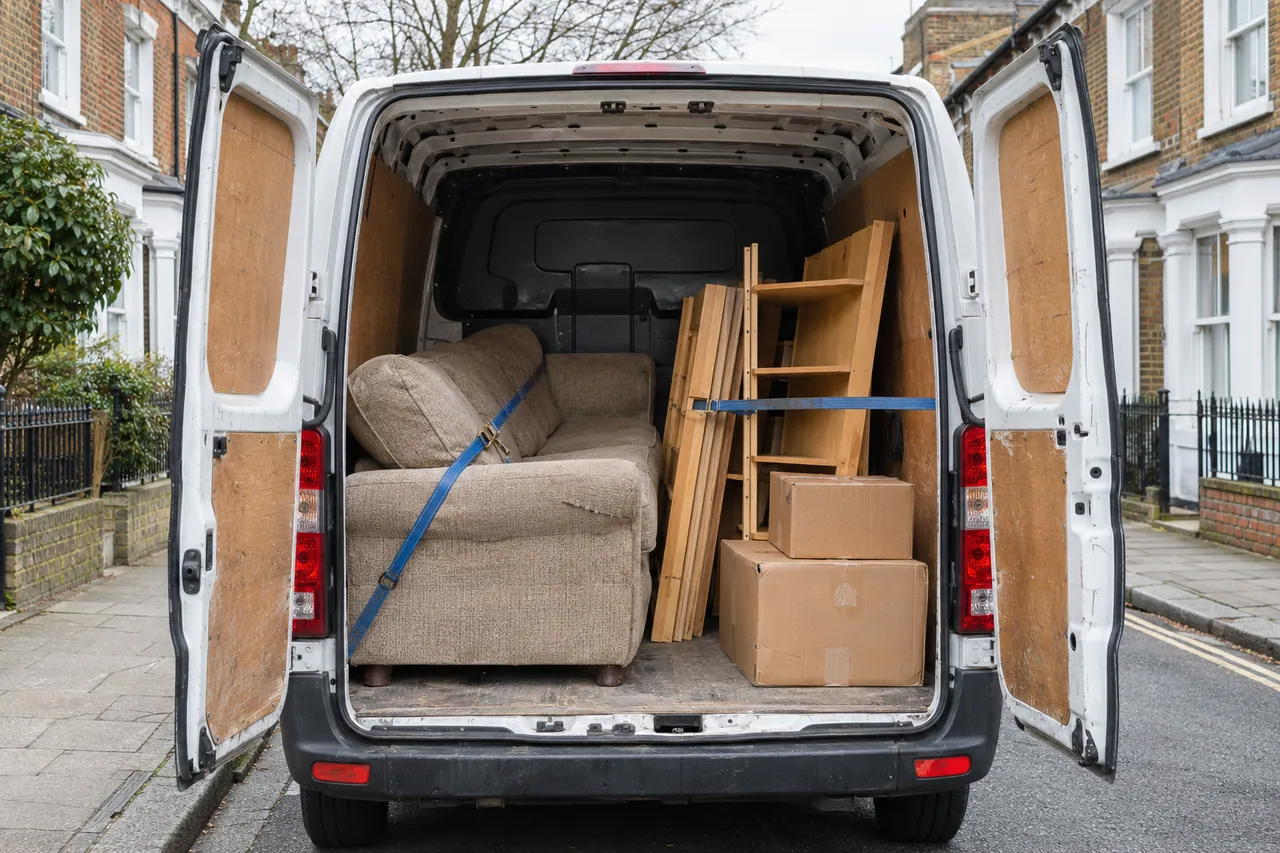
Material questions clarified before acceptance
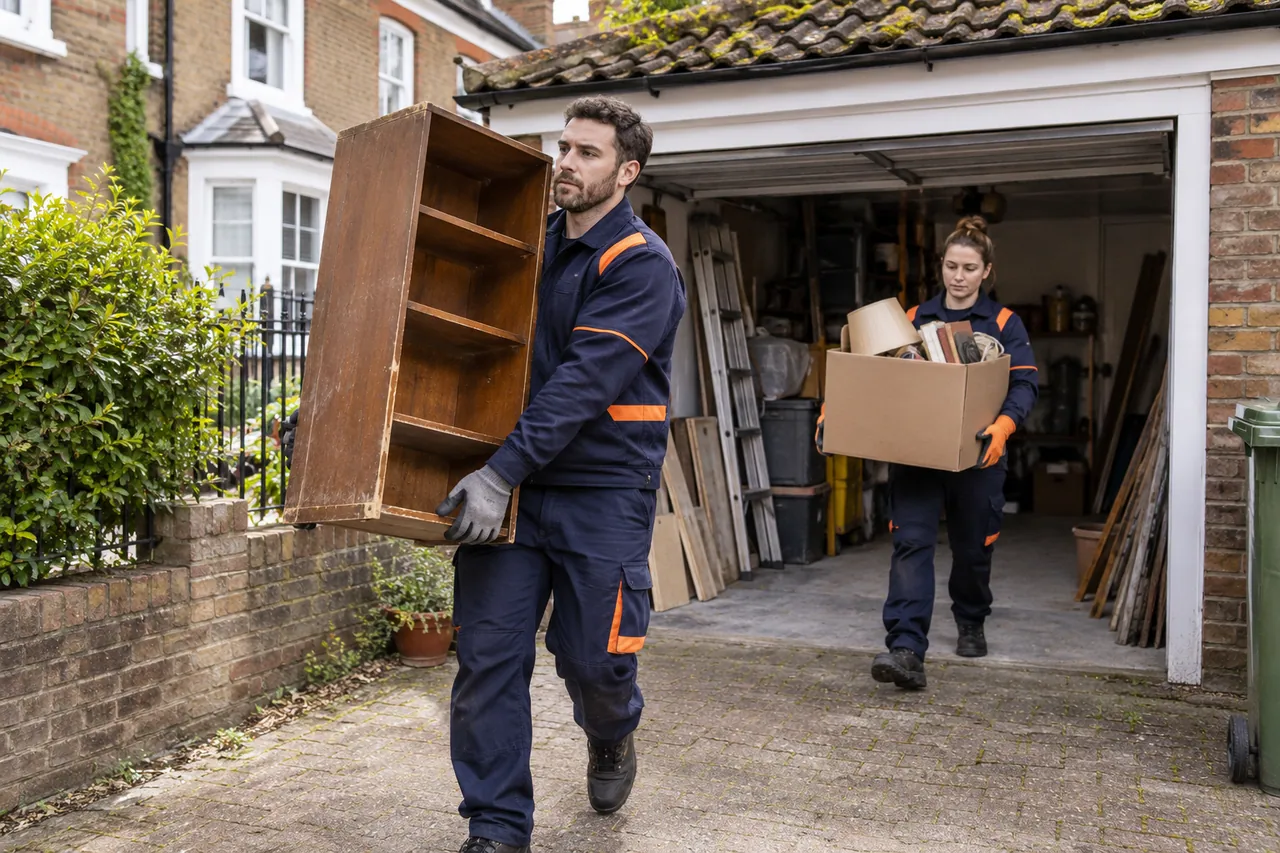
We discuss the actual contents, including anything held within equipment or containers. A closed tin, bottle or device does not establish suitability for ordinary mixed rubbish. Where the organiser is unsure about an object or knows it has an additional material requirement, that is raised during the enquiry rather than left inside a general garden-waste description.
The team clarifies acceptance and scope before confirming a visit. The customer should understand what physical contents and work have been agreed, including any additional technical requirement. Describing equipment as broken does not itself establish repair, dismantling, disconnection or another task beyond carrying and loading.
Our household waste removal page explains the wider service for accepted domestic contents, including separately identified equipment. Different categories can be raised together while their materials and additional requirements remain clear in the enquiry.
| Question about the proposed contents | Information supplied | What is clarified before inclusion |
|---|---|---|
| Is equipment electrical? | Device type and the complete units or parts selected. | Its own acceptance and any extra service requirement rather than ordinary green-waste handling. |
| Are liquids or other contents present? | What is known about the contents and any uncertainty. | Suitability is discussed rather than inferred from the equipment’s storage location. |
| Are containers unidentified? | Main contents where known and the specific point needing clarification. | Unknown material is not hidden within a general tools or garden-load label. |
| Is extra work expected? | The task requested beyond carrying and loading. | Repair, alteration or technical work is clarified expressly before agreement. |
Useful equipment and stored supplies stay separate
The organiser chooses what is waste. Working or retained tools may share a shelf with unwanted equipment, while accessories can remain useful after the main item is discarded. We identify those choices in the inventory. Similar appearance or a shared container does not mean every object belongs to the same removal group.
This is particularly important when the entry contact did not select the contents. We discuss who can identify the equipment leaving and which nearby possessions stay. The team should not be asked to decide whether an old object works, whether a spare part is useful or whether unlisted supplies should be added merely because they are visible at the collection location.
| Relationship in the storage area | Selection explained | Boundary maintained for collection |
|---|---|---|
| Unwanted unit beside working equipment | Which particular objects leave and which stay. | The removal does not become an assessment of usefulness or condition. |
| Main item leaving, accessories retained | The parts kept and the objects included. | A complete original equipment set is not assumed necessary for disposal. |
| Loose parts leaving independently | Component types and approximate amount. | Working equipment is not included merely because it originally used those parts. |
| Other stored supplies nearby | Whether any are also selected and their main materials. | A tools request does not authorise unrestricted clearing of the store. |
Other outdoor contents in the same enquiry
The load may also include garden furniture, plant material or household belongings temporarily stored outside. Those receive separate descriptions. Plant cuttings and dense soil are not part of an equipment count; a discarded table has its own size and assembly. The organiser explains the complete request so the quote represents more than its most visible item.
For storage-area contents, our garage clearance information gives the relevant additional context. The collection still concerns the accepted objects, not dismantling a building or making decisions about everything in it. Any expectation of structural or other additional work is raised specifically before agreement.
Carrying from the equipment’s present location
We connect each collection group with the route towards loading. The discussion covers the current storage point, entrance, doors, turns and changes in level relevant to that premises. If items are held in more than one area, identify each starting point. The actual object form and dimensions are considered with that route rather than assume all garden equipment is compact or held beside vehicle access.
The enquiry explains any expectation of dismantling or alteration before the contents can move. We clarify work beyond carrying and loading in advance. If the organiser moves the equipment, separates parts or regroups containers after the initial description, update the team so the quote remains connected with what will be presented for collection.
Arranging the outdoor-equipment removal
The team discusses materials, quantity and the premises route before explaining the quote and confirming an available visit. The organiser identifies retained equipment and the entry contact. A preferred collection date starts the availability discussion; it does not reserve an appointment or establish acceptance of unspecified contents automatically.

Identify the equipment selected
The organiser lists tools, portable devices and accessories leaving, distinguishing working equipment, useful parts and supplies retained at the property.

Clarify contents and requirements
Electrical items, containers and any liquid-containing or unfamiliar material are explained, with additional work raised before acceptance and scope are agreed.

Connect the load with access
Current locations, form and the route to loading are considered with the quote, then an available collection is confirmed with the premises contact.

Remove the described group
The accepted objects are carried, loaded and taken away for appropriate onward handling according to the identified material streams.
The contents and carrying behind your Southgate enquiry.

The Southgate location and changes to the request
The map centres on Southgate in Enfield, with N14 an indicative nearby postcode district. Provide the full collection address, postcode and entry contact, plus the locations holding the proposed load. That information connects availability with the property and carrying work involved.
| Change before collection | Updated detail discussed | What the team reviews |
|---|---|---|
| More equipment added | Item types, quantity, present form and any particular concern. | Acceptance and the wider physical load beyond the first inventory. |
| Accessories selected or retained | Current loose parts and container contents. | The objects actually authorised to leave. |
| Green material or furniture added | Separate descriptions, amounts and collection locations. | Different waste streams and further carrying rather than automatic inclusion with tools. |
| Contents moved elsewhere | New starting points and the remaining route to loading. | The premises work required for the actual visit. |
Appropriate onward handling is arranged for the accepted material, with recycling or reuse pursued where suitable to the contents and available route. The agreement remains a defined collection rather than unlimited disposal of future garden or storage contents discovered after the quote.
Southgate: collection location and area map.
Map of Southgate
Load the interactive area map from OpenStreetMap. This connects your browser to the map provider.
Open map in a new tab ↗ © OpenStreetMap contributors
Area orientation only. This map does not mark a company office or a confirmed loading point.
Southgate collection questions
Is a tool counted as plant waste because it is kept in a garden?
No. Describe the object and its principal materials separately from cuttings or other green material. The team discusses acceptance for the contents actually proposed. Their storage location does not establish a shared handling arrangement, so tools, devices and any accompanying plant waste remain identifiable parts of the load.
Can accessories stay when an unwanted unit leaves?
Yes, explain that selection and identify the parts being retained. The household chooses what is waste; disposal of one object does not require removal of every component once associated with it. The collection inventory should show the objects leaving and the accessories staying at the property.
What if equipment contains a substance I cannot identify?
Raise the uncertainty before agreement and explain what you know about the object and contents. A closed device or container does not establish suitability for an ordinary mixed load. The team clarifies acceptance specifically rather than the material being included automatically within a broad garden-clearance description.
Does removal include repairing or testing the equipment?
Repair, testing or other technical work is not inferred from the collection request. Describe the current objects and any additional service you want to discuss. The team clarifies that requirement separately from carrying and loading the accepted contents before the scope and an available visit are confirmed.
Can the team decide which old tools are still useful?
The organiser makes that choice. Identify the group leaving and distinguish working, retained or undecided equipment. Age and appearance do not authorise disposal, so the person providing entry should be able to explain the selection rather than ask the team to decide the usefulness of surrounding possessions.
Can another storage area’s contents join the same collection?
Describe the additional objects, main materials, quantity and route from that location. Another area can change acceptance and carrying even within the same property. The team reviews that update against the original request before considering it included, rather than treat the first quote as unrestricted clearing of all storage.
Arrange your Southgate collection.
Discuss the unwanted items, full postcode and route to the vehicle with the collection team.
Discuss your Southgate collection
Open our booking form to arrange your collection.
Continue to our booking form to confirm your items and contact details.