

TOOTING COLLECTIONS
Rubbish Removal in Tooting
We arrange rubbish collections from Tooting homes and business premises. This guide explains a workplace furniture request involving freestanding screens or movable partitions: identifying the units, bases and other parts leaving, distinguishing installed fittings and retained workstations, and agreeing the carrying and loading needed for the collection.
Tooting collections, explained.
Can you discuss removal of freestanding office screens?
Yes. Describe the units, approximate dimensions and current assembly, including separate feet, bases or connecting parts requested for removal. We discuss the objects as they will be presented at the premises. If a screen is attached to furniture or the building, explain that requirement separately before the collection scope and quote are agreed.
Does a partition collection include removing installed walls or fixtures?
A request for movable furniture does not itself include work to the building. Explain whether the objects are freestanding, linked to other furniture or installed, and what additional work is being requested. We clarify that scope before agreement so carrying and loading the described contents is distinct from alteration or detachment at the premises.
Movable furniture defined independently of the room layout
Our collection discussion starts with the actual units selected to leave. Freestanding screens may stand beside working desks, seating and other furniture that the business is keeping. The organiser identifies the unwanted units and the parts included with them rather than treat a whole work area as the removal. That gives the entry contact a clear selection to present at the visit.
Our office clearance service provides the relevant service context. A limited screen collection can remain separate from a wider office clearance. If the business also wants desks, chairs or other contents removed, those are listed as additional groups, with their own quantities and locations. The furniture forming the room layout should not be confused with fixtures that require work to the premises before they can leave.
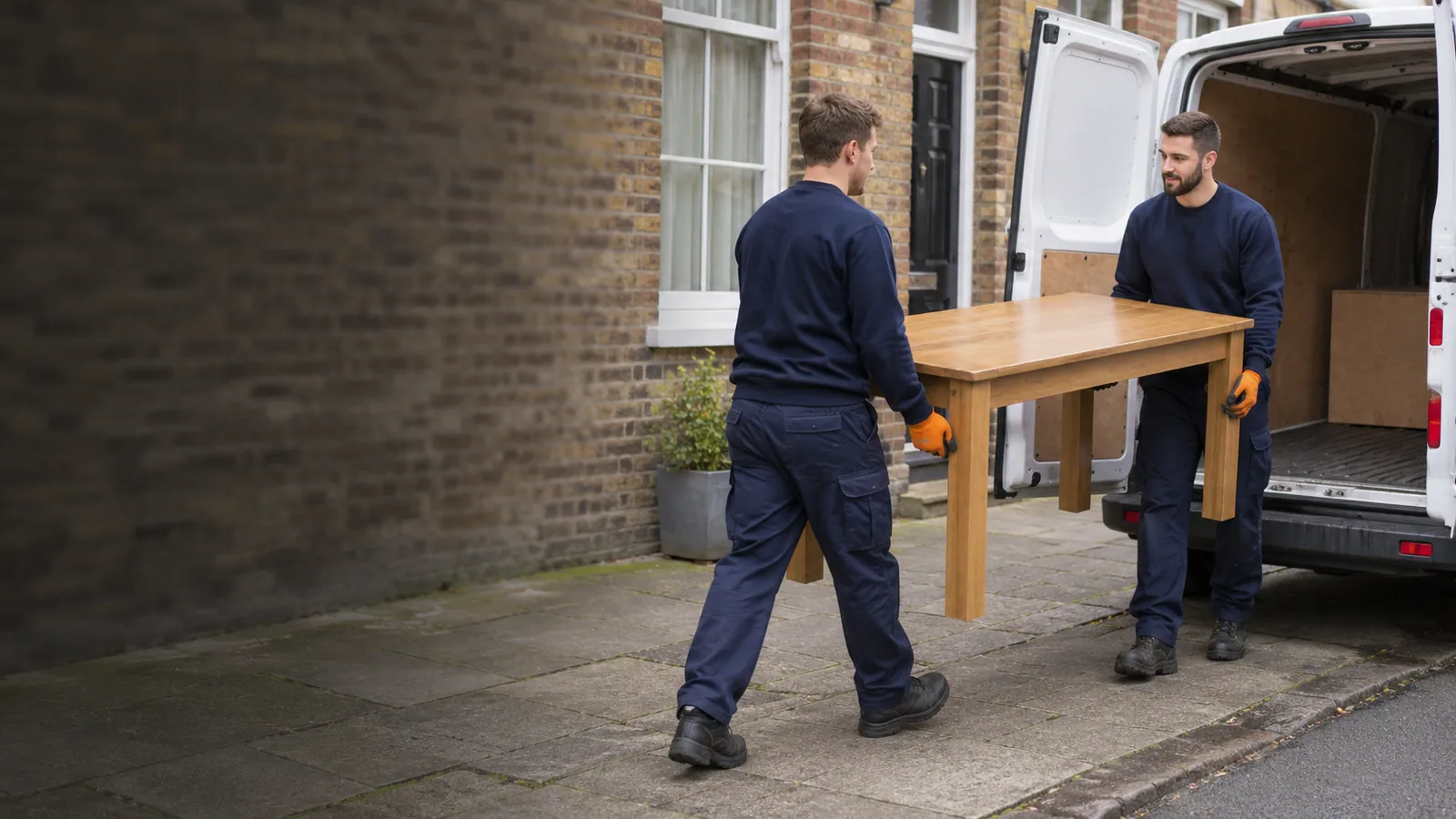
Units, bases and connectors in the inventory
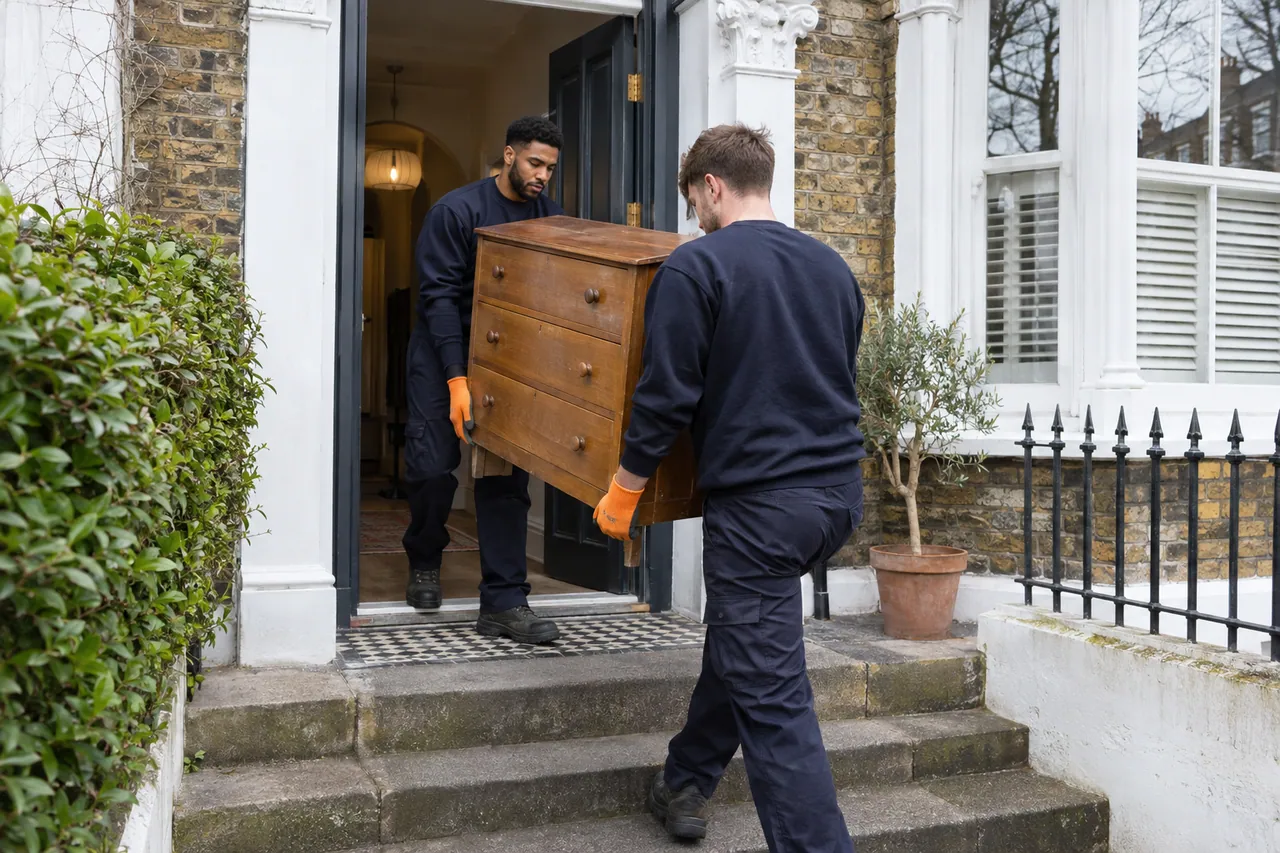
The current form matters. An intact freestanding unit and a stack of panels with separate bases create different objects to carry and load. We discuss counts, approximate dimensions and where the parts are held. Photographs of the complete selection help identify loose components that might not be visible from a picture of the former office arrangement.
Establishing what is freestanding and what is attached
A screen description should explain whether the unit stands independently, is linked to another unit or is attached to a workstation or building. These are scope questions, not facts we assume from the name partition. We discuss additional work before agreement where an object is not already available to carry. The collection description should be clear about what removal work is being requested.
| Present arrangement | Information clarified | Boundary of the collection discussion |
|---|---|---|
| Independent movable screen | Whether the complete unit and its support parts are selected. | The request concerns the identified freestanding furniture. |
| Linked freestanding group | How the group is currently presented and any separation already carried out. | The physical contents and any additional requirement are understood before quoting. |
| Screen attached to furniture | What it is connected to and what work the organiser expects. | Detachment is clarified rather than inferred from ordinary carrying and loading. |
| Installed partition or fitting | Whether it forms part of the premises and the task being requested. | Building alteration is distinct from a collection of movable contents. |
Where a larger furniture group is included, our furniture disposal information explains the service context for those pieces. Working desks and other retained assets stay outside the removal unless they are specifically listed and accepted. The team does not decide that they should leave merely because a nearby screen is unwanted.
Describing the route for broad or tall objects
Screens can present width and height as well as an overall item count. We discuss approximate dimensions alongside the route from their current location to loading. Relevant doors, turns, stairs or a usable lift and the entrance are included in the premises description. That lets the carrying work be considered for the actual units rather than assuming every work area offers the same movement route.
The organiser raises any expectation of dismantling, cutting, detachment or other additional work before the quote is agreed. A collection should not depend on an unspoken plan to change a difficult object to suit the route. If panels have already been separated, describe their current form. If the load moves to another floor or store before the visit, the updated route is discussed with the team.
Materials and other office contents accompanying the screens
We identify the construction as part of the proposed load: framed panels, upholstered or fabric-faced pieces and separate rigid support components can be described in their current form. The collection discussion concerns physical carrying and removal, with appropriate onward handling for the materials. It does not require an assumption that the team will dismantle each object into material fractions at the premises.
| Other contents in the request | Information supplied | Distinction from the screen units |
|---|---|---|
| Desks or chairs | Item counts, dimensions and the pieces selected to leave. | Additional furniture forms its own group rather than being included by proximity. |
| Electrical equipment | Device types, quantity and any additional requirement. | Equipment remains a separately described waste stream, not a furniture component by assumption. |
| Loose office belongings | Main bag or box contents and the approximate amount. | Retained records, stationery and business possessions remain distinct from the waste selection. |
| Packing material | Principal materials and the extent of the pile or containers. | The complete load can be discussed without concealing other contents beneath a packaging label. |
Our commercial waste collection information is useful where several business waste categories are involved. A one-off removal and a recurring collection requirement are discussed separately, so the current screen load does not create an assumed future waste schedule.
Connecting the selection with the access organiser
The person opening the premises needs to understand which units and loose parts form the removal. We discuss the selection and locations with the organiser before the visit is confirmed. Similar units in another room may be retained, and spare support parts in storage may still be useful. The collection proceeds against the described scope rather than a fresh decision about the business’s room layout.
If the organiser is arranging removal on behalf of another business or property contact, the collection address remains distinct from their own contact address. Give the full premises postcode and relevant building or occupier details. The map centres on Tooting in Wandsworth, with SW17 an indicative nearby district, while the complete address identifies the premises where the contents are held.
A screen-furniture collection in four stages
We bring the physical inventory and premises arrangements together before discussing acceptance, the quote and an available visit. The request should explain the furniture’s present form and any additional task clearly enough for the customer and team to understand the same removal. A preferred collection date is an enquiry detail until a visit is confirmed directly.


Identify the units leaving
The organiser lists freestanding screens, loose panels and support parts selected for disposal, distinguishing retained furniture and useful spare components.

Clarify attachments and presentation
We discuss whether units are independent, linked, already separated or attached, with any work beyond carrying and loading raised expressly.

Agree the route and quote
Dimensions, collection locations and the path towards loading are considered before the team confirms the scope and an available visit.

Remove the described furniture
The listed units and other accepted contents are carried, loaded and taken away for appropriate onward handling according to their materials.
The contents and carrying behind your Tooting enquiry.
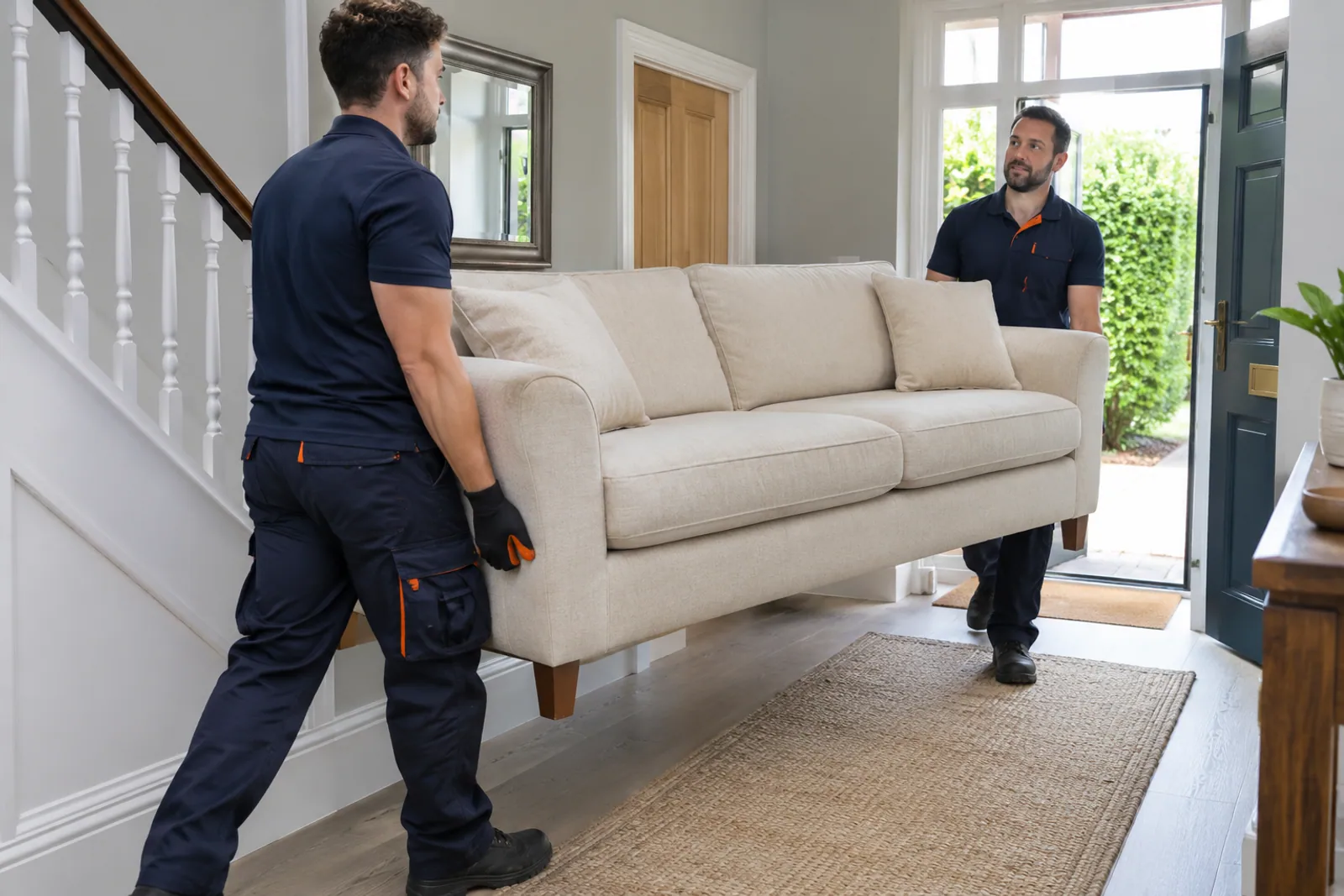

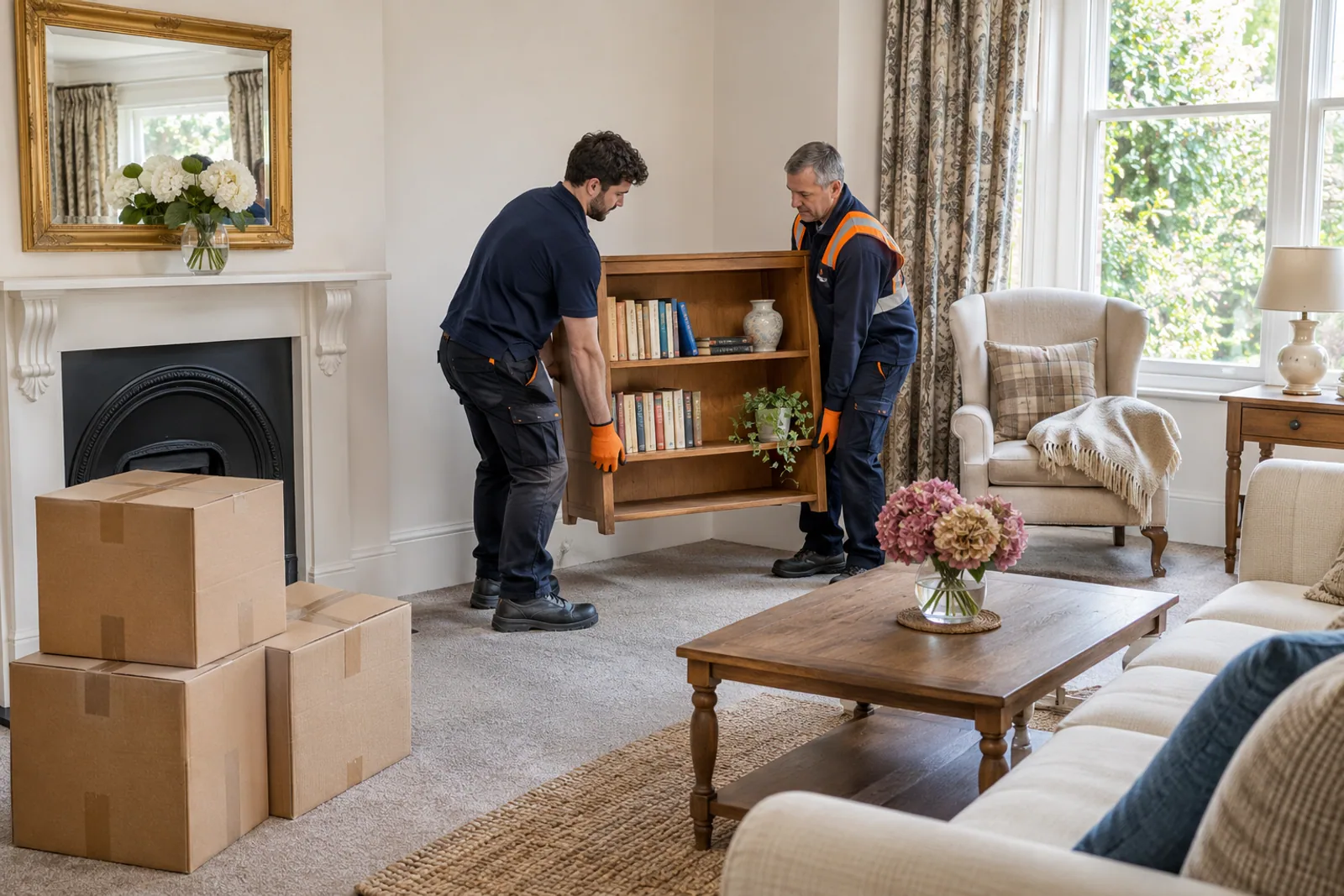

The material groups within the removal.
| Screen-related selection | Description discussed | What is identifiable for collection |
|---|---|---|
| Freestanding units | Number, approximate height and width, construction and present location. | The whole units selected rather than every divider visible in the workplace. |
| Panels already separated | Panel counts or extent, dimensions and how they are currently grouped. | The material actually presented rather than a previous assembled layout. |
| Loose bases or feet | Quantity, size where relevant and whether they accompany particular panels. | Separate components are included expressly instead of being assumed from the unit count. |
| Connectors and other parts | The parts selected for removal and their storage locations. | Retained spares or components still in use are distinguished from waste. |
Keeping the quote aligned with the current request
The amount, construction and carrying work inform the collection quote. Adding a further room of screens or discovering separate bases changes the description, even if the original unit count seemed complete. The team reviews updates before considering them part of the same agreement. The result is a practical removal scope that the organiser can compare with the contents prepared for collection.
| Change before the visit | Updated details discussed | What the quote review addresses |
|---|---|---|
| More units added | Number, dimensions and their collection locations. | The revised amount and any additional carrying from another area. |
| A group separated into parts | Current panel, base and component quantities. | The objects now presented instead of the former assembled arrangement. |
| An attachment discovered | What is fixed or connected and the further work requested. | Scope clarification before detachment is treated as included. |
| A different route needed | Current starting point, floor and usable path to loading. | The premises work remaining when the collection takes place. |
Tooting: collection location and area map.
Map of Tooting
Load the interactive area map from OpenStreetMap. This connects your browser to the map provider.
Open map in a new tab ↗ © OpenStreetMap contributors
Area orientation only. This map does not mark a company office or a confirmed loading point.
Tooting collection questions
Can loose panel feet be collected even if the panels are staying?
That selection can be discussed. Identify the support parts leaving, their quantity and present location, while making clear that the panels are retained. The collection concerns the described components rather than an assumed complete furniture system, and the team clarifies acceptance and the carrying work before agreement.
Does the word partition mean that building removal work is included?
No. Explain whether the object is movable furniture, linked to other furniture or installed as part of the premises. Work to detach or alter the building needs separate clarification. The agreed service should distinguish carrying and loading identified contents from any additional task being requested.
What if the screens were linked when photographed but are now separate?
Update the team with the current panels, bases and other components included. The physical load may differ from the former room layout even when the original furniture is the same. We discuss the collection around the objects actually presented and the carrying route from their current locations.
Can matching units remain in another part of the office?
Yes. Identify the removal group and the units staying, with somebody able to explain that selection at the premises. Similar appearance or a shared room layout does not authorise removal of all matching furniture. The inventory should make the limited selection clear before the visit is confirmed.
Is furniture removal also an electrical disconnection service?
Any work involving connected equipment needs specific clarification before agreement. List electrical devices separately and explain what you are requesting. A collection of screens or other furniture does not by itself establish technical work, disconnection or additional services that have not been discussed with the team.
Can a second office’s screens be added under the same quote?
Describe the further contents, address if different, and carrying route before considering them included. Another collection area or premises can change both the load and visit arrangements. The team reviews that request rather than treating the first removal quote as covering unspecified furniture at another location.
Arrange your Tooting collection.
Discuss the unwanted items, full postcode and route to the vehicle with the collection team.
Discuss your Tooting collection
Open our booking form to arrange your collection.
Continue to our booking form to confirm your items and contact details.