
BARKING COLLECTIONS
Rubbish Removal in Barking
We arrange collection of agreed unwanted contents from Barking properties, including selected kitchen and utility-room items, household furniture and separately identified electrical equipment. The enquiry distinguishes removable contents from connected equipment, installed fittings and possessions being kept. We discuss acceptance, carrying and loading before confirming the quotation and an available visit.

Barking collections, explained.
Can an enquiry include an old appliance and kitchen furniture?
Describe the appliance and the furniture as separate items, including their condition and current location. We clarify acceptance and any additional requirements before collection. Freestanding furniture, loose contents and equipment still connected to services are different instructions, so carrying and removal should not rely on an assumption that disconnection or detachment is included.
How do we define the contents of cupboards being emptied?
The inventory describes the actual belongings leaving the cupboards rather than counting the storage units as a measure of waste. We distinguish ordinary household items from electrical devices, containers with unexplained contents and possessions staying at the property. That makes acceptance and the collection amount clearer before the scope and price are agreed.
Identifying furniture, contents and connected equipment
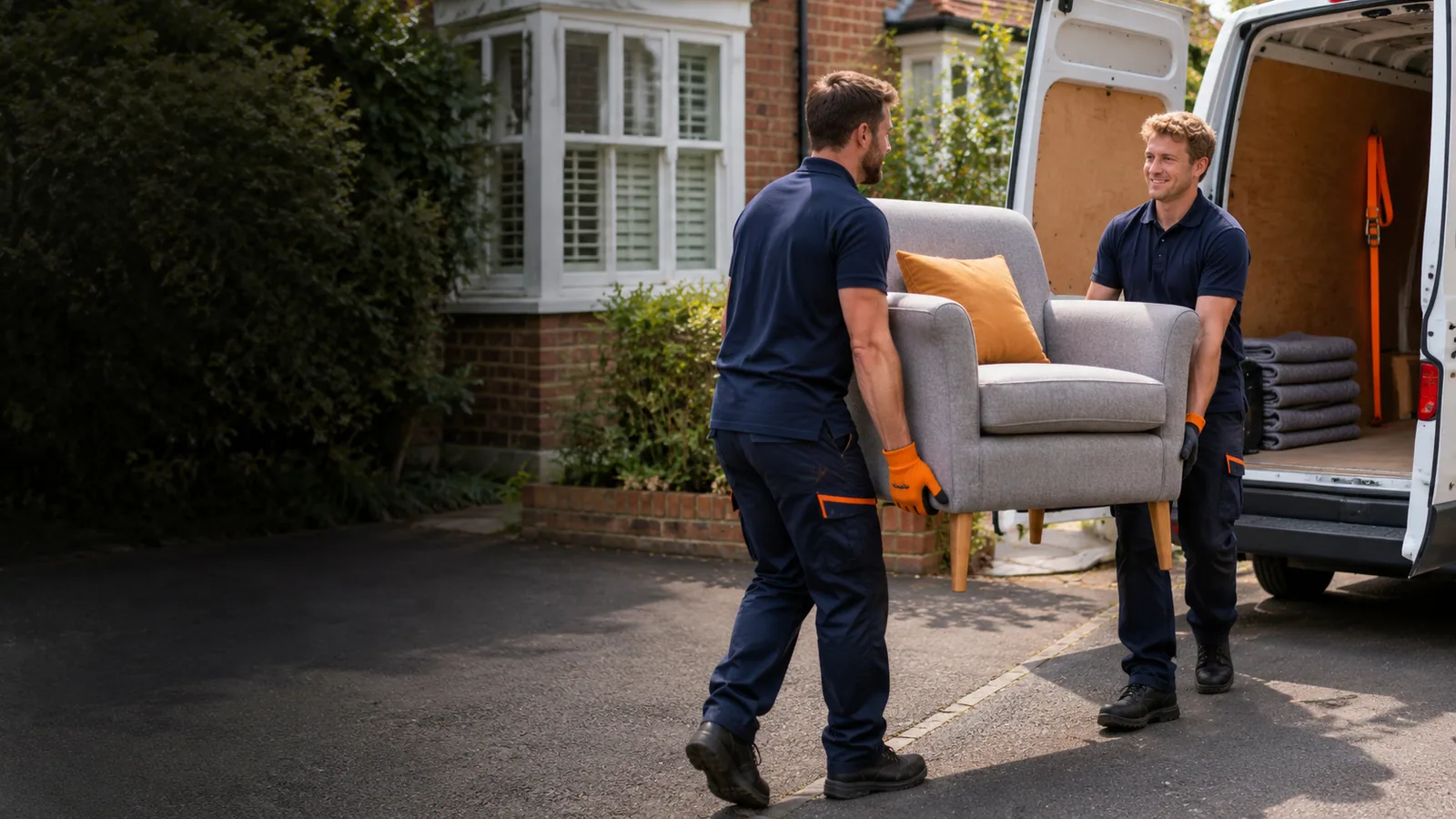
Photographs help show the load, while the description explains what each item is and how it stands. We ask whether furniture is freestanding, whether loose components accompany it and whether an appliance remains connected. A general instruction to remove kitchen rubbish does not establish these differences. The quotation needs to relate to the contents as they will actually be presented for collection.
| Proposed item group | What the customer identifies | What needs clarifying before removal |
|---|---|---|
| Table and chairs | The pieces leaving, their approximate sizes and whether the table remains assembled. | Bulky dimensions and the usable route out are considered for the actual furniture rather than the room size. |
| Small freestanding storage | Cabinets, shelves or trolleys selected for disposal, with loose components included. | The scope distinguishes these movable pieces from fitted units and retained storage. |
| Household appliances | The specific devices, their current position and whether they remain connected. | Acceptance and additional requirements are discussed without an assumed disconnection or specialist handling promise. |
| Cupboard contents | The main belongings and approximate amount being discarded rather than an unexplained cabinet count. | Materials and quantities are identified separately from the furniture or fitted cupboards containing them. |
A kitchen-contents enquiry with clear removal limits
Our Barking service can collect a selected household load from a kitchen, utility area or another room without treating the work as a strip-out. The customer identifies the movable contents leaving the property and the furnishings that stay. The existing room may continue in use, or the collection may form one defined part of a larger change at the premises.
We distinguish furniture from fitted units and contents from the cupboards holding them. A small table, chairs and a group of boxed kitchen belongings are a different load from installed cabinets or equipment attached to services. The household waste removal service explains the wider loose-contents collection. Any proposed item beyond ordinary carrying and loading needs clarification before it becomes part of the accepted removal.
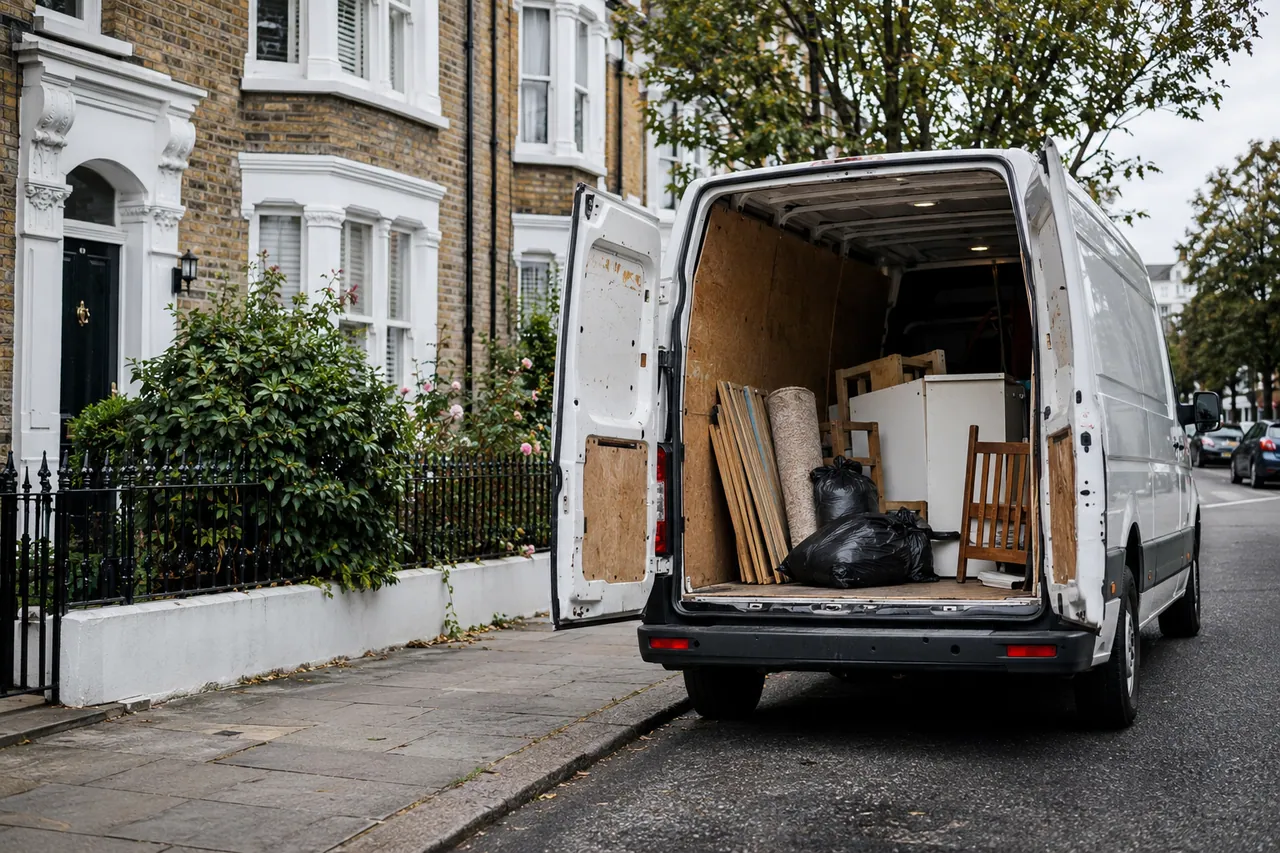
The condition in which equipment will be collected

Equipment should be described as it currently stands so the team can clarify the proposed work. If it is still installed, fixed or connected, that matters before a collection is agreed. We do not convert a carrying enquiry into an unspoken instruction to work on building services. Explain any additional requirement and let the scope establish what is accepted and how the item will be presented.
For bulky appliances and furniture, approximate dimensions and the route through the premises are discussed together. A wide item may have to follow several internal turns before reaching the exit. The available stairs or lift and the floor holding the contents also form part of that description. We use the actual arrangements at the property rather than assume one access route for every Barking kitchen or utility room.
Making the loose household load identifiable
We ask for the principal contents of boxes, bags and other containers. Crockery, utensils, paper, electrical items and unexplained containers are different material groups even if they have all been removed from cupboards. The customer identifies which belongings are being discarded; the team should not have to choose between retained household possessions and unwanted contents during the collection.
| Loose load description | What we establish | How it affects the collection scope |
|---|---|---|
| Boxed household objects | The principal belongings and approximate number of containers included. | The accepted contents are named rather than inferred from the number of cupboards previously holding them. |
| Small electrical devices | The particular devices and any requirements needing discussion. | Equipment remains separately identified even when packed beside ordinary household items. |
| Replacement packaging | The kinds and amount of cartons, wrapping or other identified packaging. | The additional material is included explicitly instead of an unlimited allowance around the furniture. |
| Unexplained or unusual contents | What the material is and its current presentation. | Acceptance is clarified before it enters the agreed load; closed containers do not establish suitability by themselves. |
From the item description to carrying and loading
The accepted inventory and the access information describe one collection. We connect the selected furniture and contents with their room location, route through the building and practical loading position. The team then explains the scope and quote and confirms an available visit. Additional contents or changes in presentation are reviewed before the original quotation is relied on for a different load.

Separate the kitchen load
Furniture, loose household belongings, appliances and any replacement packaging are identified as distinct groups rather than one unspecified room clearance.

Clarify condition and access
We discuss what is freestanding or connected, bulky dimensions and the route from the collection location to vehicle loading.

Agree the accepted removal
The scope, additional requirements, price and available attendance are confirmed with the person arranging access to the property.

Move the listed contents out
The agreed items are carried and loaded for transport and appropriate onward handling, without extending the work to retained fixtures or undescribed materials.
The contents and carrying behind your Barking enquiry.
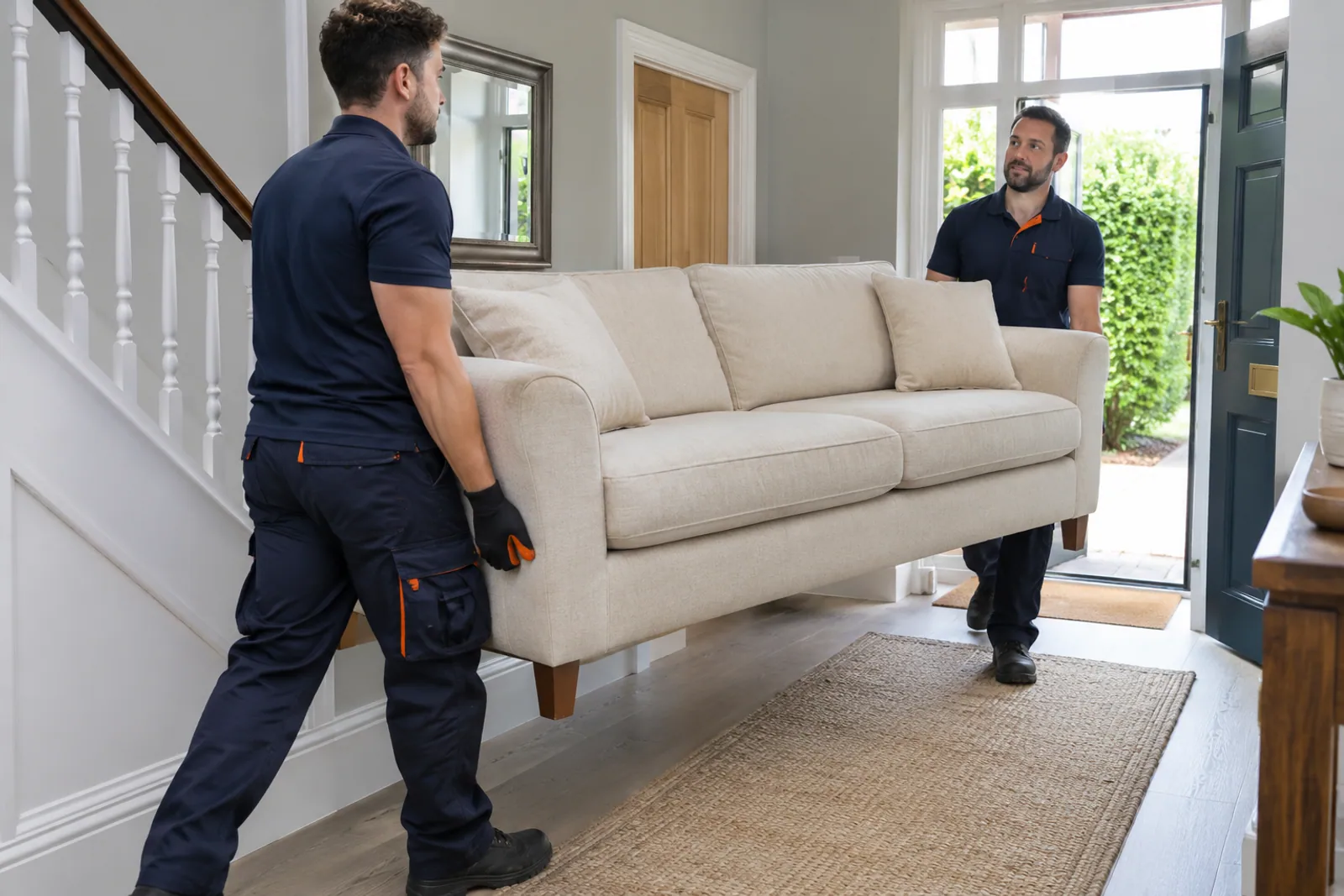


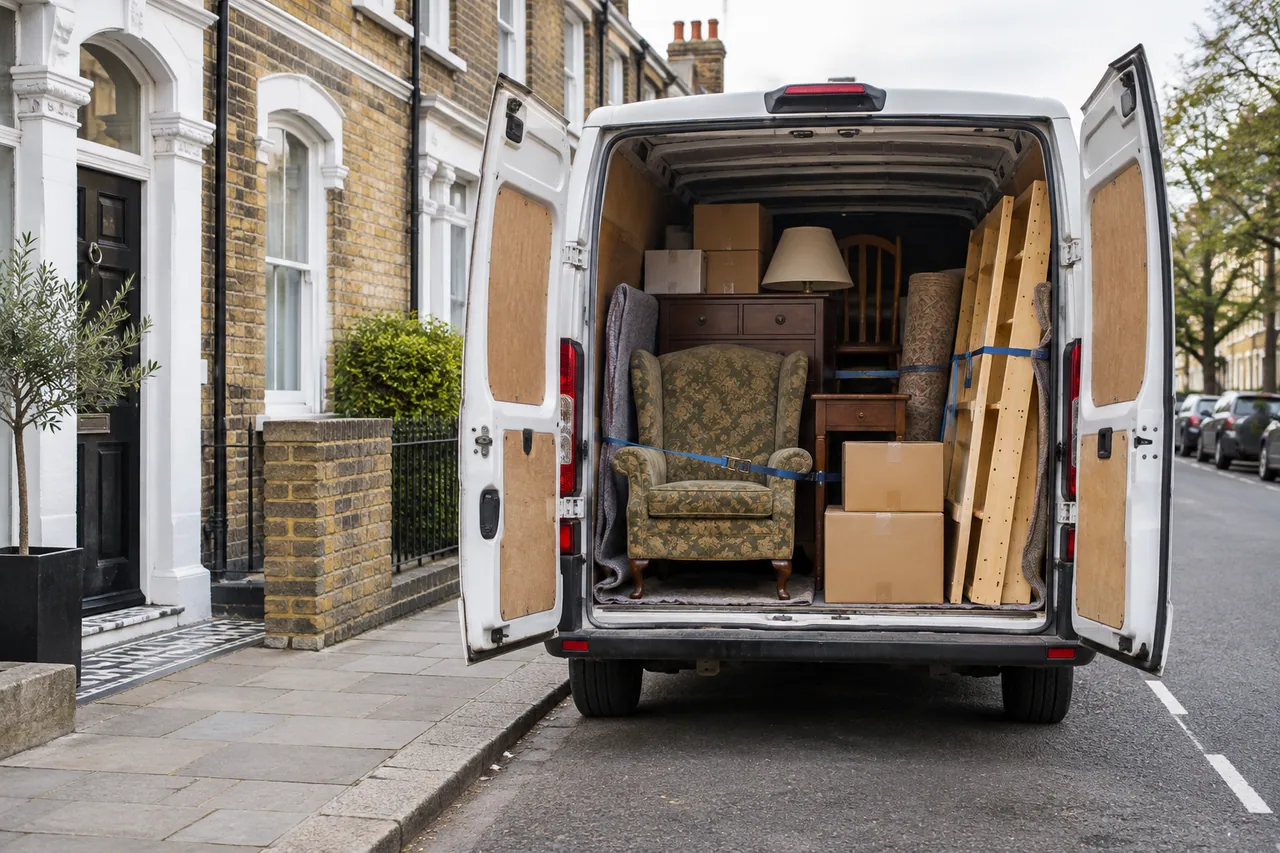
Access from the room to the collection vehicle
We describe the work from the actual position of the contents rather than assuming everything has already been moved outdoors. Where a load occupies a kitchen and a separate store, both areas are identified. A furniture item and a bulky appliance may share the same exit but differ in shape and handling. Their condition and route therefore remain part of the same planning discussion.
| Route consideration | Description required for the quotation | What the work includes |
|---|---|---|
| Current collection location | The room or storage area holding each accepted item group. | Carrying from those identified locations rather than a presumed single pile beside the property exit. |
| Internal passage | Relevant doors, turns and any narrow part of the route for bulky contents. | Movement of the listed items in their described form, with additional requirements clarified before attendance. |
| Floor connection | Stairs or a usable lift between the load and the exit. | The carrying arrangement reflects the actual floor holding the contents instead of an assumed ground-level collection. |
| Position for transport | Practical loading access and the distance from the building exit. | The quotation describes the agreed connection between the premises and the collection vehicle. |
Barking location and an accurately described quote
The GLA town-centre reference used here is Barking within Barking and Dagenham, with IG11 as an indicative postcode district around the mapped point. We need the full property address to locate the actual collection. The map is an area guide, not a company branch, a fixed loading arrangement or a substitute for the access details supplied for your premises.
The price relates to the accepted items and the work involved. One assembled table, several chairs and boxed contents create a different load from a collection dominated by bulky equipment. The furniture disposal service covers the freestanding pieces in more detail. The scope keeps any additional acceptance or handling requirements visible rather than concealing them in a general description of household rubbish.
| Quotation input | The agreed description includes | What needs updating before collection |
|---|---|---|
| Furniture selection | Units, separate components and approximate dimensions of the accepted pieces. | Added furniture or changed assembly needs discussing because it changes the physical load. |
| Loose contents | Container numbers and their main materials, including any separately identified devices. | Extra boxes or different materials need acceptance and a revised load description. |
| Equipment condition | The items, current location and requirements beyond carrying and loading. | A change from the described presentation must be clarified rather than assumed to be covered. |
| Access and attendance | The room-to-vehicle route and an available visit with the entry contact. | A changed floor, route or contact should be brought into the scope before the earlier arrangement is relied on. |
Barking: collection location and area map.
Map of Barking
Load the interactive area map from OpenStreetMap. This connects your browser to the map provider.
Open map in a new tab ↗ © OpenStreetMap contributors
Area orientation only. This map does not mark a company office or a confirmed loading point.
Barking collection questions
Does removing kitchen contents mean removing the fitted cupboards?
No. We distinguish the belongings being discarded from the units holding them. The scope can cover loose household contents and freestanding furniture while fitted cupboards remain. Detachment or alterations need separate clarification and should not be inferred from a general request to take away rubbish from a kitchen.
Can a still-connected appliance be listed in the enquiry?
Describe the item and its present condition so the team can discuss acceptance and any additional requirement. The collection scope needs to establish how it will be presented. We do not assume disconnection or work on building services is included simply because the appliance is unwanted.
Are utensils and crockery counted by the cupboard?
We ask about the approximate amount and presentation of the actual contents. A cupboard count does not show how much material is leaving or distinguish it from possessions being retained. Identify the load and any separate materials so the accepted collection is based on the items rather than storage capacity.
Can empty replacement cartons be removed at the same visit?
Describe the cartons, wrapping and approximate amount when discussing the other contents. Packaging is a separate part of the load and can be included where accepted. An earlier furniture or appliance description does not automatically provide an unlimited allowance for every item subsequently left around it.
What if the appliance is moved into a hallway before collection?
Tell the team where it will stand and whether its condition or route has changed. That keeps the collection instruction accurate. The quotation should describe the item as presented for the visit rather than depend on an earlier room location or an assumption that additional work has been completed.
Can personal belongings remain beside the selected boxes?
Yes. Make clear which containers leave and which stay, particularly if they look similar. The team works to the agreed inventory rather than deciding which contents appear unwanted. This allows a selected kitchen or utility-room collection without extending the instruction to unrelated household possessions.
Arrange your Barking collection.
Discuss the unwanted items, full postcode and route to the vehicle with the collection team.
Discuss your Barking collection
Open our booking form to arrange your collection.
Continue to our booking form to confirm your items and contact details.