

ILFORD COLLECTIONS
Rubbish Removal in Ilford
We arrange removal of accepted household and business rubbish from Ilford addresses. A property collection starts with the contents selected to leave, including furniture and smaller belongings held in different rooms. We discuss the removal list, materials and carrying work with the person arranging access before agreeing the quote and available visit.
Ilford collections, explained.
How can several people agree what an Ilford collection includes?
The enquiry should present one clear removal selection, even where more than one person is involved with the property. We distinguish the accepted furniture and belongings from contents staying. The access contact needs to recognise that selection when the team arrives, and additional items or changed instructions should be discussed before being treated as part of the job.
Can an Ilford removal be organised room by room?
Yes, the collection can identify the selected contents in each room rather than assume the entire property is being emptied. We record bulky pieces separately from smaller contained belongings and discuss the route from each location. That gives the team an agreed load to carry and remove while keeping other possessions outside the collection scope.
A room list is a description of contents, not a clearance instruction
When a customer lists a bedroom, a living room and a storage area, we still need to know the items leaving each. A bedroom may contain an unwanted bed frame beside clothing that remains. A sitting room may contribute only a sofa, while a cupboard contains several boxes selected for removal. We build the collection around those actual contents rather than equate a room name with everything inside it.
The house clearance service can cover a wider accepted property load, but it still needs the boundary between removal items and retained belongings. This is particularly useful where several people are helping organise the enquiry. The description should remain consistent for the person requesting the quote and the person giving access, so the work is not left to assumptions about which possessions are unwanted on the day.
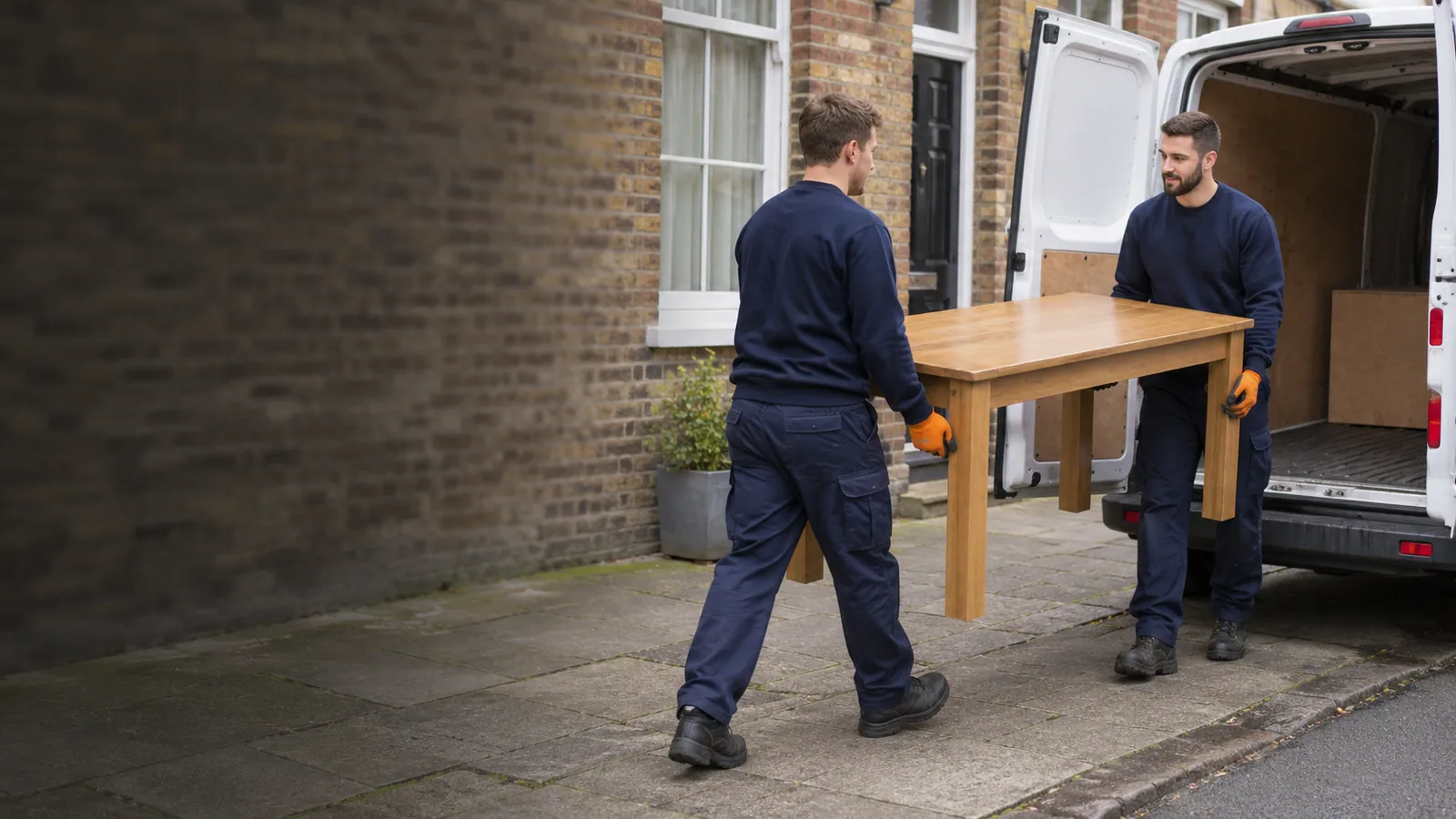
Turning selected rooms into a usable inventory

We discuss furniture by piece and smaller belongings by main contents and quantity. The room-by-room approach helps identify separate carrying routes and avoids losing a bulky item within an estimate of general rubbish. Photographs support the inventory, including wider views that show the proposed load rather than only individual close-ups.
The access contact should recognise the agreed selection
The team discusses who will provide authorised entry and identify the items at the property. That person may be different from the customer who first described the job. A clear inventory helps keep the instructions consistent, particularly where similar furniture stands in several rooms or only some containers in a storage area are leaving.
If the selection changes, we need the revised details rather than conflicting instructions at the visit. Additional items may introduce more material, a different carrying route or work beyond the accepted scope. We clarify those changes with the person arranging the removal. A collection is not an unlimited opportunity for anyone at the premises to add possessions without an agreed description, and a request for one room should not silently become a whole-property clearance.
The stages of a selected-contents collection
The process links the inventory with the practical work at the address. We use the contents description, photographs and access information together, then confirm the scope and available arrangements. The accepted load remains identifiable through carrying, loading and removal.
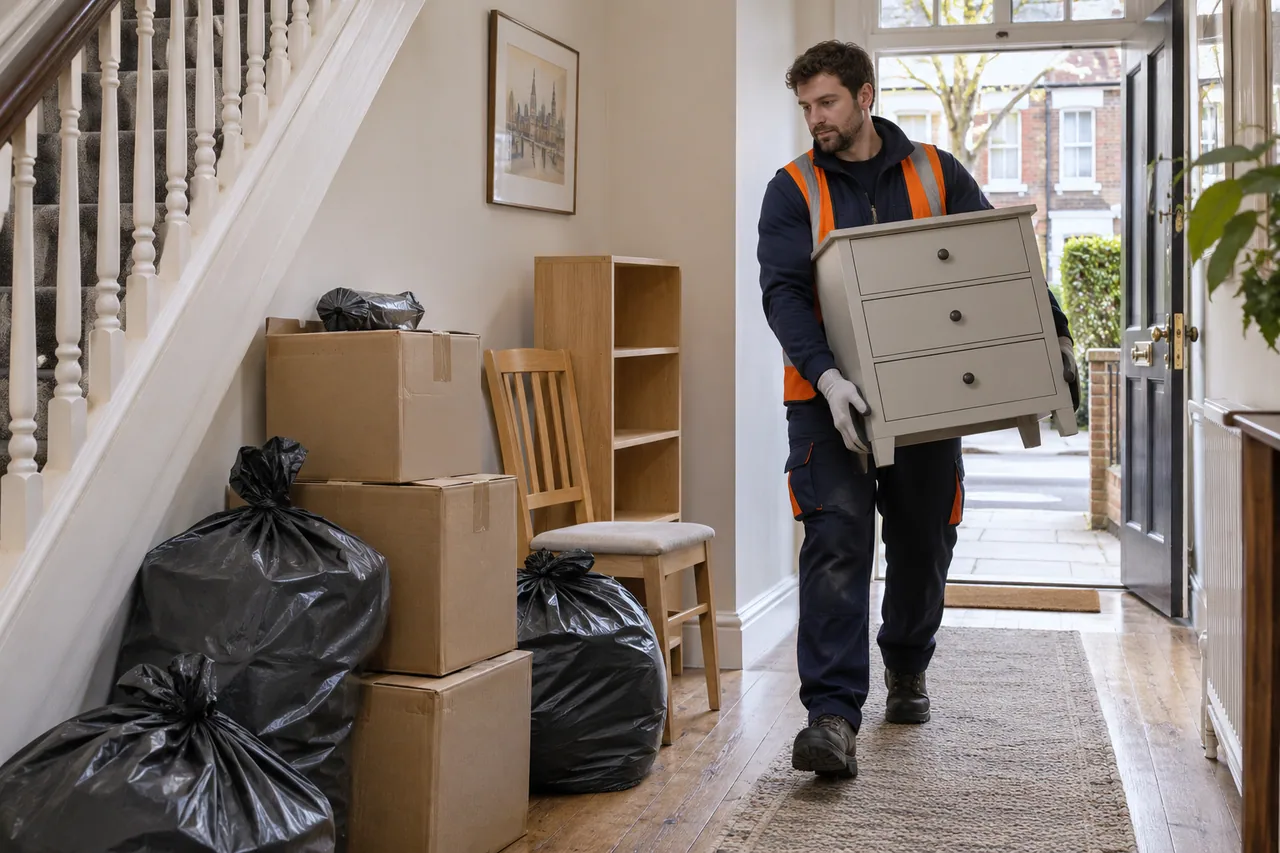

Agree the contents leaving
We identify the selected pieces in each collection area and distinguish retained belongings from the requested removal.

Describe the physical load
Furniture dimensions, component counts and the main contents of containers explain what must be moved.

Connect rooms with the route
The access contact, floors, doors and practical loading position establish the carrying work for the accepted selection.

Carry and take away the load
Once the work and visit are confirmed, the team removes the agreed contents for appropriate onward handling.
The contents and carrying behind your Ilford enquiry.
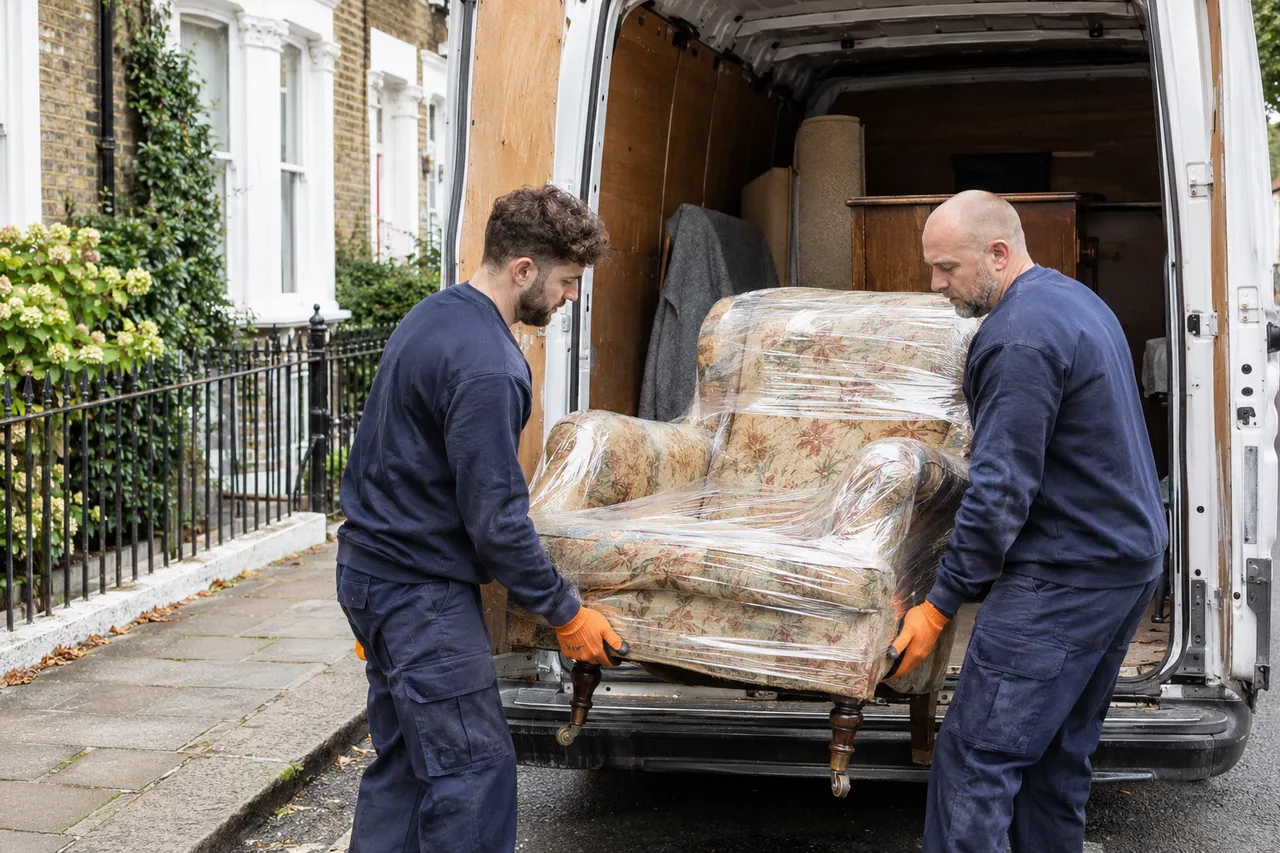
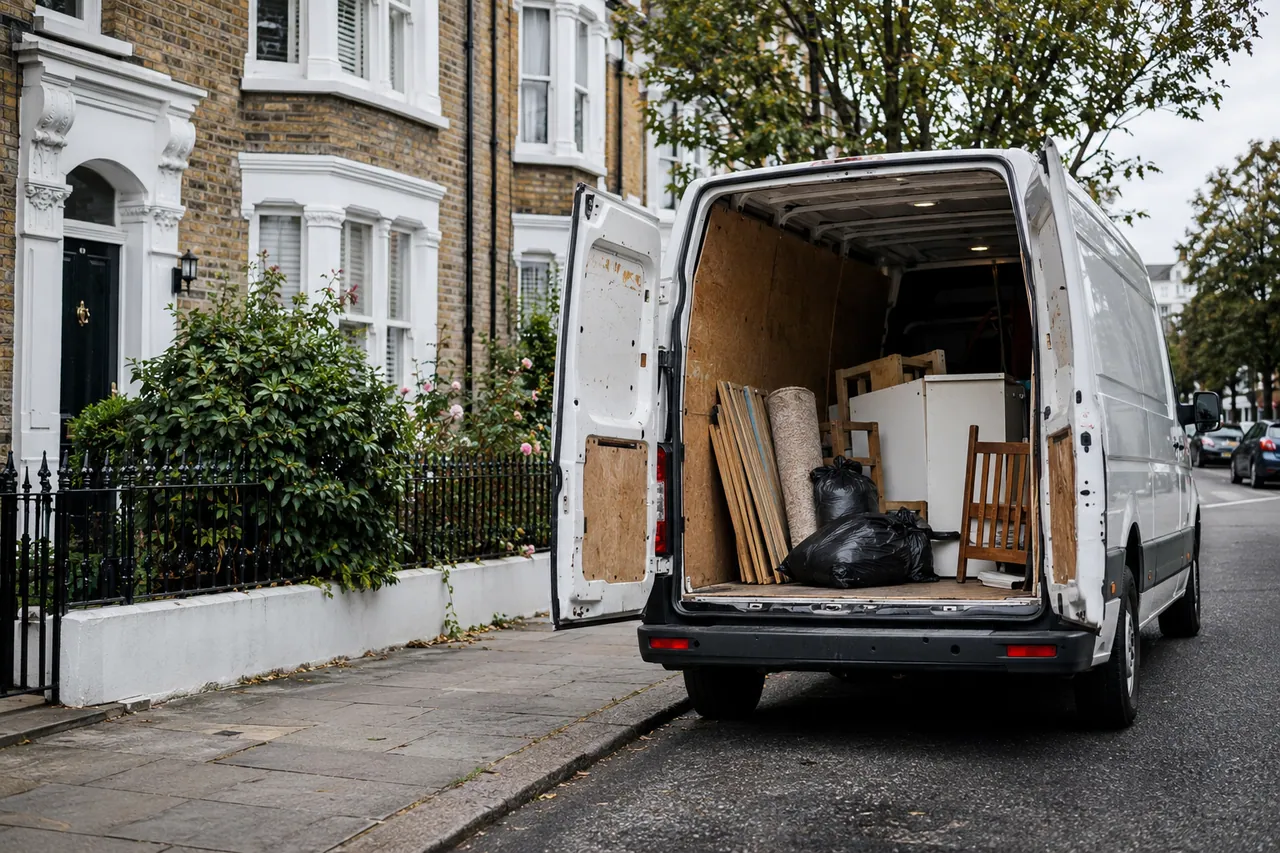
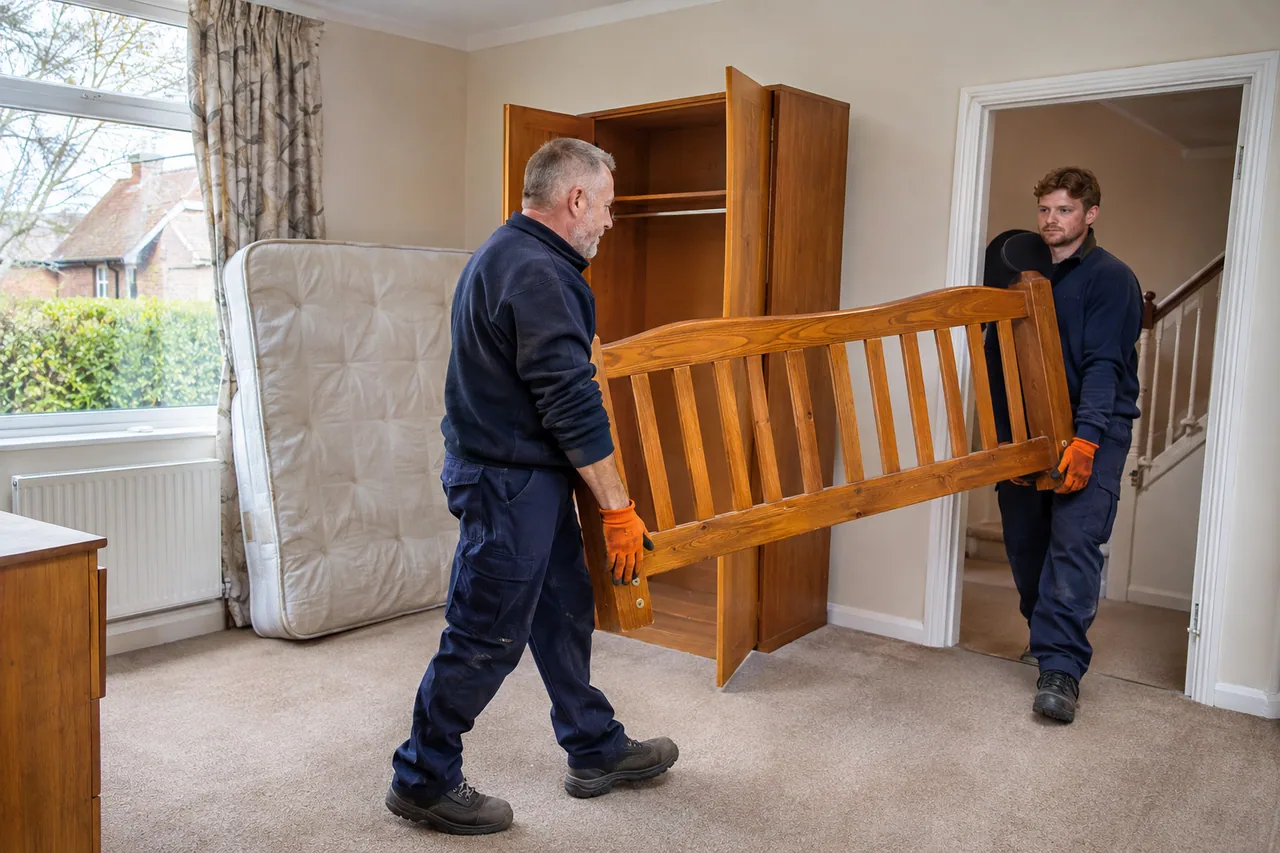

The material groups within the removal.
| Collection location | Contents recorded in the enquiry | Distinction kept clear for the visit |
|---|---|---|
| Bedroom selection | Bed-frame components, mattresses, drawers or other individually named pieces. | Clothing, documents and retained furniture do not become waste merely because they share the room. |
| Living or dining area | Seating, tables and freestanding units with approximate dimensions and piece counts. | The agreed furniture is separated from possessions displayed on or stored inside it. |
| Cupboards or storage points | Main contents of containers, approximate amount and any loose belongings included. | Closed boxes are described by their contents rather than assumed to hold ordinary mixed rubbish. |
| Workplace or study | Selected desks, chairs, equipment and other accepted business-related contents. | Working devices, records and furniture being retained remain outside the collection boundary. |
Bed frames, seating and other bulky pieces
For furniture disposal, the size and assembly of each piece need describing in their current form. A bed frame already separated into parts is not the same carrying description as an assembled frame. We also distinguish a complete furniture item from selected components that are leaving while the rest remains.
| Bulky selection | Detail connected to the collection | What is clarified before agreement |
|---|---|---|
| Bed and mattress parts | The mattress quantity and size, frame sections and other accepted bedroom pieces. | Which components are leaving and whether further work is requested before carrying. |
| Sofa or modular seating | Number of sections, approximate dimensions and associated chairs or footstools. | The actual set of pieces included, rather than an unexplained label covering additional seating. |
| Storage furniture | Freestanding form, current assembly, size and any contents still inside. | Retained possessions and any attachment or dismantling requirement are identified separately. |
| Tables and desks | Top material, base or leg components and approximate overall dimensions. | Heavy or linked parts and additional work beyond straightforward collection are discussed explicitly. |
Contained belongings and separate materials
Our household waste removal information covers accepted domestic contents described for collection. The team needs to know the main materials inside containers, especially where something dense, electrical or unusual is mixed with ordinary belongings. A neat row of boxes does not remove the need for a contents description.
| Contents within the selection | Information established before acceptance | How the material is distinguished |
|---|---|---|
| Ordinary domestic belongings | Main contents and approximate quantity, including items not visible in photographs. | The household load is understood beyond the number and appearance of containers. |
| Electrical devices | Types, counts and any requirement beyond physically removing the equipment. | Equipment is treated as a separate category, without an assumed data-related service. |
| Renovation or repair leftovers | The actual timber, debris, packaging or other materials involved. | Project material is not hidden within a general description of room contents. |
| Outdoor or garden material | Green waste, containers and other external items named by material. | Being stored outside does not make all the contents one interchangeable waste stream. |
The room route and the Ilford address
We discuss the floor, stairs or lift, doorways and internal route from the collection rooms. Furniture in separate areas may need different carrying descriptions even when it forms one accepted load. The route continues to the practical vehicle loading position, including distance and changes in level where these apply to the particular property.
The mapped locality here is Ilford in Redbridge, with IG1 as an indicative postal district around that centre. The full postcode and address identify the actual premises; no particular building layout or loading rule is inferred from the locality. If the route changes, explain the revision to the team before relying on the original arrangements. The map provides geographical orientation and does not represent a company branch or reserved vehicle position.
What the quote connects with the agreed removal
The quote relates to the accepted selection, material types, amount and work of carrying and loading. A room count alone cannot describe those factors. We discuss the proposed load as a whole, including separate collection points and bulky pieces, then clarify changes before additional contents are assumed to be included.
| Quote detail | How it explains the work requested | Example of a revision to discuss |
|---|---|---|
| Selected contents | Furniture, contained belongings and separate waste categories listed for removal. | A different bedroom selection or additional material not in the original inventory. |
| Quantity and size | Counts, dimensions and photographs showing the complete proposed load. | More boxes, another sofa section or a larger amount than first described. |
| Locations and route | Collection rooms, floor levels, doors and the distance to practical loading. | Waste moved elsewhere or an extra storage area added to the carrying work. |
| Authorised coordination | The person able to provide access and identify the agreed contents. | A changed contact, conflicting selection or timing requirement needing confirmation. |
Ilford: collection location and area map.
Map of Ilford
Load the interactive area map from OpenStreetMap. This connects your browser to the map provider.
Open map in a new tab ↗ © OpenStreetMap contributors
Area orientation only. This map does not mark a company office or a confirmed loading point.
Ilford collection questions
Can the bedroom be listed without every bedroom item leaving?
Yes, identify the specific furniture and belongings selected for removal. The room name locates the contents but does not define the whole load. We discuss the bed, mattress, storage or other pieces separately and distinguish possessions staying at the property. That lets the collection concern an agreed bedroom selection rather than an assumed complete room clearance.
What if the person who booked the enquiry cannot attend?
Explain who will provide authorised access and show the accepted items. That person needs to understand the removal selection and the arrangements discussed with the team. If the contact changes, update the details before the visit. The collection should not depend on someone guessing which possessions are unwanted or adding a different selection without clarification.
Can only some boxes from a cupboard be collected?
The enquiry can identify a selected group of containers. Explain their main contents, approximate amount and which boxes remain. We also need the cupboard or storage location and route out. A request to collect selected boxes is not authority to empty the whole cupboard, and closed containers should not leave electrical, dense or uncertain materials unexplained.
How are loose bed-frame components counted?
Describe the frame parts and any mattress or associated furniture leaving with them. Photographs help show the components, while the written description confirms what is included. We discuss the pieces in their current form rather than assume the frame is assembled or that everything nearby belongs to it. Additional dismantling needs clarification before being treated as part of the collection.
Does the team decide which family possessions should be discarded?
The customer or authorised contact identifies the contents selected for removal. We establish the agreed waste and carrying work; we do not make the decision about which possessions an owner wishes to retain. If several people are involved, the instructions should be made consistent before collection so the team can work from one clear selection rather than competing assumptions.
What if an extra storage area is mentioned after the quote?
The contents, material and route from that area need reviewing with the team. It can add more than quantity: different waste or another floor may change the work involved. We clarify acceptance and the effect on scope and quote rather than assume a visit arranged for the original rooms covers every further area later identified at the premises.
Arrange your Ilford collection.
Discuss the unwanted items, full postcode and route to the vehicle with the collection team.
Discuss your Ilford collection
Open our booking form to arrange your collection.
Continue to our booking form to confirm your items and contact details.