
CAMDEN COLLECTIONS
Rubbish Removal in Camden
We collect agreed unwanted contents from Camden Town homes and businesses. The job is organised around the materials, the route through the premises and the loading point, with the accepted waste and available collection arrangements confirmed before removal.
Camden collections, explained.
What does a Camden Town collection include?
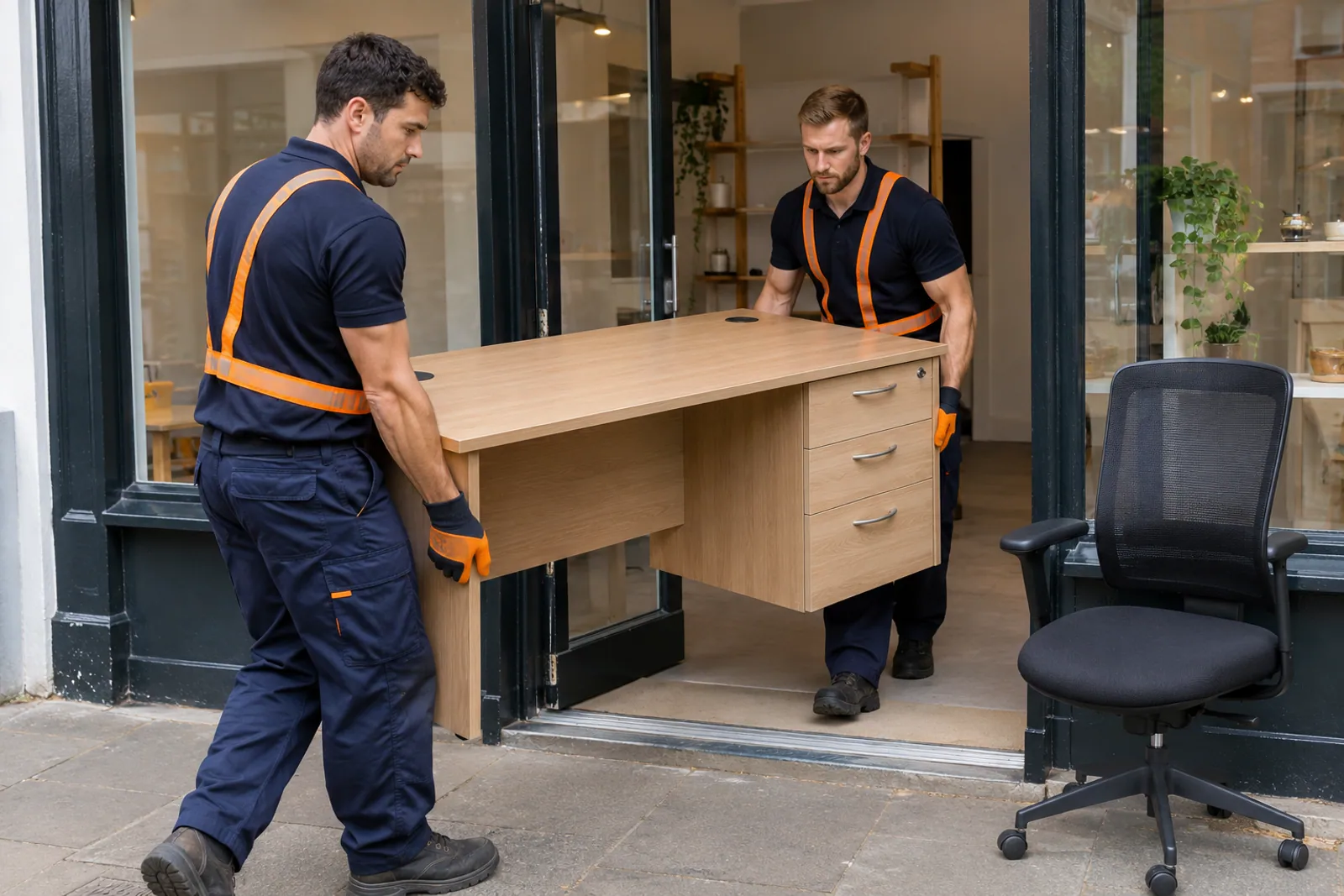
Our collection covers the agreed carrying, loading and removal of unwanted household or business contents. We identify furniture, packaging, electrical equipment and other materials separately, so the scope describes the actual load. Retained stock, installed systems and belongings that are staying are not treated as waste simply because they share the collection area.
How do we plan access to a Camden premises?
We ask which room or storage area holds the waste, who can provide entry and how the items reach the vehicle. The discussion includes floors, doors and any loading arrangements relevant to the address. We then connect those details with the item list and quote before an available visit is agreed.
Choose the collection scope for your premises.
Home contents
A domestic load is defined by the selected possessions and collection areas.
Retail items
Removable shop contents are distinguished from retained stock and installed fittings.
Workplace equipment
Furniture and electrical devices are identified as separate material categories.
Premises access
The entry route and loading point are discussed for the particular business or home.
Defining the collection boundary at a business
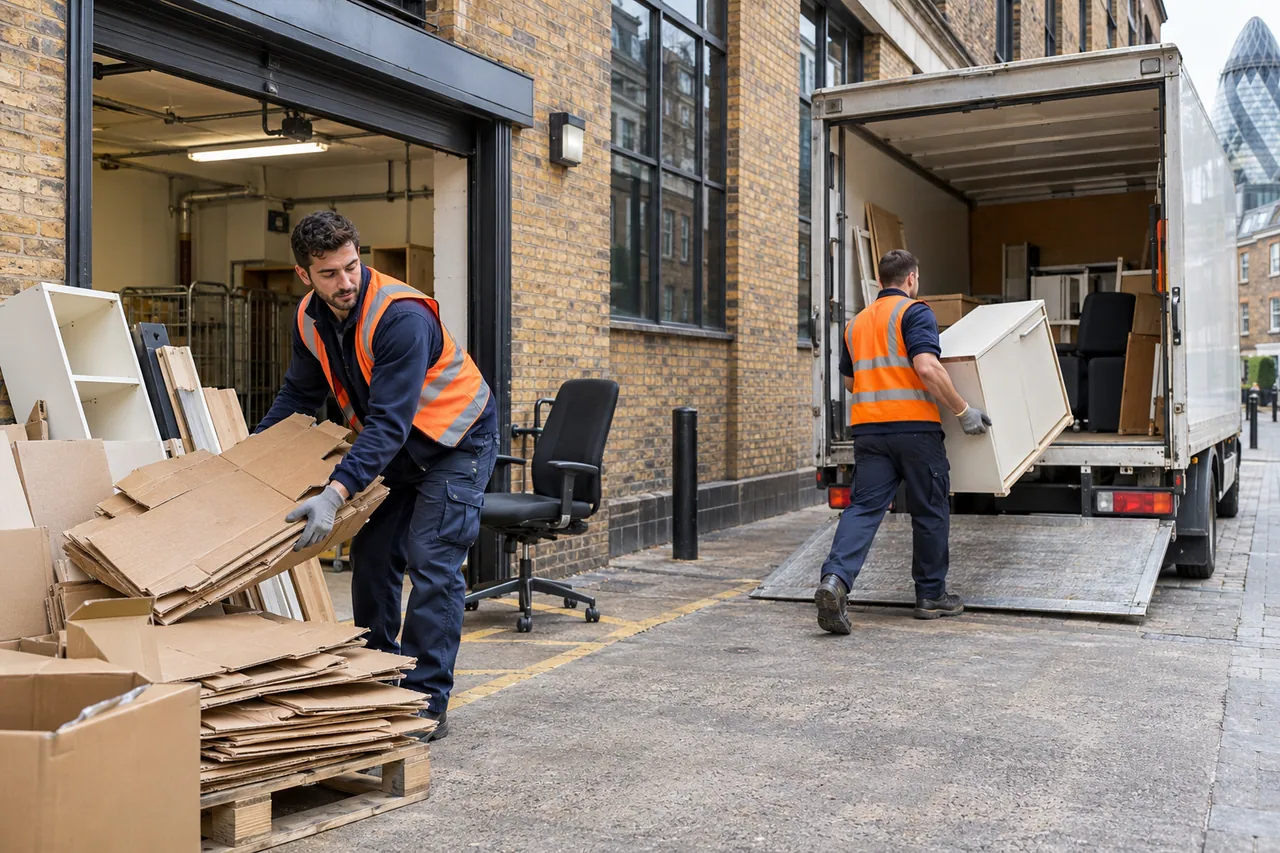
For a shop or workplace, we distinguish unwanted contents from stock, working equipment and retained furniture. A store room may contain both waste and items still needed by the business. We discuss the removal selection before the visit, including the separate areas involved. The collection is not an instruction for the team to decide which business assets have value or should be kept.
Our shop clearance service explains removal of agreed retail and venue contents. Freestanding displays and removable furniture can be described alongside packaging. Fixed fittings, electrical isolation and work on the building need clarification before agreement; they are not automatically included because a business is changing its interior.
| Collection setting | Contents to identify | Boundary of the job |
|---|---|---|
| Retail storage | Empty packaging and agreed unwanted belongings | Retained stock and useful supplies stay outside the load. |
| Office space | Desks, chairs, cabinets and specified equipment | Working assets and records are distinguished from disposal items. |
| Domestic property | Household possessions and bulky furniture | The rooms and pieces included are identified explicitly. |
| Mixed premises | Separate business and residential contents | Each collection area and access contact are discussed. |
Business and domestic loads, identified separately

Our Camden rubbish removal can be discussed for a household clear-out, unwanted workplace furniture or an accumulated business load. We establish the contents first. A retailer’s packaging, an office desk and a mattress from a home involve different materials and carrying tasks, even where all three are described as bulky rubbish. The enquiry separates those categories so the collection matches the work being requested.
This guide uses Camden to mean the Camden Town area, not every neighbourhood within the London Borough of Camden. The council’s area profiles place Camden Town in its Central neighbourhood, while Hampstead Town is in the North. That distinction helps identify the address for collection. We use your full postcode and premises details rather than interpret a borough name as a complete location.
A material description that supports the quote
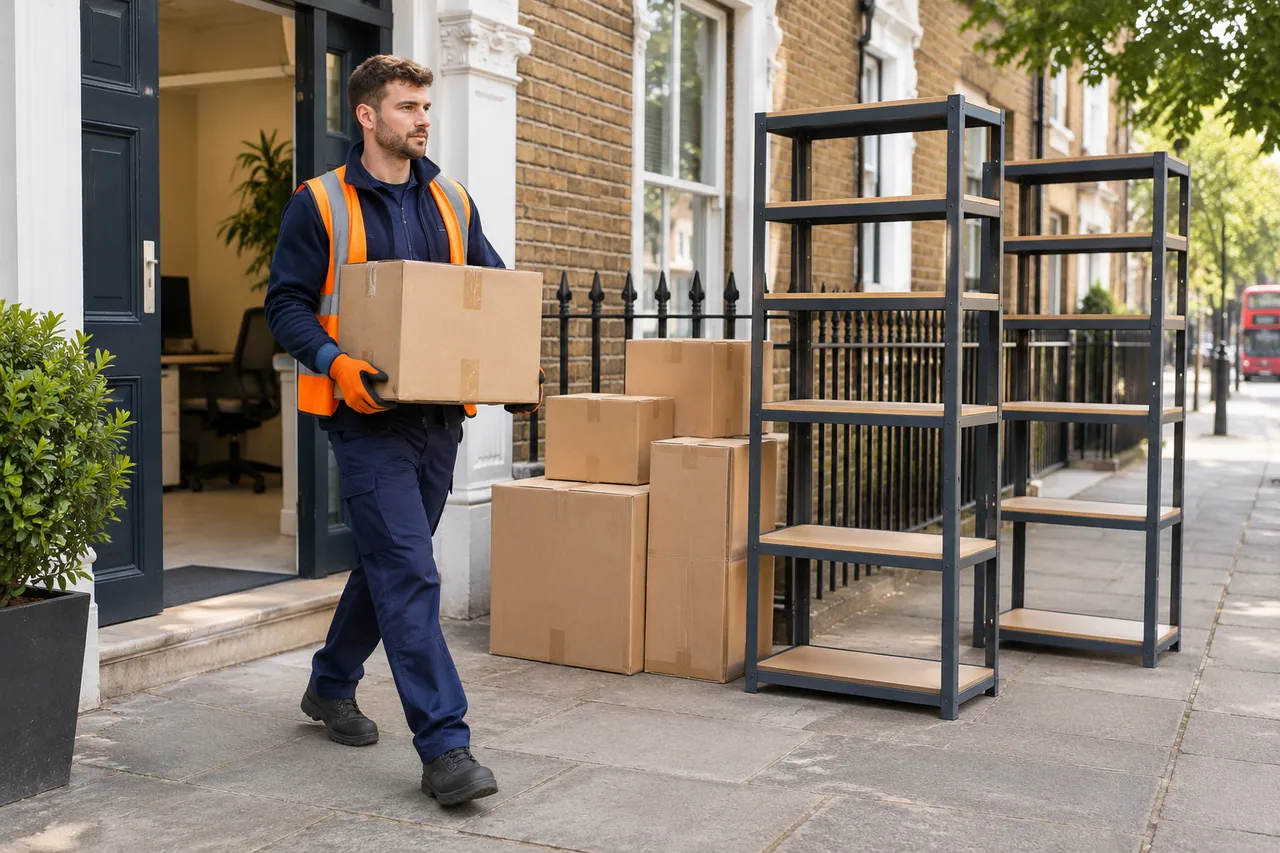
We ask for photographs of the full load and a description of its main materials. A close-up of one bag or chair does not establish the contents of a larger store room. Counts and dimensions help explain the physical load, while identifying electrical items and dense debris clarifies separate handling questions. Unknown or specialist materials require specific discussion rather than automatic inclusion as general rubbish.
| Material category | Information in the enquiry | How we organise removal |
|---|---|---|
| Cardboard and packaging | Quantity, presentation and any mixed contents | The packaging stream is distinguished from heavier items. |
| Furniture | Number, dimensions and assembly | Bulky pieces are considered with their carrying route. |
| IT equipment | Device types and data-bearing components | Collection and any required treatment are clarified separately. |
| Household belongings | Loose, bagged or boxed contents | Accepted domestic waste is described by its actual amount and materials. |
| Renovation material | Rubble, boards or other project waste | Dense or construction-related items are specifically identified. |
Before collection and on the day
The planning discussion establishes the scope, access and price. The visit then concerns the accepted load at the specified areas. Where a business is still operating, we discuss the available collection route and contact rather than promise that any clearance can happen without affecting normal activity. The arrangements reflect the premises and the amount being moved.
Planning the Camden visit

Before the visit: identify
We establish the unwanted materials, item quantities and the premises areas included, keeping retained contents clear.

Before the visit: arrange
Access, loading position, quote and available timing are discussed with the authorised collection contact.
At the collection premises

At collection: carry and load
The team moves the agreed contents through the confirmed route and loads the accepted waste.

After loading: remove
The load leaves the premises for appropriate onward handling, with different material streams identified.
The materials behind a premises clearance.



Doors, floors and the loading route
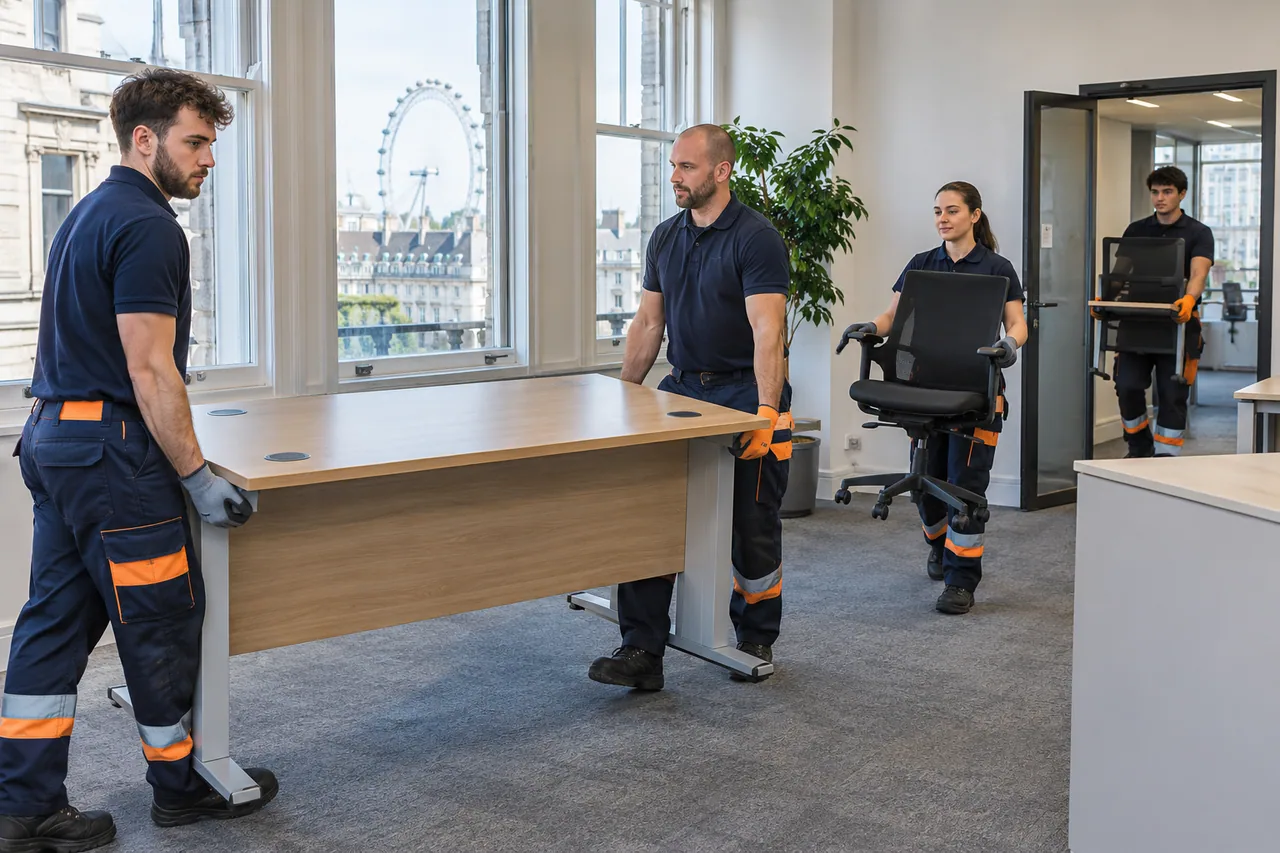
Our carrying discussion follows the route from the waste to the vehicle. It may involve a ground-floor entrance, shared corridor, stairs or a lift; we ask which applies rather than assign an assumption to every Camden Town building. Large furniture needs its dimensions considered alongside that route. The loading position and any premises-controlled access also form part of the collection arrangements.
For workplace furniture, the office clearance page sets out the broader inventory discussion. Tell us if furniture is fixed, assembled or stored in several rooms. Equipment disconnection, confidential destruction and technical decommissioning need explicit confirmation rather than being inferred from a general request to clear an office.
| Route component | What we establish | Collection relevance |
|---|---|---|
| Starting area | Room, floor and location of the agreed contents | Defines where carrying begins. |
| Building entrance | Available door or service route and entry contact | Connects the visit to the access actually provided. |
| Internal movement | Stairs, usable lift, turns and furniture dimensions | Helps clarify handling of bulky pieces. |
| Vehicle loading | Distance, stopping point and relevant restrictions | Explains the work beyond the building exit. |
The Camden Town reference on the map
The map is centred on the Camden Town reference point in the GLA’s town-centre dataset. NW1 is an indicative postal district around that point, not a boundary covering every property someone might call Camden. Our enquiry uses the complete address and postcode so the team can discuss the correct premises, the load and collection availability.
A business may describe an address using a trading name, a building entrance or a local place name. Include the full address alongside that description. We discuss the point where the waste is stored and the route the team can use, rather than assume a particular market entrance, delivery right or local permit. The map locates the neighbourhood and does not mark a company office or a guaranteed vehicle position.
One-off clearance or a regular business requirement
A single accumulated load can be arranged as a one-off collection. Where the business needs recurring removal, we discuss that as a separate requirement, including waste streams, anticipated amounts and access. Our commercial waste collection service distinguishes those arrangements. A one-off quote does not establish an ongoing schedule, and a routine requirement does not automatically cover an additional refit load.
After collection, we arrange onward handling of the accepted waste and pursue recycling where appropriate. The material mix matters: packaging, upholstered furniture, timber and electronic equipment are not identical streams. We do not assign one disposal outcome to every object from a commercial address. The scope should reflect the items collected and any separately confirmed treatment requirement.
| Quote or arrangement factor | Information discussed | What is agreed |
|---|---|---|
| Actual load | Material types, quantities and bulky dimensions | The accepted contents for removal. |
| Carrying work | Floors, internal route and loading distance | The work at the premises, beyond the waste volume alone. |
| Special requirements | Data-bearing devices or work beyond loading | Suitability and exact scope before inclusion. |
| Visit type | One-off load or a proposed regular service | The collection arrangement being requested. |
Camden: the collection area.
Use the area map to locate the neighbourhood, then give the full postcode and property details when requesting collection.
Map of Camden Town
Load the interactive area map from OpenStreetMap. This connects your browser to the map provider.
Open map in a new tab ↗ © OpenStreetMap contributors
Area orientation only. This map does not mark a company office or a confirmed loading point.
Camden collection questions
Does Camden on this page include Hampstead?
This guide focuses on Camden Town. Hampstead is another neighbourhood within the same borough and has its own area guide. Give the full postcode when enquiring so the team can discuss the actual collection address rather than assume that a borough-wide name identifies the premises.
Can a business clear packaging and furniture together?
Describe both categories and their quantities in the enquiry. The team can discuss a combined load, with packaging identified separately from bulky furniture. The quote needs the complete removal selection rather than a photograph of only one part of the accumulated waste.
Will you decide which stock in a store room is rubbish?
The collection is based on the unwanted contents you identify. Retained stock, useful materials and equipment awaiting a decision remain outside the scope. Explain which areas and items are included so the removal does not depend on the team making business asset decisions.
Does a shop collection include taking down fixed fittings?
Not automatically. Tell us whether the contents are freestanding, already removed or still attached to the property. Detachment, electrical work and wider strip-out requirements need clarifying before agreement. The service described here covers the accepted carrying, loading and removal work.
Can you arrange collection through our service entrance?
Explain the entrance, access controls, relevant contact and route to the waste. We discuss those arrangements with the collection scope. The presence of a service door does not itself establish loading access or permission to use every shared part of the premises.
What if a refit adds waste after the first quotation?
Update the team with the additional materials, quantity and location. The scope and quote may need reviewing, particularly where building debris is added to a furniture or packaging load. Newly produced waste is not automatically included in an earlier one-off clearance agreement.
Arrange your Camden collection.
Discuss the unwanted items, full postcode and route to the vehicle with the collection team.
Discuss your Camden collection
Open our booking form to arrange your collection.
Continue to our booking form to confirm your items and contact details.