
CATFORD COLLECTIONS
Rubbish Removal in Catford
We arrange Catford collections of agreed household and outdoor rubbish. A garden furniture request can include chairs, benches, table sections and other selected pieces rather than a general clearance of everything outside. We discuss their materials and current assembly, the route to loading and the collection quote before confirming the scope and available arrangements with the access contact.
Discuss your Catford collection
Open our booking form to arrange your collection.
Continue to our booking form to confirm your items and contact details.
Catford collections, explained.
Can outdoor furniture be collected without clearing the garden?
The enquiry can concern named furniture pieces while tools, plants and other outdoor possessions stay. We identify the seating, tables and components leaving, including their approximate size and current form. Carrying and loading are discussed for those items, with other materials separately accepted rather than treating every object in the same outside area as part of the removal.
What should a Catford table and chair enquiry describe?
List the pieces and approximate quantities, explaining separate tops, bases or other components. Tell us where they stand and the practical route to the vehicle, including relevant steps or changes in level. If another outdoor item or material is also leaving, identify it rather than assume the phrase garden furniture explains the whole collection.
The contents included in your Catford enquiry.
| Furniture group | Detail established with the enquiry | What is kept outside an assumption |
|---|---|---|
| Chairs and seating | Number of pieces, approximate dimensions and any loose parts accompanying them. | Matching seating still in use is not included merely because other chairs leave. |
| Bench or longer seating unit | Current assembly, size and the collection point holding it. | Additional dismantling or detachment needs clarification before agreement. |
| Outdoor table | Separate tops, bases, legs or an assembled unit described in its present form. | A table label does not conceal unmentioned parts or imply every nearby accessory is included. |
| Associated selected items | The components and materials of any additional item requested for removal. | Bases, containers and other outdoor contents are described individually for acceptance. |
A furniture selection within an outdoor space
We distinguish unwanted outdoor seating from the rest of the garden or storage area. A bench, several chairs and an old table can be listed as one proposed collection without including plant containers, tools or other retained possessions. The person arranging removal identifies that boundary before the scope is agreed.
Our furniture disposal service covers the pieces and work discussed with the team. Outdoor furniture still needs a current-condition description: an assembled table differs from a separate top and base, and connected components differ from loose pieces. Additional work before carrying is clarified rather than assumed from the location of the furniture. A request for unwanted seating is not an instruction to dismantle standing structures or clear every item around it.
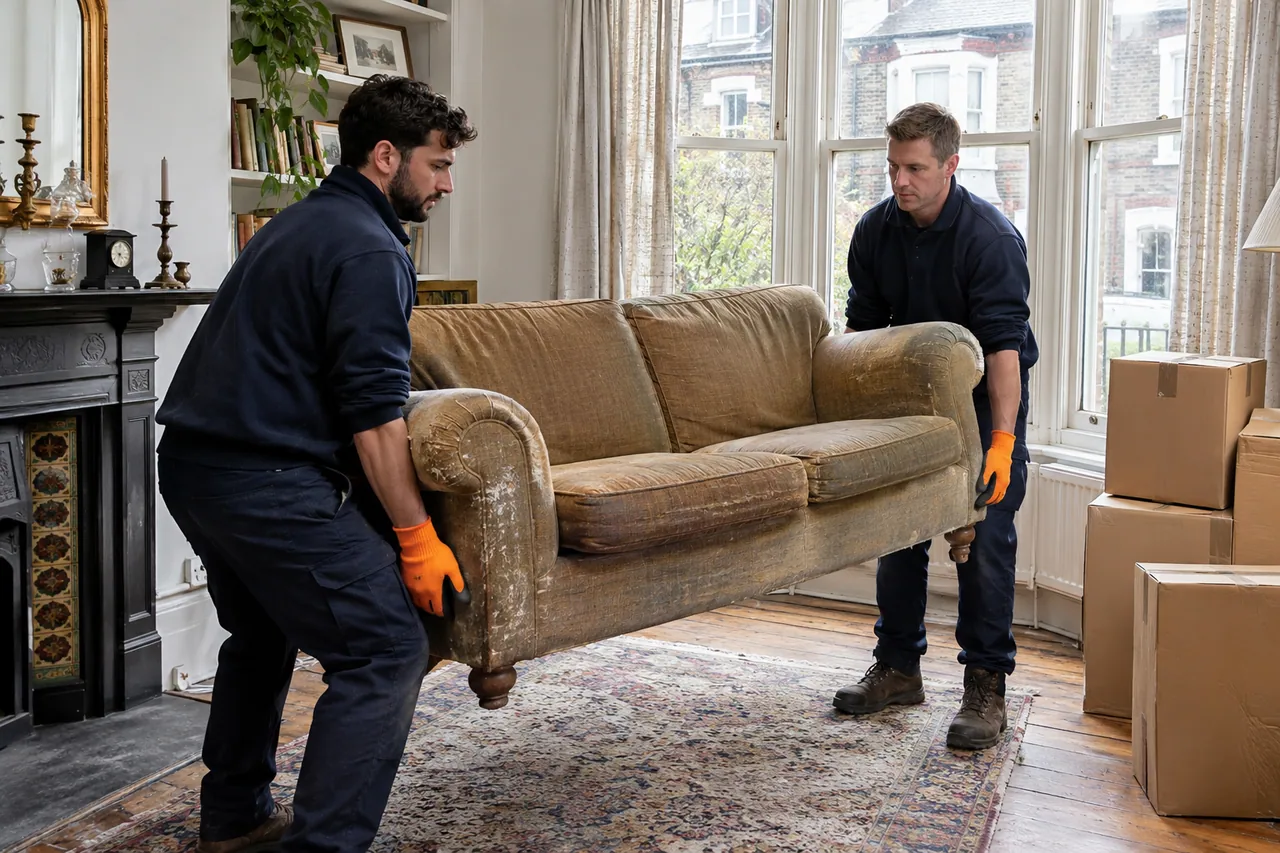
The outdoor furniture inventory
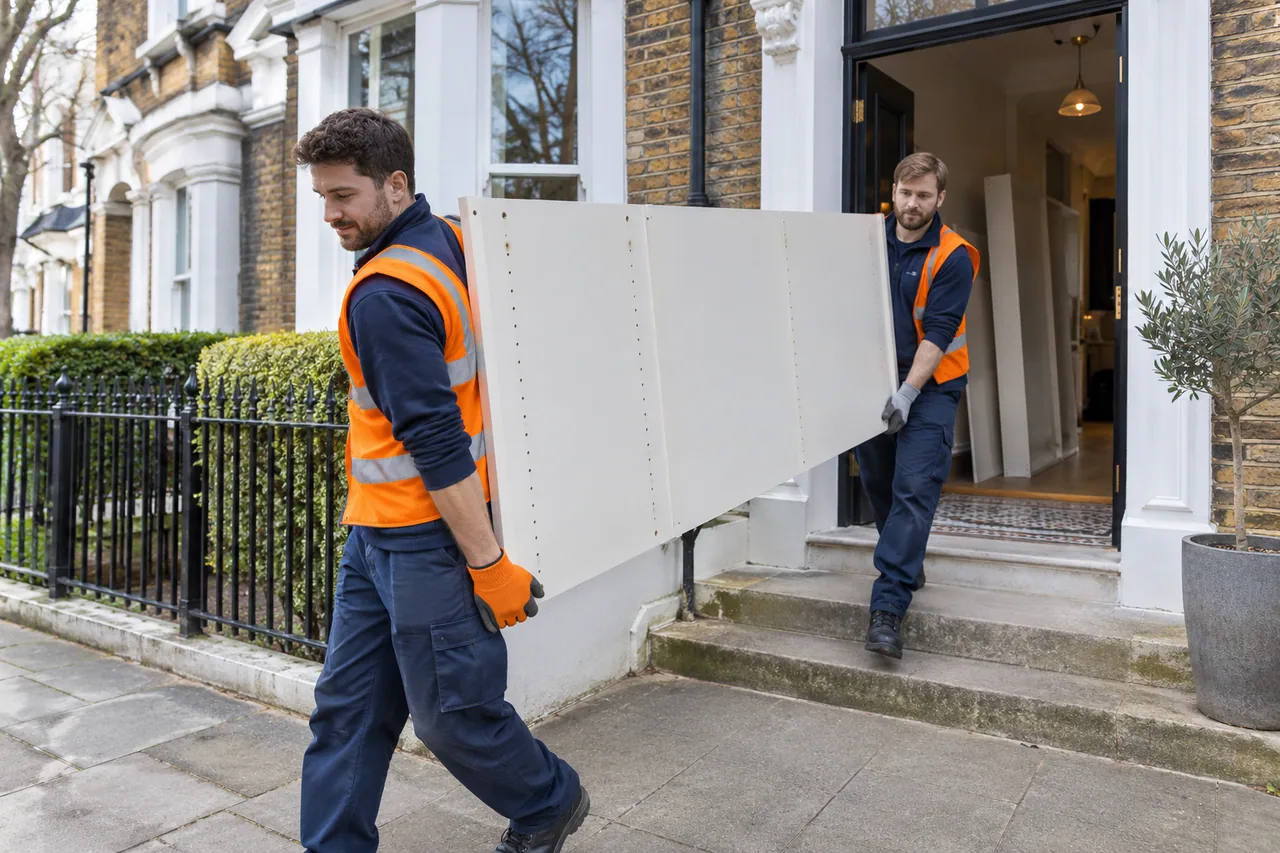
We use counts, approximate dimensions and materials to describe the load. Photographs can show the furniture group, while the written selection explains which similar pieces remain. Components held elsewhere at the property should be included in the description if they also leave.
Materials and assembly are discussed together
Furniture can contain timber, metal, plastic, glass or a combination. The team uses the actual construction and dimensions when discussing removal rather than assume every outdoor table or chair involves the same load. Identify substantial bases or separate heavy components and explain any contents held within them.
Where a parasol or other associated item is included, describe the pieces, base and material rather than simply add a generic accessory to the furniture count. A filled container and an empty component are different descriptions. We clarify acceptance of the material mix before collection, including any extra work requested. The customer remains responsible for identifying what is unwanted; the team does not make that decision from the appearance of objects in the outdoor area.
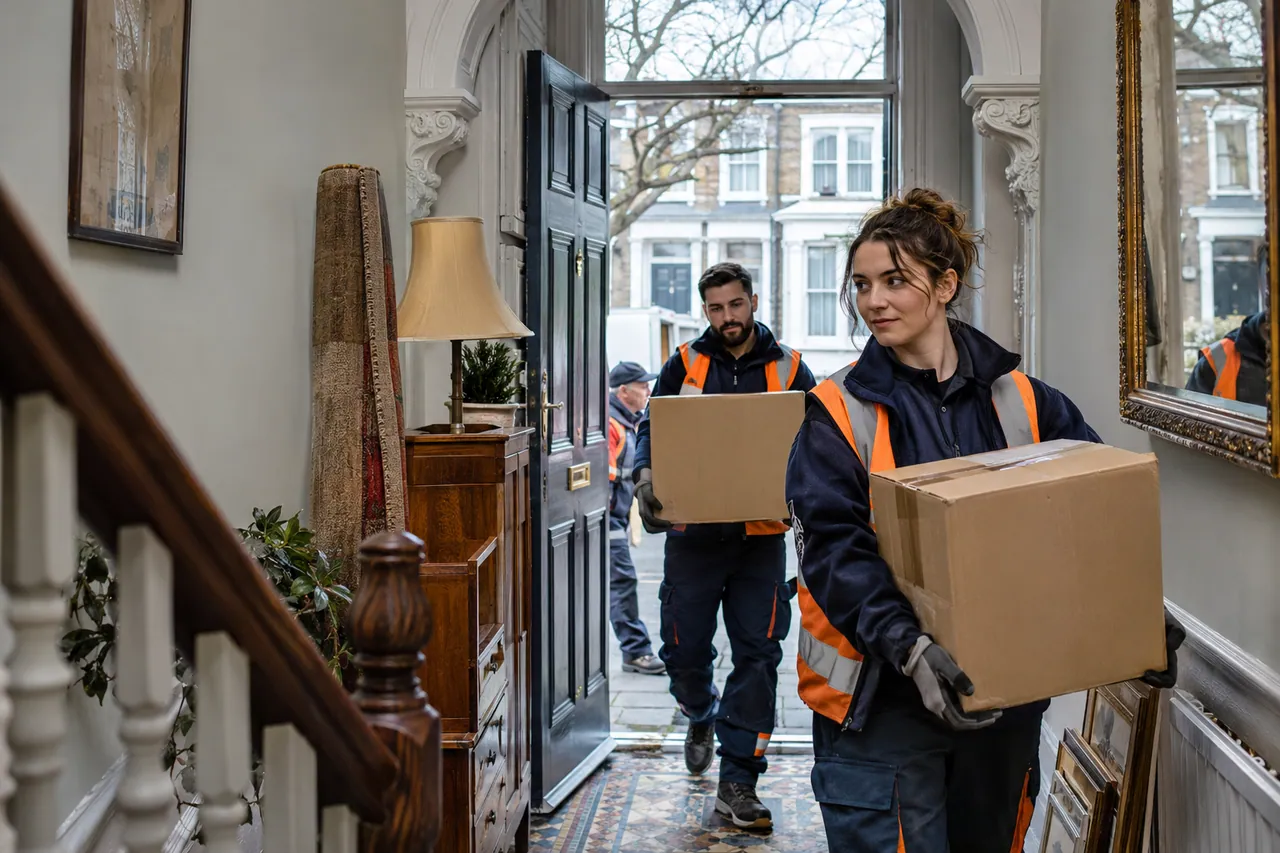
The route from furniture to the vehicle
The collection discussion connects each item with the practical route out. Garden furniture may stand in several places, so explain the starting location and any access through another part of the property. We use that information with the size of the largest piece when reviewing carrying and loading.

Identify the furniture leaving
Chairs, benches, tables and accompanying components are counted, with retained possessions and plants distinguished.

Explain construction and form
Materials, dimensions, separate parts and any additional work requested establish the physical furniture load.

Review the outdoor carrying route
Starting points, steps, internal access and practical loading are connected with the quote and available arrangements.

Collect and transport the selection
The agreed furniture and other accepted items are carried, loaded and taken away for appropriate onward handling.
The contents and carrying behind your Catford enquiry.
Outdoor access is property-specific
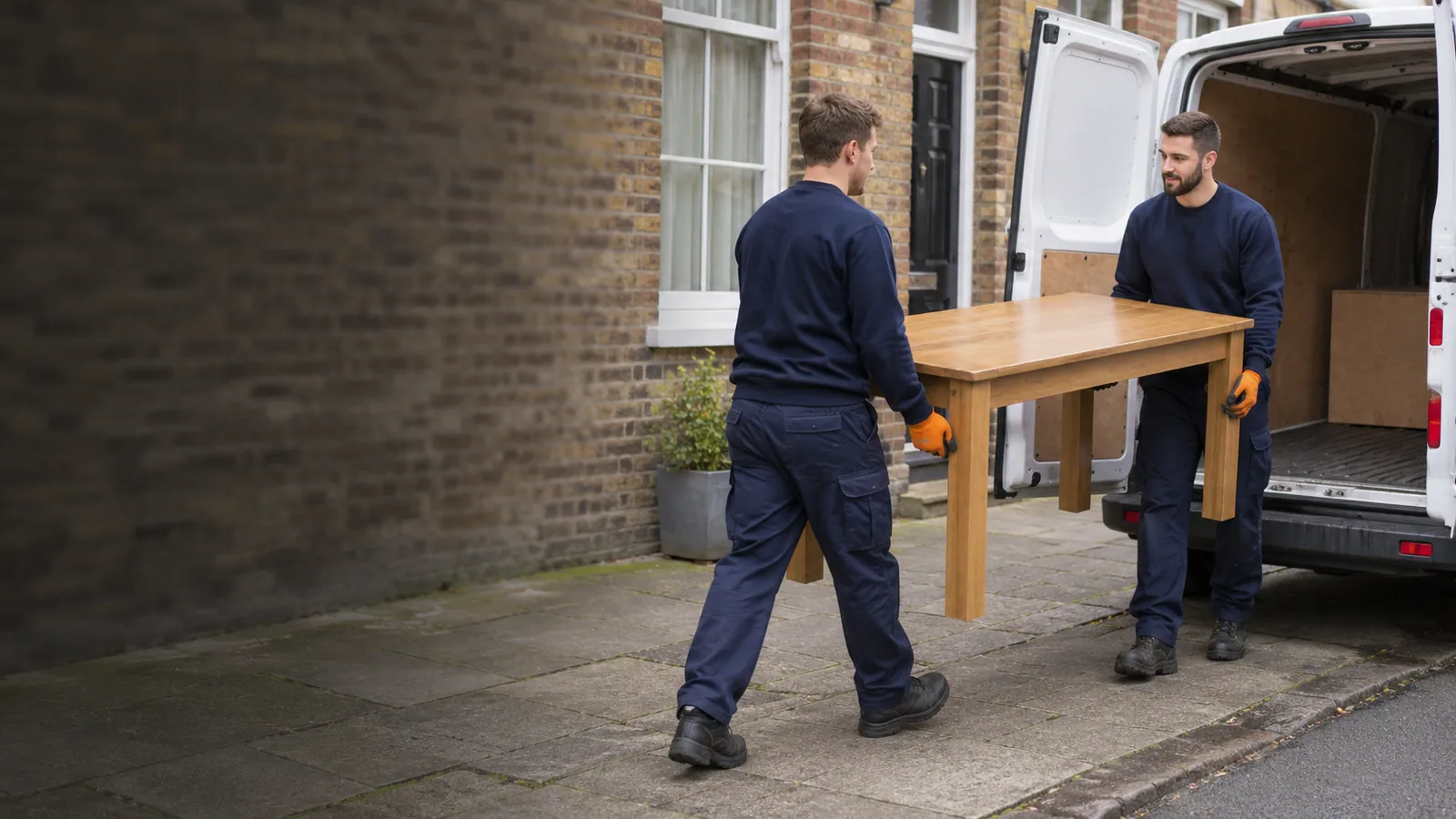
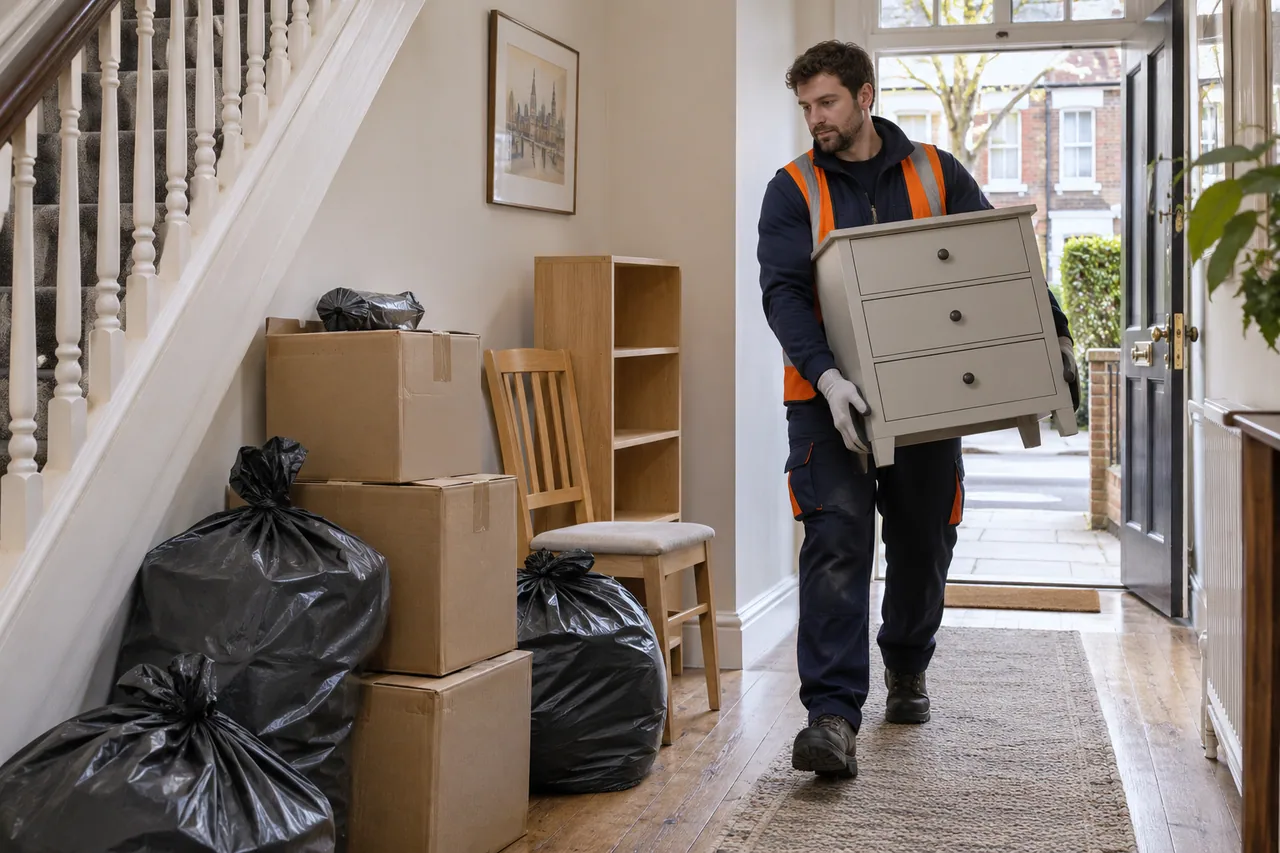
We discuss the route from the furniture’s position rather than assume it is waiting beside the vehicle. Gates, steps, doors or an internal passage can be relevant where they form part of the property route. No particular layout is inferred from a Catford address.
| Access information | What it explains about the work | Detail to include with the furniture list |
|---|---|---|
| Starting location | Where each accepted piece stands before collection. | Separate seating or components elsewhere are identified, not hidden behind one group photograph. |
| Largest component | The approximate size and current form of the bulky piece. | The route is discussed for an assembled bench or top as well as smaller chairs. |
| Changes along the route | Relevant steps, doors, turns or changes in level. | Carrying reflects the practical access available at the premises. |
| Loading arrangement | The vehicle position and distance from the furniture to loading. | Any access contact or property arrangement is clarified before the visit is confirmed. |
Garden material and furniture remain different categories
If green waste or other contents are also leaving, describe them separately through the garden clearance discussion. Chairs and table components are furniture, while cuttings, soil and containers have their own material descriptions. The outdoor location does not make them interchangeable parts of one unexplained load.
| Other material proposed | Information needed before acceptance | Relationship to the furniture removal |
|---|---|---|
| Green cuttings or branches | Approximate amount, contained or loose form and the longest pieces. | The green portion is identified separately from seating and table components. |
| Pots or containers | Construction, dimensions and any remaining contents. | The container and its contents are not assumed to be ordinary furniture. |
| Soil or dense outdoor material | The actual substance, approximate quantity and where it is held. | Acceptance is clarified rather than hidden inside a general garden furniture description. |
| Domestic rubbish stored outside | Main contents, quantity and any electrical or unusual material. | Household waste receives its own description before joining the proposed collection. |
Catford orientation and the collection outcome
The mapped Catford centre is in Lewisham, with SE6 as an indicative nearby postal district. The complete postcode and premises address establish the collection location. We discuss the gate or entrance and loading position with the person arranging access.
Our household waste removal information is relevant if a wider domestic selection accompanies the furniture. Those contents should be listed rather than assumed within an outdoor collection. After carrying and loading, the accepted materials are transported for appropriate onward handling, with recycling or reuse pursued where suitable to their construction and available route. Any specific record or additional service requirement can be raised when the collection is discussed with the team.
Pricing the identified outdoor load
The quote connects the accepted pieces, amount and material types with the work of carrying and loading. Additional furniture, a changed assembly or another collection point can alter that description. We review the revised load before it is treated as covered by the initial arrangements.
| Input to the collection quote | What it explains about the request | Revision to discuss with the team |
|---|---|---|
| Furniture and components | Chairs, bench sections, table parts and other pieces expressly leaving. | Another item or additional component absent from the first selection. |
| Materials and quantity | Approximate dimensions, construction and contents within bases or containers. | A different material mix or substantially larger physical load. |
| Collection points | Outdoor or storage locations holding the accepted contents. | Furniture elsewhere or a further waste pile added to the job. |
| Access and coordination | Practical carrying route, loading position and authorised entry contact. | Revised access, preparation or timing requirements needing confirmation. |
Catford: collection location and area map.
Map of Catford
Load the interactive area map from OpenStreetMap. This connects your browser to the map provider.
Open map in a new tab ↗ © OpenStreetMap contributors
Area orientation only. This map does not mark a company office or a confirmed loading point.
Catford collection questions
Can one matching garden chair stay while others leave?
Yes, identify the unwanted chairs and distinguish the retained piece clearly. We discuss the number, size and location of the seating leaving rather than assume the complete set is being removed. The access contact should understand that selection. Other furniture or accessories nearby need their own inclusion if they also form part of the requested collection.
How is a bench with separate seat and support pieces listed?
Identify the seat section and each support leaving, with their materials and approximate dimensions. A photograph of the assembled bench may show its shape but conceal separate pieces now stored elsewhere. We connect the component list with their current positions, so carrying covers the complete unwanted bench while any retained matching seat or spare support stays outside the load.
Can a parasol base be mentioned as part of the furniture enquiry?
Describe it separately, including its material, approximate size and whether anything remains inside it. We discuss acceptance of that component rather than treat every accessory as equivalent to a chair. The collection should explain the complete proposed load and its route, with any additional requirement clarified before agreement instead of hidden within a general furniture count.
Is outdoor furniture always treated as green garden waste?
No. Furniture is described by its construction and physical form, while cuttings, soil and other garden material are separate categories. An enquiry can discuss several groups, but each needs an adequate material and quantity description. The fact that everything stands outdoors does not establish identical handling or make retained tools and plants part of the removal.
What if the bench is still fixed in place?
Explain the attachment and any work required before it can be carried. Detachment or alterations are not automatically included within furniture collection. We discuss the item as it currently stands and clarify the additional requirement before the quote and scope are agreed. A freestanding bench and an attached structure are different descriptions of the requested work.
Can the collection start from more than one garden location?
Identify each starting point and the contents held there. Separate chairs, table parts or waste piles can create different carrying routes even within one property. The team uses that information with the material and quantity description. Another group found after the enquiry needs review before it is assumed to be included in the original collection arrangement.
Arrange your Catford collection.
Discuss the unwanted items, full postcode and route to the vehicle with the collection team.