
PENGE COLLECTIONS
Rubbish Removal in Penge
We arrange rubbish collections from Penge properties around the contents described in your enquiry. This guide explains a storage-container request: unwanted suitcases, trunks or portable storage boxes, with the container and anything inside treated as separate selection decisions before carrying, loading and removal are agreed.

Penge collections, explained.
Does an unwanted suitcase automatically include all belongings inside it?
No. Explain whether the container, its contents or both are selected for removal, and describe the main materials and quantity involved. The organiser makes that choice before collection is arranged. We discuss an identifiable load rather than assume possessions are waste simply because they are held inside an old or unwanted storage item.
Can loose storage containers be discussed as a limited Penge collection?
Yes. Describe their types, approximate dimensions and quantity, whether they are empty or filled, and where they are held. We discuss acceptance and the carrying work for that selection. The rest of the room or storage area can remain outside the request, with any additional furniture or belongings listed separately before the quote is agreed.
The contents included in your Penge enquiry.
| Storage object proposed | Information discussed | What the collection description identifies |
|---|---|---|
| Suitcases or luggage | Number, approximate size and whether contents are also included. | The individual objects leaving rather than every travel-related possession at the home. |
| Rigid trunks or chests | Construction, dimensions and present location. | The physical containers to be carried, with retained contents distinguished. |
| Portable storage boxes | Quantity, current form and whether loose contents accompany them. | The proposed load as presented rather than an assumption that every box is empty. |
| Separate lids or accessories | The loose parts selected and where they are stored. | Components expressly included instead of every associated spare part being inferred. |
The container and its contents are independent selections
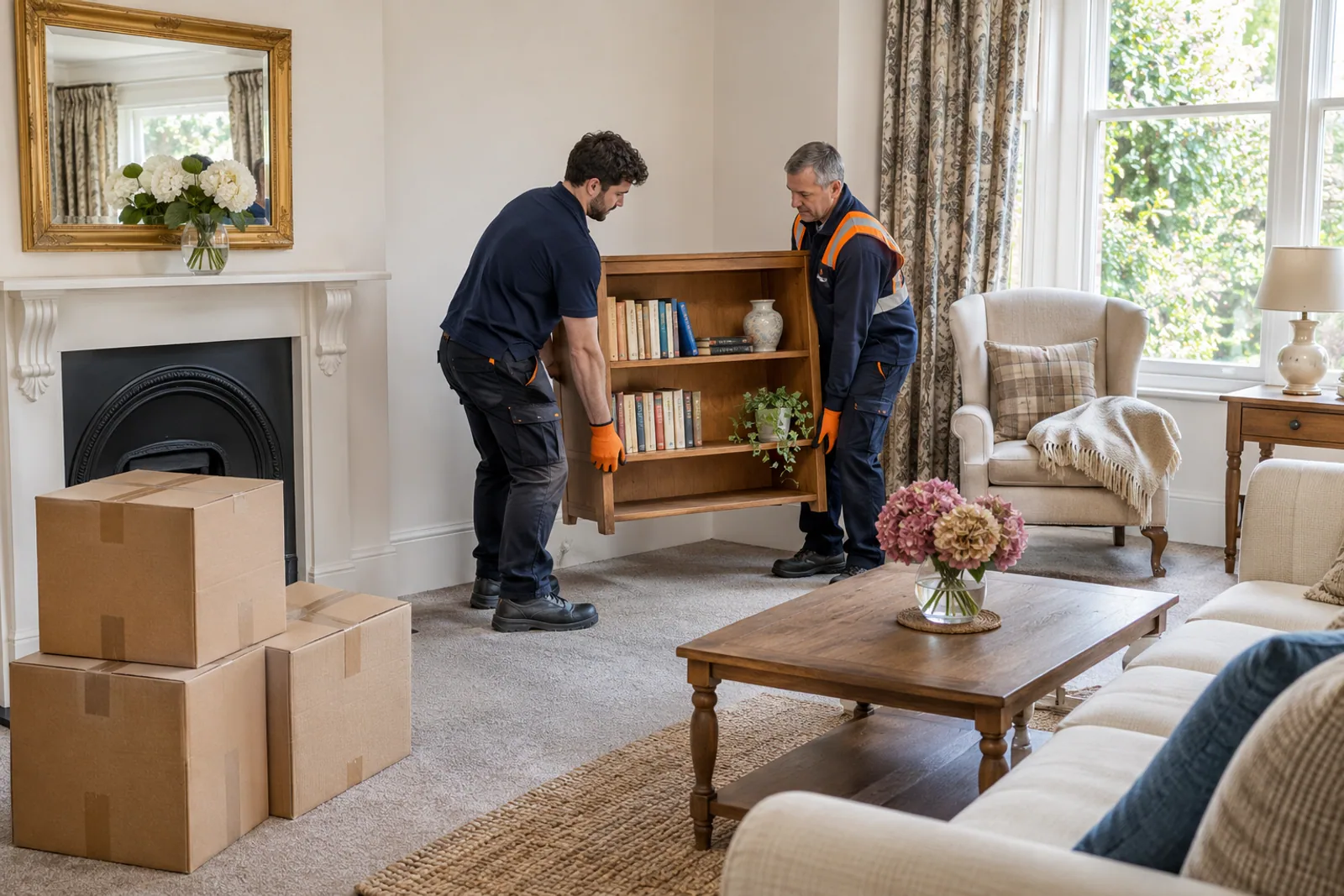
An enquiry about old luggage or storage boxes should distinguish the object holding possessions from the possessions themselves. A household may want an empty container taken away while retaining its contents, or may request disposal of described belongings while keeping a useful box. The collection inventory identifies that choice rather than rely on the container’s age, appearance or location.
Our household waste removal service provides the relevant domestic context. The request can remain a limited group of portable containers and loose items. We do not interpret access to a storage area as an instruction to empty every cupboard, suitcase or box held there. The organiser explains the group authorised to leave and any similar contents remaining.
Describing the storage items as physical objects
We discuss types, approximate dimensions, construction and overall quantity. A rigid trunk, folding storage box and suitcase present different shapes, particularly if they contain other items. Photographs help show the complete proposed selection, while the description explains whether the objects are empty, filled or partly emptied and where they stand at the time of collection.

Retained belongings and similar containers nearby

Storage areas can hold several similar cases or boxes with different contents and purposes. The organiser identifies which are unwanted and who can explain the selection at the premises. The team should not need to decide that a damaged-looking object is waste, that a matching box belongs to the same removal or that contents of uncertain ownership can be taken because they are nearby.
If the person opening the property did not make the selection, the inventory should still be recognisable. Describe the particular group, quantities and collection location before the visit is confirmed. That keeps the removal bounded while the household’s retained storage and useful belongings remain separate.
| Selection at the premises | Detail clarified with the organiser | What the team can distinguish |
|---|---|---|
| Container leaves, contents stay | Which object is unwanted and whether it is presented empty. | Disposal of the storage object is separate from the household belongings it previously held. |
| Contents leave, container stays | Main materials and amount selected for removal. | The loose load can be described without discarding a useful retained container. |
| Container and contents both leave | Main contents and any separate acceptance question. | A filled object is understood as a complete described load rather than unidentified material. |
| Similar containers remain | The particular group authorised to leave and its location. | Matching appearance does not include retained or unrelated storage automatically. |
Agreeing a collection for containers and belongings
The team discusses the complete inventory, materials and route before explaining the quote and confirming an available visit. A preferred date is supplied as an enquiry detail, with the appointment agreed directly. The service concerns the stated contents and work, with additions reviewed before they become part of the removal.
Planning the Penge visit

Identify what leaves
The organiser distinguishes unwanted containers from their contents and from similar storage objects or belongings being retained at the property.

Explain the material and presentation
Empty, filled or regrouped items are described with their main contents, quantities and any separate acceptance requirement.
At the agreed collection premises

Agree access and the quote
Current locations and the route towards loading are considered before the team confirms an available collection with the premises contact.

Remove the described group
The accepted storage objects and loose contents are carried, loaded and taken away for appropriate onward handling according to their material streams.
The contents and carrying behind your Penge enquiry.


What the contents consist of
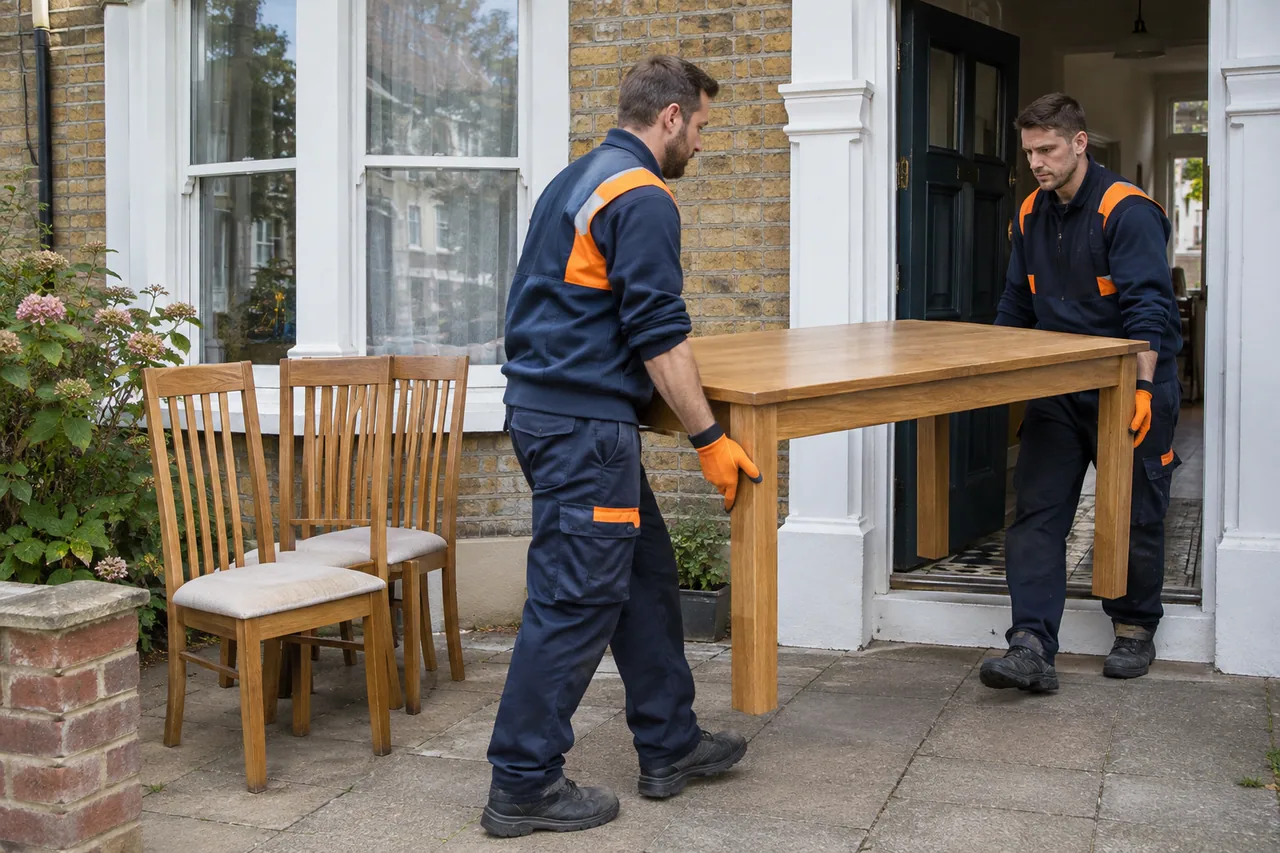
Where belongings are also requested for removal, explain their main materials. Clothing, books, electrical items and other stored objects create different descriptions even if held in identical cases. The team discusses acceptance for the actual contents rather than the outer container alone. Anything unfamiliar or unusual is raised before it is treated as part of a general domestic collection.
| Contents requested with a container | Information supplied before acceptance | Difference from an empty storage-object collection |
|---|---|---|
| Clothing or household textiles | Approximate amount and which groups are selected. | The loose belongings form an identified additional part of the load. |
| Books or paper material | Main contents and overall quantity. | A concentrated load is understood beyond the size of the container holding it. |
| Electrical objects | Device types, quantity and any additional requirement. | Equipment is described separately rather than hidden within a generic household-box label. |
| Mixed belongings | Main material groups and anything requiring further clarification. | Acceptance is discussed for the full selection instead of assuming unknown contents are ordinary rubbish. |
For a separate bulky piece stored with the containers, our furniture disposal information explains that service. Give the furniture’s dimensions and assembly as well as the portable storage selection. The contents can be discussed together while remaining individually identifiable within the removal scope.
The current presentation and route to loading
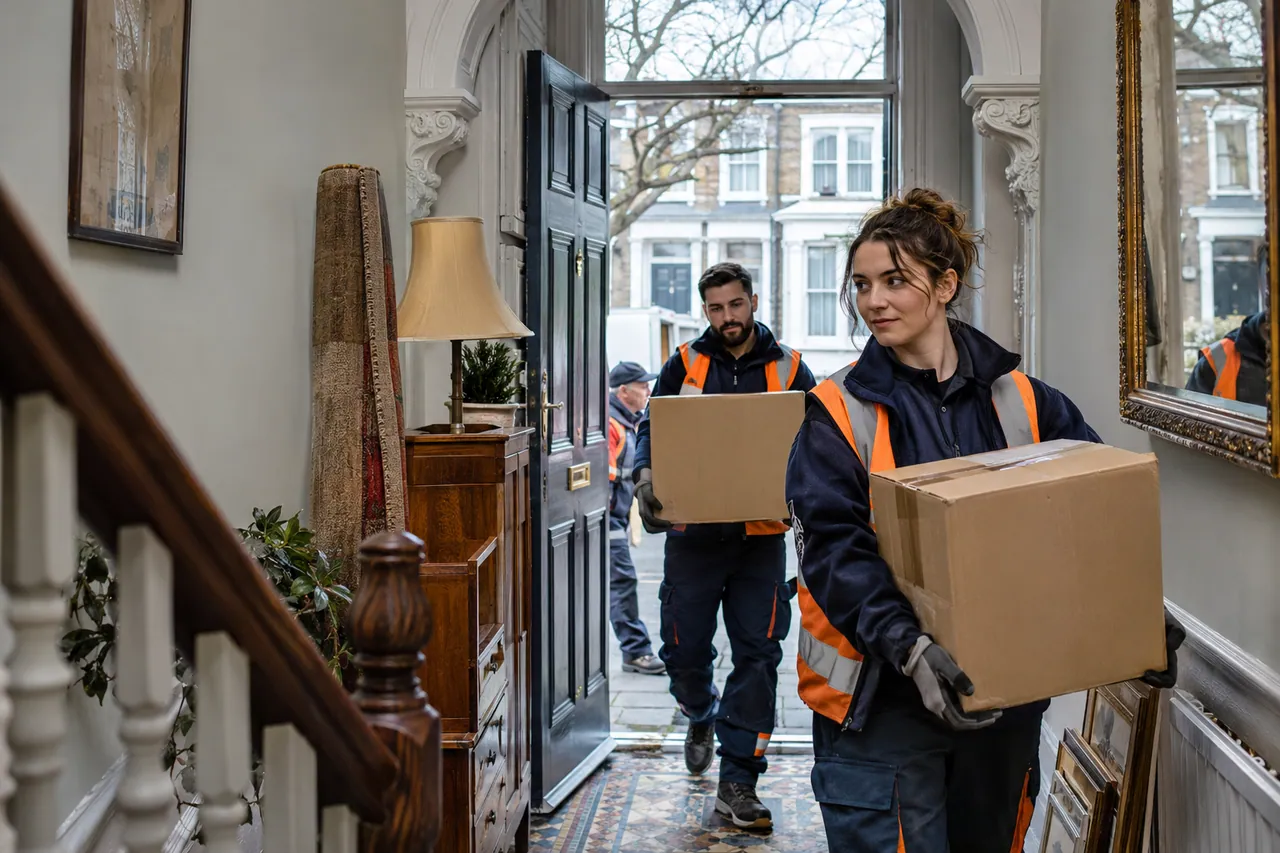
The collection discussion includes where the objects are held and how they reach the vehicle. Relevant floors, doors, turns, stairs or a usable lift and the entrance connect the inventory with carrying. Filled rigid containers, loose belongings and collapsed boxes may present different handling, so explain the form in which each group will be offered rather than rely on an earlier storage arrangement.
The team uses the premises details supplied for the actual Penge address. If objects are spread across several rooms or another store, identify each collection location. Any expectation of additional work beyond carrying and loading is clarified before agreement. The visit should be arranged around the described load and usable route rather than a general instruction to resolve an unspecified storage-clearance problem.
When stored contents change after the enquiry
The organiser may empty a case, regroup belongings or decide to retain some containers before collection. Explain the current selection to the team, including any material newly added or removed. This keeps acceptance and the quote connected with the contents actually presented. It also helps the entry contact understand which objects still form part of the removal.
| Change to the storage selection | Updated information discussed | What is reviewed |
|---|---|---|
| A filled container emptied | Whether the container, loose belongings or both still leave. | The physical inventory and any change to material quantity. |
| Contents moved into different boxes | Main contents and the current groups selected. | The load is understood rather than tied to an outdated container count. |
| Another luggage group added | Types, dimensions, contents and collection location. | Acceptance and carrying for the additional objects. |
| Some possessions retained | Which objects stay and what remains in the removal group. | The selection presented at the visit matches the organiser’s latest request. |
The Penge address and a broader removal request
The map centres on Penge in Bromley, with SE20 an indicative nearby postcode district. Give the full collection address, postcode and entry contact, together with the rooms or storage areas holding the proposed load. Those details connect collection availability with the actual premises and carrying route.
Our house clearance page provides the wider service context when the request includes more than portable containers. Additional furniture, cupboards or rooms are described before they are considered part of the same agreement. Recycling or reuse is pursued where appropriate to the contents and available route after the described load is taken away.
Penge: collection location and area map.
Map of Penge
Load the interactive area map from OpenStreetMap. This connects your browser to the map provider.
Open map in a new tab ↗ © OpenStreetMap contributors
Area orientation only. This map does not mark a company office or a confirmed loading point.
Penge collection questions
Can I discard an empty suitcase while keeping what was inside it?
Yes, make that selection clear in the enquiry and describe the object being presented. The container and its former contents are separate decisions. The collection concerns the listed suitcase rather than an assumption that every possession associated with it is unwanted or should leave at the same visit.
What if two identical storage boxes have different disposal decisions?
Identify which one leaves and which is retained, with the entry contact able to explain the group. Matching appearance does not define the removal. We discuss the specific selection and main contents before agreement rather than ask the team to judge which box contains useful belongings.
Are filled containers accepted without a contents description?
The main contents need explaining, including any electrical, unfamiliar or unusual material. A container does not establish suitability for a general household collection. The team discusses acceptance for the load actually proposed rather than assume that every closed case or box holds ordinary loose domestic waste.
Can contents leave while the storage trunk stays?
That request can be discussed. Describe the main materials and quantity of the belongings selected, together with how and where they will be presented. The trunk remains outside the load when retained, and the quote should identify the loose contents rather than imply removal of their storage furniture or container.
What if the belongings are regrouped into different boxes before collection?
Update the team on the current contents, quantity and presentation. The household possessions may be the same while the physical groups differ from the initial enquiry. We discuss what will actually be carried and loaded rather than rely on an earlier container count or location that no longer applies.
Does opening the storage room mean everything inside is included?
No. The organiser identifies the particular containers and belongings selected to leave. Other furniture, possessions and undecided objects remain separate. The access arrangement allows the team to reach the described load; it is not an instruction to make fresh disposal decisions about all contents visible in the room.
Arrange your Penge collection.
Discuss the unwanted items, full postcode and route to the vehicle with the collection team.
Discuss your Penge collection
Open our booking form to arrange your collection.
Continue to our booking form to confirm your items and contact details.