
CHELSEA COLLECTIONS
Rubbish Removal in Chelsea
We collect unwanted furniture, household belongings and agreed commercial waste from Chelsea addresses. Our work covers carrying, loading and removal of the accepted items, with the property route, load and collection availability discussed before the visit.
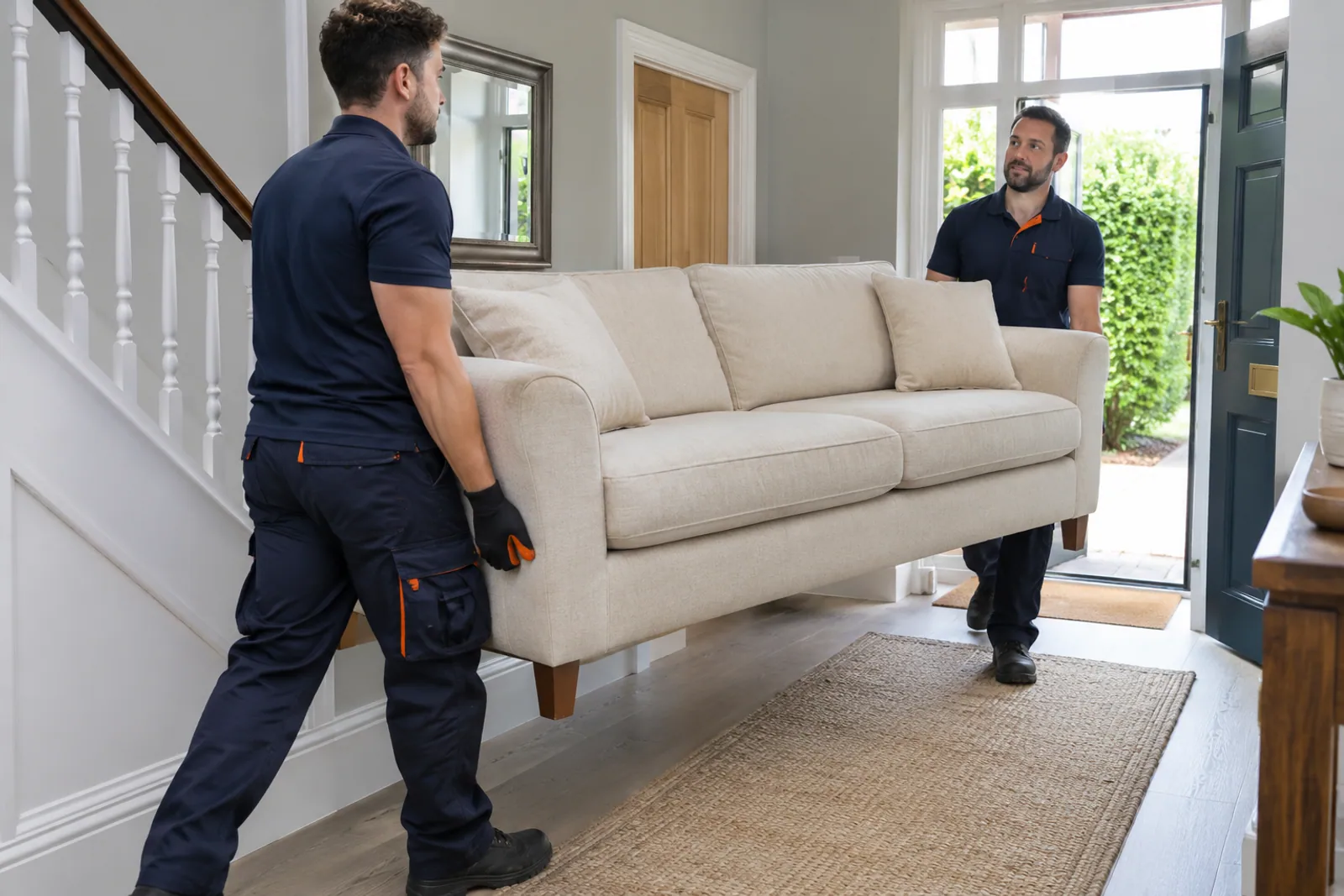
Chelsea collections, explained.
What can we collect from a Chelsea property?
We remove agreed household contents, bulky furniture, garden waste and business items as part of our London collection service. Tell us the pieces and materials involved, rather than only the number of rooms. We discuss access and acceptance before arranging the carrying, loading and onward removal from your address.
How is a Chelsea collection arranged?
Send your full postcode, photographs of the load and the location of the items within the property. We discuss floors, entrances, bulky pieces and the vehicle loading point, then explain the quote and available visit arrangements. The collection is confirmed with the team; an enquiry alone does not reserve a slot.
The contents we identify before quoting
A useful enquiry shows the whole load and explains any material hidden within bags or boxes. We discuss large pieces individually because a compact chair and a rigid wardrobe create different carrying requirements. Electrical items and dense building waste are listed apart from ordinary domestic contents so the collection description reflects the materials being removed.
| Item group | Examples in your collection | What the team establishes |
|---|---|---|
| Seating and tables | Sofas, armchairs, dining furniture and desks | Piece counts, approximate dimensions and where each item is situated. |
| Bedroom contents | Beds, mattresses, drawers and freestanding storage | Separate components and whether furniture remains assembled. |
| Household belongings | Books, clothing and agreed boxed possessions | Amount, main contents and the collection areas included. |
| Business items | Removable shop furniture, office contents and packaging | The business load, retained assets and premises contact. |
| Separate waste streams | Electrical equipment, garden material or renovation debris | Acceptance and handling discussed by material rather than assumed from a mixed pile. |
A collection defined by the items leaving
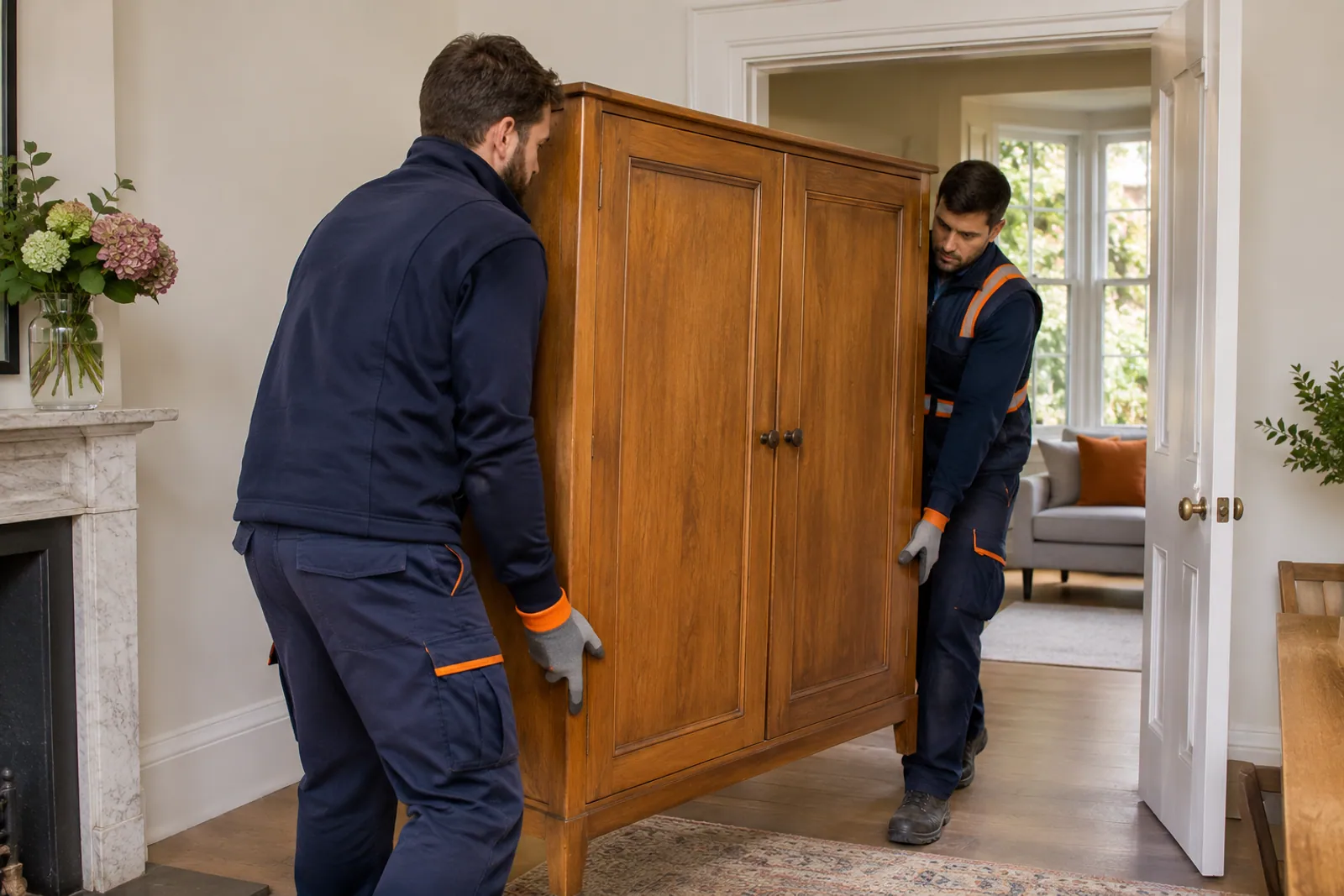
Our Chelsea rubbish removal starts with a clear selection of what you want taken away. A sofa, a group of boxed belongings and old shop furniture involve different loads even where they occupy the same room. We identify them separately and discuss the work of carrying each category to the vehicle. That gives the collection a defined scope without treating every possession at the address as unwanted.
The service can cover selected pieces while the rest of the property stays in use. We distinguish retained furniture, stored belongings and new materials from the removal items. For a fuller domestic job, our house clearance service explains how room contents are included. A collection of furniture alone can be scoped around those pieces without clearing unrelated cupboards or possessions.
Carrying from the room to the loading point
We discuss the actual route at your property. The enquiry covers the floor, stairs or lift, doorways and any change in level between the contents and the vehicle. A large piece near a ground-floor entrance differs from the same piece behind several internal turns. We establish those details rather than attach one access assumption to every Chelsea address.
For furniture disposal, the current size and assembly matter. Tell us if a wardrobe is still assembled, a sofa has separate sections or a table includes a heavy top. Work beyond carrying and loading, such as detaching a fixed fitting, needs clarifying before the quote. The agreed removal should describe the furniture as it will be presented for collection.

From the first description to removal
Our team connects the item list with the access and available collection arrangements. Photographs help explain the contents, but the discussion also covers what stays and any additional handling requirement. Once the work is agreed, the collection concerns that accepted load rather than an open-ended instruction to remove everything subsequently added around it.

Identify the pieces
We establish furniture, loose contents and separate waste streams, including what will remain at the property.

Review the route
The room location, stairs, doors and practical vehicle loading position are discussed for the actual address.

Agree the collection
We explain the scope and quote and confirm an available visit with the person arranging access.

Carry and take away
The accepted contents are carried, loaded and removed for appropriate onward waste handling.
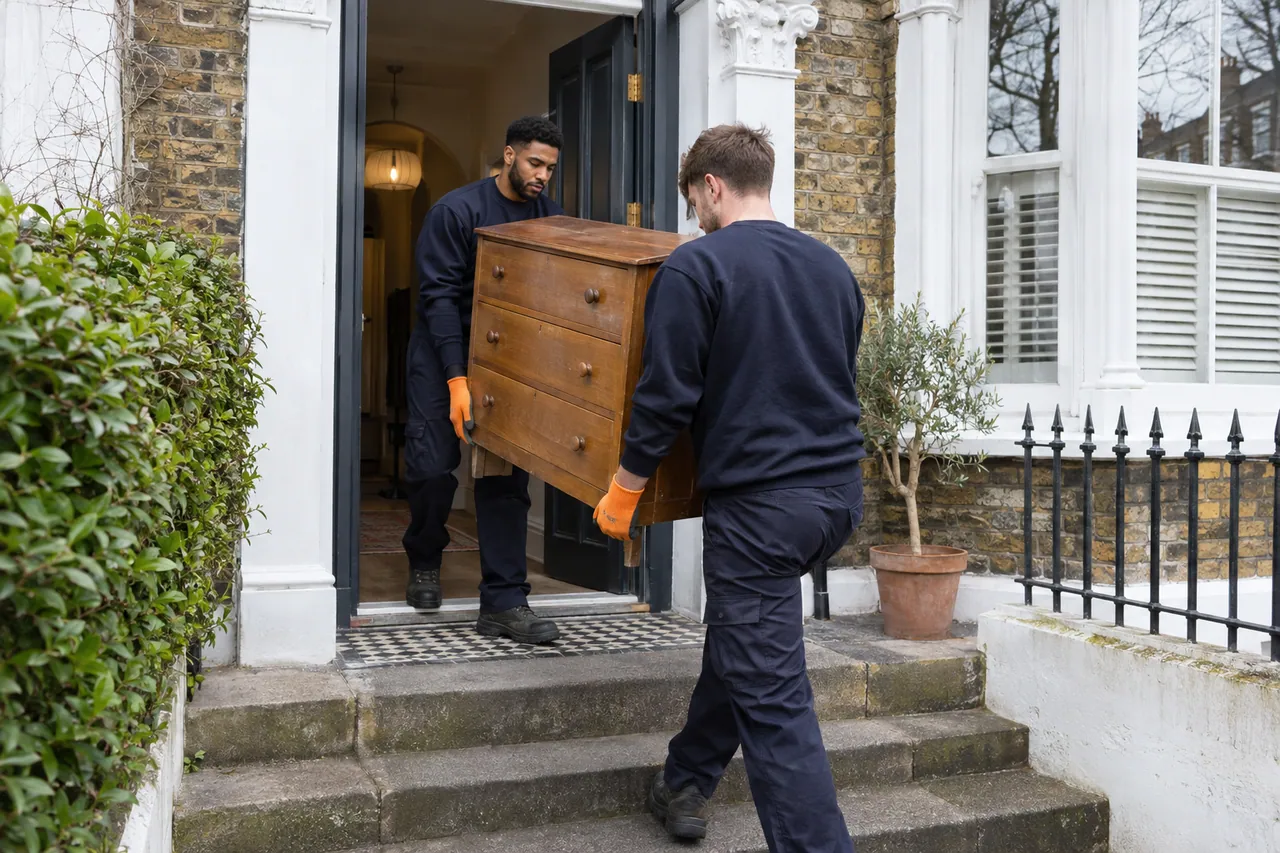
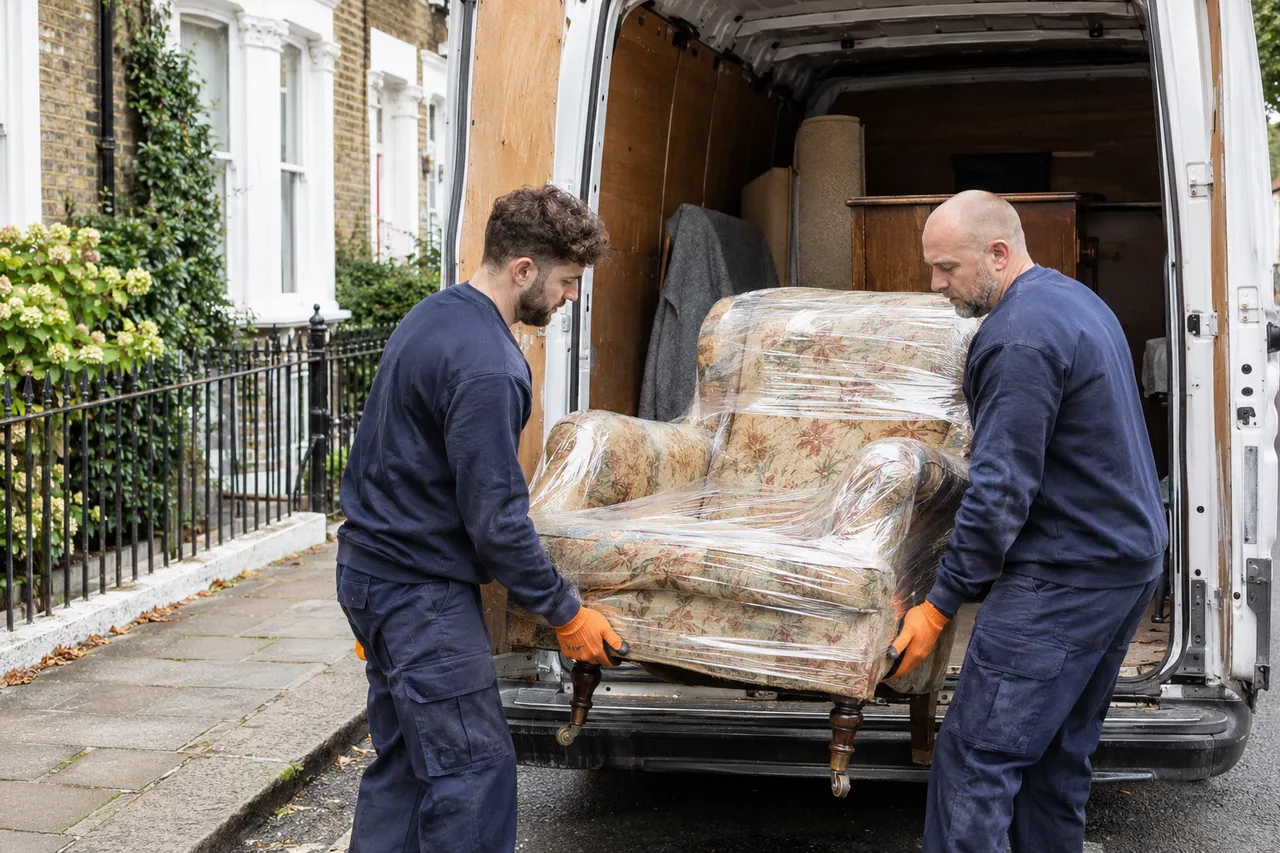
Furniture, contents and loading.

Property arrangements in the enquiry
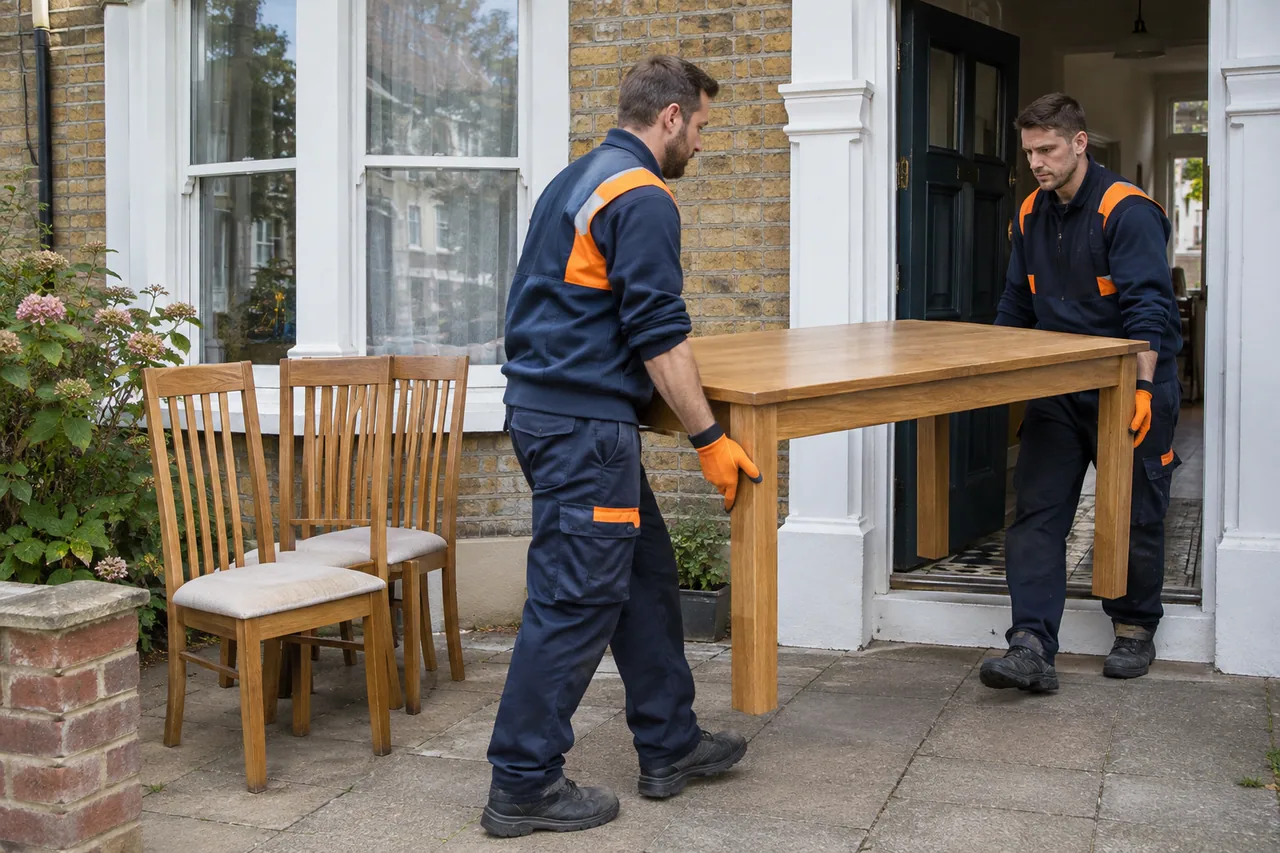
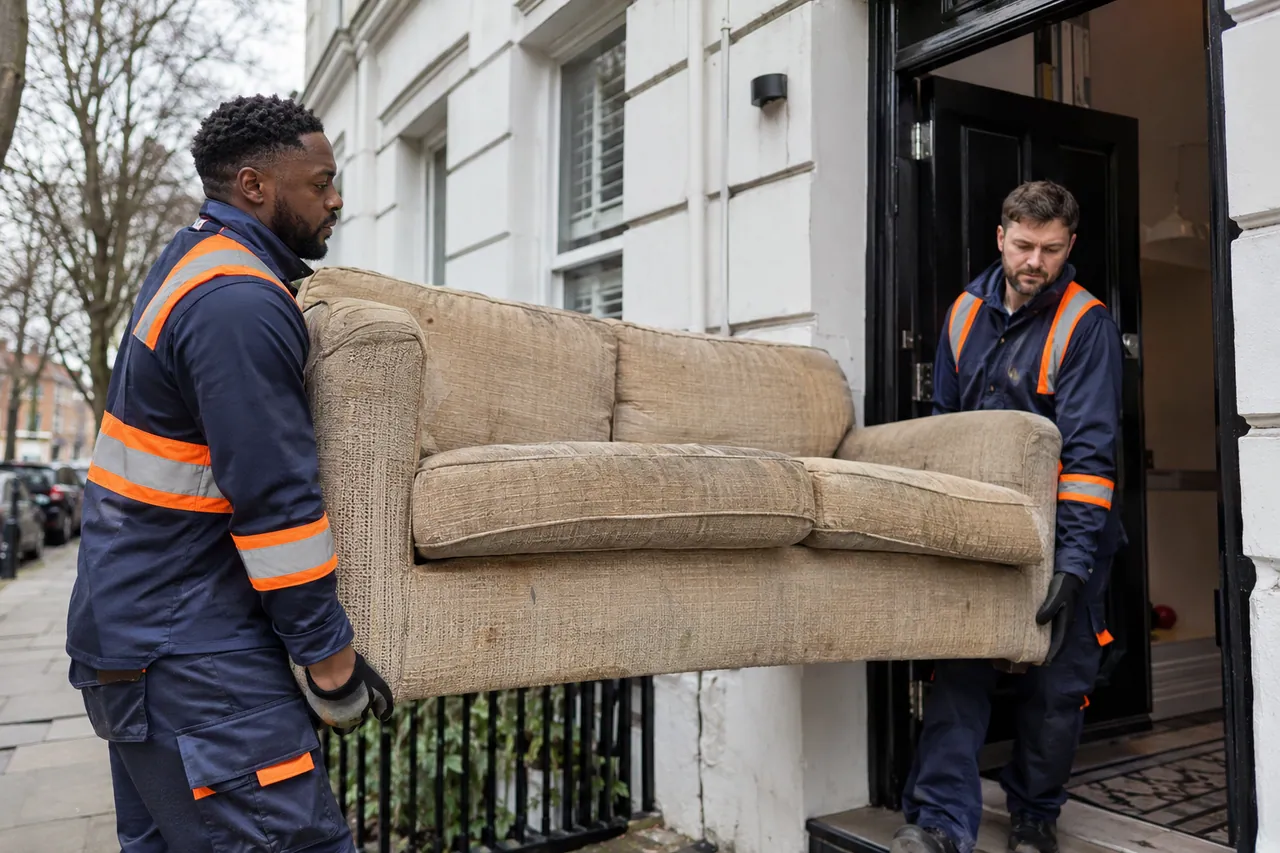
Chelsea includes residential streets as well as commercial activity around King’s Road. We use the full collection address to distinguish a home, flat or business premises; the neighbourhood name is not a substitute for that information. A building may have its own entry arrangements, and we discuss them where relevant to the removal. We do not assume a particular floor, frontage or loading restriction from the area alone.
| Collection setting | Details discussed | How the work is defined |
|---|---|---|
| Selected rooms in a home | Items leaving and belongings staying | A partial clearance remains separate from the retained contents. |
| Flat or shared building | Floor, entry contact and usable stairs or lift | Carrying is discussed around the route available to the team. |
| Retail or office premises | Removable contents and authorised access | Business assets and fixtures are distinguished from waste. |
| Several storage areas | Separate piles and their locations | Every area included in the quote is identified. |
The local address and the map
The map is centred near King’s Road as a reference within Chelsea. The Royal Borough’s conservation material identifies a residential character in the Chelsea Conservation Area and commercial streets in the wider setting. Those descriptions help distinguish the kinds of premises found here; they do not establish the conditions inside your building. Our collection planning remains specific to the address, contents and route you provide.
SW3 is an indicative postal reference around the mapped centre, not an exhaustive boundary for every address described as Chelsea. Give the full postcode when requesting a visit. The team discusses availability and the collection location directly, including properties near a neighbourhood boundary. We do not claim a separate office, parked vehicle or permanently stationed crew at the point shown on the map.
Different materials within one agreed load
We arrange transport and onward handling for the accepted waste. Furniture, electrical equipment, green material and renovation debris are identified as different streams. Recycling or reuse is pursued where appropriate to the items and available route. A mixed property clearance does not receive one assumed treatment outcome simply because everything was collected from the same address.
| Material stream | Information identified | Removal arrangement |
|---|---|---|
| Bulky furniture | Construction, dimensions and components | Carrying and loading of the agreed pieces. |
| Domestic contents | Main materials in loose or boxed belongings | Collection of the accepted household load. |
| Electrical items | Device types and any additional requirement | Separately identified handling rather than ordinary mixed rubbish. |
| Building or garden waste | Dense debris, timber, cuttings and other materials | The quantity and suitable collection route are discussed explicitly. |
What informs your Chelsea collection quote
The quote considers the amount and type of waste alongside carrying and loading. We discuss the described pieces rather than use a fixed price for a neighbourhood or bedroom count. Larger furniture, a dense material pile and a longer route to the vehicle can distinguish one job from another. The purpose is to explain the price against the actual collection being requested.
If the load or route changes before the visit, the scope needs updating with the team. Additional rooms, extra furniture or a different loading point may change the work. Where a business also needs recurring waste removal, that is a separate arrangement from a single property clearance. Our commercial collection page explains the distinction between a one-off load and a regular requirement.
| Quote component | What you describe | What it resolves |
|---|---|---|
| Accepted contents | Item list, material types and whole-load photographs | The waste included in the collection. |
| Quantity and size | Counts, large dimensions and separate components | The physical load that needs carrying and vehicle space. |
| Property route | Floors, lift, doors and distance to loading | The collection work at the address. |
| Requested visit | Preferred date and access arrangements | An available collection can be discussed and confirmed. |
Chelsea: the collection area.
Use the area map to locate the neighbourhood, then give the full postcode and property details when requesting collection.
Map of Chelsea
Load the interactive area map from OpenStreetMap. This connects your browser to the map provider.
Open map in a new tab ↗ © OpenStreetMap contributors
Area orientation only. This map does not mark a company office or a confirmed loading point.
Chelsea collection questions
Can you remove furniture while other belongings stay?
Yes. We discuss the pieces to remove and distinguish the furniture and possessions being retained. List the unwanted items and their locations, particularly where several similar cabinets or chairs share a room. The agreed scope can remain a selected furniture collection rather than a whole-property clearance.
Is the map pin your Chelsea office?
No. It is an area reference near King’s Road, not a company premises or crew location. Our business details remain the published London company address. Collection availability is discussed for your full postcode and the actual waste and access at the property.
Can a shop request the same collection discussion?
Yes, explain the unwanted retail contents and premises access. We distinguish removable furniture, packaging and electrical items from stock and retained fixtures. Installed equipment or detachment work needs clarification before it becomes part of an agreed carrying and removal job.
Do you assume a loading restriction from my Chelsea postcode?
No. We ask about the usable loading position and any restrictions relevant to your address. The postcode locates the enquiry but does not describe every entrance or building arrangement. Tell us what access is available so the collection discussion reflects the premises.
What if a sofa is in several separate sections?
Describe the sections and any additional cushions or components included. That gives us a clearer item list than one sofa alone. We discuss the route out for the pieces in their current form and clarify any dismantling requirement before the visit is agreed.
Can extra rubbish be added after the quote?
Tell the team about the additional items and materials before collection. The updated load may need a revised discussion of price and access. An existing quote defines the described work; it is not an unlimited allowance for further rooms or bulky items discovered later.
Arrange your Chelsea collection.
Discuss the unwanted items, full postcode and route to the vehicle with the collection team.
Discuss your Chelsea collection
Open our booking form to arrange your collection.
Continue to our booking form to confirm your items and contact details.