
CROYDON COLLECTIONS
Rubbish Removal in Croydon
We arrange removal of accepted DIY leftovers and selected workshop contents from Croydon properties. The enquiry distinguishes unwanted materials from retained tools, equipment and supplies still needed for work. We identify the actual waste streams and their location, discuss carrying and loading, and confirm the scope and price before agreeing an available collection.
Croydon collections, explained.
Can DIY leftovers be removed while tools and usable supplies stay?
Yes. Identify the waste material and distinguish it from working tools, equipment and supplies being kept. We describe the quantities and main materials before acceptance, including anything inside closed containers. The collection then concerns a defined workshop selection rather than an instruction to decide which stored objects appear useful or unwanted.
How do we describe a mixed workshop load for the quote?
Separate the proposed timber, metal parts, equipment and other materials in the description, explaining their approximate quantities and present location. Closed containers need their principal contents identified. We discuss acceptance and the carrying route for that load, rather than infer a material mix or removal amount from the size of the workshop.
Defining the load inside a storage area
Our collection can concern a defined selection of workshop or DIY contents without becoming an instruction to empty the whole space. We identify unwanted offcuts, components, packaging and other proposed materials, distinguishing them from tools and supplies being kept. The customer confirms the selection: the team should not decide that a usable board, unopened container or working tool appears to be waste merely because it stands near discarded material.
The garage clearance service explains a broader accepted load from a garage. A workshop enquiry remains more specific about the materials involved. We distinguish timber, metal parts, equipment and closed containers rather than call all of them ordinary stored belongings. Their types and approximate quantities need explaining before acceptance, including material behind the visible front row which otherwise would be absent from the collection description.

A contents list that separates belongings from waste

We use photographs alongside an inventory so that acceptance is based on identified material. A closed container does not show whether it holds clothing, metal parts, liquids or dense fragments. We ask about the contents instead of treating every box or bag as equivalent. The same distinction applies to equipment that looks unwanted but may remain working property rather than part of the disposal instruction.
Moving contents out of their current location
We discuss where the load stands and the path needed to reach transport. Storage contents may occupy a room, garage or another area with its own entrance and internal arrangement. The quote should reflect that actual location. If items are behind retained possessions, explain the collection arrangement rather than assuming the team is authorised to empty everything encountered along the way.
Bulky furniture also needs a route description. We consider current assembly, component size, doorways, stairs and any floor change relevant to carrying it out. Detaching fixed shelving, disconnecting equipment or altering a structure is not implied by a general storage-clearance request. Those requirements are clarified before collection so the scope describes the accepted carrying and loading work.
Recording access to every collection space
The person arranging removal explains the available entry and identifies the accepted load within each area. Where more than one space is included, we connect each with the route to the vehicle. That keeps the quotation grounded in the complete job, rather than describing one accessible pile while leaving a second, undescribed load to be found elsewhere on arrival.
| Collection arrangement | What we establish | What the description covers |
|---|---|---|
| Separate storage areas | The unwanted contents and entry arrangements for each included space. | An identified collection from named locations rather than an unrestricted property-wide clearance. |
| Furniture behind retained items | Which pieces leave and how the agreed carrying route can be used. | The selected removal without treating nearby belongings as waste or authorising unrelated rearrangement. |
| Upper-floor contents | Floor level, stairs or usable lift and the dimensions of the components involved. | Carrying from the actual collection location instead of an assumed ground-floor presentation. |
| Loading beyond the exit | A practical vehicle position and the carrying distance from the premises. | The movement of the accepted contents through to loading for transport. |
The collection process for an identified stored load
We first establish the accepted contents and the distinction between waste and retained possessions. Access information then explains how the load can leave the property. The team clarifies the quote, scope and available visit with the collection contact. Additional material, locked areas or changes to the route need discussing before they become part of the removal instruction.
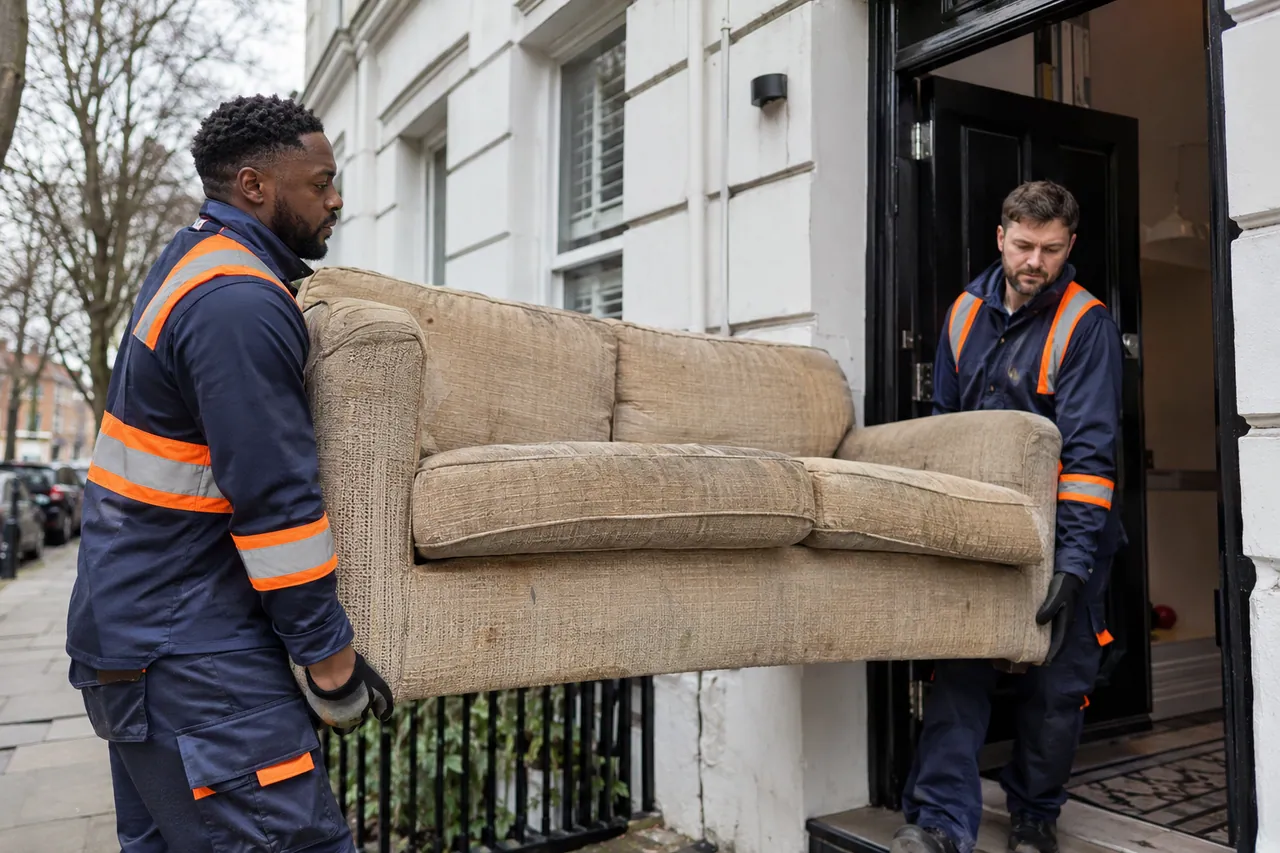

Identify what leaves storage
We describe furniture, containers and separate materials, distinguishing them from tools, possessions and supplies retained at the address.

Connect the spaces with access
The rooms or stores, entry arrangements, bulky dimensions and carrying route are reviewed together for the actual property.

Agree the removal scope
Accepted contents, handling, price and an available attendance are confirmed with the person responsible for providing entry.

Carry the accepted load away
The selected items are moved towards the vehicle, loaded and removed for appropriate onward waste handling according to the materials involved.
The contents and carrying behind your Croydon enquiry.
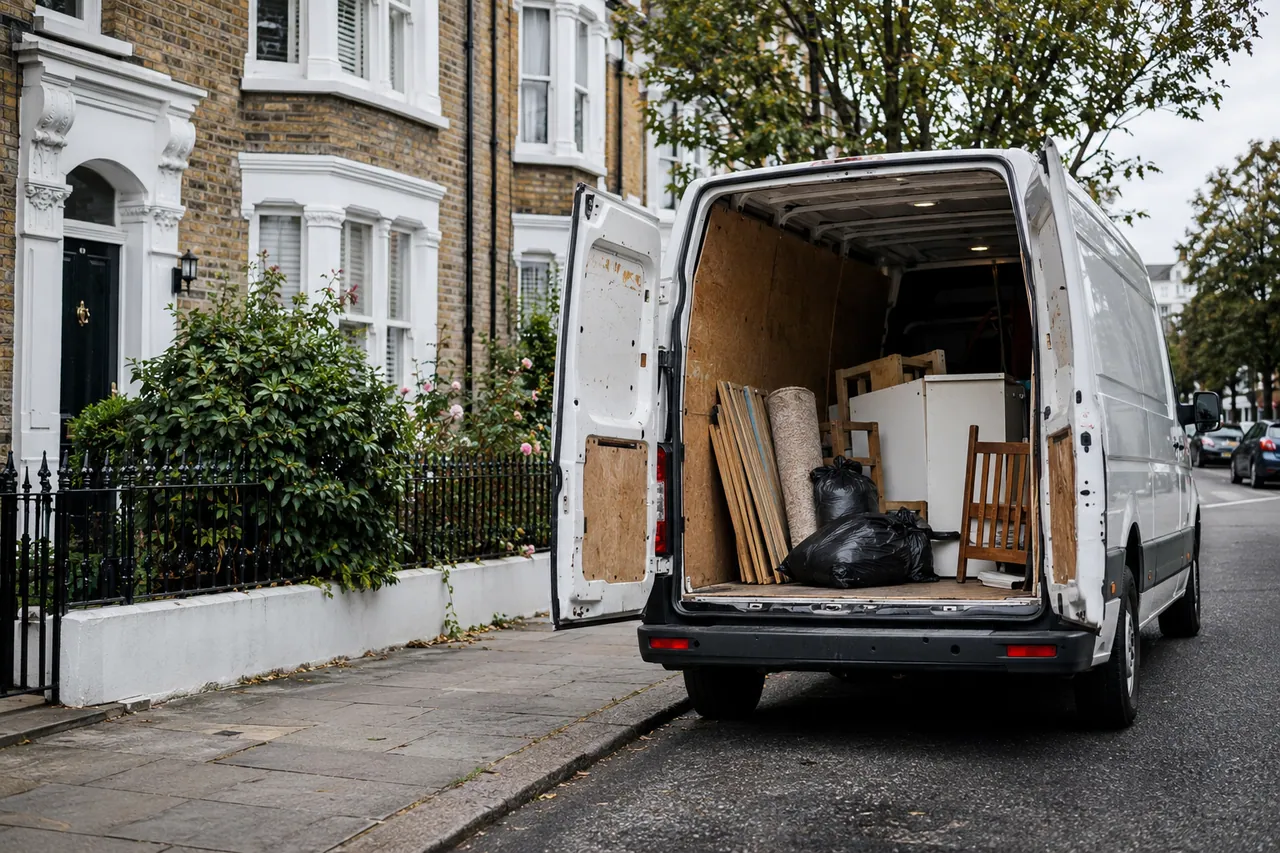
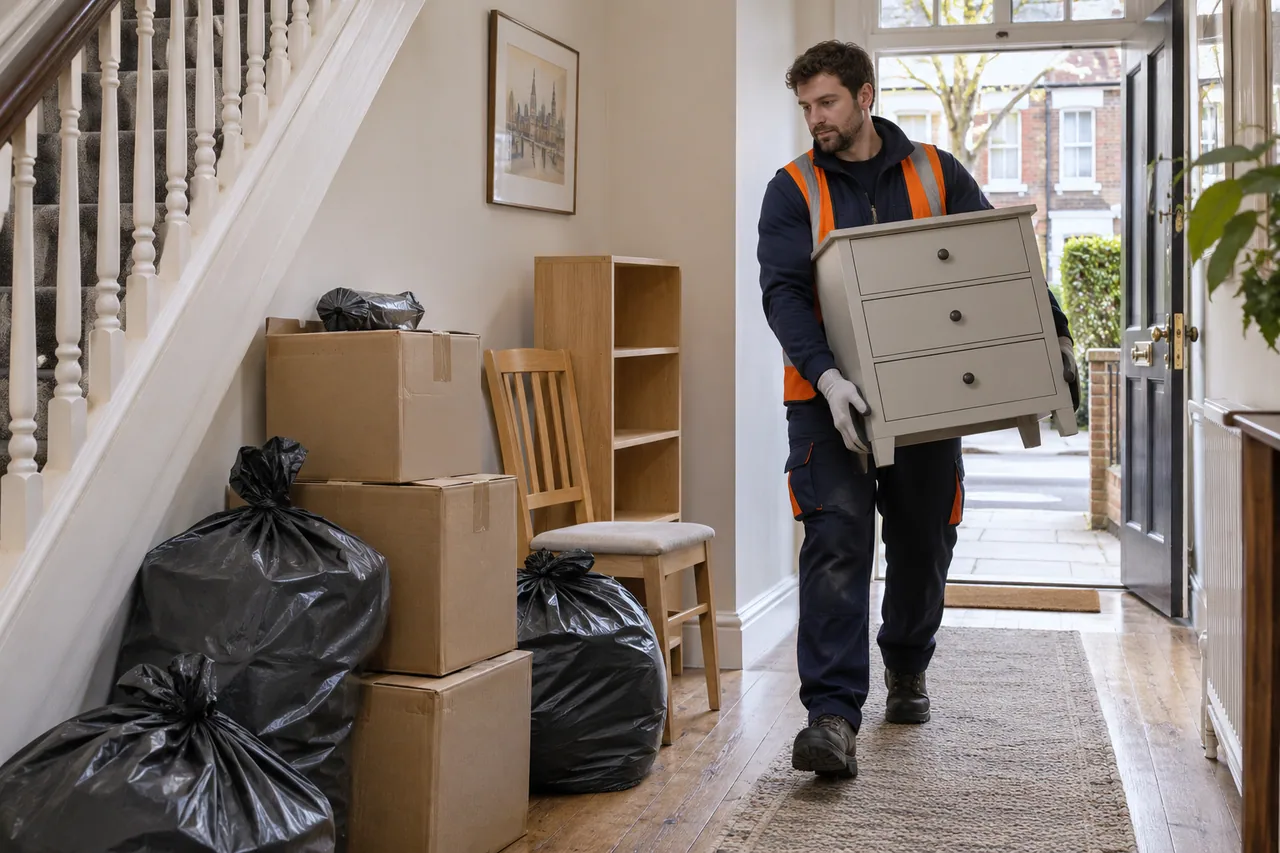
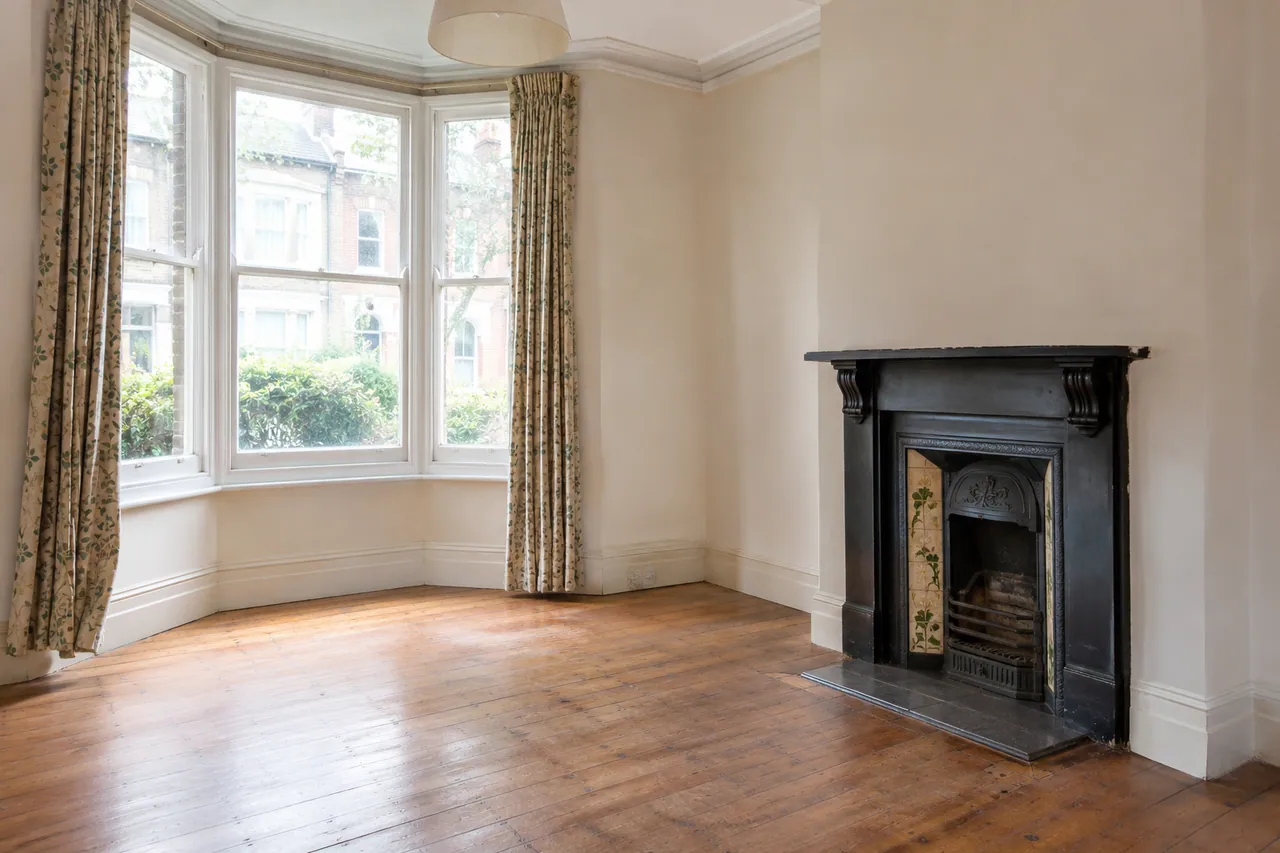
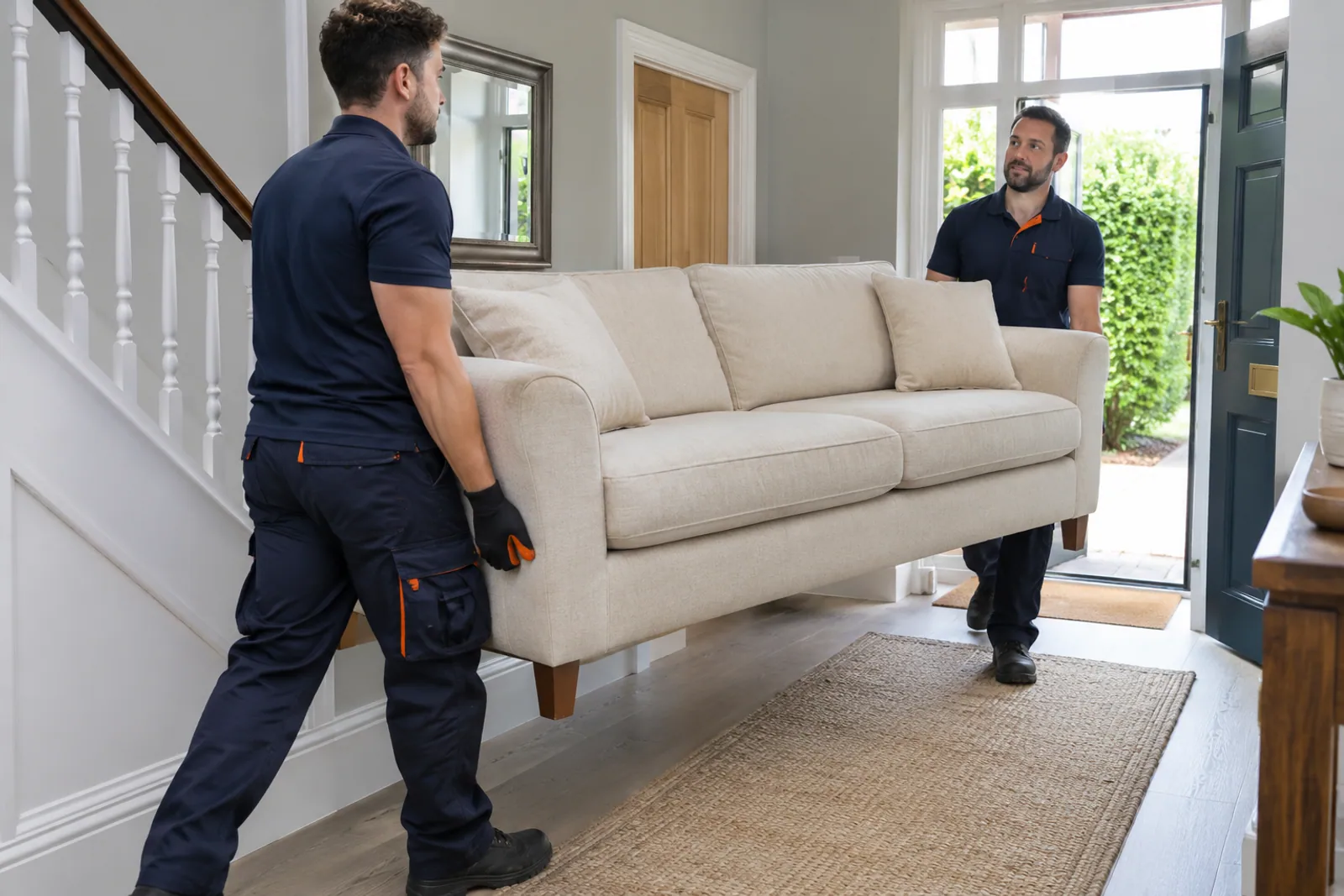
The material groups within the removal.
| Workshop selection | Information identified | How the scope distinguishes it |
|---|---|---|
| Timber and board leftovers | Approximate quantities, component lengths and the material being discarded. | Offcuts are separated from usable supplies which the customer wants retained for another project. |
| Loose metal or hardware | The actual parts and their present form rather than an unexplained container count. | Acceptance is discussed for the identified material, without treating every workshop object as ordinary household rubbish. |
| Tools and equipment | Specific items proposed for disposal and any separate handling requirement. | Working or retained tools stay outside the load even where they stand next to accepted waste. |
| Closed containers | Their main contents, approximate quantities and any unusual material needing clarification. | Acceptance does not follow automatically from a container being unwanted or located in a workshop. |
Croydon as an area rather than an access assumption
This guide uses the GLA town-centre point for Croydon within Croydon borough. CR0 and CR9 are indicative postcode references around that point, not a definition of every address using the area name. We establish your full collection address, storage locations and available entry directly. The area map cannot identify the contents or route inside an individual store.
Material acceptance and appropriate handling
Stored workshop contents can include several waste streams, and we discuss them separately. Timber offcuts, electrical devices and dense project material are not interchangeable categories just because they occupy the same space. The refurbishment waste service covers a more specific project-material enquiry. We identify the actual materials before acceptance, with additional handling requirements clarified as needed.
| Material identified | What needs clarification | Removal arrangement |
|---|---|---|
| Domestic furniture | Construction, assembly and whether the piece is freestanding or attached. | Carrying and loading of the accepted components in the condition described for the collection. |
| Boxed personal contents | Main materials and the approximate quantity being discarded. | Removal of the agreed household load while retained containers remain outside the instruction. |
| Electrical or unusual equipment | The particular items and any additional requirements relevant to removal. | Acceptance is discussed explicitly rather than assuming every stored device belongs in an ordinary mixed load. |
| Dense debris or project waste | Material types, approximate amount and position within the property. | Suitable collection and handling are considered separately from light stored belongings and furniture. |
What the Croydon quotation describes
We explain the price against the amount and type of waste and the work of carrying and loading it. A garage containing a few cabinets is different from one holding a larger mixed load behind retained equipment. Likewise, several boxes at an entrance do not describe the same work as those boxes held on another floor. The quote therefore refers to the actual accepted removal.
| Quotation component | Detail brought into the discussion | What the agreement establishes |
|---|---|---|
| Quantity selected | Counts of furniture pieces and containers, with approximate amounts of loose material. | The physical load being removed, rather than a price inferred from the size of the storage space. |
| Bulky handling | The current assembly, dimensions and route for furniture or large accepted equipment. | The carrying work, with any additional dismantling or detachment requirement clarified separately. |
| Collection locations | Each included store or room and its route to the usable loading point. | The full access arrangement for the load described in the enquiry. |
| Revised contents | Extra material, altered quantities or a change in the place where items will stand. | The team can review the earlier quote before an expanded or different job is treated as agreed. |
Croydon: collection location and area map.
Map of Croydon
Load the interactive area map from OpenStreetMap. This connects your browser to the map provider.
Open map in a new tab ↗ © OpenStreetMap contributors
Area orientation only. This map does not mark a company office or a confirmed loading point.
Croydon collection questions
Can usable timber remain beside the unwanted offcuts?
Yes. Identify the discarded material and the supplies being retained, including pieces which may look similar. The team follows the agreed selection rather than decide which boards appear useful. Describe the approximate quantities and component sizes so the accepted load is based on the actual material leaving the workshop.
Does an unopened container become acceptable because it is unwanted?
Its contents still need explaining before acceptance. Identify what the material is and the approximate quantity rather than rely on the container’s appearance or location. An ordinary workshop-clearance description does not establish suitability for every liquid, product or unexplained material that may have been stored there.
Can working tools stay on a bench that is being discarded?
The scope distinguishes the bench from the tools and equipment remaining at the property. Explain which components leave and how the furniture will be presented for collection. Removing a work surface is not an automatic instruction to dispose of everything normally kept on or underneath it.
How are long board pieces described without an assumed cutting service?
Give their approximate dimensions and current location and explain the route available to loading. The team discusses the pieces as presented. Cutting or other alteration work needs clarification before the visit rather than being inferred from a request to remove leftover DIY material.
Can old electrical tools join the timber load?
Identify the specific equipment separately, even where it is stored with other workshop waste. Acceptance and additional requirements need discussing before it enters the agreed collection. The timber description should not conceal a separate equipment stream or imply specialist services which have not been confirmed.
What changes when another workshop store is added?
We need to identify its materials, retained supplies and access route as an additional collection area. The team can then review the amount and carrying work. A quotation for one described waste selection should not be treated as automatically clearing every cupboard or store used for DIY materials at the property.
Arrange your Croydon collection.
Discuss the unwanted items, full postcode and route to the vehicle with the collection team.
Discuss your Croydon collection
Open our booking form to arrange your collection.
Continue to our booking form to confirm your items and contact details.