
CRYSTAL PALACE COLLECTIONS
Rubbish Removal in Crystal Palace
We arrange rubbish collections from Crystal Palace properties around the contents and premises described. This guide explains a request involving more than one collection location: one organiser may need household or business contents removed from separate properties, while each address retains its own inventory, access description and availability discussion.


Crystal Palace collections, explained.
Can one organiser enquire about removal at two properties?
Yes, describe each address and its load separately so the team can discuss the requests clearly. Furniture, belongings and access at one property do not establish the work at another. Any combined visit arrangement or quote needs direct discussion rather than an assumption that a removal from the first address automatically covers the second location.
What details keep separate property collections from being confused?
Give the full collection postcode and address for each premises, with its own item list, current collection locations and access contact. Explain the main materials and quantities separately. The team can then discuss acceptance and availability for the described requests without relying on one household’s photographs or route details as a substitute for another property’s removal.
The contents included in your Crystal Palace enquiry.
| Detail for each collection address | What the organiser describes | What it establishes for the team |
|---|---|---|
| Full premises location | Complete postcode, address and useful building or occupier identification. | The actual property holding the contents rather than the organiser’s unrelated contact address. |
| Contents at that property | Item types, quantities, principal materials and current assembly. | A physical removal scope distinct from another location’s load. |
| Collection areas inside the premises | Rooms, storage points and any separate piles expressly included. | The starting locations for the carrying work at that address. |
| Entry arrangement | The person providing access and relevant premises details. | The inventory is connected with somebody able to present or explain the described selection. |
Each address has its own removal scope
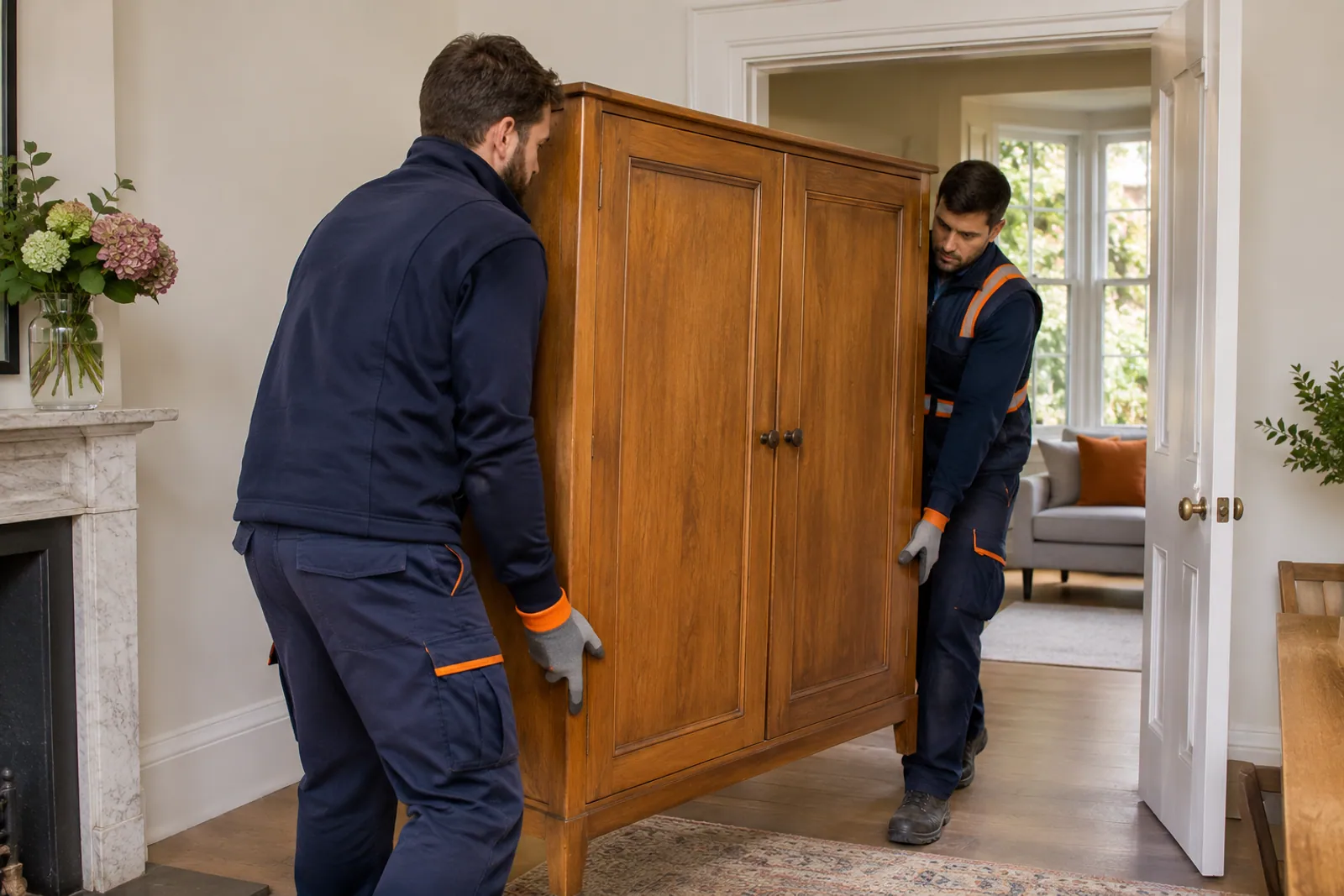
An organiser may be managing belongings at more than one home or arranging a household removal alongside a separate business request. We identify the physical contents at each location before discussing collection arrangements. A quote based on one property’s furniture and access should not be read as an agreement to take unspecified waste from another address.
Our house clearance service provides the domestic removal context. For each property, the organiser identifies the furniture, bags, boxes or other contents authorised to leave and distinguishes retained possessions. The collection discussion concerns those actual loads rather than an unrestricted instruction to empty every premises associated with the person making the enquiry.
Agreeing the property collections in connected stages
We use the separate inventories and access details to discuss acceptance, carrying and the quote for the requested work. The organiser can compare that description with the contents at each location before the collection is confirmed. Added addresses and extra material are raised before being treated as part of an earlier agreement.

Identify each collection location
The organiser supplies the full address and the contents selected there, distinguishing retained possessions and keeping separate property loads identifiable.

Describe materials and routes
Each inventory includes quantity, current form and its own premises access, with additional technical or dismantling work raised expressly.

Agree the available arrangements
The team discusses acceptance, scope and the quote, clarifying any proposal involving more than one address before confirming the visits available.

Remove the stated contents
The accepted load at each agreed premises is carried, loaded and taken away for appropriate onward handling according to its material streams.
The contents and carrying behind your Crystal Palace enquiry.

The information recorded for each premises

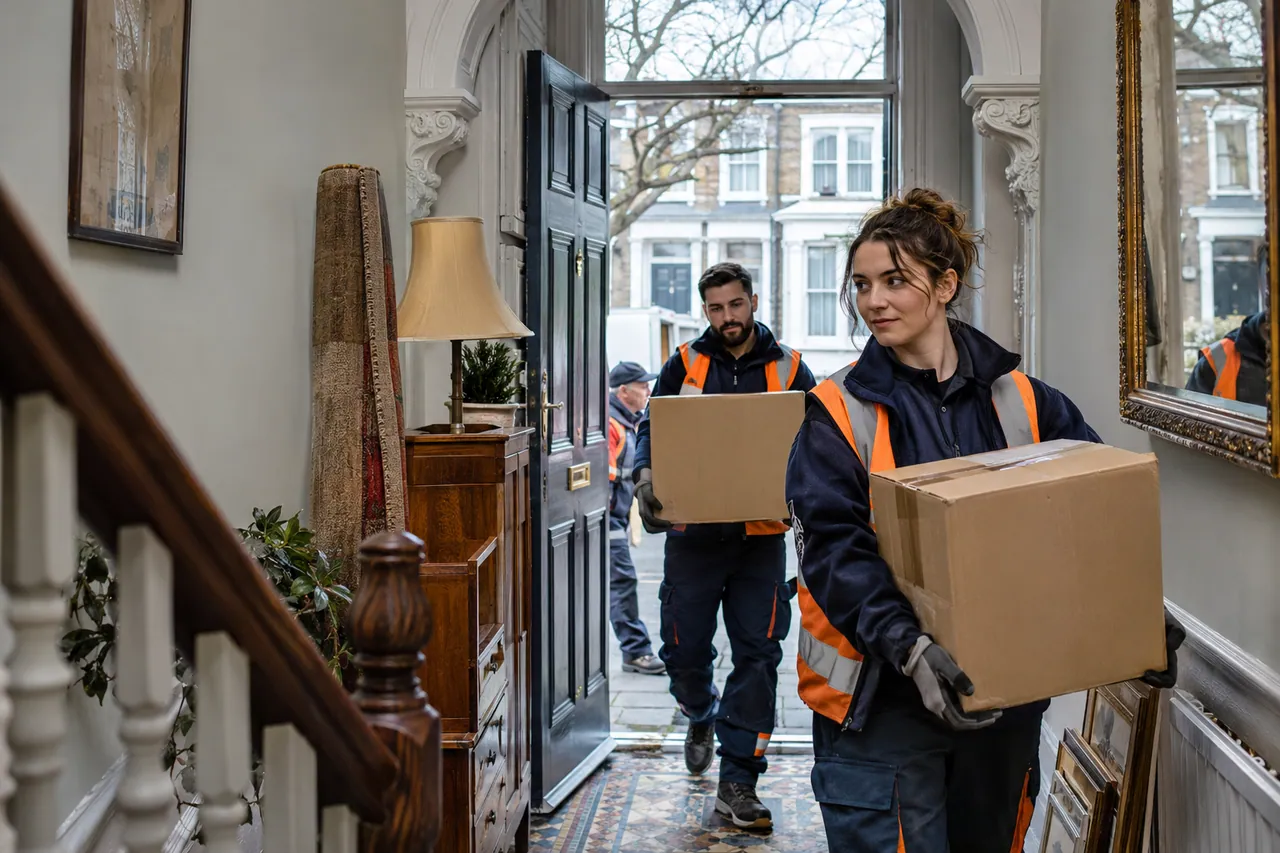
We need the complete address holding the waste, which may differ from the organiser’s own home or workplace. The enquiry connects that address with its inventory and access arrangements. Photographs help show the selection at a particular location, while the description identifies concealed contents and any separate material stream needing acceptance clarification.
Household furniture and business contents remain distinguishable
Where one enquiry involves different property uses, we describe the loads according to their actual contents. A household furniture selection and unwanted workplace equipment need separate inventories and acceptance questions even when the organiser is the same. We do not treat similar box counts or room numbers as proof of identical material or carrying work.
For a business portion, our commercial waste collection information provides the appropriate context. The organiser distinguishes working assets, retained stock and any recurring requirement from the current one-off contents selected for removal. The collection arrangements should make clear which request and premises each description concerns.

| Proposed load at a location | Information discussed independently | What is not transferred from another address |
|---|---|---|
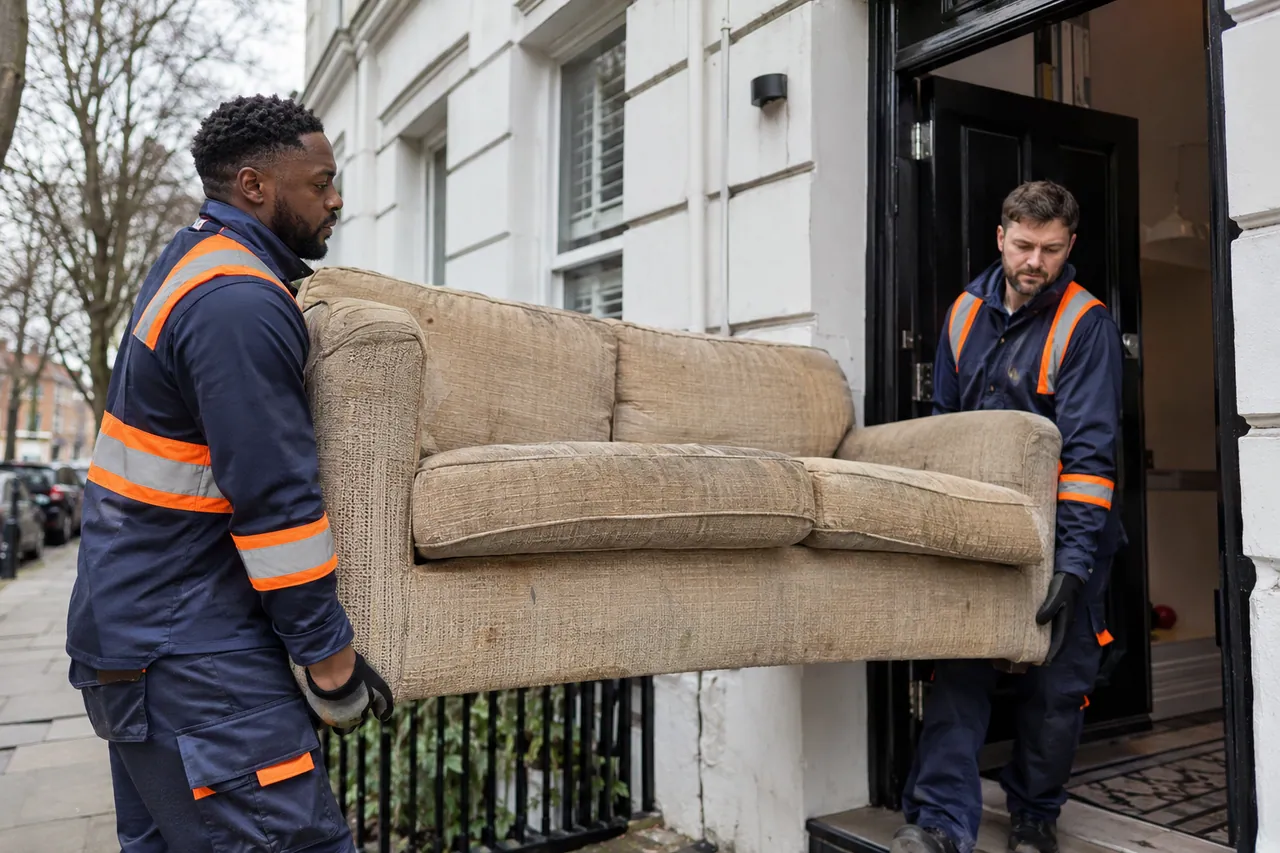
| Household furniture | Particular pieces, dimensions, assembly and retained belongings. | One sofa description does not establish the size or route of another property’s furniture. |
| Loose domestic contents | Main contents of bags or boxes and their quantity. | Matching containers do not establish matching materials or acceptance. |
| Business furniture or equipment | Authorised objects, counts and any additional requirement. | Household acceptance or access details are not substituted for the business request. |
| Project or outdoor material | Principal waste streams, amount and their collection locations. | A broad area label or shared organiser does not define the material held elsewhere. |
Access contacts connected with the correct load
The person providing entry may differ between properties. We discuss those contacts alongside the relevant inventories so somebody can identify the contents selected at each address. Access to one building does not provide entry to another, and a keyholder does not automatically know which possessions the organiser has authorised for disposal.
If an uncertain item needs a decision, that selection is clarified rather than left for the team to infer from appearance. The organiser should distinguish retained contents and any objects still awaiting a disposal decision. This keeps each visit tied to a recognisable removal list, whether the organiser attends or arranges access through somebody else.
| Organising role | Detail clarified for the relevant premises | Connection to the collection |
|---|---|---|
| Person selecting the waste | Which contents are authorised to leave at that location. | The inventory reflects the organiser’s decision rather than a fresh judgement during removal. |
| Person providing entry | Who opens the premises and explains access. | Entry is arranged for the correct address and collection areas. |
| Contact for an uncertain selection | Who can clarify the described load if an item is unclear. | Surrounding possessions are not treated as waste by assumption. |
| Organiser of another property | The separate address, load and contact arrangements involved. | A second request remains identifiable rather than silently added to the first. |
Carrying is described for the particular property
The enquiry explains the route from each load’s current location towards the vehicle. Relevant floors, doors, turns, stairs or a usable lift and the entrance are discussed for the actual premises. Even similar furniture at two addresses may involve different carrying, so the route supplied for one should not stand in for the other.
Current assembly and bulky dimensions also belong to each description. Any expectation of detachment, dismantling, cutting or technical work is raised expressly before agreement. The team clarifies the scope at the relevant address, rather than an additional task becoming assumed because another collection has already been discussed with the same organiser.
Visit arrangements considered directly with the team
Collection availability and any proposal involving more than one address are discussed directly. The customer can explain preferred dates and how the requests relate, while the team confirms the arrangements actually available. A shared organiser does not itself create a promise that every load will be taken during one visit or under a single unchanged quote.
The same principle applies when timing or access changes. Update the relevant premises information rather than assume a revision at one property automatically changes another confirmed arrangement. The objective is a clear service description for each load, with any combined arrangements expressly understood by the customer and team.
The Crystal Palace reference and changes to the request
The area reference relates to Croydon, Lambeth and Bromley, with SE19 an indicative district near the mapped Crystal Palace centre. Give the full address and postcode of the premises holding your contents. The team uses those actual locations to discuss availability and entry rather than rely on a borough or neighbourhood name alone.
| Update to a multi-location enquiry | Information supplied for review | What stays clear in the agreement |
|---|---|---|
| Another address added | Full location, its inventory and access contact. | The second property’s request is not assumed included in the first removal. |
| Extra contents at one premises | Main materials, quantity and collection areas affected. | The revised load is attached to the correct property. |
| A different entry contact | The relevant address and current access arrangement. | The team knows which visit and inventory the contact needs to explain. |
| Contents moved between locations | Where the items will actually be presented and the route there. | The removal description matches the physical load and carrying remaining at collection. |
Our furniture disposal page gives the service context for selected bulky pieces at either property. Appropriate onward handling is arranged for the accepted material, with recycling or reuse pursued where suitable to the items and available route. The customer receives defined collection arrangements rather than an open-ended commitment to every address or possession later associated with the enquiry.
Crystal Palace: collection location and area map.
Map of Crystal Palace
Load the interactive area map from OpenStreetMap. This connects your browser to the map provider.
Open map in a new tab ↗ © OpenStreetMap contributors
Area orientation only. This map does not mark a company office or a confirmed loading point.
Crystal Palace collection questions
Does a quote for one property automatically include a second address?
No. Describe the second location, its contents and access independently. Another premises creates further collection work and arrangements to discuss. The team clarifies any combined proposal directly rather than treat the first quote as covering unspecified furniture, bags or carrying at another property.
Can the organiser’s home address be used instead of the removal location?
We need the complete address and postcode holding the waste. The organiser may live or work elsewhere, so contact details and collection location remain distinct. Give the inventory and entry arrangements for each premises where contents are to be removed rather than substitute a correspondence address.
What if different people open the two properties?
Identify the entry contact for each address and connect them with the appropriate removal list. The person providing access should understand the selection at that premises. Shared organisation does not mean every contact can identify another property’s belongings or make disposal decisions about contents not described to them.
Are identical box counts treated as identical waste at two locations?
The main contents and amount need explaining for each load. Similar containers can hold different materials or retained possessions. We discuss acceptance and carrying against the actual selection at the relevant address rather than assume the description or photographs from one property represent another.
Is one collection visit guaranteed for both properties?
Any combined arrangement needs discussion and confirmation with the team. Explain the addresses, loads and preferred dates so availability and scope can be considered. A shared organiser or a single enquiry does not itself reserve a particular schedule or establish that both removals can be completed under one visit arrangement.
What if selected furniture moves from one property to another before collection?
Tell the team where it will actually stand, with the full address and new carrying route. The furniture may be unchanged while the removal location and work differ. We update the relevant scope and arrangements rather than rely on an earlier address that no longer holds the accepted load.
Arrange your Crystal Palace collection.
Discuss the unwanted items, full postcode and route to the vehicle with the collection team.
Discuss your Crystal Palace collection
Open our booking form to arrange your collection.
Continue to our booking form to confirm your items and contact details.