
ELEPHANT AND CASTLE COLLECTIONS
Rubbish Removal in Elephant and Castle
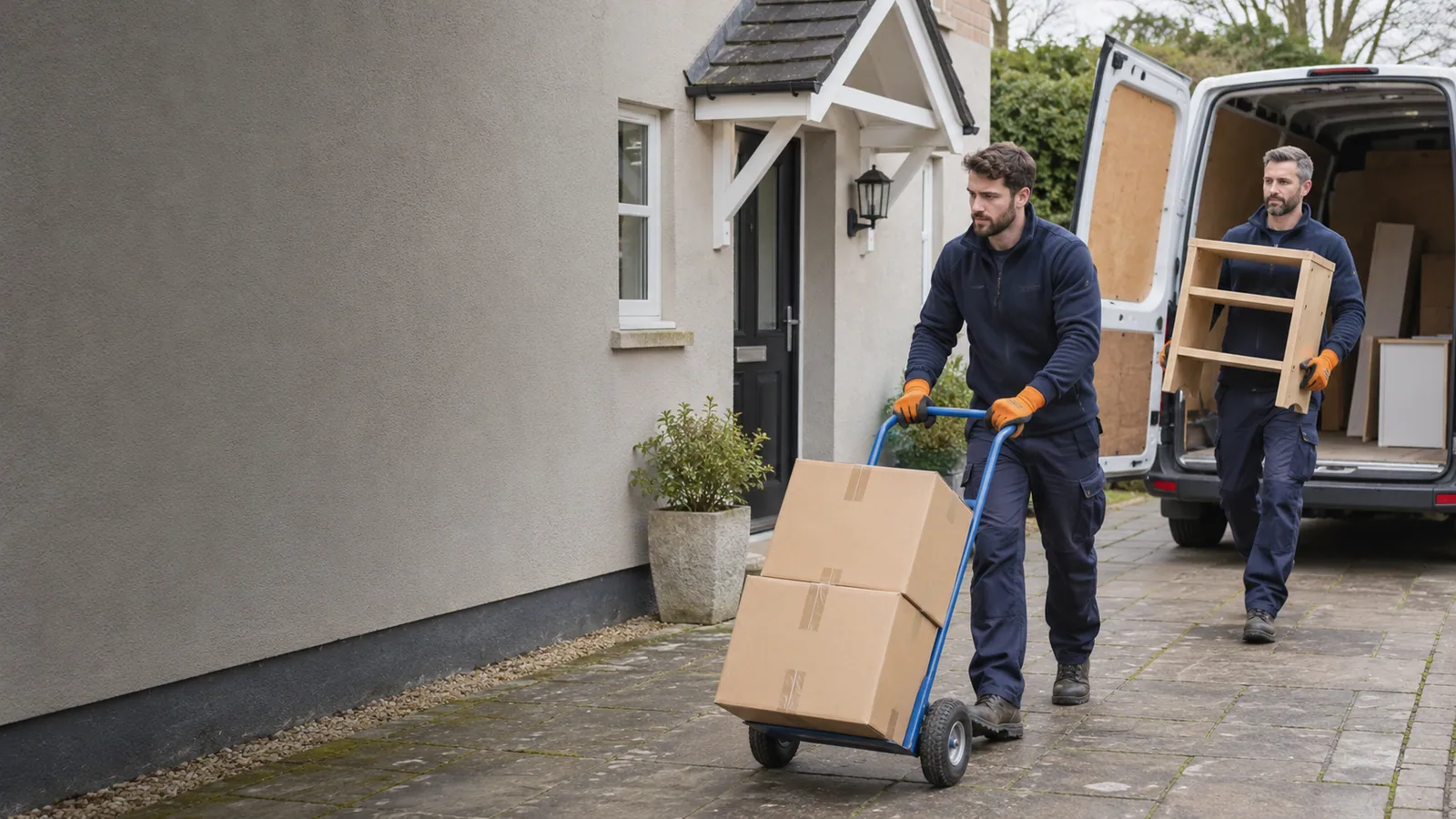
We collect accepted rubbish from homes and business premises in Elephant and Castle. The removal can include selected furniture, boxed possessions and separately described waste streams. Our team discusses the collection areas, carrying route, amount and materials before explaining the quote and confirming an available visit for the address.
Elephant and Castle collections, explained.
Can furniture and smaller contents leave in one Elephant and Castle visit?
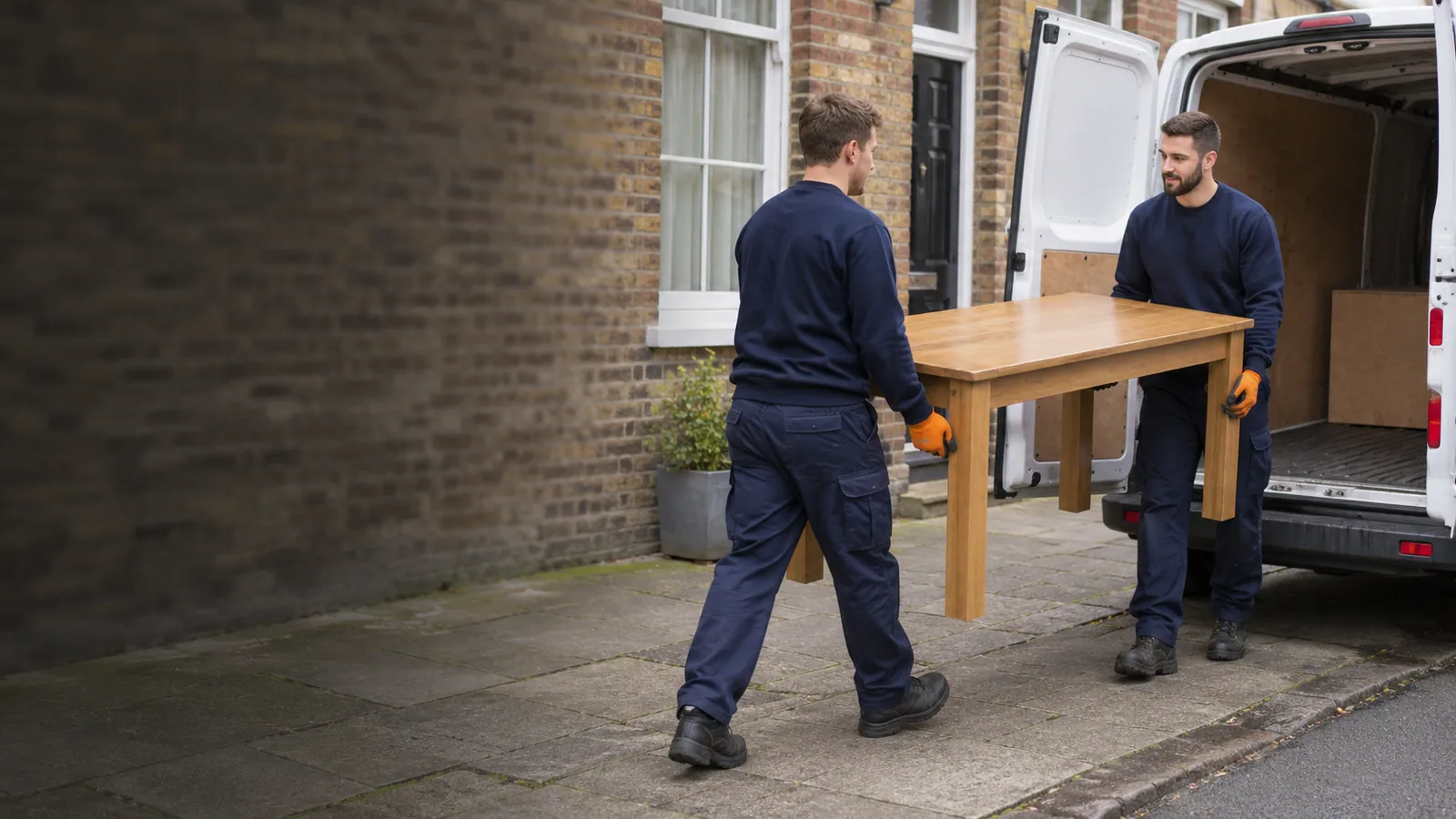
An enquiry can include both, with bulky pieces counted separately from bags, boxes and loose belongings. We identify the materials and collection locations, discuss acceptance and connect the load with the carrying route. The agreed scope records what is leaving; nearby possessions are not included merely because they occupy the same room or storage area.
What address information is used around SE1 and SE17?
SE1 and SE17 are indicative postal districts near the Elephant and Castle centre in Southwark. They help orient the area but do not explain a property’s access. We use the complete postcode, premises address and collection floor, together with the items and entry arrangements, to discuss the actual removal and availability with the team.
One agreed load across several collection areas
A rubbish removal can bring together furniture from a room, boxes from storage and other accepted items waiting elsewhere at the property. We establish each location rather than assume the complete load is already gathered at the entrance. That description connects the amount of waste with the work of carrying it out and helps keep unrelated contents separate.
The removal list can be selective. If a mattress and a broken table are leaving while the rest of the home remains occupied, we scope those items without including the other bedroom or living-room possessions. Our household waste removal service covers accepted domestic contents described in the enquiry. Any extra room, different material or further furniture needs to be discussed as part of the load, rather than added under an unexplained instruction to clear everything.
How we describe the contents for collection

The team identifies furniture, smaller belongings and other waste categories in a form that can be connected with carrying and vehicle loading. Containers are useful for grouping items, but the contents still matter. The same number of bags can hold very different weights and materials, so we discuss what they contain rather than count the outer packaging alone.
The route between the contents and the vehicle
We ask where the removal starts. The floor, stairs or usable lift, doorways and internal turns can change the work involved for a bulky item. These details are property-specific; the Elephant and Castle area name does not establish whether a collection is at ground level, upstairs or in a separate storage space.
Loading is discussed as a continuation of the carrying route. The practical vehicle position, distance from the exit and any changes in level need explaining where relevant. If the building has its own entry arrangements, the person organising removal should identify the appropriate access contact. The loading arrangement is established for the collection address alongside the carrying route. Where the route changes after the initial description, that change needs to be reviewed with the team before the visit is treated as confirmed on the original basis.
Linking the list to the collection work
Our collection discussion follows the actual load from its starting points to removal. The team uses the contents description and access information together, rather than treating a photograph of the pile as a complete account of the work. The available visit and accepted scope are confirmed directly.

Locate every removal area
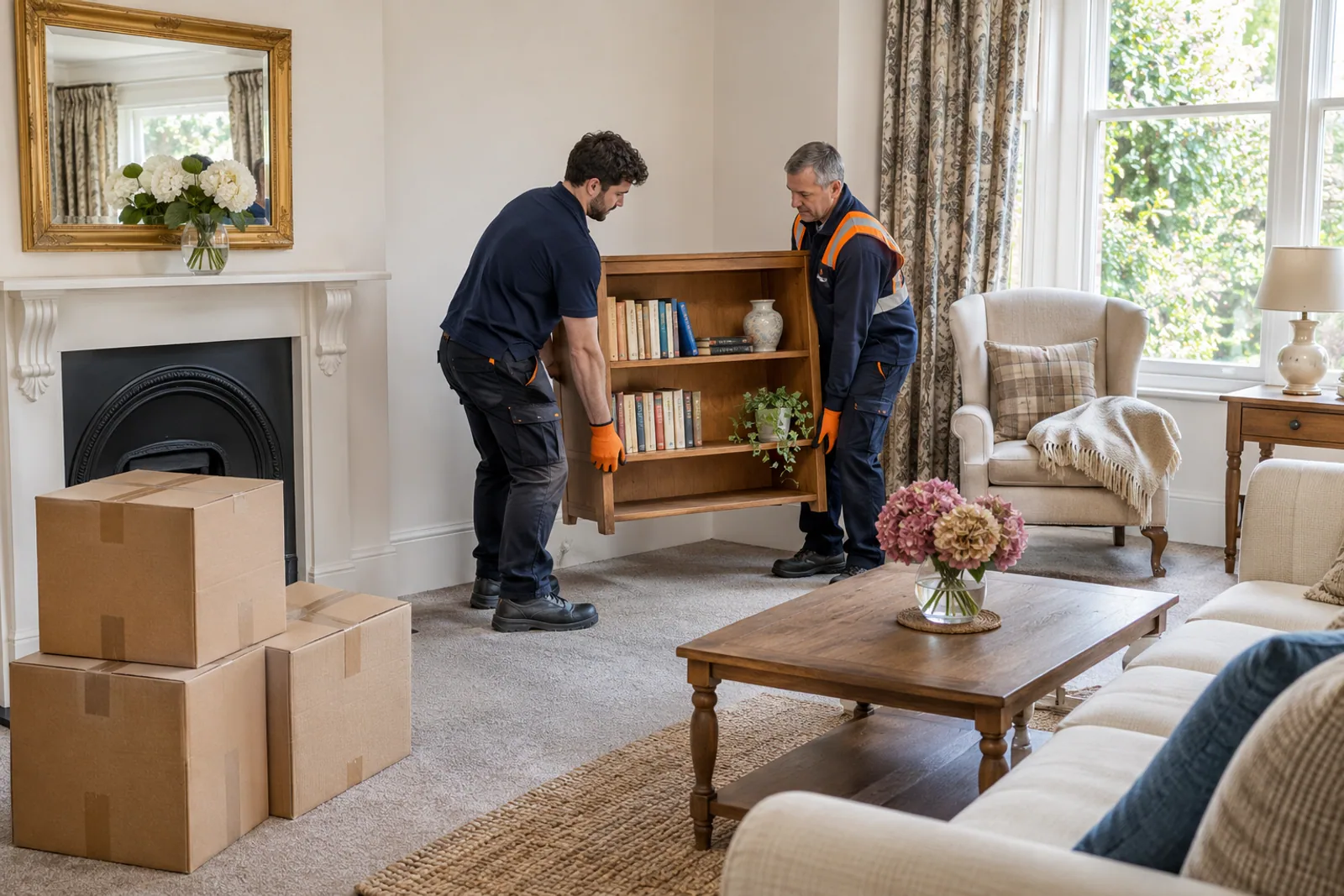
We identify the rooms, storage points or external areas holding the accepted contents and distinguish what remains.

Describe pieces and materials
Bulky furniture is counted individually, while smaller belongings and other waste streams are grouped meaningfully.

Review carrying and loading
The floor, doors, stairs or lift and practical route to the vehicle are discussed for that property.

Confirm and remove the load
Once scope, quote and visit are agreed, the accepted items are carried, loaded and transported away.
The contents and carrying behind your Elephant and Castle enquiry.
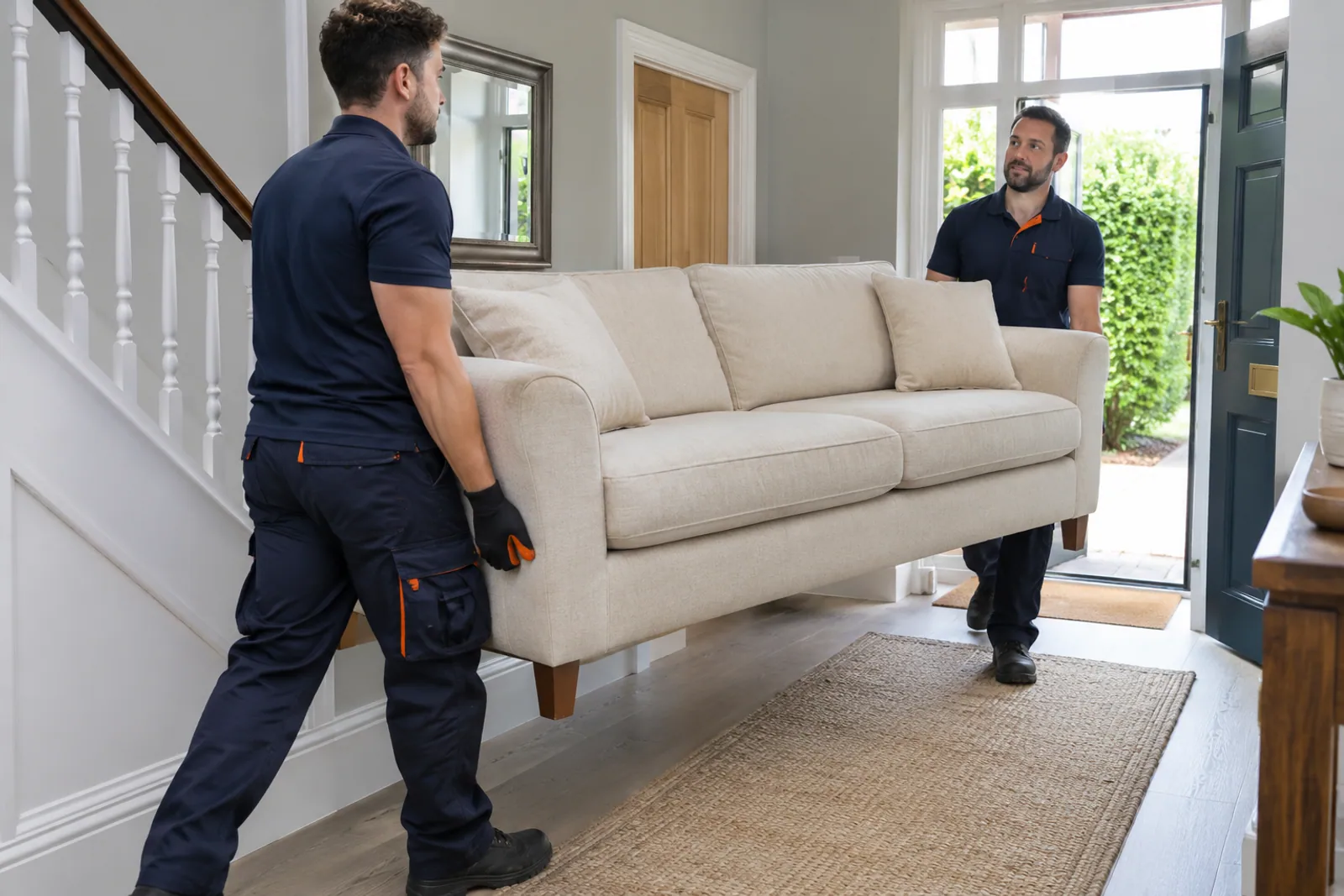


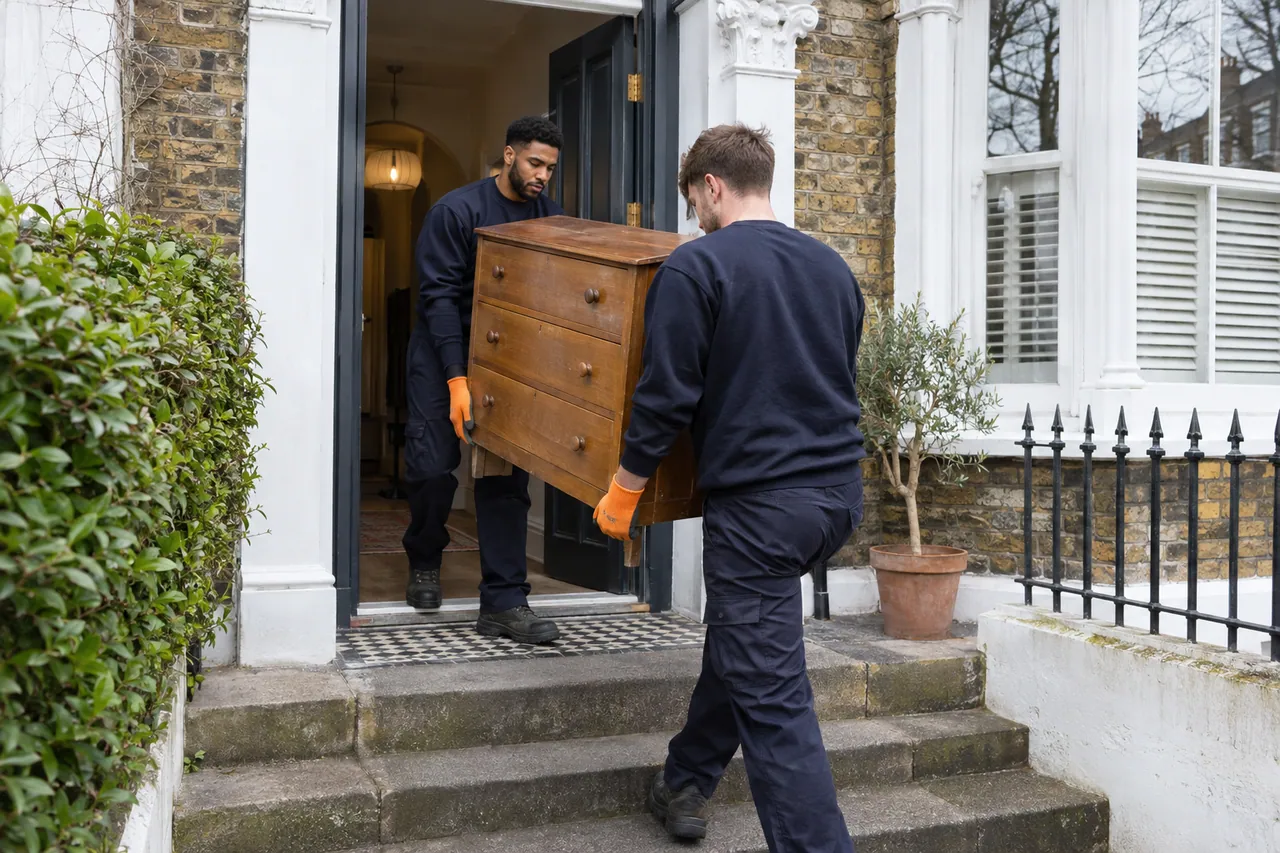
The material groups within the removal.
| Proposed contents | Description established for removal | Collection boundary |
|---|---|---|
| Beds and mattresses | Size, number of mattresses and separate frame components, including their current location. | Only the stated pieces and accepted associated parts are included. |
| Tables and storage furniture | Approximate dimensions, number of units and whether they remain assembled. | Retained contents inside or beside the furniture are distinguished from waste. |
| Bags or boxes of belongings | Main materials, approximate quantity and any unusual or dense contents. | The accepted contents are described rather than treated as anonymous general rubbish. |
| Mixed property materials | Electrical devices, green material or renovation waste named separately. | Each additional stream is discussed for acceptance before it becomes part of the load. |
Furniture collections without hidden assumptions
Our furniture disposal service begins with the furniture as it currently stands. We need to know whether a bed is already in parts, whether shelving is freestanding and whether a sofa has detachable sections. The team can then distinguish simple carrying and loading from any additional work needing clarification before agreement.
| Bulky-item question | Detail recorded in the enquiry | What it resolves |
|---|---|---|
| How many parts make up the item? | Sofa sections, bed-frame pieces, separate tops and associated loose components. | The agreed collection covers an identifiable set of pieces rather than a vague furniture label. |
| Is it still assembled? | The present dimensions and whether any work is needed before it can be moved. | Any dismantling requirement is discussed instead of silently included. |
| Is it fixed in position? | Attachments to walls, other furniture or the building itself. | Removal work is distinguished from detachment or alterations at the premises. |
| Are other possessions inside it? | Contents leaving and contents being retained by the customer. | A storage unit does not authorise removal of belongings that were never included. |
Different material streams in a combined removal
We arrange onward handling for the accepted waste and identify materials that need their own discussion. A bag of renovation debris is not equivalent to a bag of clothing, even when both are part of one property clearance. Recycling or reuse is pursued where appropriate to the material and available handling route.
| Stream within the collection | Information used before acceptance | How it relates to the agreed visit |
|---|---|---|
| Domestic loose contents | Main contents, containers and approximate amount of the selected belongings. | The household portion is identified alongside, rather than hidden within, the furniture list. |
| Electrical appliances or devices | Types of equipment and any requested service beyond physical removal. | Electrical contents are discussed separately from ordinary mixed rubbish. |
| Outdoor material | Green cuttings, containers, timber or other items described by actual material. | Being outside does not make every item the same category of garden waste. |
| Building leftovers | Dense debris, timber, packaging and any uncertain substances individually named. | The team clarifies acceptance and handling before including project waste in the load. |
The Elephant and Castle reference on this page
The reference point is Elephant and Castle in Southwark, with SE1 and SE17 as indicative nearby postal districts. We locate the removal using the complete address. For a business enquiry, the selected stock-room or workplace contents are distinguished from an ongoing service requirement; our commercial collection information provides the route for discussing that separate need.
A quote connected to contents and access
We explain the price against the described waste, its amount and the carrying and loading involved. A photograph helps, but the collection floor, separate storage points and material categories complete the description. A larger or different load needs review rather than being assumed within the first quote.
| Quote factor | Description linked to the requested work | Change to discuss with the team |
|---|---|---|
| Item selection | The accepted furniture, containers and separate materials leaving the property. | Additional possessions, another waste stream or a revised selection of pieces. |
| Load amount | Counts, approximate dimensions and views of the complete proposed collection. | Extra containers, a second furniture pile or contents omitted from the original pictures. |
| Collection route | Floors, stairs or lift, doors and the distance to a practical loading point. | A changed collection location, unavailable route or different loading arrangement. |
| Visit coordination | The desired date and contact able to give authorised access to the contents. | Different timing, another entry contact or an access condition not previously described. |
Elephant and Castle: collection location and area map.
Map of Elephant and Castle
Load the interactive area map from OpenStreetMap. This connects your browser to the map provider.
Open map in a new tab ↗ © OpenStreetMap contributors
Area orientation only. This map does not mark a company office or a confirmed loading point.
Elephant and Castle collection questions
Do we have to gather every item in the same room?
The enquiry should explain where the accepted items are located. We can discuss a load held in more than one collection area and include the carrying work in the scope. Do not describe the job as a single pile by the entrance if furniture remains upstairs or boxes are elsewhere. The quote needs to reflect the collection as it will actually be presented.
Can several mattresses be included with other household belongings?
List the number and sizes of the mattresses, together with the other belongings and any bed-frame parts. We discuss acceptance and the physical load across those categories rather than assume all bedroom contents are one item. The collection floor and route also matter, particularly when a bulky piece must travel through internal turns or shared access areas.
Does a photo show enough about bags of mixed contents?
A photograph can show the amount and location, but it may not explain what is inside the bags. Describe the main contents and identify electrical items, dense material or anything unusual separately. We use the image and the material description together so the accepted scope does not rely on a guess about the contents of closed containers.
Can a business use this page for a one-off collection?
Yes, the enquiry can describe a particular business load. Identify the unwanted furniture, packaging or equipment, the premises access and the person authorising removal. A one-off collection is scoped around those accepted contents. It should be distinguished from an ongoing waste requirement and from stock or working assets that will remain at the premises after the visit.
Is SE17 enough to confirm where the collection will happen?
No. It helps locate an enquiry broadly but does not identify the premises, floor or entrance. Give the complete postcode and address, including any useful collection-location detail. The team confirms availability and access for that actual address. The two indicative postal districts on this page are geographical references rather than a booking system or exhaustive service boundary.
What if the loading route changes before collection?
Explain the revised route to the team before relying on the original arrangements. A different exit, collection floor or practical vehicle position can change the carrying work even if the items themselves are unchanged. We discuss the effect on scope and quote so the visit is based on the access actually available rather than an outdated description.
Arrange your Elephant and Castle collection.
Discuss the unwanted items, full postcode and route to the vehicle with the collection team.
Discuss your Elephant and Castle collection
Open our booking form to arrange your collection.
Continue to our booking form to confirm your items and contact details.