
LONDON BRIDGE COLLECTIONS
Rubbish Removal in London Bridge
We arrange removal of agreed filing and storage furniture from London Bridge premises. The enquiry distinguishes cabinet bodies, drawers, shelves and other selected components from documents and working assets staying with the business. We discuss their construction, current assembly and route out before confirming the accepted collection, quote and available attendance.

London Bridge collections, explained.
How is a London Bridge workplace clearance defined?
We identify the furniture, loose contents and equipment selected for removal and record which working assets remain. The scope names the rooms or storage areas included, rather than assuming that everything within a business is unwanted. We then connect that inventory with the building route and available loading arrangements before confirming the collection.
Can documents remain while their filing furniture is removed?
Yes. We distinguish the cabinet or storage components being discarded from records and other possessions retained by the business. Describe how the furniture will be presented and identify separate parts held elsewhere. Any paper proposed as waste requires its own discussion; removing storage furniture does not automatically authorise disposal of everything previously held inside it.
The contents included in your London Bridge enquiry.
| Storage component | Description provided for the enquiry | What remains outside that instruction |
|---|---|---|
| Filing cabinet body | The number, construction and approximate dimensions of the selected units. | Documents and working assets retained by the business do not become waste merely because their cabinet leaves. |
| Drawers and removable shelves | Whether they accompany the cabinet and whether any are held separately. | Retained components are distinguished from discarded parts instead of inferred from association with a unit. |
| Freestanding cupboards | Current assembly, separate panels and the particular units leaving the workplace. | Installed joinery and detachment work require clarification rather than an assumed furniture-removal instruction. |
| Dismantled storage frames | The actual frame parts, panels and other selected components. | The collection is not measured only by the former storage capacity or by a photograph of occupied floor space. |
Clearing selected contents from working premises

A filing-furniture collection concerns the physical units selected to leave, not an automatic disposal instruction for the records they hold. We establish which cabinet bodies, freestanding cupboards or shelving components are unwanted and what remains. A business can replace storage while retaining its documents, equipment and other furniture. Those distinctions belong in the inventory before any collection is agreed.
For the office clearance service, the selection may extend to further workplace furniture, but a filing-unit enquiry can remain narrower. We do not infer that every cupboard is empty or that everything inside an unwanted cabinet has also been authorised for waste removal. The contact arranging the work identifies those boundaries so the team follows an agreed furniture instruction rather than making document-disposal decisions during collection.
What belongs on the accepted inventory
We identify the units in their current form, including separate drawers, shelves and loose panels being discarded. Construction and approximate dimensions help explain the carrying involved. Two cabinets described by the same office label may differ physically, and a dismantled storage frame is a different load from an assembled cupboard. The scope therefore names the actual components and their condition for the visit.

Carrying large components through the premises

We discuss the physical route from the selected contents to the building exit. Metal cabinet bodies, cupboard sides and long shelf sections can differ in shape even where their former storage capacity appears similar. Tell us about current assembly and separate components so the carrying description reflects the furniture as it stands. Fixed or attached equipment needs additional clarification before it is treated as removable contents.
Floor levels, doorways, turns and a usable lift are considered for the particular building. We do not apply one assumed access arrangement to all London Bridge premises. Where a building contact controls entry or the use of a shared route, explain the arrangements available for the requested visit. This allows the collection discussion to connect the actual furniture with the route it must follow.
The sequence from selection to removal
Our team first establishes which contents are leaving and what materials the load contains. The access discussion then explains how they can be carried towards transport. Once acceptance, scope and quotation are clear, an available visit is agreed with the responsible contact. The collection concerns that identified load, including any changes discussed before attendance.
Planning the London Bridge visit

Confirm the unwanted inventory
We distinguish discarded furniture, boxed contents and equipment from assets, stock and possessions staying at the property.

Establish the physical route
The collection areas, component dimensions, building access and practical loading position are connected in the description of the work.
At the agreed collection premises

Agree the collection instruction
The accepted materials, quote and available attendance are confirmed with the person arranging access and authorising the removal.

Load the accepted contents
The listed items are carried to the vehicle and removed for appropriate onward handling according to their material categories.
The contents and carrying behind your London Bridge enquiry.

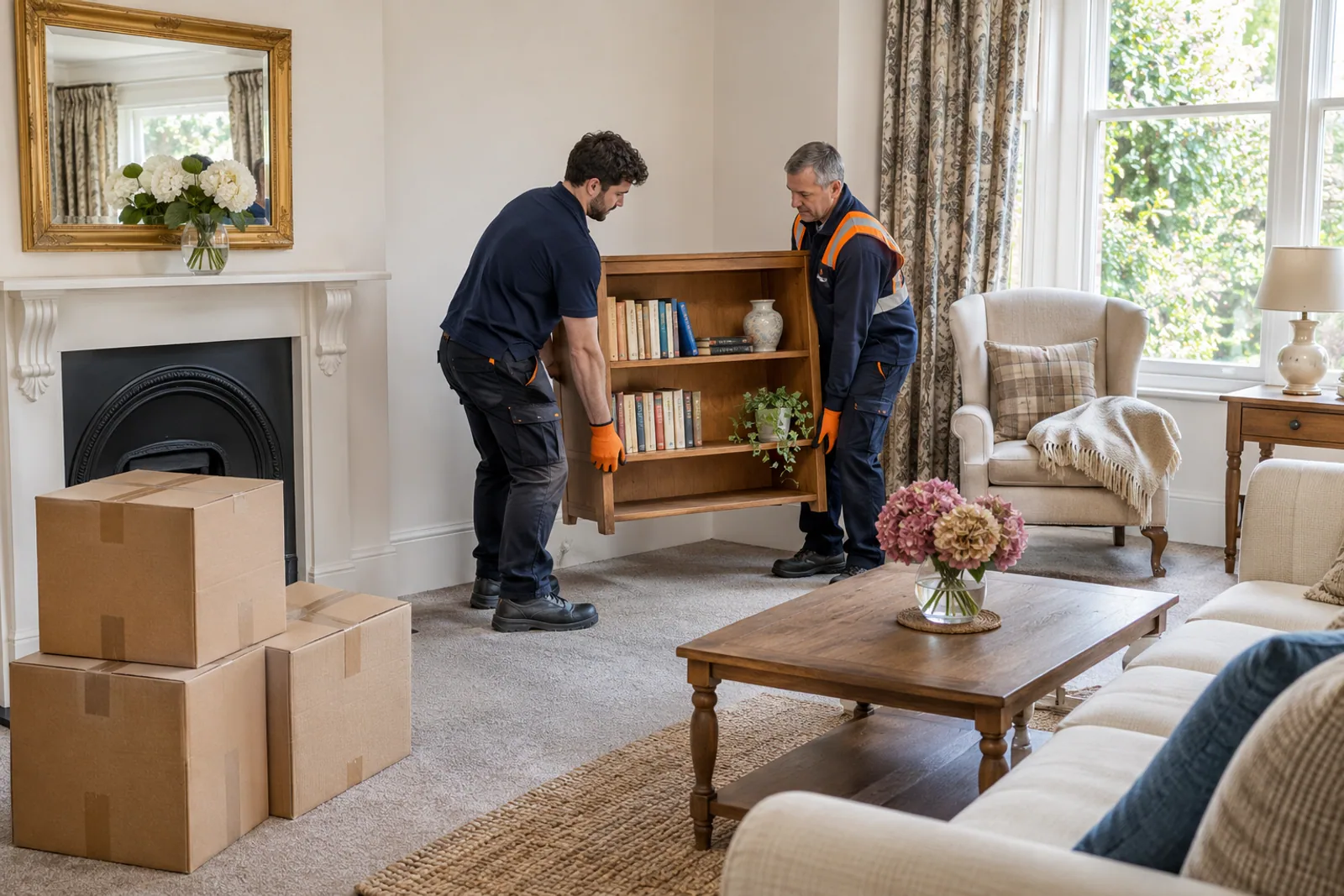
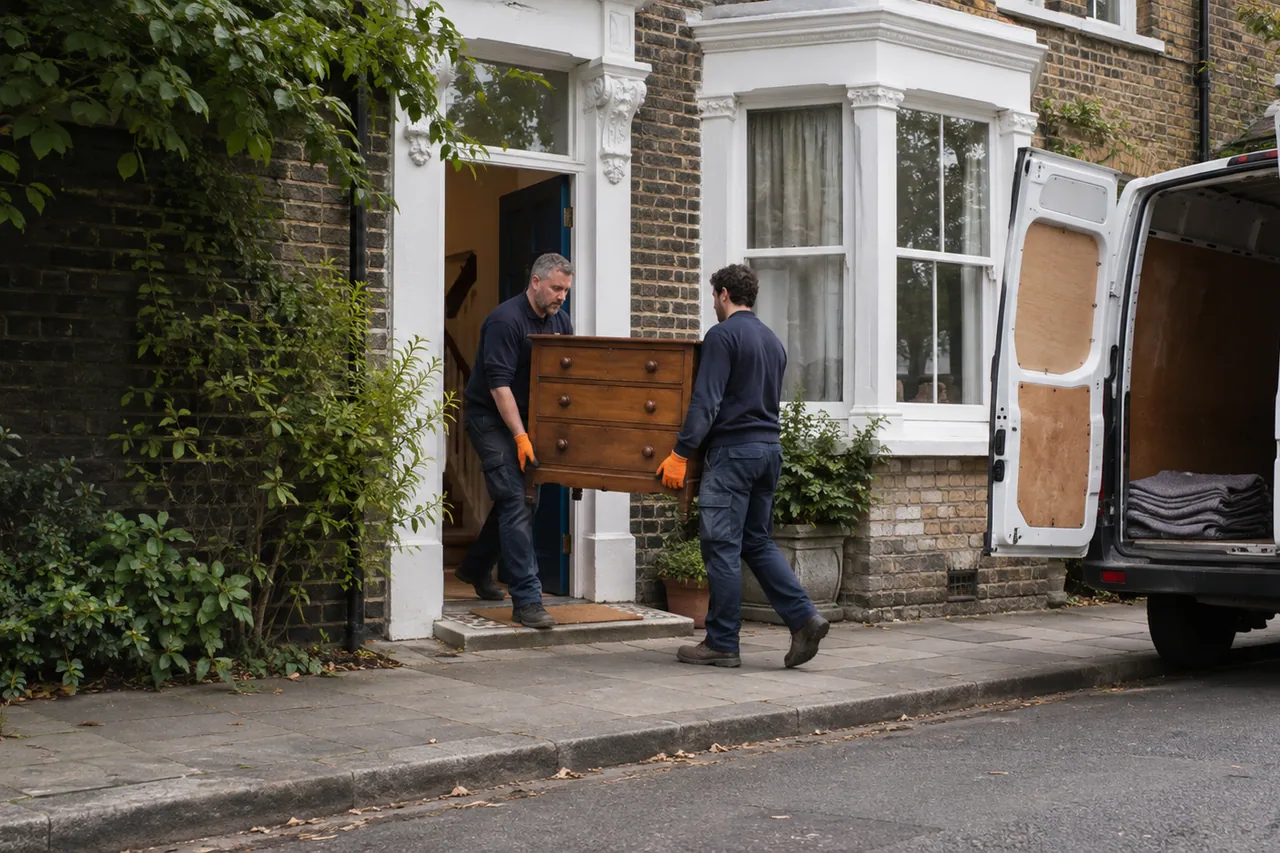
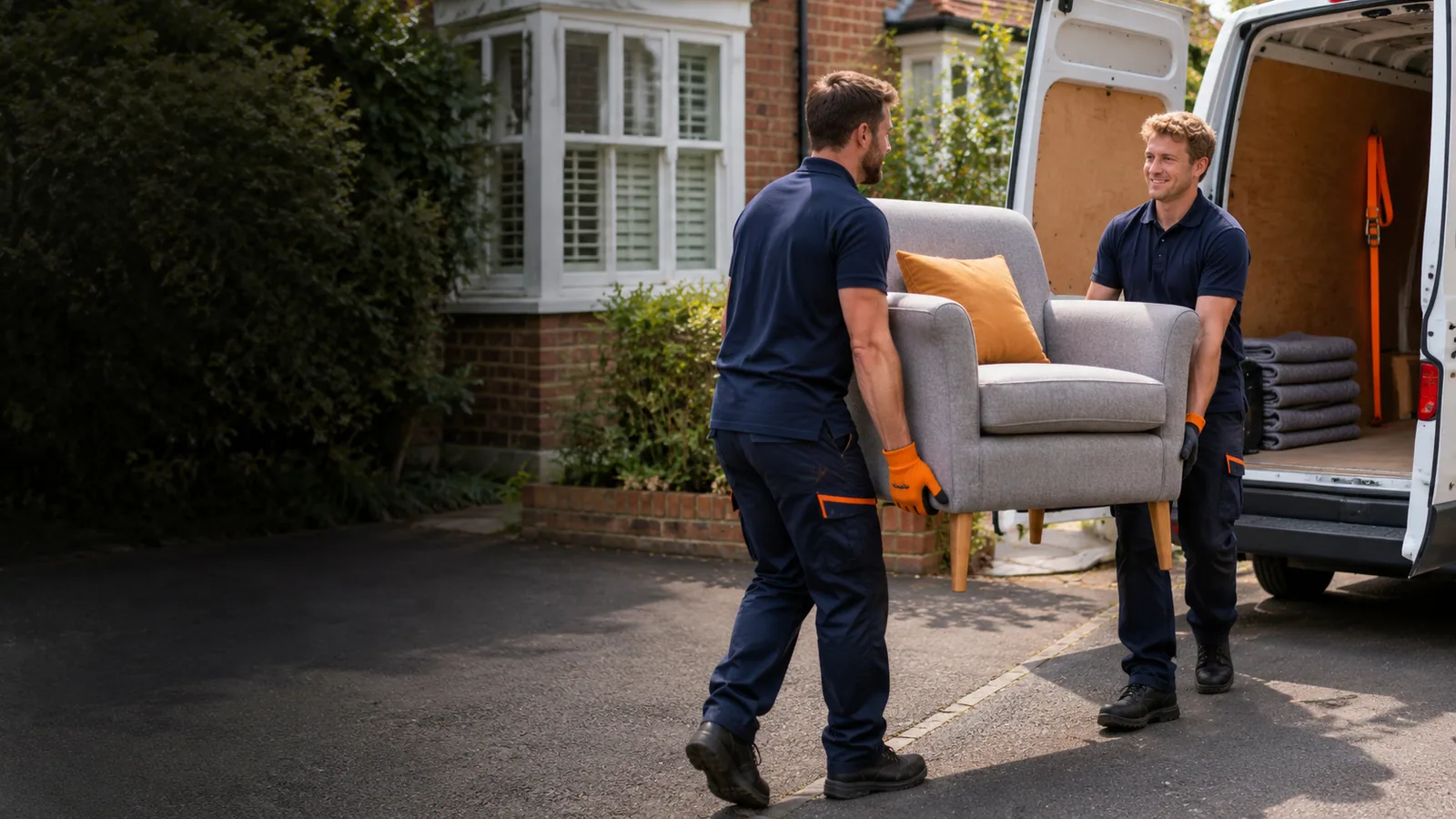
Access information that accompanies the item list
We keep the access details alongside the inventory because the same item list may involve different work at different premises. Contents ready beside an exit differ from contents spread across upper-floor rooms and a separate store. The proposed vehicle position and carrying distance are also discussed before the quote is relied on for the full removal.
| Access point | What we establish | How it shapes the work |
|---|---|---|
| Room and store locations | The precise collection areas holding the accepted contents. | Carrying covers those named areas rather than an undefined search through the entire building. |
| Internal route | Doors, turns, floor changes and any lift available for the particular furniture. | The movement of bulky components is discussed in their existing assembly and dimensions. |
| Entry arrangements | The person providing access and any arrangements needed for shared parts of the premises. | The available visit can be confirmed with a practical means of reaching the load. |
| Loading point | The usable vehicle position and the distance from the building exit. | Removal includes the agreed carrying and loading rather than an assumed collection directly beside every room. |
The London Bridge location used in the enquiry
London Bridge is the GLA town-centre reference for this guide, within Southwark, with SE1 as the indicative postcode district around the mapped point. We use the complete premises address to arrange the actual collection. The map provides orientation; it does not establish the building entrance, company premises or a loading permission for a particular business.
Material categories and onward handling
We identify different materials before they are accepted for collection. Furniture, paper, electrical devices and building waste may all arise at one premises, but they are not treated as one unexplained stream. Recycling or reuse is pursued where appropriate to the actual items and handling route. A dedicated IT equipment removal enquiry can clarify requirements beyond carrying old devices out with furniture.
| Type of load | Information that needs identifying | Service boundary |
|---|---|---|
| Furniture and fittings | Freestanding pieces, their components and anything still secured to the building. | The accepted removal describes carrying and loading; detachment or alteration work is clarified beforehand. |
| Paper and cartons | Main contents, quantities and any separate business requirements. | Any proposed paper load is identified separately from cabinet furniture; document-destruction requirements need clarification. |
| Electrical contents | Individual device types and any additional handling instruction. | Acceptance and removal arrangements are established instead of assuming equipment is ordinary mixed waste. |
| Dense or project material | The materials, approximate amount and their collection location. | Acceptance is considered separately from the lighter furniture and packaging in the same enquiry. |
Explaining the quote for the described work
The collection price reflects the load and the carrying and loading being requested. We describe quantities, bulky dimensions and the material mix alongside access. A number of occupied rooms is not enough to explain whether the removal consists of chairs, heavy cabinets or a large quantity of loose contents. The quote therefore refers to the actual selected work rather than a generic business or neighbourhood allowance.
| Quotation detail | What the team reviews | What the agreement covers |
|---|---|---|
| Contents and quantities | Furniture counts, components and the amount of accepted loose material. | An identified removal load, with retained assets excluded from the instruction. |
| Physical handling | Item construction, current assembly and the route from each collection area. | Carrying of the pieces as described, including relevant floor and loading arrangements. |
| Separate materials | Equipment, dense waste and any unusual contents included in the enquiry. | Acceptance and handling are clarified before the load is treated as one agreed collection. |
| Updated requirements | Additional contents, changed room locations or different access from the original description. | The team can review scope and price before attending to a collection that has changed. |
London Bridge: collection location and area map.
Map of London Bridge
Load the interactive area map from OpenStreetMap. This connects your browser to the map provider.
Open map in a new tab ↗ © OpenStreetMap contributors
Area orientation only. This map does not mark a company office or a confirmed loading point.
London Bridge collection questions
Can filing cabinets leave while the records stay with the business?
Yes. The instruction distinguishes the unwanted physical cabinets from documents being retained. Identify the selected units and how they will be presented for collection. The team should not have to decide whether papers found in an unwanted cupboard are also authorised for disposal.
Do cabinet drawers need describing separately?
Explain whether they accompany the cabinet, are stored elsewhere or remain with the business. That makes the physical load clearer and avoids inferring the selection from the cabinet body alone. Include any other loose parts being discarded so the inventory matches the components the team is asked to remove.
Is cabinet removal also a document-shredding service?
No shredding or confidential destruction is inferred from an instruction to collect furniture. If paper is separately being proposed as waste, identify the material and any additional business requirements for discussion. The agreed furniture load and the business’s records remain distinct parts of the enquiry.
What if storage furniture is secured to a wall?
Describe the attachment and what condition the unit will be in when collected. Detachment or alteration work needs clarification before the visit. Carrying and loading agreed freestanding contents should not depend on an unspoken assumption that installed furniture can be removed as part of the same instruction.
Can a cabinet in a second office be added to the load?
Tell the team about the extra unit, its components and location. Another collection area may change the carrying arrangement even where the furniture is similar. The quote should reflect the selected units and their actual route to loading rather than provide an unlimited allowance for other office storage.
Are dismantled shelving parts equivalent to an assembled cupboard?
They need different descriptions. List the frame sections, panels or shelves being discarded and explain their size and current position. The team discusses the actual components to be carried; the furniture’s previous purpose or capacity does not establish the physical load presented for removal.
Arrange your London Bridge collection.
Discuss the unwanted items, full postcode and route to the vehicle with the collection team.
Discuss your London Bridge collection
Open our booking form to arrange your collection.
Continue to our booking form to confirm your items and contact details.