
ELTHAM COLLECTIONS
Rubbish Removal in Eltham
We arrange accepted rubbish collections from Eltham homes and business premises. This guide explains a seating-led request: unwanted office chairs in different states of assembly, loose bases and other selected components. We establish what is leaving before discussing carrying, loading and the available collection arrangement.
Eltham collections, explained.
How are complete chairs and loose chair parts counted for collection?
We discuss complete units separately from detached seats, backs, bases and other loose components. The organiser identifies which parts belong to the removal rather than describe every pile as a number of chairs. That gives the team an identifiable load for acceptance and quoting without assuming missing pieces are present or retained parts should also be taken.
Does an office-chair collection include repairs or technical dismantling?
The request concerns removal of accepted unwanted seating. Repair, technical work and dismantling should not be inferred from carrying and loading. Explain the chairs’ current assembly and any additional requirement before agreement, so the collection is arranged around what is actually presented rather than an expectation that every mechanism or component will be altered on the day.
Seating removed as the objects actually presented
A request for ten chairs can describe ten complete units, a mixture of intact chairs and detached components, or a group with loose accessories stored elsewhere. Those are different inventories. We establish the present form of the selection so that the quote and carrying description refer to the physical contents rather than an earlier furniture list or a number remembered from when the chairs were in use.
The organiser also distinguishes chairs staying at the premises. Matching appearance does not make every chair part of the waste, and a replacement delivery does not by itself identify which older units have been selected. Our office clearance service covers accepted workplace furniture, while the seating request can remain a limited removal rather than a clearance of the rest of the office.

An inventory for whole units and separate components
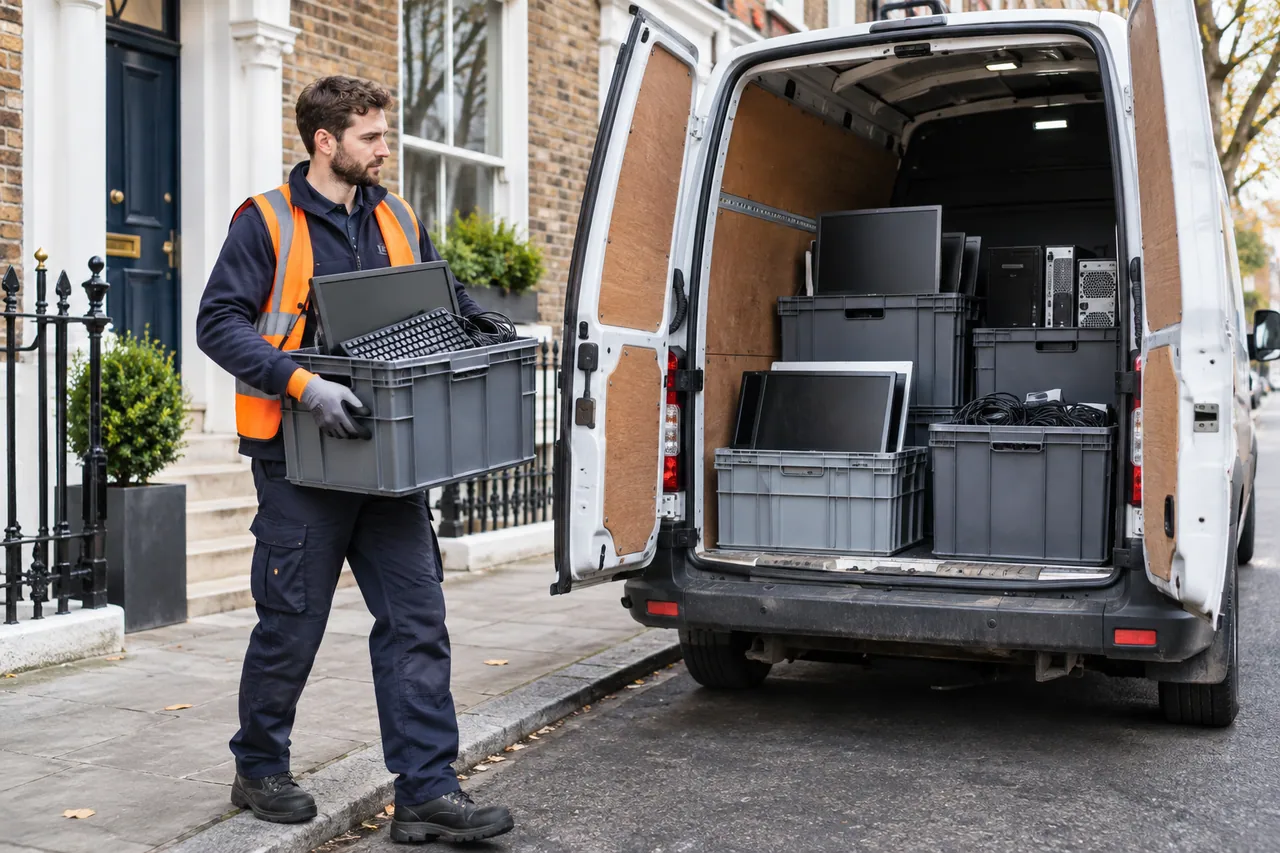
Photographs showing the complete selection support an item description, especially where loose parts are placed among intact furniture. We discuss quantities and locations for each group. A base stored in a cupboard and a detached seat in another room should not disappear from the description because the organiser considers them parts of one old chair. Equally, spare parts being retained are not included merely because they look similar.
Working seating and unwanted seating remain distinct
An occupied workplace may contain discarded chairs beside units still needed by staff. The removal boundary comes from the organiser, not from the team judging wear or appearance. We discuss the authorised group and the person able to identify it at the premises. That matters particularly when different areas use similar seating or when some components have already been moved into storage.
The same principle applies to a household with a single unwanted office chair. We can discuss a limited accepted load without treating the study, desk or surrounding belongings as waste. Our furniture disposal information gives the relevant service context where seating is the only bulky item requested. The amount and practical work still need explaining even when the selection is small.
The additional work that is not hidden inside a chair collection
We discuss the chair as it will be presented. An assembled unit is not automatically a request to dismantle it; a damaged unit does not establish that repairs, mechanism removal or other technical work have been agreed. If the organiser expects anything beyond carrying and loading, that requirement is raised before the scope and quote are confirmed.
| Description in an enquiry | Clarification made with the organiser | Boundary retained for the service |
|---|---|---|
| An intact but unwanted chair | Whether the whole assembled unit is selected and where it stands. | The removal concerns the accepted furniture, not repair or refurbishment of it. |
| A chair already in pieces | Which seats, backs, bases and other loose parts are actually included. | The team does not infer a complete set of components from the original furniture name. |
| A unit described as broken | Its current physical form and any additional work being requested. | Damage does not silently create an agreement for technical dismantling or alteration. |
| Spare or replacement parts nearby | Which components are retained and which have been selected as waste. | Proximity and matching appearance do not authorise removal of useful spares. |
Carrying seating from the work area to loading
We connect the accepted groups with their actual locations. Chairs held in a work area, separate store and another floor create more than one carrying starting point. The enquiry explains those locations, relevant doors and turns, stairs or a usable lift, and the route towards a practical loading point. We do not assume a standard office layout or a loading permission from the Eltham address.
Complete seating and loose parts may also have different shapes and movement requirements. The description therefore includes the assembled form and any bulky dimensions relevant to the route. A quote should not rely on an expectation that the team will turn a difficult piece into a different form as part of ordinary collection. Changes to where the seating is held are discussed before treating an earlier route description as current.
Material distinctions within the accepted seating load
Office chairs can combine different materials within one object. We identify the whole items and any loose components as they are presented for collection. The furniture is carried and loaded for appropriate onward handling, with separate component piles described so their contents and quantity remain clear alongside the assembled seating.
| Material description supplied | What the team understands | What is not inferred |
|---|---|---|
| Upholstered seating | Complete chairs or detached padded components selected for removal. | The furniture is not assumed to receive a particular reuse or recycling outcome solely from its upholstery. |
| Rigid frames or bases | The separate components and their construction as described. | The presence of loose metal or plastic does not mean all chairs will be dismantled during collection. |
| Mixed component containers | Principal contents and approximate amount held in each group. | A container labelled chair parts does not automatically include unidentified unrelated material. |
| Other office waste nearby | Separately requested items and their own material descriptions. | A seating collection does not extend to devices, records or general office contents without agreement. |
For a larger one-off business load, our commercial waste collection page explains the broader enquiry context. The business should describe those extra contents separately rather than assume that every nearby object is included with the seating.
A seating collection in four stages
The process keeps the physical inventory, retained furniture and carrying work connected. An enquiry supplies the information for discussion, while the team confirms acceptance, the quote and an available visit. The collection is the agreed removal of the selected contents, not an open-ended visit to make disposal decisions throughout the workplace.

Count the current furniture form
We distinguish assembled chairs from detached seats, backs, bases and other parts, with the selected groups and retained spares identified by the organiser.

Connect every storage location
The enquiry explains where the accepted chairs and loose components stand and the route they follow through the premises towards loading.

Clarify scope and the visit
Any additional work is raised expressly, and the team discusses the quote and confirms an available collection against the accepted seating load.

Remove the accepted seating
The agreed chairs and components are carried, loaded and taken away for appropriate onward handling without an unagreed repair or technical service.
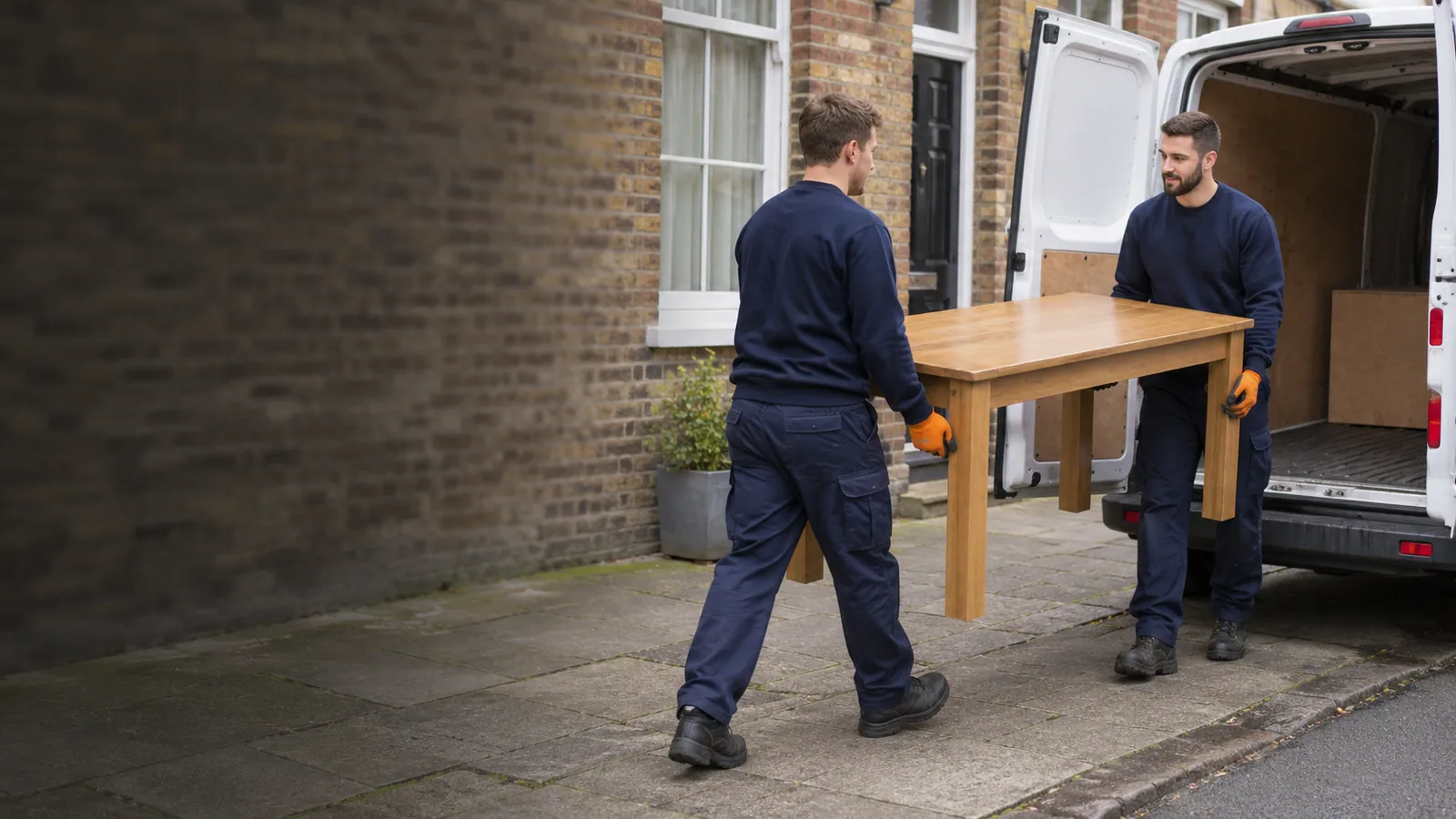
The contents and carrying behind your Eltham enquiry.


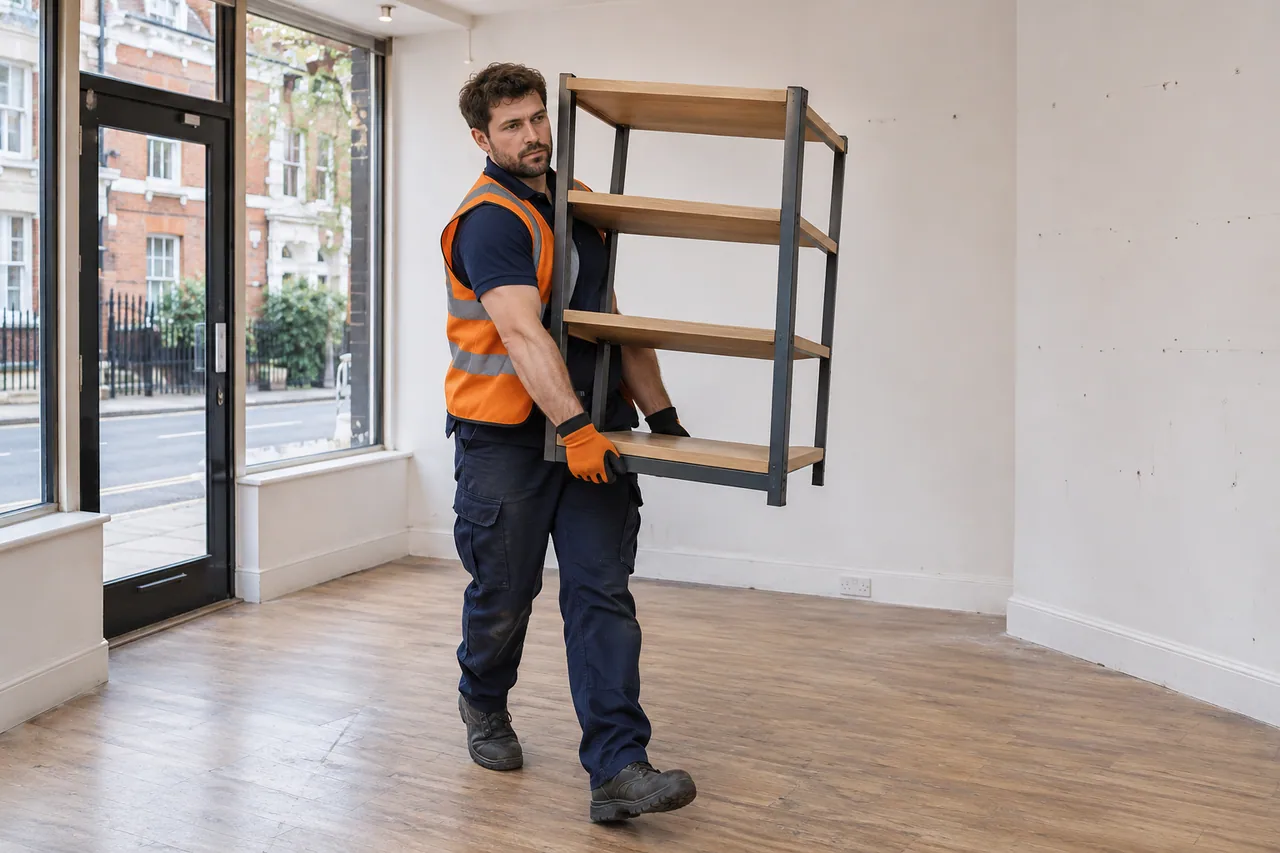
The material groups within the removal.
| Seating group | What we establish | What the removal description represents |
|---|---|---|
| Complete office chairs | Number of assembled units and their collection locations. | The accepted complete seating rather than every chair visible within a working area. |
| Detached seats or backs | Counts and whether they accompany particular chairs or form a separate pile. | Loose components are included explicitly rather than assumed from a complete-chair count. |
| Separate bases or frames | Quantity, construction and their current stored form. | The team discusses what is actually available to carry and load. |
| Other loose chair parts | The components selected and the amount held with the seating. | Retained spares and unlisted objects remain outside the agreed load. |
Updating the quote when the seating selection changes
Quantity, form and carrying work inform the quote. If more chairs are added or some units are taken apart after the initial enquiry, the description needs updating. The same applies when the selected seats are moved to another floor or when additional component containers are discovered in storage. We review the changed request before treating it as included in the original agreement.
| Change to the original enquiry | Updated information discussed | What remains clear for the customer |
|---|---|---|
| Additional complete chairs | New total, location and any different construction or size. | The accepted inventory reflects the actual number being removed. |
| Units separated into components | Present counts and the parts included in each loose group. | The quote concerns the furniture’s current form rather than an outdated assembled description. |
| Another collection area | The additional starting point and route to loading. | The carrying requirement includes the areas expressly agreed. |
| A different waste stream added | Item types, materials and amount outside the seating selection. | Acceptance is reviewed separately rather than assumed from the chair collection. |
The map centres on Eltham town centre in Greenwich, with SE9 an indicative nearby postcode district. Give the full collection address and postcode, together with the relevant business or building details. We use that information to discuss availability and connect the seating inventory with the entry contact and property route described.
Eltham: collection location and area map.
Map of Eltham
Load the interactive area map from OpenStreetMap. This connects your browser to the map provider.
Open map in a new tab ↗ © OpenStreetMap contributors
Area orientation only. This map does not mark a company office or a confirmed loading point.
Eltham collection questions
Do four detached seats and four bases count as four complete chairs?
Describe the components in their current form rather than relying only on the original chair count. We need to understand which parts are present, their quantities and where they are held. That lets the accepted load be identified without assuming missing components or automatically including retained spare parts.
Can you collect selected chairs while matching chairs remain?
Yes, that can be discussed as a limited removal. Identify the selected group and the person able to explain it at the premises. Similar appearance does not establish that every matching chair is unwanted, so the collection boundary should remain clear to the organiser and entry contact.
Does a broken chair imply that your team will repair or dismantle it?
No. Explain its present condition and assembly, together with any additional work being requested. A removal request concerns accepted carrying and collection; repairs, mechanism work and technical dismantling are not inferred from the description broken and need separate clarification before agreement.
Are spare wheels and other stored parts automatically taken with old seating?
Only the components selected and accepted form part of the removal. Tell us which spares are staying and which loose parts should leave, including their approximate amount and storage location. The team does not decide their usefulness or include them solely because they match the unwanted chairs.
What if the chairs are moved to another floor before collection?
Update the location and route description with the team. The item count may remain the same while the carrying work changes. We discuss the current premises arrangements rather than treat an earlier ground-floor description as covering an additional route, stairs or collection area without review.
Can electrical office equipment join the chair collection?
It can be raised separately in the enquiry, with device types, quantities and any additional requirement explained. Acceptance and handling are discussed for that equipment in their own right. A seating quote does not automatically cover electrical devices or establish technical services, certification or information-security work.
Arrange your Eltham collection.
Discuss the unwanted items, full postcode and route to the vehicle with the collection team.
Discuss your Eltham collection
Open our booking form to arrange your collection.
Continue to our booking form to confirm your items and contact details.