
SIDCUP COLLECTIONS
Rubbish Removal in Sidcup
We collect agreed unwanted stored contents from Sidcup properties, using their current location to describe the work. Items which have already been brought down from a loft create a different carrying instruction from contents still held in roof storage. We identify the materials, quantity and available route before explaining the quote and confirming an available visit.


Sidcup collections, explained.
How do we quote loft belongings already moved downstairs?
Describe the contents and their present collection position rather than only where they used to be stored. We identify the materials, quantity and any bulky components and connect them with the current route to loading. The quote then reflects the work requested now, without assuming that access into the loft is still part of the collection.
Can some contents be downstairs while other items remain in storage?
Identify both groups and their locations so the team can discuss the complete proposed removal. The downstairs selection and contents still held elsewhere are separate carrying starting points. Acceptance, access and the quote need to describe those groups explicitly rather than treat an old photograph of the loft as the current collection instruction.
The contents included in your Sidcup enquiry.
| Position of the proposed contents | Information identified | What the scope needs to establish |
|---|---|---|
| Already brought into a room | The material, quantity and current floor holding the selected load. | Carrying starts from that room rather than automatically includes the former storage location. |
| Gathered near an exit | The actual contents and practical connection with vehicle loading. | The enquiry describes the present load rather than relies only on a reference to its origin in a loft. |
| Still held in roof storage | The selected items and actual access requirements needing discussion. | The team clarifies the proposed route rather than assumes the same arrangement as the relocated contents. |
| Split between locations | The separate groups and the route from each position. | The complete carrying job is visible instead of only the most accessible part of the selection. |
The present collection position defines the carrying

Our Sidcup service describes the contents where they will stand when the team attends. Belongings may have originated in loft storage but now occupy a room, hallway or other area. Their former location helps explain the enquiry but does not establish the route for the removal. We connect the actual selected load with its current position and practical access to transport.
The loft clearance service explains an enquiry where contents are still proposed from that storage space. We clarify those access requirements rather than infer that every request mentioning loft belongings involves the same work. The selection can also remain limited to items already relocated, with retained contents and any material still elsewhere excluded unless separately described and agreed.
Reviewing a changed carrying arrangement
Moving items can alter the access work even when the material quantity stays the same. We ask for the current floor, relevant doors or turns and the practical loading position. If part of the proposed load still needs an additional route from storage, that remains separately described. We clarify the available arrangement at the particular Sidcup property instead of infer a standard loft or internal layout.
The enquiry should also identify work beyond the described carrying and loading. Access alterations, dismantling or other additional requirements are not assumed from the former location of the contents. Explain what remains to be done and how the items will be presented so the team can discuss the scope before confirming acceptance and attendance.

Identify the current collection groups
The customer lists the relocated contents and any separate items still proposed from storage, with retained belongings excluded.

Clarify material and presentation
The team discusses container contents, furniture components and any electrical or unusual items before accepting the described load.

Review the route now required
Current positions, floor changes, access and practical loading establish the carrying work and quotation for an available visit.

Carry and remove the listed contents
The agreed load is loaded for transport and appropriate onward handling from the positions included in the confirmed instruction.
The contents and carrying behind your Sidcup enquiry.


Distinguishing the different collection positions

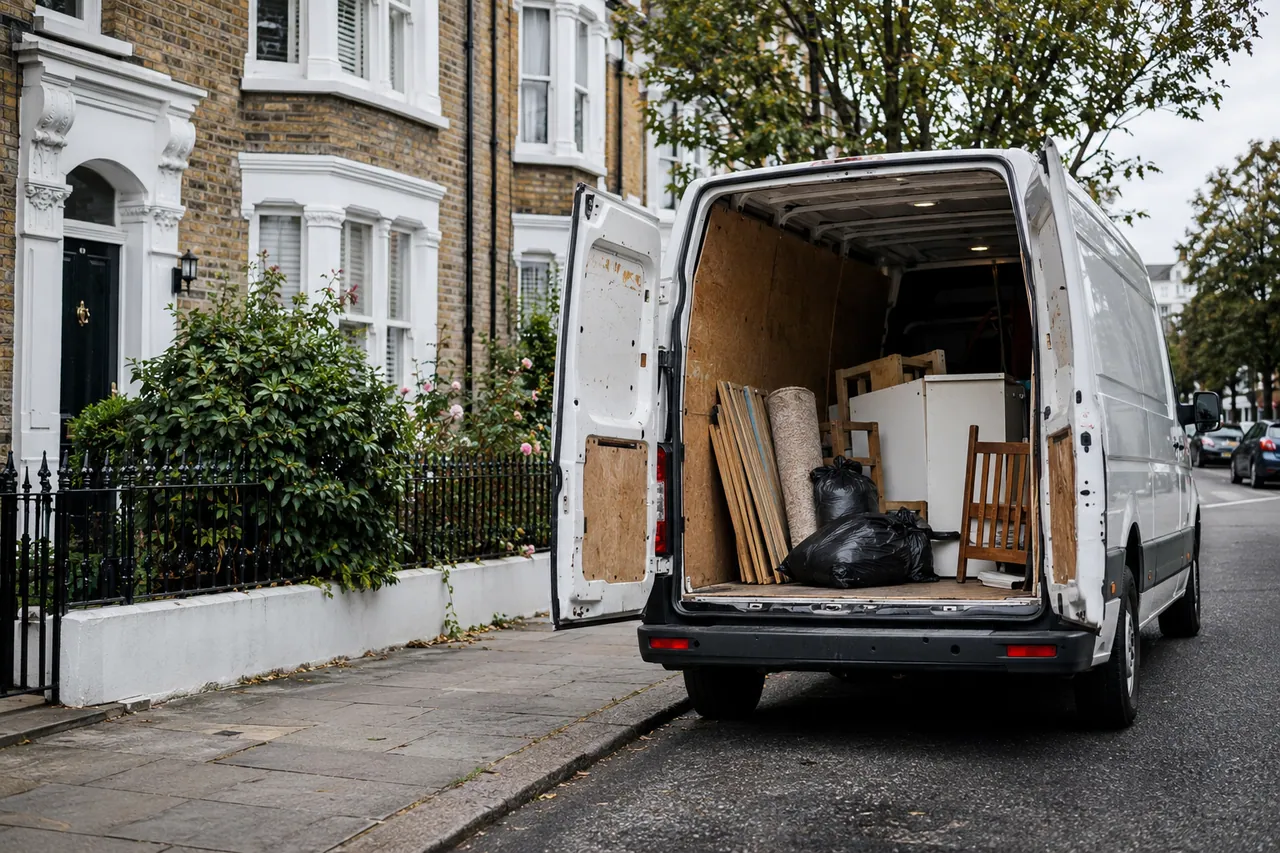
We ask where each part of the selected load is now held. Several cartons beside an exit, a bulky cabinet on another floor and material remaining in roof storage are not one access description. Photographs should be supported by the present item locations so the quote concerns the current work. A change in position after the enquiry needs bringing back to the team before the collection is treated as unchanged.
What the relocated containers contain
Storage boxes and bags need their principal contents identified before acceptance. Household belongings, electrical equipment, dense fragments and loose furniture components can occupy similar containers while representing different loads. We distinguish those categories and their approximate quantities. The fact that an item has been moved downstairs does not by itself establish its suitability for collection or turn every stored object into ordinary household waste.
The same applies to furniture brought out in parts. A cabinet body or set of panels should be described in its current form, including components held separately. The team discusses carrying and loading those pieces rather than an assumed operation to dismantle furniture still assembled elsewhere. Any additional requirements are clarified before they become part of the accepted removal.

| Content group | Description supplied | How the removal remains identifiable |
|---|---|---|
| Boxed household belongings | Principal materials and approximate container quantities. | The accepted contents are distinguished from retained boxes and unexplained material nearby. |
| Loose furniture components | The actual panels, frames or other pieces, their size and current position. | The load is described as presented rather than inferred from a former complete furniture unit. |
| Electrical or unusual items | The particular devices or materials and any additional requirement. | Acceptance and handling are clarified separately before they join the household load. |
| Other stored material | What it is, the approximate amount and where it will be collected. | The scope does not rely on an assumption that every object originating in storage has the same waste category. |
Keeping retained storage contents outside the instruction
The customer identifies which belongings leave and which remain. An unwanted selection moved out of a loft does not authorise removal of everything left behind or every similar container in another room. We agree the collection groups and locations, keeping retained possessions distinct. This avoids leaving the team to decide what appears abandoned or to interpret an earlier storage photograph as an unlimited disposal instruction.
Where more than one person has moved the contents, the final description should bring those changes into one clear collection scope. Tell us which items now stand at each position and what remains outside the removal. The team can then discuss acceptance and the route for the actual load rather than combine separate, inconsistent assumptions about where the belongings are held.
Updating the quote without obscuring the load
Tell the team when the selection, locations or presentation have changed from the original enquiry. Bringing contents downstairs, adding another container group or separating furniture can all alter the description. The quotation should remain tied to the current work. Our house clearance page explains a broader multi-room enquiry where the removal extends beyond a defined stored-contents selection.
| Change before attendance | Information supplied to the team | What needs reviewing |
|---|---|---|
| Items move to another floor | The present location and route towards the exit. | The carrying description is updated rather than assumed to match the earlier storage arrangement. |
| Further containers join the load | Principal contents, approximate quantity and collection position. | Acceptance and amount are clarified before an earlier quote is treated as an unlimited allowance. |
| Furniture changes form | The components now presented and any parts held elsewhere. | The physical load is described as it will be carried rather than by its former assembly. |
| Some items remain elsewhere | Which contents are still being proposed and the access required for them. | The collection does not silently omit or include another storage route without discussion. |
Sidcup location and an accurate price description
The GLA town-centre reference for this guide is Sidcup within Bexley, with DA14 as an indicative postcode district around the mapped point. We use the full address to locate the actual collection and discuss availability. The map provides geographical context; item positions, entry arrangements and the route to vehicle loading are established directly with the property contact.
The price relates to the accepted quantity, material mix and carrying and loading work. The name of the former storage space does not measure those details. We explain the quote against the contents and their current presentation, distinguishing any separate location or additional requirement. The available visit is confirmed with the person arranging access once the scope describes the removal actually requested.
| Quotation detail | What is recorded | Why the current description matters |
|---|---|---|
| Selected material | The principal contents and quantities leaving the property. | The load is defined independently of the capacity of the storage area which formerly held it. |
| Physical presentation | Containers, bulky items and loose components in their present form. | Handling is described for the contents as they will stand at attendance. |
| Collection positions | Each included room or storage location and the route from it. | Carrying covers the stated groups rather than an assumption that everything is together or still upstairs. |
| Loading and attendance | The practical vehicle connection and an available visit with the entry contact. | The quote describes the current work and arrangements rather than an earlier version of the enquiry. |
Sidcup: collection location and area map.
Map of Sidcup
Load the interactive area map from OpenStreetMap. This connects your browser to the map provider.
Open map in a new tab ↗ © OpenStreetMap contributors
Area orientation only. This map does not mark a company office or a confirmed loading point.
Sidcup collection questions
Does the quotation still include loft access after every item is brought down?
Tell the team where the contents now stand and whether anything remains proposed from storage. The scope can then reflect the route actually required. An earlier loft reference should not substitute for a current collection description when the customer has changed the location and presentation of the entire selected load.
Can retained boxes remain in the loft after the collection?
Yes. Identify the selected contents leaving and distinguish the possessions staying. A collection of relocated storage belongings does not automatically authorise removal of everything still held in the roof space. The team follows the described groups rather than make disposal decisions about other retained containers.
What if one bulky piece remains upstairs while the boxes are downstairs?
Describe that piece, its assembly and the route from its current position. It is a separate carrying starting point within the proposed job. The quotation needs to reflect both groups rather than assume that all contents now share the more accessible location shown by the downstairs boxes.
Does moving bags outside establish that all their contents are acceptable?
The principal contents still need identifying before acceptance. Their position explains access but does not establish material suitability. Household belongings, electrical contents and unusual material remain distinct categories even where they have all been gathered together for collection at the same point.
Can another person update the item locations before the visit?
The team needs one current description of the load and its positions. Explain the changes and make clear who will provide access and confirm the collection groups. That keeps the scope consistent rather than relying on separate instructions which describe the same contents in different locations.
Are access alterations included because the contents came from a loft?
Any additional work requires clarification before attendance. We describe carrying and loading through the available route for the selected contents. The former storage location should not be taken to imply alteration of openings, structural work or another unconfirmed service within an ordinary removal quotation.
Arrange your Sidcup collection.
Discuss the unwanted items, full postcode and route to the vehicle with the collection team.
Discuss your Sidcup collection
Open our booking form to arrange your collection.
Continue to our booking form to confirm your items and contact details.