
HENDON COLLECTIONS
Rubbish Removal in Hendon
We arrange removal of agreed bulky household contents from Hendon addresses, including specifically identified appliances where accepted. The enquiry names the equipment, its current condition and whether it remains installed or connected. We clarify the proposed scope and handling before discussing carrying, loading and the quotation and confirming an available collection with the property contact.
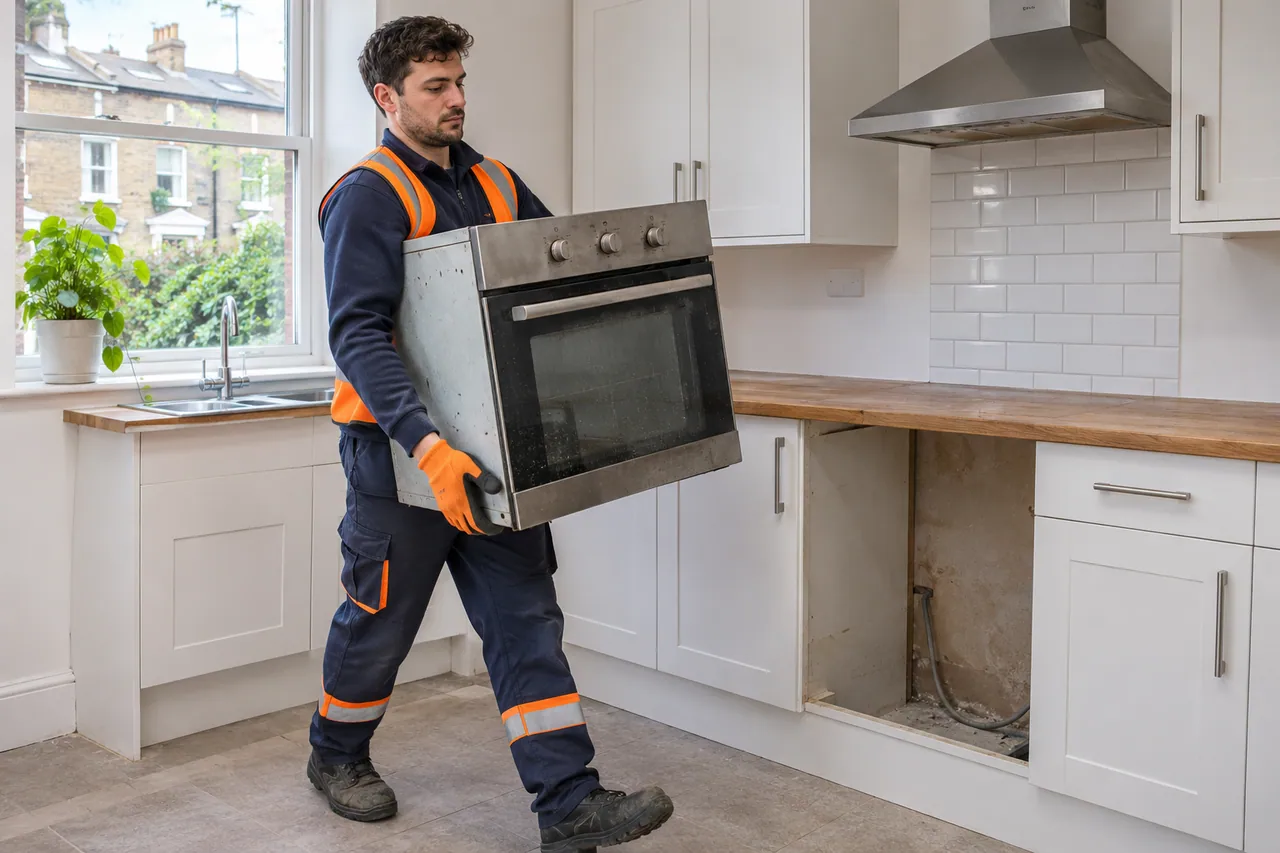
Hendon collections, explained.
How is a large appliance proposed for a Hendon collection?
Identify the appliance type, approximate dimensions, current position and condition so the team can discuss acceptance. Explain whether it is freestanding or still installed or connected. We clarify any requirements beyond carrying and loading before a visit is confirmed rather than assume that every appliance label describes the same removal or includes technical work.
Can furniture be included with the appliance enquiry?
Describe the furniture and appliance as separate groups, including piece counts, current assembly and collection locations. The team discusses acceptance and the carrying route for each part of the load. A quote can then explain the combined removal without hiding equipment requirements within a general furniture description or adding an unlimited household contents allowance.
Type, condition and current position
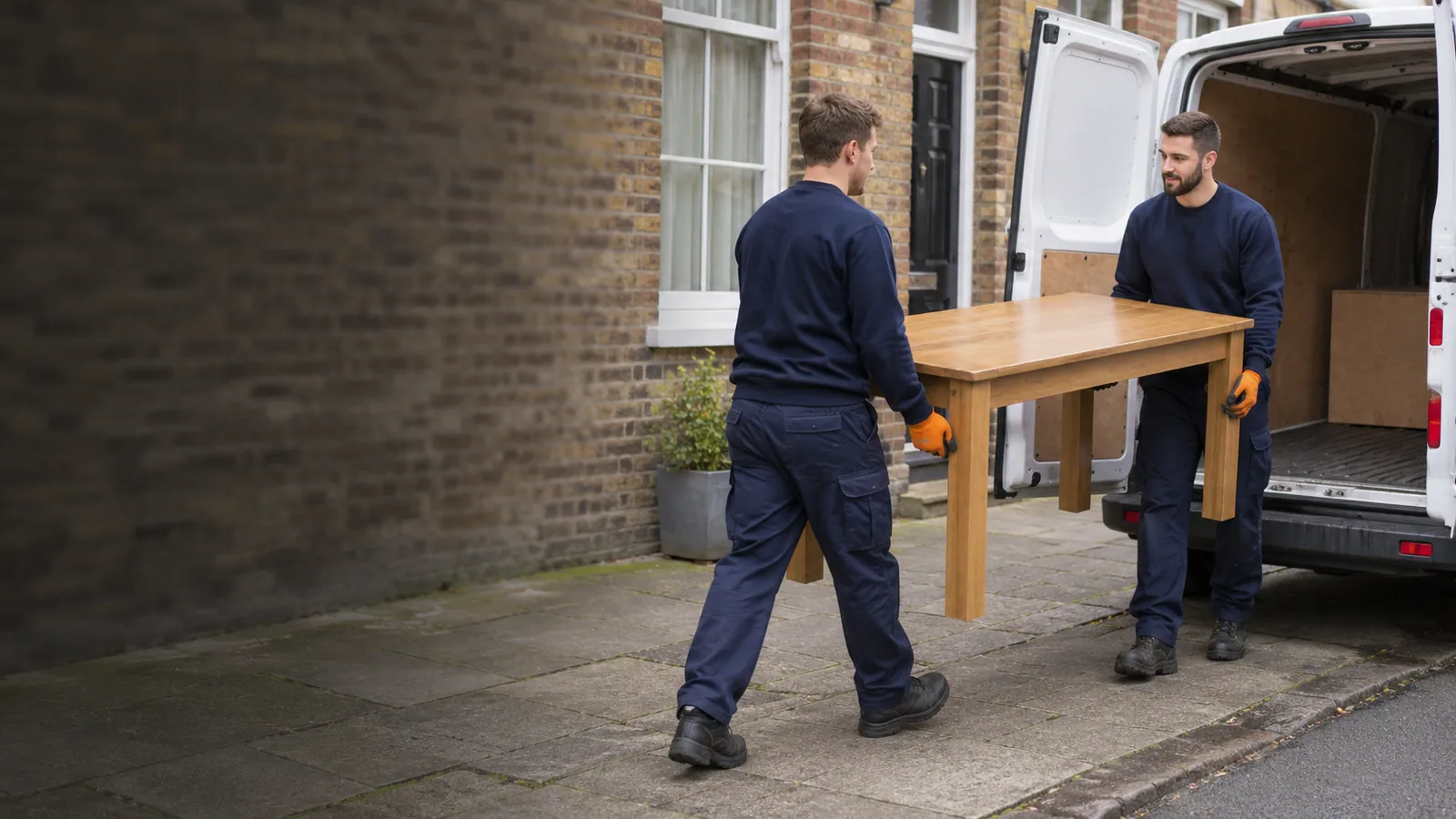
We ask which item is being discarded rather than rely on a distant view of the kitchen or utility space. Approximate dimensions and current position help connect it with the route out. Explain features or conditions relevant to the proposed handling, including whether other items or components accompany it. The team discusses acceptance from that description before treating the equipment as part of a confirmed load.
| Equipment detail | What the customer describes | What needs establishing before collection |
|---|---|---|
| Appliance type | The particular equipment being proposed rather than one general bulky-item label. | Acceptance and any specific requirement can be discussed for the actual item. |
| Approximate dimensions | The size and form in which the equipment will be presented. | The carrying route is reviewed for that physical load rather than inferred from the room holding it. |
| Present condition | Relevant features, condition or separate components needing clarification. | The scope reflects the item described instead of an undisclosed change encountered during attendance. |
| Current location | The room, floor and position of the equipment within the premises. | The collection work connects that starting point with loading rather than assumes the appliance is already outside. |
Appliance identification comes before the removal scope
Our Hendon service uses the actual item description rather than treat every large appliance as ordinary furniture. The customer identifies the type of equipment and its present condition. Construction, dimensions and any relevant requirement are brought into the enquiry so the team can discuss suitability for collection. A product category alone does not establish acceptance or explain how it will leave the premises.
The household waste service explains the wider domestic enquiry where equipment is one part of a selected load. We distinguish that appliance from furniture, packaging and loose belongings. The scope records what is being proposed and how it will be presented for collection, with additional work clarified before attendance rather than inferred from an instruction to take unwanted household contents away.

Freestanding contents versus installed equipment
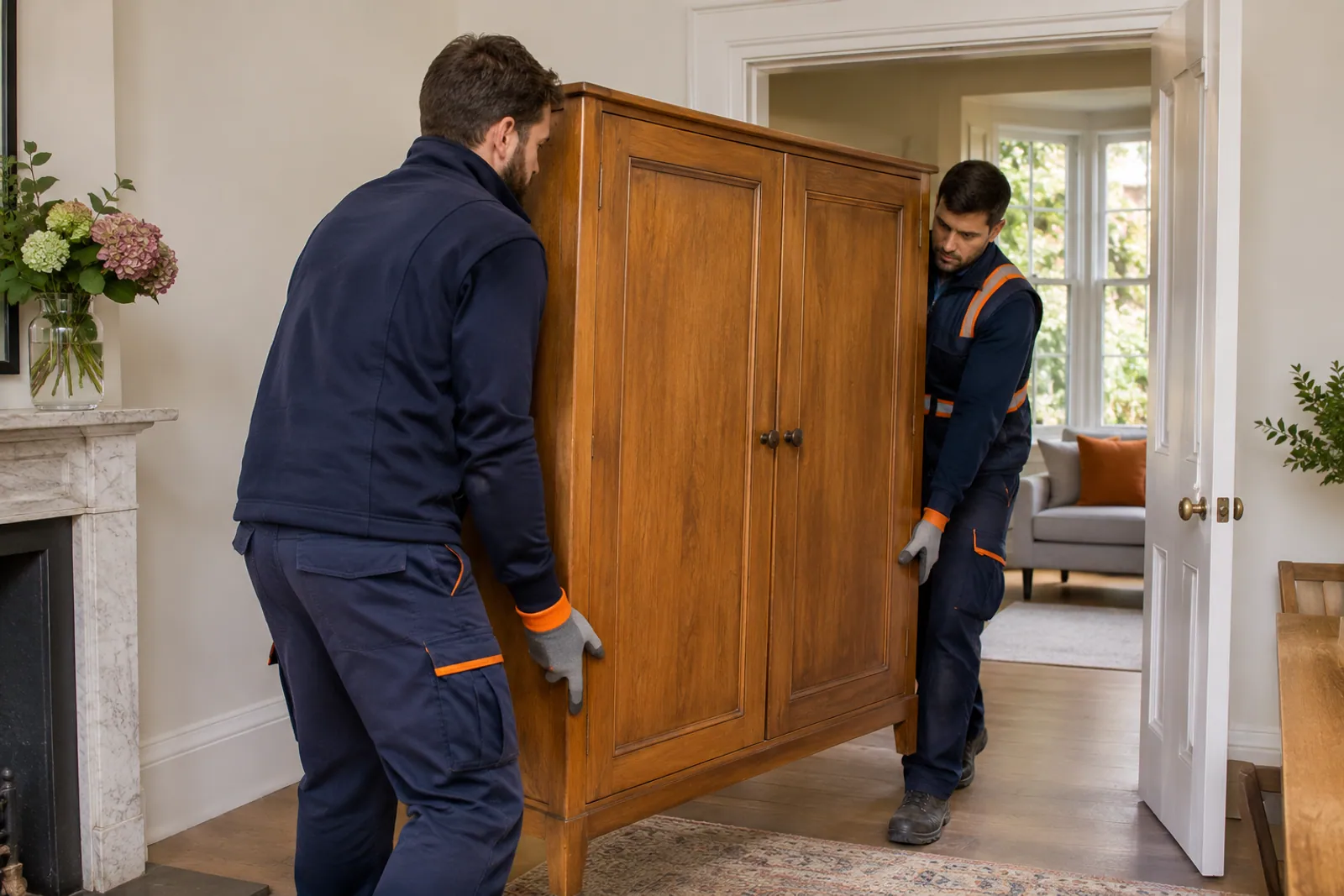
We distinguish the physical collection from additional work on the equipment or premises. If an item remains installed, secured or connected, explain that condition when requesting the visit. The team clarifies what is proposed before agreeing the scope. Carrying and loading accepted contents should not depend on an assumption that technical disconnection or alteration will be provided without discussion.
The description also needs to remain current. A customer might move an item, separate parts or change what accompanies it before attendance. Tell the team what will stand at the collection location so the quotation reflects that presentation. The item name may stay unchanged while its position or handling requirements differ, making the current details important for a clear removal instruction.
| Presentation at enquiry | Information clarified | Boundary of the work |
|---|---|---|
| Freestanding item | The equipment type, dimensions and condition as it stands. | Acceptance and carrying are discussed for that described presentation. |
| Installed or connected equipment | The relevant installation or connection and proposed collection condition. | Additional requirements are clarified before ordinary removal is treated as covering technical work. |
| Loose components accompany it | The specific parts, quantities and their collection position. | The complete physical load is visible in the scope rather than hidden within an appliance name. |
| Presentation changes | The new location, condition or component selection before attendance. | The team can review the earlier arrangement before the collection is treated as unchanged. |
Connecting a bulky item with the property route
We discuss the available path from the equipment to the vehicle. The enquiry covers relevant doors, internal turns, floor changes and any usable lift. Those details are considered with the item’s size and form, not separately from it. A large freestanding unit at one location can create a different carrying description from an apparently similar item at another floor or behind another set of doors.
The loading position and distance from the exit complete that route. We establish the practical arrangements at the particular address rather than assume all Hendon properties share one layout. If access depends on a contact providing entry or a shared route being available, explain the arrangement so the available visit can be confirmed against a usable description of the work.
From the equipment enquiry to an available visit
The customer identifies the appliance and any other contents, including current presentation and collection locations. We clarify acceptance and requirements and connect the load with the carrying route. The team explains the quotation and confirms an available visit with the entry contact. Changes in contents or access are discussed before they become part of the removal instruction.

Identify the proposed appliance
Type, dimensions, condition and current position are described separately from furniture and other household contents.

Clarify presentation and requirements
The team discusses acceptance, connections or installation and any work beyond carrying and loading before agreeing the scope.

Review access and quotation
The property route, practical loading position and available attendance are connected with the physical load and price.

Remove the confirmed contents
The accepted items are carried and loaded for transport and appropriate onward handling without expanding the instruction to retained equipment or fixtures.
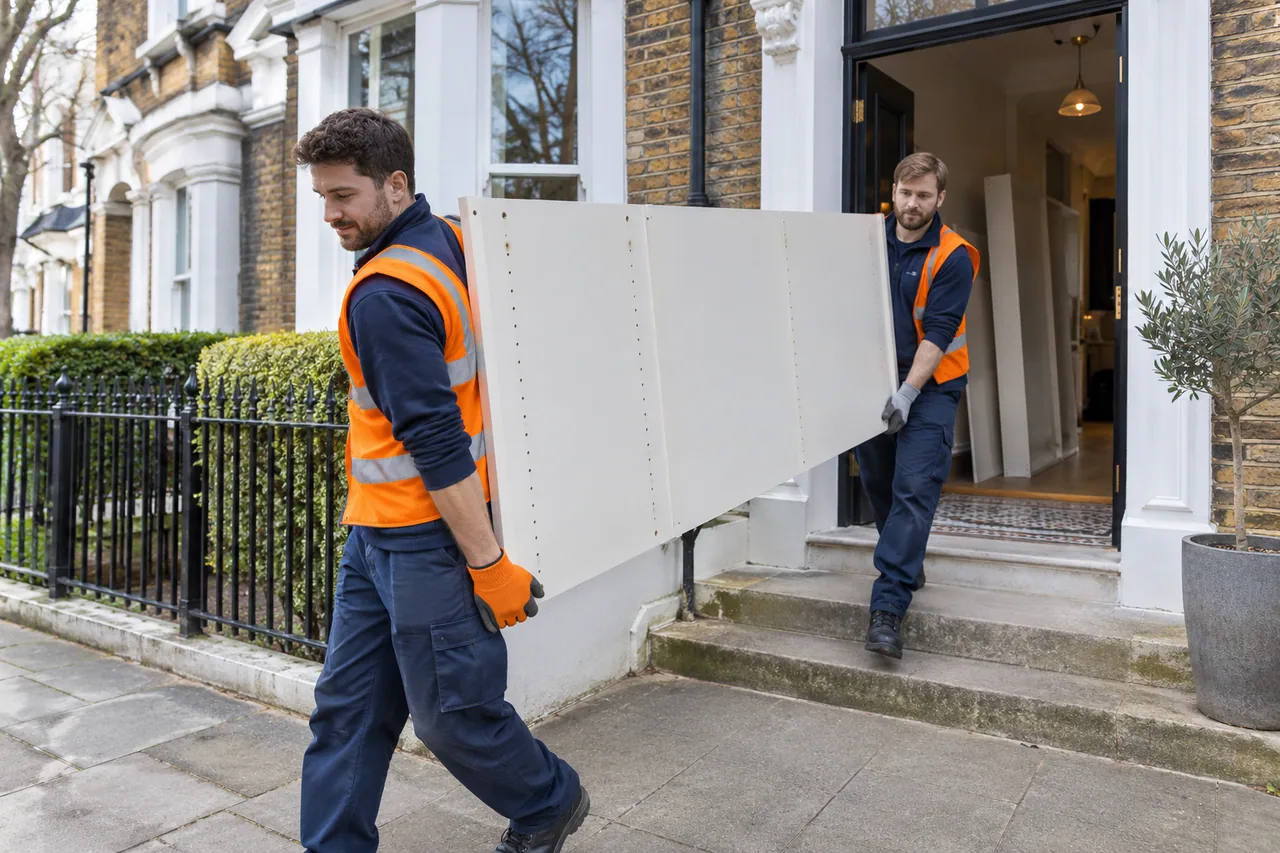
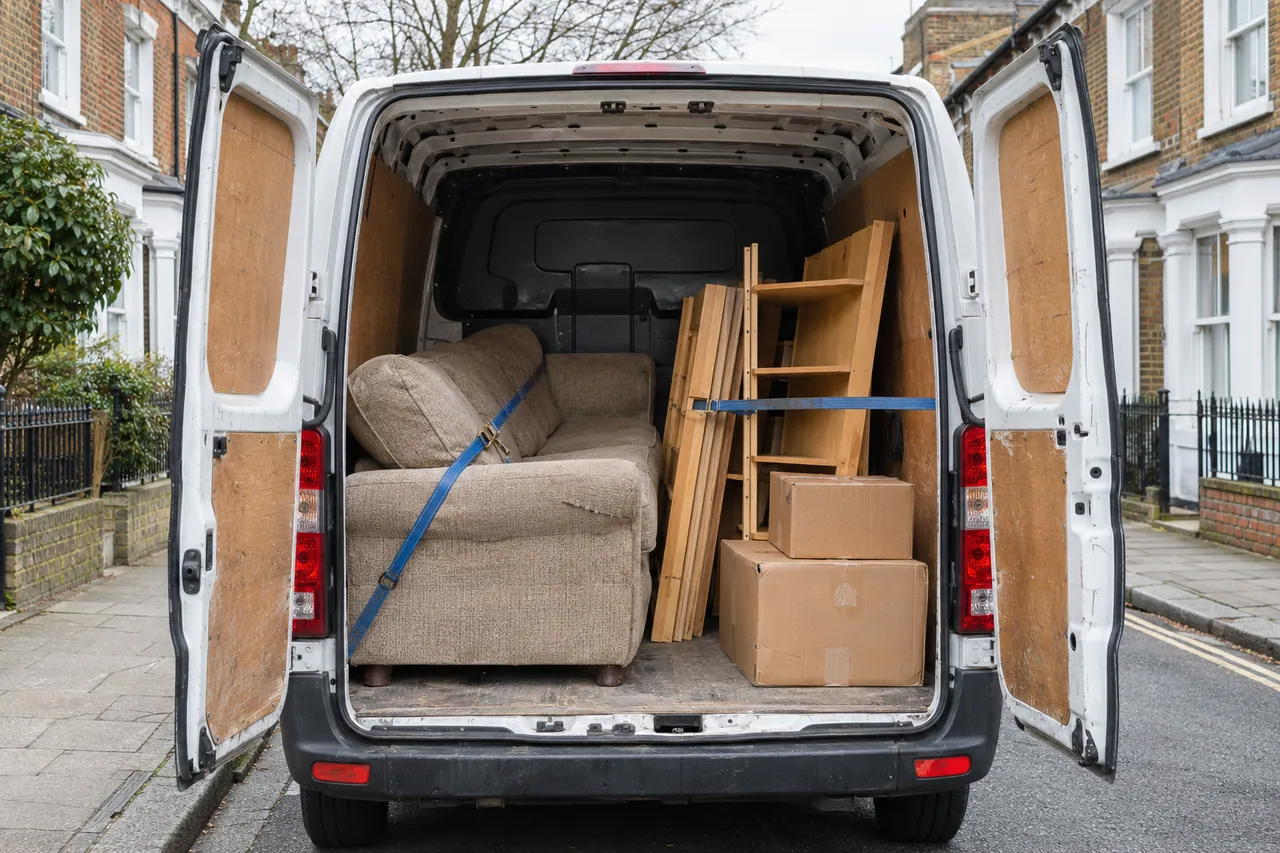
The contents and carrying behind your Hendon enquiry.
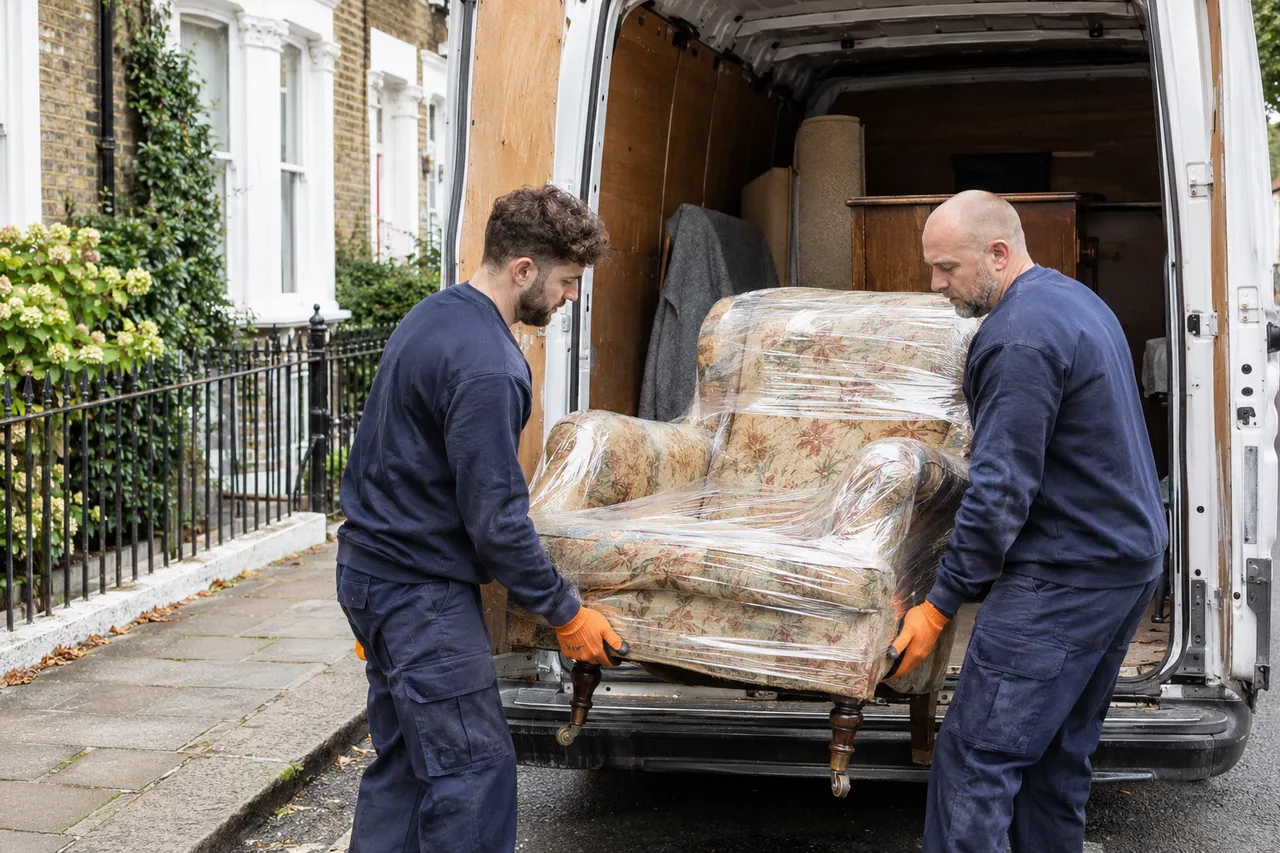

Additional contents remain separately described
Furniture and replacement packaging can be proposed alongside the equipment, but their amount and material need identifying. The furniture disposal service explains a separate bulky-furniture load. We record those pieces independently so an appliance enquiry is not assumed to include every cabinet, box or object left in the same room. Retained possessions remain outside the selected removal.
| Accompanying group | Details included in the enquiry | How the collection treats it |
|---|---|---|
| Freestanding furniture | The particular pieces, approximate sizes and present assembly. | The furniture is a defined part of the load rather than an unlimited extra beside the equipment. |
| Packaging from replacements | Main materials, approximate amount and whether containers are empty. | Waste packaging is distinguished from retained products or parts still stored inside it. |
| Boxed household belongings | Principal contents, container quantities and collection location. | Acceptance concerns identified material, with retained boxes outside the instruction. |
| Other electrical items | The actual devices and additional requirements needing discussion. | They are considered separately instead of automatically joining a quotation for one large appliance. |
Hendon location and the price for the described removal
The GLA reference used for this guide is Hendon Central within Barnet, with NW4 as an indicative postcode district around the mapped point. We use the full property address to locate the collection and discuss availability. The map provides area orientation; the item position, entry and practical loading arrangements are established directly with the contact arranging the visit.
We explain the price against the accepted contents and the work needed to move them. Equipment type, current presentation, quantities and the route all help describe the collection. A general appliance name or the number of rooms does not establish those differences. Any additional equipment, change in condition or different access needs reviewing before the earlier quote is relied on for a changed removal.
| Quotation input | What is recorded in the scope | When it requires review |
|---|---|---|
| Accepted equipment | The particular item and any separately identified accompanying parts. | Additional appliances or components change the load rather than form an unlimited allowance. |
| Current presentation | Dimensions, condition and requirements beyond ordinary carrying. | Changed installation, assembly or condition can alter the description used to confirm collection. |
| Collection route | The room, floor, internal passage and practical vehicle loading. | A new position or different access can change the carrying work behind the quotation. |
| Other contents | Furniture, packaging or loose material described by quantity and type. | Further or different material needs acceptance and price discussion before inclusion. |
Hendon: collection location and area map.
Map of Hendon
Load the interactive area map from OpenStreetMap. This connects your browser to the map provider.
Open map in a new tab ↗ © OpenStreetMap contributors
Area orientation only. This map does not mark a company office or a confirmed loading point.
Hendon collection questions
Does the appliance category alone confirm that it can be collected?
The team needs the particular item, condition, current presentation and any additional requirements before confirming acceptance. A general category does not establish every handling detail. Describe the equipment and collection location so the scope can be discussed for the actual removal rather than assumed from its label.
Is technical disconnection included in a carrying quote?
Any additional work needs clarification before attendance. Explain whether the equipment is still connected or installed and how it will be presented for collection. The agreed carrying and loading instruction should not depend on an unspoken assumption that technical or building-services work will be provided during the visit.
What if the item is moved to a ground-floor room before collection?
Tell the team its new position and whether any condition or component has changed. The item name may remain the same while the carrying route differs. We update the description so the quotation and visit arrangements concern the load as it will stand at attendance.
Can empty replacement packaging leave with the old equipment?
Describe the cartons or wrapping and their approximate amount when discussing the load. They are a separate material group which can be considered where suitable. The appliance quotation should not be treated as an unlimited allowance for every box or spare part subsequently left around the item.
Are other devices included if they are placed beside the appliance?
Identify them separately, with their types and any additional requirements. Acceptance and handling need discussing for those devices even if they share the same collection position. A quote for one described item does not automatically cover every electrical object later gathered in the room.
Does the map mark the point where the equipment will be loaded?
No. It provides a neighbourhood reference for the guide. We establish the actual property exit and practical vehicle position with the collection contact. The full address, equipment location and route are needed to describe the work, rather than treating the area marker as an individual loading arrangement.
Arrange your Hendon collection.
Discuss the unwanted items, full postcode and route to the vehicle with the collection team.
Discuss your Hendon collection
Open our booking form to arrange your collection.
Continue to our booking form to confirm your items and contact details.