
HORNCHURCH COLLECTIONS
Rubbish Removal in Hornchurch
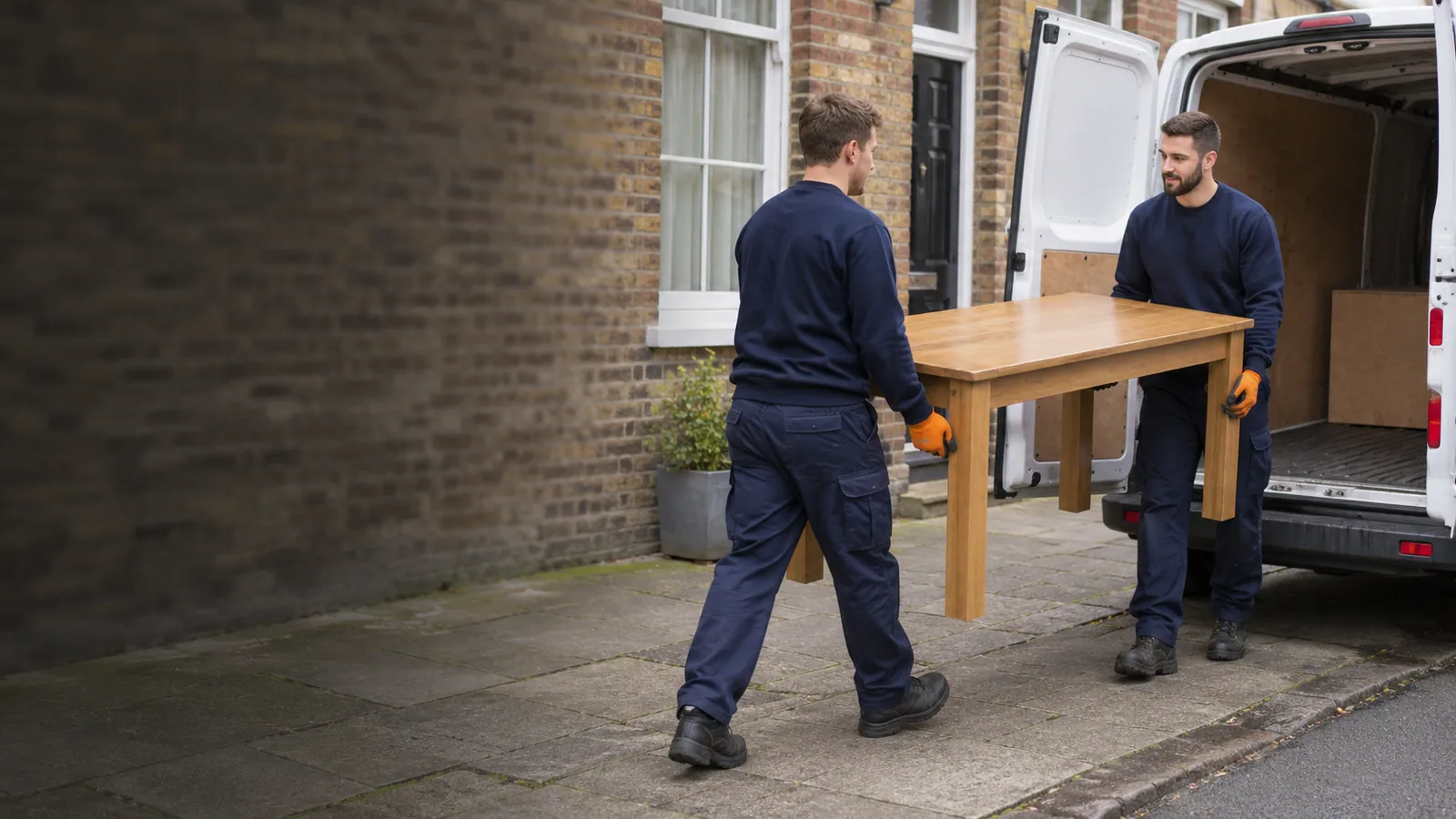
Our London rubbish removal service handles enquiries from Hornchurch households and businesses. We discuss the waste, carry it from the collection areas and take it away for onward handling. A business changing its staffroom furniture can use the service for a defined group of tables, chairs and storage while other workplace contents remain in use. The furniture list and premises arrangements establish that job before price and attendance are confirmed.
Hornchurch collections, explained.
Can a business replace staffroom furniture without clearing every room?
The enquiry can cover the particular tables, chairs and storage pieces leaving. We discuss their quantities, size and current assembly, then connect them with the route through the premises to loading. The business identifies the furniture and any loose contents in the collection; working equipment, staff possessions and other rooms can remain outside the removal.
How are staff possessions kept separate from unwanted storage furniture?
The business contact explains which units leave and which belongings stay. Any contents also requested for removal receive their own material and quantity description. The person providing entry needs that same instruction, so the collection follows the business’s inventory rather than the team deciding what to discard from cupboards or furniture used by several people.
A furniture change is described by the pieces leaving
A staffroom can remain partly furnished after a collection. Some seating may stay, a working appliance may remain beside an old table, and a storage unit can be removed without taking its contents. We turn those choices into a recognisable removal list. The business can then compare the quote with the furniture it wants carried away.
Our office clearance service provides the broader workplace context. For this example, the staffroom is a collection location, not a measurement of the waste. A small selection of loose furniture and a room full of mixed contents involve different amounts and carrying work. The enquiry states which version is requested rather than leave the meaning of staffroom clearance open until the visit.
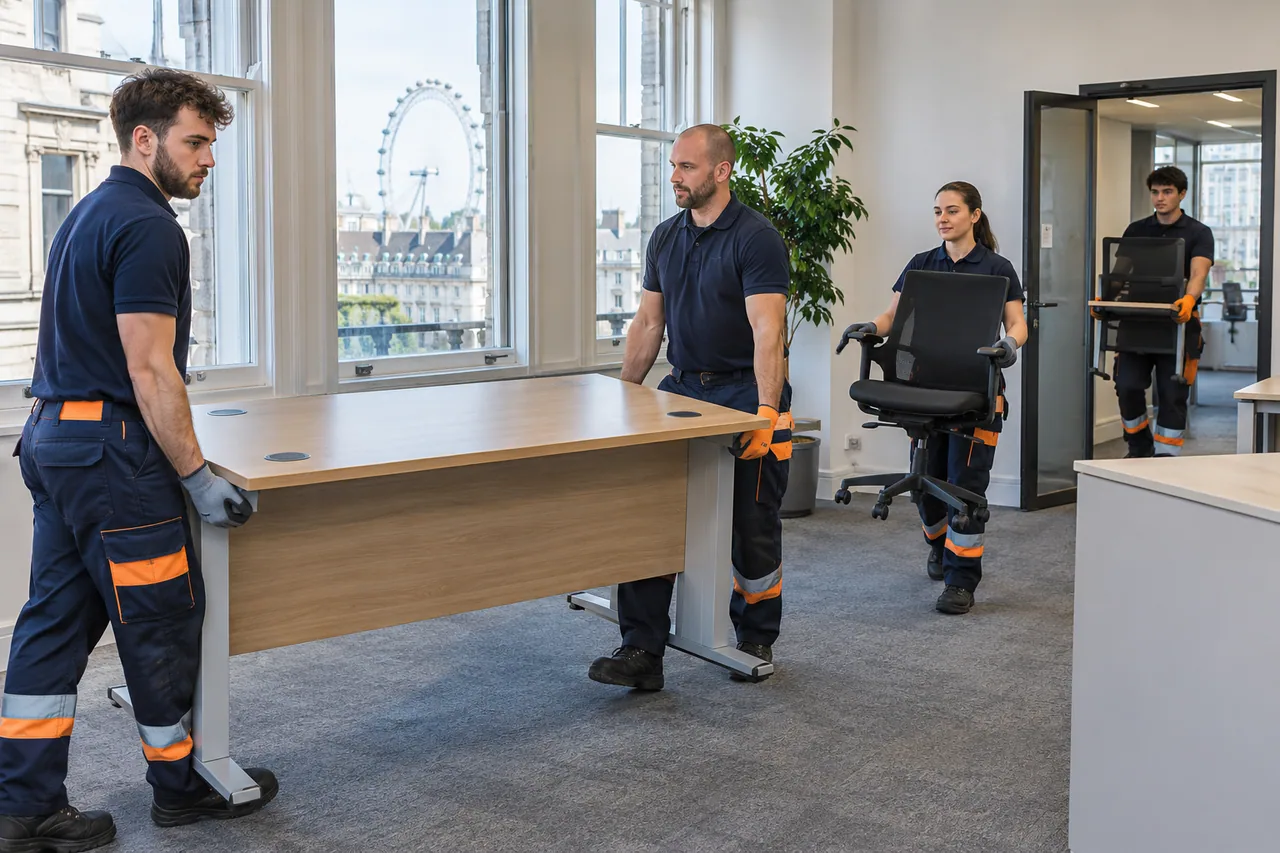
Counting seating rather than estimating by room capacity
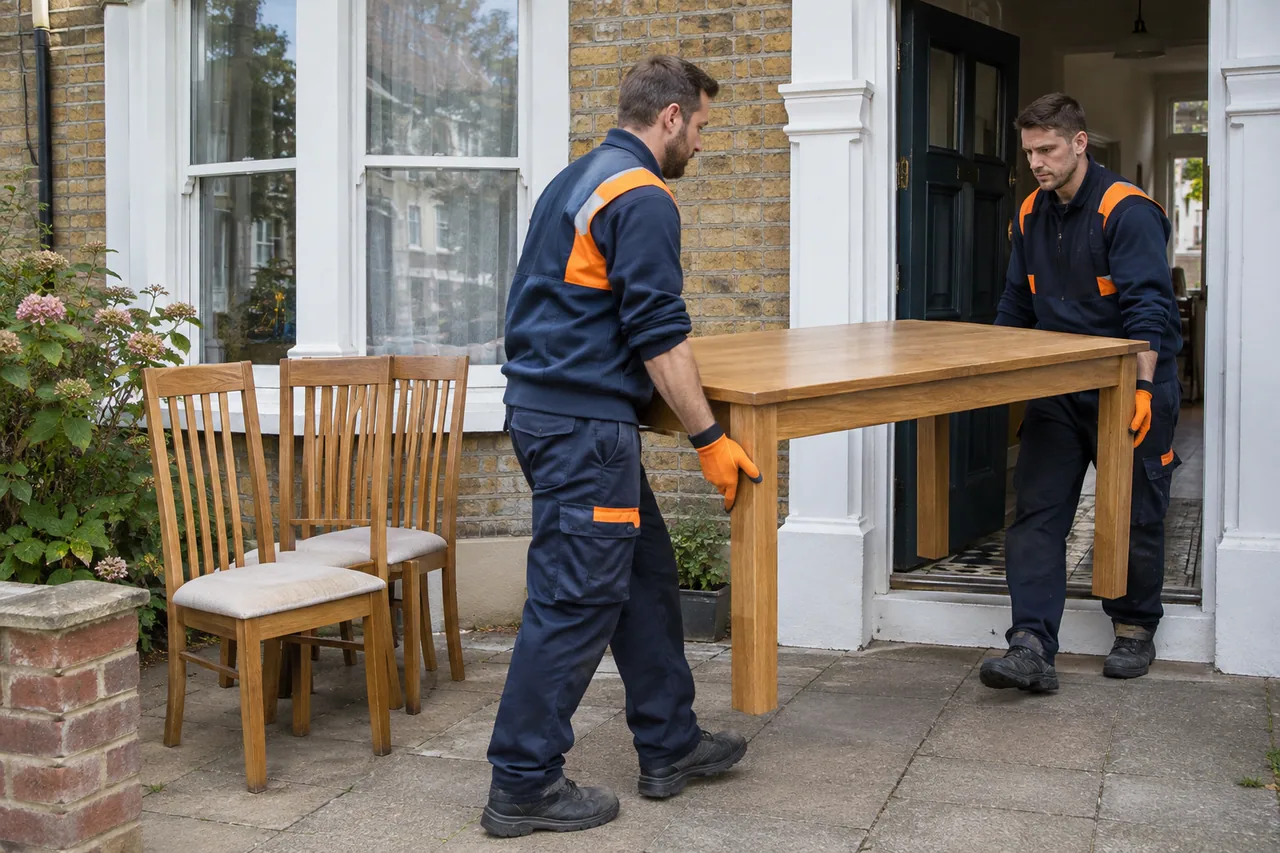
The number of people using a staffroom does not establish how many chairs leave. We discuss the furniture count directly, including seating held in storage or another room. Different chair groups should be identifiable to the entry contact, especially where similar retained chairs are still used elsewhere in the business.
The table also needs a physical description. Approximate dimensions and its current assembly help connect it with doors, turns and the loading route. A photograph supports that account, while the business explains separate components and anything not shown. Further work required before movement is raised in advance so the collection arrangement covers the carrying task the team has actually discussed.
Entry and the carrying route through a workplace
We establish who will meet the team, identify the furniture and provide access to its locations. The practical route may pass through another part of the premises without that area’s contents becoming part of the job. The business explains any entry arrangements relevant to the collection rather than rely on an assumed standard workplace layout.
Discuss requested timing together with those details. The team confirms an available visit; a preferred date alone is not an appointment. If the furniture is moved before collection, update its location and form. This keeps the carrying description current, particularly when a table and chairs no longer stand in the room shown in the initial photographs.
| Premises question | Information used for the collection | Work it helps explain |
|---|---|---|
| Where is the furniture now? | Room, floor and any separate storage point. | Carrying from each starting location. |
| What is the largest piece? | Dimensions and present form of the table or unit. | The route for the bulky object, not only the chairs. |
| How does it reach the exit? | Relevant doors, stairs or a usable lift and changes in level. | Movement through the premises. |
| How is loading reached? | Practical vehicle position and distance from the contents. | The connection from the building to transport. |
Furniture, belongings and appliances are different instructions
The furniture disposal discussion covers bulky pieces. If an appliance or other device is also unwanted, identify it separately and explain its present arrangement. The furniture job should be clear even where other equipment normally sits on a table or inside the same storage area.
A loose furniture collection and additional work on connected equipment are different requirements to resolve. We discuss the contents in the form presented and clarify any request beyond carrying and loading before agreement. Staff possessions and working supplies remain the business’s selection decisions, rather than items the collection team judges by their position in a shared staff area.
| Contents around the furniture | Instruction needed from the business | How it enters the quote |
|---|---|---|
| Staff possessions | Identify what remains and any material expressly leaving. | Only the described removal group is included. |
| Working appliances | Explain which equipment stays near the departing furniture. | Retained equipment is distinguished from the waste. |
| A device also being discarded | Give its type and any further task requested. | Acceptance and scope are discussed separately. |
| Material in cupboards or boxes | Describe the main contents and approximate amount. | The loose load is included by material, not storage capacity. |
How the furniture collection is carried out
We confirm the furniture and any other contents covered by the price and available visit. The entry contact shows the collection points. The team carries those contents to loading, loads them and removes them. Recycling or reuse is pursued where suitable to the materials and available onward route after transport; the company does not assign one claimed outcome to every item from a workplace room.
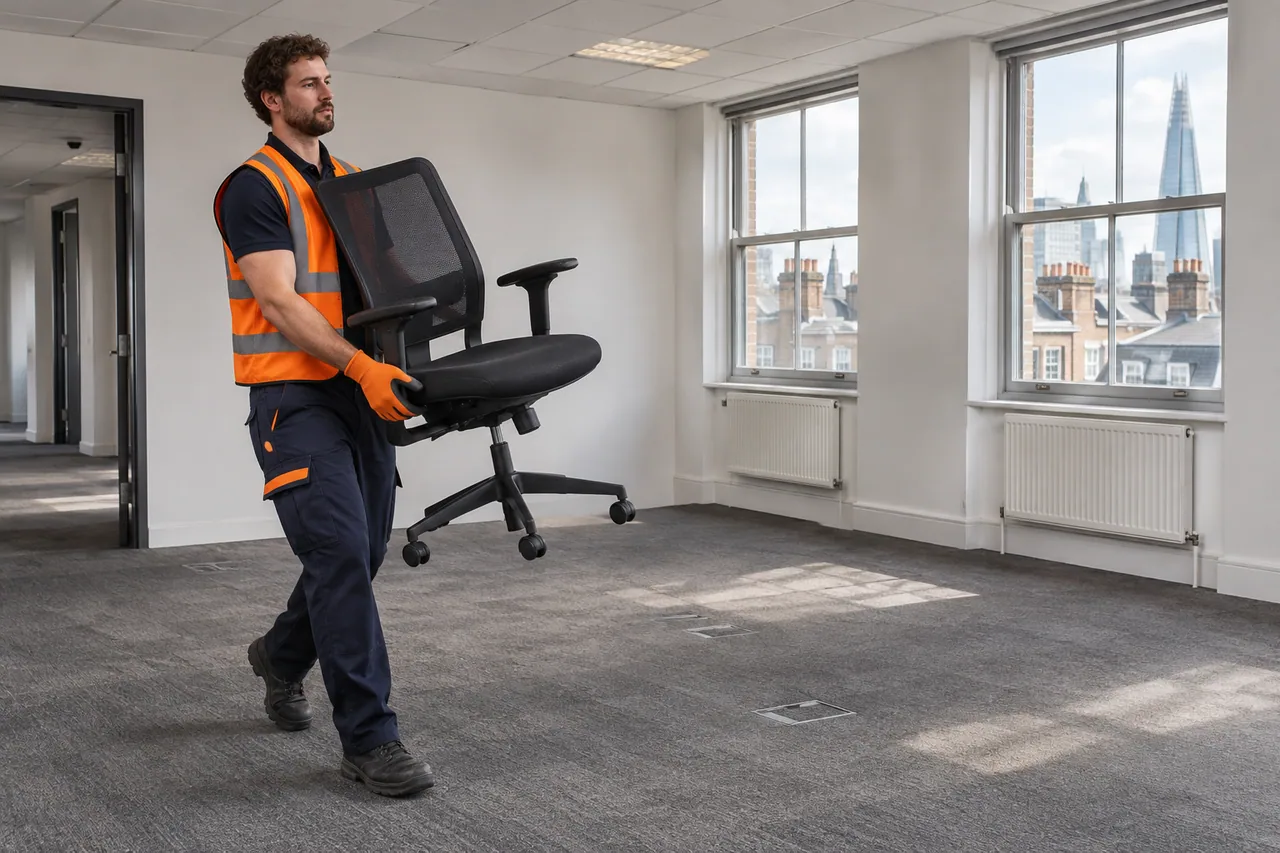

Confirm the business’s furniture list
Tables, chairs, storage and other included contents are identified, with staff belongings and working equipment distinguished from the load.

Discuss the route and requirements
The furniture’s current form, collection points and practical loading are connected with carrying, including any extra task raised before agreement.

Agree the price and available visit
The team explains what the collection covers and confirms attendance with the person arranging access to the premises.

Carry and take away the contents
The furniture and other material in the arrangement are moved from their described positions, loaded and transported for appropriate onward handling.
The contents and carrying behind your Hornchurch enquiry.

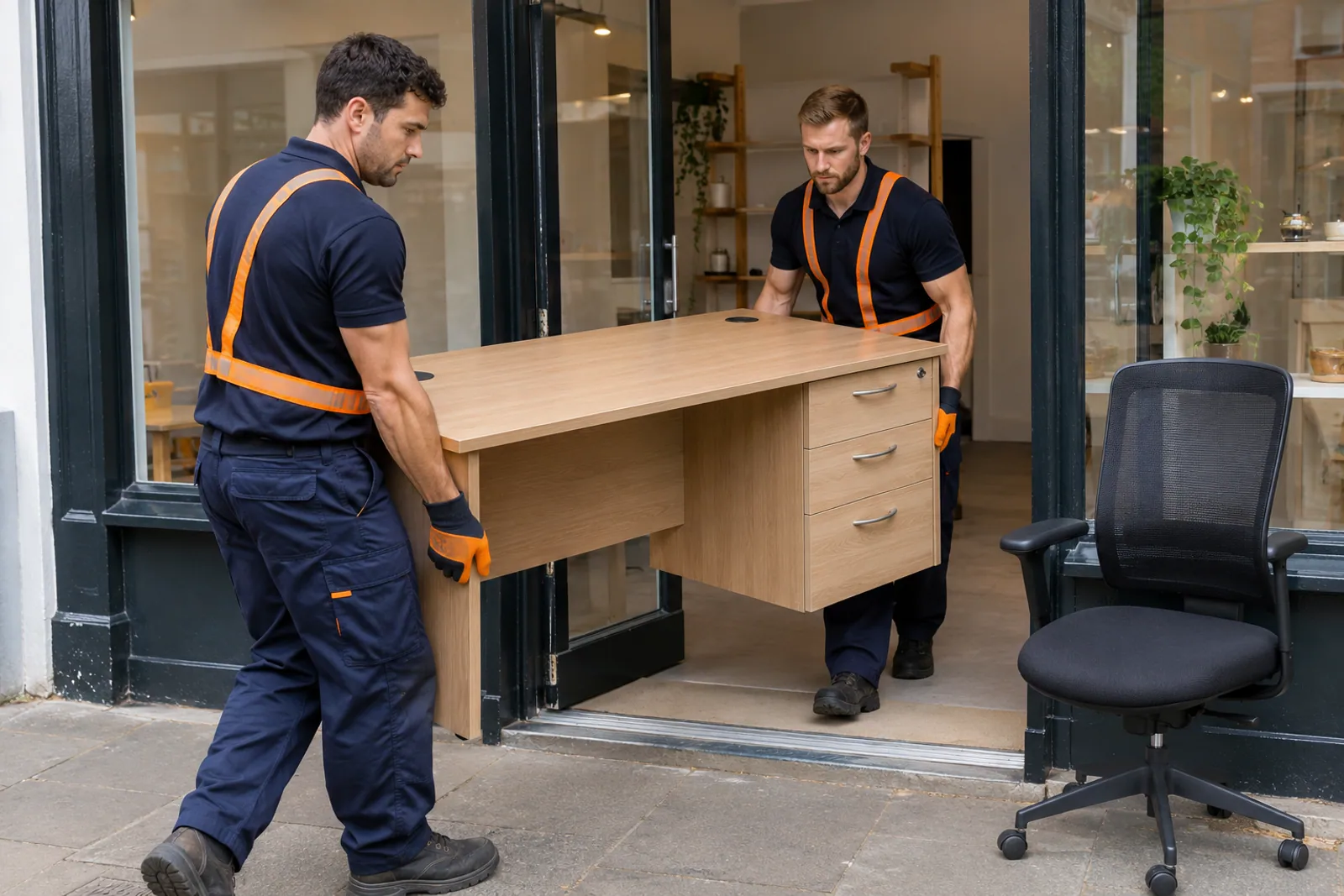

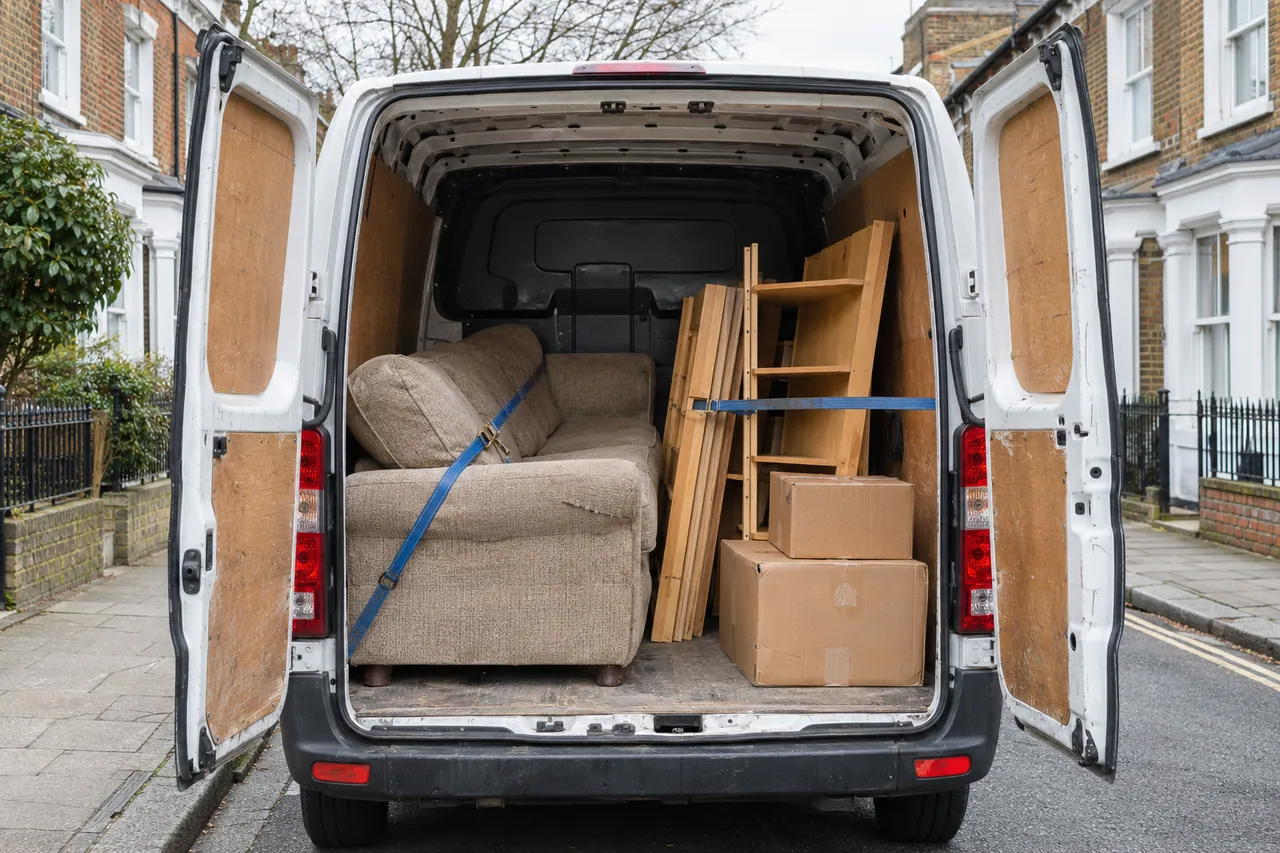
The material groups within the removal.
| Work the business is requesting | What we record | What the customer can check |
|---|---|---|
| Remove a table | Its approximate size, construction and present assembly. | Whether loose tops or other parts are included with the main piece. |
| Take away chairs | The count and locations of the chairs leaving. | Which matching seats remain in use. |
| Collect a storage unit | Its body and components, plus any contents leaving. | That personal possessions and retained supplies are distinguished. |
| Include loose rubbish | The material groups and approximate amount. | That the quote describes more than furniture alone. |
What belongs in the collection confirmation
A useful confirmation describes what is leaving, the work discussed and how the visit is arranged. It gives the business a way to identify changes before attendance. Further furniture or a newly proposed waste category should be raised with the team rather than added through an assumption about the room being cleared.
Hornchurch location and other business waste needs
Hornchurch is the mapped centre reference in Havering. RM11 and RM12 are indicative nearby postcode districts, while the full premises address identifies the collection location. The contact supplies the actual furniture positions, entrance and loading arrangements; the map is an area reference, not a route through the business.
Our commercial waste collection information is relevant if the request extends beyond a furniture change. Describe the material and whether it concerns this one load or another requirement. The price and visit discussed for staffroom contents are not an assumed continuing collection schedule. A particular record or additional service needed by the business should be raised before the collection arrangement is confirmed.
Hornchurch: collection location and area map.
Map of Hornchurch
Load the interactive area map from OpenStreetMap. This connects your browser to the map provider.
Open map in a new tab ↗ © OpenStreetMap contributors
Area orientation only. This map does not mark a company office or a confirmed loading point.
Hornchurch collection questions
Can we keep part of a matching chair set?
Identify the chairs leaving and the count being retained. Similar appearance does not mean the whole set has to go. Include the locations of chairs stored away from the main table. The team can then discuss the physical load and carrying without using the room’s seating capacity as a substitute for the furniture selection.
What do we do about personal belongings inside an old cupboard?
The business identifies which belongings stay and describes any contents also requested for removal. The cupboard body and its contents are separate parts of the enquiry. The entry contact should recognise that instruction, rather than ask the team to decide which staff possessions are unwanted from their appearance or storage position during the visit.
Is a working appliance beside the table part of the collection?
Only if it is separately proposed, described and included in the scope discussed with the team. Explain its type and any work requested before carrying. The furniture quote should distinguish the appliance if it stays. Being in the same staffroom does not establish that every device, supply or furnishing is part of the removal.
Can furniture already moved into a store be collected from there?
Describe its present position, form and the route to loading. The job should be discussed from where the contents will actually stand, rather than an earlier photograph of the staffroom. If other furniture is also in that store, distinguish what leaves. The team reviews the carrying and collection arrangement from the current information.
Does this arrange a repeat business waste service?
The furniture removal covers the contents, work and available visit confirmed for that request. If the business wants a recurring arrangement or another load collected later, explain that requirement separately. The team can discuss the appropriate service rather than a one-off furniture quote being treated as an unlimited allowance or a schedule of future visits.
Who needs to be available when the team attends?
The business should identify a contact able to give authorised access and show the furniture and other contents in the arrangement. They need the same inventory as the organiser of the enquiry. Discuss any entry or contact change before the visit is confirmed so the collection follows a clear plan rather than new instructions at the premises.
Arrange your Hornchurch collection.
Discuss the unwanted items, full postcode and route to the vehicle with the collection team.
Discuss your Hornchurch collection
Open our booking form to arrange your collection.
Continue to our booking form to confirm your items and contact details.