
KINGS CROSS COLLECTIONS
Rubbish Removal in Kings Cross
Our Kings Cross collection service removes agreed household and business contents, from individual furniture pieces to a defined load occupying several areas. We discuss the items, access and carrying involved before quoting. Collection includes moving the accepted waste to transport and taking it away, with availability confirmed for the actual address.


Kings Cross collections, explained.
Can a Kings Cross collection combine workplace and domestic items?
We can discuss both categories within one enquiry, identifying each collection location and the materials involved. Furniture, boxed possessions and business equipment are listed separately so the scope remains clear. Acceptance, access and an available visit are agreed with the team rather than inferred from a general request to clear a mixed property.
How do we define removal from several collection areas?
We connect an item list with each room or store included in the work. That distinguishes unwanted contents from working stock and personal belongings remaining nearby. The discussion also covers the route between those areas and the vehicle, so the quote describes the whole agreed carrying and loading arrangement rather than one unidentified pile.
The contents included in your Kings Cross enquiry.
| Proposed contents | The inventory establishes | How the removal is scoped |
|---|---|---|
| Workstations being replaced | Desk tops, frames, pedestals and loose components selected for removal. | Furniture is counted in its described form, with retained equipment excluded from the load. |
| Chairs and meeting furniture | Quantities, separate sections and any unusually large or heavy pieces. | The carrying discussion reflects the actual seating and table components rather than a generic room allowance. |
| Household belongings | The principal contents of boxes and the collection location for each group. | Accepted personal possessions remain distinct from office assets and materials staying at the premises. |
| Electrical devices | Device types and quantities, plus any additional requirement that needs clarification. | Acceptance and handling are discussed explicitly rather than treating equipment as ordinary boxed rubbish. |
One instruction with clearly separated contents
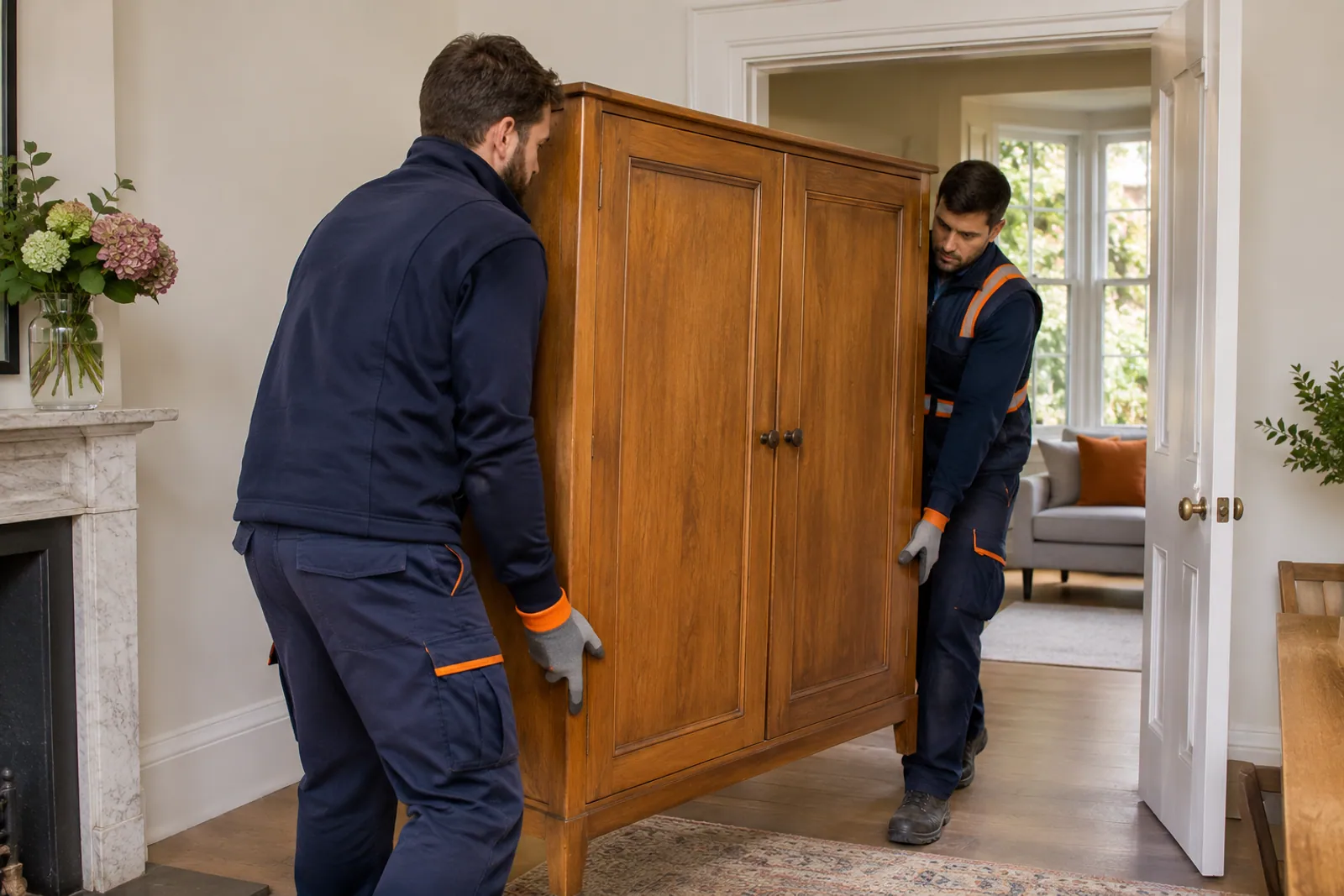
We organise a Kings Cross removal around the things leaving the premises. A mixed enquiry may include an unused workstation, chairs and boxes of personal possessions. Those categories are identified rather than combined into an unexplained estimate for an entire room. The collection can remain limited to selected contents even when the surrounding building stays occupied and in use.
Where a customer arranges removal from more than one room, we establish the unwanted load within each space. That avoids confusing a cabinet being discarded with a similar cabinet holding retained files. We also distinguish existing waste from materials being kept for a later project. A broader commercial waste collection discussion can explain an ongoing business requirement separately from this defined one-off clearance.
How the accepted collection is organised
We use the enquiry to turn a selection of unwanted contents into a defined removal. The photographs and inventory describe what is leaving; the access discussion explains the carrying. We then clarify acceptance, scope and price and confirm an available visit with the person arranging entry. Additional rooms or materials are discussed before they become part of the job.

Separate the collection groups
Household possessions, furniture and workplace equipment are listed under the collection areas holding them, with retained assets kept outside the scope.

Review components and access
We discuss assembly, bulky dimensions, floor changes and the route between the selected contents and transport.

Agree the visit and price
The team confirms the accepted load, quotation and available collection arrangements with the contact responsible for access.

Move the agreed items out
The accepted contents are carried, loaded and removed for appropriate onward handling according to the material categories discussed.
The contents and carrying behind your Kings Cross enquiry.
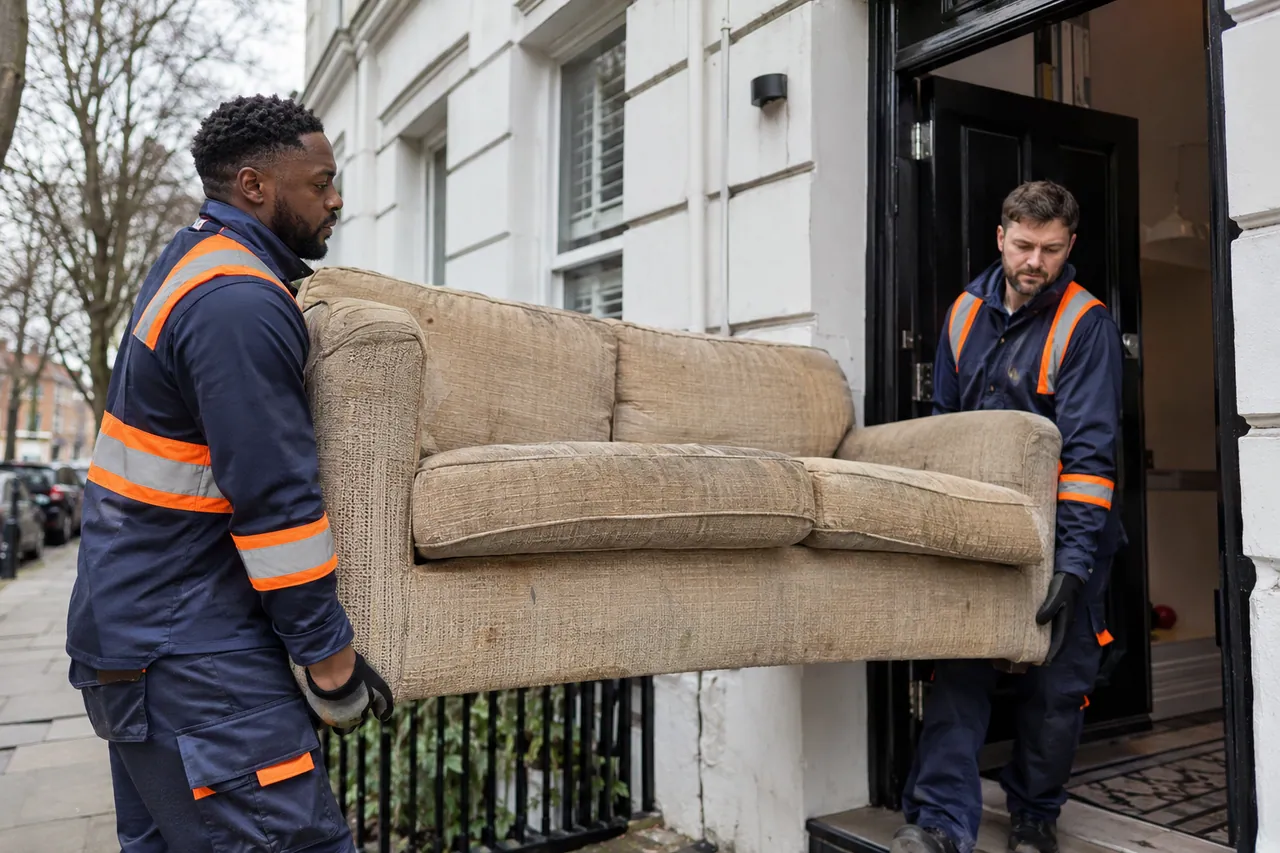
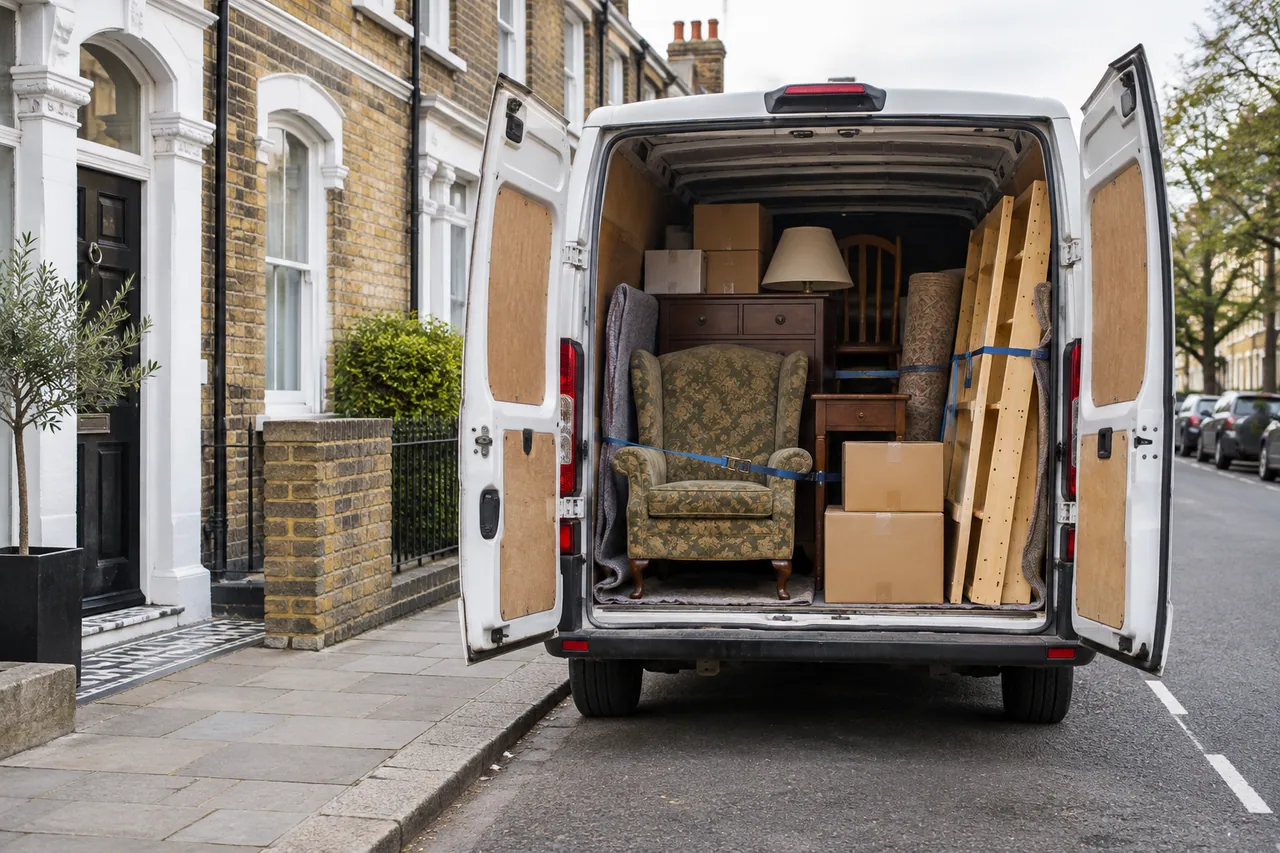

A practical inventory for furniture and equipment
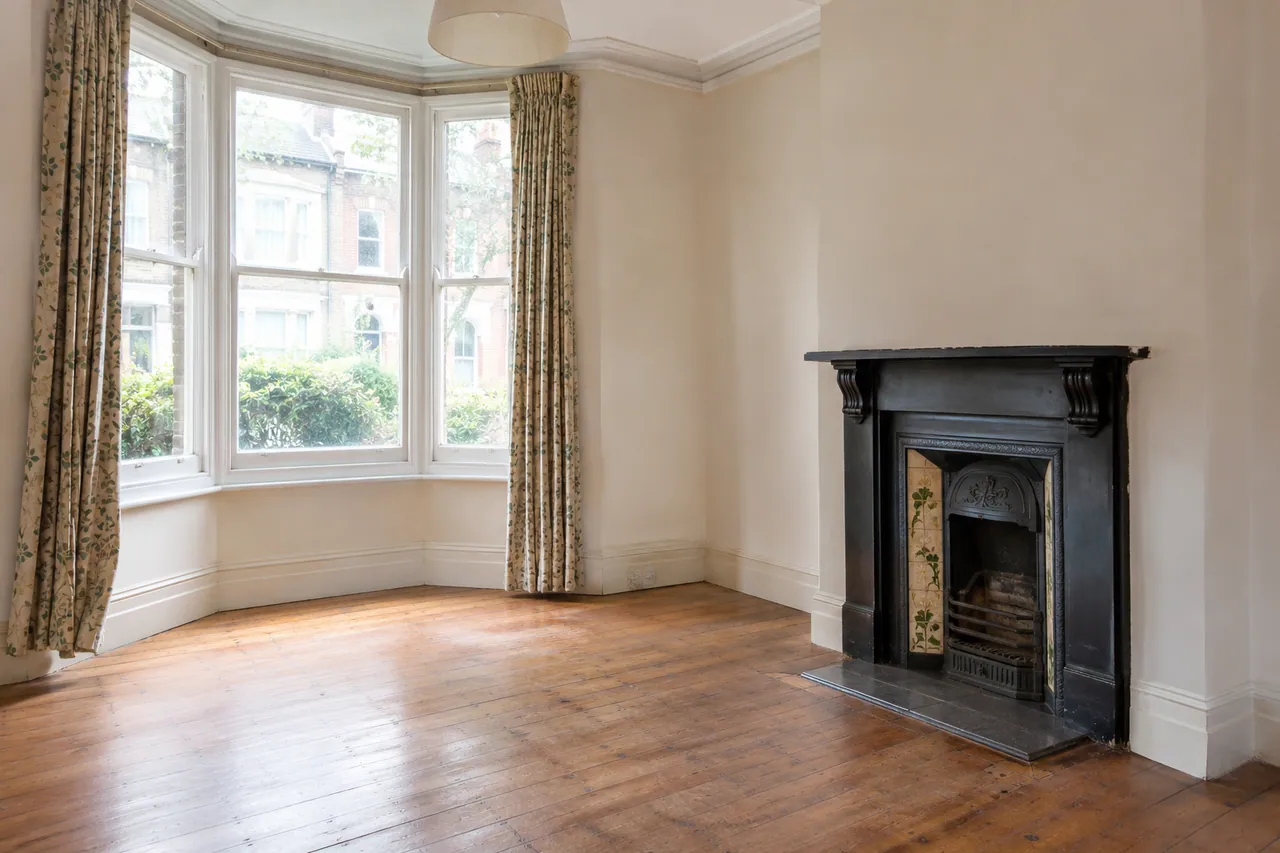
The inventory describes the current form of the items as well as their number. A workstation may include a top, pedestal and separate screen; a seating group may include individual chairs with loose cushions. We ask about those components because the collection concerns the actual load carried out, not simply the title given to a room or business department.
Planning the carrying route before attendance
We establish the entrance and internal route for the collection areas. Floors, stairs, a usable lift, doors and the distance to loading all help describe the carrying involved. A floor plan or postcode alone does not tell us whether a bulky desk can follow that route. We discuss the actual furniture and building arrangements together, including the person providing access.
If the removal depends on agreed access through a shared part of the premises, explain that arrangement when requesting the visit. We do not assume that a loading point, lift or internal store will be available because it appeared in an earlier photograph. A change in the route should be brought into the scope so the work described by the quote remains the work required at collection.
Connections between the rooms and the vehicle
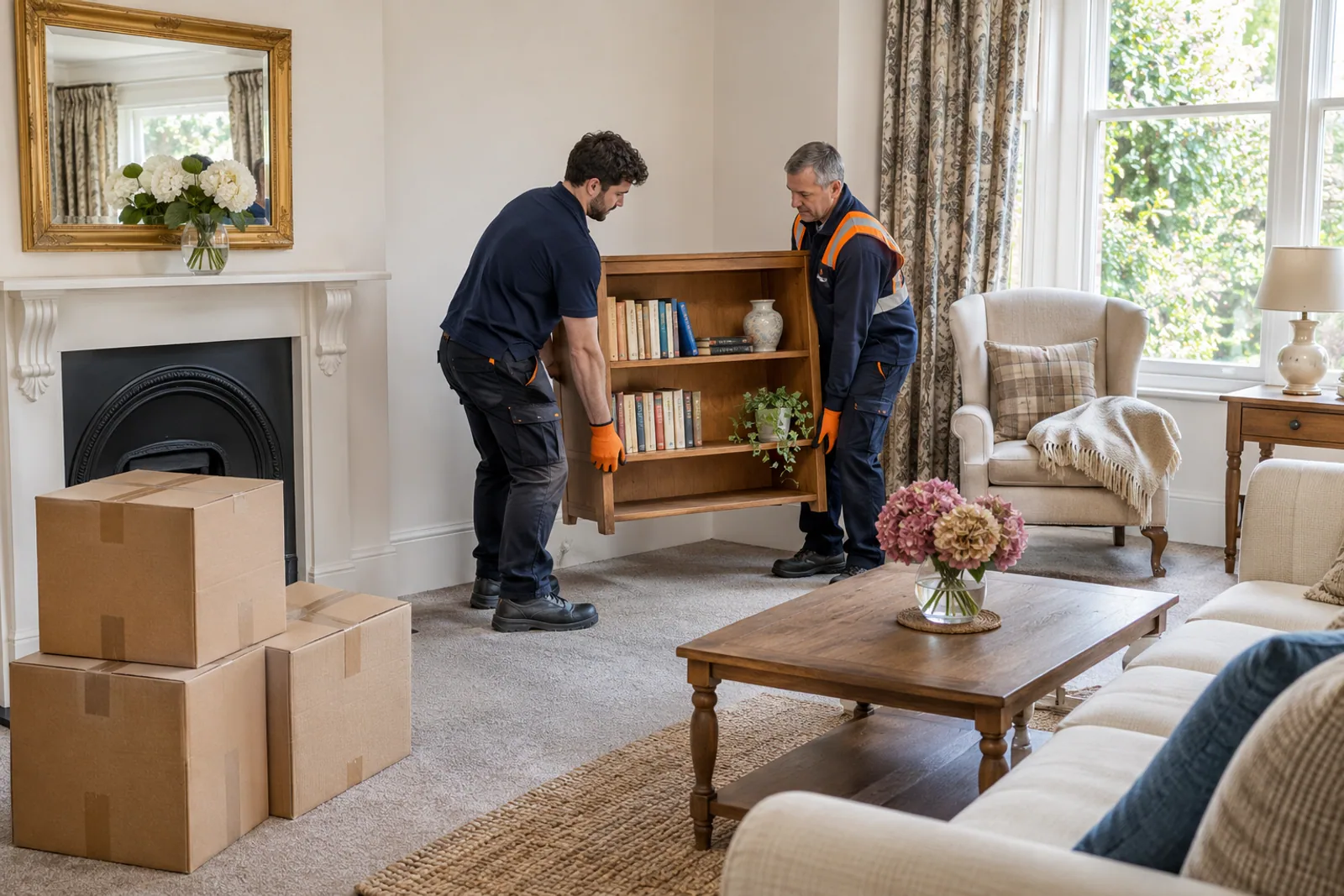
Our collection provides carrying and loading of the accepted items. The movement starts where those contents are located, follows the agreed access route and ends with loading for transport. Anything beyond that description, such as disconnecting equipment or detaching an installed fitting, needs separate clarification. We establish those boundaries before treating the item as ready for removal.
| Part of the route | What we discuss with the contact | What the team can plan |
|---|---|---|
| Collection rooms | Which furniture and contents are leaving each named space. | The accepted load is identified without clearing unrelated belongings from adjoining areas. |
| Doorways and turns | Bulky dimensions and the usable path through the premises. | Carrying is considered for the actual components rather than an assumed straight route outside. |
| Floor changes | The stairs or lift available for the items included in the enquiry. | The work connects the contents’ current floor with the building exit described for collection. |
| Loading location | The practical vehicle position and carrying distance beyond the exit. | The collection connects each identified load with the usable transport arrangement at the premises. |
The Kings Cross reference used for this service
The mapped GLA reference is Kings Cross/St Pancras in Camden. N1C and NW1 are indicative postcode districts around that point, not a complete neighbourhood boundary. We establish the full collection address and the rooms holding the selected contents before confirming availability. The area reference does not replace the business contact or the actual premises access description.
Different materials within a mixed premises clearance
A collection can include several material groups without assuming they all receive identical onward treatment. We identify furniture, paper, packaging and electrical equipment before acceptance. Recycling or reuse is pursued where appropriate to the materials and available handling route. The IT disposal service covers a more specific equipment enquiry, with any additional business requirements clarified rather than inferred from collection alone.
| Material group | Detail brought into the enquiry | Removal boundary |
|---|---|---|
| Furniture components | The size, construction and current assembly of desks, cabinets or domestic pieces. | Carrying and loading cover the accepted freestanding components as described in the scope. |
| Paper and packaging | The amount, principal material and location of the unwanted contents. | We discuss the waste load itself without assuming confidential document destruction is included. |
| Electrical equipment | The devices and separate requirements relevant to their removal. | We clarify acceptance and any additional equipment requirement before including the devices within the removal. |
| Project leftovers | Whether the load includes dense debris, timber or unused retained materials. | Accepted project waste is distinguished from furniture and from stock remaining for future work. |
The work behind a Kings Cross quotation
We explain the quote against the collection being requested. Several dismantled workstations and several assembled cabinets may occupy similar floor space but involve different carrying and loading. Container quantities, material types and the location of the contents also matter. The area name helps locate the enquiry; it is not a fixed price category or an allowance for unlimited removal.
| Scope factor | What the description includes | Why it is agreed before the visit |
|---|---|---|
| Contents selected | The unwanted furniture, containers and separate material streams at the premises. | The collection is limited to an identified load rather than everything present in the building. |
| Physical components | Counts, dimensions and the assembly of large or awkward pieces. | The amount being handled is described more accurately than by photographs of occupied floor space alone. |
| Carrying arrangement | Rooms, floors, route and the practical position used for vehicle loading. | The quote reflects moving the accepted contents to transport from their actual location. |
| Changes to the instruction | Extra items, a different collection area or altered access arrangements. | The team can review the work before an earlier quotation is relied on for a different load. |
Kings Cross: collection location and area map.
Map of Kings Cross
Load the interactive area map from OpenStreetMap. This connects your browser to the map provider.
Open map in a new tab ↗ © OpenStreetMap contributors
Area orientation only. This map does not mark a company office or a confirmed loading point.
Kings Cross collection questions
Can different departments identify their own discarded furniture?
Yes. Separate the selected items by collection area and make clear which department’s assets remain. We bring those descriptions into one agreed inventory where appropriate. That is more precise than a general instruction to clear a workplace, particularly when similar furniture is retained elsewhere in the premises.
Is the Kings Cross map a collection depot?
No. The map identifies the neighbourhood reference used for this guide. It does not represent company premises, an employee location or the customer’s loading point. We arrange the actual removal using the complete collection address, material description and access information supplied for that property.
Can a desk be included while its computer stays?
Yes, the scope can distinguish the unwanted furniture from retained equipment. Tell us how the desk will be presented and identify any separate components. Detachment or disconnection work needs clarification before collection; a furniture instruction does not automatically authorise handling every device located on it.
Do boxed files count as ordinary office furniture?
No. Identify the boxes and their main contents separately from the desks or cabinets. The accepted waste load and any additional document-handling requirement need discussing. We do not promise confidential destruction or a particular certification merely because the collection includes unwanted workplace paper.
Can the enquiry include items in a locked store?
Explain the store, its contents and who can provide entry. It becomes a defined collection area if included in the agreed scope. A quote for furniture in accessible rooms should not be treated as automatically covering a separate locked space with an undescribed load.
How do we update the collection after changing the layout?
Describe where the accepted items now stand and whether their route to loading has changed. The same inventory may involve different carrying if it moves between floors or buildings. We review the updated arrangements before the visit so the quotation and collection instructions describe the current work.
Arrange your Kings Cross collection.
Discuss the unwanted items, full postcode and route to the vehicle with the collection team.
Discuss your Kings Cross collection
Open our booking form to arrange your collection.
Continue to our booking form to confirm your items and contact details.