
MARYLEBONE COLLECTIONS
Rubbish Removal in Marylebone
We arrange removal of unwanted contents from Marylebone properties by identifying the pieces, materials and collection areas involved. Our service covers agreed carrying, loading and transport. Furniture that stays, belongings awaiting a decision and installed fittings remain distinct from the waste accepted for collection.
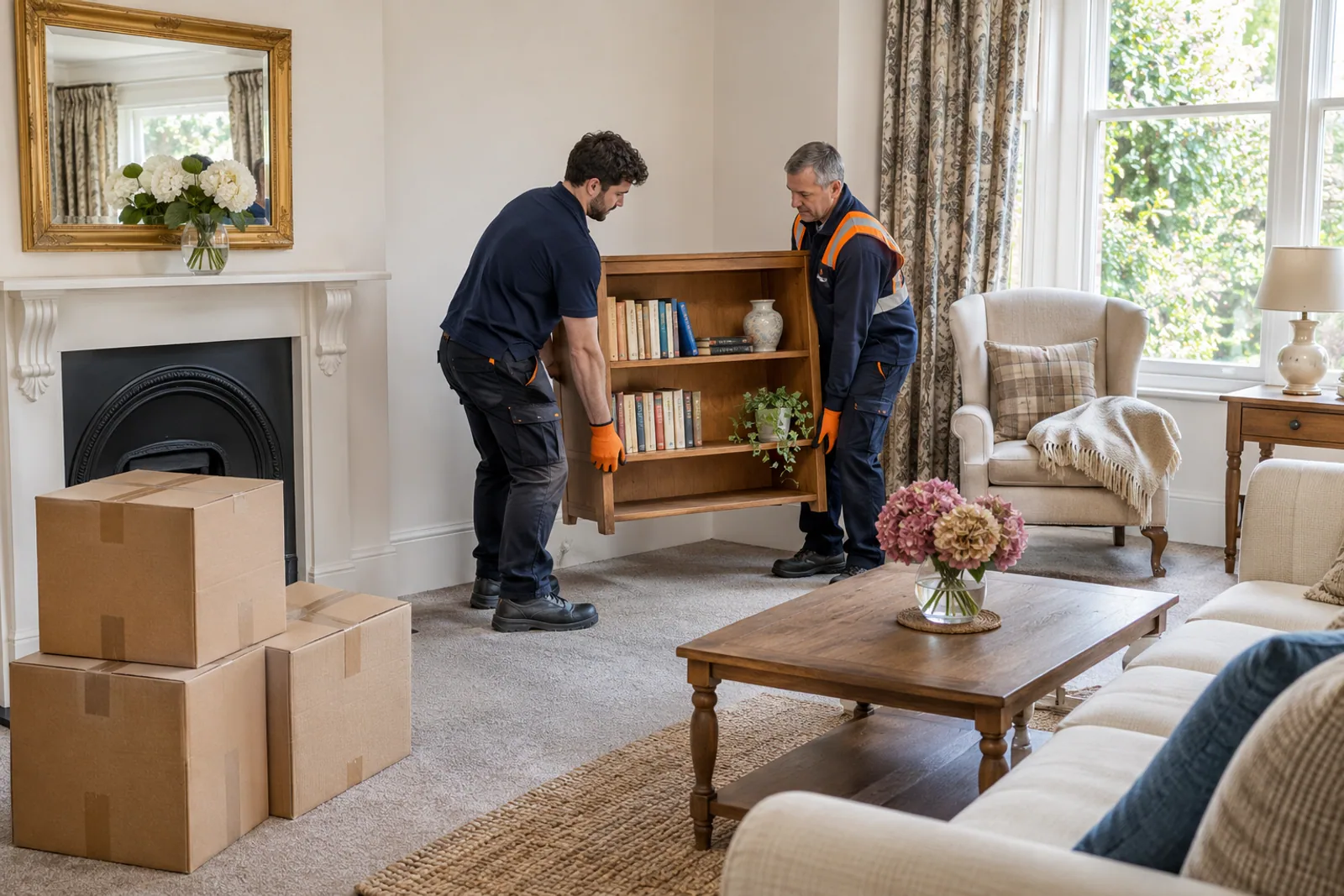
Discuss your Marylebone collection
Open our booking form to arrange your collection.
Continue to our booking form to confirm your items and contact details.
Marylebone collections, explained.
How is a Marylebone furniture load described before collection?
We discuss the individual pieces, their dimensions and whether they are assembled or in sections. Tell us which rooms hold them and which nearby belongings remain. Photographs support that list, while the entrance, floor and route to the vehicle explain the carrying work needed before a collection quote and available visit are agreed.
Is your Marylebone location reference a coverage boundary?
No. The mapped reference is Marylebone High Street in Westminster, with W1U an indicative postal district near that point. It helps locate the neighbourhood rather than define every address using the name. The team uses your complete postcode and property address to discuss the removal, access arrangements and collection availability.
The contents included in your Marylebone enquiry.
| Proposed removal | What is counted or described | Boundary of the accepted load |
|---|---|---|
| Shelving and bookcases | Complete units, loose shelves, panels and their approximate size. | The listed components leave; books and retained possessions are not included by proximity. |
| Bedroom furniture | Drawer units, freestanding wardrobes, bed frames and mattresses selected. | The particular pieces and their assembly define the removal, not the whole room. |
| Tables and seating | Tables, chairs, separate tops and other detached components. | Each accepted item is identified so that different pieces are not treated as one generic set. |
| Boxed belongings | Main contents and quantity, with the boxes requested for removal distinguished. | Only the agreed accepted boxes form part of the collection rather than all stored material. |
Removing freestanding furniture without clearing unrelated contents
A furniture collection can be deliberately limited. We may be discussing a bookcase, table and a few chairs rather than every item held in a room. The organiser identifies that selection before the visit, including any loose shelves, panels or other components requested for removal. This prevents the size of the room from becoming a substitute for the actual load description.
We also distinguish the furniture from what it contains. A cabinet can be selected while its contents stay, or the enquiry may include particular boxed belongings as a separate part of the load. Our furniture disposal service concerns the agreed pieces and their movement out of the property. Fixed cupboards, attached fittings and additional work are raised specifically rather than silently included in the word furniture.
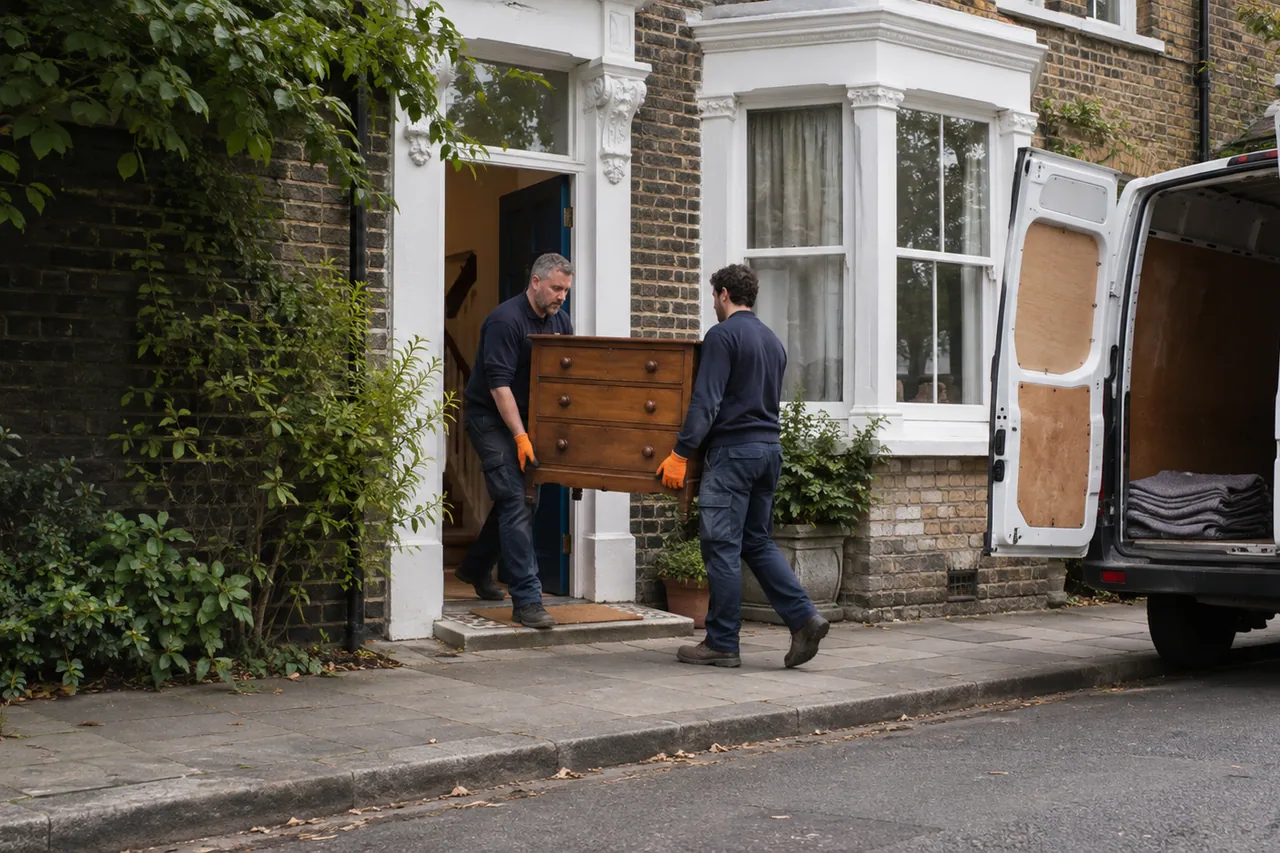
The components and contents included in the inventory
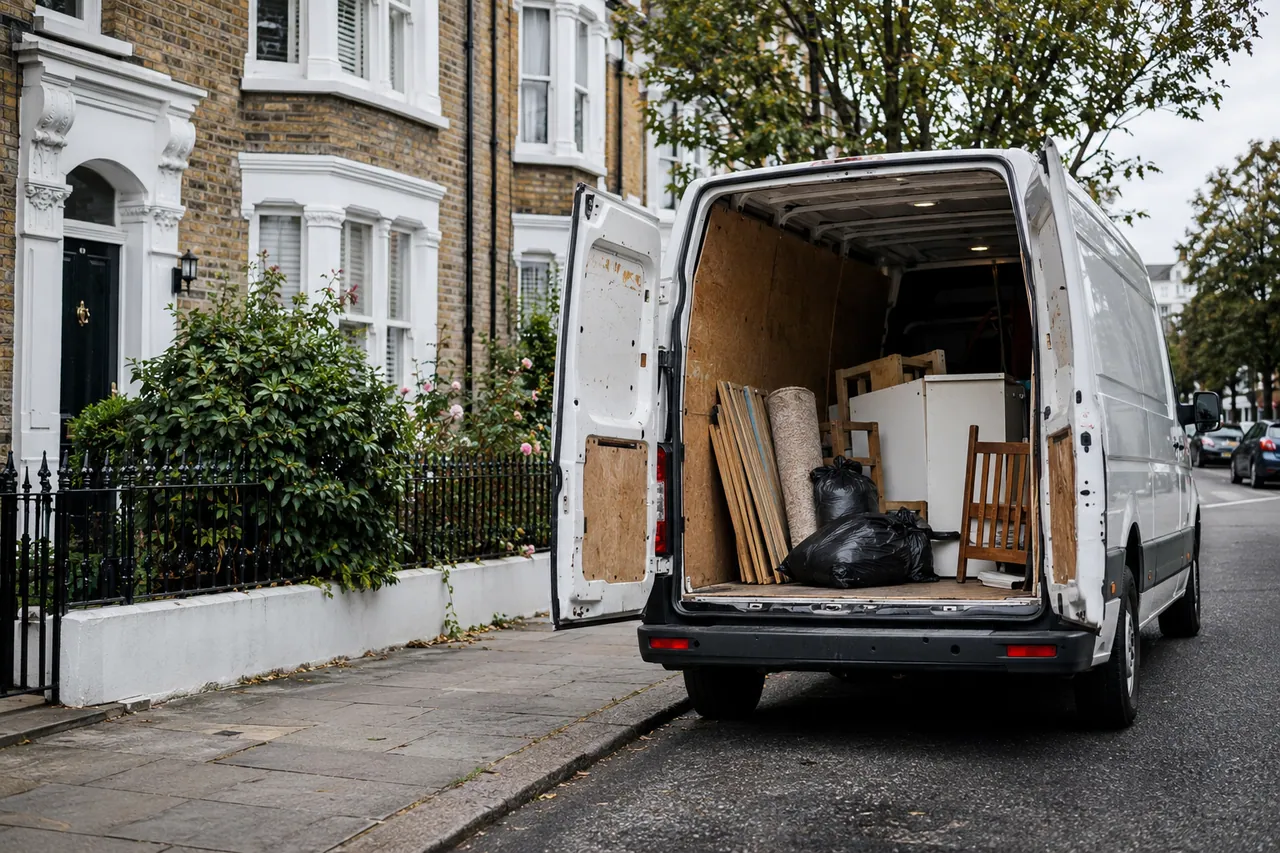
We establish the current form of each large piece. A dismantled storage unit needs its separate panels described; an assembled unit needs its dimensions and route discussed. The inventory should also make clear which accessories and loose contents are leaving. Those details allow a collection to be scoped around the real objects instead of an assumed quantity based on one photograph.
The route that bulky pieces must travel
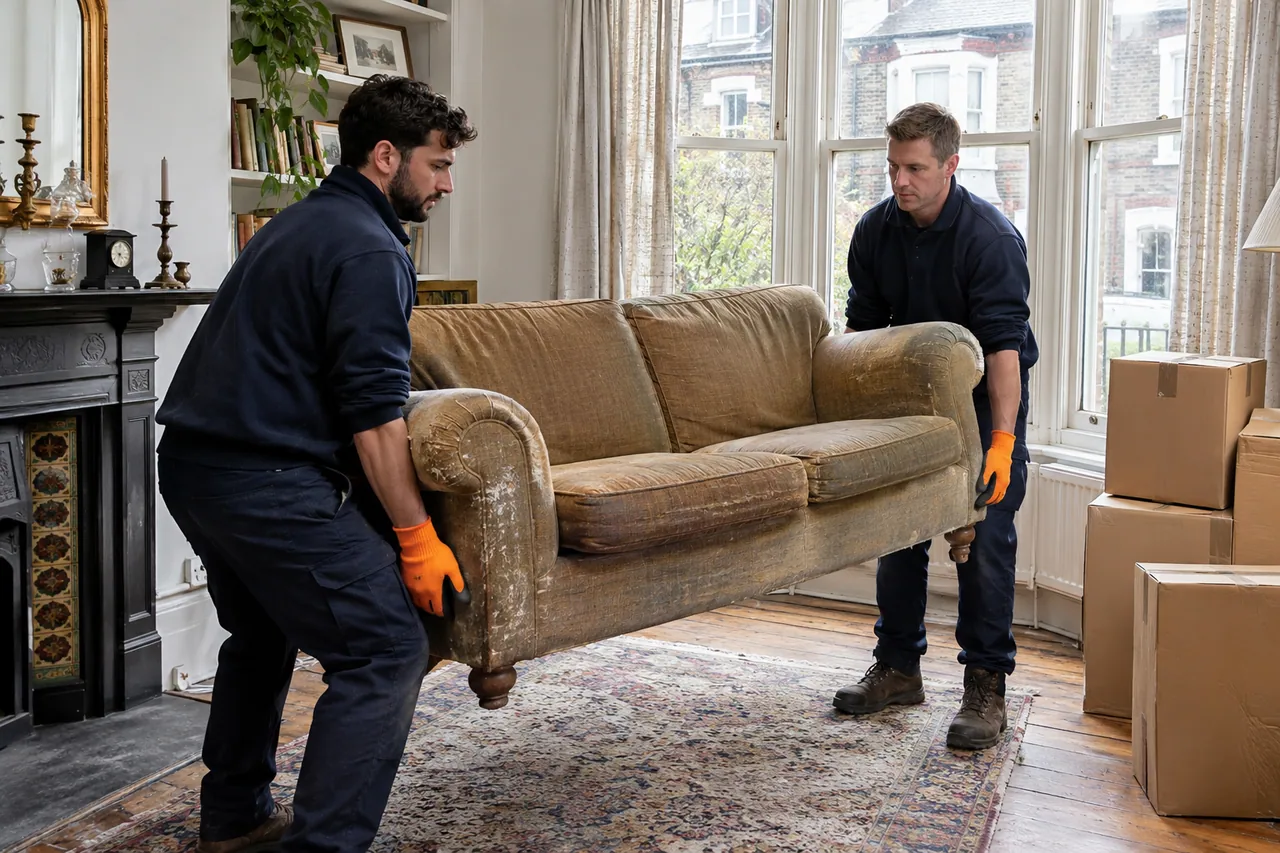
Our carrying discussion follows the furniture from its present location to the loading point. We ask about the floor, stairs or usable lift, internal corners and the entrance. A rigid bookcase may need a different movement description from a collection of separate shelves. We use those property details directly and do not assume a standard interior layout or access arrangement for Marylebone addresses.
Where a building contact provides entry, we identify that arrangement alongside the removal list. The person opening the property needs to understand what has been accepted rather than decide which possessions should go without instructions. If anything needs dismantling or detachment before it can leave, that work must be clarified before agreement. Carrying and loading do not automatically include alteration of furniture or removal of fixtures.
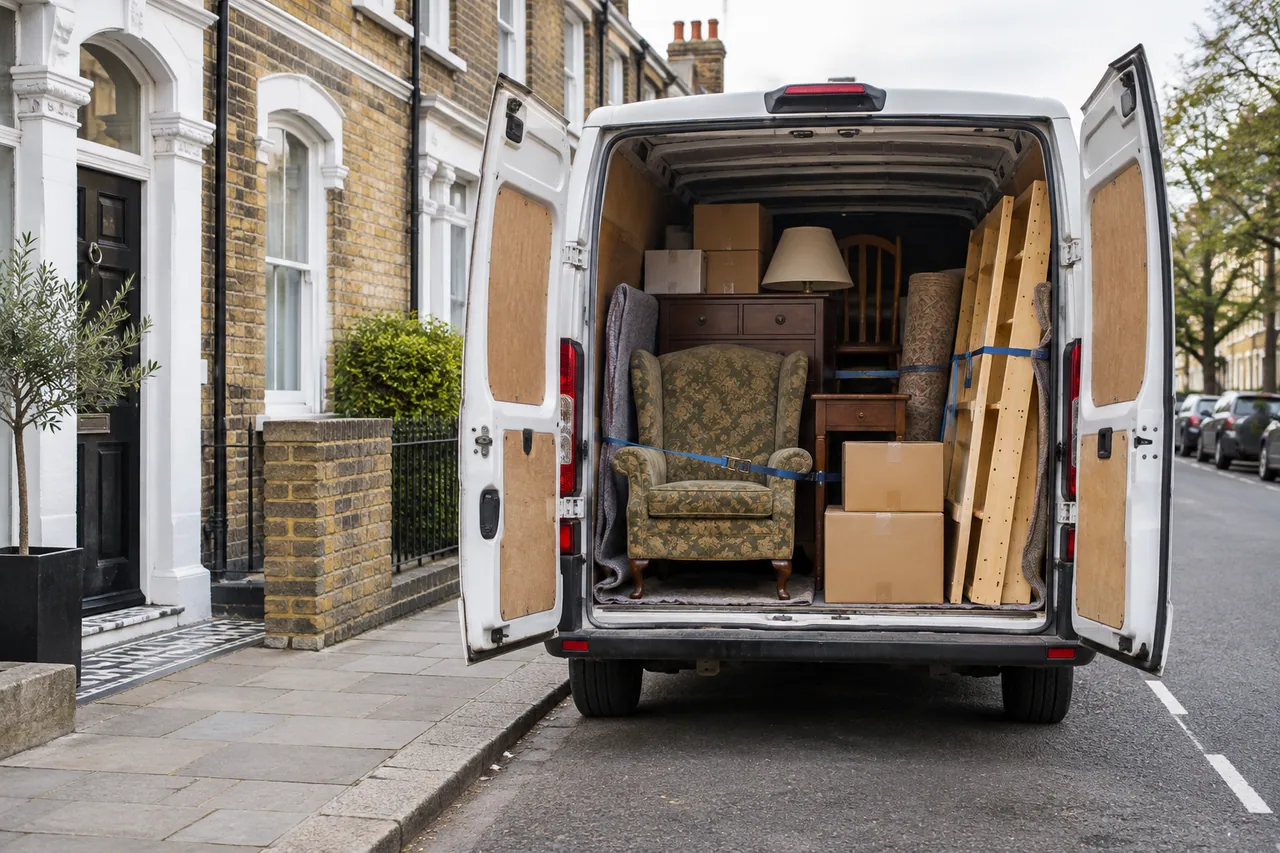
From the inventory to the loaded vehicle
The stages below connect the item selection with practical collection arrangements. Photographs help explain the whole load, but the discussion also establishes contents that must remain and anything requiring additional consideration. Once the scope is agreed, the visit concerns that accepted removal rather than an unlimited search for further waste throughout the property.

List the actual pieces
We identify freestanding furniture, its separate components and any selected loose belongings, excluding possessions which the organiser intends to retain.

Connect rooms to the exit
The collection locations, floor, usable route and bulky dimensions are discussed in relation to the premises entrance and loading position.

Agree price and arrangements
We explain the quote for the described carrying and removal, and the team confirms an available visit with the access organiser.

Carry away the agreed load
Accepted contents are taken to the vehicle, loaded and removed for appropriate onward handling according to the materials involved.
The contents and carrying behind your Marylebone enquiry.



Marylebone address information for the removal
The area map centres on Marylebone High Street in Westminster, with W1U among the nearby postal references. For the collection, provide the full address as well as the location of the furniture within the premises. The team connects that address with the entrance, property contact and route described for the removal.
| Premises information | What it distinguishes | How it informs collection |
|---|---|---|
| Full property address | The actual home or business rather than the general High Street reference. | The team discusses the requested collection location and availability. |
| Relevant floor and rooms | Where the selected furniture and loose contents currently stand. | The carrying requirement includes the described collection areas. |
| Entrance arrangements | Who provides access and which entry is being discussed. | The agreed visit can be organised with the responsible premises contact. |
| Vehicle loading point | The practical connection between the property route and loading. | Carrying distance is described without assuming unrestricted street or building access. |
When the load also contains workplace or electrical items
The type of contents matters more than a broad description such as a roomful of rubbish. We identify removable workplace furniture separately from active equipment, business records and retained assets. An organiser requesting domestic furniture and a separate business load should describe both rather than assume that they have identical acceptance and handling arrangements.
| Additional contents | Information discussed | Removal distinction |
|---|---|---|
| Office seating or desks | Counts, construction and the working assets excluded from removal. | The collection concerns authorised business furniture rather than everything in an office. |
| Electrical equipment | Device types, quantity and any separately requested handling requirement. | Electrical items are expressly identified instead of treated as ordinary loose rubbish. |
| Household bags | Main contents, amount and the locations holding the accepted bags. | Unknown substances are not assumed to be suitable merely because they are bagged. |
| Renovation material | Materials, density and the extent of the pile proposed for collection. | Debris is considered separately from bulky furniture and ordinary domestic belongings. |
For a fuller domestic selection, our house clearance information explains the removal of agreed household contents. We discuss the materials that actually need to leave, keeping acceptance explicit where an item is unusual or its contents are unclear. The enquiry should represent the complete proposed load rather than only its most visible furniture.
The information behind a clear collection quote
Quantity, material and the work of carrying and loading all inform the quote. The same chair count can describe different loads if some are heavy, oversized or held in separate collection areas. We therefore discuss physical details alongside the item list. A price for a described collection is not a blanket price for any further contents later added at the address.
| Quote input | Description requested | What the customer can understand from it |
|---|---|---|
| Inventory | Counts and materials, including all components and accepted loose belongings. | The contents included in the price are clear enough to identify. |
| Bulky movement | Dimensions, current assembly and relevant internal turns. | Handling is considered around the actual furniture rather than its name alone. |
| Carrying access | Floor, lift or stairs, entrance and distance to the vehicle. | The premises work forms part of the quote discussion. |
| Collection arrangements | Preferred date, access contact and any changes before the visit. | Availability and scope can be confirmed against the current request. |
We review additions or altered access with the organiser before treating them as included. If a piece has moved to another floor or a further storage area is added, the description of the work needs updating. This keeps the removal agreement useful for the person preparing entry as well as for the team collecting the load.
Removal and onward handling of the accepted materials
The collection takes the contents away after carrying and loading. Furniture, electrical devices, green material and dense debris are identified separately where they form part of the request. Recycling or reuse is pursued where appropriate to the items and available route, with the removal scope explaining which materials are included.
Where selected office contents form the main request, our office clearance page provides the relevant service description. The customer should receive an agreed removal scope and available collection arrangement, not a promise of unrelated technical work or an open-ended future collection. Any additional requirement should be resolved with the team before it becomes part of the job.
Marylebone: collection location and area map.
Map of Marylebone
Load the interactive area map from OpenStreetMap. This connects your browser to the map provider.
Open map in a new tab ↗ © OpenStreetMap contributors
Area orientation only. This map does not mark a company office or a confirmed loading point.
Marylebone collection questions
Can a bookcase leave while its books remain at the property?
Yes, that can be discussed as a furniture selection. Explain the bookcase’s size and assembly and make clear that its contents are retained. If selected books or other belongings are also requested for removal, describe them separately rather than assuming everything inside the unit is included.
Do you quote from the number of rooms alone?
No. We need the furniture, loose contents and principal materials involved, together with the access route. Two rooms can hold very different quantities and types of waste. The quote reflects the described carrying and loading requirement rather than a neighbourhood-wide rate or a fixed price per room.
What if the person arranging collection will be elsewhere?
Identify the person providing entry and make sure the accepted removal list can be understood at the premises. We discuss those arrangements before the visit is confirmed. An access contact should not have to decide whether uncertain possessions belong to the removal when the organiser has not selected them.
Can several separate furniture panels be collected together?
We can consider them as the described load. Give the number and approximate dimensions of the panels, any loose fittings included, and where they are stored. Separate components remain part of the inventory; describing them simply as one wardrobe may not explain the actual carrying requirement.
Will business computers be handled as household furniture?
No. Identify electrical devices separately, with their types and quantities. Acceptance and any additional requirement need discussion in their own right. A furniture removal does not automatically establish a technical service, a data-erasure process or certification relating to equipment being taken from a business.
Can a second collection area be added after the first quote?
Tell the team what the additional area holds and how it is accessed. Another cupboard, room or storage space can change the contents and carrying work. We review that update before considering it part of the collection, rather than treating the original quote as unlimited clearance of the property.
Arrange your Marylebone collection.
Discuss the unwanted items, full postcode and route to the vehicle with the collection team.