
PADDINGTON COLLECTIONS
Rubbish Removal in Paddington
We collect agreed boxed belongings and loose household contents from Paddington addresses. The enquiry identifies the main materials inside containers, their quantities and the rooms holding them, rather than treating every carton as an equivalent load. Our team discusses acceptance, carrying and transport before explaining the quote and confirming an available visit.
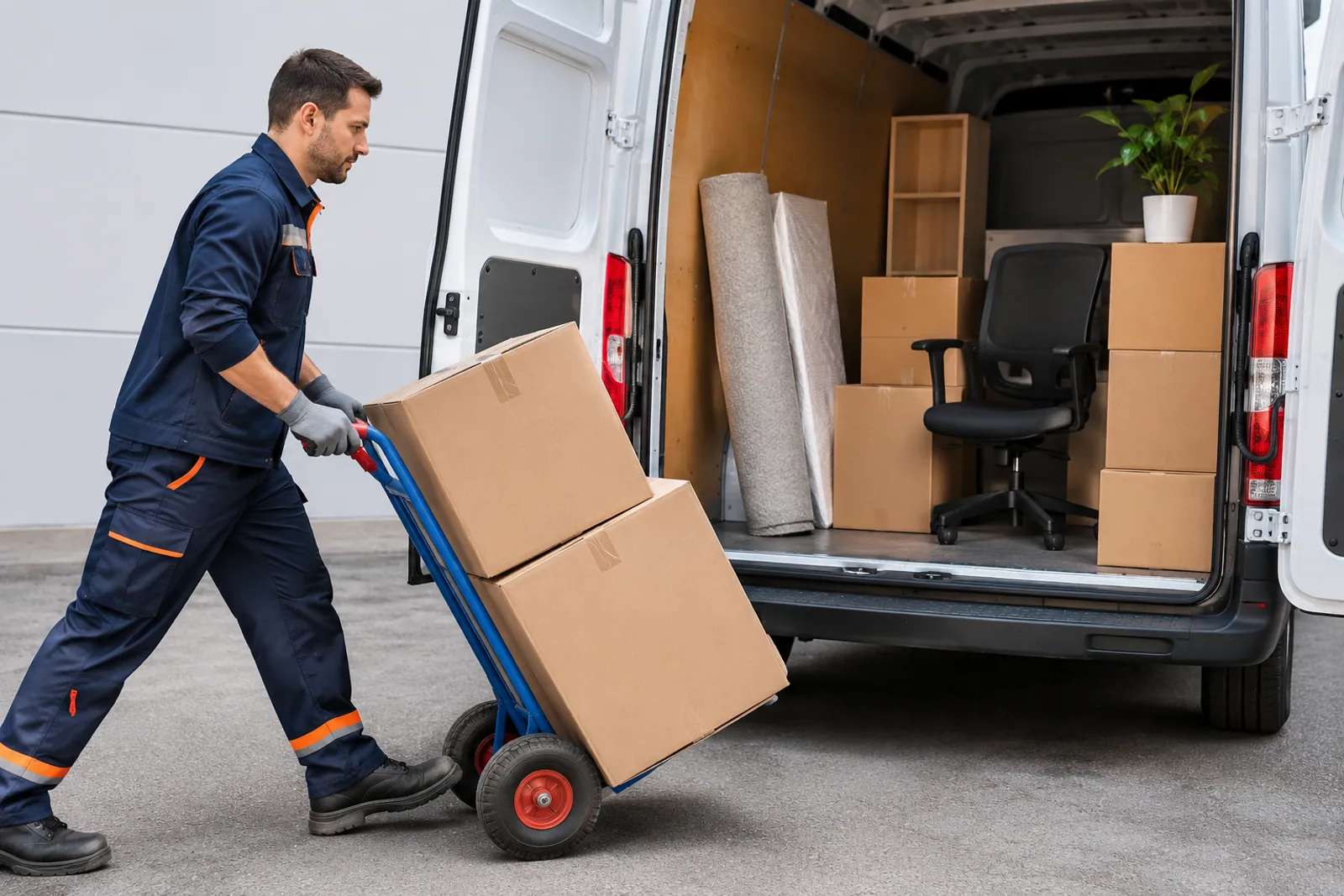
Discuss your Paddington collection
Open our booking form to arrange your collection.
Continue to our booking form to confirm your items and contact details.
Paddington collections, explained.
Can one Paddington collection include furniture and boxed contents?
Yes. We identify the furniture separately from the contents of boxes so the collection describes both the bulky pieces and the loose load. Tell us which rooms hold the unwanted items and which belongings remain. The agreed removal covers carrying and loading those accepted contents, with additional handling requirements discussed before collection.
What building information is needed for a Paddington quote?
We ask for the full postcode, floor level, entry arrangements and the route to the proposed loading point. Where a building has a lift or a person controlling access, explain the usable arrangements. Photographs show the items, while that access description establishes how the team can move the accepted load out.
The contents included in your Paddington enquiry.
| Container group | What is identified before acceptance | How it defines the removal |
|---|---|---|
| Books and paper belongings | The approximate container quantity and whether other materials share the boxes. | A compact paper load is described as its actual contents rather than equated with every similarly sized carton. |
| Clothing and household textiles | The selected bags or cartons and their location within the property. | Accepted soft contents are recorded separately from furniture or other material alongside them. |
| Mixed small possessions | The main materials within each group, including devices or unusual items needing clarification. | Acceptance concerns an identified mixed load rather than a blanket instruction to collect unexplained containers. |
| Boxes retained at the address | Which containers stay and how the unwanted selection differs from them. | The team follows the customer’s selection rather than deciding that all storage cartons in the room are waste. |
Defining a room-by-room collection
A boxed-contents collection starts with the possessions selected for removal, not the amount of storage a property contains. The customer identifies the cartons and loose items leaving each room, including any containers which look similar but are staying. We record the principal contents because a stack of books and a stack of clothing create different material descriptions even where their containers occupy comparable space.
For a mixed domestic load, we distinguish ordinary belongings from electrical devices, dense fragments and unusual contents which need further discussion. A closed container is not evidence that its contents are suitable for ordinary household removal. Our house clearance service covers a broader room selection where furniture is also being discarded. Here the boxed inventory remains explicit, so the accepted loose contents are not hidden inside a vague instruction to clear one room.
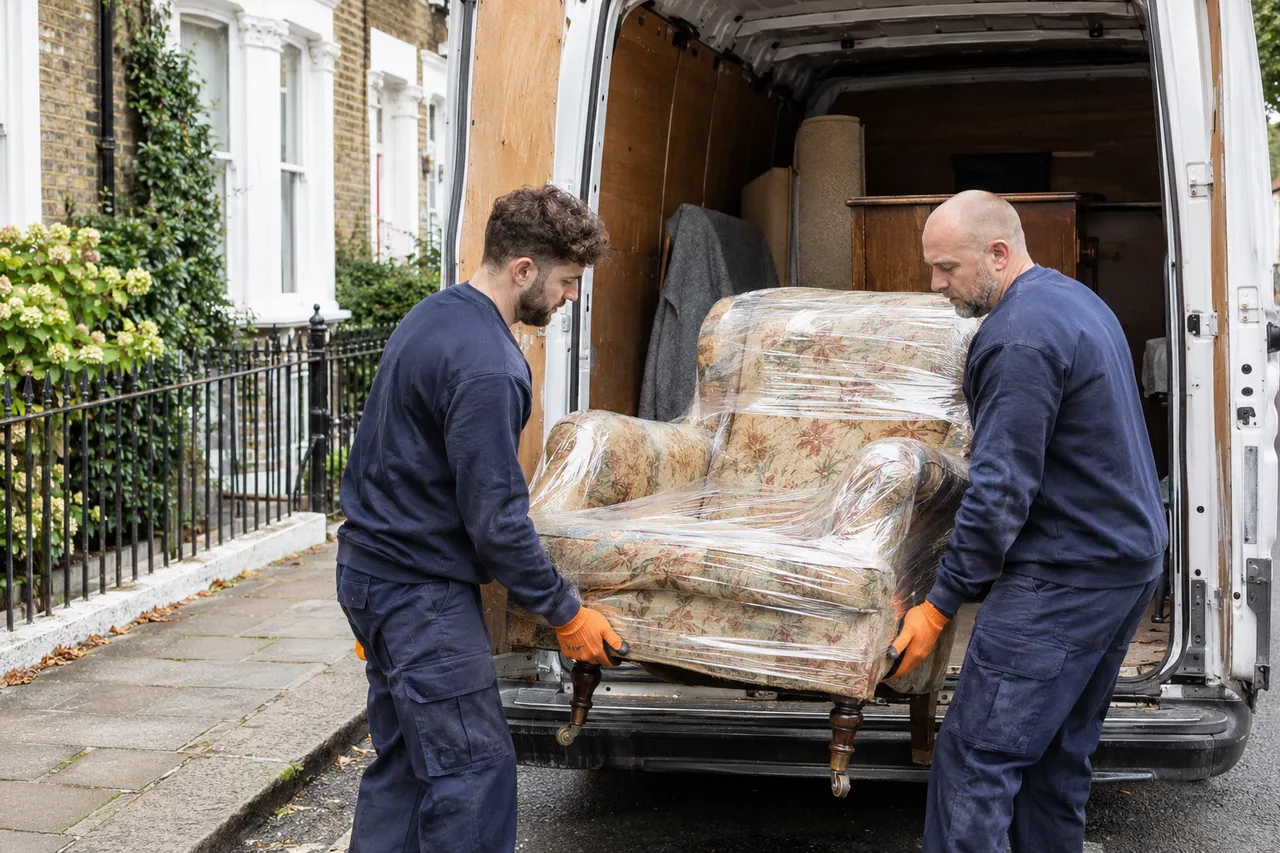
Identifying the contents behind the photographs
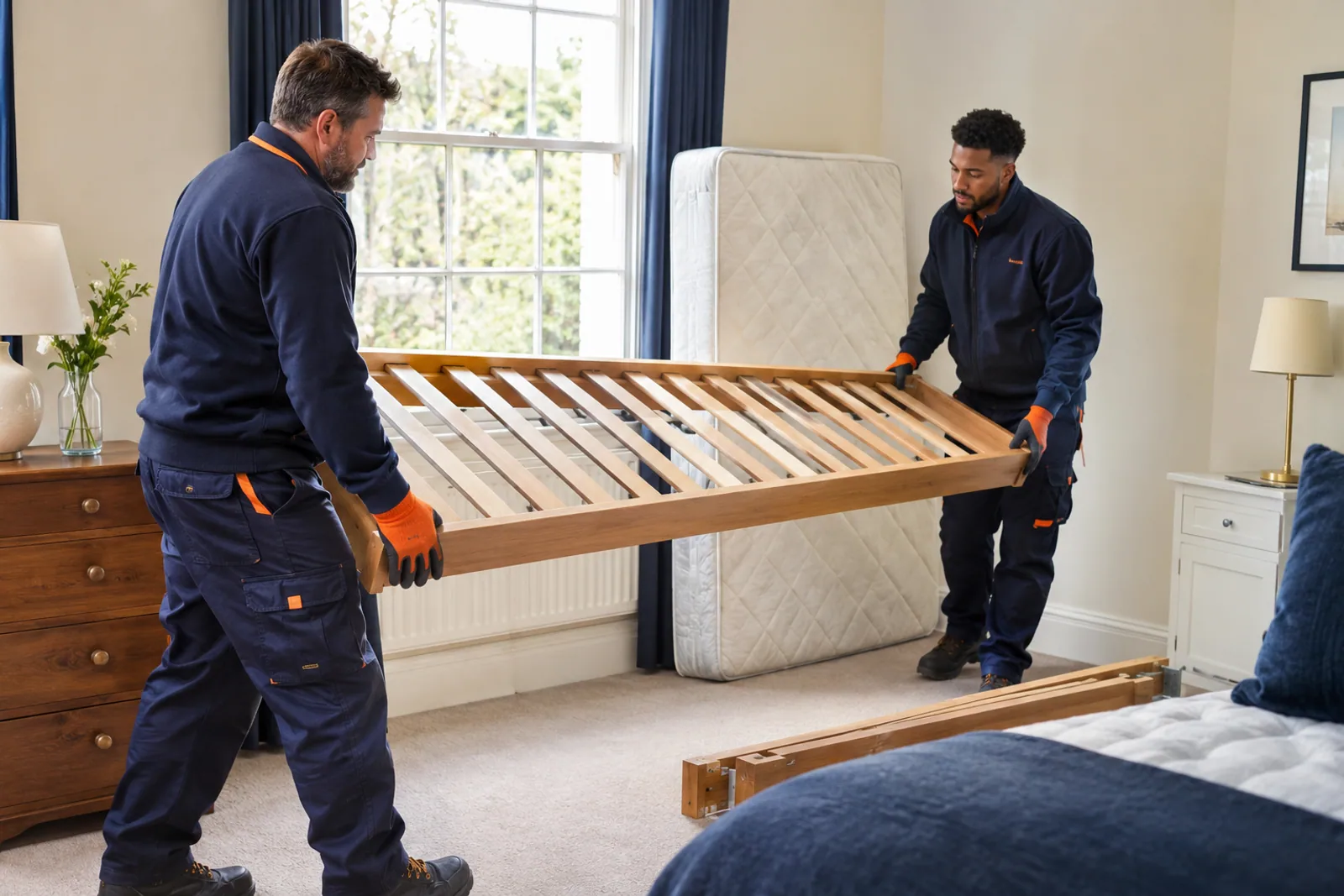
Photographs show the extent and position of a proposed load, while the description explains what those containers hold. We ask for the approximate number of cartons and the main categories inside them, including mixed contents. The collection instruction should not require the team to decide whether every closed container is unwanted or to infer the material from the appearance of its packaging.
Carrying through the building
We discuss the room-to-vehicle route for the actual address. The floor level, stairs, landings, doors and available lift can change how a bulky piece is carried. We do not infer those conditions from Paddington alone. If access relies on a building contact, explain who can provide entry and which parts of the route are available for the agreed visit.
Our work concerns the agreed contents in their described condition. A box of books differs from a light container of clothing, while either may stand beside furniture being retained. Detaching fittings, disconnecting appliances or altering the building is not automatically included in an instruction to carry furniture away. We clarify requirements outside the described carrying, including any furniture which is separately being proposed for removal. A container-only instruction should remain distinguishable from an additional bulky load.
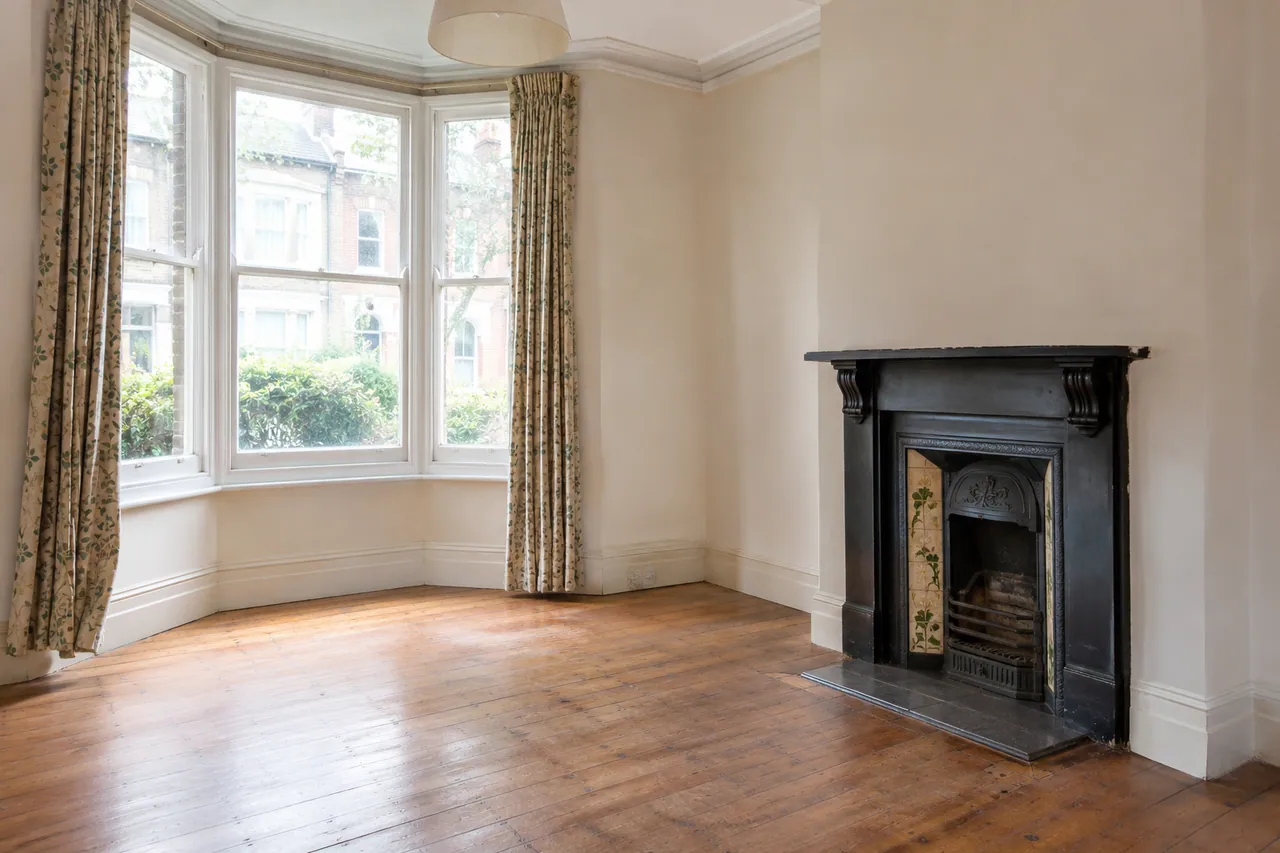
The arrangements recorded for your premises
We keep the contents and access descriptions together so they refer to the same collection. Where unwanted items occupy a flat and a separate store, both locations need identifying. The accepted scope can include more than one collection area, but a quote for contents beside an entrance does not automatically describe material behind a locked internal door elsewhere in the building.
| Premises detail | Information discussed | Collection arrangement |
|---|---|---|
| Items in several rooms | The selected pieces and containers in each named collection area. | The team knows which contents belong to the agreed removal and which areas remain untouched. |
| Lift serving a flat | Whether it is usable for the relevant items and how access is arranged. | Carrying is considered against the available route rather than an assumed lift journey. |
| A separate storage location | The entrance, access contact and unwanted load within that space. | The additional collection area is included explicitly instead of being added without discussion. |
| Vehicle loading position | Where loading can practically take place and the carrying distance from the exit. | The quotation reflects moving the accepted items through the building and towards transport. |
From an enquiry to the loaded vehicle
The collection discussion establishes what is leaving, where it is located and how it can reach transport. We then explain the scope and quotation and confirm an available visit. An enquiry is the start of that discussion; it does not by itself reserve a date or authorise removal of additional contents found later.

Describe the selected contents
We identify furniture, containers and separate waste materials, including the belongings being retained in each collection area.

Connect rooms with loading
The building entrance, floor, doors and proposed vehicle position establish the carrying arrangement for the described items.

Confirm the agreed removal
The accepted load, price and available visit are discussed with the person arranging access to the premises.

Carry, load and remove
The agreed contents are moved out, loaded for transport and taken away for appropriate onward waste handling.
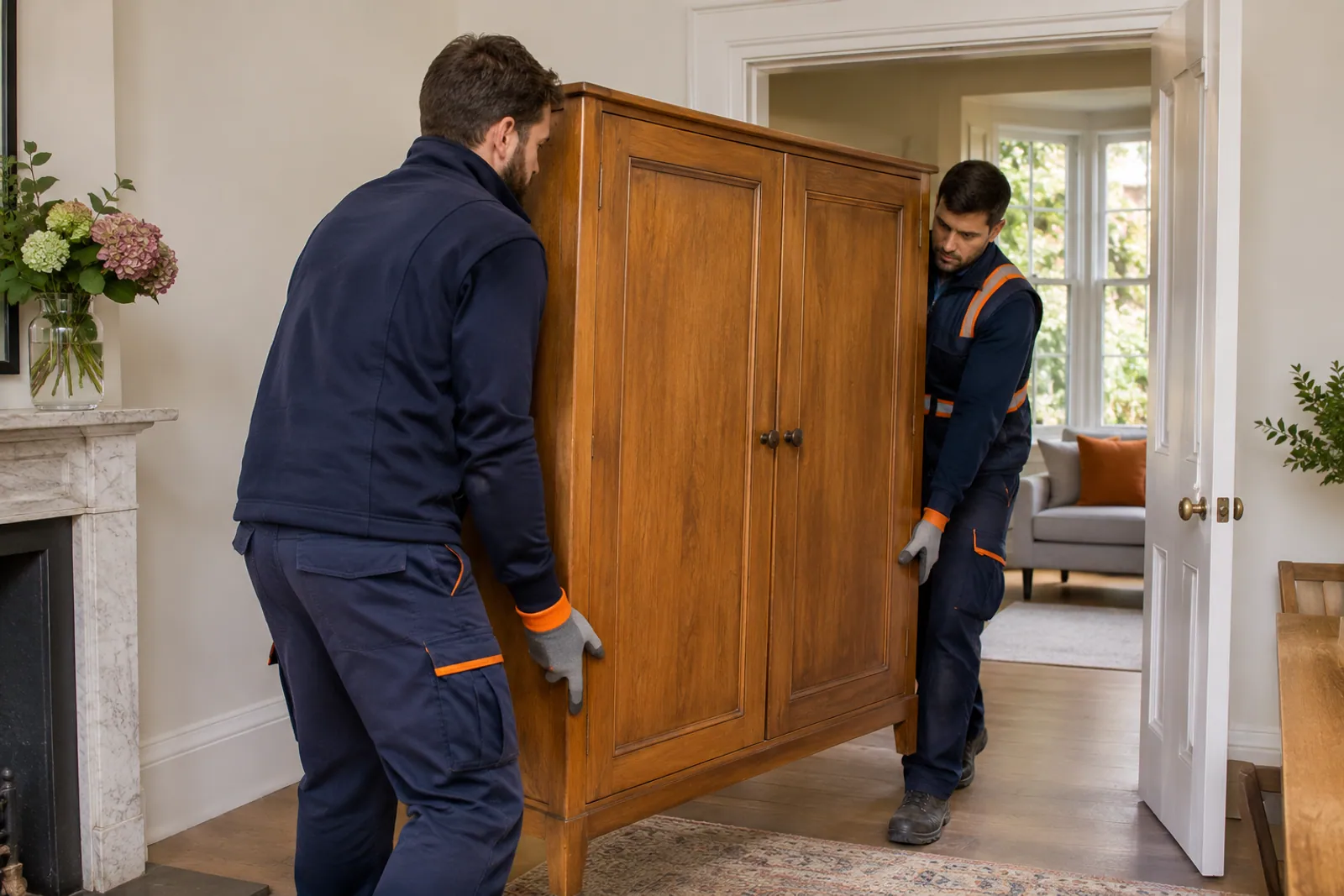
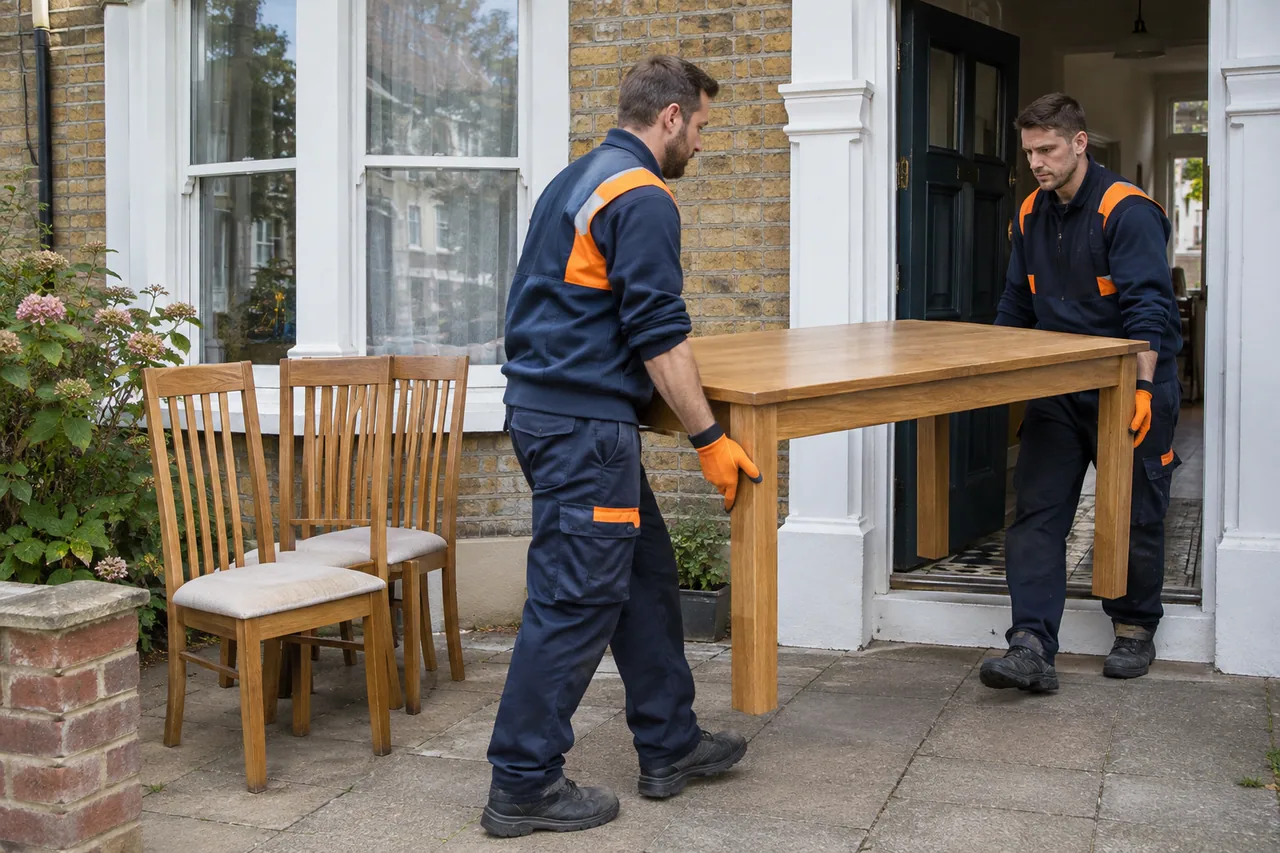
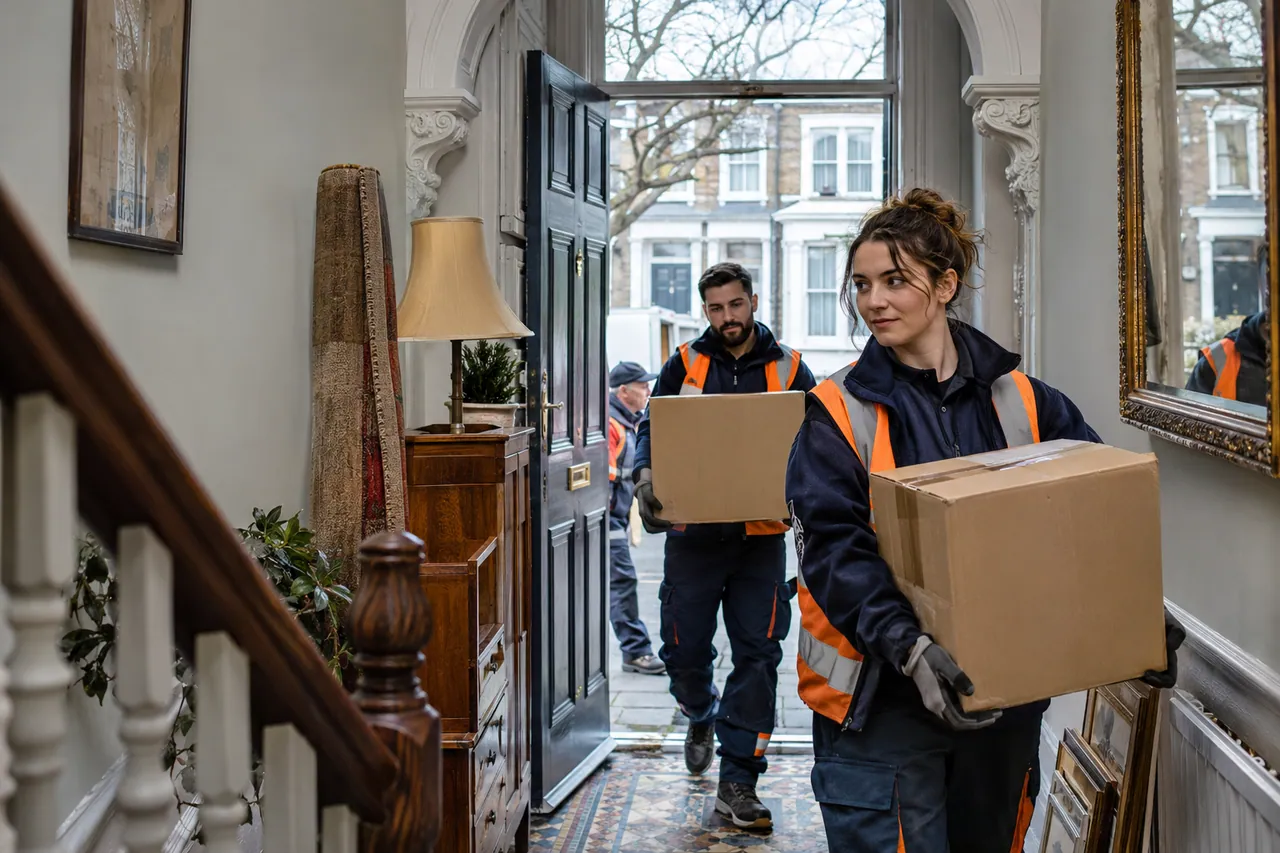
The contents and carrying behind your Paddington enquiry.

Paddington as the collection reference
The area guide uses the GLA town-centre point for Praed Street/Paddington in Westminster, with W2 as an indicative postal reference. We use the full postcode and premises details for the actual removal. The map locates the neighbourhood rather than a company office or an agreed vehicle position; entry and loading are discussed for your collection address.
Separating material streams within the load
Furniture, ordinary household belongings and workplace equipment do not all have the same handling requirements. We ask what materials are present so acceptance and onward arrangements can be discussed before removal. Electrical items, dense project debris and unusual contents are identified separately. The household waste service describes a wider domestic enquiry where the boxed belongings form only part of the accepted load.
| Material or item | Detail needed before acceptance | What the collection provides |
|---|---|---|
| Domestic furniture | Construction, component sizes and whether anything remains attached to the premises. | Carrying and transport of the agreed freestanding pieces in the condition described. |
| Paper and boxed belongings | The principal contents and an approximate number of containers to be removed. | Removal of the accepted loose household or business load alongside the listed furniture. |
| Electrical equipment | The device types and any handling or business requirements needing clarification. | An explicitly discussed equipment collection rather than an assumption that devices are ordinary mixed rubbish. |
| Renovation material | The kinds of debris, approximate amount and location within the property. | Acceptance and the suitable removal arrangement are established separately from lighter contents. |
Explaining the collection price and final scope
We discuss the quote against the described contents and the work of moving them. The number and size of furniture pieces, the main material types and the route to loading can distinguish two jobs in the same building. There is no assumed Paddington price based only on a room count or the area name; the scope needs to describe the particular removal.
| Quote element | What is described | What it establishes |
|---|---|---|
| Physical load | Furniture counts, container quantities and the approximate size of bulky components. | The contents requiring carrying, loading and space in the collection vehicle. |
| Material composition | Household belongings, business items and separately identified waste categories. | Which parts of the proposed load can be accepted and how they are handled. |
| Access work | The actual rooms, floor levels, route and practical loading position. | The carrying involved rather than an assumption that everything is at a front door. |
| Collection arrangements | The available visit, agreed contact and any change to the original description. | The work and attendance are confirmed against the updated scope before collection. |
Paddington: collection location and area map.
Map of Paddington
Load the interactive area map from OpenStreetMap. This connects your browser to the map provider.
Open map in a new tab ↗ © OpenStreetMap contributors
Area orientation only. This map does not mark a company office or a confirmed loading point.
Paddington collection questions
Can identical cartons have different collection instructions?
Yes. Identify which cartons leave and which remain, even where their packaging looks the same. Describe the main contents of the unwanted selection and its room location. The team works to that agreed inventory rather than infer that every similar container at the address is ready for disposal.
Does a photograph show enough about closed boxes?
It shows their number and position but may not establish the materials inside. Explain the principal contents, especially where a container mixes ordinary belongings with devices, dense fragments or unusual material. Acceptance is discussed for the identified load rather than assumed from the appearance of a carton.
Can books and clothing be described as one box count?
Give the approximate quantities and identify those material groups separately. Comparable containers can hold different physical loads, so the description should explain more than the packaging size. We connect those contents with their collection locations and carrying route before the scope and quotation are confirmed.
What if the boxes are split between two rooms?
Identify the unwanted selection in each room, including retained cartons nearby. The enquiry then describes both collection areas and their connection with loading. It is more precise than assuming that a photograph of one stack represents every box elsewhere in the property.
Can electrical devices stay inside a mixed carton?
Tell the team which devices are included so acceptance and any additional requirements can be clarified. Equipment should remain identifiable even if it shares a container with ordinary belongings. A general household box description does not establish the handling arrangements for every concealed material.
Can further containers be added after the quote?
Discuss their approximate number, main contents and location before collection. They may change the accepted amount or material mix, even if they use the same packaging as the original load. The agreed price describes the listed contents rather than an unlimited allowance for additional cartons found later.
Arrange your Paddington collection.
Discuss the unwanted items, full postcode and route to the vehicle with the collection team.