

NORBURY COLLECTIONS
Rubbish Removal in Norbury
We arrange rubbish collections from Norbury homes and business premises. A domestic request can concern a defined group of furniture and belongings rather than everything at the address. We discuss the selection and material types, establish where the contents are held and review the carrying and loading before explaining the quote and confirming an available collection with the contact arranging access.
Norbury collections, explained.
Can a Norbury household arrange a partial property collection?
The enquiry can describe specific furniture and smaller belongings while the rest of the property remains in use. We identify the contents leaving, their materials and each collection location, with retained possessions distinguished. The team then discusses acceptance, carrying and the quote for that selection rather than assume every room or storage area is included in the removal.
How are several different household material groups explained?
Name the bulky furniture and describe the main contents and approximate amount of smaller groups. Identify electrical items, green material or renovation waste separately if proposed. Photographs can support the complete load description, while the access details connect each collection point with carrying and loading. The team clarifies acceptance before treating the groups as one agreed visit.
The removal begins with a selection, not a property size
A customer’s home can contain far more possessions than the proposed collection. We establish what is leaving rather than infer the load from the number of bedrooms, size of the premises or a request described only as household clearance. A selected armchair, a table and several boxes form a different job from the contents of every room.
Our house clearance service can discuss a fuller domestic load, with its rooms and contents identified. A partial request follows the same need for a clear inventory but does not require the whole property to be emptied. The customer or authorised contact distinguishes retained possessions, including those inside furniture or mixed with similar containers, so the team can carry and load according to the selection actually agreed.

The collection list gives each material a place
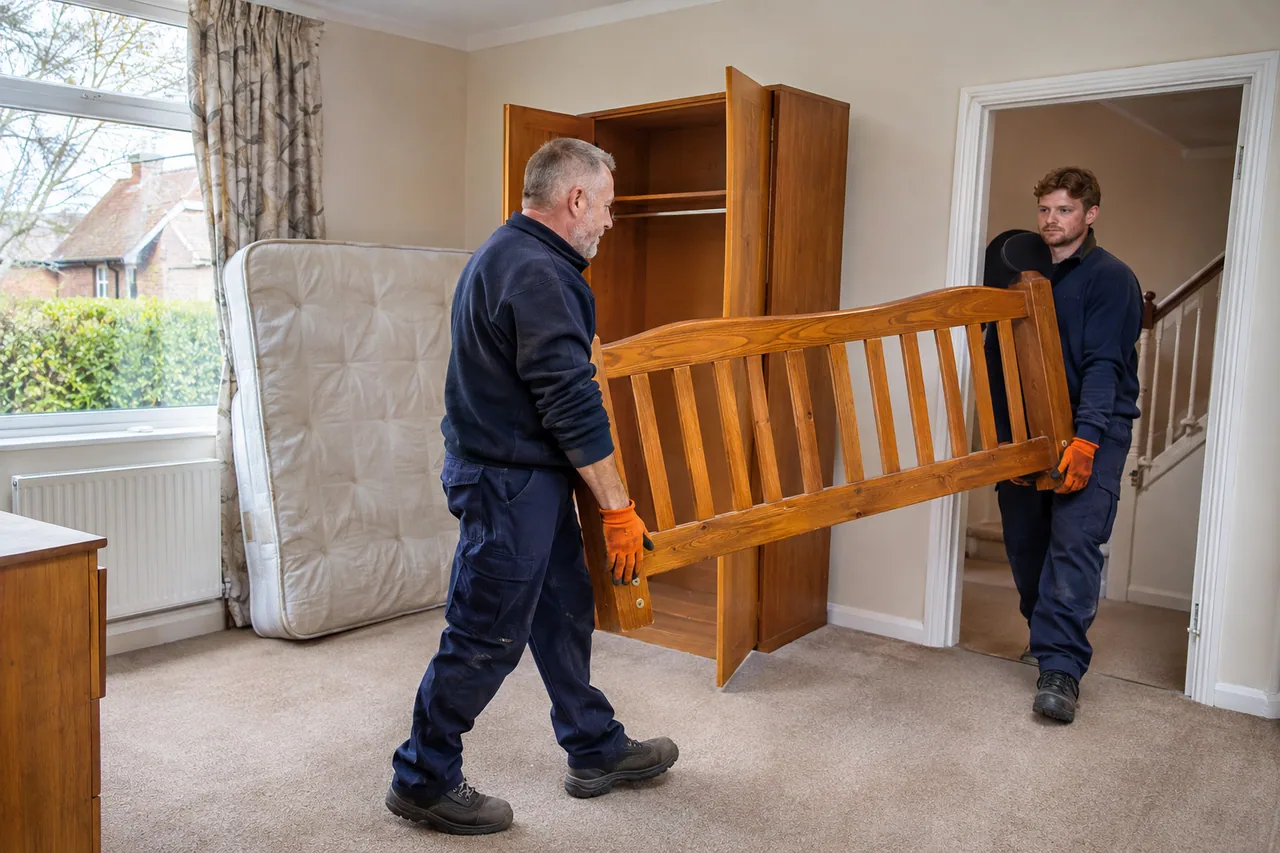
We describe bulky objects individually and smaller belongings by their main contents and approximate amount. The inventory explains what a photograph cannot show inside closed containers. It also distinguishes the furniture itself from belongings displayed on it or stored within it.
Contents within furniture are clarified before removal
A household may want an empty unit removed or may ask for both the unit and some of its contents. We distinguish those requests. The current furniture form also matters: an assembled cupboard, separated body and group of panels create different physical pieces for carrying.
The furniture disposal information provides that service discussion. Tell the team about connections and any task needed before the piece can move. Dismantling, detachment or alterations are clarified rather than silently included within a furniture label. The collection should make it understandable which components and belongings leave, including any matching furniture that remains in use at the property.
Planning the selected household collection
The team connects the inventory, material acceptance and route from each starting point. The quote and available visit are discussed against that combined description. A changed selection or additional collection area is reviewed before it is treated as part of the arranged removal.
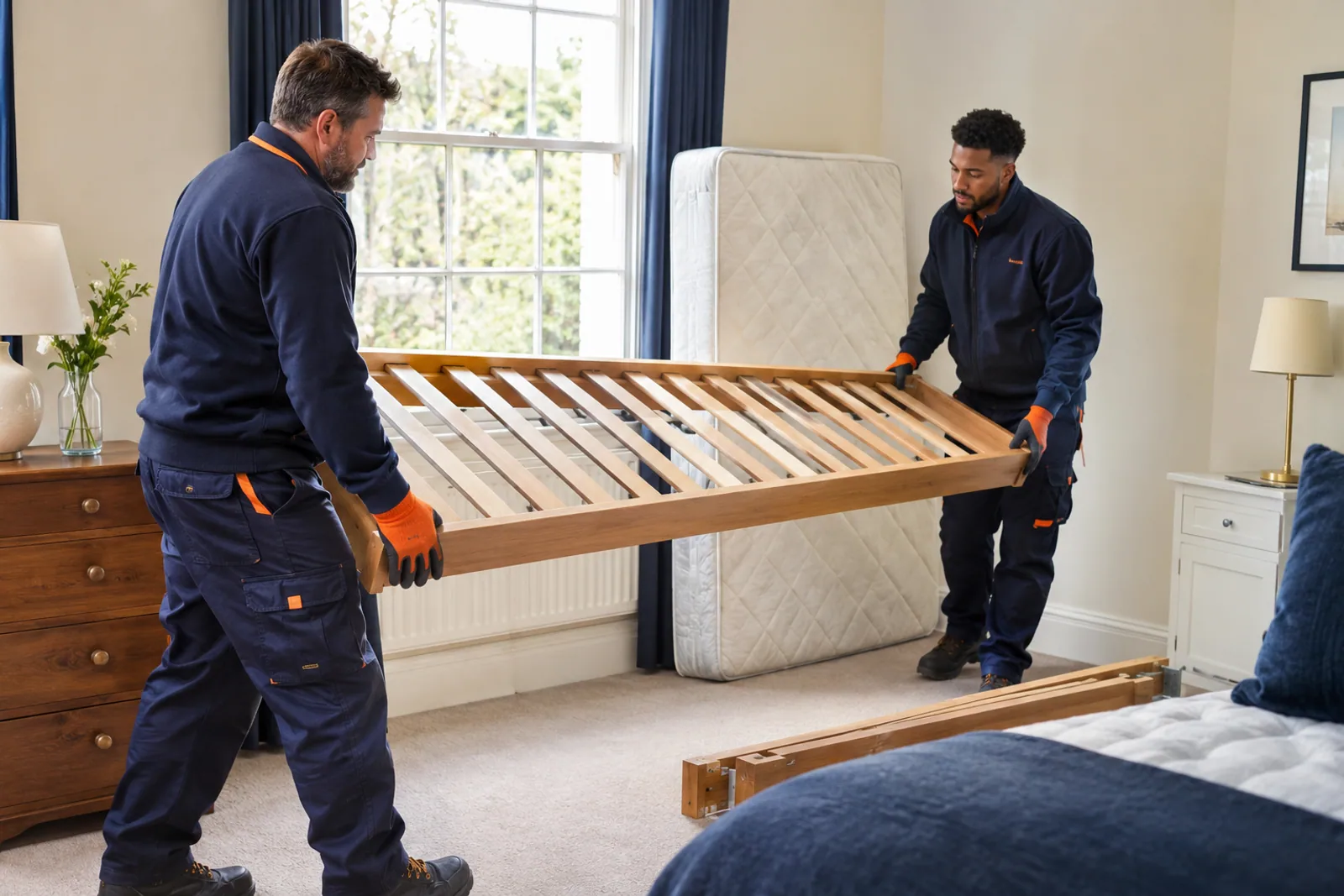

Identify the property contents leaving
Furniture and smaller belongings are listed, with retained possessions and unexplained containers distinguished.

Describe materials and presentation
Approximate amounts, bulky dimensions, assembly and separate waste categories establish the actual load.

Review access and collection scope
Rooms, floors and the route to practical loading connect the inventory with carrying, the quote and the available visit.

Carry and remove the selection
The agreed contents are loaded and transported for appropriate onward handling within the confirmed scope.
The contents and carrying behind your Norbury enquiry.
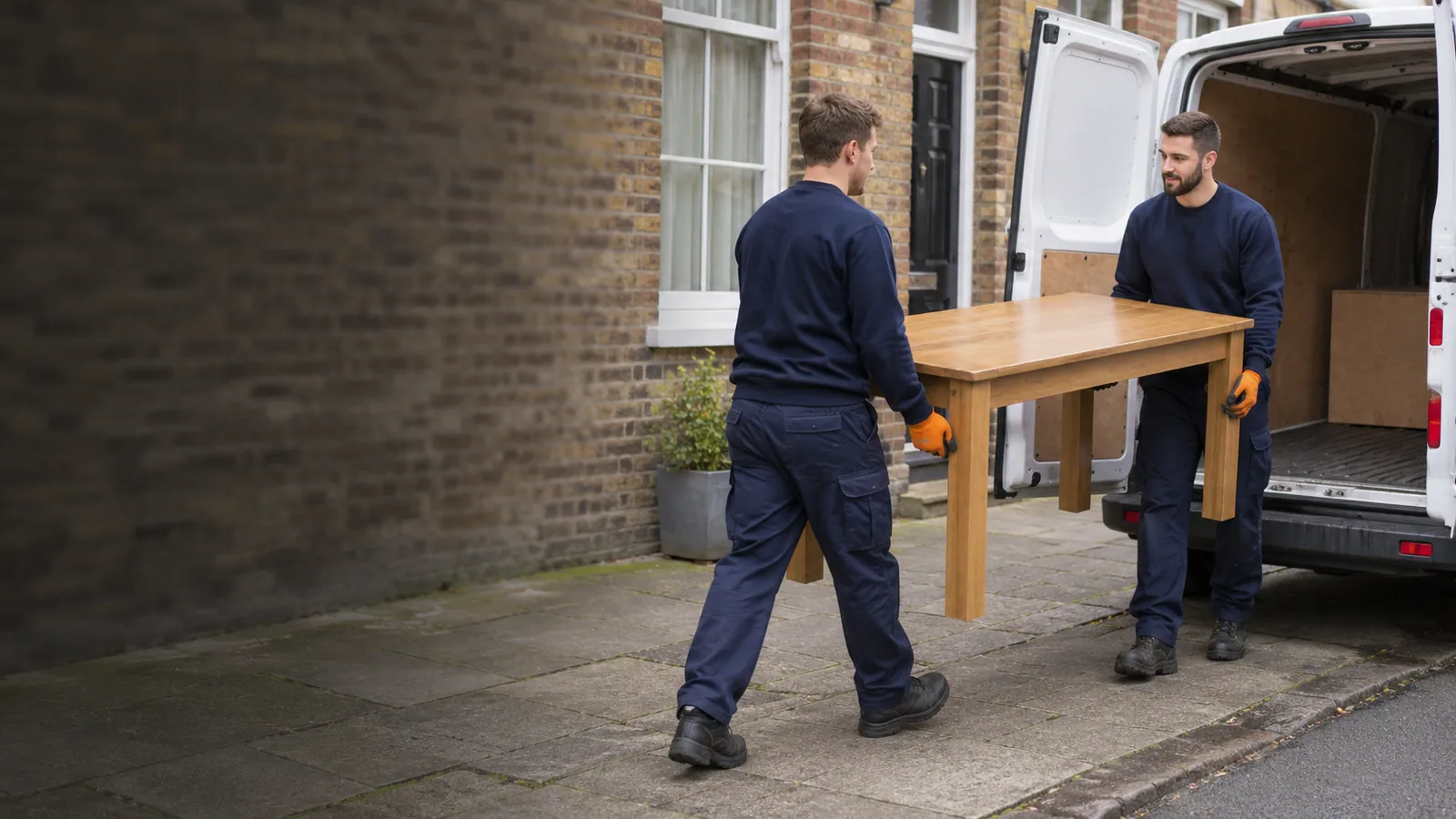
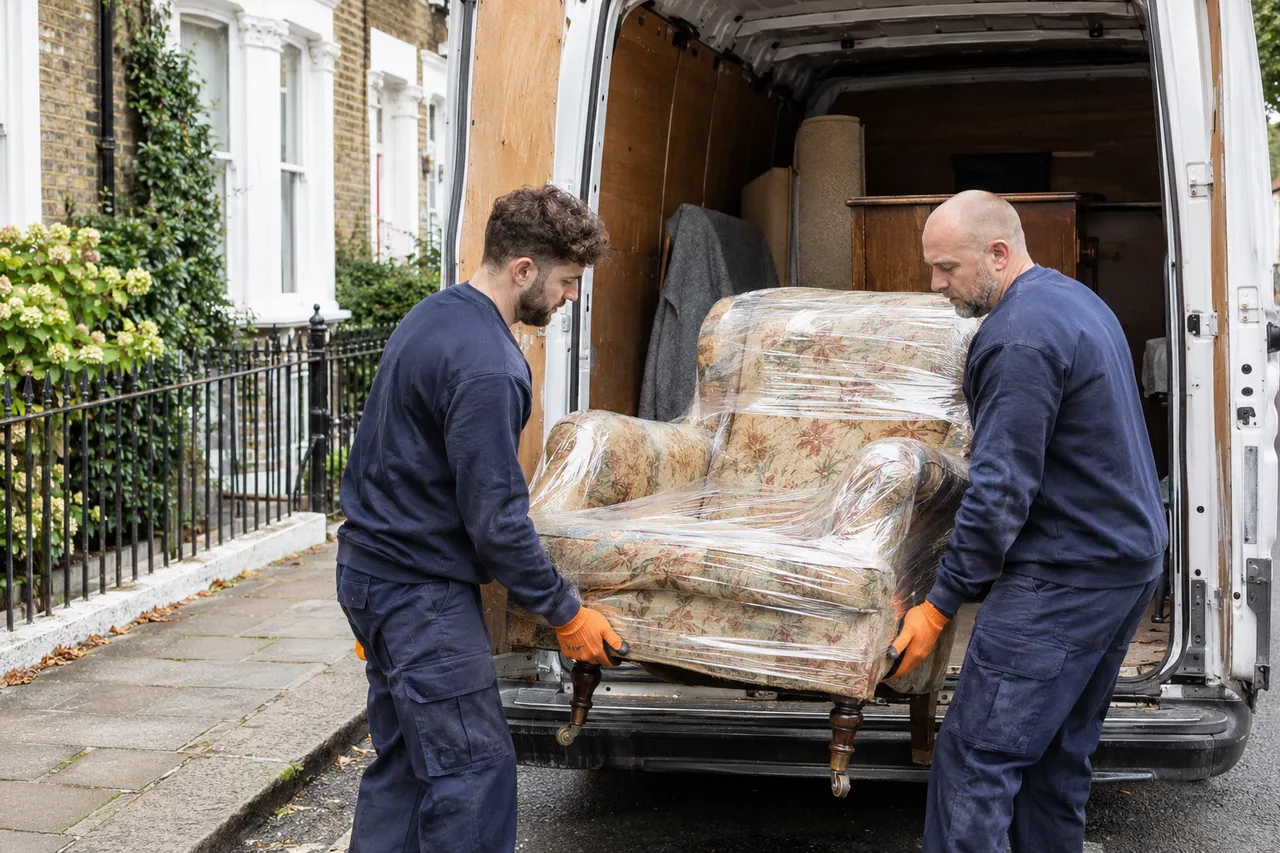
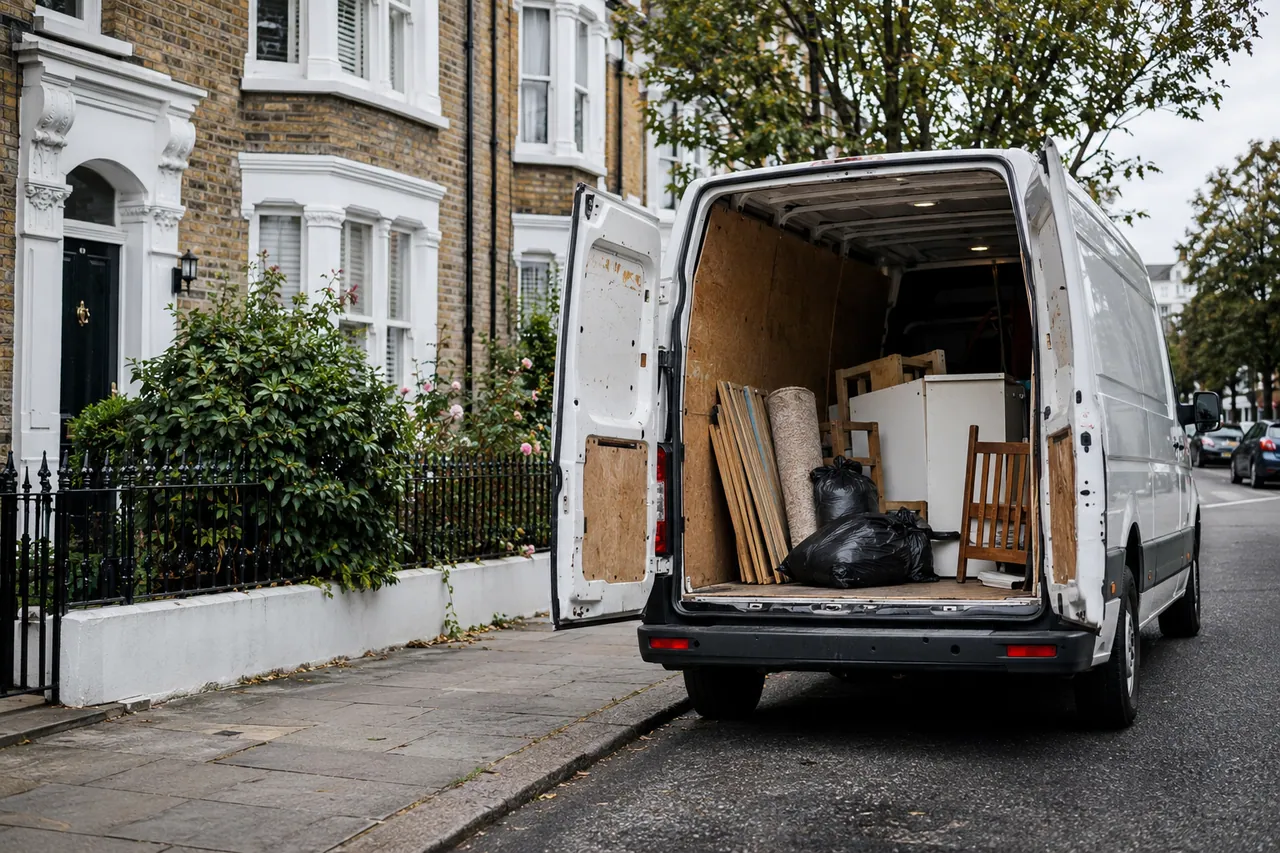

The material groups within the removal.
| Part of the household selection | Detail used before collection | What remains a separate decision |
|---|---|---|
| Seating, tables or beds | Named pieces, approximate dimensions and associated components leaving. | Similar furniture and other room contents being retained. |
| Freestanding storage | The unit’s size, current assembly and any loose shelves or drawers included. | Contents within the unit rather than automatic disposal of everything it holds. |
| Smaller domestic belongings | Main materials, approximate amount and current collection point. | Possessions outside the identified group, even where they occupy the same room. |
| Closed bags or boxes | Contents and any equipment, dense or unusual material within them. | Acceptance of hidden material rather than reliance on the container’s appearance alone. |
Every starting point contributes to carrying
We discuss the collection rooms and floors rather than assume the load is gathered at one exit. Furniture in a living room, containers upstairs and belongings in a separate store can involve different routes in the same property. Explain relevant stairs or lift, doors and changes in level alongside the contents held at each point.
| Collection-location detail | Information established with the enquiry | What it explains about the work |
|---|---|---|
| Furniture position | Room, floor and the current form of each bulky piece. | The route is reviewed for the furniture actually presented. |
| Contained belongings | Location and approximate amount of each separate group. | Another storage point is not hidden behind one photograph of the main load. |
| Internal access | Relevant doors, stairs or usable lift and changes in level. | Carrying is connected with the available premises route. |
| Route to loading | Practical vehicle position, carrying distance and authorised access contact. | Loading arrangements are discussed for the address rather than the neighbourhood label. |
Separate waste categories can share an enquiry
Our household waste removal service discusses accepted domestic contents, with additional categories identified rather than hidden within them. The origin of the load at one address does not make furniture, devices, garden material and dense debris the same type of waste.
| Additional group proposed | Detail needed before acceptance | Scope boundary to clarify |
|---|---|---|
| Electrical equipment | Device types, quantity and any requirement beyond physical removal. | Data or technical services are not confirmed merely because equipment leaves. |
| Garden-related material | Green waste, containers and non-green contents separately named. | Outdoor items are described by material rather than treated as one uniform group. |
| Renovation leftovers | Actual substances, approximate amounts and uncertain contents. | Project material is discussed rather than assumed within ordinary household belongings. |
| Other furniture components | Piece count, dimensions and current assembly. | Any additional work before carrying is clarified before agreement. |
Norbury orientation and onward handling
The mapped Norbury centre is in Croydon, with SW16 as an indicative nearby postal district. Give the complete postcode and premises address to locate the work. The team discusses actual entry and practical loading with the contact arranging access rather than infer a particular property layout from the locality.
The accepted contents are taken away for appropriate onward handling after carrying and loading. Recycling or reuse is pursued where suitable to the materials and available route. Any particular record or additional service requirement should be raised before agreement, alongside the selection and physical work at the premises. A business enquiry is also discussed using its actual contents and access, with retained assets distinguished rather than assuming the domestic examples describe every request.
What the quote is connected to
We discuss the accepted material, amount and work of carrying and loading together. A property description or room count helps locate the job but cannot explain the whole load. Additional contents, different assembly or revised access are reviewed before the first quote is treated as covering them.
| Information supporting the quote | What it explains about removal | Change to clarify before collection |
|---|---|---|
| Contents selected | Furniture, smaller belongings and material groups expressly leaving. | More possessions or another waste category added later. |
| Amount and dimensions | Counts, approximate sizes and photographs covering the complete proposed load. | Another pile or larger furniture absent from the first description. |
| Current physical form | Assembly, components and any work requested before carrying. | An additional preparation or detachment requirement. |
| Access arrangements | Starting points, practical route, loading and authorised contact. | Another room, revised location or changed timing needing confirmation. |
Norbury: collection location and area map.
Map of Norbury
Load the interactive area map from OpenStreetMap. This connects your browser to the map provider.
Open map in a new tab ↗ © OpenStreetMap contributors
Area orientation only. This map does not mark a company office or a confirmed loading point.
Norbury collection questions
Does the number of bedrooms determine what the collection includes?
No. Describe the actual contents leaving, including furniture pieces, smaller belongings and material groups. A room count can help locate the work but does not explain the amount or selection. The team discusses the load and carrying for the premises rather than assume every possession in those rooms is unwanted or covered by an unspecified property-size estimate.
Can the collection concern only a few pieces?
The enquiry can identify a limited selection while other furniture and belongings remain. Explain the pieces, approximate dimensions and collection locations, together with any smaller material also leaving. We connect that selection with acceptance, carrying and loading before discussing the quote and available arrangements. A partial request does not automatically become a complete room or property clearance.
Are belongings inside a unit included with the furniture?
That needs explaining separately. Tell the team which contents leave and which are retained, alongside the unit’s dimensions and assembly. A furniture collection does not decide the waste status of every possession held within it. The customer or access contact identifies the selection so the team can follow one understandable removal list rather than assumptions about storage contents.
Can a mixed household load contain building material?
Identify the actual project waste, approximate amount and any uncertain contents before acceptance. It is a separate category from ordinary domestic belongings, even where stored in the same bags or room. The team discusses the material mix and physical load, including any effect on scope and quote, rather than assume a general household request covers everything from the property.
What if the waste is in another room when the team is due?
Update the collection location and route with the team before relying on the original arrangement. The contents may be unchanged while carrying is different. Explain any new floor, doors or other access detail so the scope and quote can be reviewed against the presented load rather than an earlier position that no longer describes the work.
Does a completed enquiry form reserve the visit?
The contents, acceptance, access, quote and available arrangements still need confirming with the team. An enquiry starts that discussion; it does not automatically create a booking or an unlimited scope. Give the full address and current selection so the collection can be arranged against the actual premises and work requested rather than the area name alone.
Arrange your Norbury collection.
Discuss the unwanted items, full postcode and route to the vehicle with the collection team.
Discuss your Norbury collection
Open our booking form to arrange your collection.
Continue to our booking form to confirm your items and contact details.