
PETTS WOOD COLLECTIONS
Rubbish Removal in Petts Wood
Rubbish Begone collects unwanted contents from London homes and businesses, including properties in Petts Wood. An outdoor storage box is one possible part of that work. We discuss the box as a physical object, any contents also leaving and the way out of its present position before arranging carrying, loading and removal.
Petts Wood collections, explained.
What will be taken away when the request is for an outdoor storage box?
We establish the components included: the main body, lid, base and any loose panels, together with separately described contents. Some customers keep the belongings and discard only the container; others request both. That distinction determines the load we discuss and quote, rather than the box’s original storage capacity or everything presently standing beside it.
Can the team collect the container without clearing the rest of the garden?
Yes. The removal can concern one freestanding container or a small group of named items. We identify their current position, construction and route to loading, while other furniture, tools and possessions remain. Any further garden waste is described as an additional part of the enquiry so its acceptance and quantity can be considered.
Starting with the object outside, not its product description
A storage box may have changed substantially since purchase. The lid may be separate, one side may be detached, or the body may still be intact. We need the object now awaiting removal, not simply its model name or advertised capacity. Photographs showing its present form help explain the collection, alongside approximate dimensions and the components included.
Our garden clearance service covers the wider outdoor enquiry. For a box-led request we first establish what the team will actually carry. A large empty shell and a group of loose panels are different physical loads, even when they originated from the same container. The quote connects that presentation with the exit route and any accompanying waste.
When the container is bigger than the contents
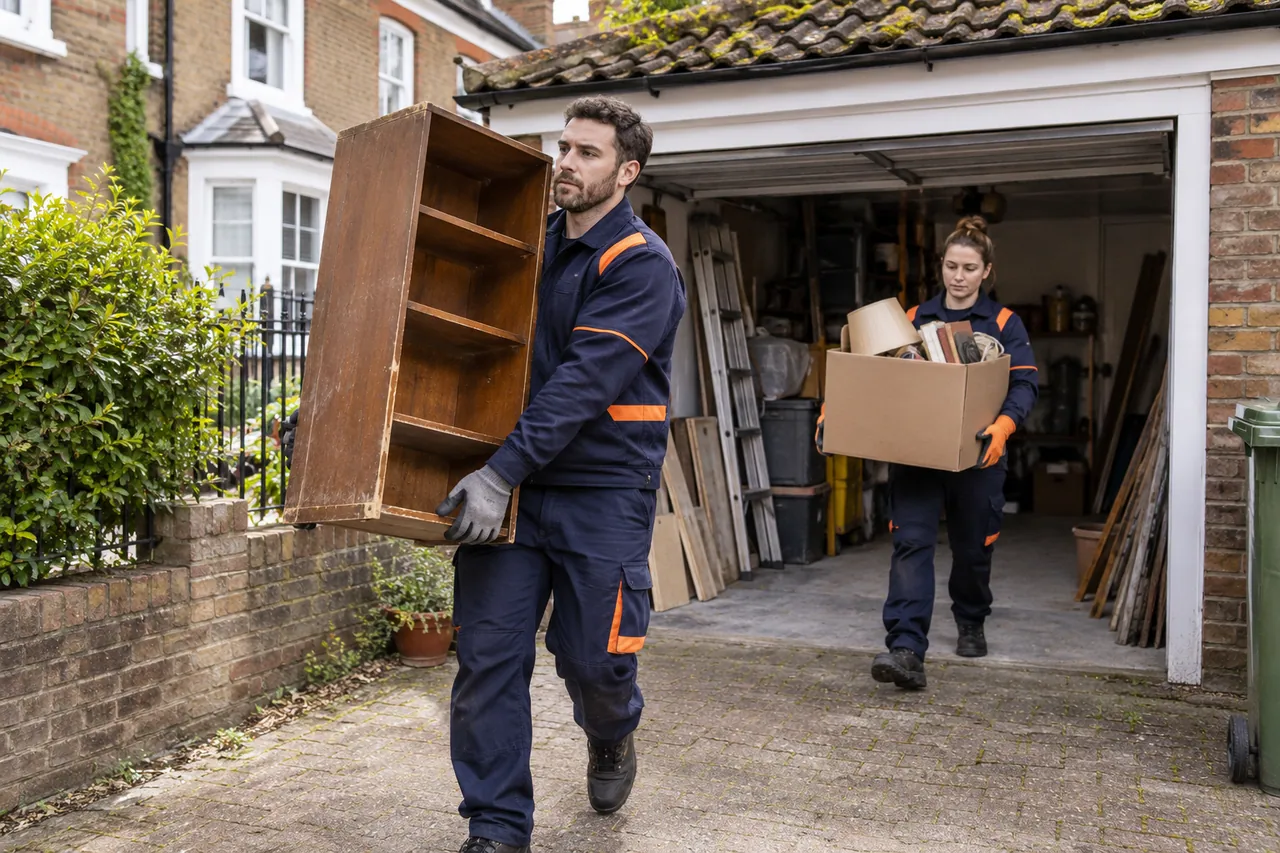
An empty storage body can occupy considerable space while containing very little material. A similar-sized box filled with household objects describes a different removal. We discuss construction, approximate size and whether the contents are staying or leaving. This lets us explain the collection without using the container’s nominal capacity as a substitute for the waste inventory.
Two decisions: the box and the possessions it holds
We follow the organiser’s choice of what should go. A useful lid, tools or stored household belongings may remain after the body is discarded. Equally, a customer can request removal of unwanted contents while keeping the box. These are separate decisions, and the collection needs to make sense to the person opening the property.
The enquiry should make clear whether containers within the box also leave. For example, a closed tub may hold supplies the household is retaining or a substance requiring specific discussion. We ask what is inside before it becomes part of the load. The position outdoors does not turn manufactured objects, household possessions or unfamiliar contents into plant waste.
| Instruction for this collection | The material we need described | What the team leaves outside the request |
|---|---|---|
| Empty box only | The body and the particular components being discarded. | The possessions removed from it and kept by the household. |
| Box and contents | Construction plus the main contents and quantities. | Any retained objects or nearby supplies not included in that description. |
| Contents only | The belongings selected, their main materials and amount. | The storage container still in use. |
| One box from a group | The particular unit and its loose parts. | Matching boxes and possessions selected for continued storage. |
Reaching the box where it currently stands
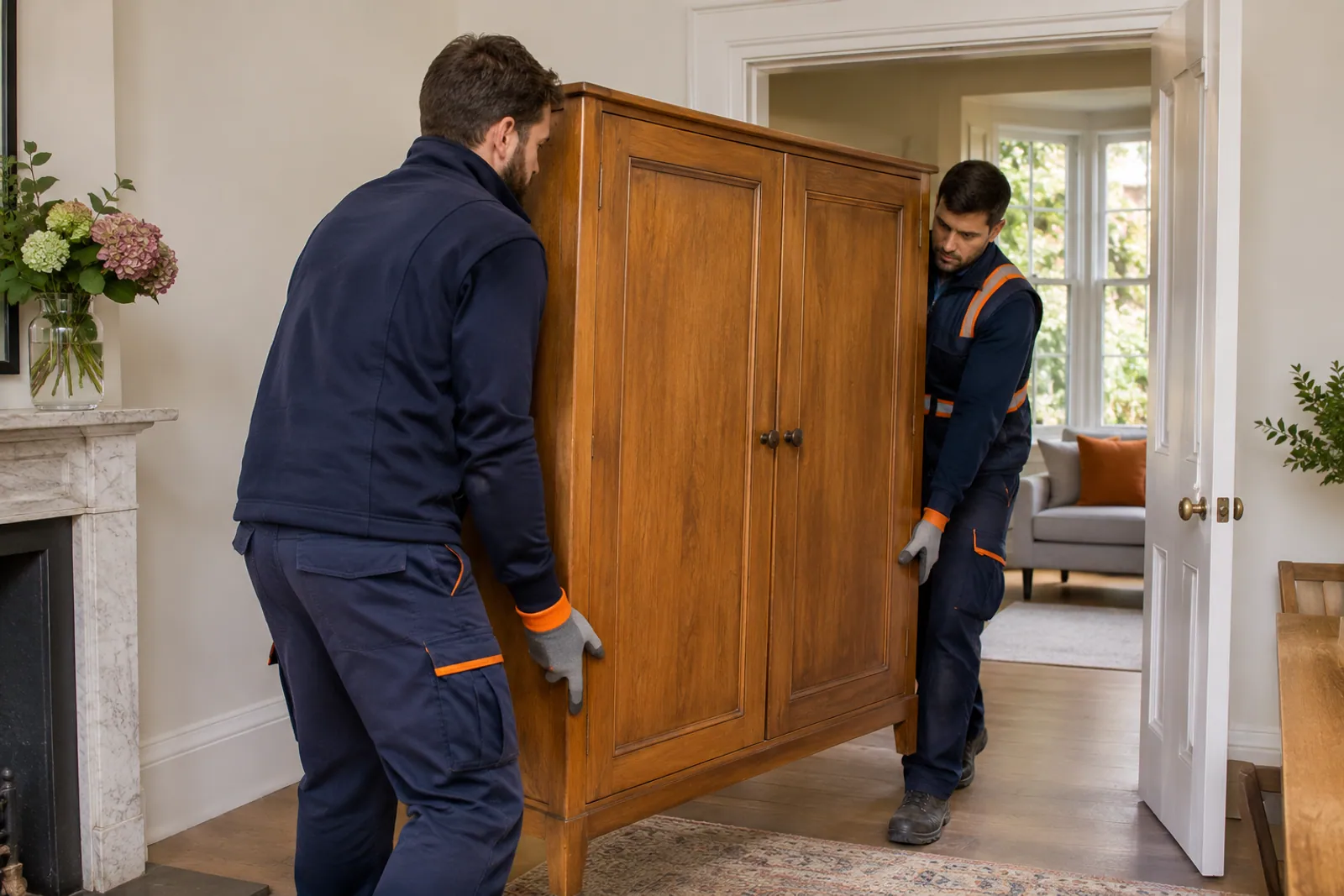
We discuss the route from its outdoor position to a practical loading point. The enquiry explains gates, doors, turns, changes in level and any other part of the property the box must pass through. The width of an assembled body can matter more to that discussion than its former storage volume.
If the container is still attached or further work is expected before it can move, explain the task while requesting the quote. Cutting, dismantling or detachment needs to be clarified as additional work. We arrange the removal around the presentation discussed; the customer and team should not arrive at different assumptions about how the object will reach the vehicle.
A box moved nearer an entrance before collection may have a different route from the one first described. Tell us its new position and whether it is now empty, together with any parts left at the old location. The contents and carrying description can then be updated together.
What can accompany the box
Other outdoor or household material can be raised in the same enquiry. Our household waste removal information gives the context for loose domestic belongings. We discuss each proposed group by what it contains, rather than regard the box as an unlimited receptacle for further rubbish.
| Accompanying group | The collection question we resolve | Information useful for that discussion |
|---|---|---|
| Tools or portable equipment | Which items are unwanted and suitable for the proposed collection. | Item types, quantity and anything electrical or needing an additional service. |
| Plant material | How much green material is also requested and where it is held. | Main type, approximate extent and its separate collection point. |
| Household bags or boxes | What the containers hold and which groups leave. | Principal contents, approximate amount and any unfamiliar material. |
| Soil, debris or other dense contents | Whether a suitable removal arrangement can be agreed for that material. | What it is, how much is present and anything mixed into it. |
We clarify acceptance of unfamiliar or unusual items before confirming the load. The box’s material and its contents may need different onward handling. The service takes away the contents agreed for collection, with recycling or reuse pursued where appropriate to the items and available route.
Turning the enquiry into a collection
The discussion produces an identifiable removal: components and contents included, their current locations, the carrying route and the quote. Availability is confirmed with the team. A preferred date in the local form is an enquiry detail, rather than a booking already made.

Show the current container
We establish the box’s construction, dimensions and present form, including a separate lid, base or loose panels.

Choose which contents leave
The organiser distinguishes retained possessions from anything also requested for removal, with the main materials explained.

Agree the exit route and visit
The team’s collection discussion connects the physical load with gates, turns and loading, then confirms the quote and an available visit.

Carry the stated load away
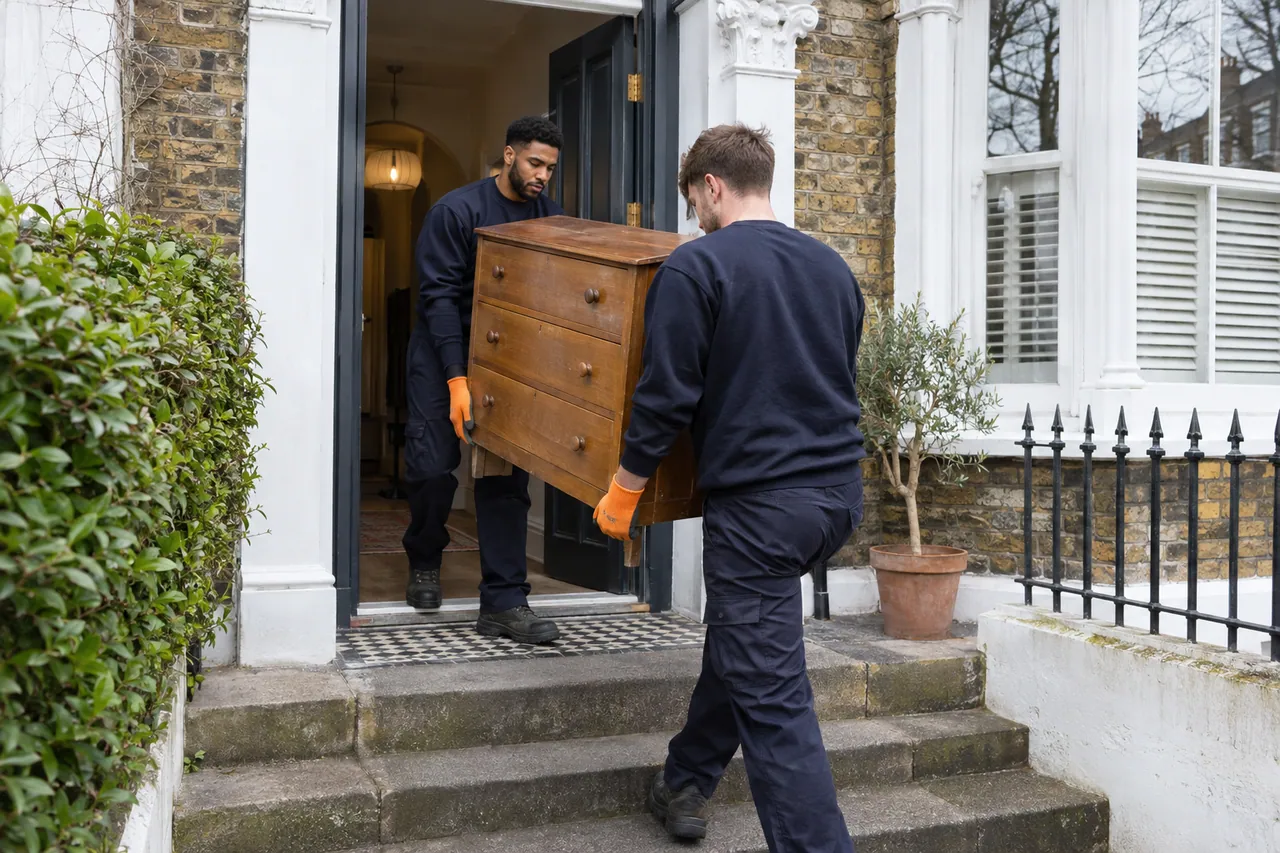
The container components and any other accepted material are carried, loaded and transported for appropriate onward handling.
The contents and carrying behind your Petts Wood enquiry.
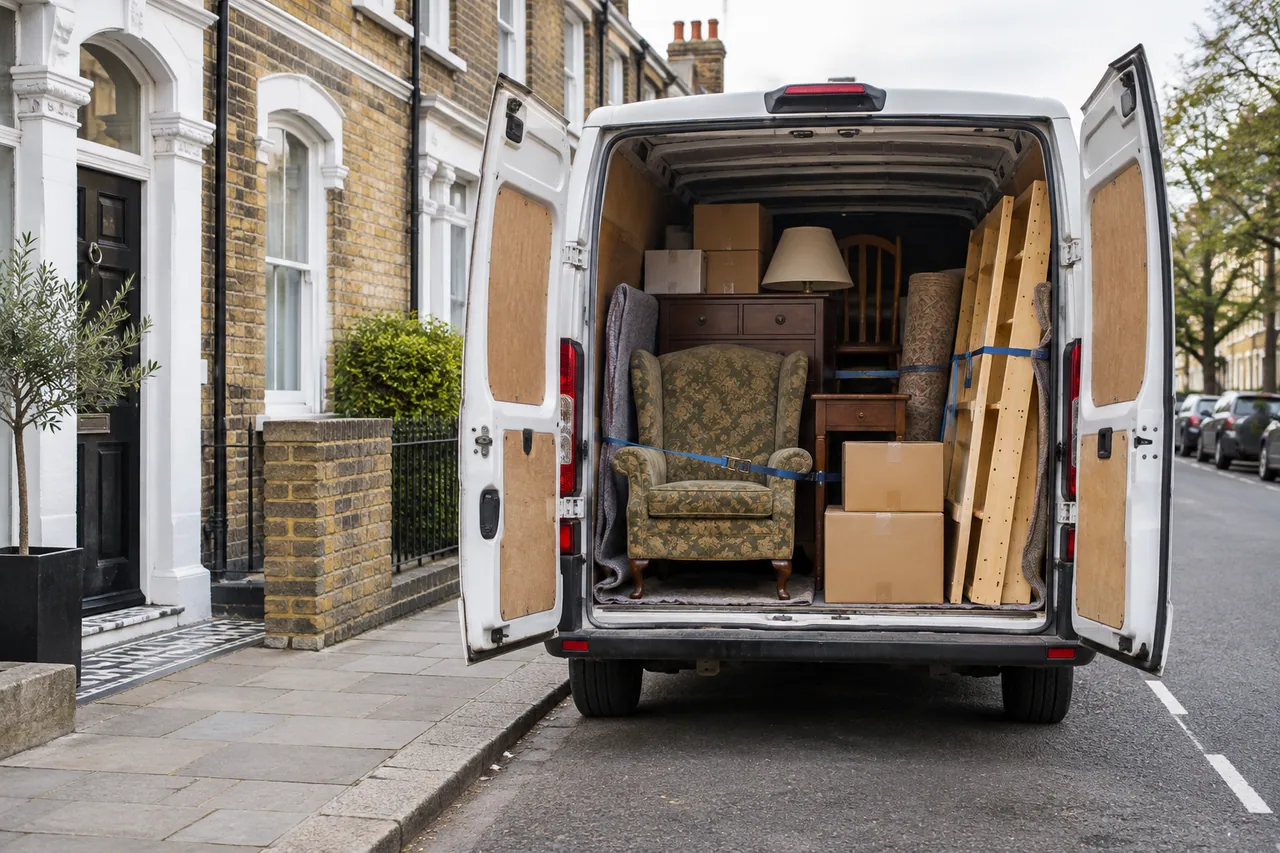
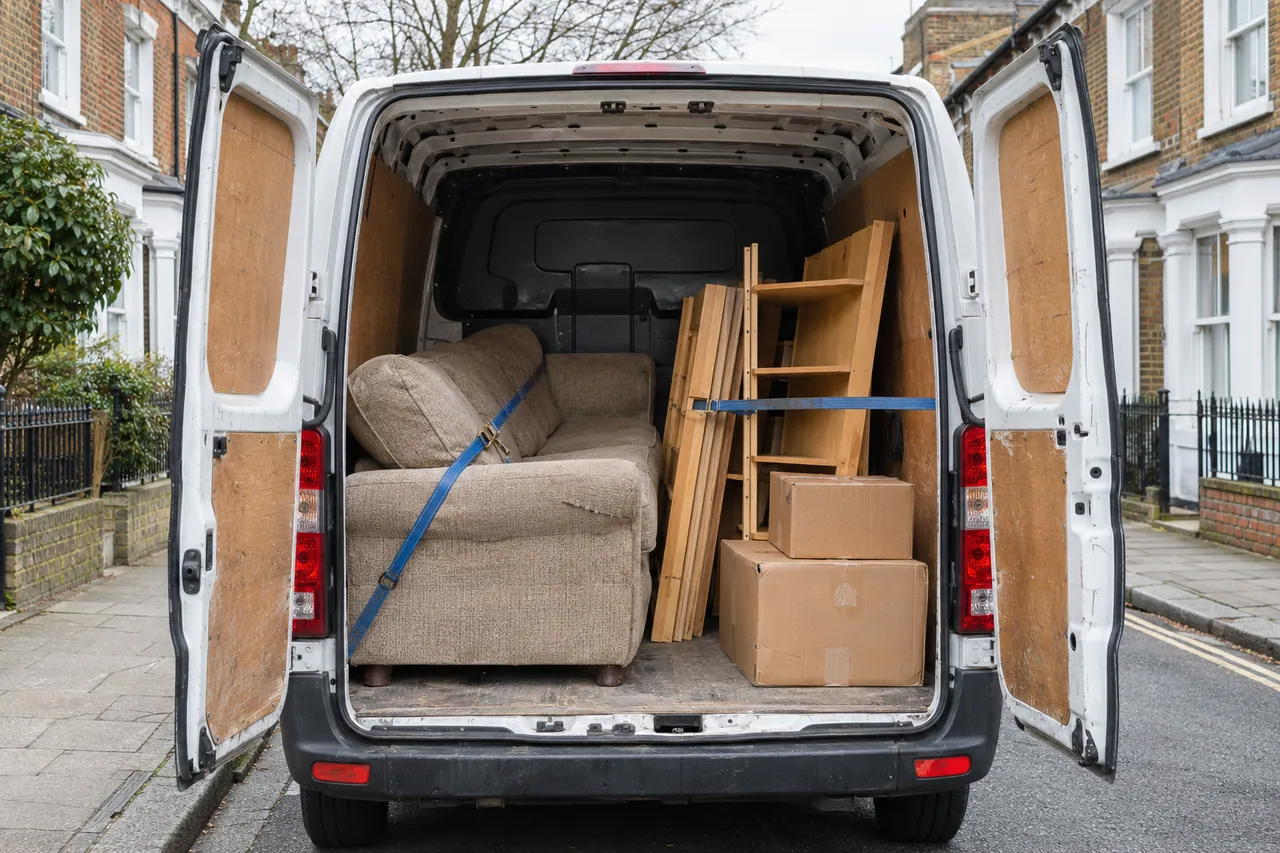
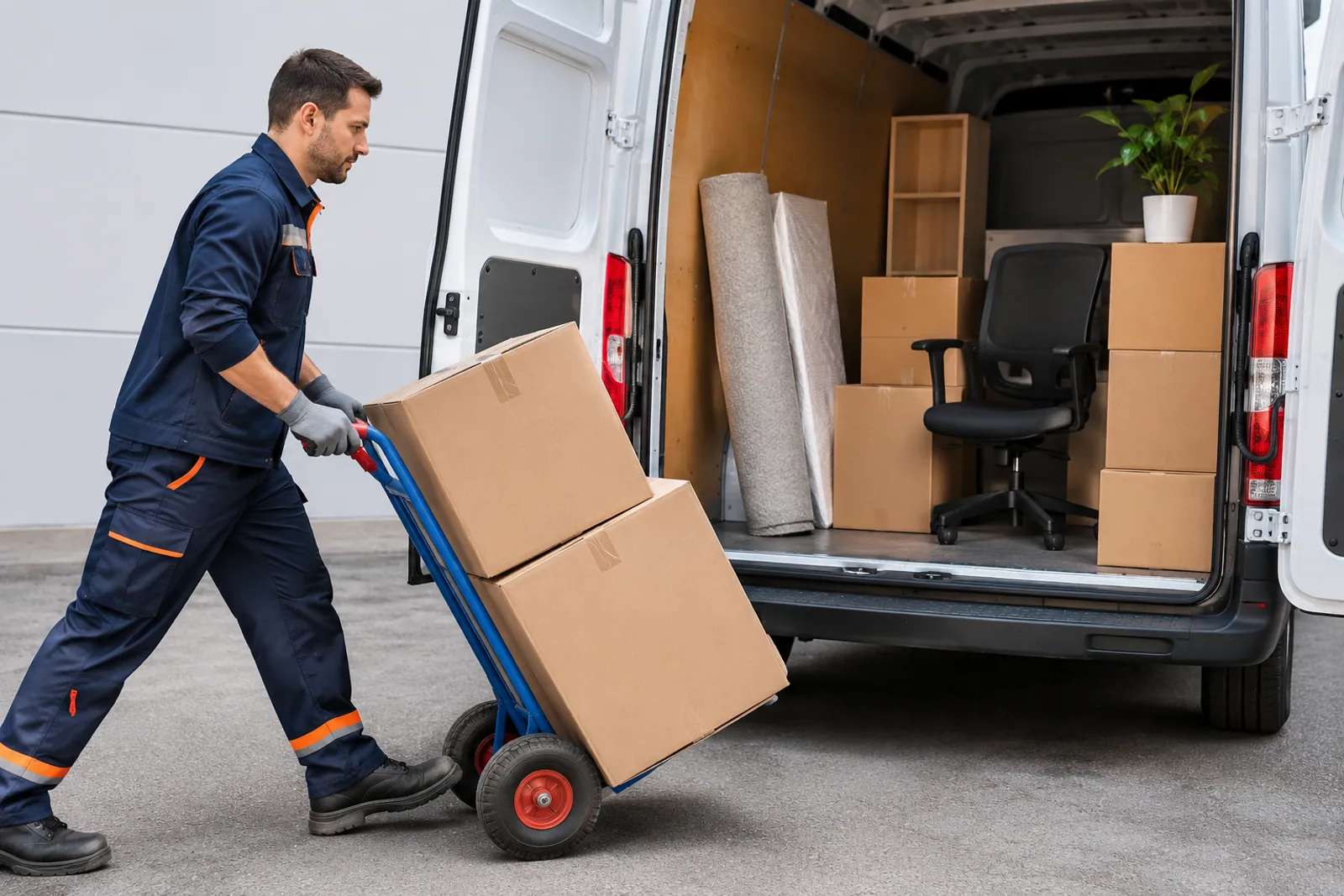
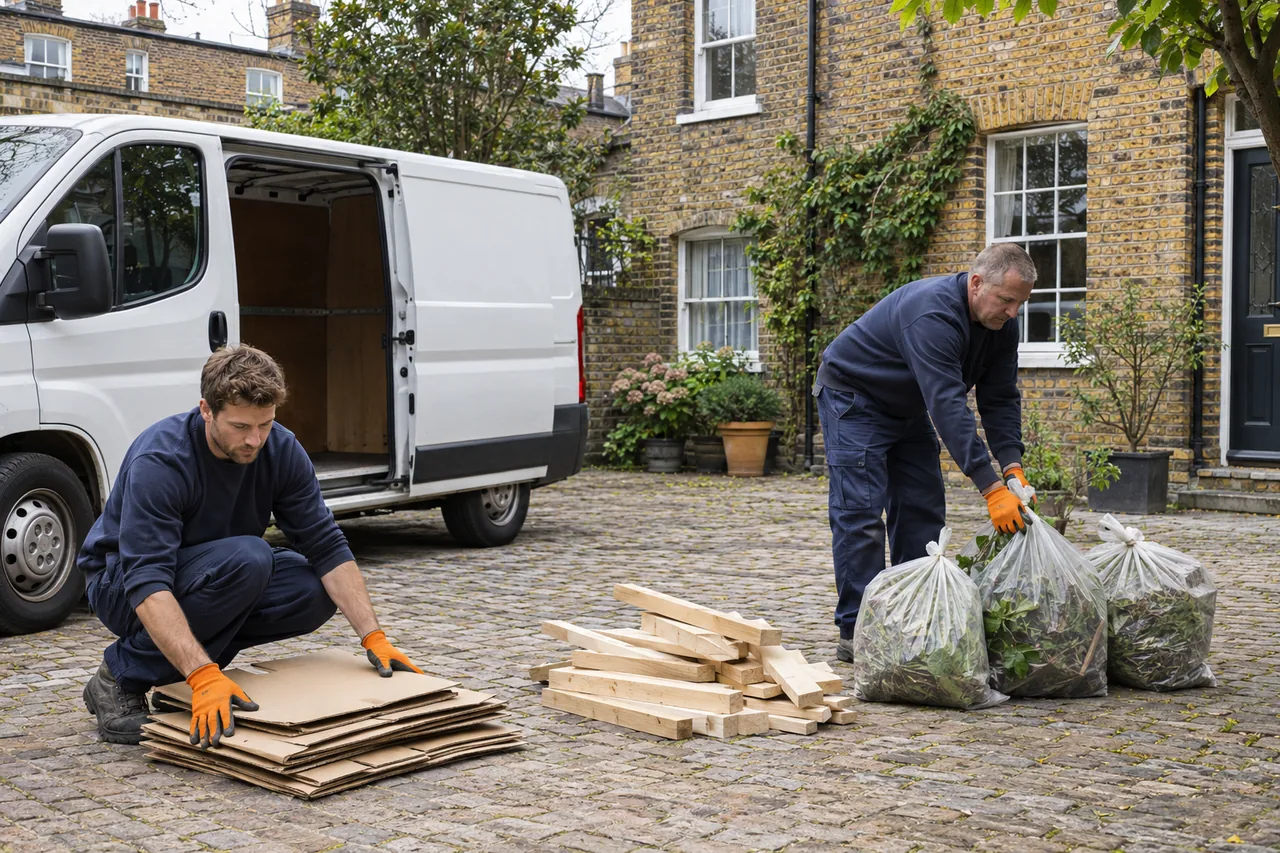
The material groups within the removal.
| What stands at the collection point | Detail that changes the removal description | What we arrange around it |
|---|---|---|
| An intact empty body | Overall dimensions, construction and whether the lid is included. | Carrying and loading that bulky object in its present form. |
| A body with a separate lid | The lid’s position and whether it also leaves. | Both components are included in the stated physical load. |
| A container already in panels | Which sections, base and other pieces are present. | A loose-component collection, with the parts described rather than an intact-box assumption. |
| A filled container | Main contents and their approximate amount as well as the box itself. | A combined request in which the container and material inside are considered separately. |
A quote the property contact can recognise
The map centres on Petts Wood in Bromley, with BR5 an indicative nearby postcode district. We use the full collection address and postcode, together with the person arranging access. The important property detail for this job is where the box and its accompanying contents will actually stand.
| Before the visit, confirm this point | Why it belongs in the quote | Tell the team if this changes |
|---|---|---|
| The components leaving | A lid or loose section held elsewhere may be part of the physical collection. | More panels, another box or a decision to retain part of it. |
| Empty or containing material | The contents can change the material mix and quantity. | The box is emptied, refilled or joined by separately grouped rubbish. |
| Its final position | The route and carrying begin at the current collection point. | The body is moved but some parts remain elsewhere. |
| Additional work requested | The removal needs a clear distinction between carrying and another task. | Attachment, dismantling or other requirements not previously discussed. |
The customer receives a collection arrangement for the described load. Later additions are reviewed before inclusion, so an earlier quote for an empty box does not become a different job merely because more material has been placed inside it.
Petts Wood: collection location and area map.
Map of Petts Wood
Load the interactive area map from OpenStreetMap. This connects your browser to the map provider.
Open map in a new tab ↗ © OpenStreetMap contributors
Area orientation only. This map does not mark a company office or a confirmed loading point.
Petts Wood collection questions
Will a useful lid have to go with a damaged storage body?
No. Specify the body and any other parts leaving, while making clear that the lid is retained. The quote concerns that component selection. The team does not require disposal of a complete original product or treat a matching part as waste because it was once used with the box.
What if the box is empty by collection day?
Tell us that the contents are no longer part of the request, and confirm the body and parts still leaving. The object and route remain relevant, but the load is now different from a photograph of a full container. We update the removal description before attendance.
Can the team work out what the closed tubs inside contain?
Describe their contents where known and raise uncertainty before acceptance is agreed. The collection should not depend on guessing about concealed material. A tub kept with outdoor belongings may hold something different from the surrounding household or garden contents, so it needs its own clarification.
Is the box’s advertised capacity enough to price the collection?
We discuss the physical box and what, if anything, is being removed inside it. Capacity does not explain construction, assembly, dimensions along the exit route or the actual contents. The quote relates to that current load and carrying work rather than the manufacturer’s storage figure alone.
Is taking the box apart included in carrying it away?
Raise any dismantling or other preparation work before agreement, explaining the present condition and route. We clarify the task rather than leave it as an assumption on arrival. An assembled-container request and an already separated panel load need different descriptions for the collection discussion.
Can several bags be added beside the box at the last moment?
Explain their main contents and amount to the team before considering them included. They may introduce different materials or additional carrying. The original box quote remains a defined request, and the team reviews the extra group rather than treat space beside the container as an unlimited collection area.
Arrange your Petts Wood collection.
Discuss the unwanted items, full postcode and route to the vehicle with the collection team.
Discuss your Petts Wood collection
Open our booking form to arrange your collection.
Continue to our booking form to confirm your items and contact details.