
ORPINGTON COLLECTIONS
Rubbish Removal in Orpington
We arrange removal of accepted unwanted contents from Orpington properties. This guide explains a loft-storage request: defining the belongings leaving a roof space, understanding how they reach the property exit and distinguishing contents collection from access alterations, structural work or the removal of parts of the building itself.

Orpington collections, explained.
What is discussed before a loft contents collection in Orpington?
We establish the selected belongings, their amount and the route between the roof space and the loading point. The enquiry needs to explain the hatch or entrance arrangement and bulky item dimensions, not merely name the loft. Acceptance and the practical collection scope are clarified before the team agrees an available visit and quote for the described work.
Does loft clearance include work on the roof or building?
No such work should be assumed from a request to collect stored contents. We discuss the belongings authorised to leave and any additional requirement separately. Altering an opening, detaching building material or carrying out structural work is distinct from carrying, loading and removing accepted waste, and needs its own scope clarification before agreement.
What the stored-content inventory contains
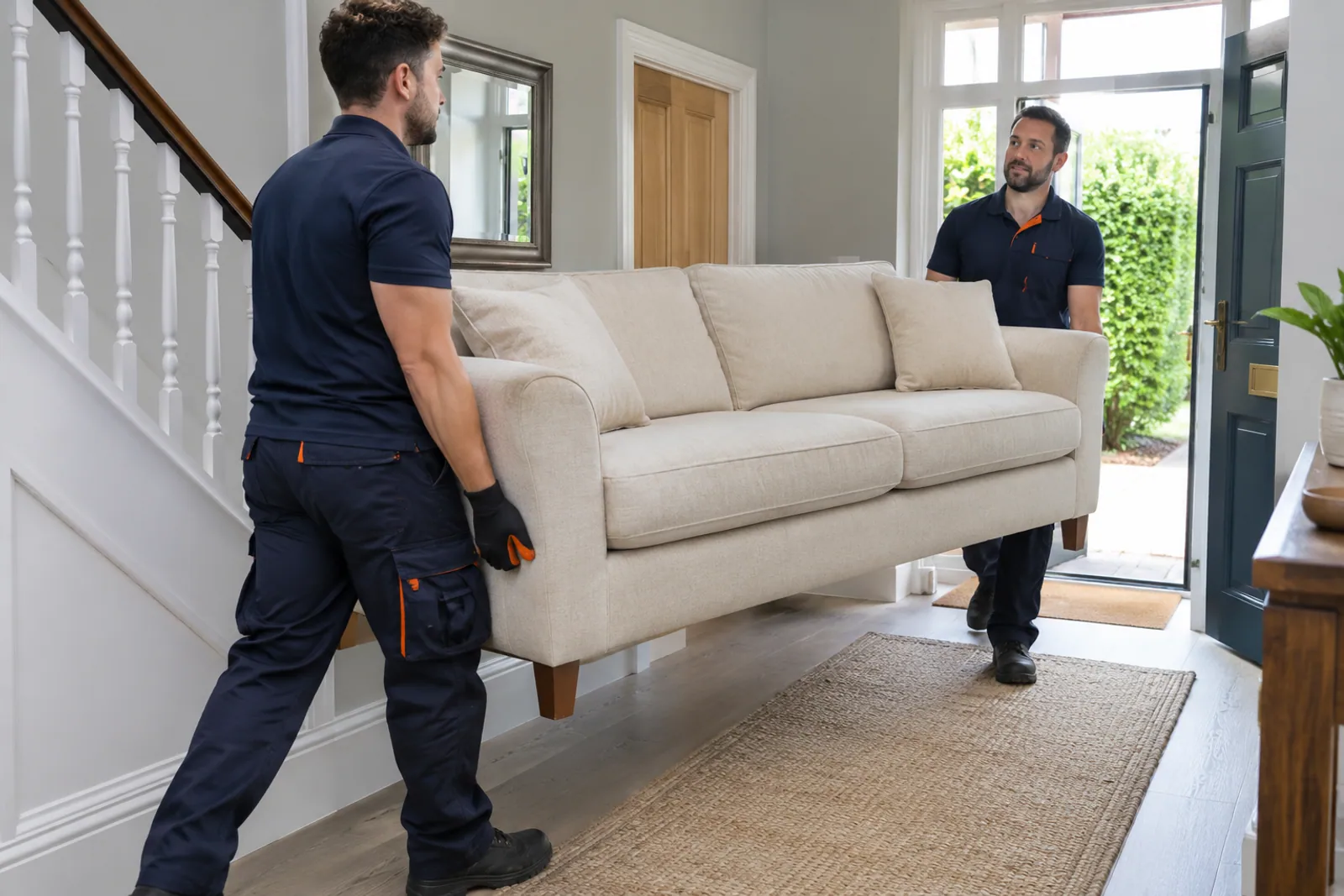
We discuss the main contents of boxes and the physical form of larger objects. Items placed in storage in separate parts may no longer resemble the assembled furniture they once belonged to. The description therefore includes panels, shelves or other components that are requested for removal, rather than relying on the name of the original object or assuming every piece is still present.
| Stored selection | Details established before acceptance | What remains outside an assumption of complete clearance |
|---|---|---|
| Household boxes | Main contents, quantity and the groups authorised to leave. | Retained seasonal possessions or boxes awaiting a decision do not join the load by proximity. |
| Furniture components | Panels, frames, shelves and other parts, including approximate dimensions. | An item name alone does not imply a complete assembled piece or unlisted components elsewhere. |
| Loose stored belongings | Object types, principal materials and the extent of the selected load. | Unidentified containers are not automatically accepted as ordinary domestic waste. |
| Electrical objects | Device types and quantity, with any additional requirement raised separately. | Electrical equipment is distinguished from furniture or general boxed belongings. |
Identifying the belongings rather than the roof space
A loft can hold seasonal possessions, boxes, spare furniture components and objects that have not been selected for disposal. We do not interpret the room name as permission to remove them all. The organiser identifies which belongings are unwanted and which remain, so the enquiry describes a defined load rather than an unrestricted instruction to empty every accessible space beneath a roof.
Our loft clearance service provides the relevant service description. We connect that request with the actual property arrangement before agreeing what work can be included. Stored contents, access to those contents and the building’s own materials are different subjects. A quote should make the accepted removal understandable without suggesting that the collection team has agreed to alter the premises or resolve an unspecified access problem.
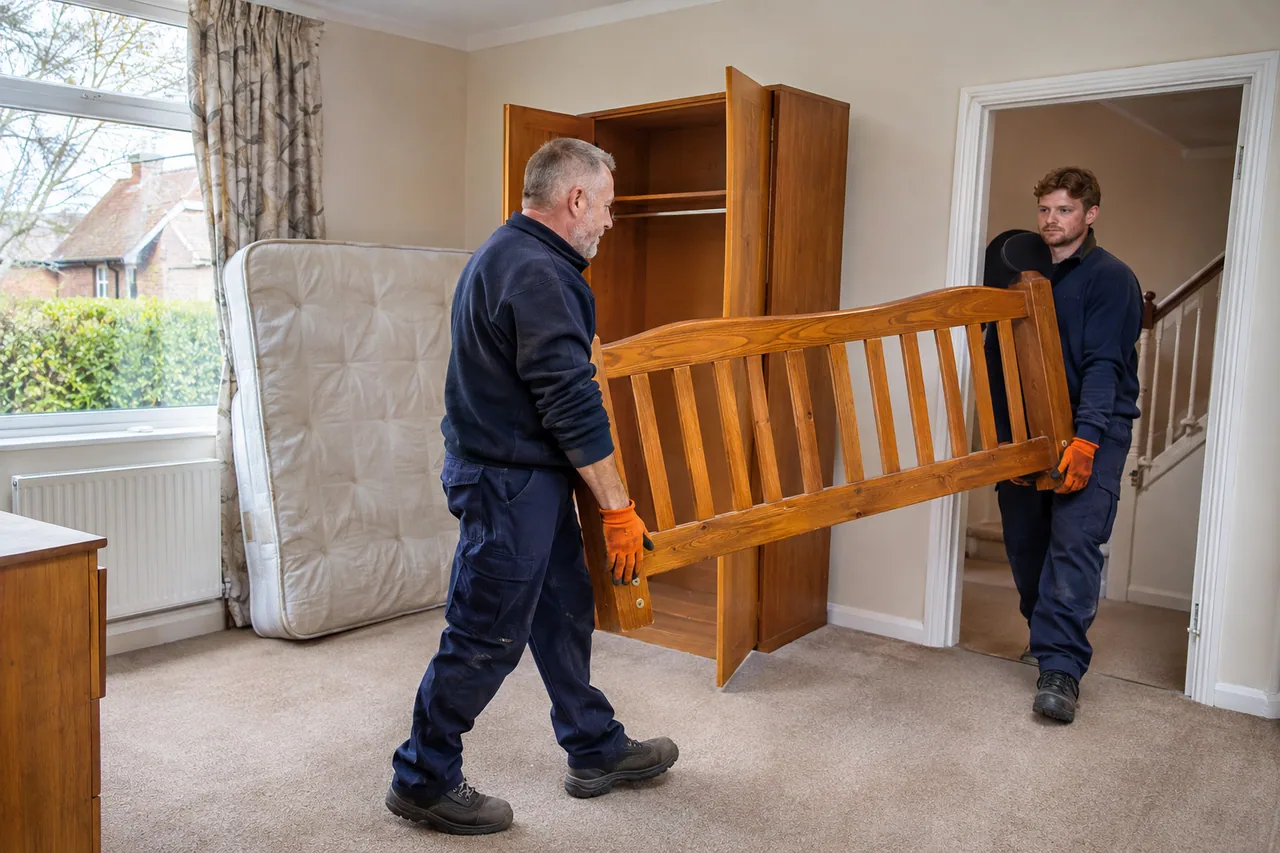
Understanding the hatch route before discussing movement

The loft entrance is part of the collection description rather than a detail to assume from the property type. We discuss how the selected contents are reached and the route they must follow towards the exit. Bulky dimensions matter because an object stored above may need to pass through a particular opening before it reaches stairs, rooms or the entrance below.
This is a discussion of the real premises arrangement, not a claim that every loft offers the same access or is suitable for the same handling. If the current route cannot accommodate the proposed item in its present form, that needs clarifying before agreement. Dismantling, detachment and changes to the property are not silently included as solutions to an unspecified carrying problem.
The difference between contents removal and additional work
The scope centres on accepted contents being taken away. The organiser raises anything attached, fixed or part of the building explicitly, together with any work thought necessary before the waste is available to carry. We do not use a loft collection description to imply an unagreed technical, structural or property-maintenance service.
| Requirement mentioned in an enquiry | What we clarify | Boundary of the contents-removal request |
|---|---|---|
| Stored loose belongings | The selected objects, materials and quantities involved. | Accepted contents can be identified separately from the loft space or building materials. |
| A large furniture component | Its dimensions, present form and proposed route through the opening. | Alteration or dismantling is a separate question rather than an automatic carrying task. |
| Fixed or attached material | Whether it belongs to the premises and what work is being requested. | A waste collection does not itself authorise detachment or building work. |
| An unclear access arrangement | How the contents are reached and who can explain the actual property details. | An available visit is not confirmed on the assumption that every roof space has identical access. |
Connecting the roof-space selection with loading
The route does not end when an item reaches the space below the hatch. We also discuss movement through the remaining property towards the loading point: relevant stairs, internal turns, doorways and distance. The complete carrying description should connect each stage rather than treat the loft and the vehicle as if they were directly adjacent.
If some accepted contents are already elsewhere in the property, their location is identified separately. The collection may then concern a roof-space selection and another group of furniture or boxes, with the route from each included in the scope. Our house clearance information provides the wider domestic context, while keeping retained rooms and possessions outside the accepted removal.
A collection based on the present form of the items
The team discusses what will actually be presented. An earlier photograph of assembled furniture does not fully describe a current stack of panels, and sealed boxes do not reveal their contents. If the organiser changes the selection or moves items after the enquiry, the description is updated before assuming the original scope still represents the carrying and loading involved.
| Current item form | Information used in discussion | How it affects the collection description |
|---|---|---|
| Separate panels or frames | Component counts, approximate dimensions and what each belongs to. | The load is defined as the parts present rather than an assumed assembled object. |
| Filled storage boxes | Main contents, quantity and which groups are selected. | Acceptance is discussed against the actual material, not solely the container shape. |
| Larger intact objects | Construction, size and the route through the loft opening and property. | Bulky movement is considered before any additional work is treated as agreed. |
| Items moved downstairs | Their current room or storage location and the remaining route to loading. | The quote can reflect the work still required instead of an outdated collection starting point. |
How we agree the loft-related removal
The process connects the selection, route and any scope questions before an available collection is confirmed. We do not promise that every item can be removed in any presentation or that an enquiry itself reserves a visit. The team discusses the actual described request and clarifies what carrying, loading and additional requirements have been accepted.

Define the stored contents leaving
The organiser identifies the selected boxes, furniture components and loose belongings, keeping retained possessions distinct from waste and building material.

Explain the full movement route
We discuss the roof-space entrance, bulky item dimensions and the route through the rest of the property towards the loading point.

Resolve scope and availability
Acceptance questions and any work beyond carrying and loading are clarified before the team agrees the quote and an available collection.

Remove the accepted load
The agreed contents are carried and loaded for transport, with identified material streams taken for appropriate onward waste handling.
The contents and carrying behind your Orpington enquiry.
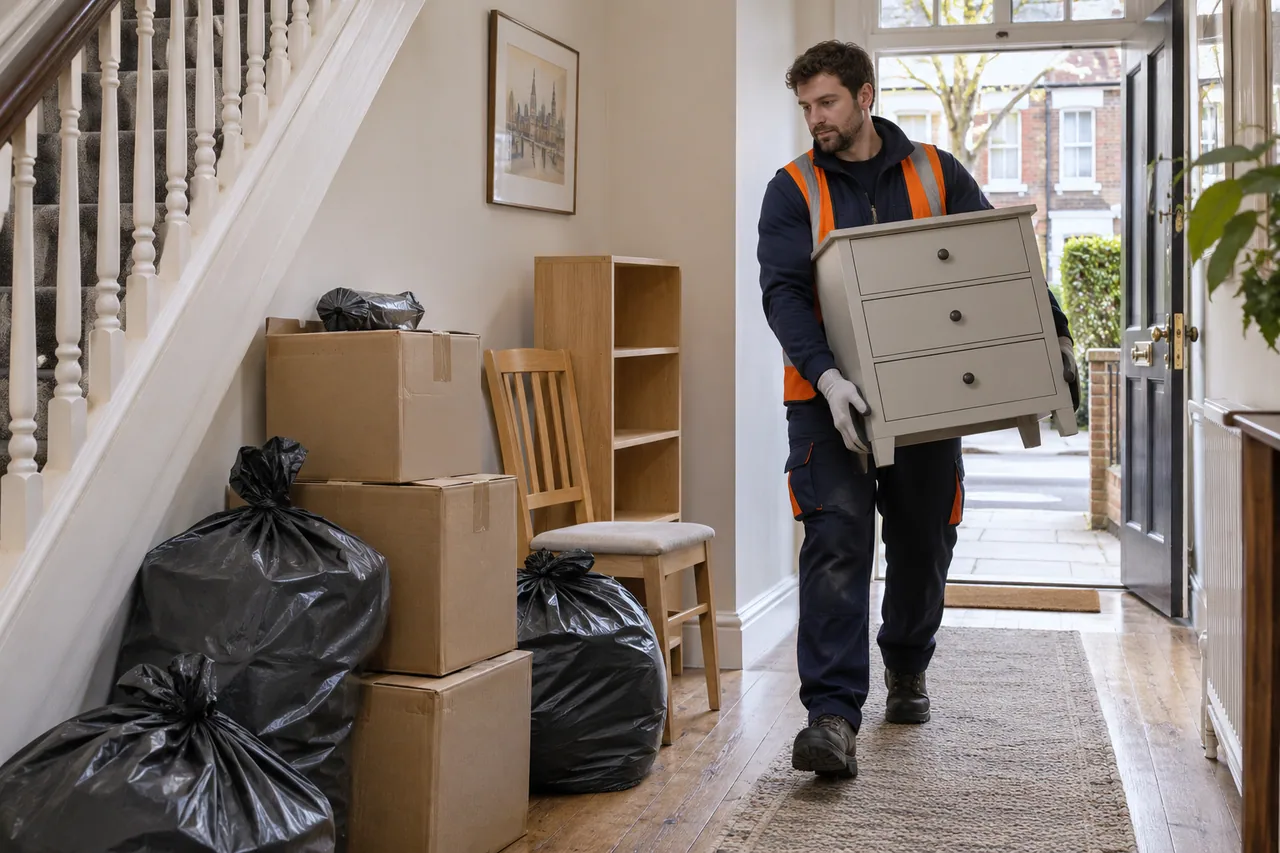

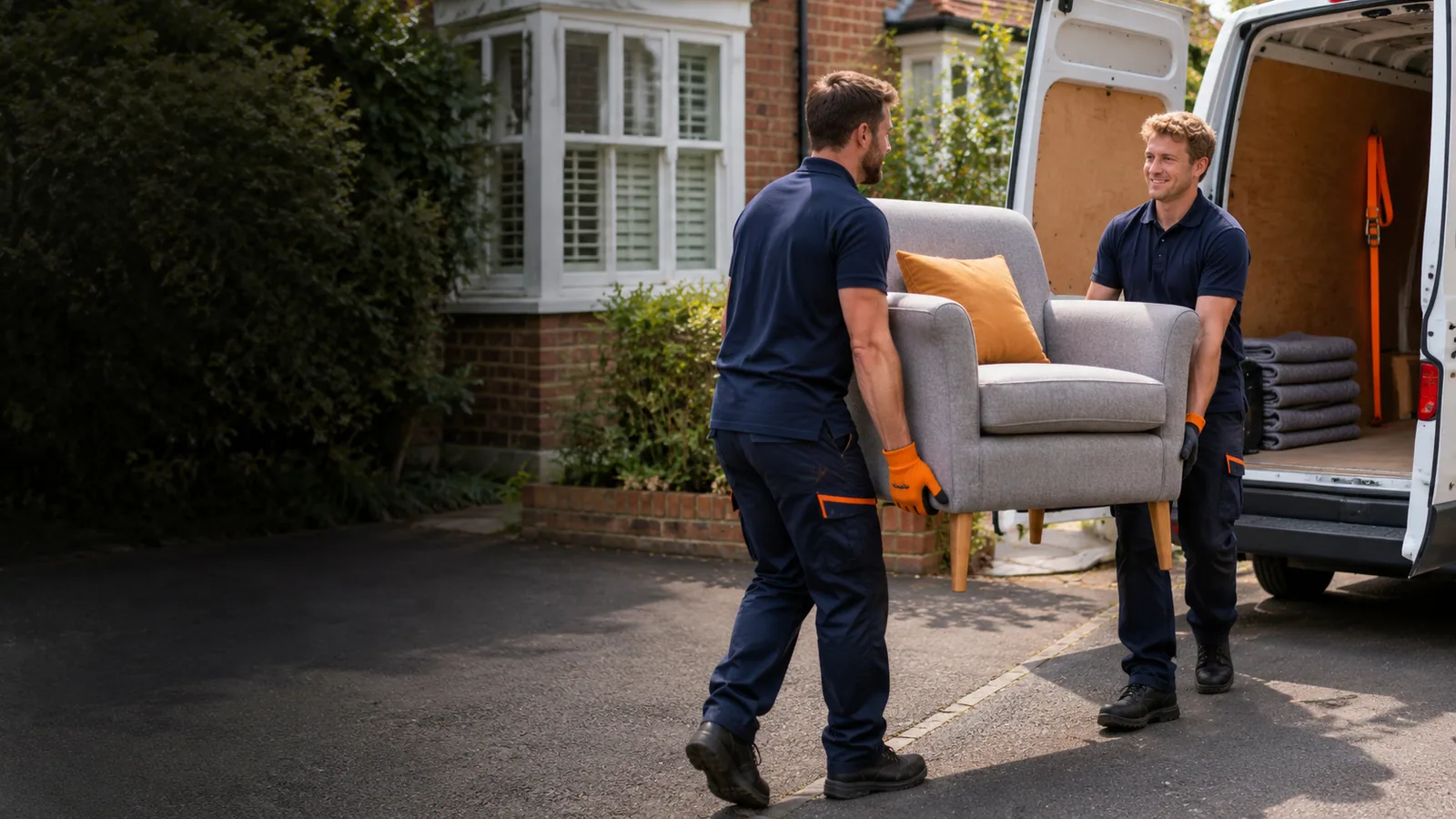

The quote and Orpington address information
The map centres on Orpington town centre in Bromley, with BR6 an indicative nearby postal district. Give the full postcode and property address for the proposed collection. The team discusses availability for that location and the carrying arrangements described for its roof-space entrance, remaining rooms and loading point.
The quote considers the amount and type of accepted waste alongside the carrying and loading work. The access arrangement and current form of bulky items are therefore part of the discussion, not just the number of boxes. We review additions, moved contents or changed access before treating them as part of an earlier collection description.
| Quote information | Detail relevant to this request | What the customer can understand |
|---|---|---|
| Accepted selection | Identifiable stored belongings, components and separate material streams. | The collection is a defined removal rather than an instruction to empty all roof spaces. |
| Route description | Loft entrance, floors, turns, property exit and loading connection. | The carrying work has been considered as a connected route. |
| Additional requirements | Anything needing dismantling, detachment or work beyond carrying and loading. | Unagreed building or alteration work is not implied by the service name. |
| Location and entry | Complete address, access contact and preferred collection date. | An available visit is agreed with the team for the actual premises and current scope. |
Our furniture disposal service is relevant when the request is mainly bulky pieces. The collection takes the contents away for appropriate onward handling, with recycling or reuse pursued where suitable to the material and available route. Furniture, electrical equipment and any other separately described waste streams remain identifiable in the removal scope.
Orpington: collection location and area map.
Map of Orpington
Load the interactive area map from OpenStreetMap. This connects your browser to the map provider.
Open map in a new tab ↗ © OpenStreetMap contributors
Area orientation only. This map does not mark a company office or a confirmed loading point.
Orpington collection questions
Can you collect only selected boxes from a loft?
That can be discussed. Identify the boxes leaving, their main contents and approximate quantity, and distinguish retained possessions. We also need the access arrangement and route towards the loading point. A request naming the loft does not itself authorise removal of every box or object held there.
Does the loft hatch size matter for a large panel?
The opening and the item’s dimensions are part of the route discussion. Explain the panel’s present form and how the stored contents are reached. We clarify the actual movement requirement before agreement rather than assume any large component can pass through an unspecified opening or that alteration is included.
Are boards forming part of the building treated as stored waste?
Not automatically. Explain whether material is loose stored content, already removed debris or part of the premises requiring detachment. A contents collection does not itself include structural work or alteration. The scope needs to distinguish accepted waste from an additional task involving the building.
What if some of the selected boxes have already been moved downstairs?
Give their current location as well as the contents still held above. We discuss the carrying work that remains from each accepted collection area. An updated description avoids quoting against an earlier photograph or location that no longer represents how the load will be presented for removal.
Can you decide whether long-stored possessions should be kept?
The organiser makes that selection. Age or time in storage does not establish that an object is unwanted. We discuss the furniture, boxes and loose contents authorised to leave, keeping retained belongings and undecided items outside the accepted load rather than making disposal decisions during the collection.
Is extra loft work included if needed to reach the contents?
Work beyond the described carrying and loading must be clarified separately before agreement. Explain any access concern or expected alteration when requesting the removal. An enquiry does not establish that the team will change the property, dismantle structures or undertake an unspecified technical task to reach stored waste.
Arrange your Orpington collection.
Discuss the unwanted items, full postcode and route to the vehicle with the collection team.
Discuss your Orpington collection
Open our booking form to arrange your collection.
Continue to our booking form to confirm your items and contact details.