
PLUMSTEAD COLLECTIONS
Rubbish Removal in Plumstead
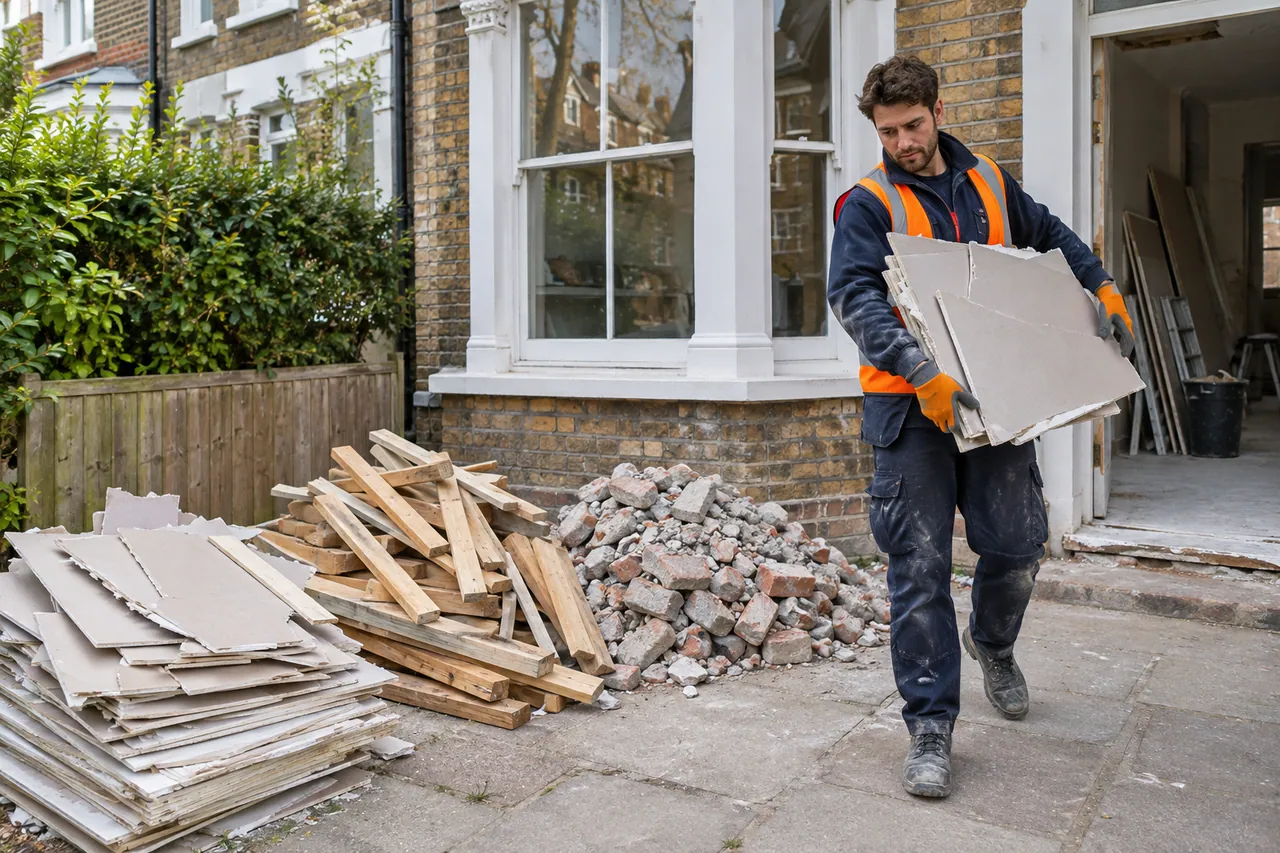
We remove unwanted contents from London properties, including Plumstead addresses. Where the load contains loose tile pieces and boards, we discuss the dense fragments and longer components separately. The collection takes the described material away; it is not an inferred agreement to lift flooring or carry out the work that produced the remnants.
Discuss your Plumstead collection
Open our booking form to arrange your collection.
Continue to our booking form to confirm your items and contact details.
Plumstead collections, explained.
What does the team need to know when tile fragments and boards are mixed?
Identify the principal materials, approximate amount of the fragments and the sizes or extent of the boards. Explain how they are held and whether containers conceal other contents. The team connects those descriptions with the collection positions and exit route, so the quote concerns the physical waste rather than only the room or project name.
Can spare tiles or boards remain in the same work area?
Yes. The organiser identifies the material being discarded and distinguishes supplies retained for use. We do not decide which pieces look reusable or infer that everything beside a waste pile should leave. The removal list should be understandable to the person providing entry, including any particular group of full tiles or offcuts requested.
The contents included in your Plumstead enquiry.
| Tile-related group | Detail supplied for the enquiry | What the team can establish |
|---|---|---|
| Loose fragments | Principal material and approximate amount. | The dense load proposed rather than an assumption based only on floor space. |
| Full tiles being discarded | Quantity or extent and which stack leaves. | The waste selection distinguished from similar spares kept for the project. |
| Contained pieces | Main contents and any additional material inside. | The actual load behind the container, not just a bag or box count. |
| Mixed debris beside the tiles | What the other material is and how much is requested. | Acceptance and quantity for that separate portion of the collection. |
Collecting remnants is a defined part of the project
The material may already be loose and available for carrying, or a request may also involve further work at the premises. We establish that distinction before the visit. A quote for removing fragments and boards should describe those contents and any additional task expressly discussed, rather than leave the customer and team with different meanings for clear the room.
Our refurbishment waste service provides the wider enquiry context. We discuss the present load, not an allowance inferred from the amount of work previously done. The original surface area does not tell us which remnants remain, what has been retained or whether other materials have since joined the collection.

Tile material: the contents behind a compact pile

We ask what the fragments are and how much is present. Full tiles, broken pieces and bags of mixed debris are different descriptions. A photograph can show the footprint, but the organiser explains the principal material and the extent of the load. That information is considered with the carrying required, rather than treating every bag as equivalent.
Full spare tiles remain outside the load when retained. The same is true of tools, new products and useful components. Their position beside the remnants does not supply a disposal instruction; the organiser makes that selection before collection is agreed.
Boards: dimensions and current form
For boards and panels, we discuss the material and lengths or dimensions where they affect the job. A compact container of fragments and a long rigid piece can occupy one collection area while presenting different movement questions. The enquiry identifies both instead of using a single mixed-pile description for every object.
Any cutting, detachment or alteration requested is discussed before agreement. The team should not be expected to change the material or premises to make an unspecified route possible without that task being raised. We describe what is available to carry and what further work, if any, has been agreed.

| Board form presented | What we clarify | What the removal description represents |
|---|---|---|
| Longer loose boards | Approximate dimensions, material and quantity. | The rigid pieces offered for carrying in their present form. |
| Short offcuts | Principal material and the extent of the discarded group. | A loose remnant load, distinct from longer supplies still wanted. |
| Broad panels | Construction, approximate size and current position. | Components considered against the route as actual objects, not simply a project category. |
| Material still fixed in place | The additional work the organiser expects. | A requirement to clarify separately from carrying loose remnants. |
Two physical forms following the same route
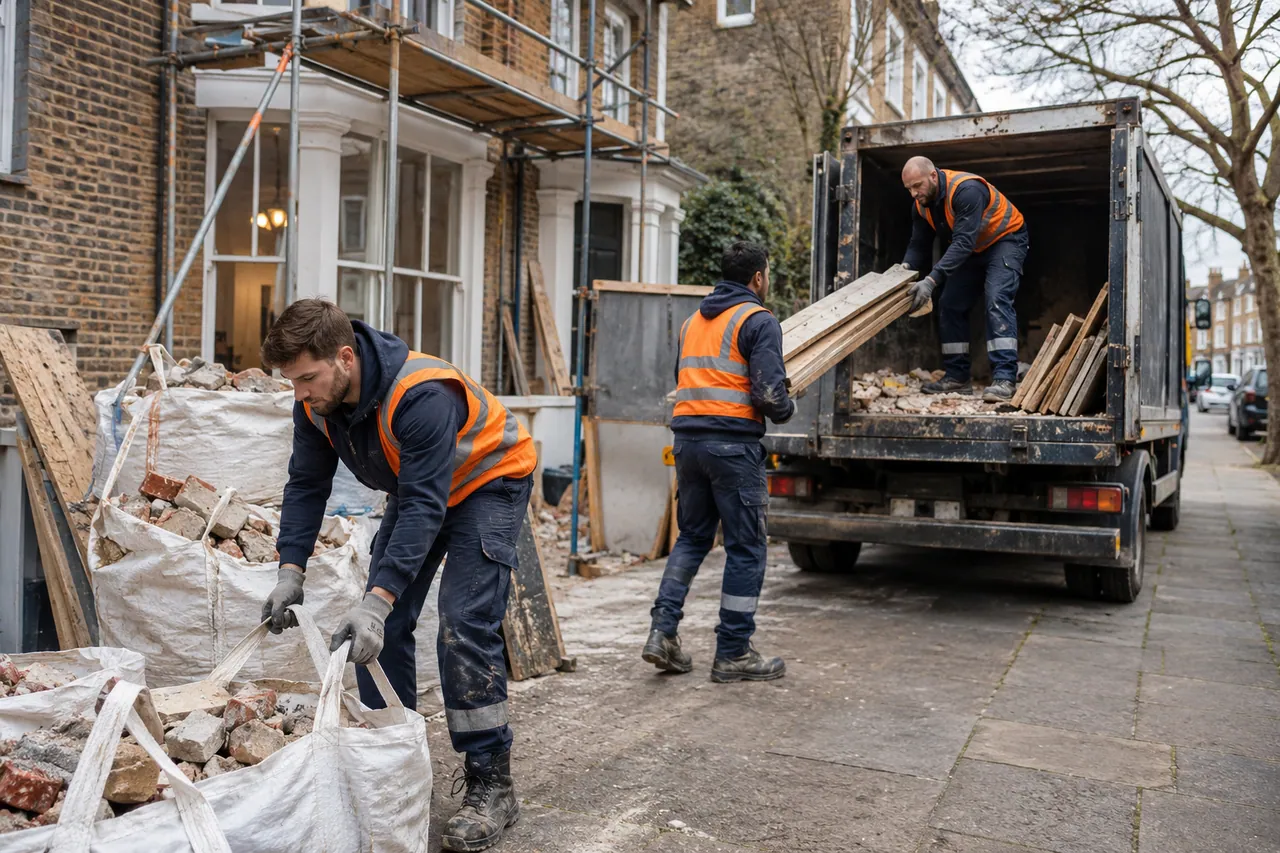
We connect each material group with its current location and the way to loading. Relevant doors, turns, floor changes, stairs or a usable lift and the entrance are discussed. The route may be shared, but dense containers and long pieces still need their individual presentation explained.
| At the collection point | Information connected with the route | Work considered in the quote |
|---|---|---|
| Compact fragment containers | Their main contents, approximate quantity and current position. | Movement of the stated dense load from that starting point. |
| Longer boards | The relevant dimensions and any internal turns or openings. | Carrying the pieces in the form discussed, with extra tasks clarified. |
| Separate rooms or piles | What stands at each included location. | The complete collection rather than only the first photographed group. |
| Material relocated before attendance | The final positions and remaining route to loading. | The work still required, not an earlier layout that no longer applies. |
For a wider debris selection, our builders clearance page explains the related service. The actual material and quantities are still identified. A project label does not establish acceptance of every unfamiliar substance or un-described object held on site.
Turning the material description into collection work
The team’s discussion brings the dense and long components together with access, the quote and an available visit. We arrange carrying, loading and transport for the material included. A preferred date in the enquiry begins the availability discussion rather than reserve attendance automatically.

Identify what remains loose
The organiser distinguishes discarded tile material, boards and other remnants from retained spares and material still installed.

Explain each form and amount
Fragments, full tiles, contained debris and longer components are described by their materials, quantities and dimensions where relevant.

Agree the route and visit
The collection positions and movement to loading inform the quote, with additional work clarified before an available appointment is confirmed.

Carry and remove the described remnants
The team loads the stated waste for transport and appropriate onward handling, without extending the task to further project work.
The contents and carrying behind your Plumstead enquiry.

The other contents that may share a work area
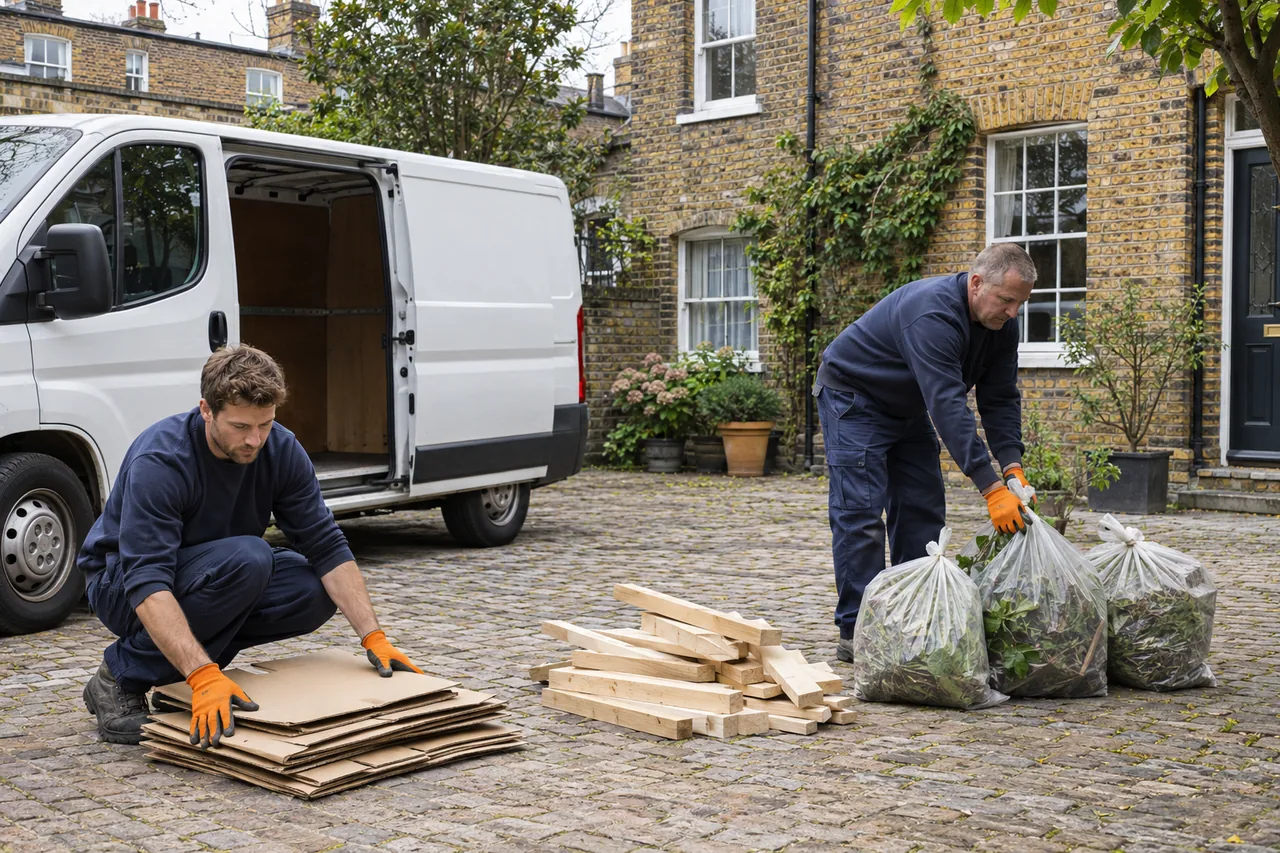
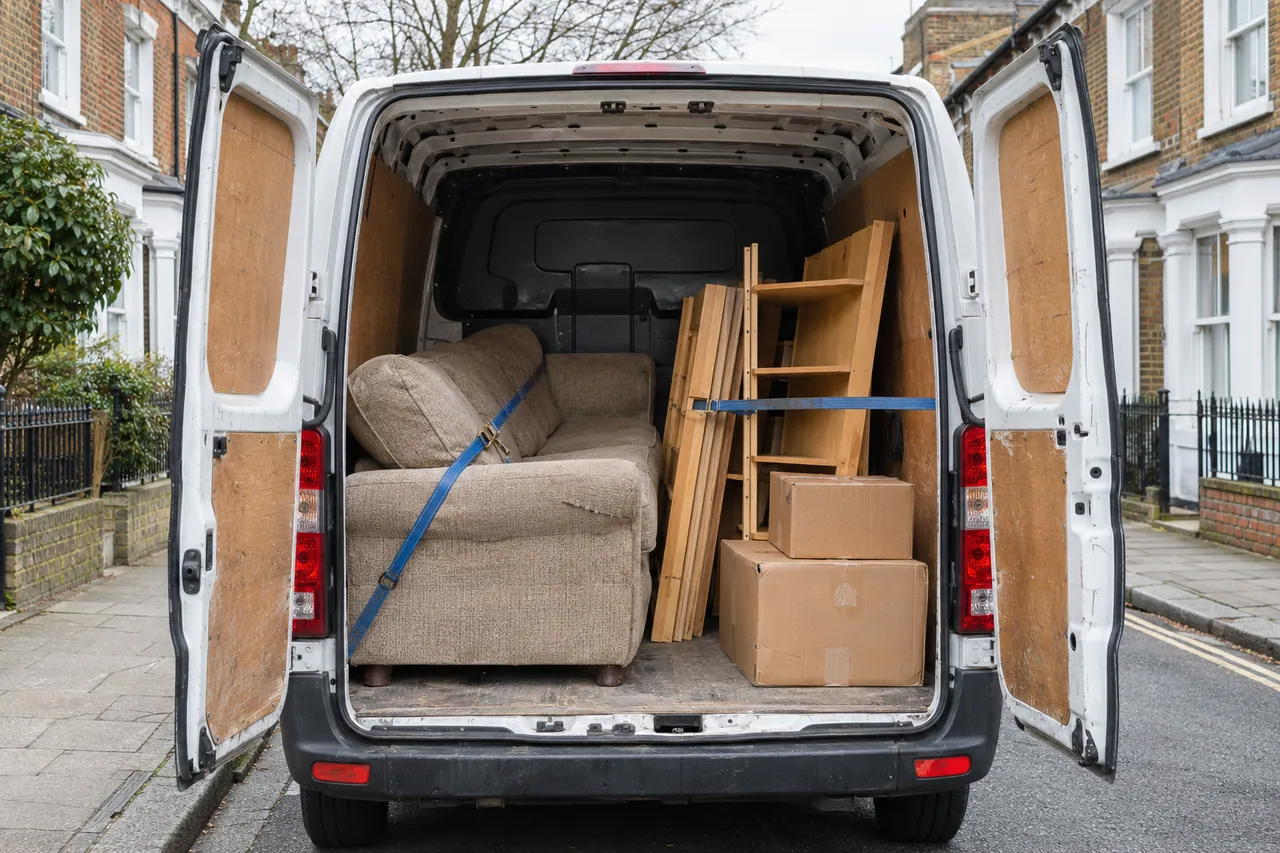
A project area can hold packaging, household belongings, equipment or unidentified containers alongside the remnants. We need the main contents and amount of any group also requested. A material should not disappear within an ordinary tile-and-board description merely because it occupies the same room.
| Other group proposed | Description used in the discussion | What is settled before inclusion |
|---|---|---|
| Packing material | Principal materials, overall extent and whether cartons are empty. | Waste packaging distinguished from containers holding supplies or other contents. |
| Household belongings | Item types or main container contents and approximate amount. | A separate domestic selection rather than everything moved out for the project. |
| Electrical equipment | Devices and any additional service requirement. | Acceptance and scope distinct from ordinary loose project material. |
| Unfamiliar material | What is known about the contents and the point needing clarification. | Suitability considered before it joins the collection rather than assumed from its location. |
Our household waste removal information gives the context where other domestic contents also leave. Working equipment and retained possessions stay outside the request unless the organiser makes a further selection. The entry contact should be able to identify those boundaries without deciding which supplies are useful.
What the customer confirms for the Plumstead visit
The map centres on Plumstead in Greenwich, with SE18 an indicative nearby postcode district. Give the full collection address, postcode and person arranging entry. Explain the final material positions and any separate collection areas, so the load and route can be discussed for the actual premises.
The price relates to the stated amount, material, physical form and carrying and loading. Several containers of fragments and one long board pile require more than a room-size description. The team explains the quote against that work. If further remnants arise, describe the additional material and quantity before considering them included.
A change in presentation also needs explaining. The same boards may have moved to another room, or a container may now hold different material from the original enquiry. We review the current request rather than rely on a previous photograph as an unlimited project-waste allowance.
After removal, appropriate onward handling is arranged for the contents accepted, with recycling or reuse pursued where suitable to the material and available route. The resulting agreement describes what leaves, where collection begins, the work included and the visit confirmed with the team.
Plumstead: collection location and area map.
Map of Plumstead
Load the interactive area map from OpenStreetMap. This connects your browser to the map provider.
Open map in a new tab ↗ © OpenStreetMap contributors
Area orientation only. This map does not mark a company office or a confirmed loading point.
Plumstead collection questions
Is the room’s former floor area enough to describe what remains?
We need the loose material actually awaiting collection. Some supplies may be retained, some remnants may have gone already and other debris may have been added. Describe the main contents, amounts and current positions so the quote relates to that physical load rather than the project’s former surface area.
Can one photograph represent both dense fragments and long boards?
An overall image helps, but explain the two groups separately with their principal materials, quantities and relevant dimensions. They present different physical descriptions even if stored together. The team uses those details with the route to loading rather than assume a single visible footprint describes every part of the collection.
Will the team decide which full tiles are still useful?
The organiser selects the discarded group and identifies retained spares. Similar appearance does not determine waste status, so the collection should not rely on the team choosing useful supplies. Make the selection understandable to the entry contact before the quote and available visit are agreed.
Does removing loose panels include taking down other installed material?
Raise any detachment or further building task before agreement, explaining what is already loose and what work you are requesting. The collection description concerns the stated carrying and loading. It does not itself establish an instruction to lift flooring or alter parts of the premises.
What if project material is placed inside previously empty cartons?
Update the team with the new contents and approximate amount. A packaging description no longer represents the same load when dense fragments or other material has been added. Acceptance and the quote are reviewed against what will actually be carried rather than the outside shape of the original container.
Can the load grow while work continues before collection?
Explain the additions and their collection locations to the team. Further tile material, boards or another waste stream may change acceptance and carrying. The agreed removal concerns the stated load; continuing work does not automatically create an unlimited allowance under an earlier quote.
Arrange your Plumstead collection.
Discuss the unwanted items, full postcode and route to the vehicle with the collection team.