
WOOLWICH COLLECTIONS
Rubbish Removal in Woolwich
We collect agreed unwanted furniture and contents from Woolwich properties, with the carrying route forming part of the collection description. Where the load is above ground level, we connect the items and their current assembly with the available stairs or lift, internal passage and vehicle loading. The scope, quote and available visit are confirmed with the team.
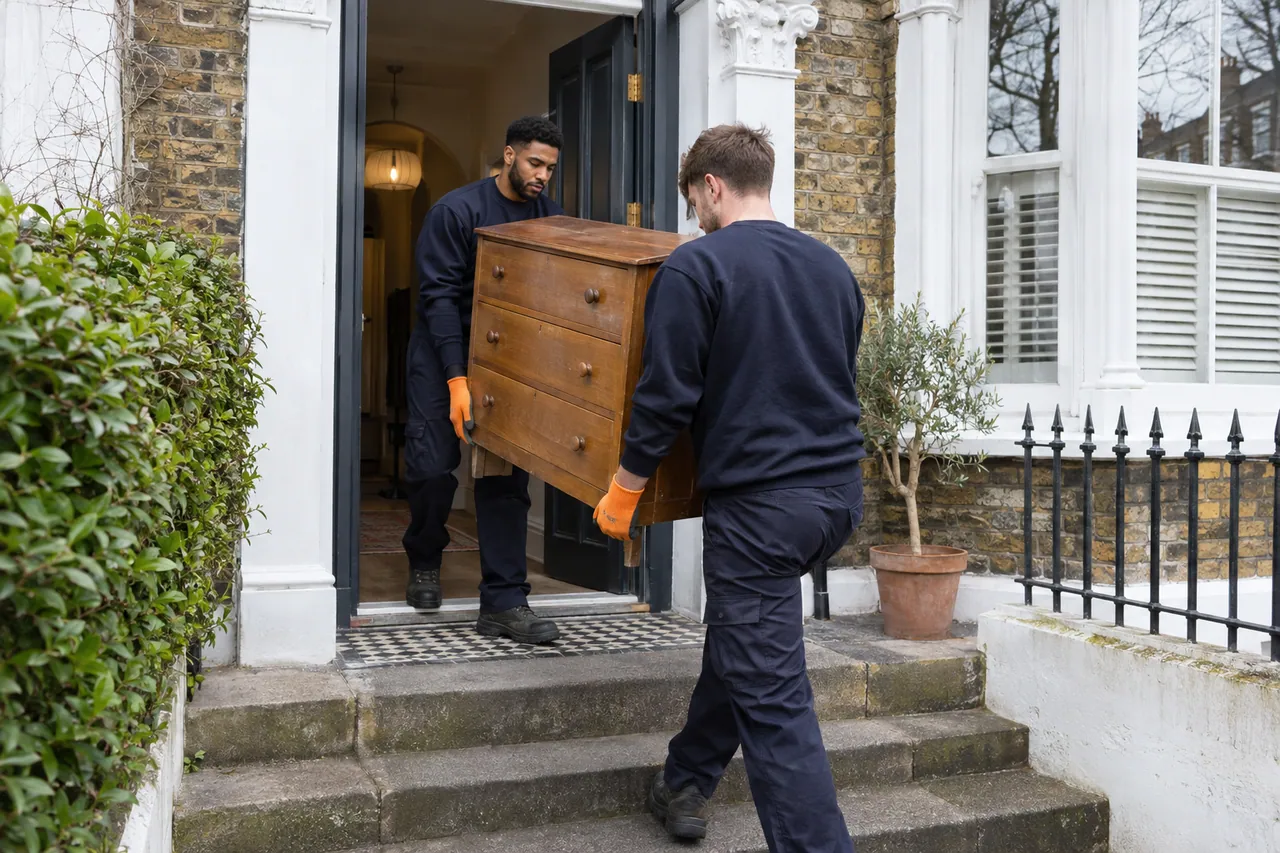
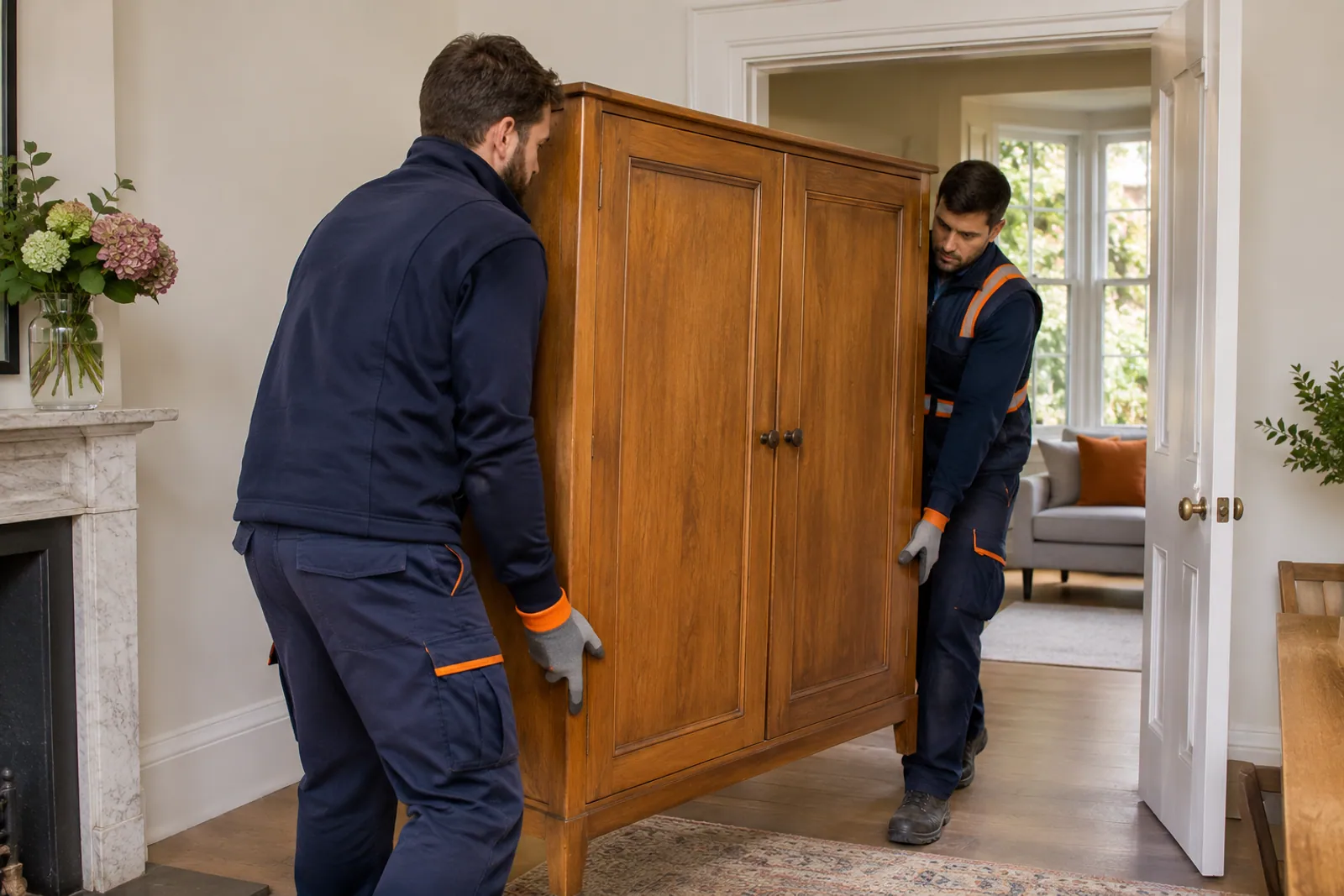
Woolwich collections, explained.
What do we need to discuss for an upper-floor collection?
We identify the items, their current location and the available route between the collection floor and the exit. Explain relevant stairs, landings, doorways and any usable lift alongside bulky dimensions and assembly. That lets the team discuss the carrying involved rather than assume the contents are already at ground level or directly beside transport.
Does a lift automatically establish that furniture can be collected?
The lift is one part of the access description, not the whole route. We also discuss the size and condition of the items, doors and the connection between the lift and the loading position. The collection needs to reflect the arrangements available for the actual furniture rather than an assumption based only on the building having a lift.
The contents included in your Woolwich enquiry.
| Furniture presentation | What we identify | How it relates to the route |
|---|---|---|
| An assembled cabinet | Approximate dimensions, construction and current position. | Doors and turns are discussed for the cabinet in that form, with any additional requirement clarified. |
| Separate furniture panels | The actual pieces, their approximate sizes and where they stand. | The load is a component collection rather than an assumed dismantling job inside the property. |
| A long top or frame | Length, width, material and whether it accompanies other furniture. | Its path through rooms and floor changes is considered separately from smaller pieces sharing the same exit. |
| Loose belongings with furniture | The principal contents and approximate quantity of containers. | Smaller contents remain a defined part of the load rather than an unlimited allowance alongside the bulky pieces. |
Connecting a bulky item with its route out

Our Woolwich service describes the furniture and contents as they stand at the property. A cabinet body, separate panels and a long table top have different physical forms, even where they belong to a similar furniture load. We discuss those forms together with the rooms, doors and floor changes involved. The carrying work is part of the collection, not an afterthought to an item count.
The furniture disposal service explains a more focused bulky-item request. The selection can remain one or several pieces rather than an instruction to clear every room on the same floor. We identify what leaves, its current assembly and any separate components. Work beyond carrying and loading, such as altering furniture or the premises, needs clarification before it is relied on within the scope.
How the load and access become one collection
We establish the selected contents, describe their current form and connect them with the premises route. The team discusses acceptance, the carrying and loading work and the quotation before confirming an available visit. A collection enquiry is not a guarantee that every proposed item can follow any available route; the scope is agreed from the details supplied for the actual job.

Identify the pieces and floor
The furniture, separate components and loose contents are listed with their current collection locations and retained belongings distinguished.

Review the full route
Doors, turns, stairs or usable lift and the connection to vehicle loading are discussed together with the physical items.

Confirm the collection arrangement
The accepted load, additional requirements, quote and available visit are agreed with the contact providing entry to the premises.

Carry and remove the contents
The listed items follow the agreed route towards transport, are loaded and taken away for appropriate onward handling.
The contents and carrying behind your Woolwich enquiry.
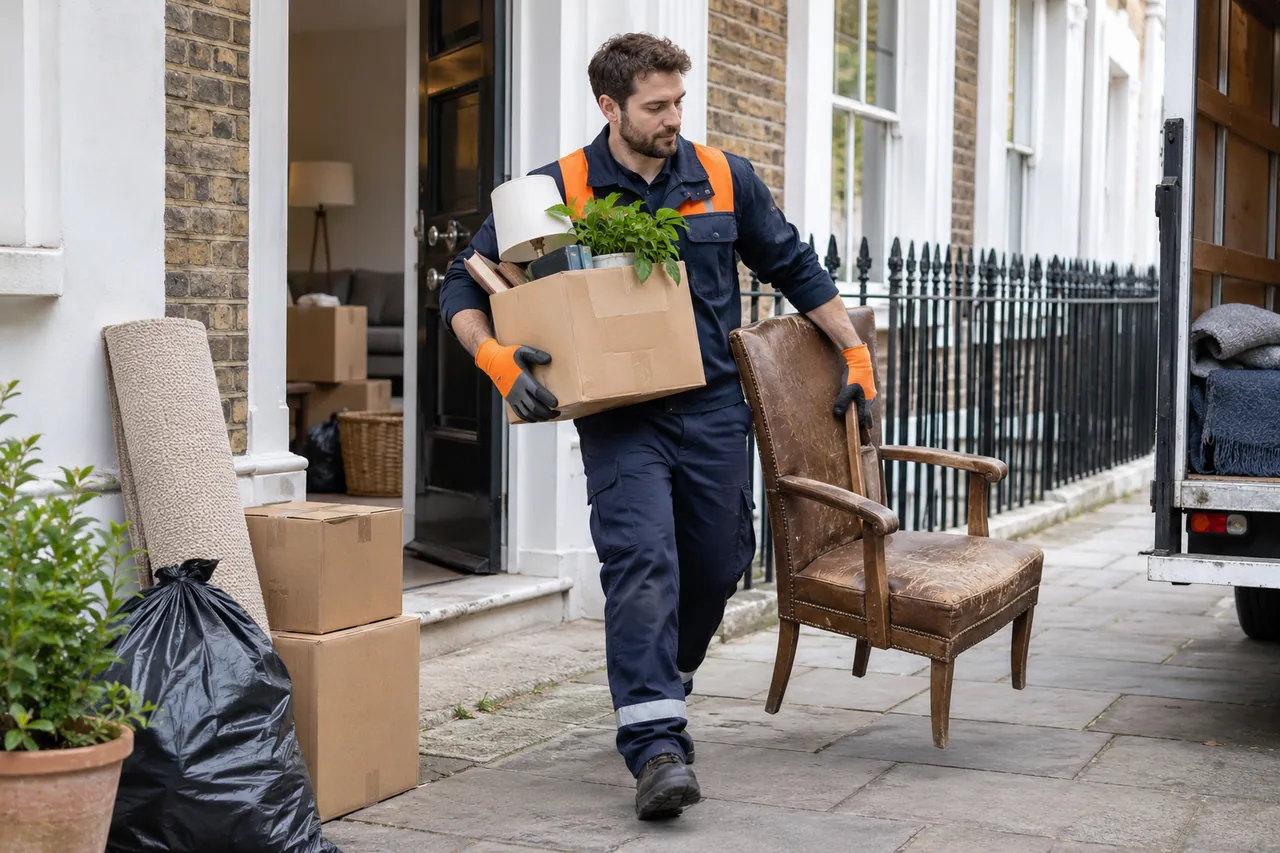
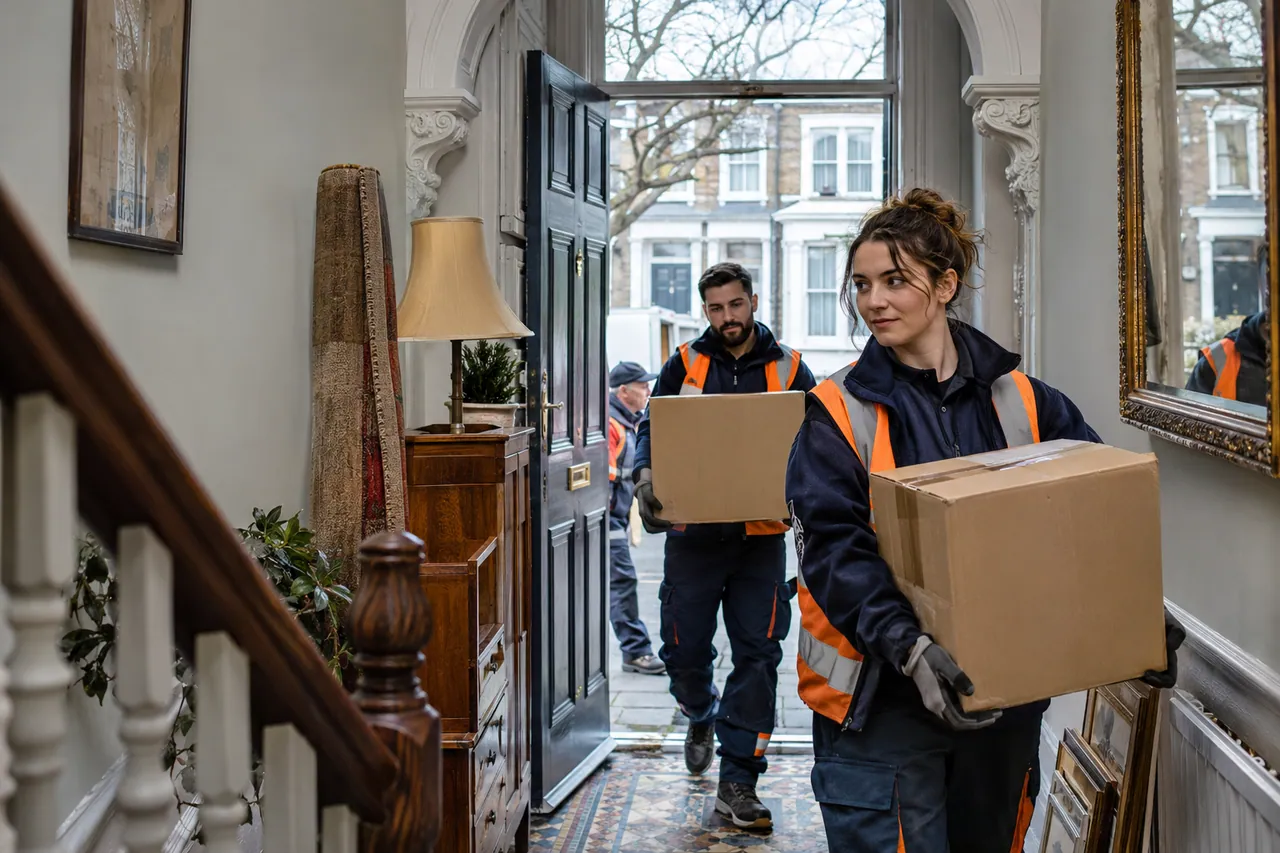
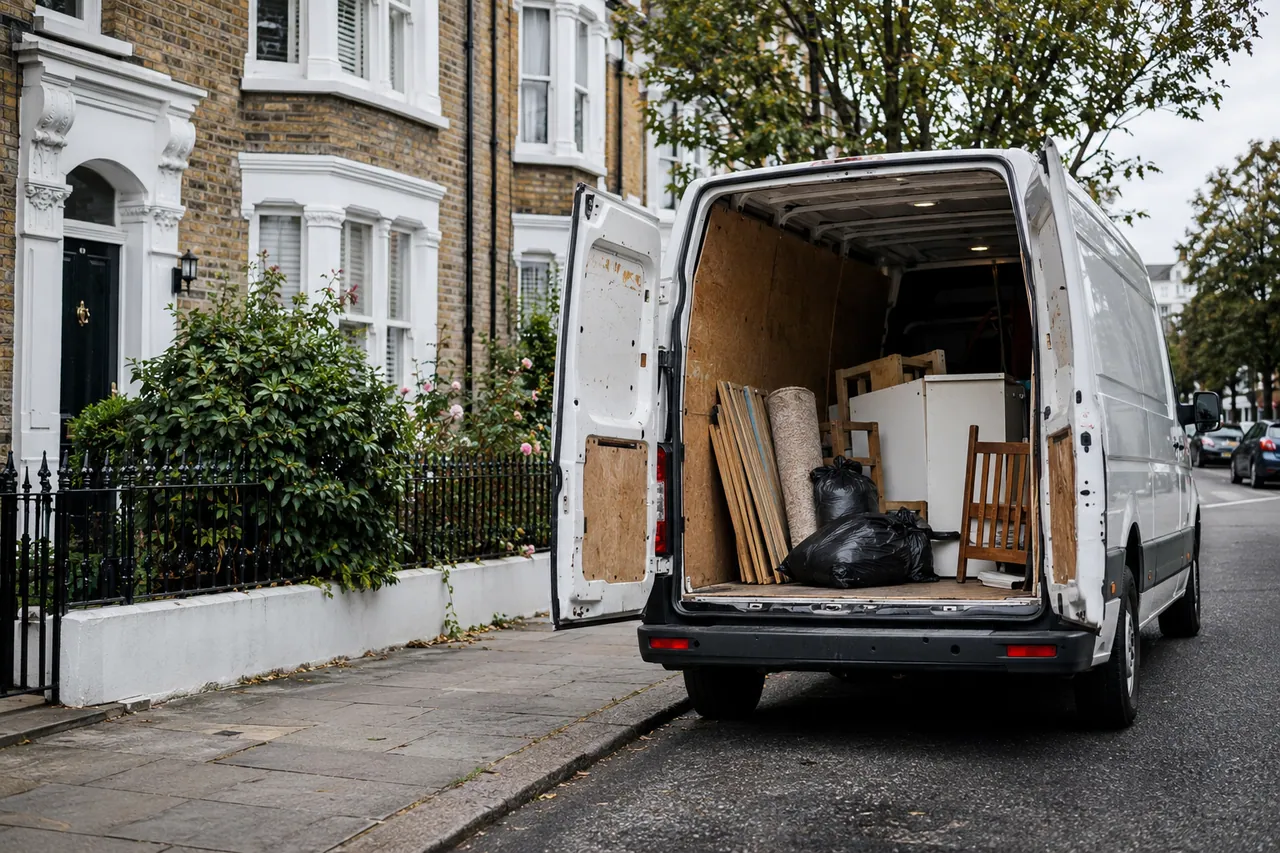
The item’s form matters at each transition
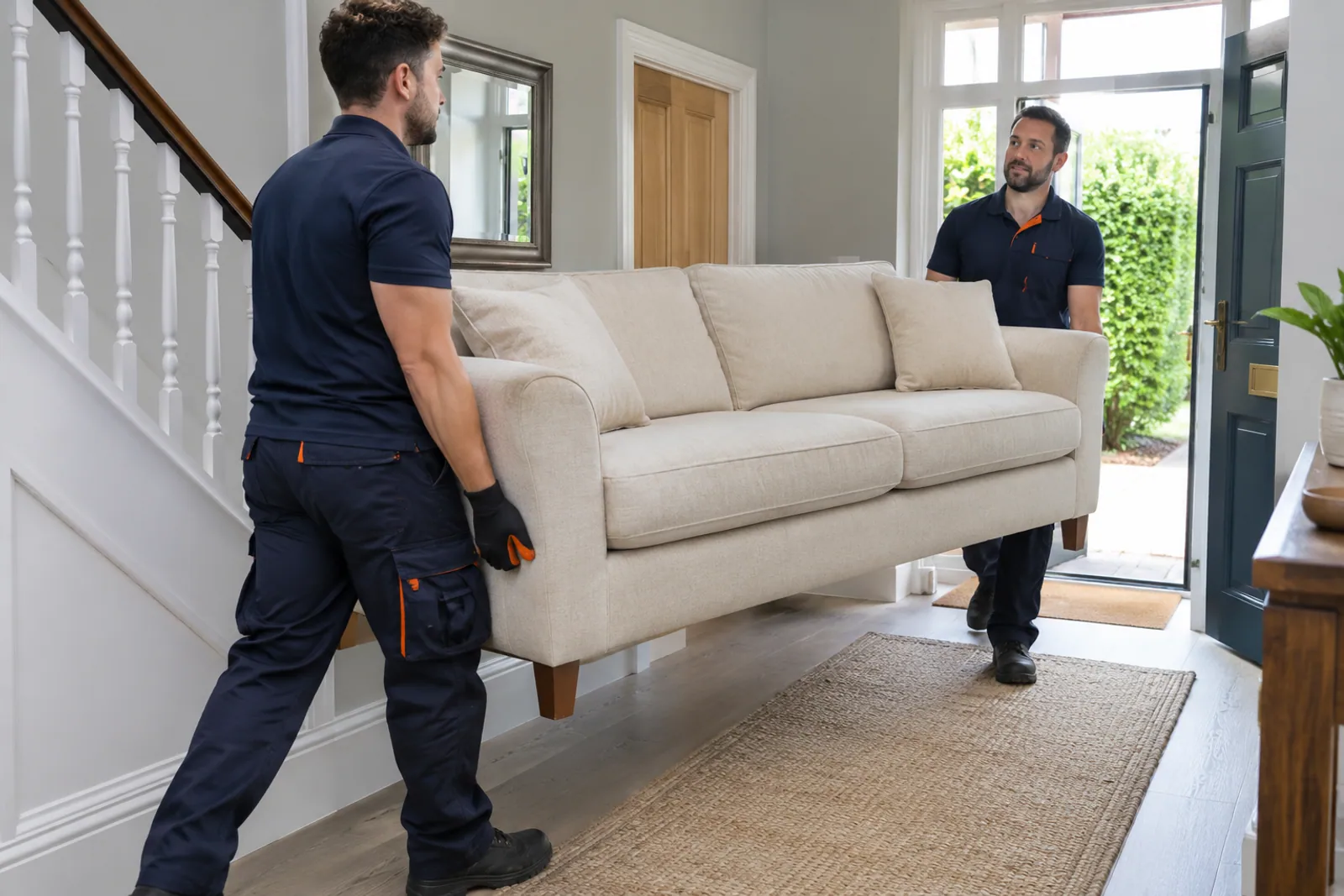
We ask for approximate dimensions and construction where they help explain a bulky load. A photograph may show a furniture unit in its room without showing separate doors, drawers or panels stored elsewhere. Those components need bringing into the description. The team then discusses their route as actual pieces, rather than assuming every unit has the same shape throughout the collection.
Stairs, landings and the exit connection
We discuss the parts of the route relevant to carrying the selected contents. That includes floor level, stairs and the usable path through landings or internal turns. The description should reflect the actual building rather than an assumption that one staircase arrangement applies across Woolwich. The contact also explains who can provide entry to shared parts of the premises where that is relevant to the proposed collection.
The route continues beyond the stairs. Furniture may leave through a doorway and then travel farther before reaching the loading position. We identify that connection with transport as part of the same work. If the proposed exit or available passage changes before attendance, tell the team so the quotation does not continue to describe a route which will no longer be available.
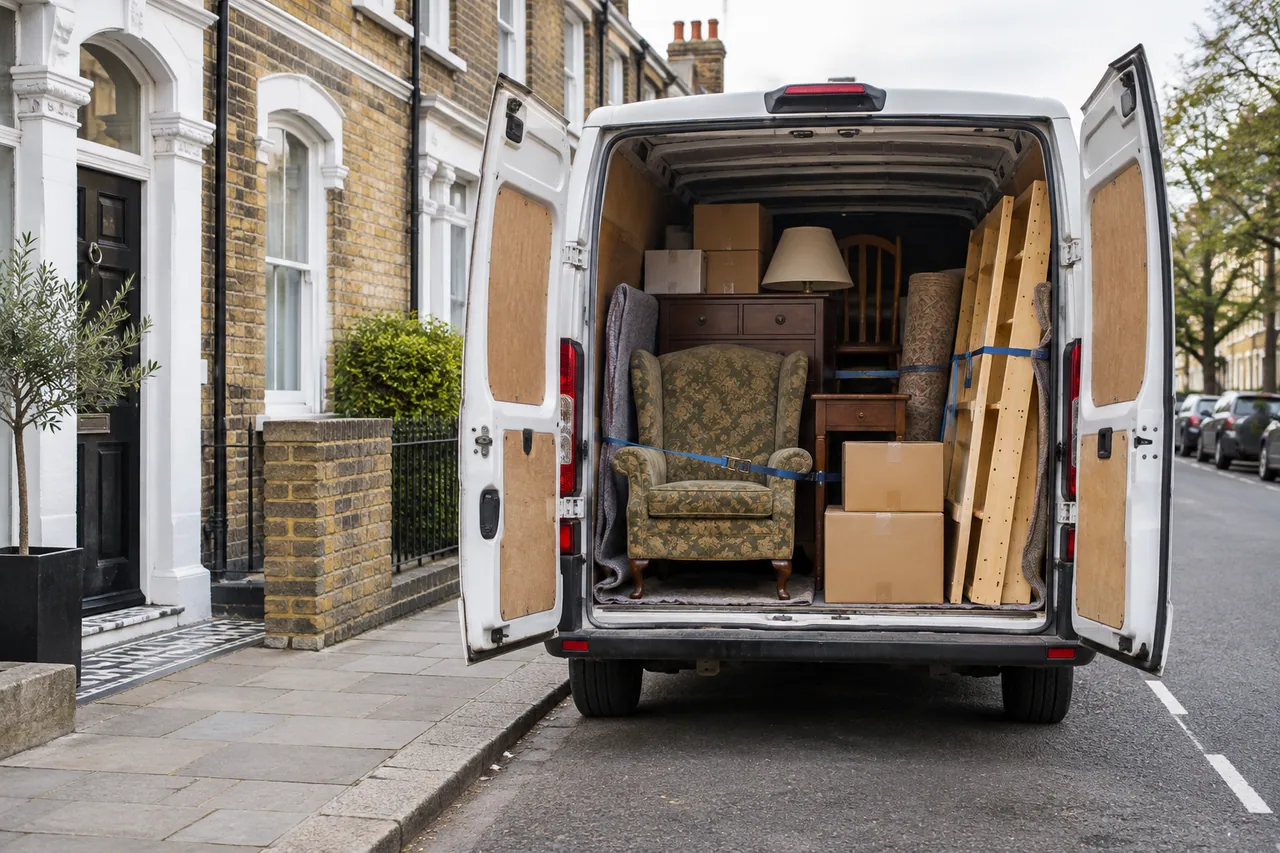
| Route transition | Information discussed | What the description resolves |
|---|---|---|
| Room to passage | Item dimensions, current assembly and the relevant doors or turns. | The furniture is connected with the route from its actual starting position. |
| Floor to floor | The stairs and any relevant landings between the contents and the exit. | Carrying is described for the floor holding the items rather than a presumed ground-level load. |
| Shared access | Entry arrangements and the contact able to provide the agreed route. | The available visit can be discussed with a practical means of reaching and moving the contents. |
| Exit to vehicle | The usable loading position and carrying distance outside the premises. | The collection includes the described connection with transport instead of ending the access discussion at the front door. |
Using a lift as part of the description
Where a lift is proposed, explain its availability for the visit and whether it forms part of the route for the particular items. We connect that information with the furniture dimensions and the passages on either side. The enquiry should not rely only on the statement that a lift exists. It needs to explain the usable arrangement for moving the accepted load out.
If the proposed lift arrangement changes, the scope needs reviewing rather than automatically substituting a different route. The same applies when the customer moves the contents to another floor or presents them in a different assembly. Those changes can alter the carrying even where the number of pieces is unchanged. We clarify the current position before the collection is treated as confirmed.
Keeping the materials identifiable
The carrying description does not replace material acceptance. Furniture, electrical equipment, dense debris and ordinary household belongings remain different categories even if they stand on the same floor. We discuss what the proposed load contains before collection. Our household waste service describes the wider domestic enquiry where the loose contents are more than a small addition to furniture.
| Material group | Detail included in the enquiry | Collection boundary |
|---|---|---|
| Furniture construction | Main materials, component sizes and any condition requiring clarification. | Carrying and loading concern the furniture as described, with additional work discussed beforehand. |
| Boxed possessions | The principal contents and approximate container quantities. | The accepted loose load is distinguished from retained boxes or unexplained material elsewhere on the floor. |
| Electrical items | The actual devices and any separate requirement relevant to their removal. | Acceptance and handling are clarified rather than inferred from an ordinary household box description. |
| Dense or unusual material | Material type, amount and its actual location within the premises. | Suitability is discussed separately from lighter contents sharing the same route to transport. |
Woolwich location and the quotation for carrying
The GLA town-centre reference for this guide is Woolwich in Greenwich, with SE18 as an indicative postcode district around the mapped point. We use the full property address to locate the collection and discuss availability. The area map provides orientation, while the actual rooms, floor changes and loading position are established directly with the collection contact.
The price is explained against the load and the work of moving it. A change of floor, different assembly or altered route can matter even where the furniture list looks similar. We describe those details before the visit rather than assign a fixed access assumption to the neighbourhood. Added contents or a changed location are brought back into the scope so the quotation remains accurate.
| Quotation factor | What the agreed description records | When it needs review |
|---|---|---|
| Physical pieces | Counts, approximate dimensions and present assembly of the furniture. | Extra components or a change in assembly alter the load being handled. |
| Collection position | The rooms and floor levels holding the accepted contents. | Moving items to a different floor or adding another collection area changes the carrying description. |
| Available passage | The usable stairs or lift, doors and route towards the exit. | A different access arrangement must be discussed before an earlier quotation is relied on. |
| Loading connection | The practical vehicle position and distance from the premises. | Changes to the exit or loading point can change the work connecting the load with transport. |
Woolwich: collection location and area map.
Map of Woolwich
Load the interactive area map from OpenStreetMap. This connects your browser to the map provider.
Open map in a new tab ↗ © OpenStreetMap contributors
Area orientation only. This map does not mark a company office or a confirmed loading point.
Woolwich collection questions
Is an upper-floor furniture quote based only on the number of pieces?
No. We discuss their current form, dimensions and route as well as the piece count. An assembled cabinet and separate panels create different carrying descriptions. The quotation also connects their collection floor with the practical loading point so it reflects the work required at the property.
Can a different exit be used without updating the enquiry?
Tell the team about the available route before the visit. Changing the exit may alter doors, internal turns or the distance to loading. The collection instruction should describe the route that will actually be available rather than rely on an earlier arrangement which no longer applies.
Does having a lift remove the need to describe the stairs?
Explain the route proposed for the particular load and any relevant alternative or limitation needing discussion. The team clarifies the collection arrangement for the furniture described. A lift’s presence alone does not establish that every item can use it or that another route is included automatically.
What if wardrobe panels are moved downstairs before attendance?
Explain where the components will stand and how they will be presented. The inventory and carrying description can then be updated to that location. We agree the actual collection rather than continue to describe an assembled upstairs item when the customer has changed its form and position.
Are boxes elsewhere on the same floor automatically included?
Only the described contents are included in the collection scope. Identify the additional containers, their principal materials and their location if they are also being proposed for removal. Sharing a floor with the furniture does not make every stored belonging part of the same disposal instruction.
Does the team alter doors or furniture to make a route possible?
Any work beyond the described carrying and loading needs clarification before the visit. Explain the dimensions and the route available so the team can discuss the proposed collection. The scope should not depend on an unspoken assumption that building alterations or furniture modification will be carried out on arrival.
Arrange your Woolwich collection.
Discuss the unwanted items, full postcode and route to the vehicle with the collection team.
Discuss your Woolwich collection
Open our booking form to arrange your collection.
Continue to our booking form to confirm your items and contact details.