
PURLEY COLLECTIONS
Rubbish Removal in Purley
Our London rubbish-removal service covers enquiries from homes and businesses in Purley. Stored folding tables and chairs are one useful example: the furniture can occupy little floor space yet contain many separate pieces. We establish the count and current form, then discuss the route, loading and available collection.
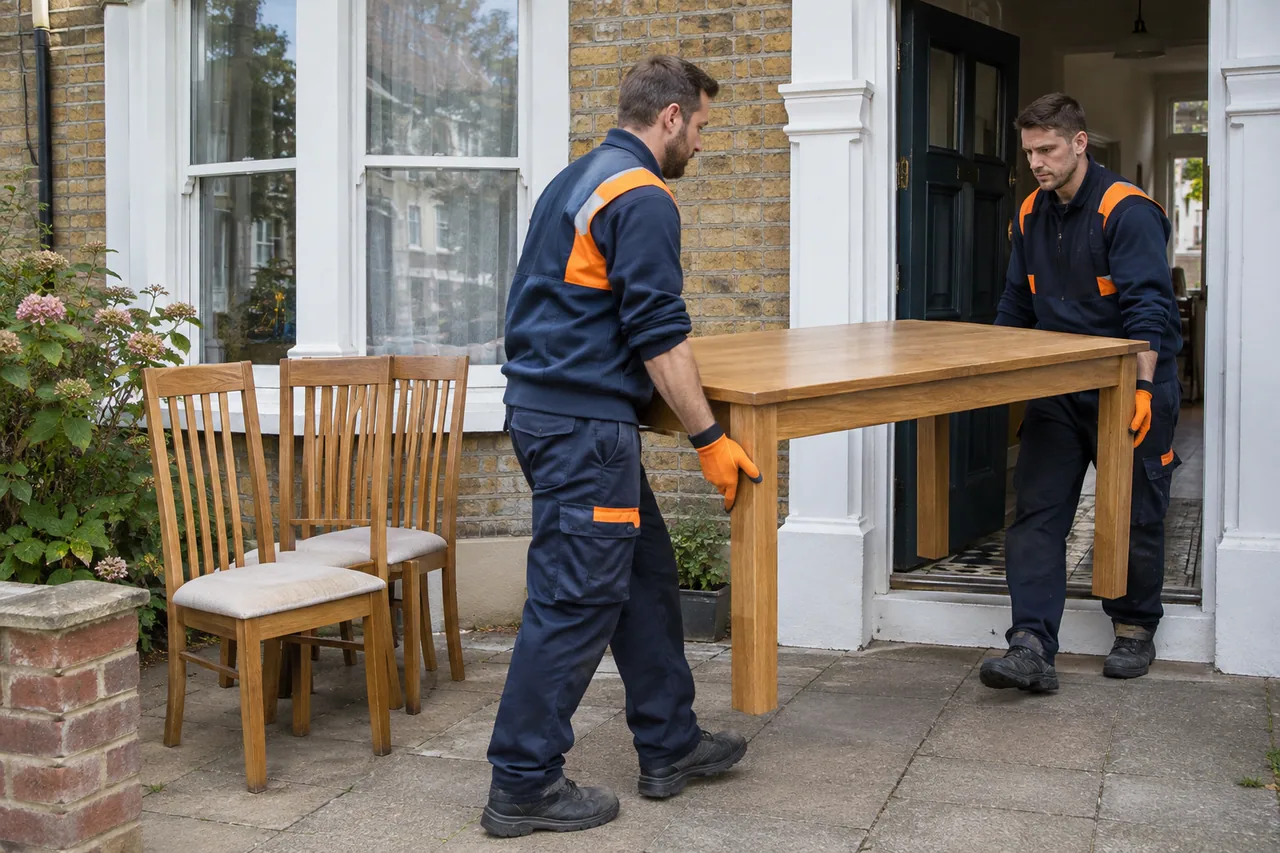
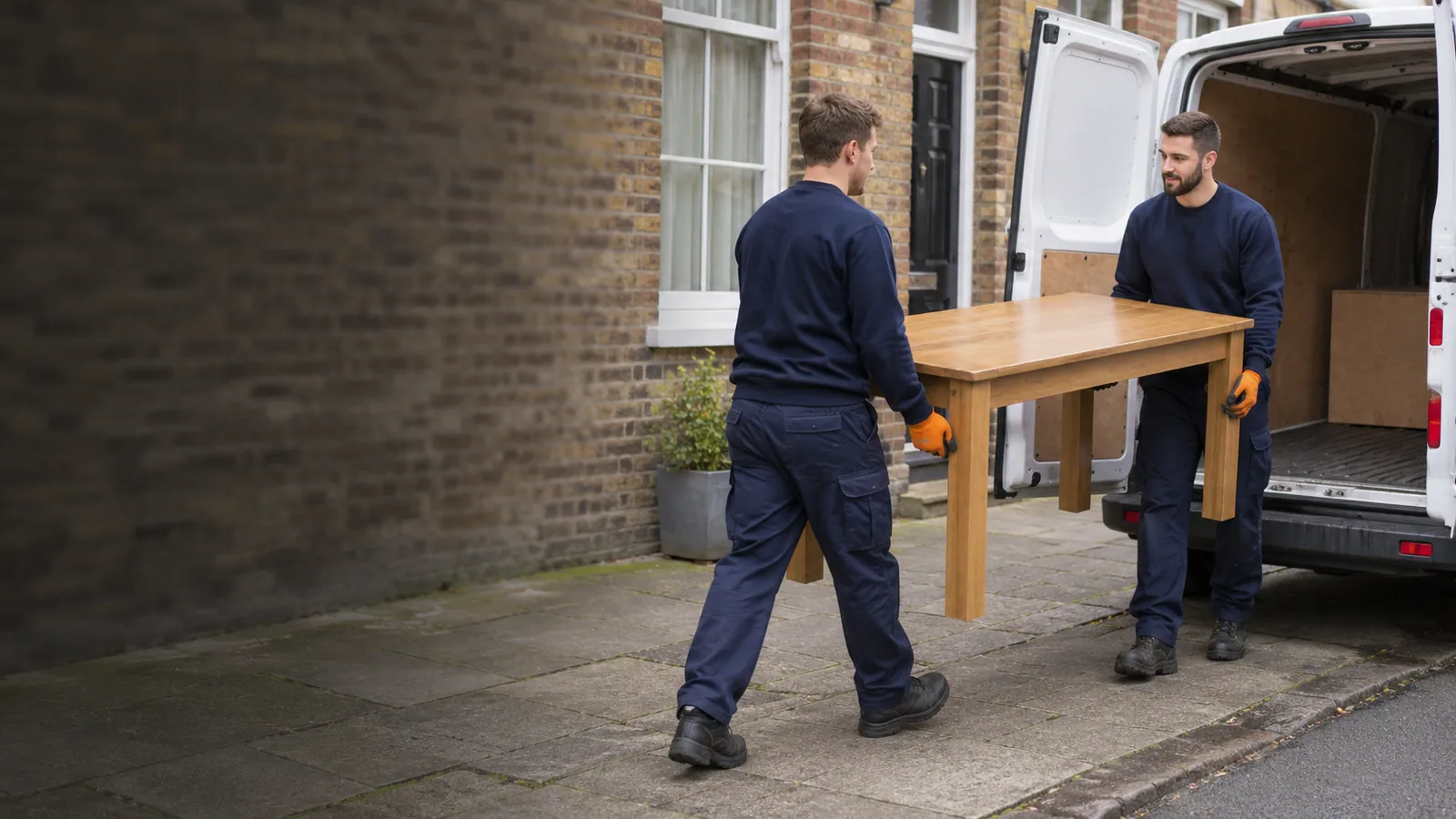
Purley collections, explained.
How does the team describe a compact stack of furniture?
We identify the actual tables, chairs and loose components, including which pieces in the stack are leaving. Its footprint alone does not establish quantity or construction. The enquiry explains the current folded or assembled form and location, allowing the team to discuss the carrying and loading rather than treat the stack as one unspecified object.
Will the collection include changing the furniture’s folded state?
Explain how the items will be presented and any additional work you expect before the quote is agreed. Folding, dismantling or alteration should be clarified rather than assumed from the furniture’s design. The removal is arranged around the described pieces and route, with the scope and available visit confirmed directly by the team.
The contents included in your Purley enquiry.
| Furniture state when collection is requested | What we establish | Why that description changes the job |
|---|---|---|
| Folded complete table | Its count, folded dimensions and present location. | The physical load is compact furniture rather than an assumed open table. |
| Table standing open | The size and whether any change of form is expected. | The route and any additional work need discussing for the object as presented. |
| Top and supports separated | The parts present and the locations holding them. | The team is collecting components, not an original assembled unit implied by its name. |
| Partly folded or incomplete item | Its current construction and any uncertainty relevant to removal. | The scope is clarified before an unspoken manipulation or repair task becomes expected. |
A folding design does not describe today’s load
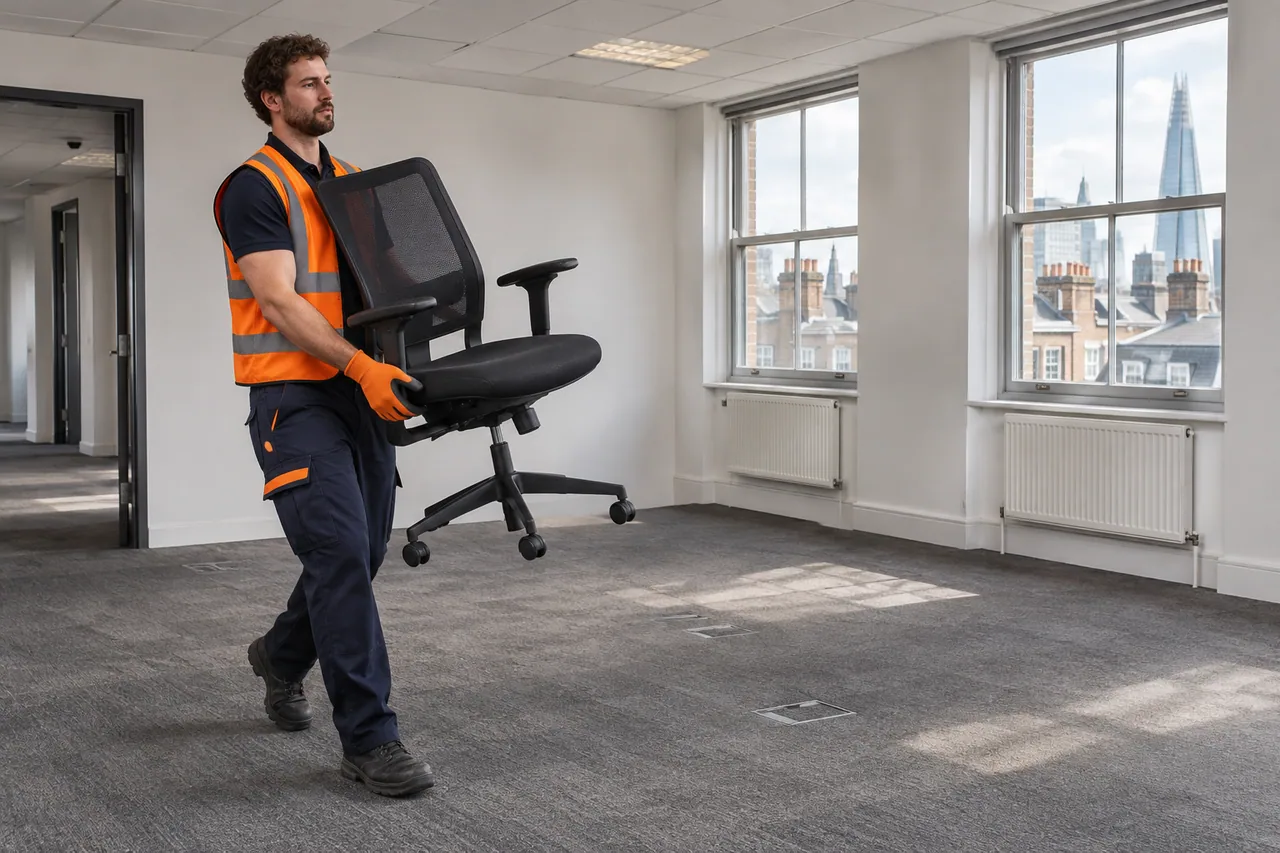
A table designed to fold might be stored closed, standing open or already separated into a top and frame. We begin with that present state. The team needs the objects actually awaiting collection, their approximate size and the parts accompanying them, not simply the product description or former seating capacity.
Our furniture disposal service provides the context for carrying and taking away the unwanted pieces. A household can request one table or selected chairs without clearing the store around them. For a business, the enquiry similarly distinguishes the furniture leaving from working equipment and useful supplies.
From count and presentation to collection
The quote draws together the pieces, their material and form, the collection points and the route to loading. The map centres on Purley in Croydon, with CR8 an indicative nearby postcode district. Supply the full collection address, postcode and entry contact so availability and access can be discussed for the actual premises.
The collection is confirmed directly with the team. A preferred date entered in an enquiry is not already a booking. If another stack or different material is added, the organiser updates its count, contents and position before treating it as part of the same quote. After removal, recycling or reuse is pursued where suitable to the items and available route.

Establish the pieces rather than the stack
We confirm the tables, chairs and loose parts leaving, distinguishing matching furniture or components the organiser retains.

Describe today’s presentation
Folded, open and separated objects are explained with relevant dimensions and any additional work requested.

Connect the load with the exit
The collection points and route towards loading inform the quote, after which the team confirms an available visit with the property contact.

Carry, load and take away the stated furniture
The described pieces and separately accepted material are removed for appropriate onward handling.
The contents and carrying behind your Purley enquiry.
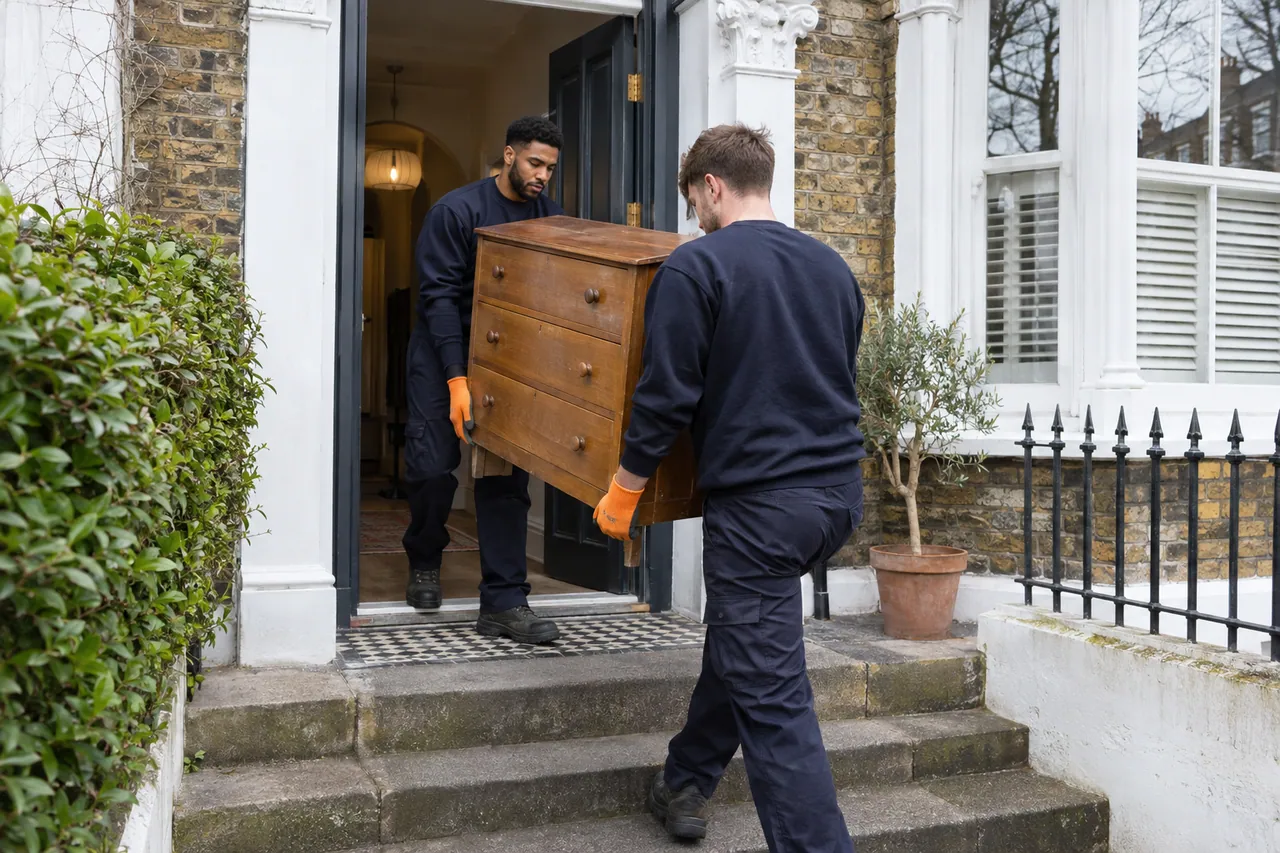
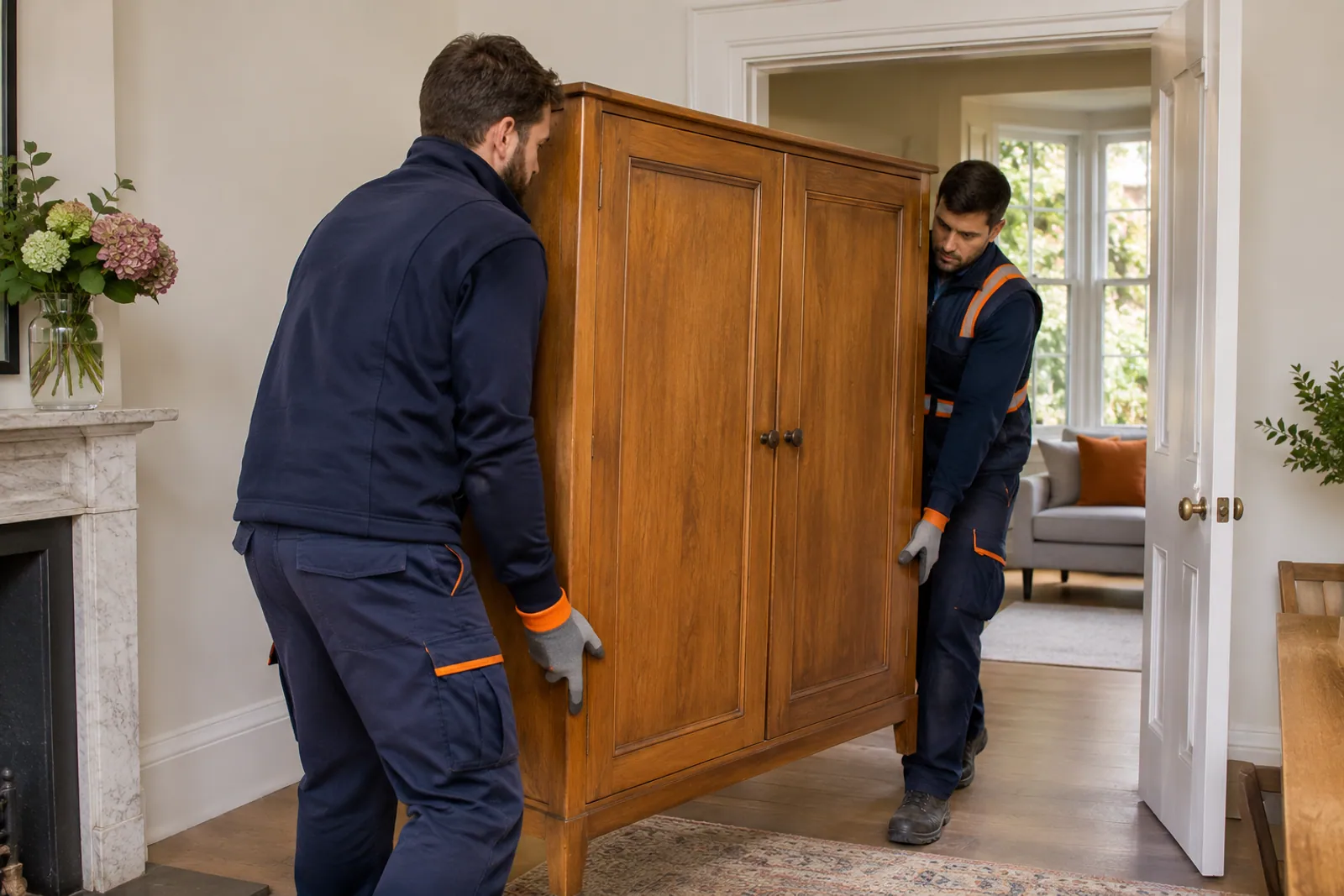
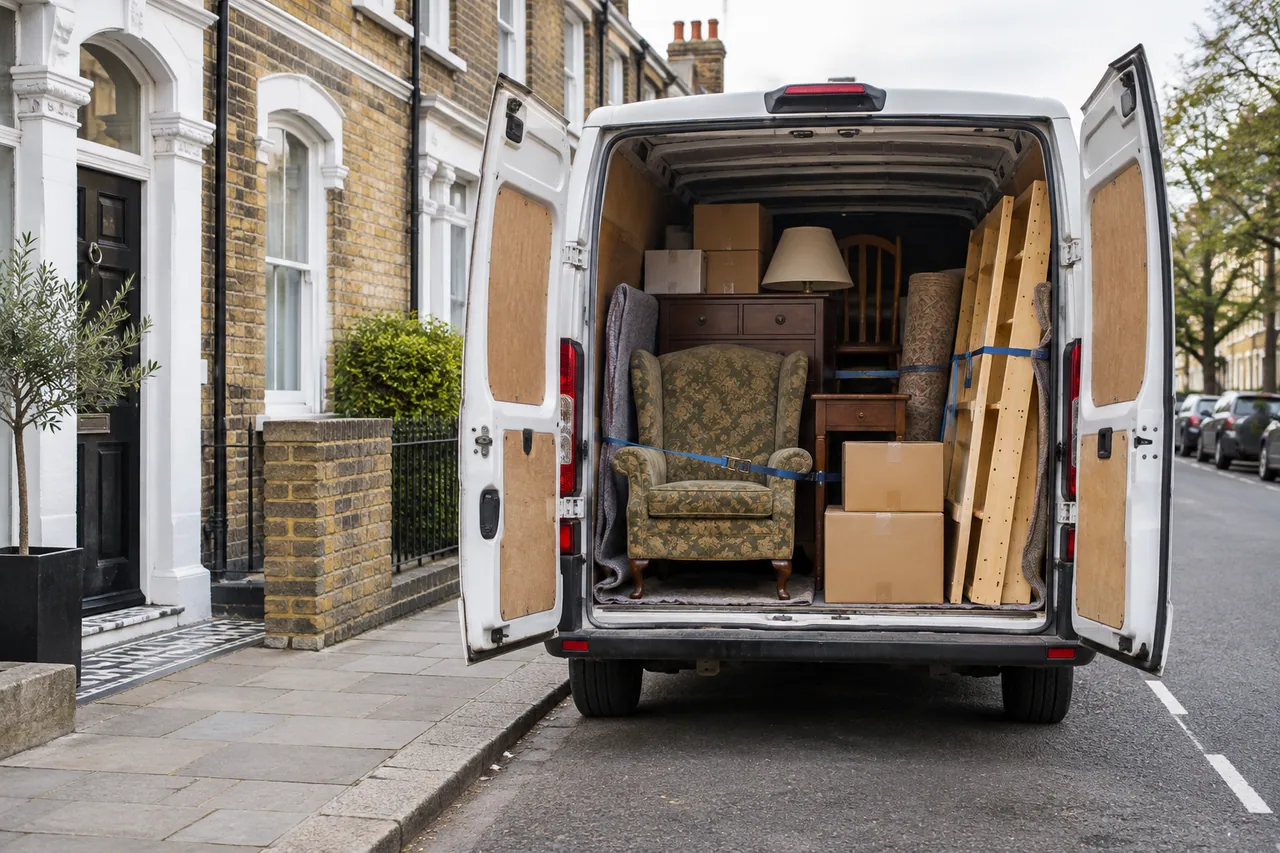
Counting the chairs that actually leave
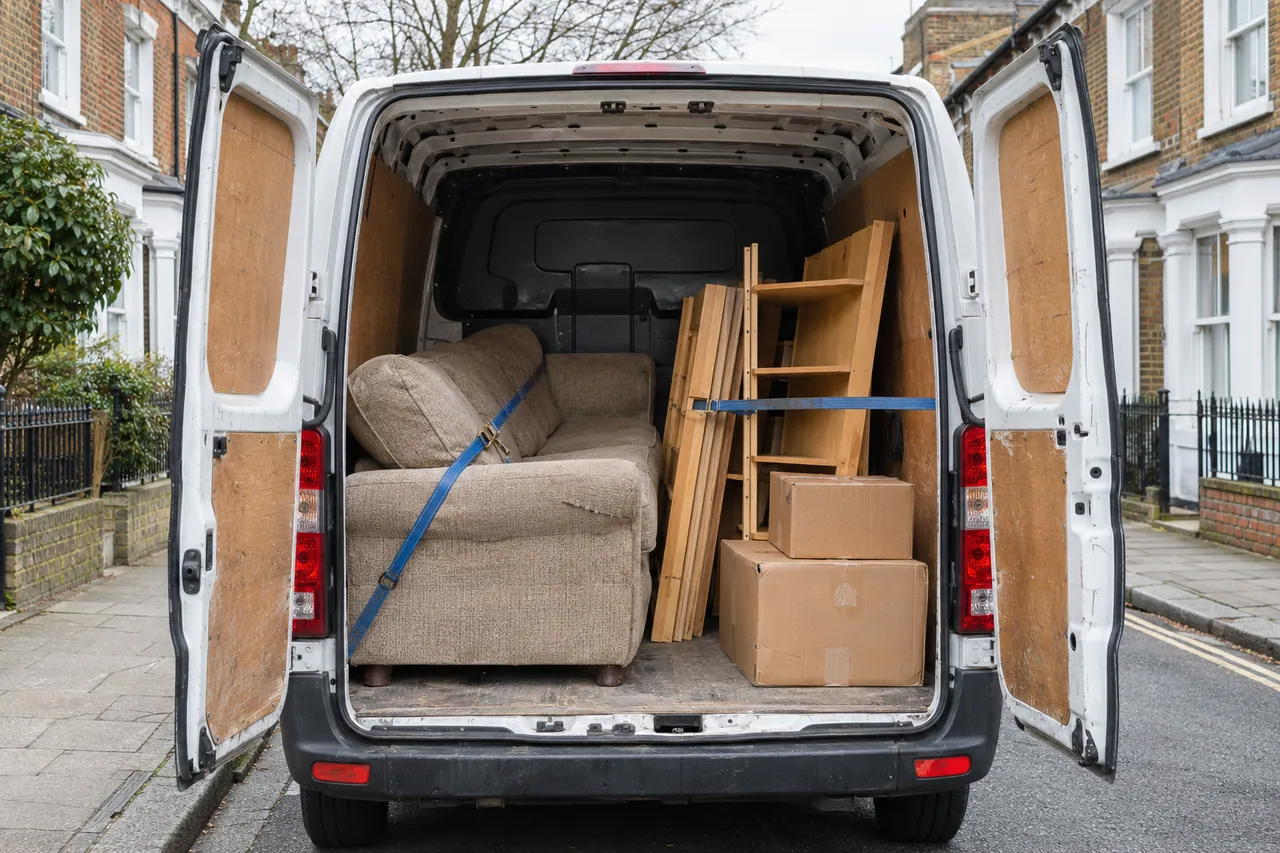
A set, seating capacity or photograph of a stack may not establish the disposal selection. The organiser gives the number of chairs leaving and distinguishes any retained pieces. Loose seats, frames or other components also need identifying. These details prevent a request for some chairs becoming an assumption that a whole matching set is unwanted.
The person providing entry should recognise the group. The team is there to carry the stated contents, not decide which chair is more useful or whether a spare part should be discarded. If an organiser changes the selection, the revised count is supplied before collection so the quote remains a description of the current request.
| Selection within stored seating | Instruction to make clear | What the team removes when agreed |
|---|---|---|
| All chairs in one identified group | The count and whether loose parts accompany them. | That described group, without inferring other stacks elsewhere. |
| Only some matching chairs | The particular selection and the count staying. | The unwanted chairs while the retained furniture remains. |
| Loose chair parts without complete units | The components and approximate amount. | The physical parts presented, not a complete set reconstructed from surrounding items. |
| Chairs in more than one place | The count and location of each group included. | Contents from those expressly discussed collection points. |
What compact storage can hide
A flat stack can conceal several tops, loose supports or additional chairs behind it. Photographs showing the whole selection support the discussion, while the organiser explains quantities and anything out of view. The team connects the furniture count with its construction and route rather than use the area of floor occupied as the complete load description.
This also matters when a storage cupboard holds other belongings. The furniture may leave while boxes, equipment and retained possessions remain. Our household waste removal information gives the context if additional domestic contents are wanted gone, but they receive their own material and quantity description.

Following the furniture out of storage
We discuss the start point and the route to a practical loading position. Relevant doors, turns, stairs or a usable lift, floor changes and the entrance are considered alongside the current furniture form. A wide tabletop, a folded frame and a group of chairs may use the same exit but present different shapes along it.
| Route question | Furniture detail considered with it | Work described before a visit is agreed |
|---|---|---|
| What passes through the opening? | The dimensions of the complete or separated objects. | Carrying the actual pieces, rather than a general promise based on a furniture label. |
| Where does movement begin? | Each stack, room or store included in the request. | The starting locations for the stated removal. |
| Are loose components elsewhere? | Tops, frames, seats or other parts accompanying the main group. | Additional carrying brought into the same scope explicitly. |
| Is another task expected first? | Current folding state, attachments or dismantling requests. | Any work beyond carrying and loading clarified separately. |
We use the actual premises arrangements supplied for the Purley address. If the stack moves or its presentation changes after the enquiry, tell the team what now stands there. The furniture count may be unchanged while the carrying route or form differs from the earlier photographs.
Construction, condition and additional work
Describe the main construction where known and anything about the present condition that affects the request. A table or chair being unwanted does not itself establish that repair, adjustment or alteration is part of the collection. We discuss the specific task and what is available to carry before the scope is confirmed.
If the organiser expects the team to change the furniture’s form, raise that directly. The quote should not depend on an assumption that a designed-to-fold item will be folded, or a stack will be treated as a single object throughout the move. The service description connects the contents and physical work the customer is actually requesting.
The other contents in the store
A furniture enquiry can expand into other waste, but the additions are named. Packaging may be empty or may contain retained supplies. Electrical equipment and unidentified material need specific acceptance discussions. We avoid treating the surrounding storage space as a waste allowance simply because the team will pass through it.
| Material requested alongside the furniture | Information used in the discussion | What is resolved before inclusion |
|---|---|---|
| Bags or boxed belongings | Their main contents, quantity and current position. | The loose load is identifiable and distinct from retained storage. |
| Packaging | Main materials and whether containers hold anything else. | Empty packing material is distinguished from goods or concealed mixed contents. |
| Electrical equipment | Device types and any additional service requirement. | Acceptance and scope are considered apart from ordinary furniture movement. |
| Dense or unusual contents | The particular material and approximate amount. | Suitability is clarified before joining the stated collection. |
For a workplace load, our commercial waste collection page explains the wider service. A one-off furniture collection remains different from a recurring waste arrangement, and the customer can discuss either without one being inferred from the other.
Purley: collection location and area map.
Map of Purley
Load the interactive area map from OpenStreetMap. This connects your browser to the map provider.
Open map in a new tab ↗ © OpenStreetMap contributors
Area orientation only. This map does not mark a company office or a confirmed loading point.
Purley collection questions
Is a stack of chairs described as one object or by its chair count?
Give the count of chairs selected and explain any loose components. The stack’s appearance helps show the presentation, but does not tell the team which pieces leave or how many there are. The collection discussion concerns that actual furniture group rather than the footprint of one pile.
Can the table remain open when the removal is discussed?
Describe its current state and the work being requested. We consider dimensions and the route in that form, clarifying any expectation of folding or another task before agreement. The furniture’s design does not, by itself, establish what preparation or alteration is included in carrying and loading.
What if a table top is in another cupboard from its frame?
Include both parts if both leave and explain their locations. The team needs the actual components and collection points, not simply a complete-table label. That allows the quote to describe the full physical selection and the carrying from each stated starting point.
Does taking some chairs require discarding every matching chair?
No. The organiser chooses the unwanted pieces and identifies those staying. The entry contact should understand that selection so the team follows the stated count rather than decide that matching appearance makes a whole set waste. Mention any separate parts included with the chosen chairs.
Can loose boxes be added when the storage area is opened?
Explain their main contents and amount to the team before inclusion. A furniture quote does not establish acceptance of unidentified storage contents. The additional group may change the material mix and carrying, so it is reviewed rather than automatically joined because it stands near the tables.
What happens if the furniture is regrouped onto another floor?
Update the team with its current location and form. The original pieces may be unchanged, but their carrying route can differ. The collection arrangements should match what will be presented for the visit rather than rely on an earlier photograph or position that no longer represents the work.
Arrange your Purley collection.
Discuss the unwanted items, full postcode and route to the vehicle with the collection team.
Discuss your Purley collection
Open our booking form to arrange your collection.
Continue to our booking form to confirm your items and contact details.