
SELSDON COLLECTIONS
Rubbish Removal in Selsdon
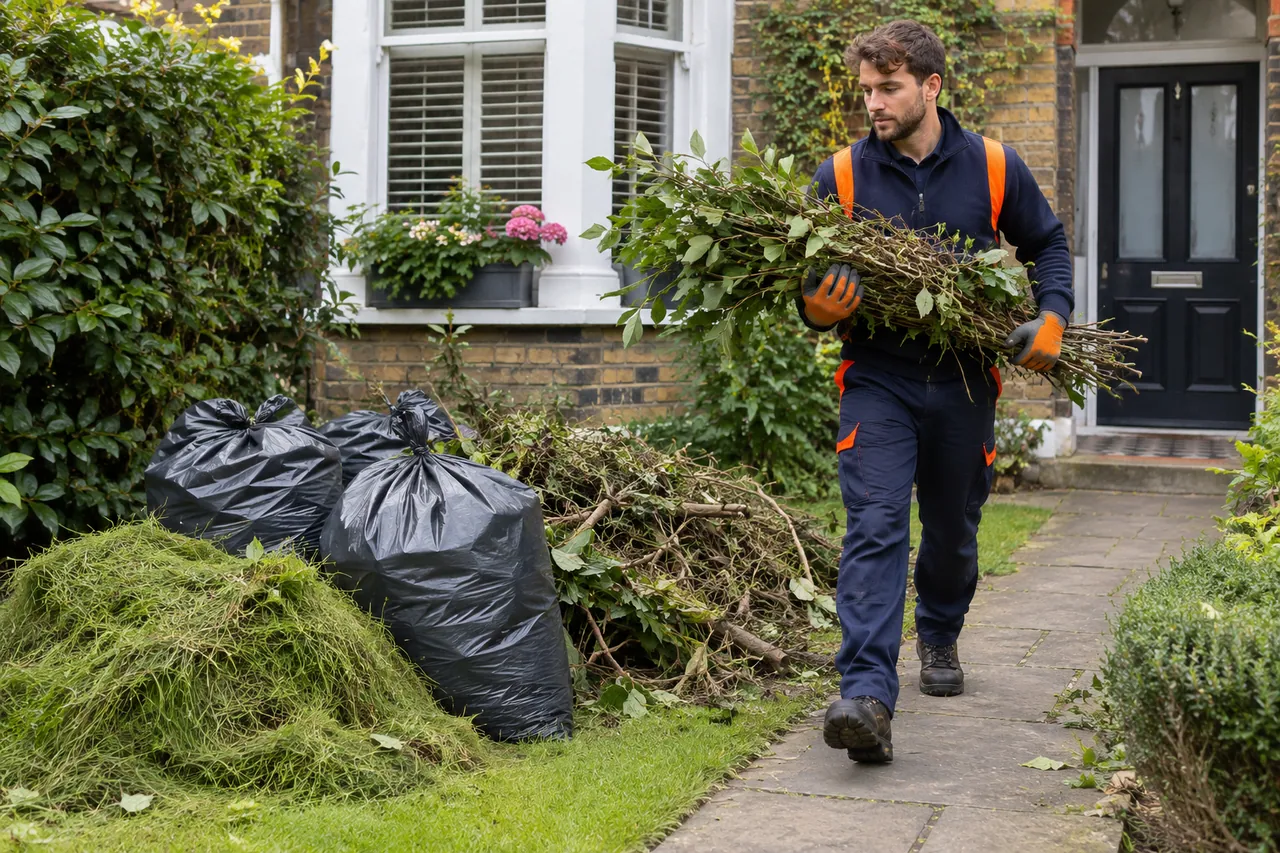
We arrange Selsdon collections of agreed garden-related rubbish and other property contents. An outdoor pile can contain cuttings, containers and dense material that need separate descriptions before acceptance. The team discusses the amount, current form and route to loading, then explains the quote and confirms an available collection with the person arranging access to the premises.
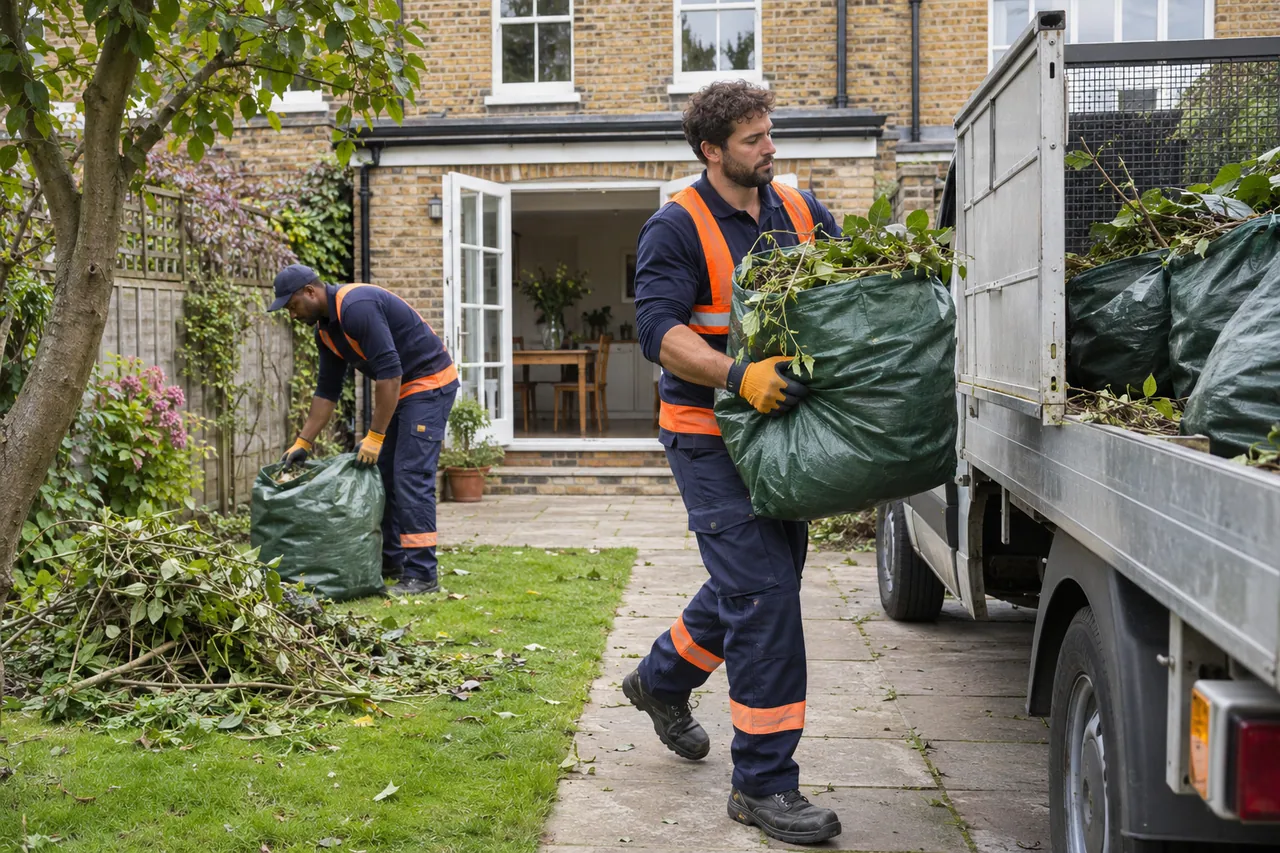
Selsdon collections, explained.
Can green waste and soil be discussed in one Selsdon enquiry?
Describe each material separately, including approximate amount and whether it is loose or contained. We distinguish green cuttings, soil and other outdoor contents before agreeing acceptance and carrying. The collection scope then reflects the material mix and route at the property rather than assume that a garden location makes every bag or pile the same waste type.
What if containers still hold outdoor material?
Explain the container construction and size alongside the contents and approximate amount inside. The container and what it holds are separate parts of the proposed load. We discuss acceptance for both before connecting them with carrying, loading and the quote, rather than treat an unwanted pot or tub as sufficient description of the complete material being removed.
Green material and dense contents are separate groups
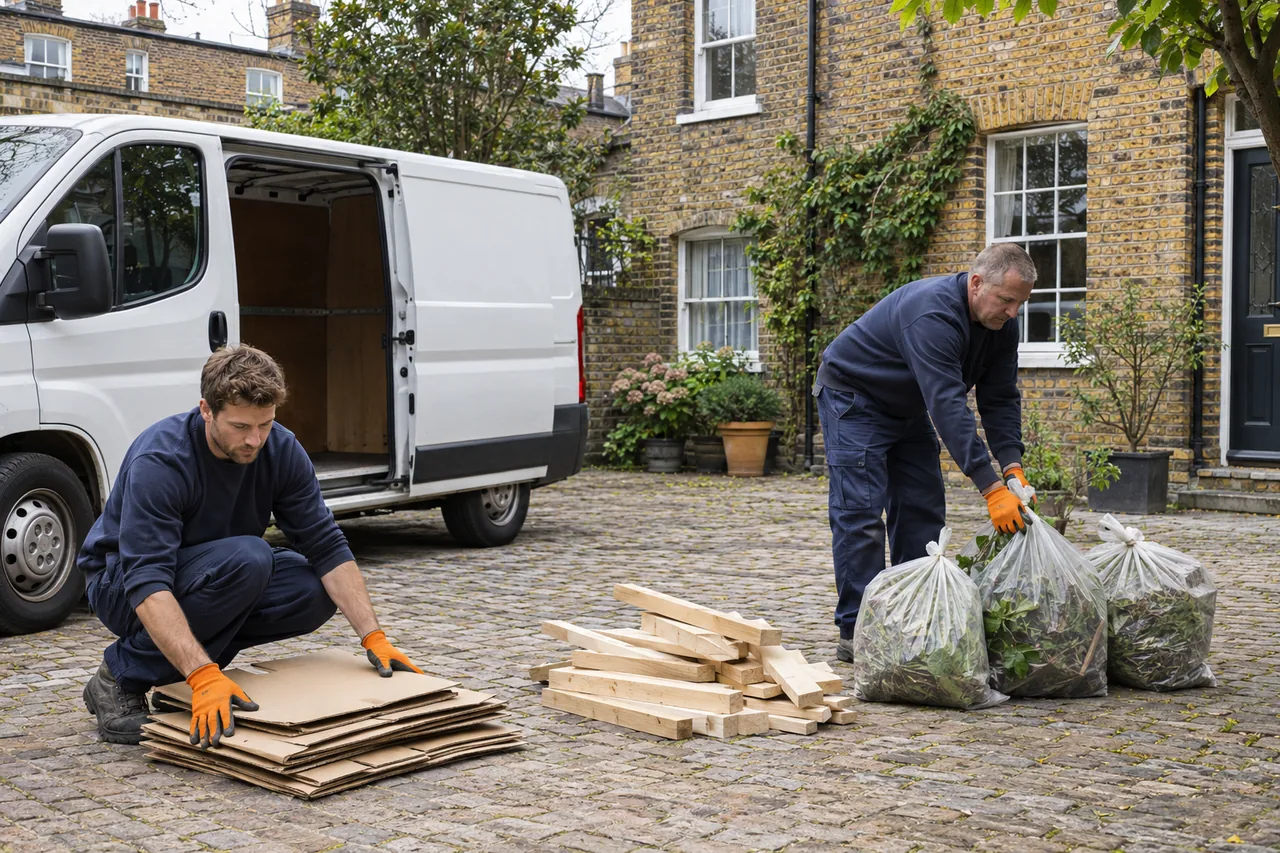
We combine an approximate quantity with a useful contents description. A bag count can help explain the amount, but cuttings and soil are not interchangeable merely because both are bagged. Photographs show the pile and its location; the inventory explains the material for acceptance.
| Proposed outdoor material | Information used for the enquiry | What is distinguished from it |
|---|---|---|
| Cuttings or loose green waste | Main contents, approximate quantity and contained or loose form. | Soil, timber products and other mixed material need separate identification. |
| Branches or bulky green pieces | Approximate dimensions, amount and starting location. | Any extra preparation or cutting request is clarified before agreement. |
| Soil or other dense material | Actual substance, approximate amount and how it is held. | The team does not infer contents from a container count alone. |
| Pots and other containers | Construction, dimensions and any material remaining within them. | The container and its contents are independently described for acceptance. |
The outdoor load is described by material
A garden collection can involve bags of cuttings beside pots, timber and material left from work at the property. We identify those groups rather than use the word garden as the whole waste description. Different materials can create different physical loads even where they occupy similar containers or are gathered in one place.
Our garden clearance service discusses the waste and work requested with the team. The customer identifies what is unwanted, while tools, plants and supplies being retained stay outside the selection. Explain whether material is already gathered and raise any additional task before agreement. Collection should not depend on an assumption that digging, cutting or other garden work is automatically included before the contents can be carried and loaded.
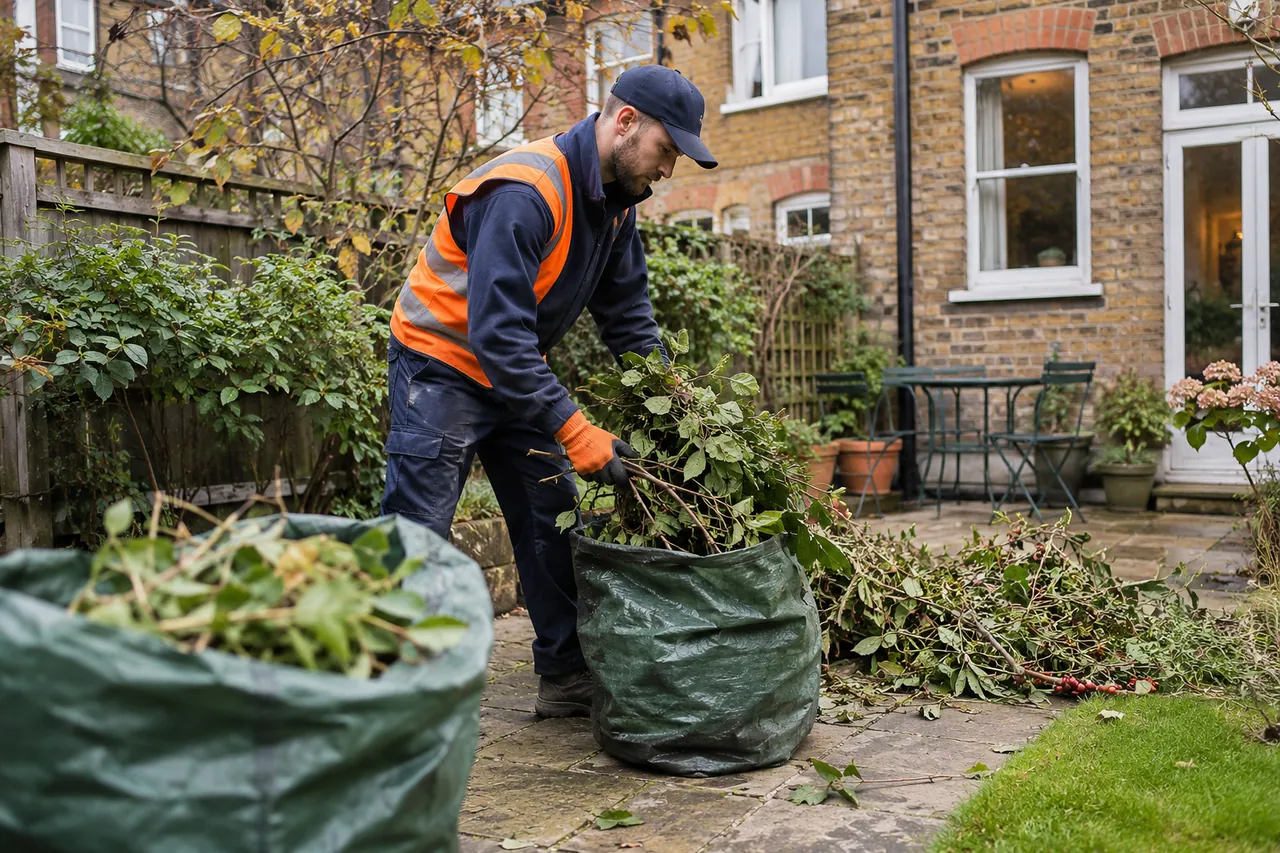
The collection starts from the material’s current position
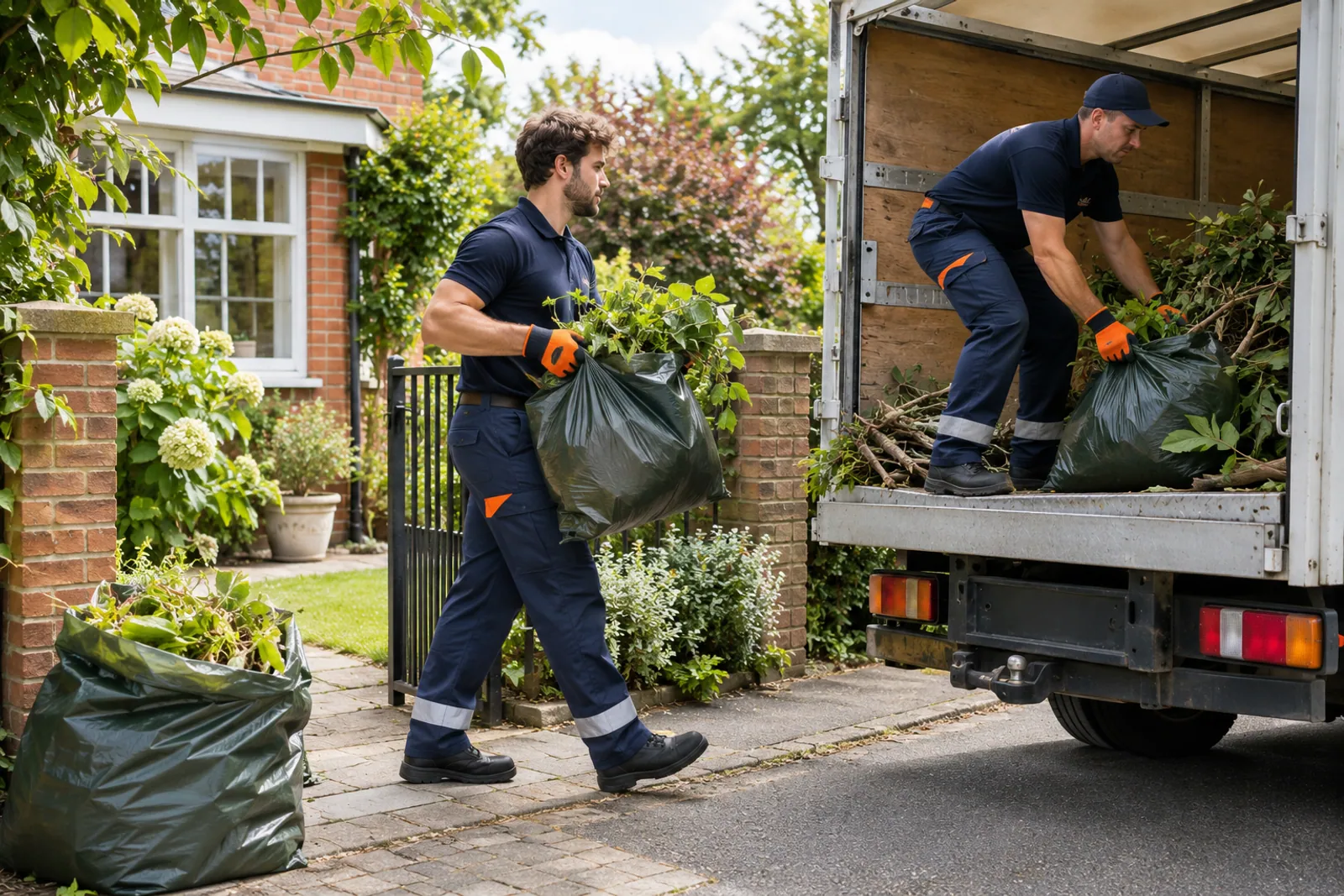
We discuss where each group is held. A loose pile in one area and filled containers elsewhere can contribute separate carrying work, even where the customer requests a single visit. Explain any relevant steps, changes in level or route through the premises so the description reflects the material’s actual starting points.
The practical loading position is discussed for the address with the access contact. A photograph of the waste does not show every part of that route. If the material is moved or another pile is added before the visit, tell the team rather than rely on an earlier location or quantity. We connect the updated selection with carrying, acceptance and any effect on the quote before the arrangements are confirmed on that basis.
Planning the mixed outdoor collection
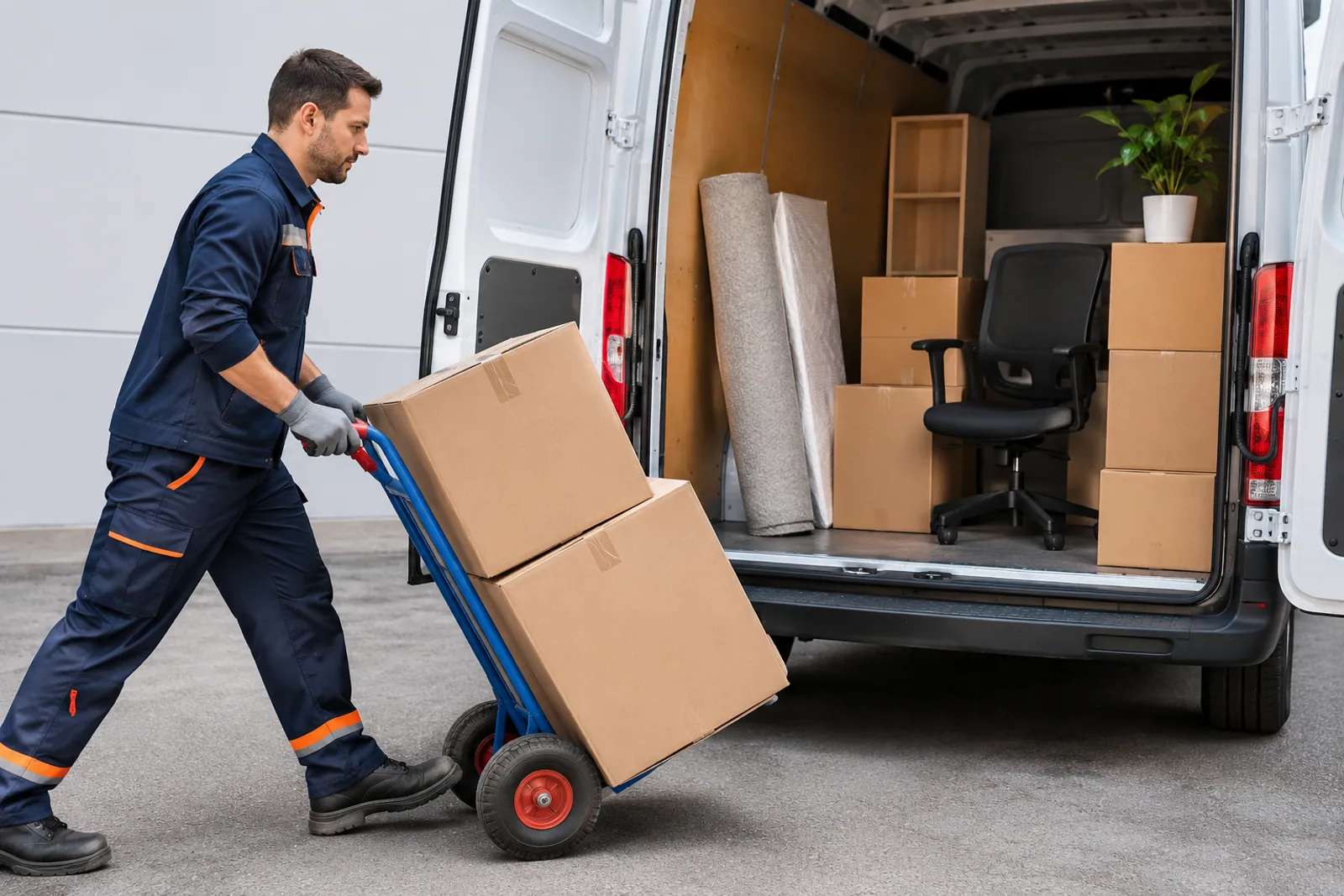
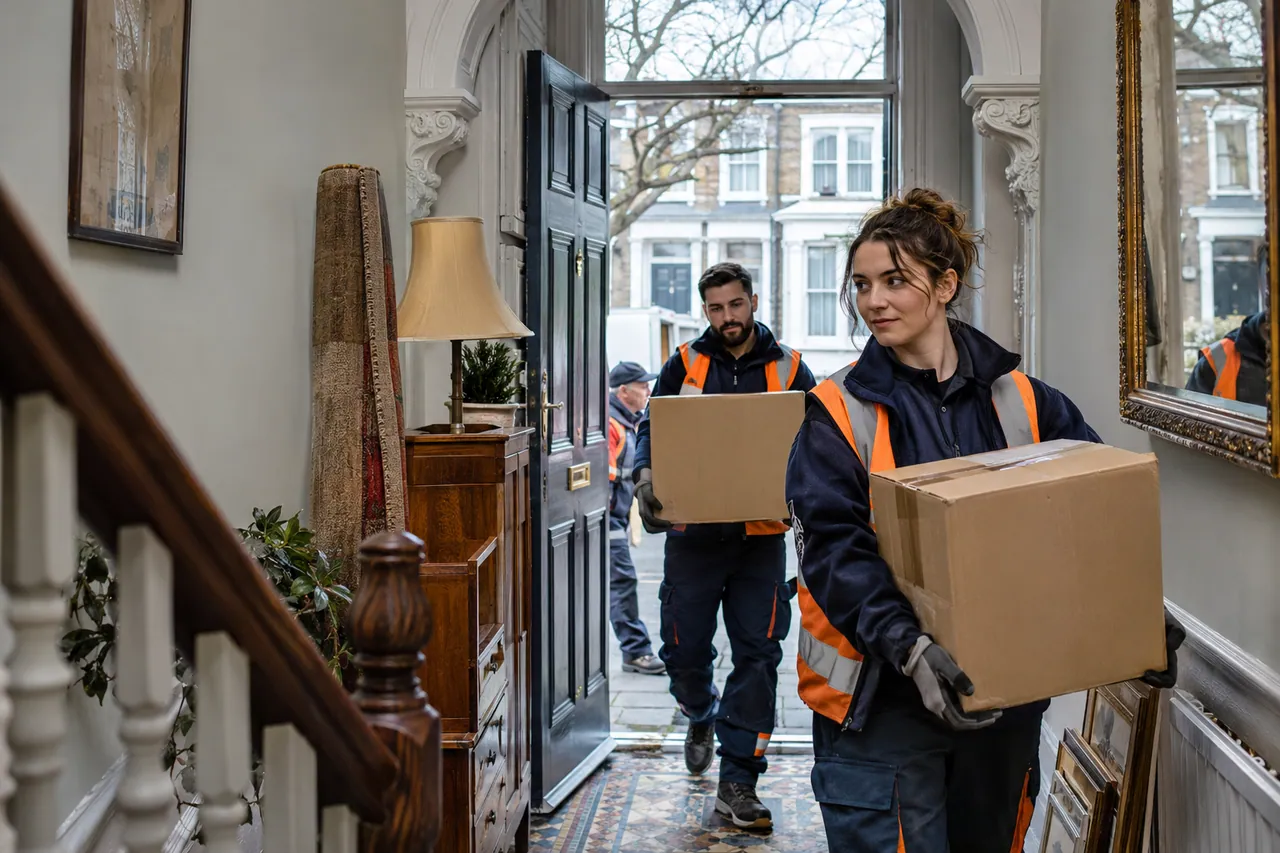
The process keeps material acceptance and physical work connected. The customer or authorised contact identifies the contents leaving and explains access. The team confirms the scope, quote and available visit before the agreed material is carried, loaded and taken away.

Separate the material groups
Green waste, soil, containers and other outdoor contents are listed, with retained plants and possessions distinguished.

Describe quantity and current form
Approximate amounts, bag contents and bulky dimensions establish the physical load being proposed.

Review the route and collection scope
Starting points, carrying, loading and any additional task requested are discussed alongside the quote.

Collect and transport the selection
The agreed materials are removed from their described positions and taken away for appropriate onward handling.
The contents and carrying behind your Selsdon enquiry.

A full container is more than its outside dimensions
A pot, tub or storage container can be empty, partly filled or holding a material different from neighbouring bags. We describe that condition before acceptance. The inventory should distinguish whether the container itself leaves and what contents also form part of the request.
| Container detail | Information established with the team | What it explains about the load |
|---|---|---|
| Construction and size | The material and approximate dimensions of the container. | A small lightweight pot and a large rigid container are not described as identical pieces. |
| Remaining contents | The actual material and approximate amount held inside. | Dense or uncertain contents are not hidden behind an empty-container description. |
| Customer selection | Whether the container, its contents or both are unwanted. | Retained possessions or reusable containers stay distinct from the waste list. |
| Collection position | Where the containers stand and any separate groups elsewhere. | Carrying reflects every starting point rather than one visible stack. |
Furniture and project contents stay identifiable
Outdoor furniture needs its own dimensions and current-form description through the furniture disposal discussion. If timber, debris or other project leftovers are also proposed, the builders clearance information provides the relevant service route. Neither category is silently included within green waste.
| Additional group proposed | What the enquiry records | Scope boundary to clarify |
|---|---|---|
| Outdoor furniture | Pieces, dimensions, assembly and any attachment still present. | Additional dismantling or detachment is discussed rather than assumed. |
| Timber products | Approximate amount, longest pieces and current form. | Timber products remain distinct from green branches or cuttings. |
| Renovation debris | Actual substances, quantity and any uncertain material. | Acceptance is discussed for the material mix, not inferred from its outside storage location. |
| Household contents | Main materials and amount of any domestic belongings leaving. | Retained tools and possessions do not become waste because they share the collection area. |
Selsdon orientation and onward handling
The mapped Selsdon centre is in Croydon, with CR2 as an indicative nearby postal district. Give the full postcode and premises address to identify the collection. The team discusses actual entry and loading arrangements for the property, rather than infer the route from the neighbourhood reference.
Following carrying and loading, the accepted material is transported for appropriate onward handling. Green waste, furniture, soil and other contents remain separately described, with recycling or reuse pursued where suitable to their materials and available route. Any particular record or additional service requirement should be raised before agreement. The team carries the included material from the described starting points, loads it and takes it away as the collection discussed with the customer.
The quote reflects the materials and carrying
We discuss the accepted amount and types of waste with the physical work of carrying and loading. Changes to the material mix, quantity or route need review before the first quote is treated as covering them. Another bag or pile is described by what it actually adds to the collection.
| Detail informing the quote | What it explains about the work | Revision to discuss before the visit |
|---|---|---|
| Material selection | Green waste, soil, containers and other groups accepted for removal. | A further category or uncertain substance added after the initial enquiry. |
| Physical amount | Approximate quantities, container sizes and bulky dimensions. | More filled containers, larger piles or additional branches not previously described. |
| Current presentation | Loose or contained form and any extra task requested. | Different preparation, an attachment or another requirement needing clarification. |
| Collection access | Starting points, practical route, loading and authorised contact. | Another area, revised route or changed timing arrangement. |
Selsdon: collection location and area map.
Map of Selsdon
Load the interactive area map from OpenStreetMap. This connects your browser to the map provider.
Open map in a new tab ↗ © OpenStreetMap contributors
Area orientation only. This map does not mark a company office or a confirmed loading point.
Selsdon collection questions
Are bags of soil described the same way as bags of cuttings?
The main contents need identifying separately. The same outer bag count can represent different materials and physical loads. We discuss approximate amount and current form, including anything mixed into the bags. Photographs support the location and quantity but do not replace the contents description needed before acceptance, carrying and the collection scope are agreed.
Can a pot be collected while the plant or contents stay?
Explain the selection clearly. The container and its contents are separate parts of the enquiry, so the customer identifies what is unwanted and what remains. We discuss their current form and any additional task requested before carrying. A pot collection does not automatically include gardening work or removal of every plant and container in the area.
How do you describe several partly filled tubs?
Give the number of tubs, their approximate sizes and the material held in each group. A row of similar containers may hold very different amounts: one could be nearly empty while another contains soil beneath green cuttings. We use those descriptions to discuss the load being carried, including whether the tubs themselves are leaving or being retained.
What if soil and green material share a container?
Explain the mixture as it stands, including whether soil is loose beneath cuttings or contained separately inside the tub. That gives us a material description for the acceptance discussion rather than an empty-container count. We clarify the contents and current presentation before quoting; an enquiry about a mixed tub is different from one concerning bags of green cuttings alone.
What if another material is discovered inside an outdoor container?
Identify the contents to the team before treating them as part of the accepted load. An uncertain or different material can change the collection description even if the container itself was already listed. We review acceptance and any effect on scope or quote so removal reflects what is actually being carried rather than an earlier assumption about the contents.
How are filled containers at separate starting points recorded?
Describe each group by its contents, approximate amount and position. For example, tubs beside an entrance and bags further inside the property contribute different carrying distances. We connect those starting points with the route to loading, so the collection description covers the whole proposed load rather than only the containers shown in the first photograph.
Arrange your Selsdon collection.
Discuss the unwanted items, full postcode and route to the vehicle with the collection team.
Discuss your Selsdon collection
Open our booking form to arrange your collection.
Continue to our booking form to confirm your items and contact details.