
RUISLIP COLLECTIONS
Rubbish Removal in Ruislip
We provide London rubbish collection for enquiries in Ruislip, carrying and taking away the contents covered by the removal arrangement. A television stand or low cabinet is one household example: the furniture may be unwanted while the screen, equipment and personal belongings stay. We discuss the physical furniture job and any other material separately before explaining the price and confirming an available visit.
Ruislip collections, explained.
Can you remove the television furniture while we keep the equipment?
The collection can concern the stand or cabinet and its specified components, with devices and other possessions retained. Describe the furniture’s current form and how the arrangement will be presented for removal. Any extra work involving equipment or attachments is clarified before agreement, so the scope explains the furniture carrying task rather than an assumed technical operation on the whole system.
What should be included when the cabinet’s contents also leave?
Describe those belongings by their main materials and approximate amount, alongside the furniture body, drawers or shelves leaving. We discuss acceptance and carrying for both parts of the request. The unit’s capacity is not a measure of the contents, and the customer identifies what is unwanted rather than the team deciding the status of objects found inside it.
The contents included in your Ruislip enquiry.
| What the customer wants removed | Information we use | What the job description needs to say |
|---|---|---|
| Cabinet or stand only | The body and parts leaving, in their current form. | Devices and possessions being retained are distinguished. |
| Furniture and loose contents | Main materials and approximate amount held with the unit. | Both the bulky and smaller portions of the collection are covered. |
| Furniture and equipment | The particular devices proposed and any additional requirement. | Equipment is discussed as its own material and service request. |
| Some furniture components | The shelves, drawers, top or other pieces leaving. | The retained body or matching components remain identifiable. |
Describe the furniture job independently of the screen
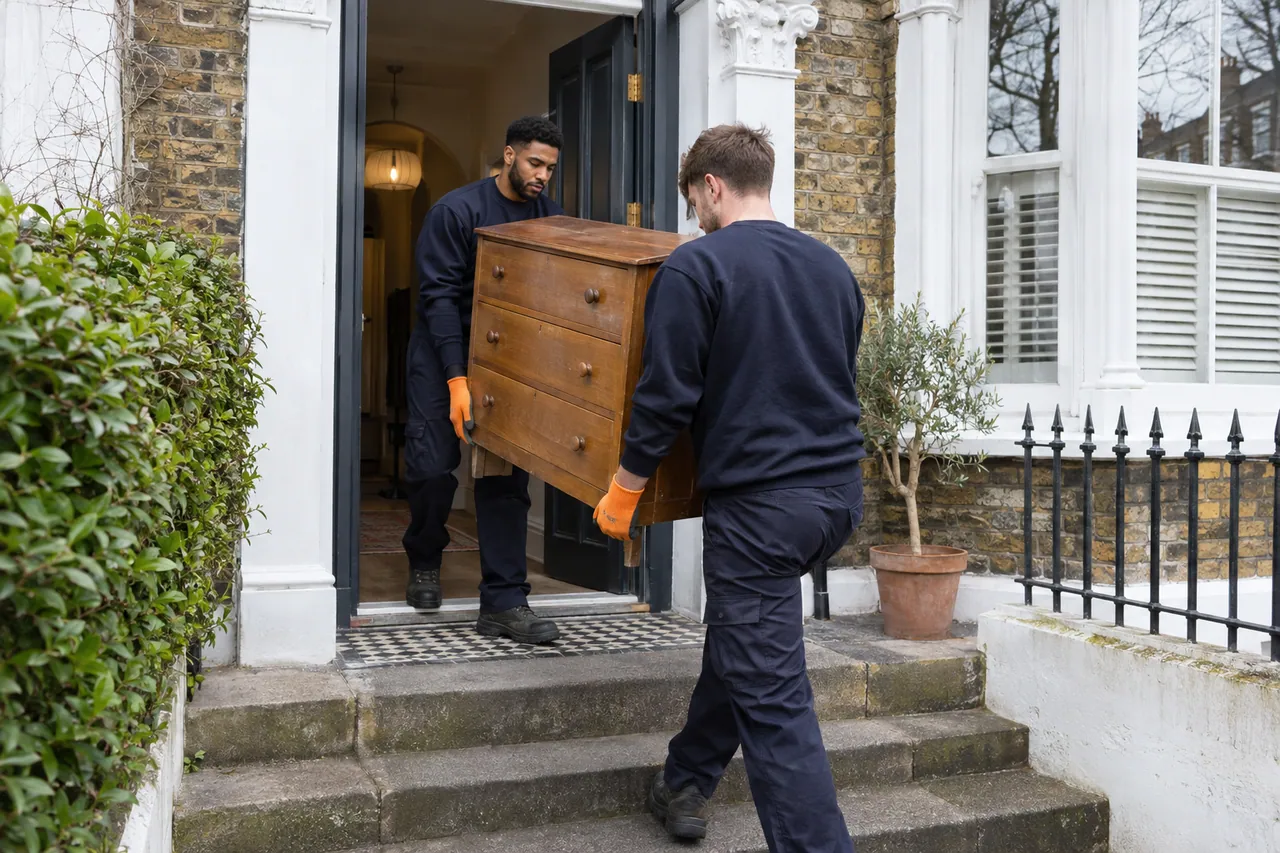
A stand is a physical furniture item; the television or other equipment used with it is another object. The same applies to low cupboards, drawers and shelves holding accessories or household possessions. We establish what leaves before discussing collection, so the furniture instruction does not depend on appearance or the way the room was previously arranged.
Our furniture disposal service covers the unit and accompanying parts described with the team. Approximate dimensions and current assembly explain that load. A short description such as television corner can otherwise conceal several different requests: furniture alone, equipment as well, or a wider group of loose contents. The customer chooses which request applies and the team discusses the work and material acceptance from there.
What the team carries out
We agree the furniture, other included material and carrying work with the customer, explain the quote and confirm an available visit. The team removes those contents from their described locations, loads them and takes them away. An additional waste group or task is reviewed before it becomes part of that arrangement.

Identify the furniture collection
The cabinet or stand and its components are described, with retained devices and personal contents distinguished from the removal.

Resolve the other requests
Loose material, proposed equipment and any extra task are discussed individually so their acceptance and scope are clear before agreement.

Connect the load with access and price
Current positions and the practical loading route inform the quote, then an available visit is confirmed with the entry contact.

Carry and transport the contents
The furniture and other included material are loaded and removed for appropriate onward handling under the collection arrangement.
The contents and carrying behind your Ruislip enquiry.



The furniture’s size matters beyond its height
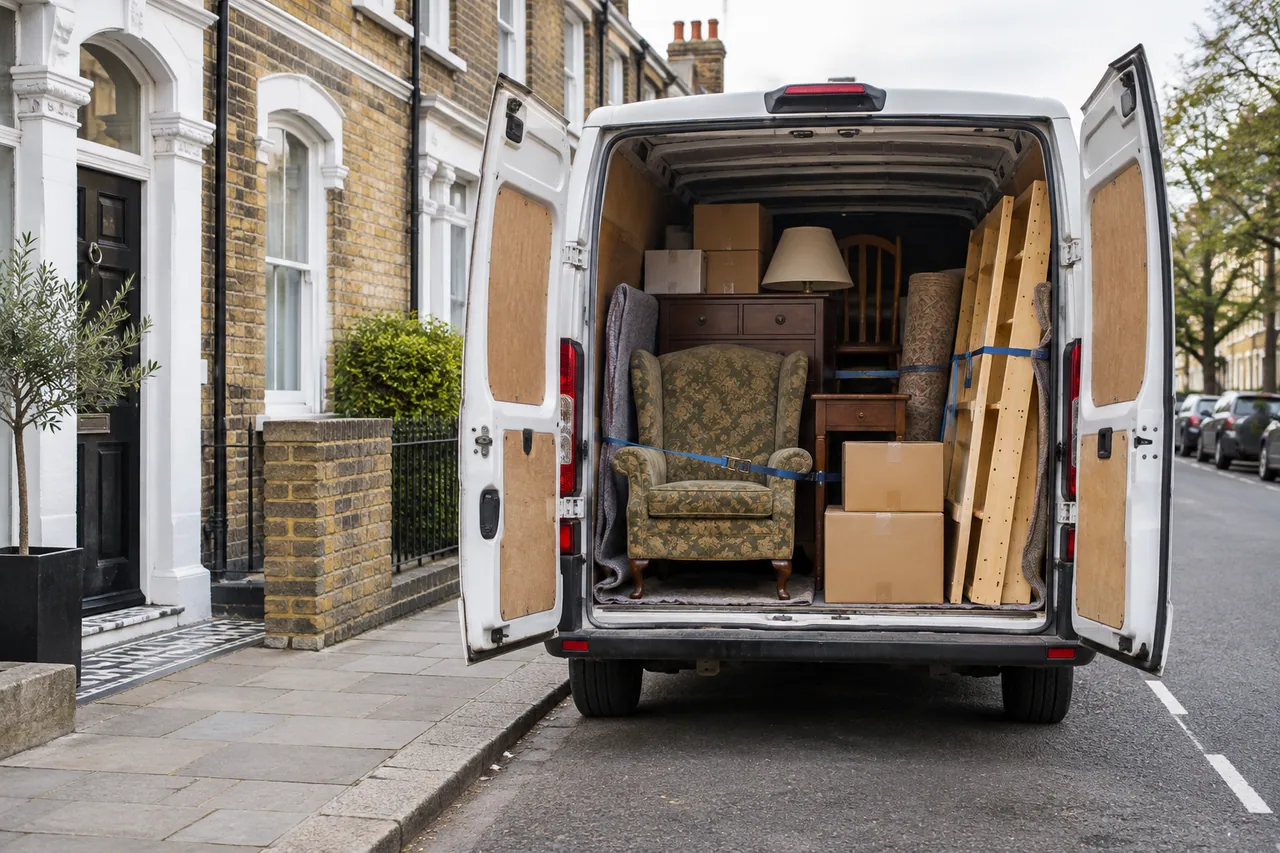
A low cabinet can still be broad, rigid or long. We discuss approximate width, height and depth and whether it is an assembled unit or already in pieces. Its current room and floor complete the starting description. The word low does not tell the team whether the furniture is already near the entrance or held elsewhere at the property.
Photographs help show construction and any separate components, while the customer identifies parts stored out of view. If the furniture remains attached to the premises or another unit, explain the connection. Further work needed before carrying is clarified before the price is agreed. The scope should describe the task requested, rather than leave furniture alterations or a fitted-unit removal implied within a freestanding cabinet label.
Explain the current equipment arrangement
The enquiry should make clear what is happening to screens, devices and accessories. If they remain, distinguish them from the waste furniture. If they also leave, list them by type and quantity and raise any further requirement. Association with the cabinet does not by itself explain their acceptance or the work being requested.
We also discuss how the furniture will be presented at collection. A connected arrangement and a unit already separate from its equipment are different descriptions. Physical carrying and transport do not themselves confirm disconnection, system installation or data-related work. Those additional requests need express clarification before agreement, allowing the furniture collection and equipment requirements to be understood individually.
| Detail about the arrangement | Question resolved with the customer | Effect on the removal description |
|---|---|---|
| A retained screen | What furniture leaves and what equipment stays? | The cabinet and device have separate instructions. |
| Working accessories | Which cables or other objects are retained? | Nearby items are not inferred to be waste. |
| Equipment also proposed | Which devices and additional services are requested? | Acceptance and scope can be clarified directly. |
| Connections or attachments | What work is needed before the furniture can move? | The quote can distinguish carrying from another requirement. |
Personal contents are counted as a load, not a storage capacity
Our household waste collection discussion is relevant for smaller belongings accompanying the unit. Tell us the main contents and approximate amount of boxes, drawers or loose groups. The capacity of the old cabinet does not explain the actual quantity leaving; it may be empty or accompanied by more material held in another room.
| Smaller contents in the enquiry | Description needed | Collection question answered |
|---|---|---|
| Boxes or contained possessions | Main materials and approximate quantity. | What is inside the packaging shown? |
| Loose household objects | The groups leaving and where they are held. | Does material outside the cabinet join the job? |
| Equipment or accessories | Specific items and any further requirement. | Does a separate equipment discussion need resolving? |
| Unfamiliar material | What is known and the uncertainty to clarify. | Can it be included in the ordinary contents arrangement? |
Carrying from the room to loading
We connect the furniture dimensions and smaller contents with the route through the premises. Relevant doors, turns, stairs or a usable lift are discussed for the actual starting points. Loose shelves or belongings elsewhere should be included in that route description, even if their relationship with the main unit is obvious to the household.
The route ends at a practical vehicle loading point. Explain the distance and any changes in level between the contents and that position, together with the contact able to give authorised entry. If the unit moves or changes form before collection, update the team. The current physical task matters more than its former use as television furniture.
The Ruislip location and collection confirmation
Ruislip is the mapped centre reference within Hillingdon, with HA4 an indicative nearby postcode district. Give the full property address to locate the enquiry and discuss availability. The contact supplies the unit’s room, access and loading details; the neighbourhood marker cannot establish a route through an individual home.
The IT disposal information provides the related service discussion when computer equipment is also proposed. Furniture and other waste are transported for appropriate onward handling after loading, with recycling or reuse pursued where suitable to the material and available route. A particular record or additional service requirement can be raised before the arrangement is confirmed.
Ruislip: collection location and area map.
Map of Ruislip
Load the interactive area map from OpenStreetMap. This connects your browser to the map provider.
Open map in a new tab ↗ © OpenStreetMap contributors
Area orientation only. This map does not mark a company office or a confirmed loading point.
Ruislip collection questions
Does taking the television stand mean the television leaves too?
Identify the stand and screen separately. The furniture can leave while the device remains, or the equipment can be proposed for its own acceptance discussion. Explain how the arrangement will be presented and any additional task requested. The team uses that information to describe the work rather than infer a complete system removal from the furniture’s name.
Can the cabinet body leave while a shelf is kept for another use?
Yes. List the components leaving and distinguish the parts being retained. Include any drawers, tops or other pieces held elsewhere which also join the collection. The team discusses the physical load and route from those details, rather than assume every matching component must be removed together because it once belonged to the same unit.
What should I mention about cables and connected devices?
Explain the current arrangement, which objects stay and which are proposed for removal. Raise any task needed before carrying rather than leave technical work implied. The furniture job and equipment request can then be clarified separately, with the quote tied to the work discussed and the presentation which will actually be available for collection.
Is a full drawer included with the unwanted cabinet?
Describe the contents and tell us which possessions also leave. The drawer or cabinet body and the belongings inside are separate decisions. We need the main materials and approximate amount to discuss the complete load. The access contact should understand that same instruction so the team follows the household’s choices during the visit.
Can a low cabinet be collected from another floor?
Give its location, approximate dimensions and the practical route, including relevant stairs or a usable lift. Its low height alone does not explain carrying from the property. The team connects the actual furniture form with access and loading before confirming the scope, price and available visit rather than assigning a standard route to the item.
What if I add computer equipment after discussing furniture removal?
List the device types, quantities, locations and any further service being requested. Equipment is reviewed separately before it becomes part of the collection. Taking devices away does not by itself establish data erasure or another technical process, so the team clarifies those requirements expressly rather than they remain assumed within the earlier furniture quote.
Arrange your Ruislip collection.
Discuss the unwanted items, full postcode and route to the vehicle with the collection team.
Discuss your Ruislip collection
Open our booking form to arrange your collection.
Continue to our booking form to confirm your items and contact details.