
STRATFORD COLLECTIONS
Rubbish Removal in Stratford
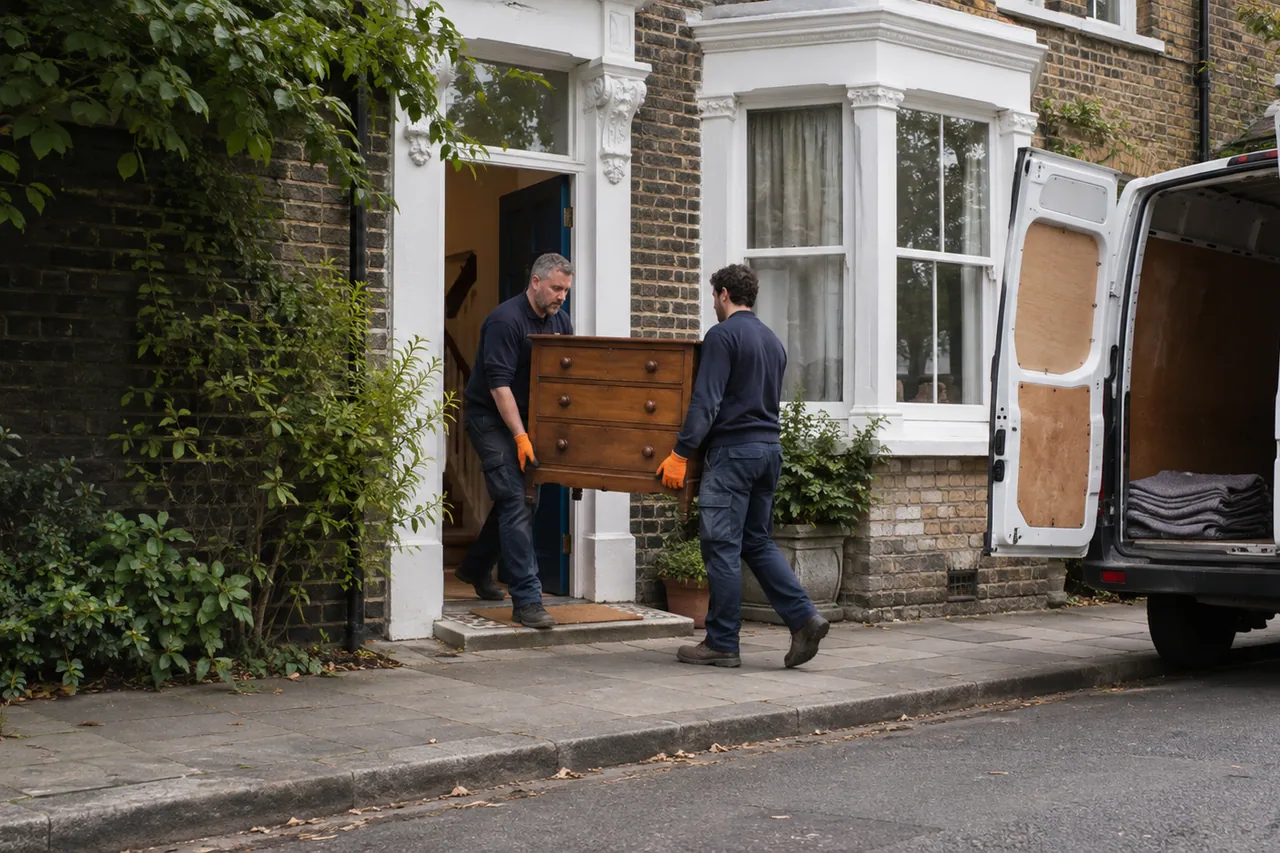
We arrange removal of agreed unwanted contents from Stratford homes and premises, including selected furniture and belongings being discarded during a property change. Our team identifies what leaves and what remains, discusses the route to loading and explains the quotation. The available collection is confirmed for the actual load and address.
Stratford collections, explained.
Can a Stratford collection remove only the belongings left behind?
Yes. The enquiry identifies the contents the customer is authorised to have removed, distinguishing them from retained possessions, furnishings and installed items. We discuss their locations and the carrying route before quoting. The agreed work can remain a defined remaining-contents collection rather than an instruction to strip or empty the entire property.
What needs confirming before collecting from a property contact?
We establish the person arranging the removal, who will provide entry and which contents have been selected. The accepted load and access description need to refer to the same instruction. Where another person opens the property, they should be able to identify that selection rather than ask the collection team to decide what appears abandoned.
The contents included in your Stratford enquiry.
| Item at the property | What is established with the customer | Boundary of the collection |
|---|---|---|
| Freestanding furniture | The particular beds, cabinets, seating or tables selected to leave. | Retained furniture stays outside the load, even where similar pieces occupy the same room. |
| Loose personal belongings | The containers or individual possessions authorised for removal. | The team works to the agreed selection rather than deciding which belongings appear to have been left behind. |
| Installed fittings | Whether the item remains fixed and what additional work would be needed. | Detachment, disconnection or building alteration is clarified instead of being assumed within ordinary carrying. |
| New supplies or retained contents | Items which must remain at the premises, including materials for later work. | The removal does not absorb possessions simply because they stand beside accepted waste. |
A remaining-contents collection is an item selection
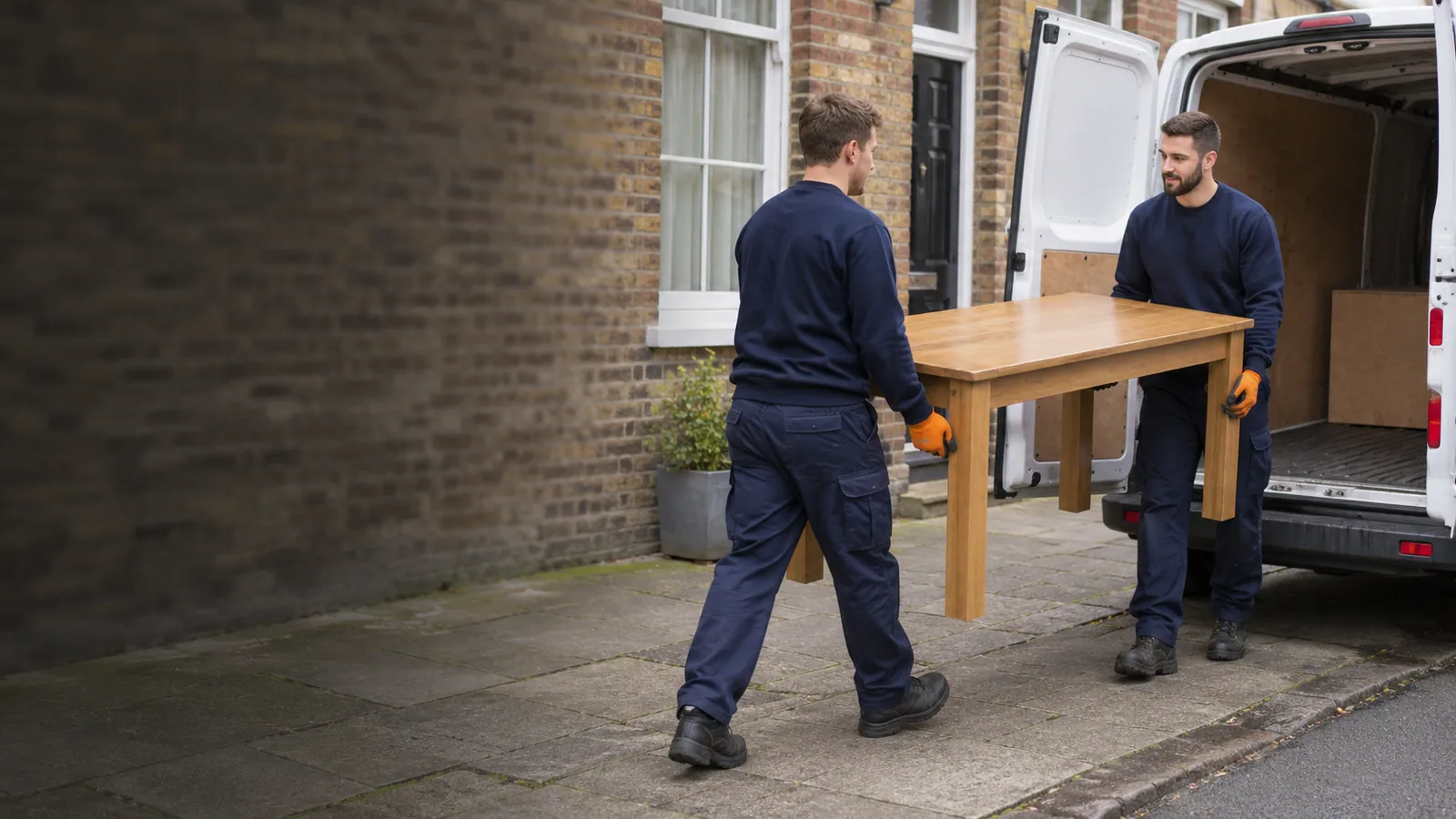
Our Stratford service describes the actual possessions and furniture being discarded. A change of occupant or use does not by itself establish which contents belong in a removal. We agree the selected items with the customer arranging the work and keep retained furnishings, personal possessions and new materials outside that instruction. This distinction remains important even when much of a property has already been emptied.
The load might be a mattress, a damaged freestanding cabinet and several containers, or a broader selection spread through named rooms. We record those contents rather than quote only from the description of an empty or nearly empty property. The house clearance service explains a larger domestic scope where several rooms are involved, with the actual selected contents still defining the removal.
Separating movable contents from retained fixtures
We identify furniture in the condition in which it will be presented. A freestanding unit differs from an installed cabinet, and a loose appliance differs from equipment still connected to services. Carrying and loading agreed contents is not an automatic instruction to detach fittings or alter the property. Those requirements need clarification before they are relied on as part of the job.
Agreeing the collection areas before the visit

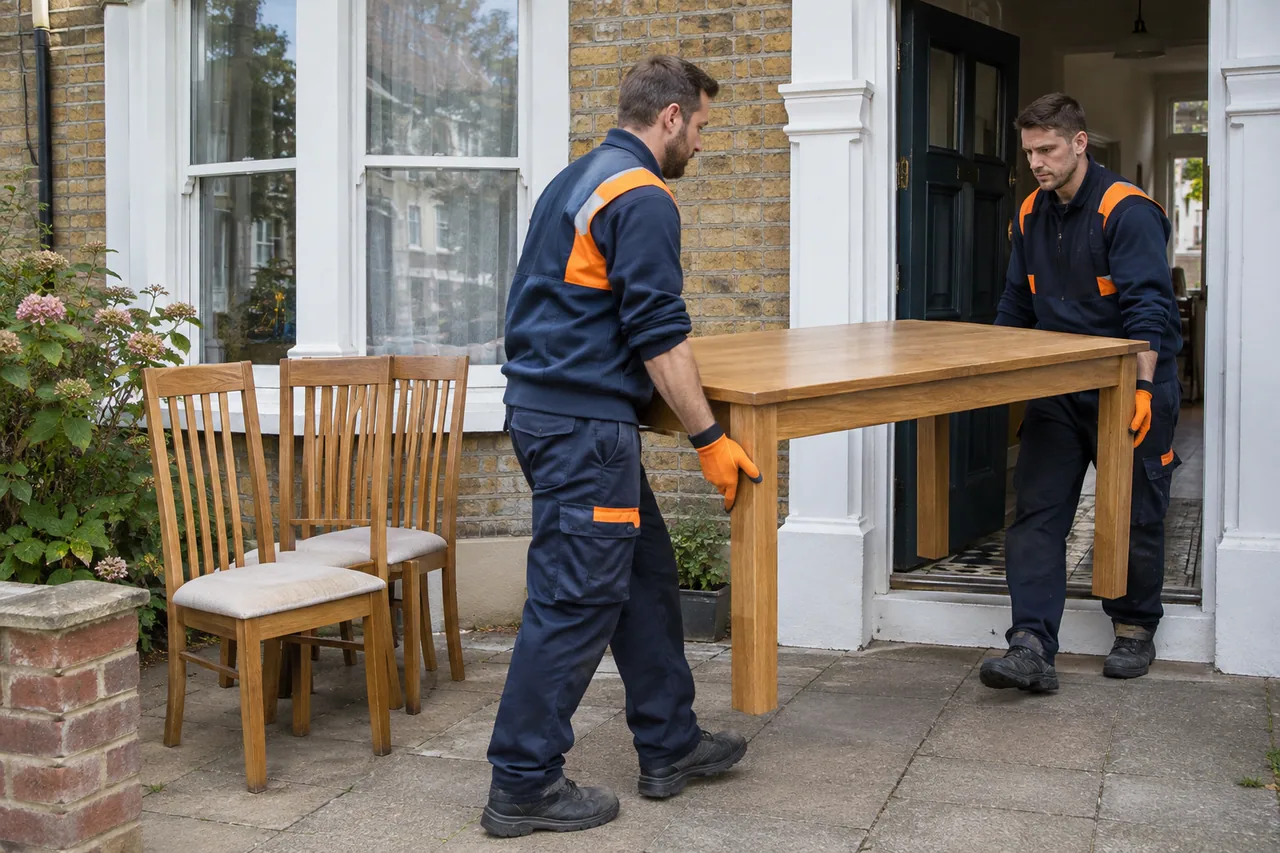
We identify the rooms and storage locations holding the accepted load. A remaining-contents collection can involve a small quantity in several spaces, which is different from a single pile beside an exit. The scope connects those named areas to the selected item list. It should not require the team to search every cupboard and decide what the customer intended to discard.
Where several people have access to the premises, the instruction needs to remain consistent. Tell us if items will be collected elsewhere before our visit or if retained possessions are likely to be moved into the same space. These changes can alter what the team encounters. The collection contact confirms the current selection rather than treating an earlier photograph as permanent authority over every later item at the address.
The process from selection to completed removal
We first establish what the customer wants removed and the locations involved. The access description then connects those contents with the route out. Acceptance, scope and quotation are clarified before an available visit is agreed. On the collection instruction, the load remains the accepted selection; additional material is discussed rather than automatically included because it appeared at the address later.
Planning the Stratford visit

Define the remaining contents
The customer identifies the furniture and belongings authorised for removal, separating retained furnishings and installed items from the collection.

Confirm the current property route
Rooms, access contact, floors, bulky dimensions and the practical loading arrangement are discussed for the items as presented.
At the agreed collection premises

Agree the removal and attendance
The team establishes accepted materials, price and an available visit against the current selection and access information.

Carry the selected load away
The agreed contents are moved to transport, loaded and removed for appropriate onward waste handling without extending the instruction to unrelated possessions.
The contents and carrying behind your Stratford enquiry.

What the access arrangement needs to include
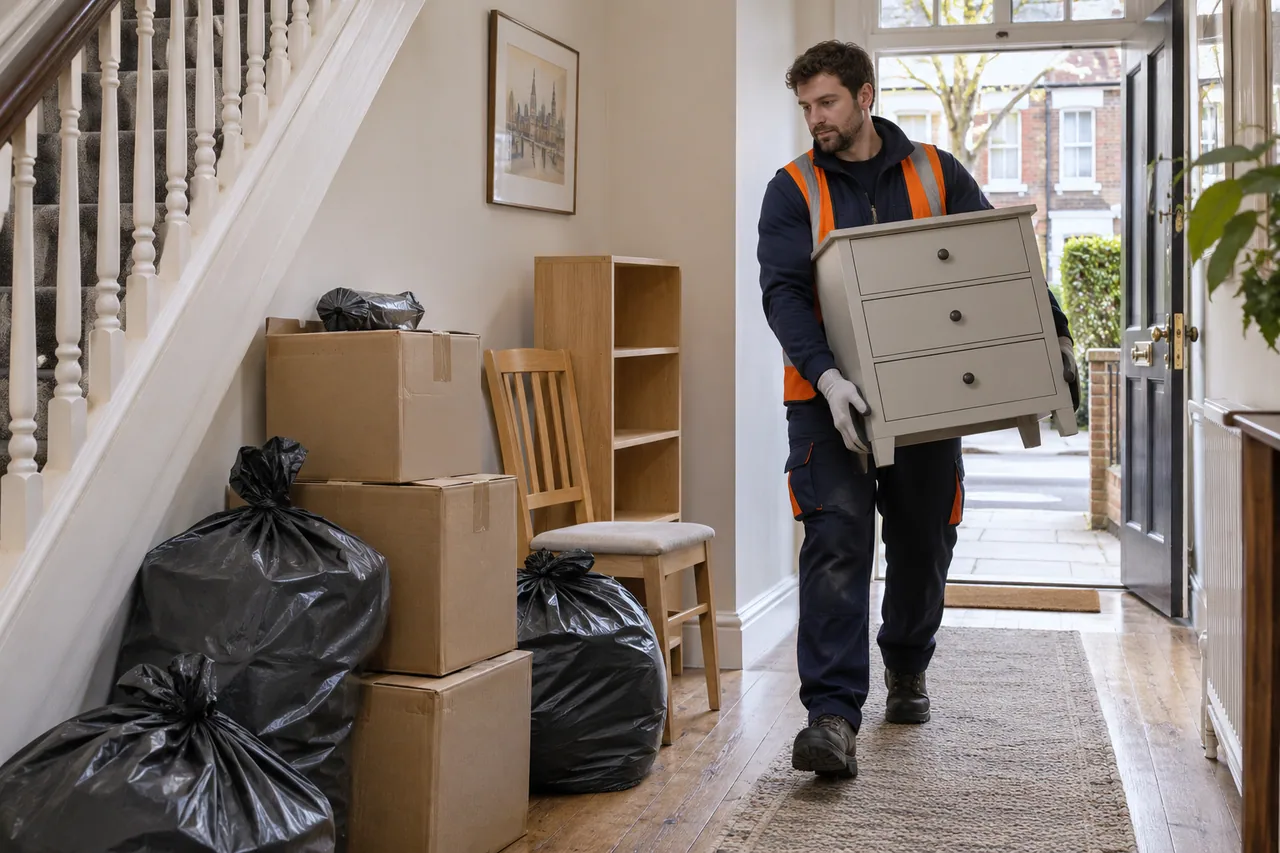
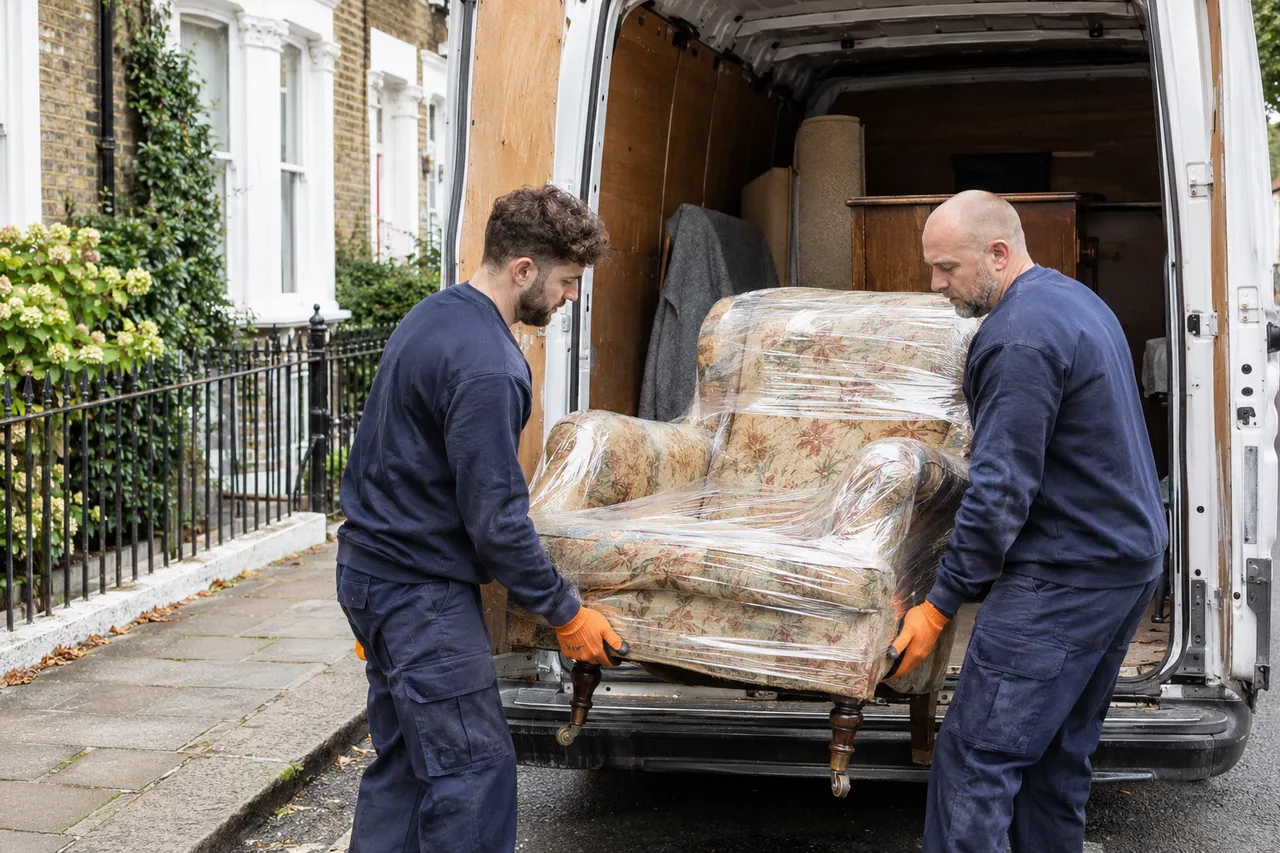
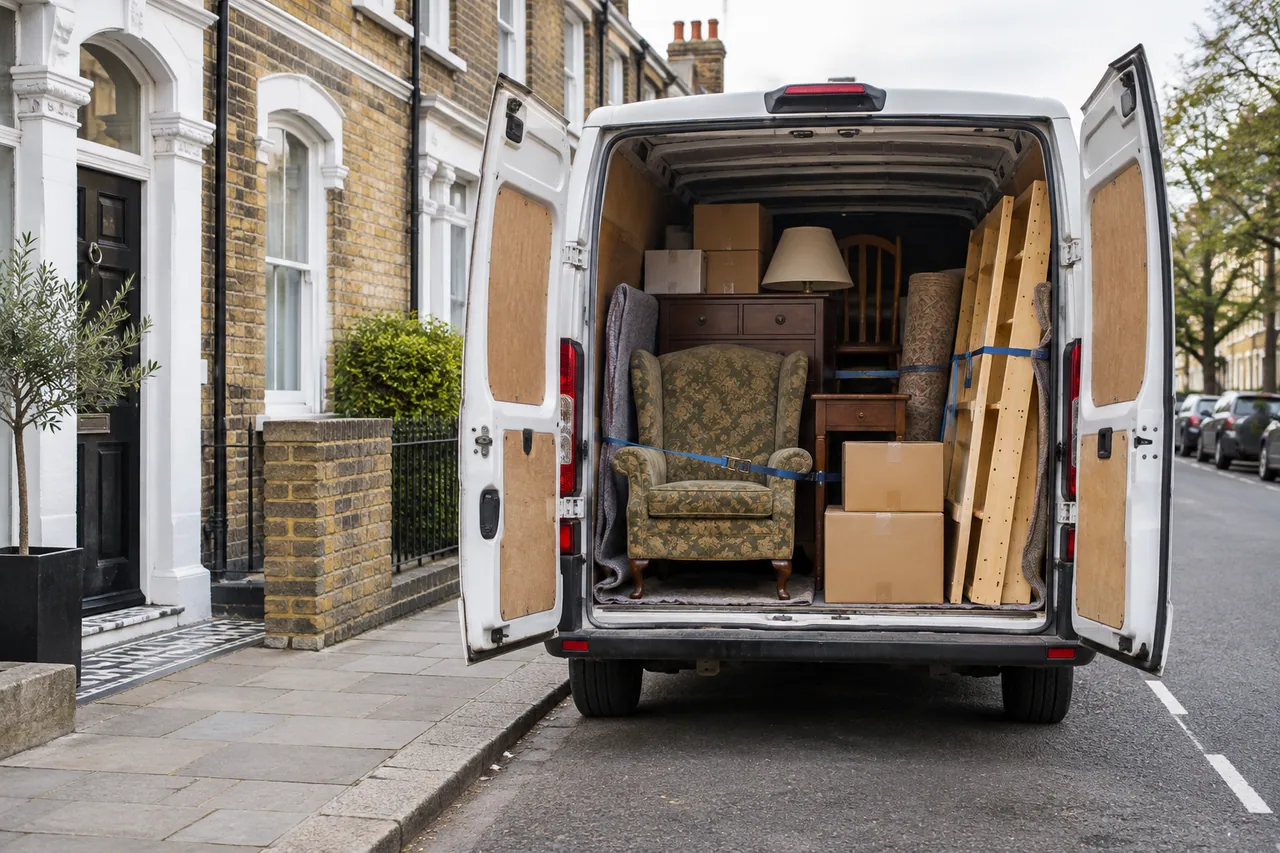
Our discussion covers the route from each collection location to the vehicle. We ask about floors, stairs, a usable lift, doorways and practical loading. Bulky dimensions and assembly are connected with that route rather than treated separately. We use the actual property description without assigning one assumed building layout or loading arrangement to all Stratford addresses.
| Collection instruction | Information confirmed | Result for the removal |
|---|---|---|
| Contents in named rooms | Which pieces and containers leave each included location. | Carrying concerns an identified selection instead of an open-ended sweep through the property. |
| Entry provided by another contact | The person opening the premises and the agreed access arrangement. | The team can reach the described load without making disposal decisions about unrelated contents. |
| Bulky items above ground level | Current assembly, approximate size and the stairs or lift available. | The carrying discussion reflects the actual route required for the accepted components. |
| Exit to transport | The usable loading position and the distance from the property. | The quote describes the agreed carrying and loading rather than an assumed doorstep collection. |
Loose waste alongside the remaining furniture
We describe the main contents of containers and identify separate material streams. Ordinary household belongings, electrical devices and renovation fragments need different acceptance discussions even when they share one room. A final furniture collection should not hide an unexplained quantity of dense material in bags. The household waste service covers a broader loose-contents enquiry where the furniture is only part of the proposed removal.
| Additional material | What we need to identify | How it enters the accepted load |
|---|---|---|
| Bagged or boxed belongings | The principal contents and approximate container count. | The loose load is described explicitly alongside the furniture rather than treated as an unlimited extra. |
| Electrical items | The specific devices and any separate requirement relevant to removal. | Acceptance and handling are clarified before equipment is included in the collection. |
| Project debris | The material types, amount and distinction from usable retained supplies. | Dense or unusual waste is considered separately from ordinary household possessions. |
| Packaging from replacements | The kinds and approximate amount of cartons or wrapping left at the property. | Accepted packaging is included by description rather than inferred from new furniture being present. |
Stratford location and the work behind the quote
The area reference here is the GLA centre for Stratford in Newham. E15 and E20 are indicative postcode districts around the mapped point, not a complete definition of the neighbourhood. We use the full address to locate the actual collection and discuss availability. The map provides geographical context rather than a company branch or an agreed loading position.
The price relates to the accepted quantity and material mix together with the carrying and loading required. A few bulky pieces across several rooms may involve different work from smaller contents already brought together at one exit. We establish those details without assuming that a property described as vacated is empty, accessible or free of possessions which need to remain.
| Quotation consideration | What is specified in the scope | What must be updated if it changes |
|---|---|---|
| Selected inventory | Furniture components, loose contents and separately accepted material groups. | Additional possessions or newly discovered waste need discussing before they are included in the agreed removal. |
| Current presentation | Assembly, approximate dimensions and the locations of the items being carried. | Moving contents to another floor or changing the furniture’s condition can change the handling description. |
| Access and loading | Entry arrangements, internal route and the usable connection with transport. | The quote needs reviewing where the available route differs from the arrangement originally described. |
| Collection contact | Who provides access and confirms the authorised selection at the property. | A changed contact or instruction should be clarified so the team is working to the current agreed scope. |
Stratford: collection location and area map.
Map of Stratford
Load the interactive area map from OpenStreetMap. This connects your browser to the map provider.
Open map in a new tab ↗ © OpenStreetMap contributors
Area orientation only. This map does not mark a company office or a confirmed loading point.
Stratford collection questions
Can selected belongings remain in a room being cleared?
Yes. The scope distinguishes retained possessions from the accepted removal. Identify the furniture and containers leaving and make clear what stays. The instruction can concern part of a room rather than require every object there to be discarded, even when the collection follows a change of occupant.
Does a property handover mean all fixtures are included?
No. We discuss the actual contents authorised for removal and distinguish movable items from installed fittings. Detachment, disconnection or alteration work requires clarification before collection. A handover description is context for the enquiry, not an automatic instruction to strip fixtures or services from the premises.
What if someone removes part of the load before your visit?
Tell the team which items remain and whether their position has changed. The collection instruction should reflect the current load rather than the original photographs. This helps distinguish the agreed contents from retained items that may have been moved into the same rooms in the meantime.
Can the person opening the property add other furniture?
Additional contents need agreeing with the team, including their materials, dimensions and location. The access contact should work from the accepted selection rather than treat entry to the property as authority for an unlimited clearance. The load and quotation may need review when the instruction changes.
Are closed bags of leftover material automatically accepted?
Describe what they contain and their approximate amount. Household belongings, electrical contents and project waste can require different handling. The collection concerns identified accepted material, so an unexplained bag count should not replace a description of the waste being added to the furniture removal.
Does the Stratford map establish the flat or entrance?
No. It marks an area reference, not an individual collection point. We use the full address together with the rooms, floor and access contact for the actual visit. The practical loading location and route through the premises are discussed directly rather than established by the map marker.
Arrange your Stratford collection.
Discuss the unwanted items, full postcode and route to the vehicle with the collection team.
Discuss your Stratford collection
Open our booking form to arrange your collection.
Continue to our booking form to confirm your items and contact details.