
CANARY WHARF COLLECTIONS
Rubbish Removal in Canary Wharf
We arrange rubbish removal from Canary Wharf business and residential addresses. Meeting-room chairs, tables and selected desk components are counted separately from the active workplace furniture staying at the premises. The team connects that inventory with the collection floor, access contact and loading route before discussing the quote and available visit.
Discuss your Canary Wharf collection
Open our booking form to arrange your collection.
Continue to our booking form to confirm your items and contact details.
Canary Wharf collections, explained.
Can selected meeting furniture leave while the office remains active?
We can scope removal around identified meeting chairs, table components and selected desk sections. The business distinguishes those pieces from active workstations and retained furniture. We discuss quantities, current assembly and the route from each collection area before agreeing the carrying, loading and quote, rather than assume that every similar item on the floor is leaving.
How are meeting tables and linked furniture described?
Explain the pieces as they currently stand: assembled tables, separate tops and bases, or desk sections still connected to retained units. Counts and approximate dimensions establish the physical selection. Any dismantling or detachment requirement needs clarification before agreement, so the collection concerns accepted furniture and defined work rather than an assumed alteration to the office layout.
The contents included in your Canary Wharf enquiry.
| Furniture inventory | Details recorded for this collection | What the description separates |
|---|---|---|
| Meeting-room chairs | Quantity and whether additional stacked or stored chairs are included. | The unwanted selection from identical chairs still used at active meeting positions. |
| Meeting tables | Top dimensions, separate bases and the table’s current assembly. | A complete table from selected tops or components being removed alone. |
| Linked desk sections | The number of departing sections and any connections still in place. | Removable pieces from active workstations remaining in the linked arrangement. |
| Freestanding storage | Selected units, dimensions and any possessions still inside them. | Unwanted furniture from working assets and stored contents being retained. |
Workplace furniture with a defined removal boundary
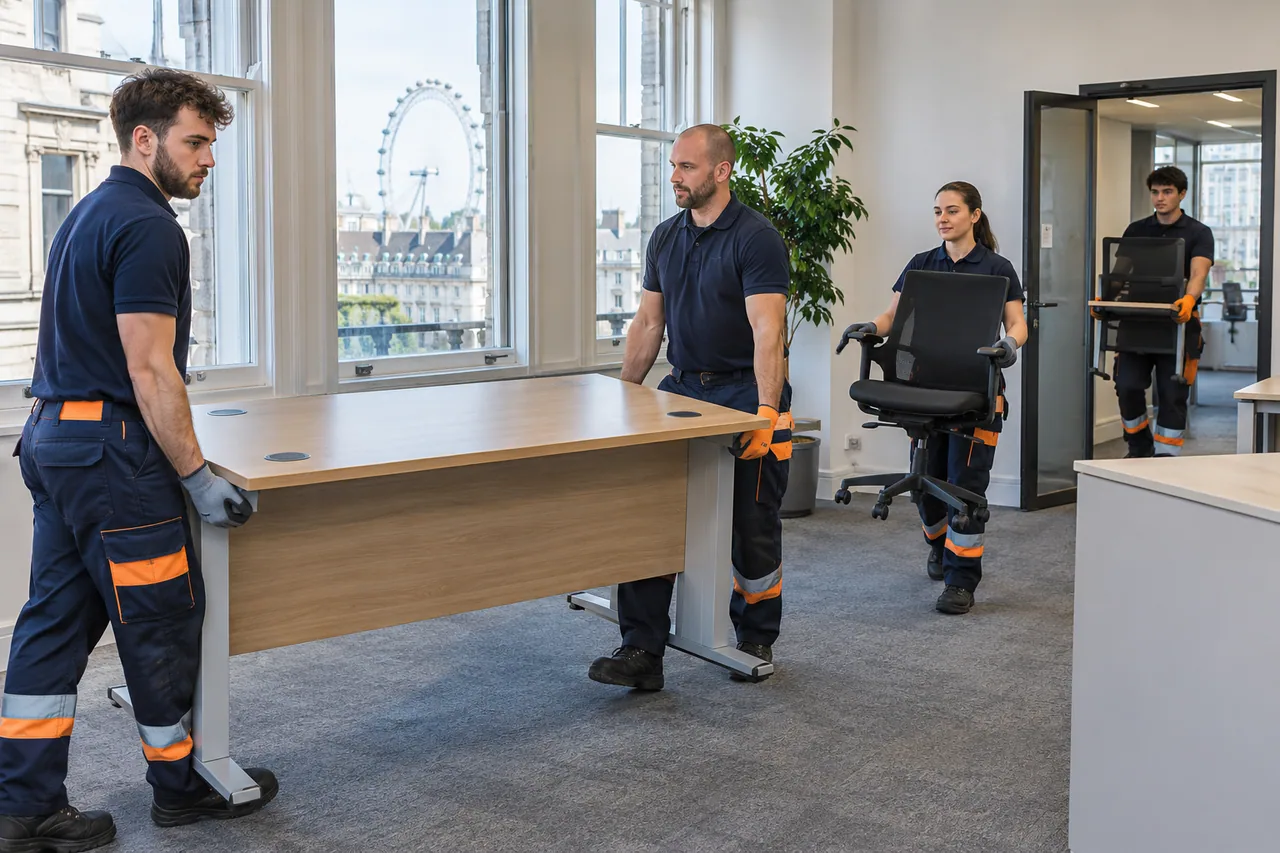
We scope this office furniture collection around meeting-room seating, tables and selected desk components while working areas remain in use. A stack of unwanted chairs, a meeting-table top and sections from a linked desk arrangement are counted as distinct pieces. The business identifies which furniture leaves rather than leaving the team to assume that everything of a similar type on the floor is surplus.
Our office clearance service can concern part of a workplace. An active workstation, retained meeting table or chair still being used stays outside the removal list. We discuss the selected furniture’s present assembly and its route from the meeting room or storage point. A change from several chairs to an entire seating group needs clarifying before the accepted load and quote are treated as expanded.
The meeting furniture inventory

We distinguish furniture counts from the number of rooms or workstations at the premises. The useful list explains how many chairs, tables and desk sections are actually leaving and whether large components remain linked. Photographs show the proposed selection, while the written description distinguishes similar pieces retained elsewhere.
Authorised access to the contents
The enquiry identifies the person responsible for giving the team entry and showing the accepted collection areas. We discuss the floor, available stairs or lift and the route between the contents and the exit. Those details belong to the particular premises. They are not assumed from a Canary Wharf address or from the kind of business requesting the work.
Where a building manager, reception contact or another person has a role in access, that role should be explained during the collection discussion. We also need the practical loading arrangement and distance from the collection areas. A photo of furniture does not reveal these parts of the work. We do not promise use of a particular bay or assign estate-wide access rules to the enquiry. Any arrangement required at the actual building is clarified with the contact before the visit is agreed.

From the asset selection to removal
The collection process combines an authorised inventory with material acceptance and the physical route. It keeps the contents requested for removal distinct from the operation of the business, including where other people continue using the premises. The team confirms scope, quote and available arrangements directly.

List the departing assets
Furniture, storage and equipment are identified separately, with retained contents kept outside the agreed removal selection.

Explain their present form
We establish quantities, bulky dimensions, linked parts and any work beyond straightforward carrying and loading.

Confirm premises arrangements
The access contact, collection floor, usable route and practical vehicle loading position are discussed together.

Remove the accepted contents
The team carries and loads the agreed items and arranges transport for appropriate onward material handling.
The contents and carrying behind your Canary Wharf enquiry.




Table components and linked furniture
For furniture disposal, the team needs to understand the pieces as they currently stand. A meeting table already separated into a top and bases differs from an assembled table. Linked desk sections can also involve connections to retained units, so any additional work is explained before agreement rather than assumed within carrying and loading.
| Furniture component detail | What the enquiry establishes | Boundary of the removal discussion |
|---|---|---|
| Separate table tops | Number, approximate dimensions and material of the accepted tops. | Bases or other table parts are included only when identified in the selection. |
| Table bases and legs | The components leaving and whether they remain attached to the top. | The actual pieces are distinguished from an unexplained complete-table label. |
| Connected desk furniture | The departing sections, retained workstations and any work still required. | Dismantling or detachment is clarified instead of silently altering the working arrangement. |
| Stored chair groups | The quantities and storage points from which the seating is collected. | A photographed stack is distinguished from additional chairs elsewhere on the floor. |
Packaging and non-office contents
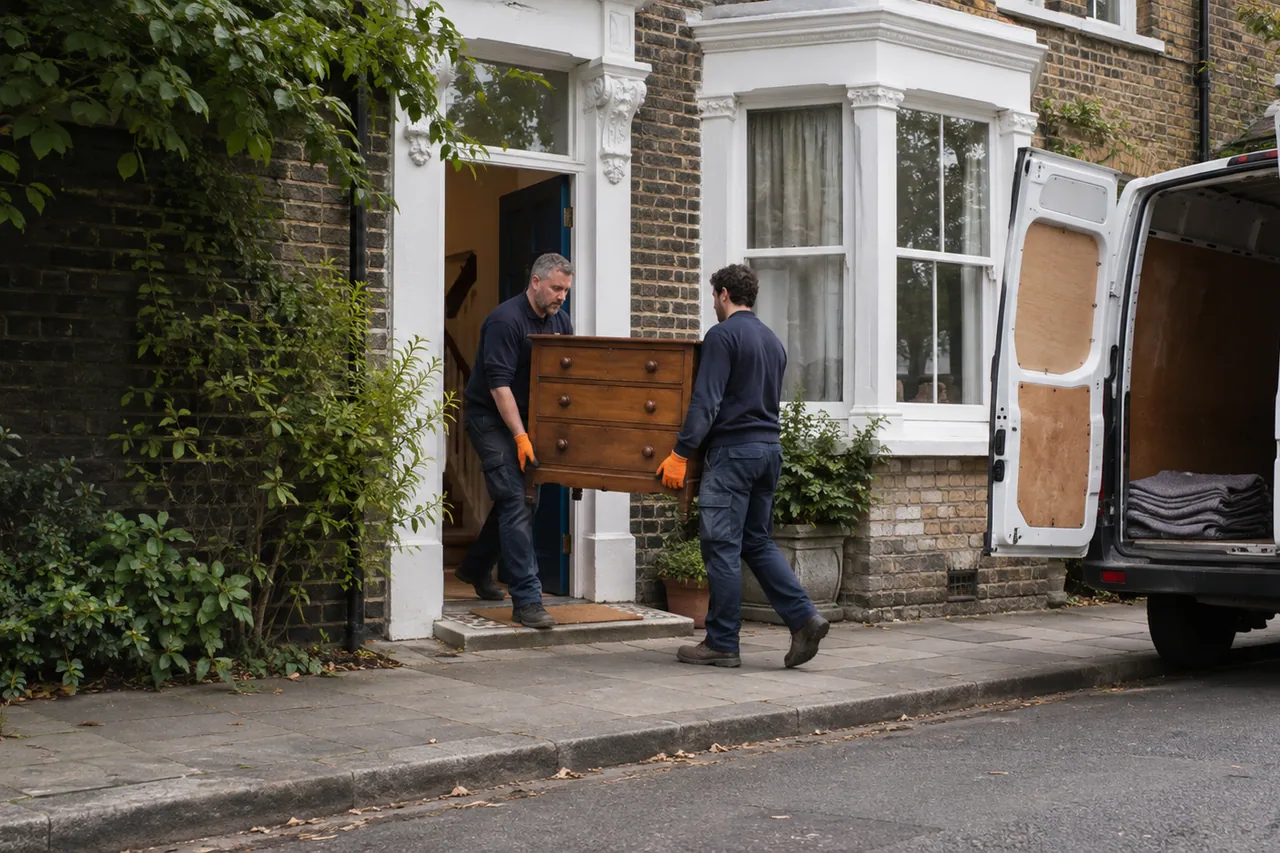
An accepted business load can contain packaging or other waste in addition to furniture. We record the main materials and amount, and discuss any unusual or dense contents before including them. A residential customer can also arrange removal of household pieces from a Canary Wharf address; the same need for a defined selection and clear access description applies.
| Additional load | Description used by the team | How the collection is scoped |
|---|---|---|
| Cardboard and packing material | The materials, approximate amount and whether goods or other contents remain inside. | Accepted packaging is separated from stock and retained business property. |
| Domestic furniture | Named seating, beds, tables or storage pieces with approximate dimensions. | The selected furniture does not imply that the rest of the home is being cleared. |
| Boxed personal belongings | Main contents and quantity rather than only the number of containers. | The household portion remains identifiable within a mixed enquiry. |
| Project waste | Actual renovation materials, including any dense debris or uncertain substances. | Acceptance and the appropriate collection route are clarified independently of the office load. |
The Canary Wharf reference used for the enquiry
The geographical reference is Canary Wharf in Tower Hamlets, with E14 as an indicative nearby district. The complete premises address establishes the actual collection location. A business requesting recurring waste removal should distinguish that need from this selected-asset collection; the commercial waste service is the appropriate discussion for continuing requirements.
Price follows the described collection work
The quote brings together the accepted material, quantity, carrying and loading. We discuss the actual load rather than apply a charge based only on a workstation count or area name. Changes before the visit can alter that description, so additional furniture or a revised access arrangement needs reviewing with the team.
| Pricing input | Information connected to the work | Revision that needs clarification |
|---|---|---|
| Selected furniture and devices | The inventory, material categories and current assembly of the accepted pieces. | More desks, another equipment store or items absent from the original selection. |
| Physical amount | Counts, bulky dimensions and photographs covering the whole proposed load. | A larger quantity of seating, packaging or contained belongings than first described. |
| Premises route | Collection floor, doors, available stairs or lift and distance to loading. | Another collection area or a different route affecting the carrying requirement. |
| Access coordination | The responsible contact and arrangements for an available collection date. | New timing requirements or building access details requiring agreement before the visit. |
Canary Wharf: collection location and area map.
Map of Canary Wharf
Load the interactive area map from OpenStreetMap. This connects your browser to the map provider.
Open map in a new tab ↗ © OpenStreetMap contributors
Area orientation only. This map does not mark a company office or a confirmed loading point.
Canary Wharf collection questions
Can meeting chairs leave while active workstations stay?
Yes, identify the seating selected for removal and distinguish similar chairs that remain in use. The collection concerns that agreed group rather than every chair on the office floor. We discuss quantities, storage points and the carrying route so the team can remove the accepted furniture without relying on an assumption about which work areas are being cleared.
Do table tops and bases need separate mention?
Describe the table’s present form and the components leaving. A top alone differs from a complete table with several bases, and an assembled table differs from pieces already separated. Counts and approximate dimensions make the physical load clear. Any work needed before carrying should be clarified rather than assumed from a request to remove a meeting table.
Can only one section of a linked desk arrangement be removed?
The enquiry should identify that section, the units staying and any connections still in place. We discuss the furniture as it currently stands and clarify any dismantling or detachment requirement before agreement. A selected-section collection is not an instruction to alter the whole workstation arrangement or remove working furniture merely because it is connected to an unwanted piece.
How are extra chairs in another storage room included?
List their quantity and collection location as part of the proposed load. The route from that storage point may differ from the meeting room holding the other furniture. We connect both areas with the carrying and quote discussion. Chairs absent from the original description should not be assumed included simply because the business has more surplus seating elsewhere.
Who identifies the chairs and tables being retained?
The business or authorised contact makes that selection. We need an understandable removal list and a person able to identify it at the premises. The team does not decide that similar furniture is surplus based on appearance. Where instructions change between the enquiry and collection, clarify the revised selection with the team before treating additional pieces as accepted.
Is a disposal percentage guaranteed for the meeting furniture?
The furniture materials are identified before the accepted pieces are transported for appropriate onward handling, with recycling or reuse pursued where suitable to their materials and available route. Any requirement for a particular record or additional service should be raised during the collection discussion rather than assumed from the office furniture removal itself.
Arrange your Canary Wharf collection.
Discuss the unwanted items, full postcode and route to the vehicle with the collection team.