
SUTTON COLLECTIONS
Rubbish Removal in Sutton
We arrange collection of accepted unwanted contents from Sutton properties. This guide focuses on a storage-led removal: a garage or other storage area holding mixed belongings, furniture components and household objects. We define which contents are leaving before discussing material acceptance, carrying, loading and an available collection.


Sutton collections, explained.
Does garage clearance mean every stored item must leave?
No. We can discuss a selected removal while tools, equipment or other belongings remain in storage. Identify the unwanted contents, their approximate quantities and the locations holding them. The agreed collection should distinguish that selection from retained possessions rather than rely on the room name as permission to remove everything inside.
How are unknown boxes or containers handled in a Sutton enquiry?
We need their main contents explained before acceptance is agreed. A box, bag or container does not establish the material inside, and unknown or unusual contents should not be treated as ordinary household rubbish. The team discusses those questions alongside the rest of the load so the removal scope reflects identifiable accepted waste.
The contents included in your Sutton enquiry.
| Stored contents selected | What we identify in the enquiry | Collection scope established |
|---|---|---|
| Furniture components | Panels, shelves, legs or other parts, with the larger object they belong to explained. | The accepted components are included rather than an assumed complete assembled unit. |
| Boxed household items | Main contents, quantity and which groups of boxes are selected. | Unwanted belongings remain distinct from possessions the organiser is keeping. |
| Freestanding storage furniture | The unit’s construction, dimensions and present assembly. | Removal concerns the furniture and expressly accepted contents, not everything nearby. |
| Loose stored objects | Item types, principal materials and the extent of the proposed load. | The collection is identifiable instead of described only as miscellaneous garage rubbish. |
A removal selection inside a mixed storage space

Storage areas often bring together objects with different purposes, but we do not decide which of them are unwanted. The organiser identifies the contents selected for removal, including furniture, boxes or loose items, while retained equipment and belongings remain outside the scope. We discuss the selection before an available visit is agreed so that the collection is not based on somebody pointing generally towards a garage.
Our garage clearance service provides the relevant removal context. The work concerns accepted contents being carried, loaded and taken away. It should not be confused with dismantling the storage structure, carrying out a refurbishment or making decisions about objects whose owner has not selected them. Any requirement beyond the contents removal is raised separately for clarification.
Turning a storage inventory into a collection arrangement
Our process connects the selection, material questions and access before an available visit is agreed. It keeps the customer’s removal decisions distinct from the team’s carrying and loading work. A completed enquiry is the start of the arrangement; it does not reserve a slot or establish acceptance of every object still awaiting identification inside the storage space.

Define what leaves and what stays
The organiser identifies the unwanted objects and containers, keeping retained tools, equipment, furniture and other possessions outside the proposed collection.

Clarify the contents and materials
We discuss quantities, furniture components and any electrical, dense or unidentified material requiring a separate acceptance conversation.

Agree the route and quote
The actual storage location, entrance and loading connection are considered before the team confirms the scope and an available visit.

Carry away the accepted selection
The agreed contents are carried and loaded for removal, with the identified material streams sent for appropriate onward waste handling.
The contents and carrying behind your Sutton enquiry.



Building an inventory without treating storage as one material
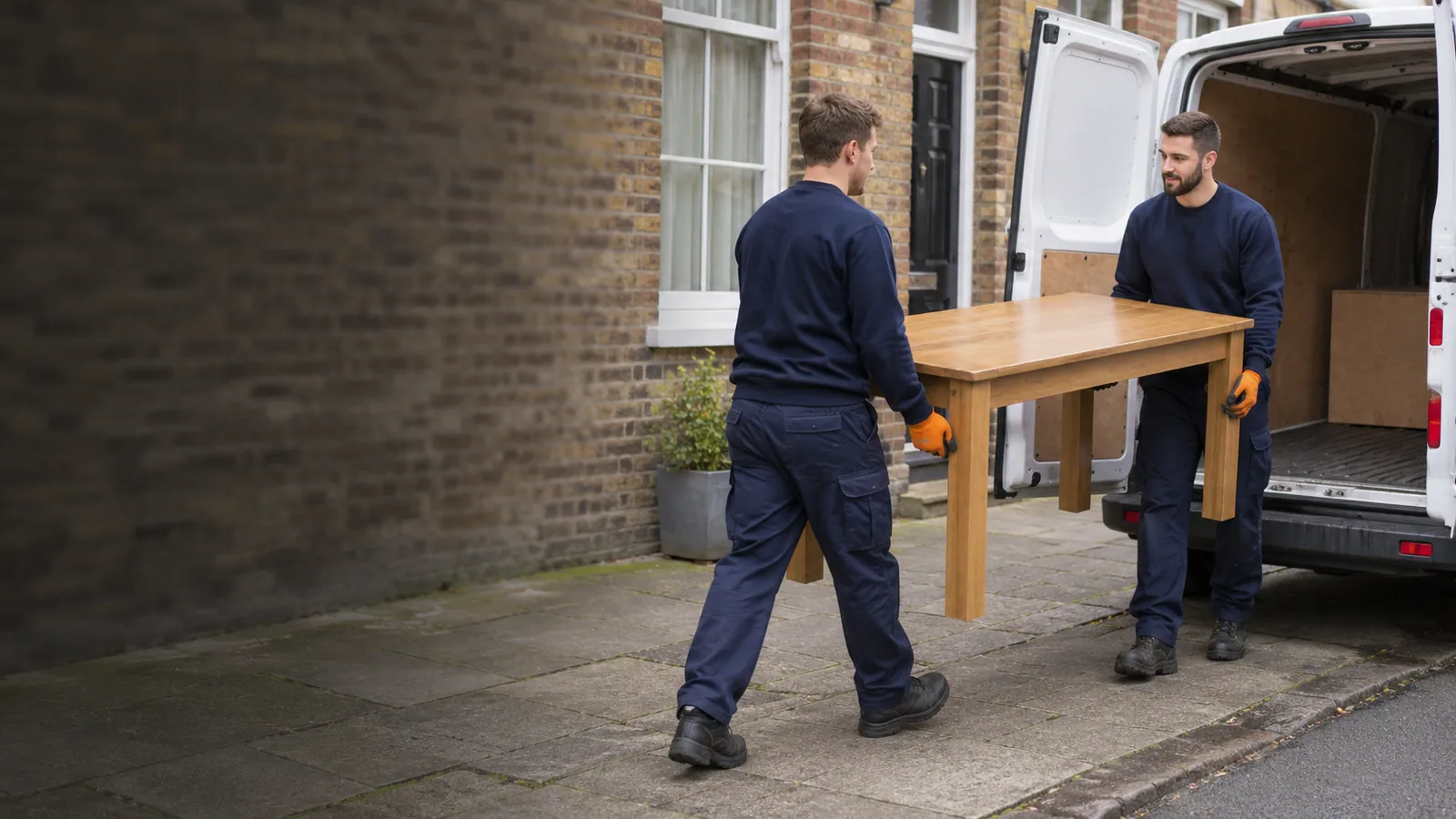
A garage load can include a large freestanding cabinet and many small household objects, but the storage location does not make them identical waste. We discuss item types and principal materials, the approximate quantities and anything hidden within containers. Photographs showing the whole proposed selection support this description while an explanation of concealed contents supplies information the images cannot provide.
Retained tools, equipment and useful materials
The removal list needs to distinguish possessions staying in the space. A tool, unopened product or usable piece of furniture does not become part of the waste simply because it stands beside unwanted contents. We discuss the authorised selection with the organiser and connect it with the person providing access, rather than ask the team or keyholder to decide the value or future use of stored objects.
If selected contents move from one part of the storage area to another before collection, we need the current location described. The same applies when a cabinet has been emptied into boxes: the loose contents may or may not belong to the removal, and that needs to be explicit. Our work is the agreed collection, not an unbounded sorting decision about every object held at the premises.

Containers and materials needing separate acceptance
We discuss potentially different material streams before a mixed storage load is accepted. Electrical items require their device types and quantities identified. Dense debris needs its material and amount explained. Unknown liquids, unidentified substances or unusual contents are not silently absorbed into an ordinary household collection. The organiser raises them specifically so the team can clarify acceptance and the appropriate arrangement.
| Item needing clarification | Information discussed | What is not assumed from storage alone |
|---|---|---|
| Electrical devices | Equipment type, quantity and any separately requested handling requirement. | Their presence among boxes does not turn them into ordinary loose domestic contents. |
| Dense project material | Principal materials and approximate amount in each pile or container. | A compact pile is not assumed to create the same load as light household belongings. |
| Unidentified containers | Main contents and anything unusual or uncertain about the material. | A closed lid, bag or box does not establish suitability for a mixed rubbish collection. |
| Items attached to the premises | Whether the object is fixed, connected or already available to carry. | Collection does not automatically include detachment or alterations to the building. |
Our household waste removal information is relevant to the accepted domestic portion of a storage collection. It does not make every object kept at a household address suitable without a material description. Where a separate handling or acceptance question exists, we resolve that discussion before treating the item as included.
Getting the selected contents to the vehicle
We establish the route from the actual collection area towards a practical loading point. The enquiry describes the entrance, distance, changes in level and any internal route involved. If another room or storage space is also included, it becomes an additional starting point in the carrying description. We do not assume that every garage has the same vehicle access or that every Sutton property has a garage at all.
Bulky pieces need their current size and assembly considered against that route. An intact cabinet and separate wardrobe panels present different movement requirements. Dismantling, detachment or work to the premises is discussed separately rather than assumed from the name of the clearance service. The quote should reflect the accepted contents as they will actually be presented for carrying and loading.
What changes the scope of a garage or storage removal
The quote takes account of quantity and type of waste together with the carrying requirement. A newly discovered group of boxes can change the collection even if the floor area appears similar. So can additional dense material within an existing pile or another collection area that was not described initially. We discuss those updates before treating them as part of the same removal agreement.
| Change before collection | Description we need updated | Effect on the agreed scope |
|---|---|---|
| More boxes selected | Main contents, quantity and their present location. | The additional load can be reviewed rather than assumed included in the first inventory. |
| Furniture taken apart | Components, approximate dimensions and any loose pieces now accompanying it. | Carrying and loading are considered against the current form of the item. |
| Another storage area added | Contents and the route from that location to the loading point. | Both the quantity and premises work are discussed as an addition. |
| Unknown material identified | What the contents actually are and their approximate amount. | Acceptance can be clarified before the item becomes part of the collection. |
The Sutton address and the collection quote
The map centres on Sutton town centre in the borough of Sutton, with SM1 an indicative nearby postal district. We use the full postcode and collection address to discuss availability. Explain where the storage area is located within the premises and who will provide entry so the carrying and loading arrangements can be connected with the right property.
| Quote detail | Information relevant to stored contents | What the customer can check |
|---|---|---|
| Accepted inventory | Furniture, components, boxes and loose items specifically selected. | The contents leaving are identifiable without treating all storage as waste. |
| Main materials | Domestic belongings and separately explained electrical, dense or unusual items. | Acceptance and material-specific questions have been discussed. |
| Carrying route | Starting location, entrance, changes in level and loading connection. | The work needed to reach the vehicle is included in the removal description. |
| Access and timing | Entry contact, preferred date and any changed inventory before the visit. | An available collection is confirmed against the current scope. |
For a bulky furniture selection within the storage area, our furniture disposal page explains the relevant service. The removal takes the contents away for appropriate onward handling. Recycling or reuse is pursued where suitable to the items and available route, with electrical equipment and any dense material identified separately within the collection description.
Sutton: collection location and area map.
Map of Sutton
Load the interactive area map from OpenStreetMap. This connects your browser to the map provider.
Open map in a new tab ↗ © OpenStreetMap contributors
Area orientation only. This map does not mark a company office or a confirmed loading point.
Sutton collection questions
Do you decide which stored tools are no longer useful?
No. The organiser identifies the possessions selected for removal. Tools, equipment and materials staying at the property remain outside the accepted load even if they stand beside unwanted objects. We discuss an identifiable inventory rather than make decisions about an item’s usefulness, value or ownership during the collection.
Can an old cabinet be removed without taking everything inside it?
Yes, the furniture and its contents are separate decisions in the removal description. Explain the cabinet’s dimensions and assembly, and whether any loose belongings are also included. We should not infer that every object contained in an unwanted unit has been selected to leave with it.
Are unidentified tins or bottles included with general garage contents?
Not automatically. Tell the team what they contain and flag uncertainty before acceptance is agreed. A closed container does not establish that its contents are ordinary household rubbish. We discuss the material specifically rather than treat its location within the storage area as sufficient information for collection.
What if only half of the boxes in storage are unwanted?
Make that selection clear in the inventory, including the quantity and main contents of the boxes leaving. The access contact should be able to distinguish them from retained belongings. The collection concerns the accepted group, not every box that happens to share the same garage or room.
Does collection include dismantling a storage shed?
A request to remove stored contents does not automatically include dismantling the structure holding them. Explain any additional work separately before agreement. The team needs to clarify the scope rather than assume that carrying and loading unwanted objects also authorises or includes alteration of the premises.
Can another pile found later be added without updating the quote?
Explain its contents, amount and location first. A further pile may change the load, material acceptance or carrying route. We review that addition against the original inventory and work description before considering it included, rather than treating the collection as unlimited removal from every storage area at the address.
Arrange your Sutton collection.
Discuss the unwanted items, full postcode and route to the vehicle with the collection team.
Discuss your Sutton collection
Open our booking form to arrange your collection.
Continue to our booking form to confirm your items and contact details.