
UXBRIDGE COLLECTIONS
Rubbish Removal in Uxbridge
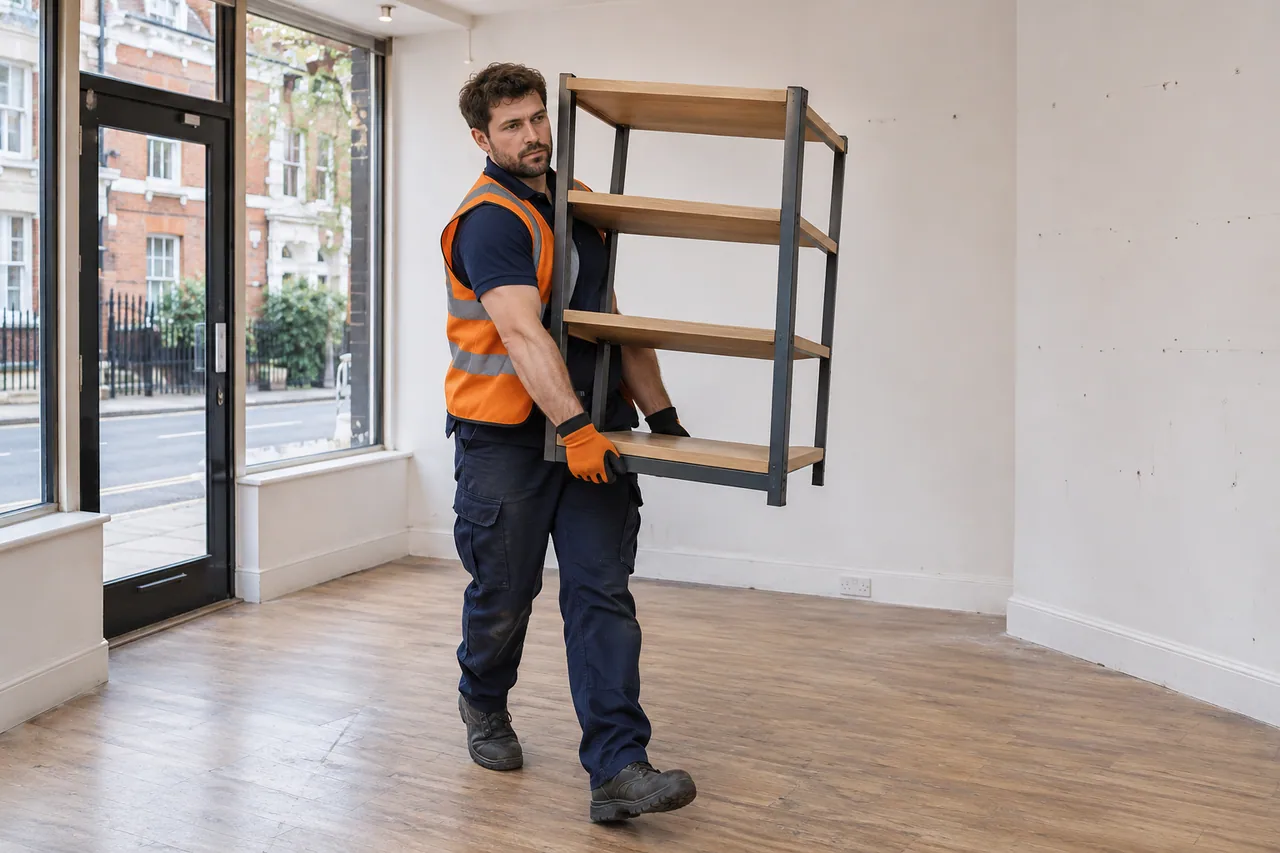
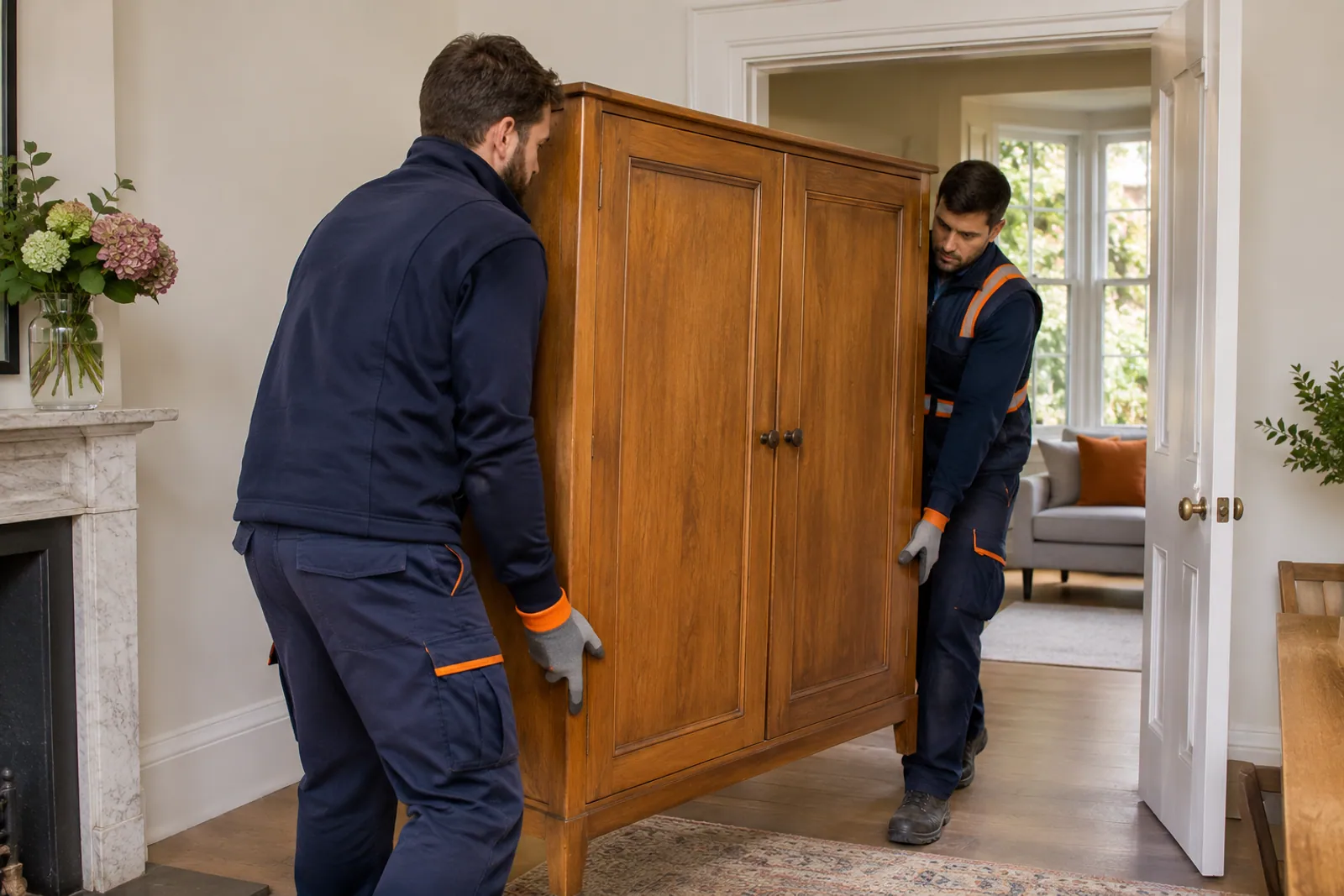
We arrange removal of accepted freestanding counters and storage-unit components from Uxbridge premises. The enquiry identifies cabinet bodies, separate tops, panels and loose parts being discarded, distinguishing them from installed fittings and retained contents. We discuss construction, current assembly and the route out before explaining the quotation and confirming an available collection.
Uxbridge collections, explained.
Can a freestanding retail counter be collected in separate parts?
Describe the top, body, panels and other components in the form in which they will be presented. We identify their construction and approximate dimensions before discussing acceptance and the route to loading. Additional dismantling or detachment work requires clarification rather than being assumed within the carrying and removal of a listed counter.
Does removal of a storage unit include everything inside it?
The furniture and its contents are separate selections. Explain which cabinet bodies, shelves or panels leave and which goods or possessions remain at the premises. Any unwanted contents proposed for collection need their own material description. This prevents the furniture instruction from becoming an assumed disposal of every item previously stored within it.
The contents included in your Uxbridge enquiry.
| Counter or storage component | What the enquiry identifies | Boundary of the proposed removal |
|---|---|---|
| Freestanding cabinet body | Number, approximate dimensions, construction and the unit’s present location. | The accepted furniture is distinguished from fitted joinery and units remaining in use. |
| Separate counter top | Material, approximate size and whether it accompanies a body or stands as a separate component. | The carrying description concerns the actual top rather than an assumed whole-counter dismantling job. |
| Loose sides and shelf panels | The number and dimensions of the discarded parts and any similar components being retained. | The scope records the physical load instead of inferring it from the furniture’s former storage capacity. |
| Doors, drawers and other parts | Which components leave, whether they remain attached and where loose parts are held. | Retained parts and contents are kept separate from the furniture authorised for collection. |
A business clearance with a defined boundary
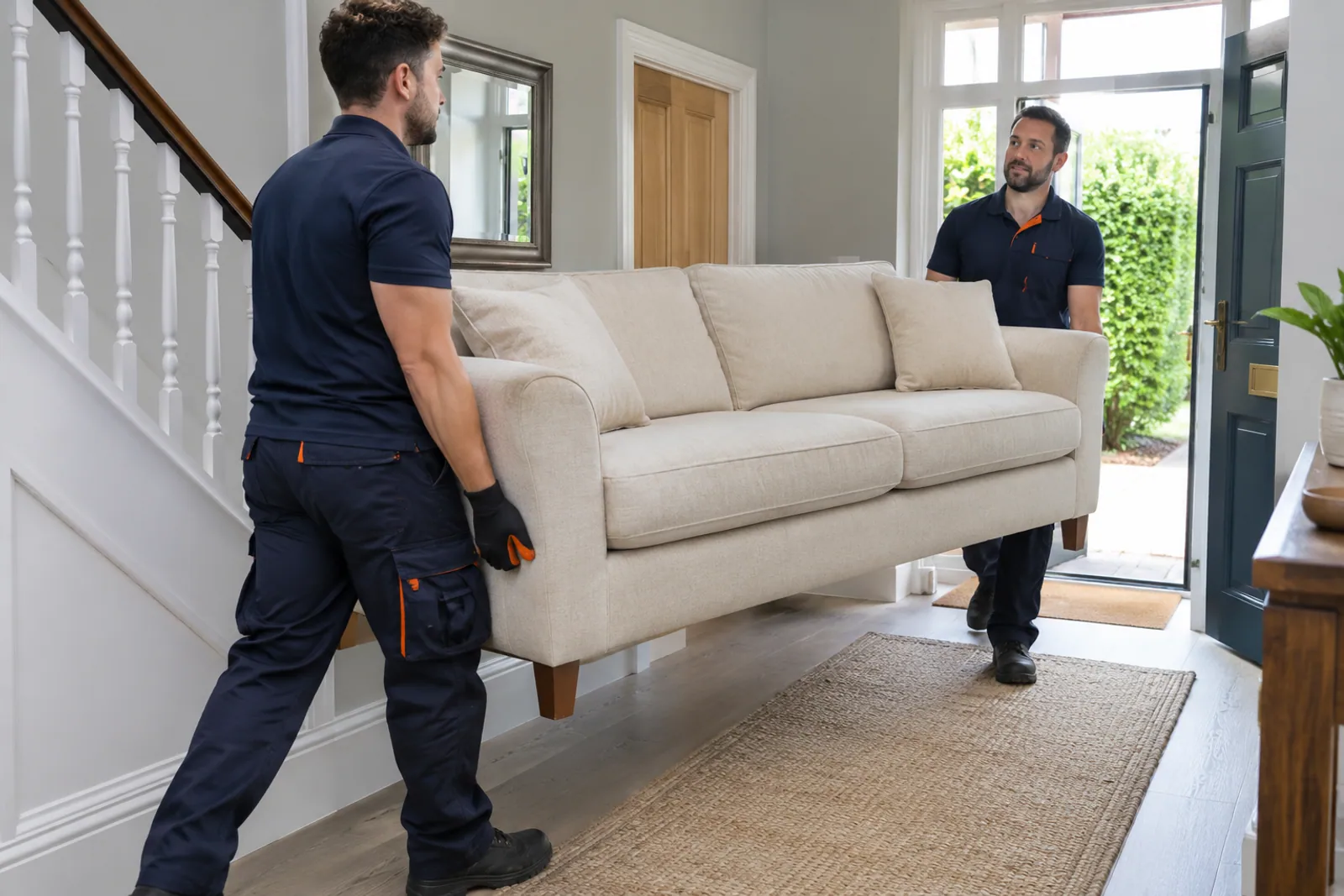
Our Uxbridge collection can concern a defined group of freestanding counter or storage components rather than a complete retail clearance. We establish which furniture bodies, tops and loose parts are being discarded. The customer distinguishes retained units and goods from the physical pieces leaving, including any similar panels or shelves still needed for furniture remaining at the premises.
The shop clearance service explains a dedicated retail enquiry. We describe the actual contents involved rather than promise a general strip-out. Fixed joinery, connected equipment and alterations to a unit are different work from carrying freestanding furniture and accepted waste to transport. Their presence needs identifying, including where a customer’s proposed collection depends on something first being detached or disconnected.
How the collection moves from scope to removal
We connect the business inventory with the premises route. Doorways, floor changes and the path between collection areas can affect how furniture is moved. The vehicle-loading position is discussed for the actual address rather than inferred from the Uxbridge area name. Once the load, work and quotation are clear, the team confirms an available visit with the person arranging entry.

Identify the authorised contents
We establish the furniture and waste selected by the customer, distinguishing retained stock, working assets and items belonging to other occupants.

Review components and route
Display sizes, current assembly, collection rooms and the practical path to vehicle loading are discussed together.

Confirm the accepted instruction
The team agrees the material scope, carrying work, quote and available attendance with the contact responsible for access.

Carry and remove the load
Accepted contents are moved out and loaded for transport, with onward handling arranged for the identified waste streams.
The contents and carrying behind your Uxbridge enquiry.



Describing removable display and storage furniture
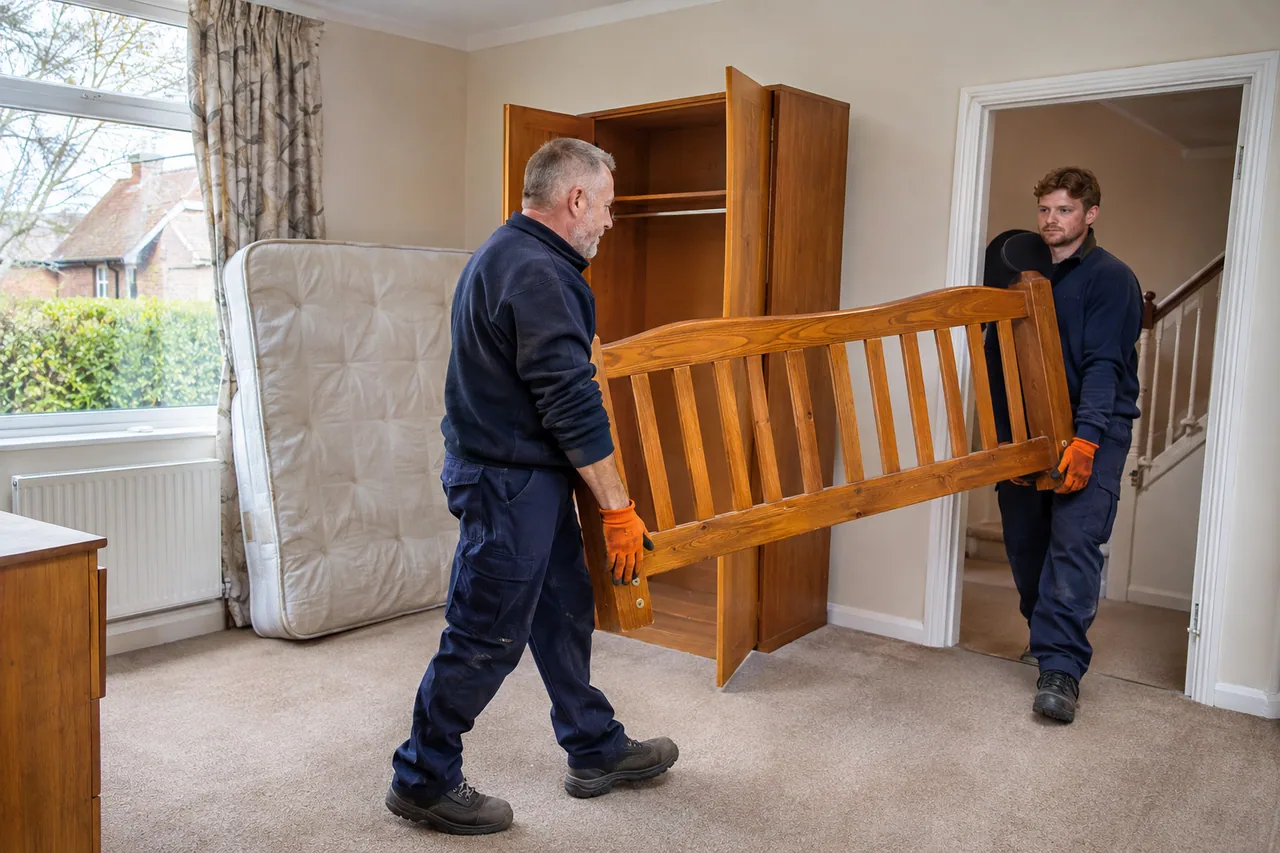
The counter or storage unit is listed in its existing form, whether that is an assembled freestanding body or a set of already separated components. We identify piece counts, construction and approximate dimensions rather than use its former length or storage capacity as the whole load description. Loose tops and panels held apart from the unit need naming if they are being discarded, while usable components retained for other furniture remain outside the instruction.
Agreeing who confirms the selection
The removal contact needs to distinguish unwanted contents from goods or assets that should remain. Where a premises contains items belonging to more than one party, we discuss which contents the customer is instructing us to remove. The team should not have to determine ownership, decide whether stock has value or infer that every object in an outgoing business area has been authorised for disposal.
The instruction can remain precise without clearing the whole premises. A business may be replacing a group of displays while retaining its counter, or removing packaging from one store while keeping stock in an adjacent room. We identify those limits and collection locations. Changes in the selected contents are discussed with the contact before an earlier quotation is treated as covering a larger clearance.

Stock, packaging and equipment are different groups
An item list is more useful when it names materials rather than using one broad description such as everything in the storeroom. We separate the proposed waste from retained goods and identify equipment individually. This allows acceptance and handling to be clarified before collection, including contents whose purpose is not obvious from photographs or closed containers.
| Premises contents | Collection discussion | What is kept separate |
|---|---|---|
| Empty delivery packaging | The amount of cardboard, wrapping or other identified packaging proposed for removal. | Goods, reusable business supplies and containers holding stock are not assumed to be packaging waste. |
| Discarded stock or materials | The actual items and materials involved, with quantities described. | Acceptance is discussed explicitly; the team does not infer suitability simply because goods are unwanted. |
| Electrical equipment | The device type, current condition and additional requirements relevant to removal. | Disconnection, data-related work and specialist handling are clarified rather than promised by a general clearance label. |
| Mixed storeroom contents | Furniture, containers and loose material distinguished within each collection area. | Retained assets and unexplained contents remain outside the accepted waste description until clarified. |
Loading furniture from more than one business area
The carrying description identifies each location included in the quote. Furniture on a sales floor and contents in a separate store may follow different internal routes before reaching the same exit. We discuss those routes and the position of the accepted items so the job is not described as one accessible pile when it actually spans several collection areas.
| Route element | Information required for the enquiry | Work described for collection |
|---|---|---|
| Display position | Which furniture leaves and whether goods or components are being retained. | Carrying the accepted units without treating surrounding business contents as part of the load. |
| Separate store | The selected contents, entry and location within the premises. | Removal from that named space rather than an open-ended instruction to empty storage. |
| Bulky transition | Dimensions, doors, turns and any relevant stairs or usable lift. | Movement of the furniture in its current described form, with additional requirements clarified beforehand. |
| Vehicle connection | The practical loading position and carrying distance from the premises exit. | The quote includes the agreed route towards transport rather than an assumed loading arrangement for every property. |
Uxbridge location and quotation details
This guide uses the GLA town-centre reference for Uxbridge in Hillingdon. UB8 is the indicative postcode district around that centre; we use the full address for the actual enquiry. The area map is a location reference rather than a company branch or a confirmed loading point. Collection availability is discussed directly for the premises and the waste described.
The price is explained against the accepted contents and the work needed to move them. A broad counter, a dismantled display and several packaging containers are different physical loads. We identify their quantities and materials alongside access. Where the enquiry instead concerns desks, storage units or staff-room furniture, our office clearance page describes that workplace selection in more detail.
| Quote component | The scope specifies | What requires review if it changes |
|---|---|---|
| Display and furniture inventory | Units, components and the approximate sizes of the pieces selected. | Additional furniture or a change from dismantled parts to assembled units alters the described load. |
| Waste materials | Packaging, accepted stock waste and separately identified equipment. | New material types need acceptance and handling clarification before joining the original collection. |
| Collection areas | The named rooms and route to the practical vehicle-loading position. | An added store, changed floor or different access point may change the work behind the price. |
| Agreed attendance | An available visit and a contact able to provide entry and confirm the selection. | Changed access or scope needs discussing rather than assuming that the original instruction covers a different job. |
Uxbridge: collection location and area map.
Map of Uxbridge
Load the interactive area map from OpenStreetMap. This connects your browser to the map provider.
Open map in a new tab ↗ © OpenStreetMap contributors
Area orientation only. This map does not mark a company office or a confirmed loading point.
Uxbridge collection questions
Can the business keep a counter top while the cabinet body leaves?
Yes. Identify the body as the unwanted selection and make clear which components remain. Describe the furniture in the condition in which it will be presented for collection. Any additional separation work needs clarification before the visit rather than being inferred from the instruction to remove only part of a counter.
Is an installed counter treated like a freestanding unit?
No. Explain any attachment to the premises and what additional work is involved. Carrying and loading agreed contents is different from an assumed strip-out or alteration service. The team clarifies the proposed scope before acceptance instead of treating every counter as ready to move from the building.
Do separate shelf panels need counting in the inventory?
Identify the discarded panels and their approximate sizes, including parts held apart from the cabinet bodies. Their former association with a unit does not show the whole physical load. The description should also distinguish usable panels staying with the business, particularly where components look similar.
Can drawers leave while their contents stay?
Yes. We distinguish the physical drawers from goods, documents or other belongings being retained. Explain which components are being discarded and how they will be presented. Any contents separately proposed as waste need their own description rather than being assumed part of the furniture collection.
What if more cabinet sections are found after the quote?
Tell the team about the extra pieces, dimensions and location before collection. Further sides, tops or frames change the physical load even when they come from the same former unit. The quotation describes the accepted selection rather than an unlimited allowance for all components later discovered on the premises.
How are large counter parts connected with the access description?
We discuss the current assembly, approximate dimensions and route from their location to loading. The same long top can involve different carrying from an accessible ground-floor position or another room. Doors, turns and floor changes therefore need describing for the actual components rather than inferred from a general counter-removal label.
Arrange your Uxbridge collection.
Discuss the unwanted items, full postcode and route to the vehicle with the collection team.
Discuss your Uxbridge collection
Open our booking form to arrange your collection.
Continue to our booking form to confirm your items and contact details.