
CHADWELL HEATH COLLECTIONS
Rubbish Removal in Chadwell Heath
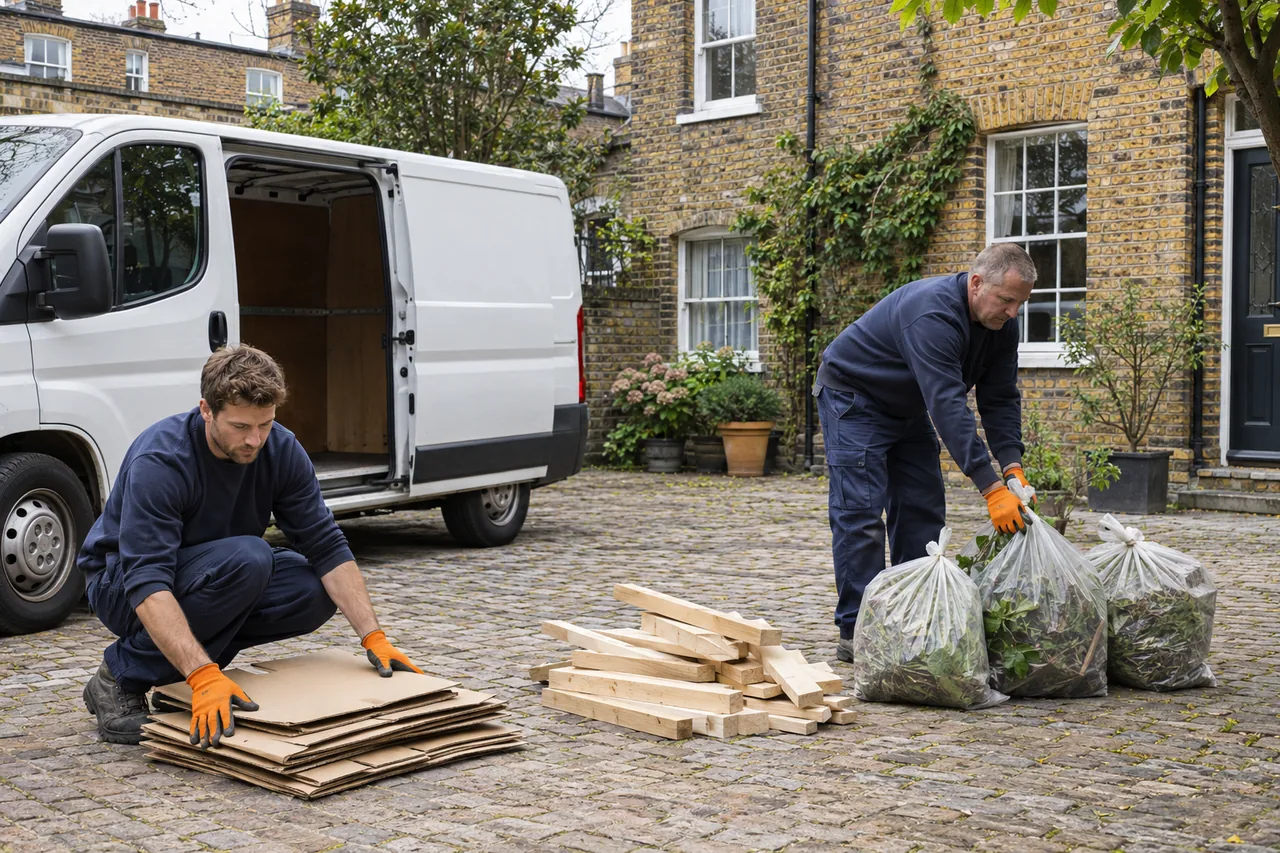
We arrange rubbish collections from Chadwell Heath homes and business premises. Where timber packing, loose boards or other bulky material is proposed, we discuss its actual form and approximate dimensions before agreeing removal. The collection description separates the waste from retained supplies and other contents, then connects it with carrying, practical loading, the quote and an available visit.
Chadwell Heath collections, explained.
Can timber packing pieces be discussed for a Chadwell Heath collection?
Describe the timber, approximate amount, longest pieces and current assembled or separated form. We discuss material acceptance and carrying for that proposed load rather than assume every timber object has the same collection requirement. Other packaging, electrical items or project debris should be identified separately before the team agrees the scope and available arrangements for the premises.
What if timber packaging is still assembled around other contents?
Explain the current structure and whether goods, retained materials or other possessions remain within it. We distinguish the proposed waste from the contents staying and clarify any work needed before carrying. Collection is scoped around the form discussed with the team, not an assumed instruction to dismantle packaging, alter a structure or remove everything it contains.
The timber and packaging inventory
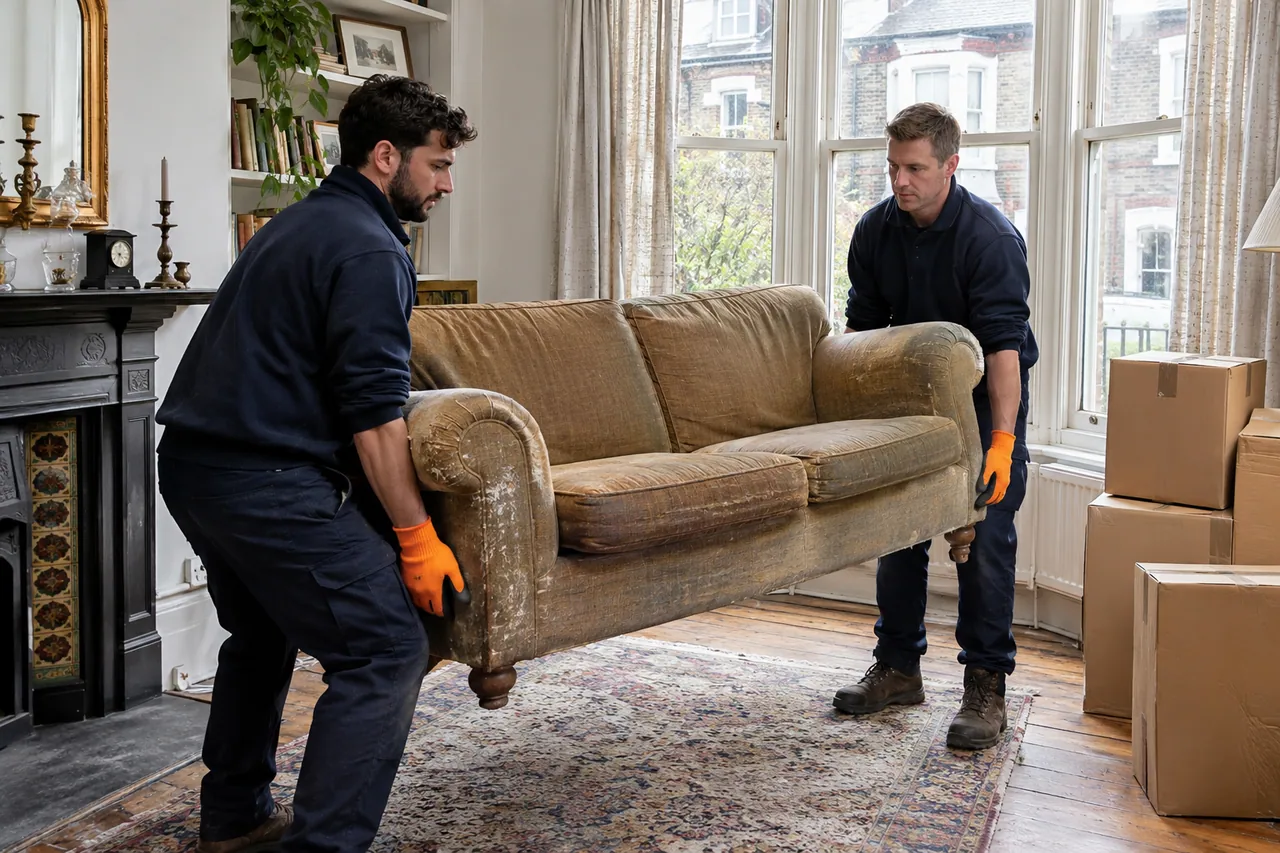
We describe long pieces and assembled objects individually, then group smaller material meaningfully. Photographs show the collection area and overall amount, while the written description deals with dimensions or contents that are not clear from the pictures. Other materials mixed into the timber remain identifiable.
| Proposed material | Description used for acceptance and collection | What needs a separate clarification |
|---|---|---|
| Loose boards or lengths | Approximate number, dimensions and the longest pieces leaving. | Retained full boards or supplies beside the waste are not automatically included. |
| Timber packing components | Current form, amount and any assembled sections still present. | Dismantling or removing goods held within packaging is not silently assumed. |
| Panels or sheet pieces | Approximate dimensions, material and where the pieces are held. | Large rigid components are described rather than hidden within a general bag count. |
| Mixed packaging or project contents | Cardboard, wrapping, hardware or other materials named alongside the timber. | Acceptance reflects the mixture rather than a label suggesting a timber-only load. |
Timber form explains more than a general waste label
A collection may involve loose boards, small packing pieces or a larger assembled timber item. These are different physical descriptions even if all are called wood waste. We establish the material, approximate amount and dimensions of the pieces leaving, together with any mixed components that need their own acceptance discussion.
Our builders clearance service is relevant for agreed project materials, while the actual source and contents of the load should be explained. The team does not assume that an instruction to collect loose timber also includes standing structures, attached fittings or usable supplies nearby. The customer identifies the waste selection and the current form in which it will be presented, with additional work clarified before the scope and quote are agreed.
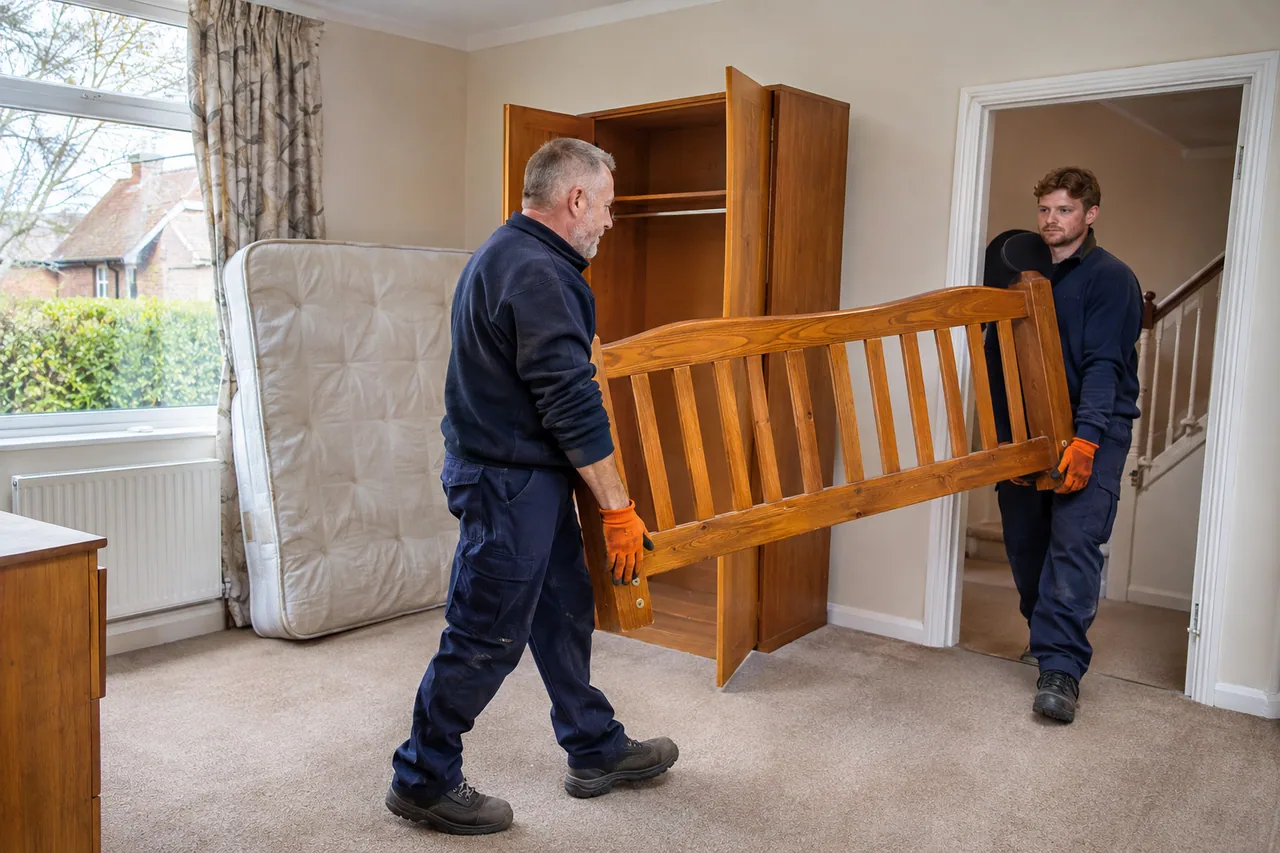
Waste selection stays separate from stored goods
Where packing material has been used around a delivery or stored object, identify what is now unwanted and what remains. A crate, frame or pallet-like component can hold goods or other property that has not been selected for removal. The collection description should not leave that distinction to the team’s interpretation at the premises.
The commercial waste collection discussion provides the route for business material enquiries. Explain whether the request concerns one identified load or another requirement. A particular collection of packing material is scoped around its accepted contents; it does not create an unlimited allowance for later deliveries, and a business address does not make every material stored there waste.
Connecting bulky timber with the collection route
The planning sequence uses the material description and dimensions alongside access. Long or rigid pieces need to be connected with the route available from their starting points. The team confirms the accepted scope, quote and available visit before carrying and loading take place.

Identify the timber selection
Loose boards, packing components and other proposed pieces are listed, with retained supplies and goods distinguished.

Clarify current form and materials
Dimensions, assembly and mixed components establish the load and any work requested before carrying.

Review the practical route
Collection locations, doors, turns and loading distance are discussed alongside the quote and access arrangements.

Carry and remove the load
The agreed material is loaded and transported away for appropriate onward handling within the confirmed scope.
The contents and carrying behind your Chadwell Heath enquiry.
Dimensions matter along the carrying route
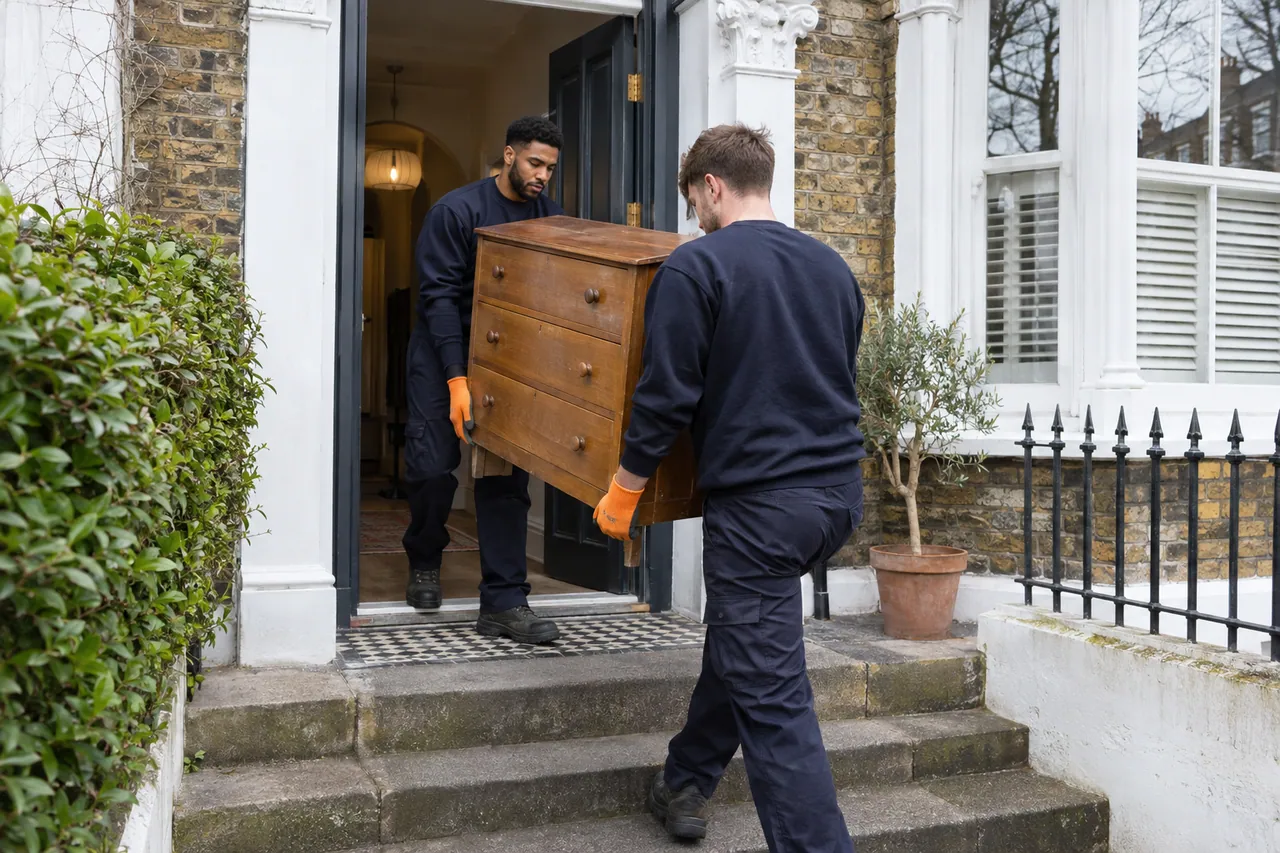
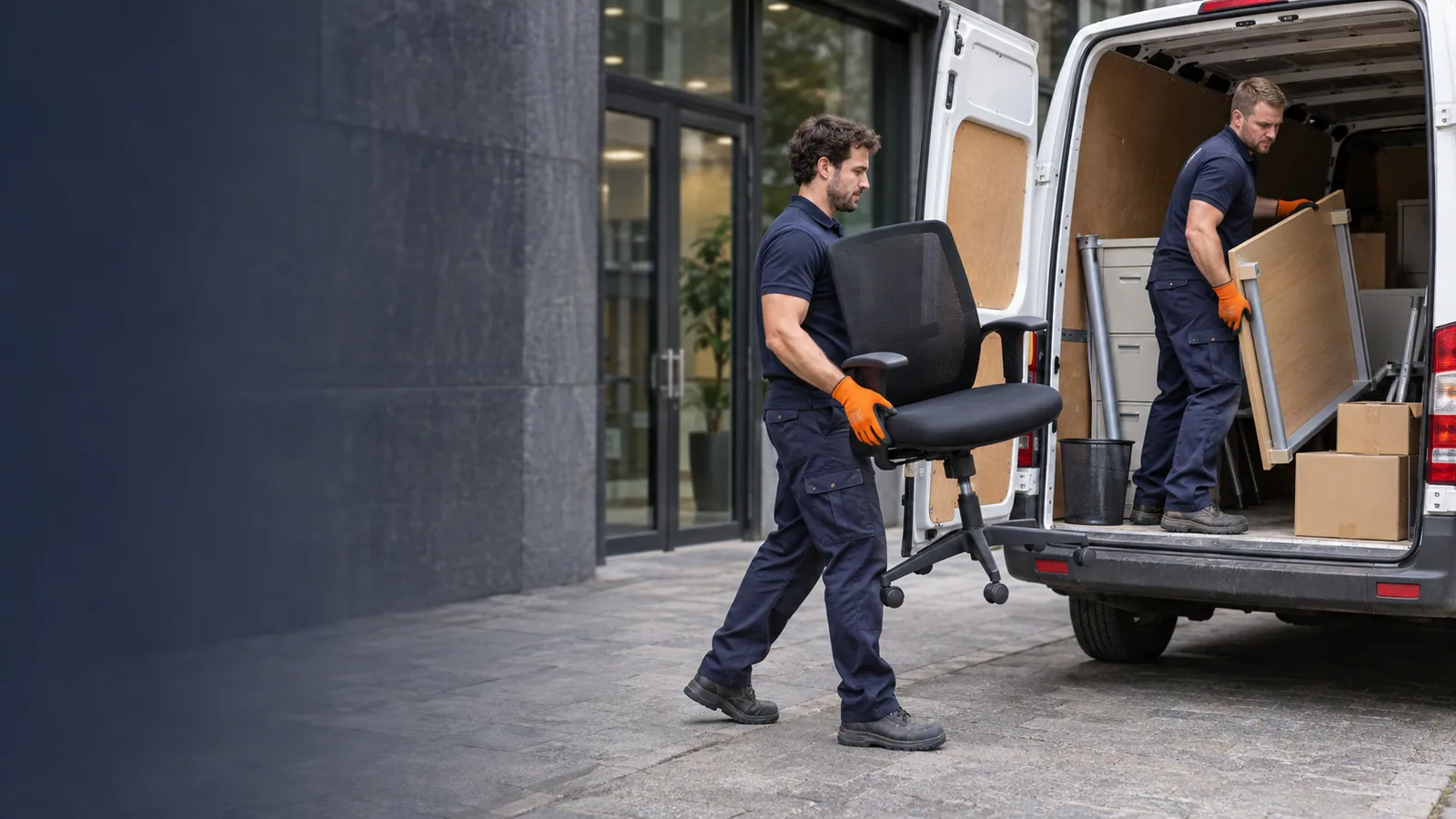
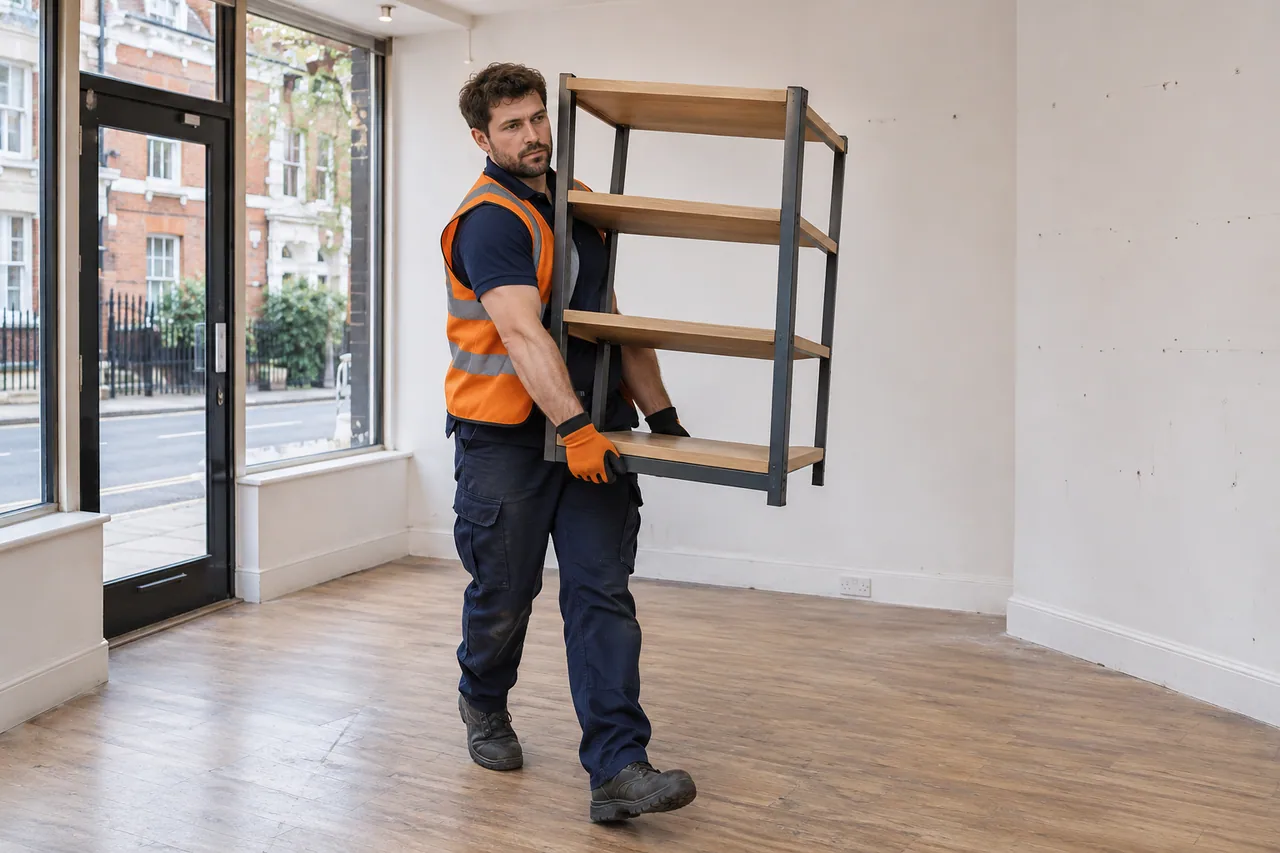
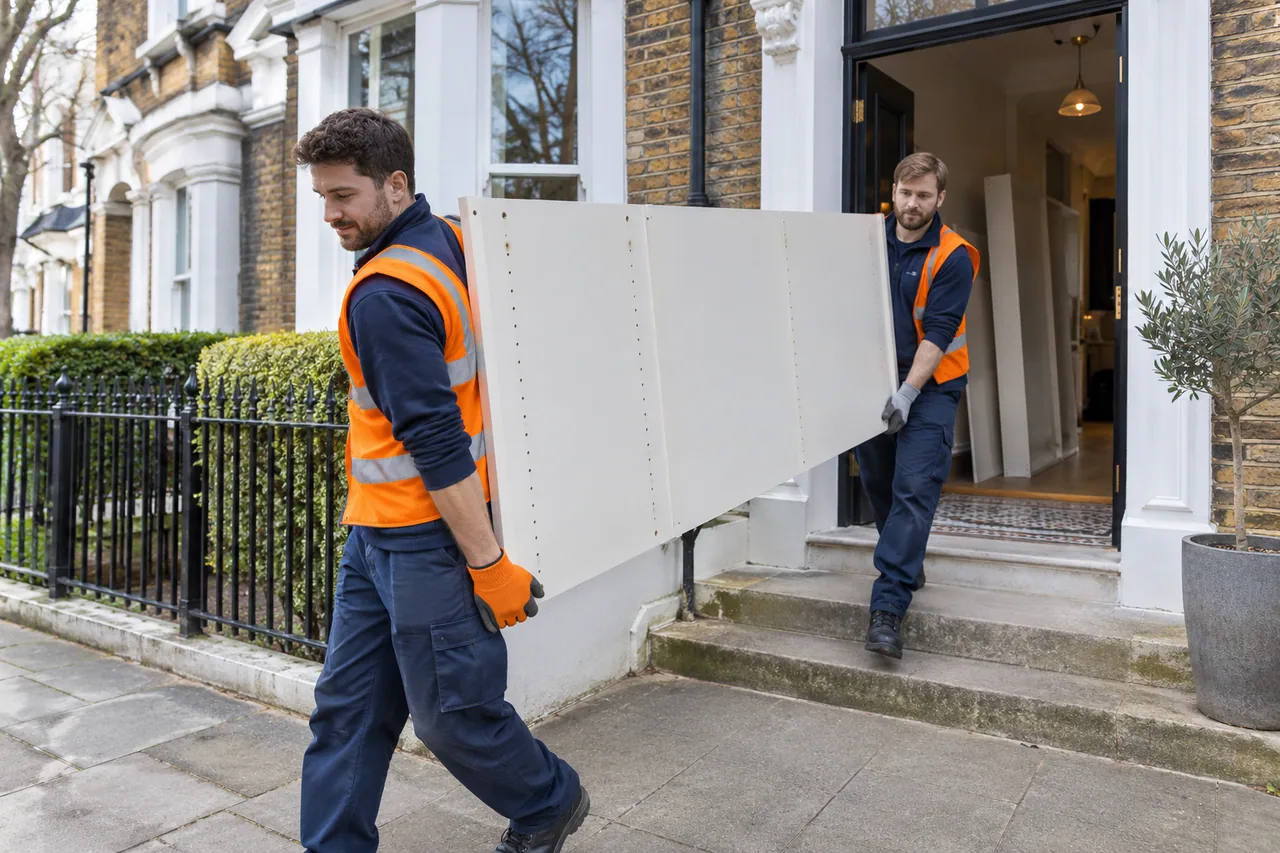
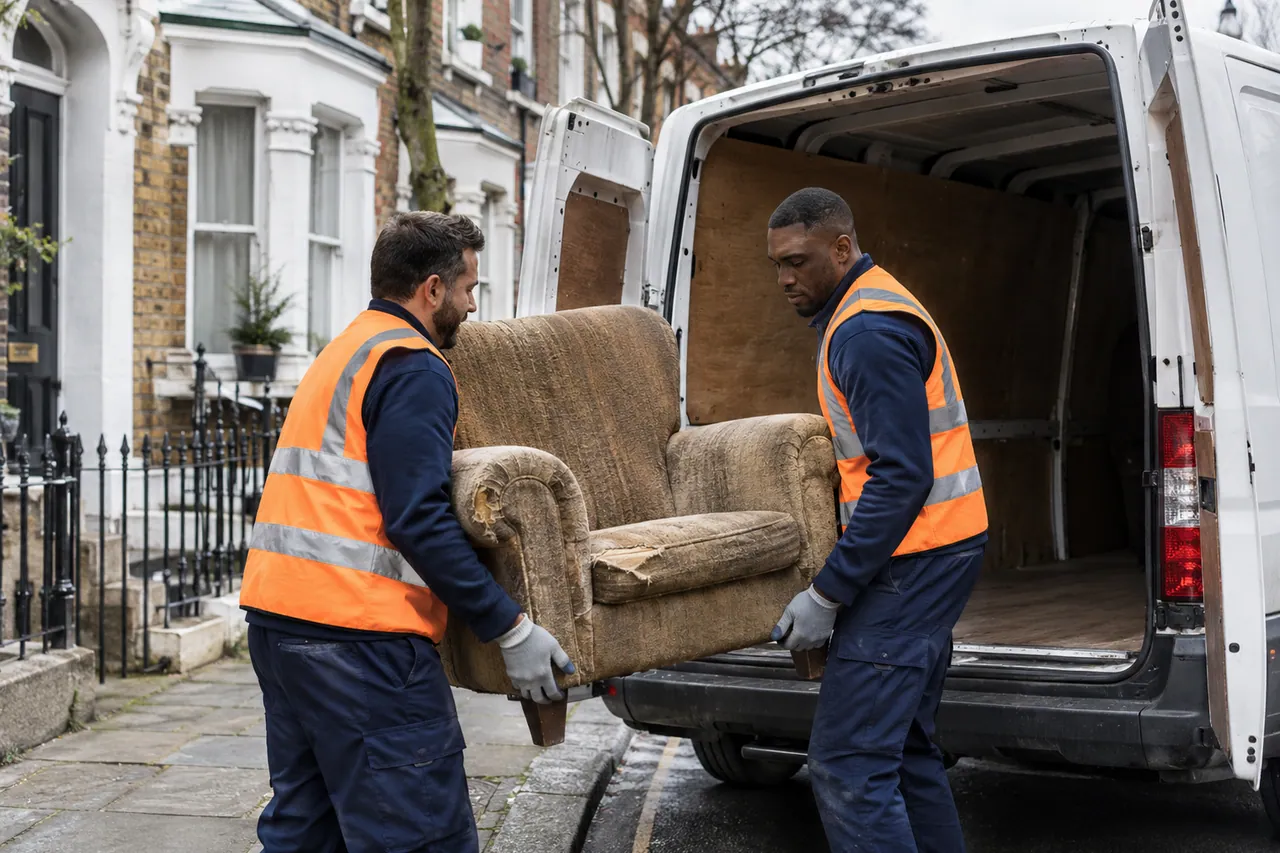
We discuss where the material is held and how it can reach the practical loading position. The longest piece, assembled section or rigid panel can require a different route description from smaller offcuts. Explain relevant doors, steps, changes in level or internal access where they form part of the property’s route.
| Carrying detail | What the enquiry establishes | Why it is connected to the load |
|---|---|---|
| Longest pieces | Approximate length and the starting location of the bulky material. | The route is reviewed for the actual physical pieces rather than only a general volume. |
| Rigid panels | Approximate height, width and present assembly or grouping. | Large flat pieces remain visible in the collection description. |
| Separate stores or piles | Locations and contents of each group included in the proposed visit. | One photographed pile is distinguished from another unmentioned collection area. |
| Practical loading route | Relevant doors, steps, carrying distance and the vehicle position. | The work is discussed for the address rather than inferred from the locality name. |
Other property waste is described independently
A timber-related request can also mention furniture or domestic contents. Our furniture disposal service discusses the current assembly and dimensions of accepted household pieces. The material being similar does not make a cupboard, loose packing board and attached fixture the same removal task.
| Additional group raised | Information needed before agreement | Relationship to the timber selection |
|---|---|---|
| Furniture made from timber | The actual pieces, dimensions, current assembly and any retained contents. | Furniture is expressly included rather than inferred from a wood-waste description. |
| Dense debris | The substance, approximate amount and container form. | Dense project material is not hidden within a timber or packaging load. |
| Electrical equipment | Device types and any request beyond physical removal. | Equipment handling receives its own clarification before acceptance. |
| Smaller contained belongings | Main contents, approximate quantity and location within the premises. | Domestic or business possessions are identified separately from the boards or packing pieces. |
Chadwell Heath and the complete collection address
The locality reference for Chadwell Heath records Barking and Dagenham and Redbridge, with RM6 as an indicative nearby postal district. Give the complete postcode and premises address to identify where the waste is held. The locality label does not establish a particular storage entrance or loading arrangement.
After carrying and loading, the accepted contents are transported for appropriate onward handling. Recycling or reuse is pursued where suitable to the material and available route. Timber, packaging and other components remain separately described so a mixed load is not assumed to receive one identical outcome. Any particular record or additional service requirement should be raised before agreement, alongside the material selection and work requested at the property.
The quote follows material and physical work
We discuss price against the accepted load, its amount and the carrying and loading involved. Long pieces, assembled components and additional collection points belong in that description. Changes before the visit are reviewed rather than silently treated as part of the first arrangement.
| Information supporting the quote | What it explains about the removal | Change to discuss with the team |
|---|---|---|
| Material selection | Timber, packing pieces and other waste expressly proposed and accepted. | Another category or previously retained material added to the collection. |
| Quantity and dimensions | Counts, longest pieces, panel sizes and photographs of the complete load. | More timber, larger components or another pile not previously described. |
| Current form | Loose or assembled presentation and any additional work requested. | A dismantling or detachment requirement absent from the initial enquiry. |
| Access coordination | Starting points, practical route, loading position and authorised contact. | Revised access, collection location or timing needing confirmation. |
Chadwell Heath: collection location and area map.
Map of Chadwell Heath
Load the interactive area map from OpenStreetMap. This connects your browser to the map provider.
Open map in a new tab ↗ © OpenStreetMap contributors
Area orientation only. This map does not mark a company office or a confirmed loading point.
Chadwell Heath collection questions
Is a timber packing frame the same as loose boards?
Describe its current form. An assembled frame, separate lengths and small packing pieces represent different physical loads, even when their material is similar. We discuss dimensions and any work requested before carrying. If goods or retained contents remain within the structure, identify them separately so a timber collection is not treated as authority to remove everything associated with it.
Can unused boards remain next to the waste timber?
Yes, identify the pieces leaving and distinguish retained supplies clearly. The team does not decide which materials the customer intends to use later. The selection should be recognisable to the access contact, with dimensions and approximate quantity for the accepted waste. Additional boards should be discussed before being treated as included merely because they stand beside the original pile.
What should the enquiry say about mixed packing material?
Name the cardboard, wrapping, timber and other components in the proposed load, including contents not obvious in photographs. We discuss acceptance across those categories rather than assume a timber label explains the whole mixture. Electrical, dense or uncertain materials need their own identification before agreement, even if they occupy the same packing or storage area.
Does removal include dismantling an assembled timber object?
Any extra work must be clarified before the scope is agreed. Explain the assembly, approximate dimensions and what is requested before carrying can begin. A collection of ready-to-move material is different from an instruction to dismantle a structure or detach fittings. We discuss the actual presentation instead of treating those tasks as automatically included in rubbish removal.
Can long pieces be collected from a separate store?
Identify the store and the pieces held there as part of the enquiry. Their dimensions and route may differ from the main waste pile, so the collection description should not rely on one photograph or location alone. The team connects each starting point with carrying, loading and the quote before confirming the available visit arrangements.
Does a business packing-material collection include future deliveries’ waste?
The collection concerns the accepted material described for that visit. Further or recurring waste needs its own discussion with the team. Explain additional quantities before assuming they are included in the original scope or quote. A one-off request for timber packing does not create an unlimited removal arrangement for everything that later accumulates at the premises.
Arrange your Chadwell Heath collection.
Discuss the unwanted items, full postcode and route to the vehicle with the collection team.
Discuss your Chadwell Heath collection
Open our booking form to arrange your collection.
Continue to our booking form to confirm your items and contact details.