
COVENT GARDEN COLLECTIONS
Rubbish Removal in Covent Garden
Our Covent Garden collection service removes agreed furniture, household belongings and commercial contents. We establish which items are leaving, how they reach the vehicle and what material handling is required. The quote and available visit are discussed for the premises, rather than assumed from the neighbourhood or business type.

Covent Garden collections, explained.
Can empty packaging leave while goods stay in the same area?
We identify the discarded cartons, wrapping and display inserts and distinguish them from goods, unopened deliveries and working fixtures. The enquiry explains the material and approximate amount, including anything still held within boxes. We discuss acceptance and carrying for that selected packaging rather than assume everything in a delivery or storage area is rubbish.
What form should the packaging description explain?
Tell us whether the material is flattened cardboard, assembled cartons, nested boxes or mixed protective wrapping. Identify any goods or non-packaging contents remaining inside. We use that description with photographs and the collection location so the accepted load reflects the actual material presented, rather than an unexplained carton count or a guess about empty containers.
A collection inventory for business and domestic items

The packaging inventory explains both material and form. Flat cardboard, assembled boxes and mixed protective wrapping can occupy a storage area differently. We discuss the amount actually presented, including material concealed inside larger cartons, before connecting it with carrying and loading.
| Packaging selection | Description used for the collection | What remains outside the selected material |
|---|---|---|
| Flattened cardboard | Approximate amount and where the flattened cartons or sheets are held. | Adjacent cartons containing retained goods are not assumed to be empty waste. |
| Assembled empty boxes | Approximate dimensions, quantity and whether smaller boxes are nested inside. | The outer box count does not conceal another unmentioned packaging accumulation. |
| Protective wrapping | Main materials and whether they are loose, bagged or mixed with other contents. | Wrapped furniture or merchandise remains distinct from discarded wrapping material. |
| Display or delivery inserts | Cardboard dividers, protective pieces and any mixed components individually described. | Display fixtures and retained products are not included because their packaging is unwanted. |
The premises stays distinct from the waste
A packaging collection starts by distinguishing empty material from goods and possessions that remain. Cardboard cartons can sit beside unopened deliveries, while protective wrapping and display packaging may be gathered around furniture still in use. We identify the actual unwanted material rather than interpret every box or wrapped object in a storage area as rubbish.
Our shop clearance service can include agreed packaging from business premises. Explain whether cartons are empty, flattened, nested or still assembled, and describe any inserts or wrapping within them. Display packaging is different from the display unit itself; the enquiry should say which is leaving. We collect the accepted selection without turning a request for empty packaging into an instruction to remove stock, customer goods or working fixtures.

Access is agreed with the person responsible for the premises

We establish who can provide authorised access and identify the collection area. That person may need to distinguish a back room, an office floor or a separate storage space from areas outside the job. The enquiry describes the route through the property, including stairs or a lift where applicable, instead of assuming the whole load is waiting beside an external door.
We also discuss the route from the exit to a practical loading position. The description can include a long carrying distance, changes in level or a building-specific arrangement where these actually apply. No particular restriction is presumed from a Covent Garden address. If a landlord, managing agent or another contact controls access, that involvement is established with the person arranging collection. An available visit is confirmed against the arrangements discussed with the team.
Coordinating a contents removal
The useful sequence is to connect an authorised selection with its materials, carrying work and collection arrangements. Our team discusses these details together so a visit has an identifiable purpose and scope rather than an open-ended instruction to remove whatever appears on the day.

Confirm the selected contents
The premises contact identifies unwanted items and distinguishes retained stock, furniture and working equipment.

Separate the material groups
Furniture, packaging, electrical devices and other waste are described individually for acceptance and handling.

Connect contents with access
We discuss the collection floor, internal route, practical loading point and person providing entry.

Agree and carry out removal
The team confirms the quote and available visit, then carries, loads and removes the agreed load.
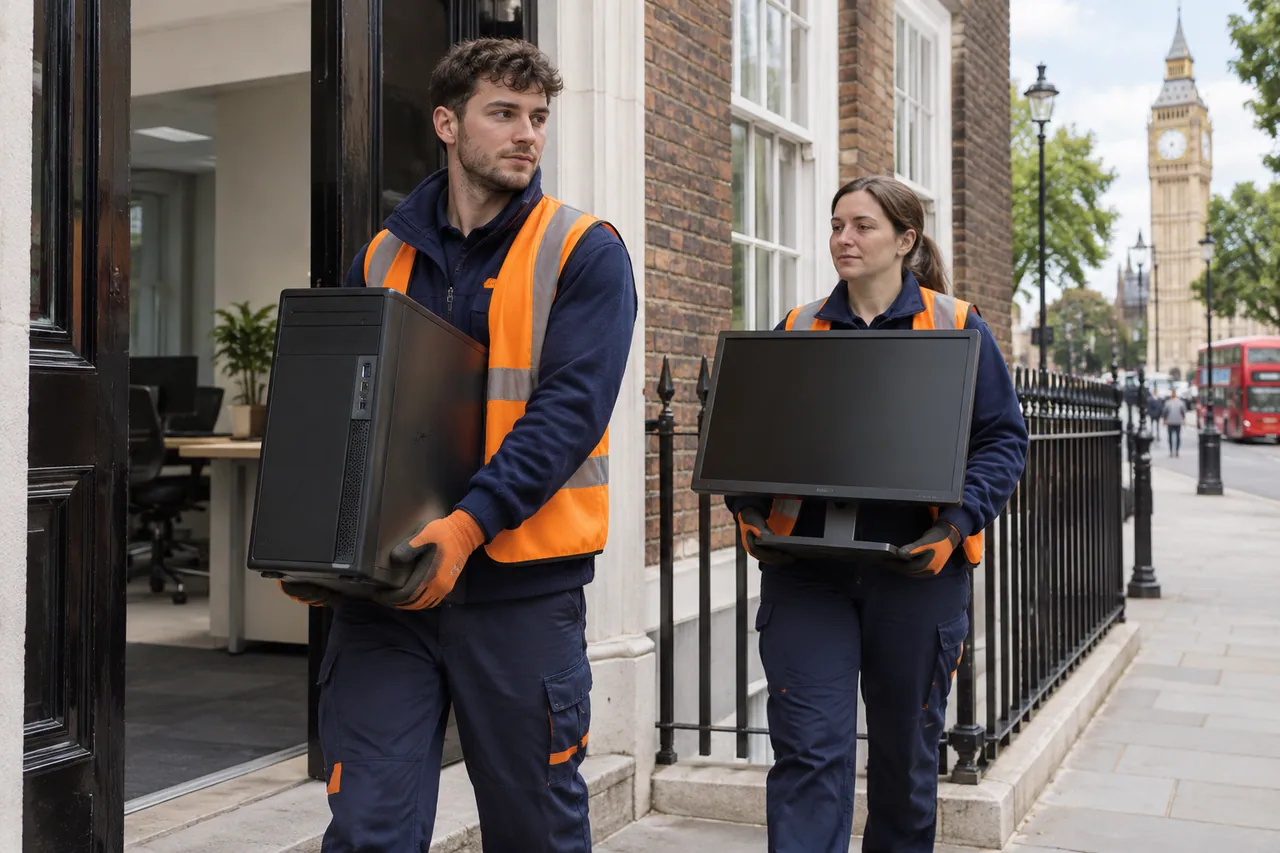
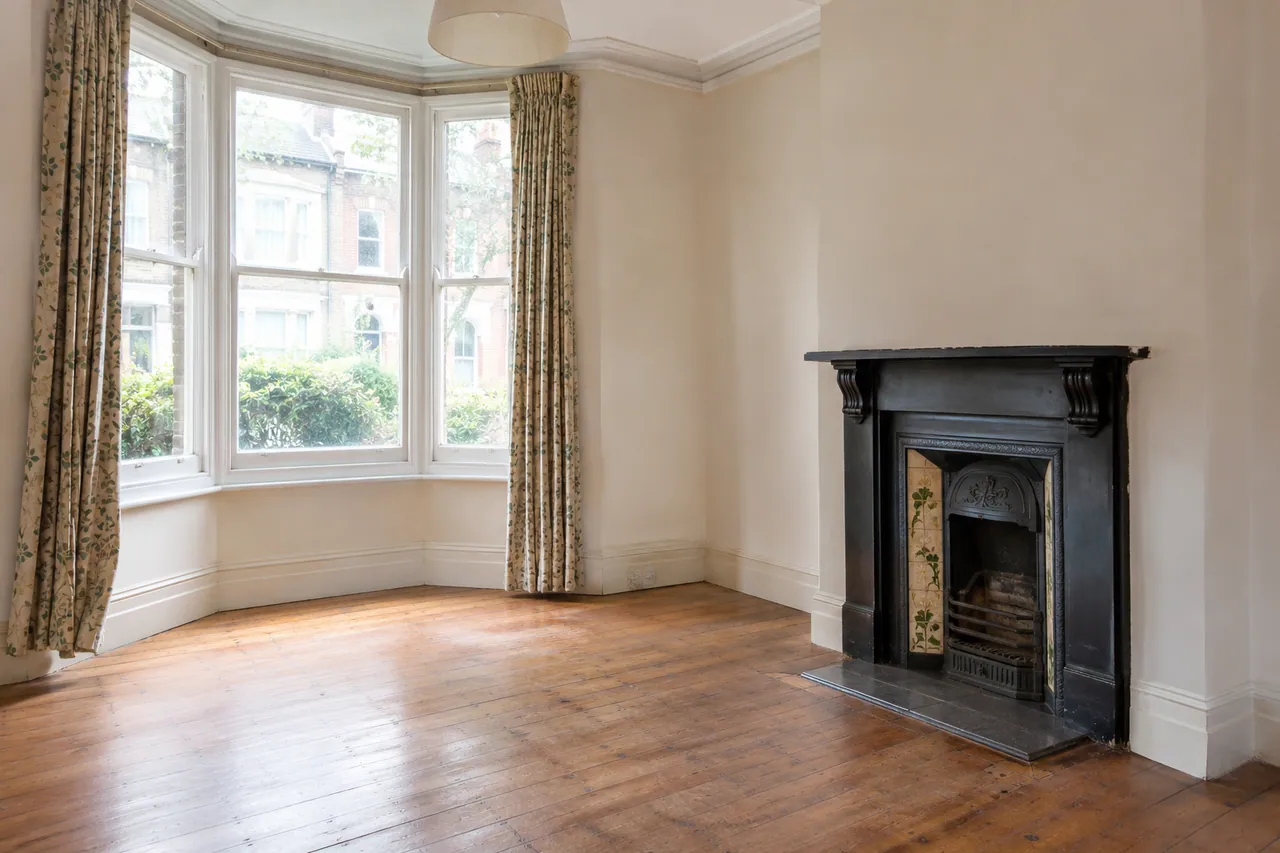
The contents and carrying behind your Covent Garden enquiry.


The form of the packaging presented
Packaging is described as it will be presented for removal. We distinguish flattened material from complete cartons and identify any goods still inside before acceptance. The enquiry should not rely on the assumption that everything in a delivery or stock-room area is discarded packaging.
| Packaging condition | Information established with the enquiry | Scope distinction for the team |
|---|---|---|
| Cartons already flattened | The approximate amount and any separate loose sheets or dividers. | This is the material being carried, rather than an assumed quantity of complete boxes. |
| Boxes still assembled | Their size, count and whether they are genuinely empty. | Goods or other contents are clarified rather than removed under an empty-box description. |
| Mixed wrapping in containers | The main packaging materials and any non-packaging contents. | Acceptance concerns the identified mix, not an anonymous bag of unknown waste. |
| Packaging around retained objects | Which material leaves and which wrapped object remains. | Carrying discarded packaging is separated from handling an item the business is retaining. |
Cartons, wrapping and mixed inserts
An office can also request removal of an identified packaging load through the office clearance discussion. The enquiry should distinguish empty equipment cartons from the computers, furniture or other assets they once held. We do not assume the contents of a box are waste because the container itself is unwanted.
| Material stream | What the removal discussion records | How the collection is defined |
|---|---|---|
| Cardboard cartons and sheets | The approximate amount, current form and any contents remaining. | The accepted cardboard is separated from retained goods or another concealed material. |
| Plastic protective packaging | The main type of wrapping, contained or loose form and amount. | Wrapping is identified rather than described as cardboard or generic office furniture. |
| Mixed delivery packaging | Dividers, protective inserts and other components named by their actual material. | The collection description makes the mixture clear before acceptance. |
| Additional non-packaging items | Any furniture, device or other contents separately requested for removal. | These items require their own agreement instead of being added silently to a packaging job. |
The local reference and a particular collection location
The area reference is the Covent Garden and Strand centre in Westminster, with WC2E as an indicative postal reference. The full premises address establishes the collection point. Our commercial waste collection information provides the route for discussing the accepted business materials; this enquiry concerns the identified packaging load rather than an assumed continuing contract.
The accepted load and the quote
The quote is connected to the contents, quantity, material types and work of carrying and loading. We discuss those factors against the proposed removal rather than attach a fixed neighbourhood charge to the job. A change in the selection or route needs a corresponding discussion with the team.
| Quote information | What explains the requested work | Examples of a change to clarify |
|---|---|---|
| Inventory and materials | The agreed furniture, packaging, equipment and other accepted contents. | More storage furniture, additional devices or a material category absent from the first enquiry. |
| Amount to be transported | Counts, approximate bulky dimensions and photographs of the complete load. | Another store room, substantially more containers or a larger volume of loose contents. |
| Carrying route | The collection floor, available stairs or lift and distance between items and loading. | A different route, changed collection area or revised position for vehicle loading. |
| Access and timing | The responsible contact, premises entry arrangement and requested collection date. | A new access contact or a time requirement that needs confirming before a visit. |
Covent Garden: collection location and area map.
Map of Covent Garden
Load the interactive area map from OpenStreetMap. This connects your browser to the map provider.
Open map in a new tab ↗ © OpenStreetMap contributors
Area orientation only. This map does not mark a company office or a confirmed loading point.
Covent Garden collection questions
Can unopened delivery cartons remain beside empty packaging?
Yes, the accepted selection should distinguish the empty material from cartons containing retained goods. We discuss what leaves rather than treat the whole delivery area as rubbish. Explain any packaging stored within larger boxes as well. The access contact needs to recognise that same boundary when the team arrives to carry and load the agreed material.
Does flattened cardboard need a different description from complete boxes?
Explain the current form because it helps describe the actual amount presented. Flattened sheets, assembled cartons and nested boxes can represent different packaging loads even where their original box count was similar. We use the approximate quantity, material and photographs together rather than assume every cardboard collection is a pile of complete empty cartons.
Can wrapping be collected while the protected item stays?
The enquiry can identify unwanted protective material while the furniture, product or other object remains. Make the distinction explicit so the team is not asked to infer ownership or waste status from a wrapped appearance. We discuss the wrapping material, amount and collection location; removal of the protected object would be a separate addition requiring agreement.
Are display inserts the same as the display fixture?
No. Describe the packaging inserts leaving and distinguish them from racks, stands or other fixtures being retained. Cardboard dividers and protective components are packaging materials, while the display unit may involve another collection requirement. Any mixed components should be named before acceptance rather than grouped under one unexplained instruction to clear the display area.
What if other rubbish has been placed inside an empty carton?
Describe the additional contents before the collection is agreed. The box is then holding a mixed load rather than only empty packaging. Electrical items, dense materials or uncertain substances need their own clarification. We connect acceptance with the actual materials, so a cardboard collection is not an automatic agreement to take anything concealed within the cartons.
Does this enquiry arrange future packaging collections automatically?
No. The removal concerns the identified accepted load and available visit discussed with the team. If the business needs a further or recurring arrangement, that requirement is raised separately. The scope and quote for this collection do not create an unlimited allowance for packaging accumulated later or an assumed continuing contract at the premises.
Arrange your Covent Garden collection.
Discuss the unwanted items, full postcode and route to the vehicle with the collection team.
Discuss your Covent Garden collection
Open our booking form to arrange your collection.
Continue to our booking form to confirm your items and contact details.